Hotels in Chichibu
Discover your perfect stay in Chichibu.
Chichibu(Japan) Travel 2026: Cheap Flights, Hotels & Top Attractions
Popular Landmarks in Chichibu
Discover the most iconic attractions in Chichibu
Recommended Hotels in Chichibu
Find the perfect place to stay in Chichibu
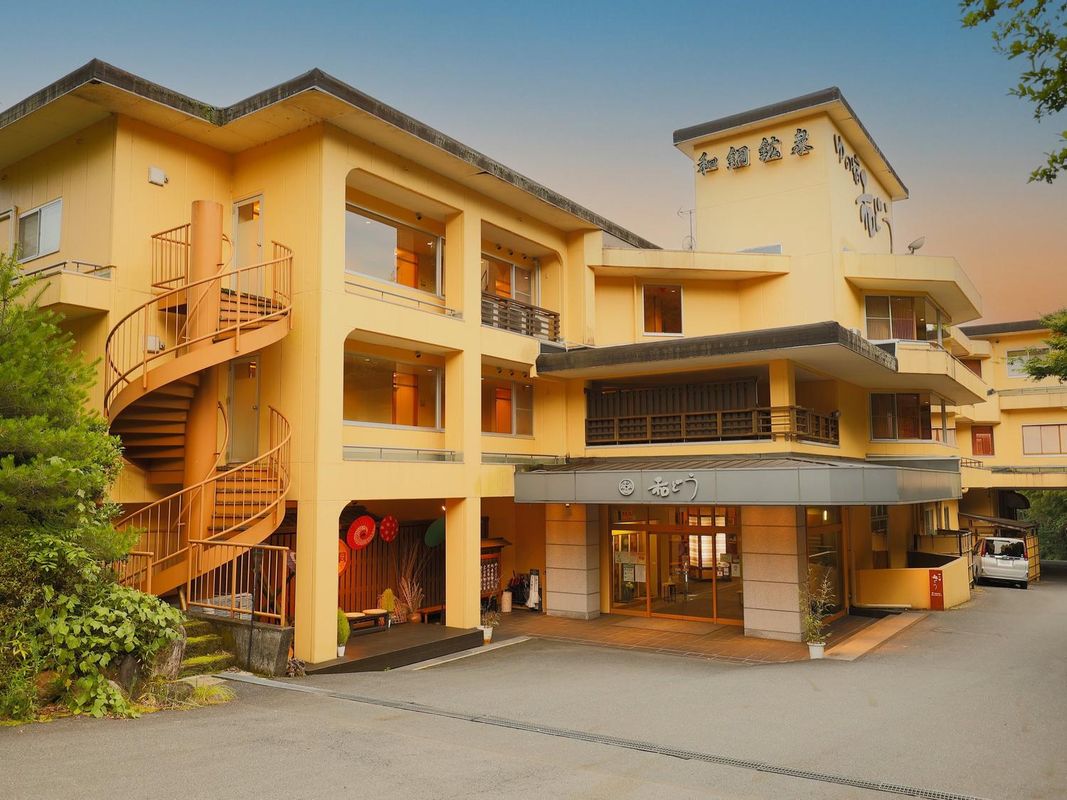
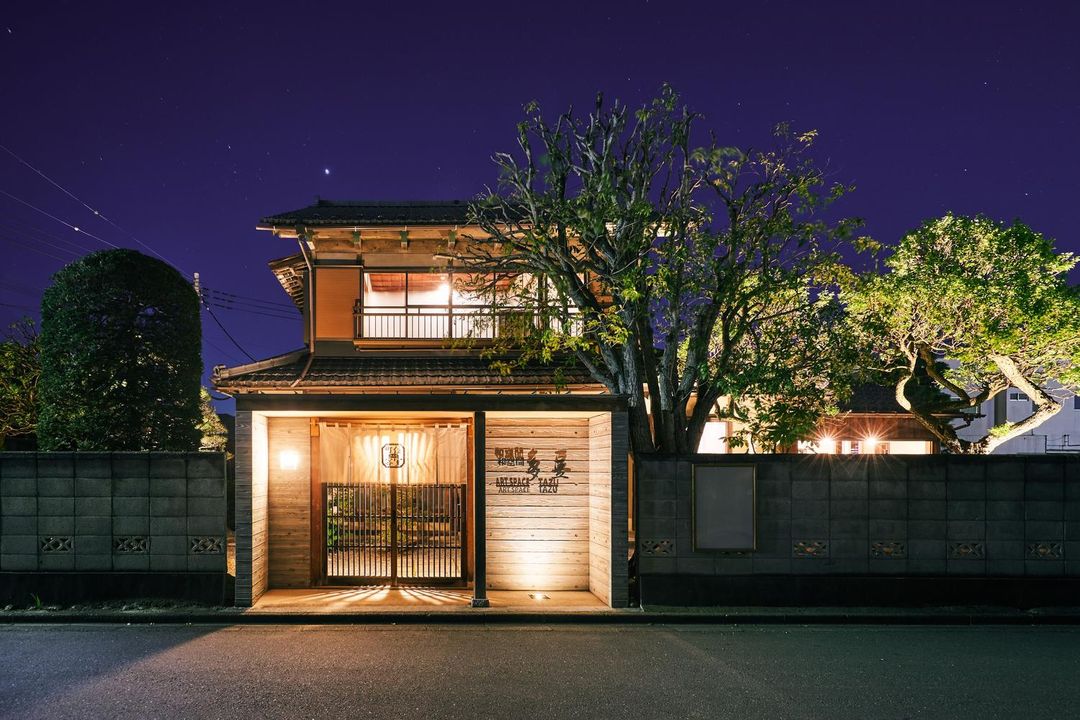
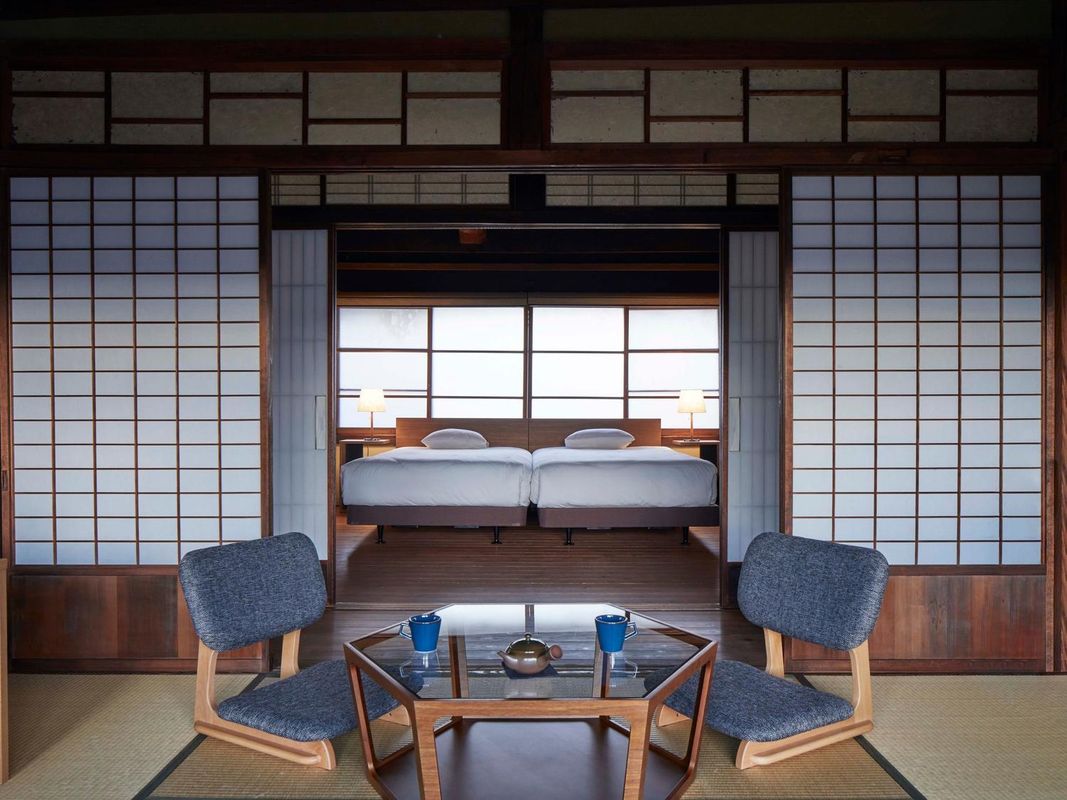
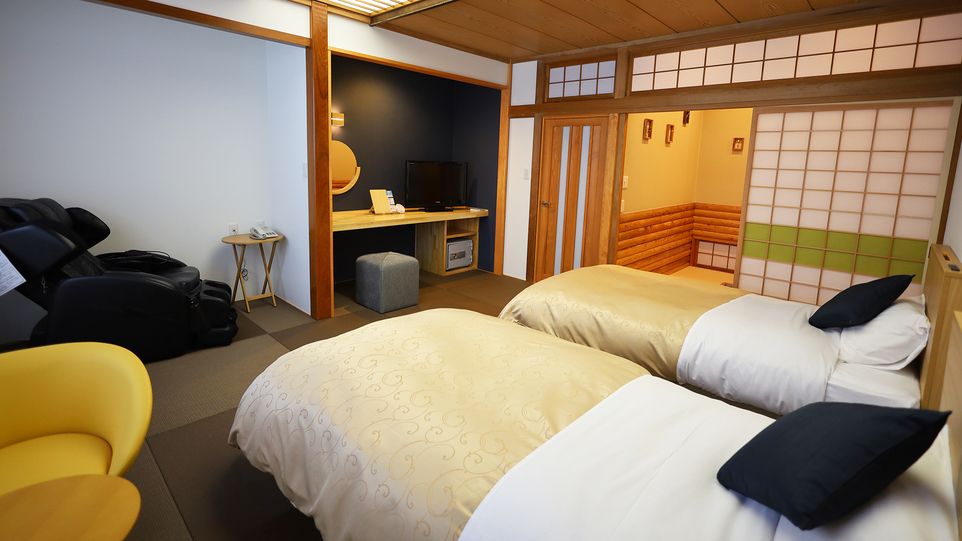
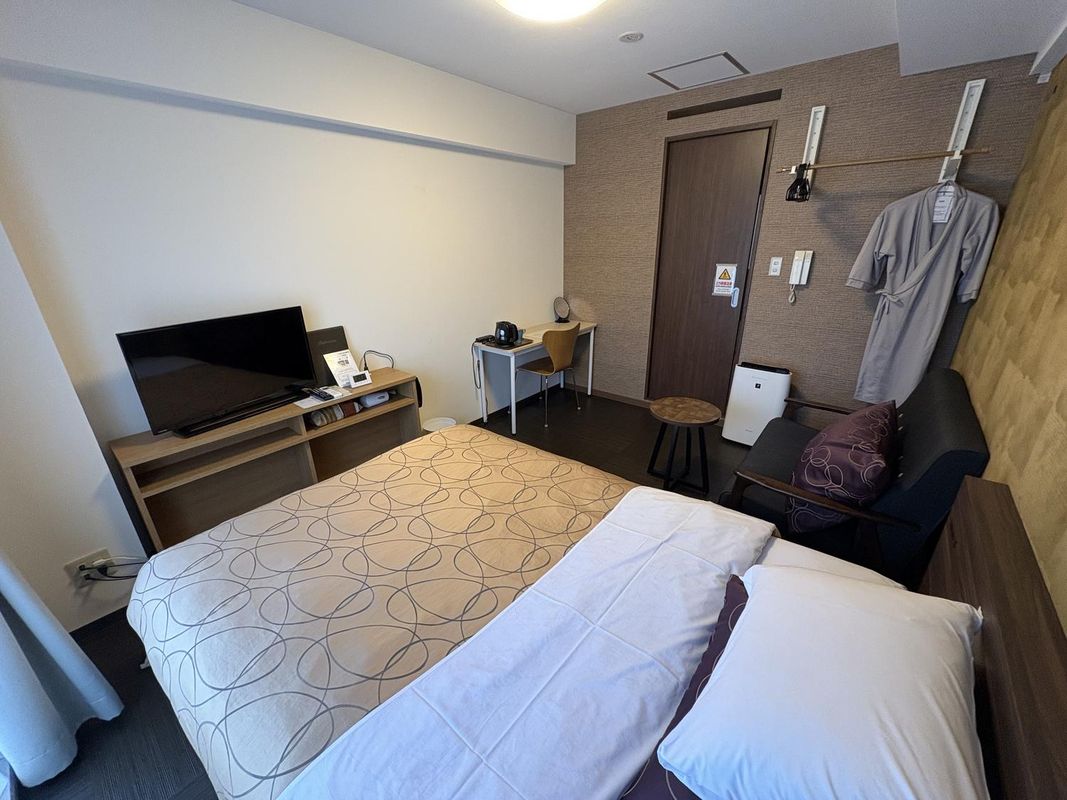
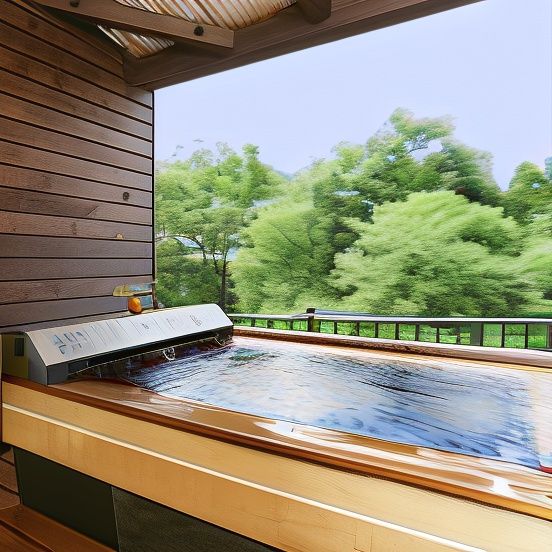
Best Hotels in Chichibu
Discover curated hotel collections in Chichibu










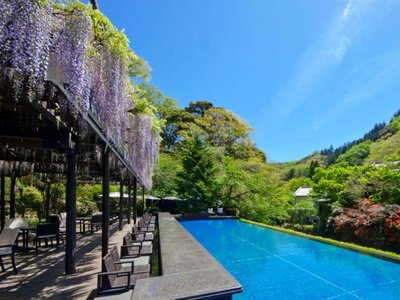
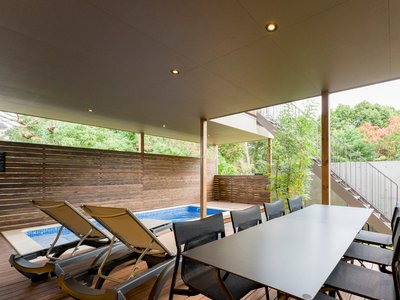
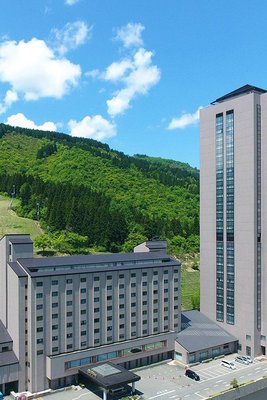


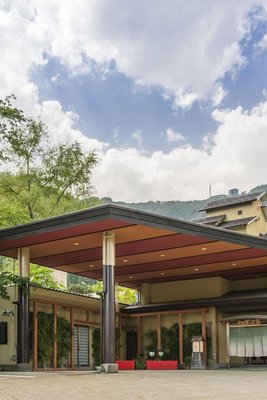













Frequently Asked Questions about Traveling to Chichibu
Questions You Might Need to Know About Traveling to Chichibu
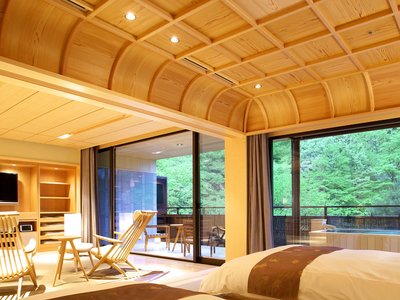
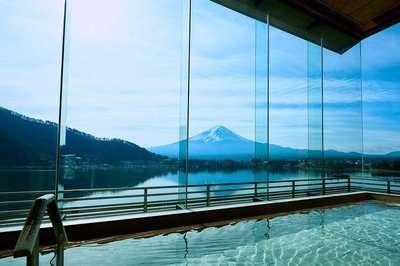
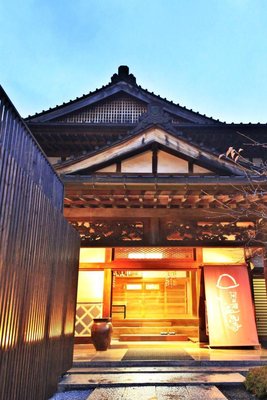
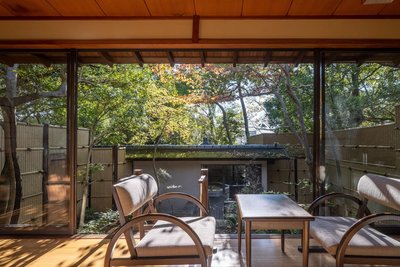
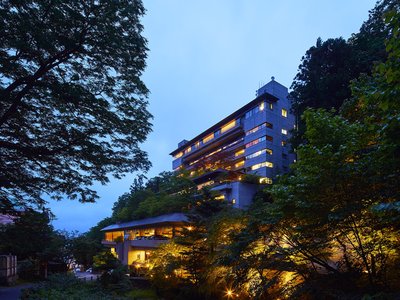
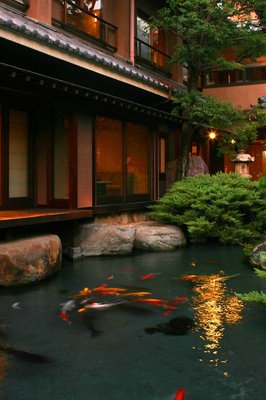
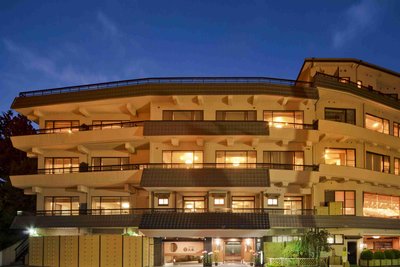
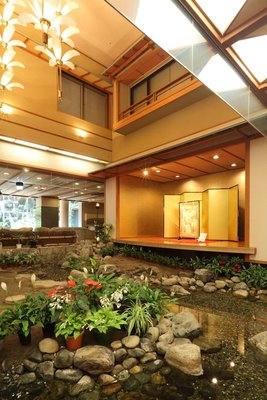
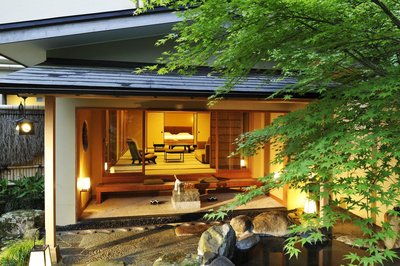
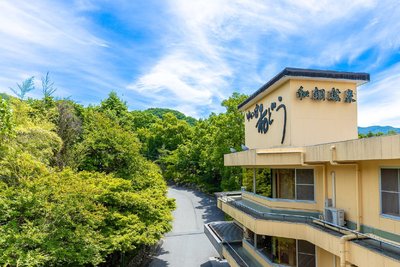
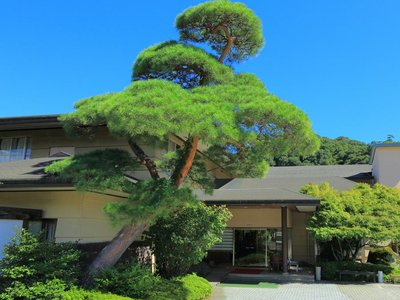
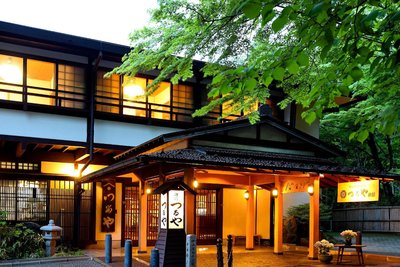
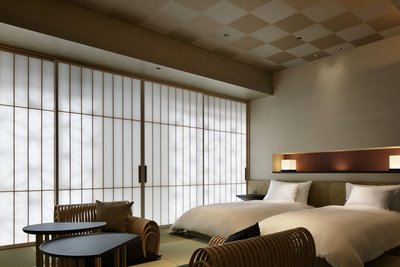
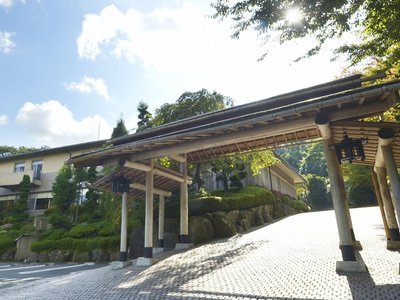
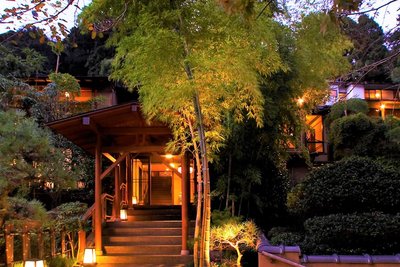
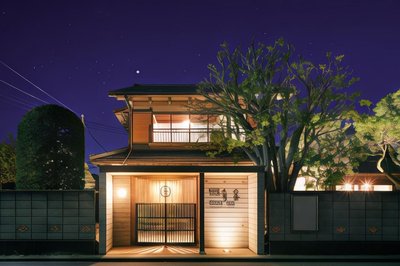
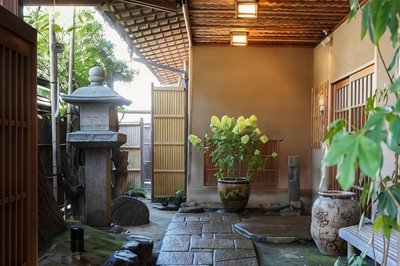
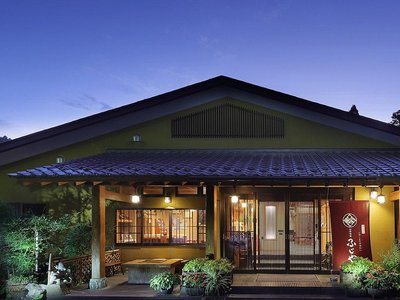
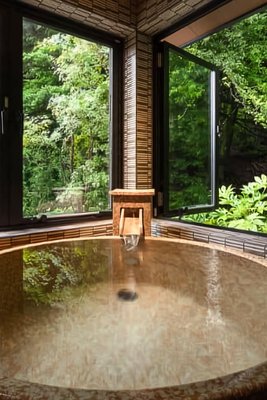
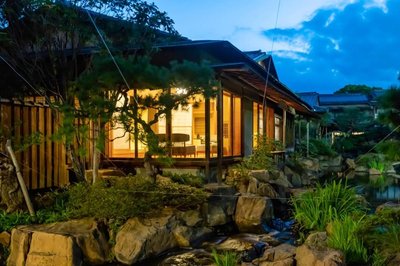
For authentic Japanese experience, stay at Shiratori-tei, a secluded ryokan nestled beside the Nagano River. This family-run inn features private onsen baths with mountain views, tatami rooms, and seasonal kaiseki meals made from local ingredients like wild mountain vegetables and river fish. Guests can participate in morning forest walks through the Senkawa Trail, guided by local elders sharing stories of the region’s Shinto traditions. Its proximity to Suwa Shrine and Iwatajiri Street makes it ideal for cultural immersion.
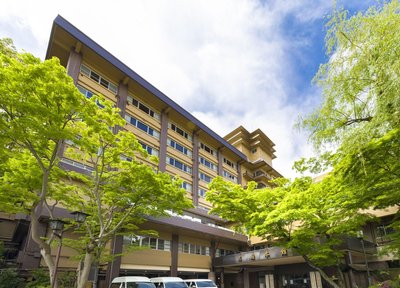
The central Suwa district, near Suwa Station, is the most convenient base for exploring nature. It provides easy access to Nagano River Rafting, Kasumigaoka Forest Trails, and Ogawa Valley. Many hotels here offer shuttle services to nearby sites, and the area hosts regular outdoor events like river lantern festivals and seasonal hiking tours. With clean air, scenic views, and excellent transport links, this zone balances convenience with tranquility—perfect for nature lovers seeking both adventure and comfort.
Don’t miss the Suwa Night Lantern Festival, held annually in October, where thousands of handcrafted paper lanterns illuminate the Nagano River banks, creating a breathtaking "starlight river" effect. Visitors can join lantern parades, enjoy traditional taiko drumming, and taste warm mochi and misoshiru. The Suwa Matsuri in summer features grand float processions and samurai reenactments, rooted in centuries-old Shinto rituals. Both events offer deep insight into the city’s spiritual heritage and community spirit.
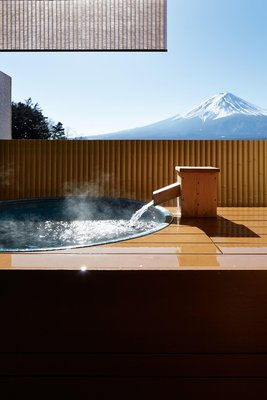
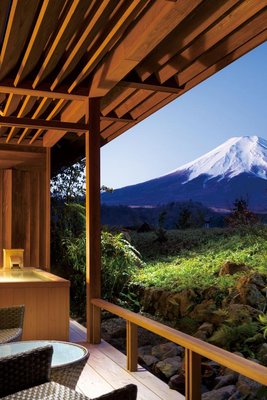
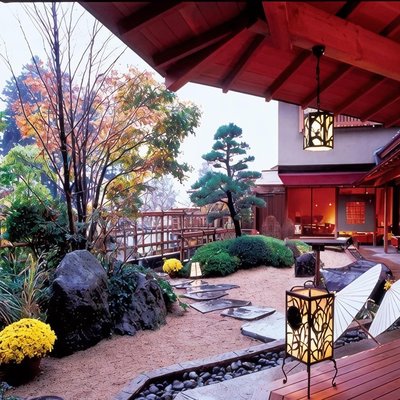
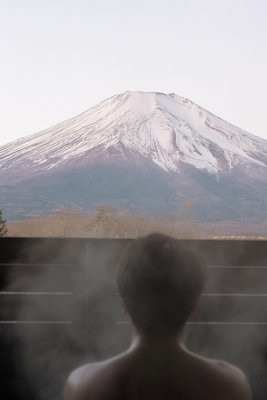
Yes, Shiratori-tei stands out as a luxury ryokan offering private onsen baths with panoramic views of the surrounding mountains. Each room includes a private outdoor tub filled with natural thermal water, and guests enjoy personalized service, including in-room kaiseki dining. The property also features a tranquil Zen garden and an on-site tea ceremony room. Located just steps from Suwa Shrine, it blends exclusivity with cultural authenticity—ideal for travelers seeking privacy and serenity.
Suwa Kids’ Homestay is a top-rated family-friendly retreat featuring spacious multi-bed rooms, a petting zoo, and hands-on workshops like pottery making and origami. Daily activities include guided forest scavenger hunts, cooking classes using local produce, and night stargazing sessions. With fully equipped kitchens and child-safe gardens, it supports independent family travel. The staff also organizes themed weekends such as "Forest Explorer Week," making it perfect for kids aged 3–12.
Start at Suwa Shrine to witness its majestic red torii gate and sacred atmosphere. Walk along Iwatajiri Street for traditional snacks like soba noodles and black sugar mochi. In the afternoon, take a bamboo raft ride down the Nagano River, passing dramatic rock formations. Return to Shiratori-tei for an onsen soak and a kaiseki dinner made with locally sourced ingredients. End the day with a quiet moment under the stars in the ryokan’s meditation garden—this seamless blend of history, nature, and cuisine captures Suwa’s soul.
Nearby landmarks include Suwa Shrine, founded in the 7th century and dedicated to Omnikami, whose massive torii gate dominates the skyline. Adjacent to it is Iwatajiri Street, a preserved Edo-era alleyway lined with wooden shops and stone pathways. Also worth visiting is Suwa Hombu, home to ancient inscribed stones and prayer lanterns. Staying at Shiratori-tei or Sekigahara Inn puts you within walking distance of these sites, offering direct access to Suwa’s spiritual and architectural legacy.
Shiratori-tei and Suwa Kanko Ryokan specialize in authentic Suwa dishes. The former serves wild mountain vegetable tempura, fresh river fish grilled over charcoal, and black bean rice, all sourced daily from local farms. The latter offers a kaiseki tasting menu that changes monthly, highlighting seasonal ingredients like matsutake mushrooms and wild greens. Some hotels even host cooking workshops where guests learn to make mochi or dango from scratch—offering an immersive culinary journey into Suwa’s food culture.
Experience the Suwa Night Lantern Festival, where the Nagano River becomes a glowing ribbon of light during autumn. Glide through the water on a lantern boat while listening to traditional music. At Shiratori-tei, guests can join a stargazing session under clear mountain skies, guided by astronomers. Some lodges also host nighttime meditation in their Zen gardens, accompanied by temple bells. These serene, after-dark moments offer a rare glimpse into Suwa’s spiritual and contemplative side.
Yes, Suwa City is well-connected to Tokyo via the Seibu Railway, which runs from Ikebukuro to Suwa Station in about 70 minutes. From the station, free shuttle buses link to major attractions like Nagano River Rafting and Iwatajiri Street. For those driving, the Kosugi Expressway and National Route 254 provide smooth access. Most hotels offer complimentary pickup services, and real-time transit updates are available via local tourism apps—making Suwa a seamless day-trip or weekend destination from Tokyo.
Chichibu Overview
City Summary
Chichibu City, located in the western part of Saitama Prefecture, Japan, is surrounded by mountains and boasts rich natural landscapes and profound historical culture. It is famous for the Chichibu Night Festival, one of Japan's three major float festivals, attracting numerous visitors annually. Notable attractions include Chichibu Shrine and Hitsujiyama Park, with seasonal highlights like spring shibazakura (pink moss) and autumn foliage.
Must-See Attractions
Chichibu Shrine, a millennium-old spiritual center, features solemn architecture. Hitsujiyama Park's Shibazakura Hill transforms into a pink floral carpet in spring, ideal for photography. In winter, visit the Chichibu Ice Columns for natural ice formations. Don't miss rafting in Nagatoro Gorge or sake brewing experiences at Chichibu Meisen.
Food Guide
Chichibu is renowned for its soba noodles, especially handcrafted varieties. Local specialties include Chichibu miso and Kuroge Wagyu beef—try the "Chichibu Beef Bowl." Street snacks like yakimanju (grilled buns) and Chichibu-ni (local stew) are also must-tries.
Transportation Guide
From Tokyo, take the Seibu Railway or JR Line to Chichibu Station (1.5-2 hours). Local buses serve major sites like Hitsujiyama Park and Chichibu Shrine. The "Chichibu Bus Pass" saves costs. Taxis are limited; book in advance. Note narrow mountain roads if driving.
Best Time to Visit
Best seasons are spring (April-May) for shibazakura and autumn (October-November) for foliage. Summers (June-August) are humid, while winters (December-February) offer ice festivals. Avoid early December's Night Festival crowds.
Travel Tips
- Respect festival etiquette; avoid blocking float parades.
- Mountain areas have temperature drops; pack layers.
- Some restaurants are cash-only; carry yen.
- Buses are infrequent; check schedules ahead.
- Bring towels for hot springs.
- Strict trash sorting rules apply.
Useful Information
Japanese is primary; stations and tourist centers offer basic English. Limited WiFi; consider a pocket router. Cash dominates; credit cards work at major venues. Dial 110 (police) or 119 (ambulance) for emergencies. Pharmacies cluster near Chichibu Station; some shops offer tax-free services. Voltage is 100V, Type A plugs.









