Hotels in Chikujō District, Fukuoka
Discover your perfect stay in Chikujō District, Fukuoka.
Chikujō District, Fukuoka(Japan) Travel 2026: Cheap Flights, Hotels & Top Attractions
Popular Landmarks in Chikujō District, Fukuoka
Discover the most iconic attractions in Chikujō District, Fukuoka
Recommended Hotels in Chikujō District, Fukuoka
Find the perfect place to stay in Chikujō District, Fukuoka
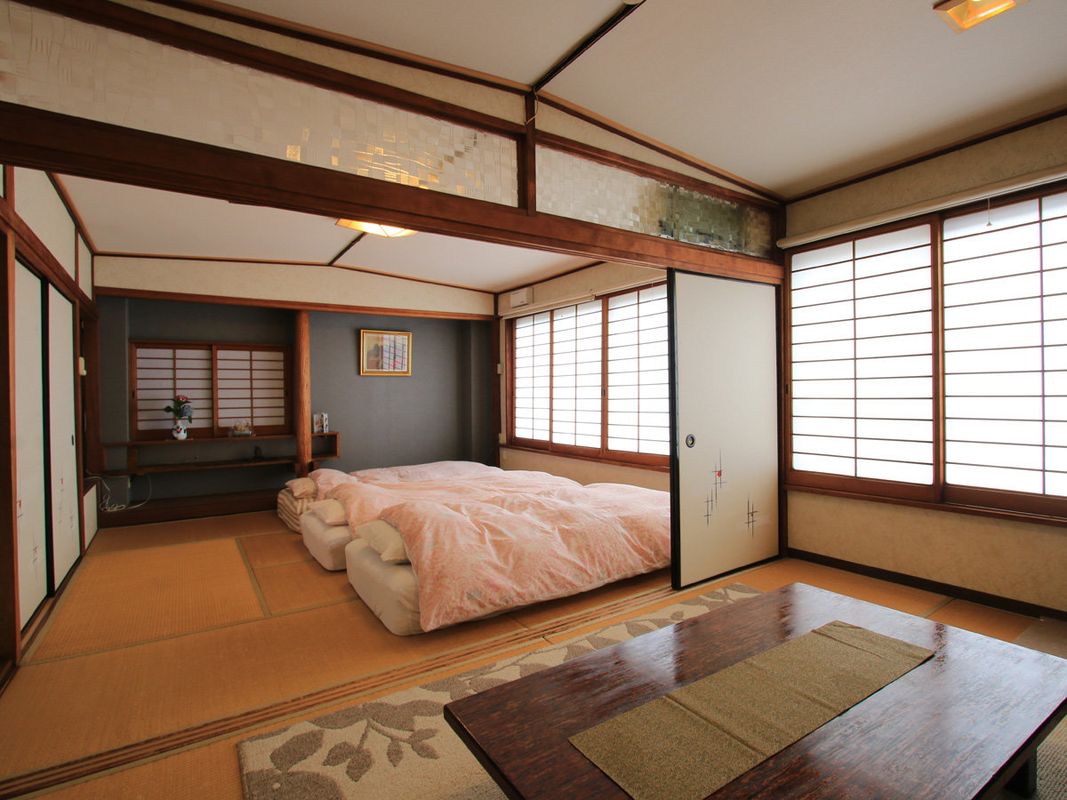
Ryokan Kibun
Best Hotels in Chikujō District, Fukuoka
Discover curated hotel collections in Chikujō District, Fukuoka
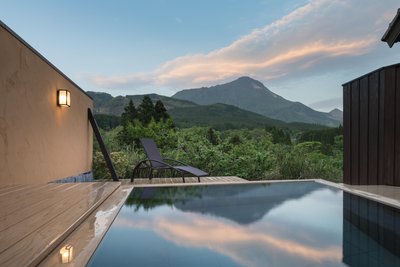
Ikkoten
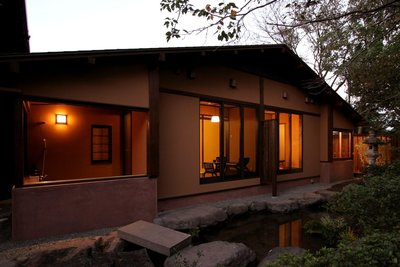
SEKIYA RESORT Bettei Haruki
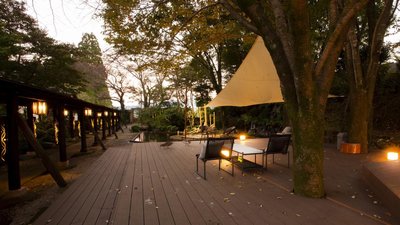
Chikurakutei

The Royal Park Canvas Fukuoka Nakasu
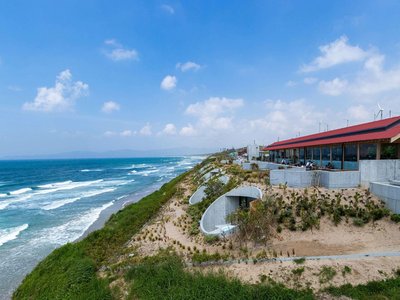
Izumo Hotel the Cliff
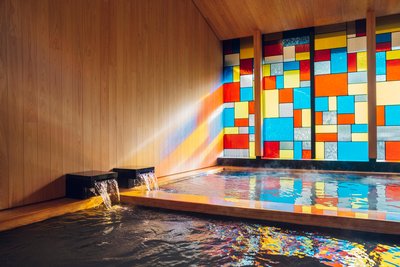
Hoshino Resorts Kai Unzen

Alfacio Resort Stay Itoshima

Ureshino Yadoya

seven x seven itoshima
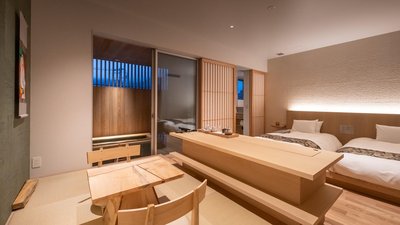
Japanese Auberge Kararako
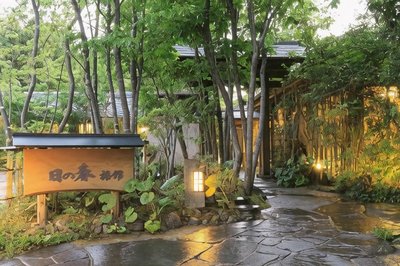
Yufuin Onsen Hinoharu Ryokan
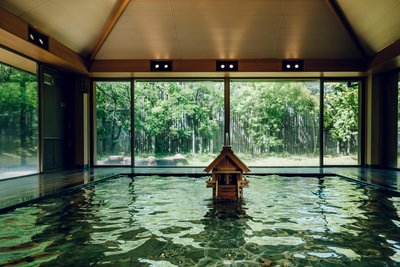
Hoshino Resorts KAI Tamatsukuri
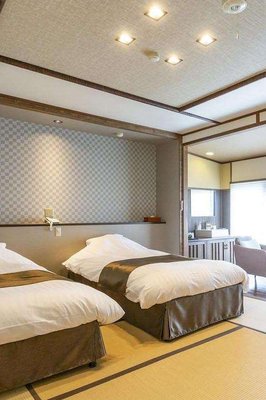
Sozankyo
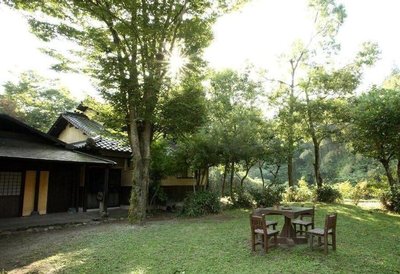
Yamashinobu
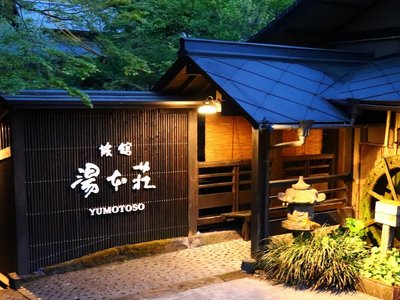
Ryokan Yumotosou
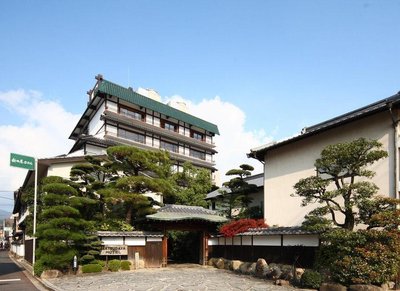
Matsudaya Hotel
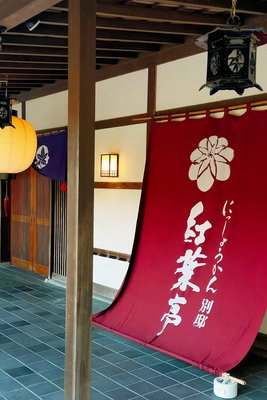
Nisshokan Bettei Koyotei
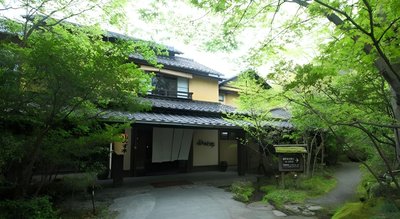
Kurokawaonsen Yamamizuki
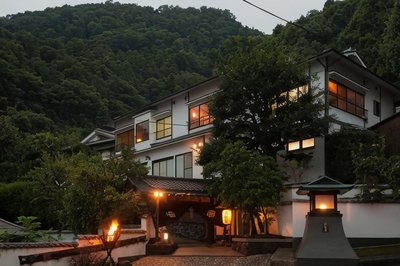
Beppu Showaen
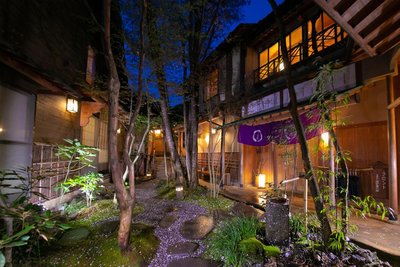
Oyado Ichizen

Garden Terrace Nagasaki Hotel & Resort

Holiday Inn Resort Miyazaki
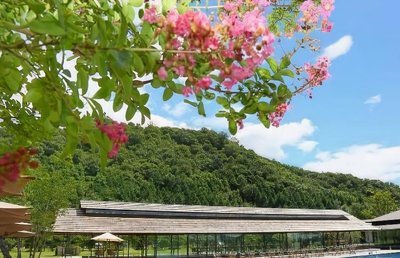
Bella Vista Spa and Marina Onomichi

Yufuin Kotobuki Hananosho

Karatsu Seaside Hotel
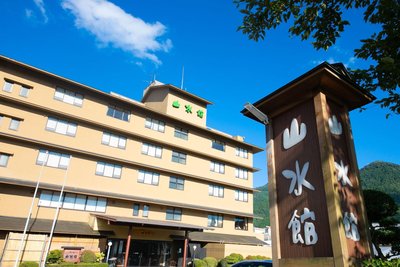
Yufuin Sansuikan

Kaike Shogetsu

Kinsuikan

Hotel Ofutei
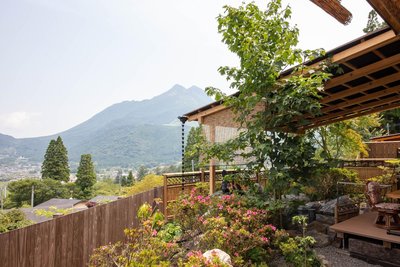
Yufuin-Sanso Waremokou
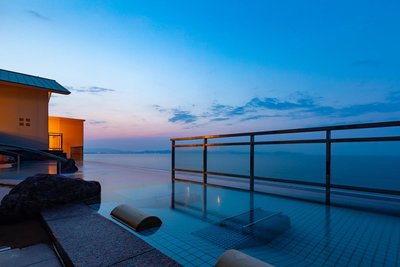
Kaike Yugetsu
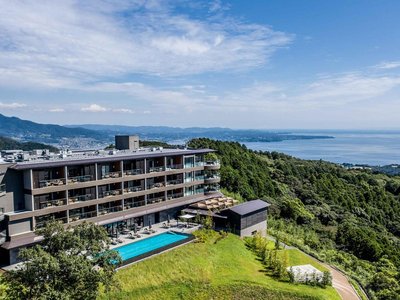
Ana InterContinental Beppu Resort & Spa
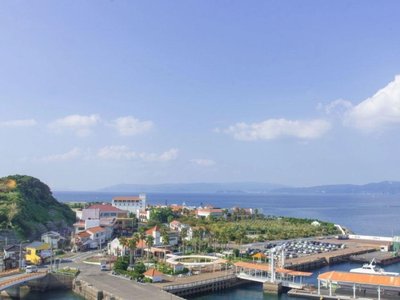
I+Land Nagasaki

The OneFive Villa Fukuoka

LiVEMAX RESORT MIYAHAMA ONSEN OCEAN
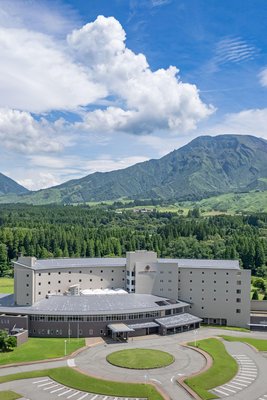
KAMENOI HOTEL ASO

Amane Resort Gahama

SEKIYA RESORT GALLERIA MIDOBARU

Beppu Suginoi Hotel

Phoenix Seagaia Ocean Tower
Hoshino Resorts KAI Tamatsukuri
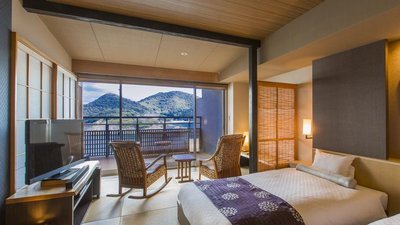
Migiwatei Ochi Kochi
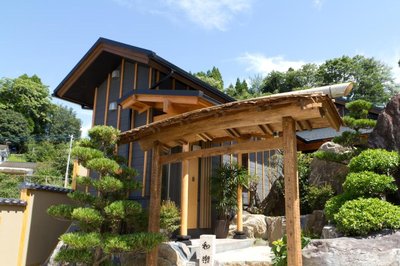
Ryokan Shinsen

Ryotei Matsuya Honkan Suizenji
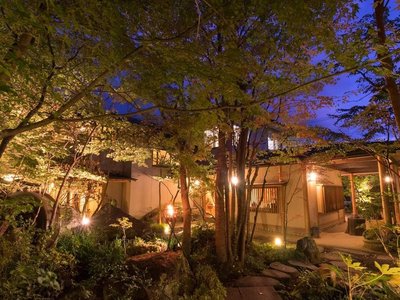
Ryoso Yufuin Yamadaya
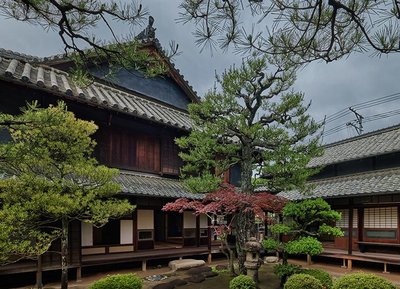
NIPPONIA HOTEL Takehara Saltworks Town
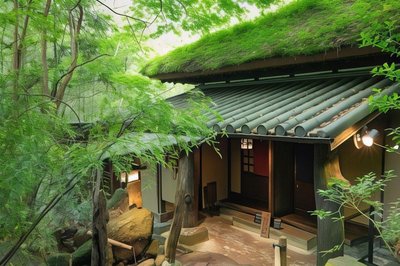
Sanso Tensui
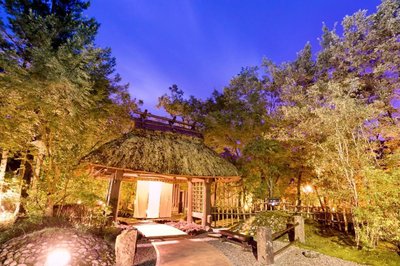
Satonoyu Waraku
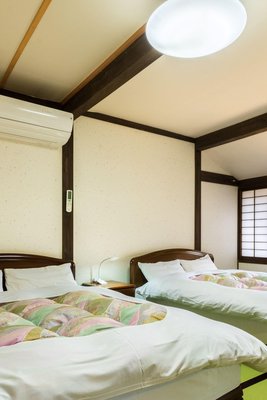
Tobise Onsen Tenga Sanso
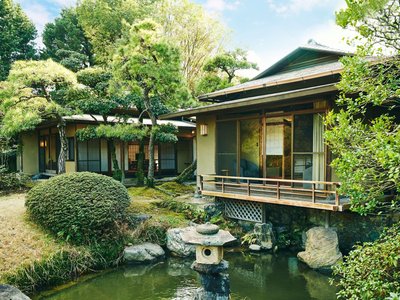
Suisui Garden Ryokan (in the Art Hotel Kokura New Tagawa)
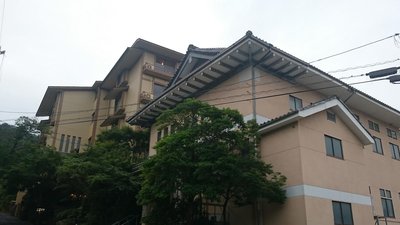
Miyajima Hotel Makoto
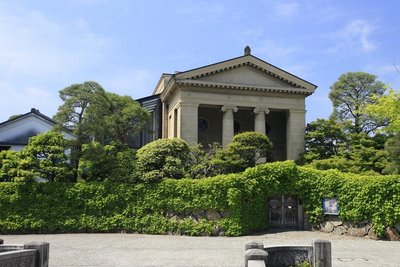
Ryori Ryokan Tsurugata
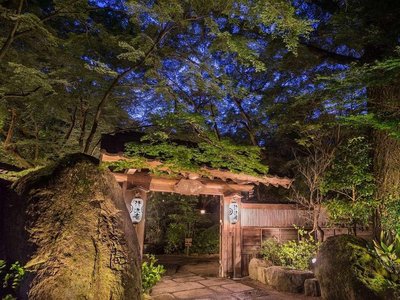
Akizuki Spa Ryokan Seiryuan
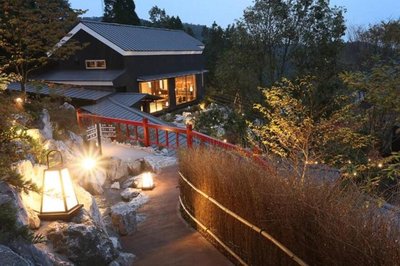
Gekkoju Kurokawa
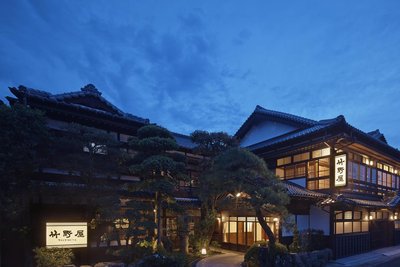
Takenoya

Sheraton Kagoshima
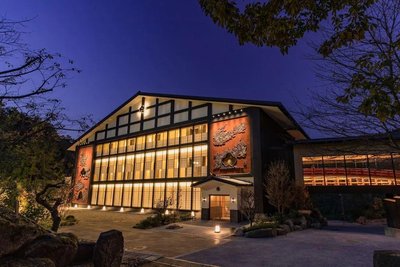
Okuhita Onsen Umehibiki
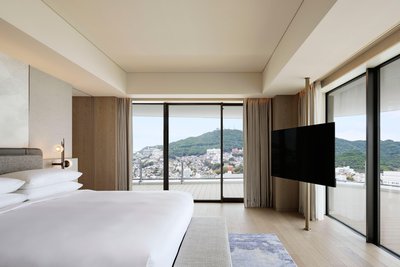
Nagasaki Marriott Hotel
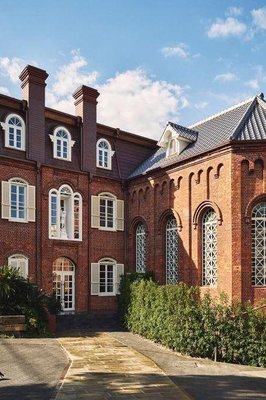
Hotel Indigo Nagasaki Glover Street by IHG

Stadium City Hotel Nagasaki

ONE FUKUOKA HOTEL
Ryokan Shinsen
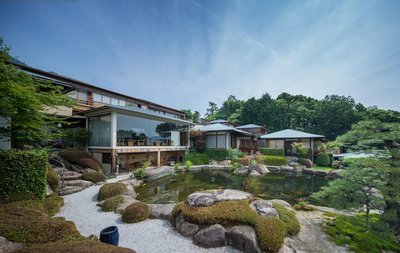
SEKITEI

Yamatoya Besso

Hilton Fukuoka Sea Hawk

Olive Bay Hotel
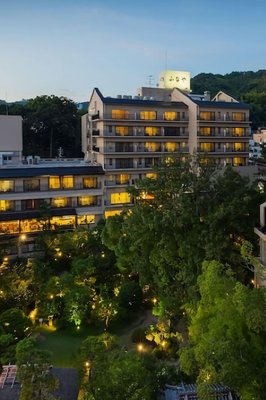
Funaya

Hotel Okura Jr Huis Ten Bosch

Bettei Oborozukiyo

La Vista Kirishima Hills

Hotel Amsterdam Huis Ten Bosch

Yumotoankiyohime
Ana InterContinental Beppu Resort & Spa

TheMana Village
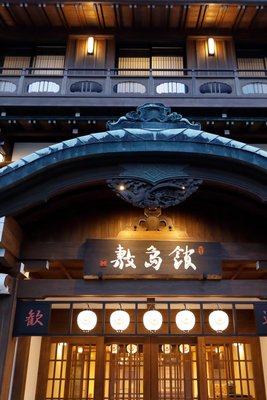
Onyado Shikishima-Kan

Hotel Barrière Fouquet's New York

The Plaza - A Fairmont Managed Hotel
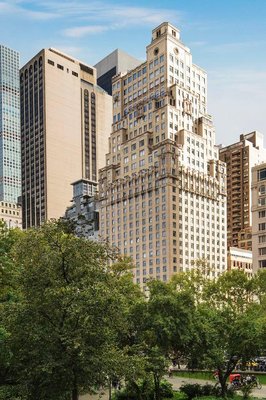
The Ritz-Carlton New York, Central Park

Four Seasons Hotel New York

The St. Regis New York

Park Hyatt New York

Mandarin Oriental New York

Times Square Edition New York

Loews Regency New York Hotel

Lowell Hotel

New York Edition

Baccarat Hotel New York

Equinox Hotel New York

Four Seasons Hotel New York Downtown

The Langham, New York, Fifth Avenue

The Carlyle, A Rosewood Hotel

The Chatwal, in the Unbound Collection by Hyatt

The Mark New York

Trump International Hotel & Tower® New York
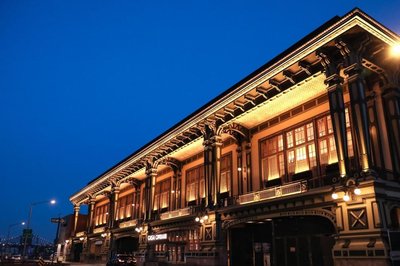
Casa Cipriani New York
Frequently Asked Questions about Traveling to Chikujō District, Fukuoka
Questions You Might Need to Know About Traveling to Chikujō District, Fukuoka
For authentic cultural immersion, stay at Chikugo Town Hall Guesthouse, a restored old town hall blending traditional Japanese timber architecture with modern comfort. Located steps from the Chikugo River, it offers access to hidden ancient villages and local craft workshops. Hosts provide guided tours to Hachiman Shrine and lead evening storytelling sessions on regional folklore. Guests can participate in seasonal activities like rice planting, sweet potato drying, and making dango using local ingredients—perfect for experiencing rural Kyushu life firsthand.
The ideal time to visit Chikugo District for cherry blossoms is late March to early April, when the Chikugo Riverbanks burst into pink blooms. This period coincides with the annual Spring Festival, featuring drum performances, artisan markets, and local food stalls. The gentle river breeze and soft sunlight filtering through blossoms create stunning photo opportunities. For an even more serene experience, visit during weekdays or early mornings when crowds are thinner. Don’t miss the night illumination of the Hachiman Shrine grounds, where illuminated torii gates glow against the blooming trees.
To live like a local in Chikugo District, book a stay at Tanata no Ie Farmstay, nestled in the southern hills of Ōita Prefecture. Here, guests join daily farm tasks such as rice transplanting, harvesting sweet potatoes, and crafting sweet potato chips. Meals feature locally grown Chikugo rice, wild mountain vegetables, and black pork sourced directly from nearby farms. Evenings include bonfire storytelling sessions led by elders sharing legends of the ancient post road and Hachiman Shrine. It’s a rare chance to engage deeply with sustainable, community-based living.
Key cultural landmarks in Chikugo District include Hachiman Shrine, a Edo-period shrine famed for its deep red torii gate and the annual 1,000-drum performance during festivals. Another highlight is the Ancient Post Road Ruins, a well-preserved stretch connecting Ōita and Saga, marked by stone inscriptions from the Heian era. The Chikugo Local History Museum houses artifacts ranging from Jomon pottery shards to traditional dyeing tools. Guided walking tours along this route reveal layers of history, offering a profound connection to the region’s ancient roots.
Chikugo District’s hot spring hotels stand out for their natural sulfur-rich waters and tranquil settings. Stay at Chikugo Onsen Ryokan, where private outdoor baths are surrounded by bamboo groves and overlook misty peaks of Kujū Mountain. The mineral-rich water soothes skin conditions and joint pain. Daily wellness lectures teach proper bathing rituals and mindfulness techniques. Dinner features kaiseki cuisine made with local ingredients—such as Chikugo pork and mountain trout—served in intimate dining rooms. Each stay includes a personalized wellness plan based on your needs.
Yes, Chikugo District is highly family-friendly. The Nature Education Center offers interactive programs for children, including stream creature observation and plant identification. The Chikugo River Riverside Park has safe shallow zones perfect for kids to play, plus wooden footbridges ideal for exploration. Weekly weekend events include family craft markets where parents and children make bamboo baskets or pottery together. There’s also a forest treasure hunt game that combines maps, clues, and nature puzzles—great for sparking curiosity and teamwork. The peaceful environment ensures a stress-free vacation for all ages.
Must-try dishes in Chikugo District include Chikugo Tonkotsu Ramen, a rich broth simmered for six hours using black pork bones, served with handmade wide noodles and a runny yolk. Another specialty is sweet potato tempura, where locally grown purple sweet potatoes are lightly battered and fried until crisp, then dipped in savory soy glaze. Try wild mountain vegetable rice, featuring seasonal greens like fern shoots and perilla. During festivals, sample bamboo tube-steamed rice balls and fermented persimmon wine—all crafted from fresh, local ingredients reflecting the region’s ‘one mile, one meal’ philosophy.
Photography lovers will adore Chikugo District. Capture the ethereal morning mist over the Chikugo River as it reflects cherry blossoms and old wooden houses—ideal for long-exposure shots. The Ancient Post Road through bamboo forests creates dramatic light-and-shadow compositions. In autumn, photograph fiery maple trees cascading down Kujū Mountain slopes. At night, illuminate the Hachiman Shrine with lanterns glowing through the torii gate, or shoot star trails from the rooftop of a ryokan. Bring a tripod and wide-angle lens, and time your visits for golden hour or twilight for breathtaking results.
Transportation in Chikugo District is convenient despite its rural setting. Take the JR West Japan Railway from Ōita Station to Chikugo Station, a 40-minute ride. Free shuttle buses connect major attractions and guesthouses. For those driving, the Kyushu Expressway provides quick access. Many guesthouses offer complimentary pickup services, especially helpful for travelers with luggage or mobility needs. Download the Chikugo Tourism App for real-time schedules, offline maps, and step-by-step navigation—making travel seamless and stress-free.
The best area for accommodation is the Chikugo Riverfront Zone, known for its scenic beauty and accessibility. This district hosts boutique guesthouses and ryokans within walking distance of Hachiman Shrine and the Local History Museum. Enjoy morning walks along the riverbank or evening strolls under cherry trees. Nearby, a weekly organic farmers’ market sells fresh produce and handmade bread. For a quieter, more secluded experience, consider staying in Kujū Mountain foothills—a short ride away but offering panoramic views and deeper immersion in nature. This area balances convenience with tranquility.
Chikujō District, Fukuoka Overview
City Summary
Chikujo District is located in the northeastern part of Fukuoka Prefecture, Japan, known for its rural landscapes and traditional villages. It offers a peaceful retreat from urban life, featuring historic sites like Chikujo Garden from the Edo period, along with mountains and rivers ideal for outdoor activities.
Must-See Attractions
Key attractions include Chikujo Garden, a well-preserved Edo-period garden showcasing Japanese aesthetics. Sugo Shrine, with over a thousand years of history, is a spiritual hub. Nature lovers can explore Mount Hikosan, perfect for hiking and autumn foliage viewing.
Food Guide
Local cuisine highlights farm-fresh ingredients. Try Chikujo yakisoba, made with regional wheat and vegetables. Tai chazuke (sea bream tea rice) is a must-try traditional dish. Street-side wagashi shops serve Japanese sweets like red bean soup and mochi.
Transportation Guide
Public transport relies on buses and trains. From Fukuoka, take the JR Nippo Line to Chikujo Station (about 1 hour). Buses cover major sites but have limited schedules—check timetables in advance. Renting a car is recommended for exploring rural areas.
Best Time to Visit
The best times to visit are spring (March-May) and autumn (September-November), with mild weather and scenic beauty. Cherry blossoms bloom in spring, while autumn offers vibrant foliage. Summers are hot, and winters may bring occasional snow.
Travel Tips
- Cultural respect: Purify hands and mouth before entering shrines.
- Cash is king: Many small shops and rural spots accept cash only.
- Bus schedules: Rural buses are infrequent—plan ahead.
- Trash disposal: Public bins are rare; carry a trash bag.
- Quiet etiquette: Keep voices low in public spaces.
- Hiking prep: Wear proper footwear for mountain trails.
Useful Information
Language: Japanese is primary; English is limited—use translation apps. Internet: Rent Wi-Fi at Fukuoka Airport or buy a local SIM. Payment: Cards work in cities, but cash is essential in rural areas. Emergency: The nearest hospital is in Chikujo Town; travel insurance is advised. Etiquette: Avoid sticking chopsticks upright in rice—it’s considered unlucky.