Hotels in Chikusei
Discover your perfect stay in Chikusei.
Chikusei(Japan) Travel 2026: Cheap Flights, Hotels & Top Attractions
Popular Landmarks in Chikusei
Discover the most iconic attractions in Chikusei
Recommended Hotels in Chikusei
Find the perfect place to stay in Chikusei
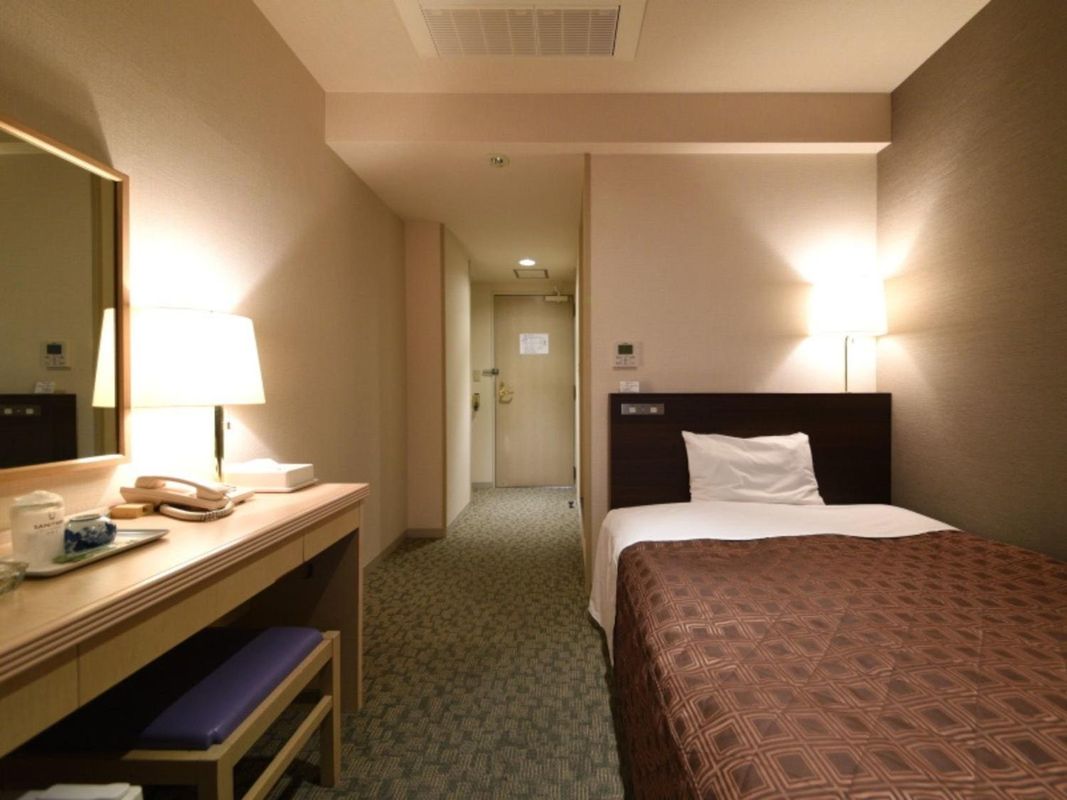
Hotel Shinto
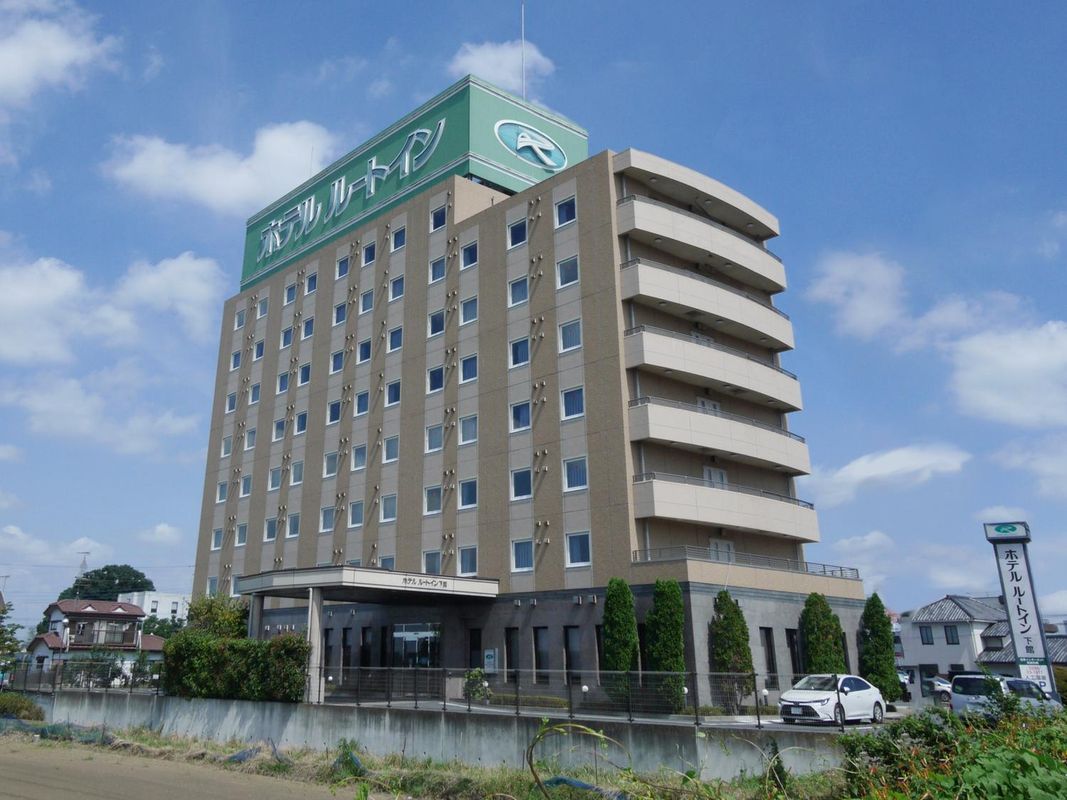
Hotel Route-Inn Shimodate
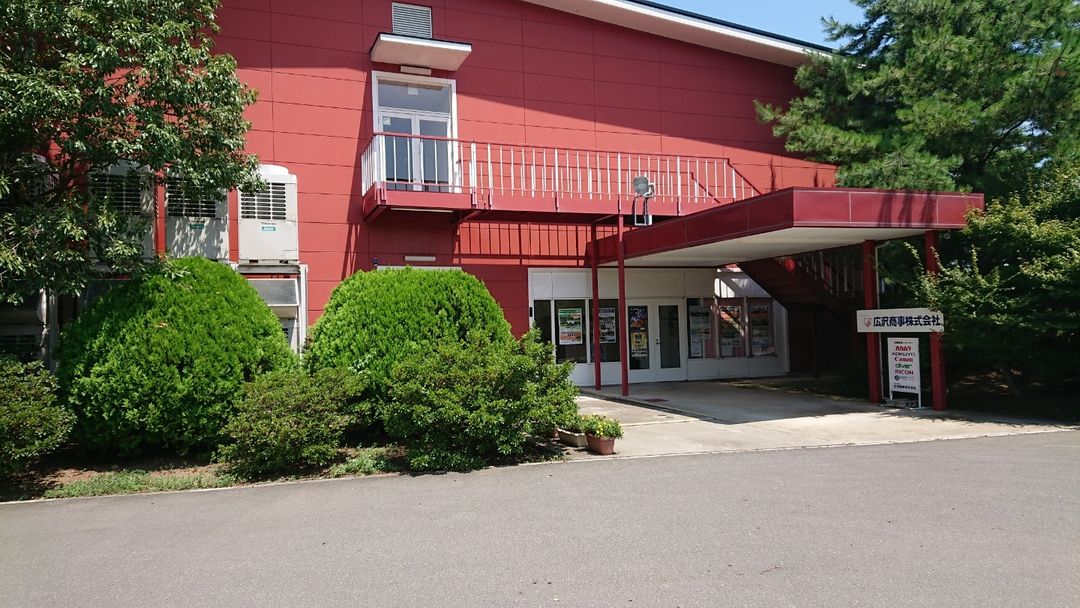
Lodge Dome House
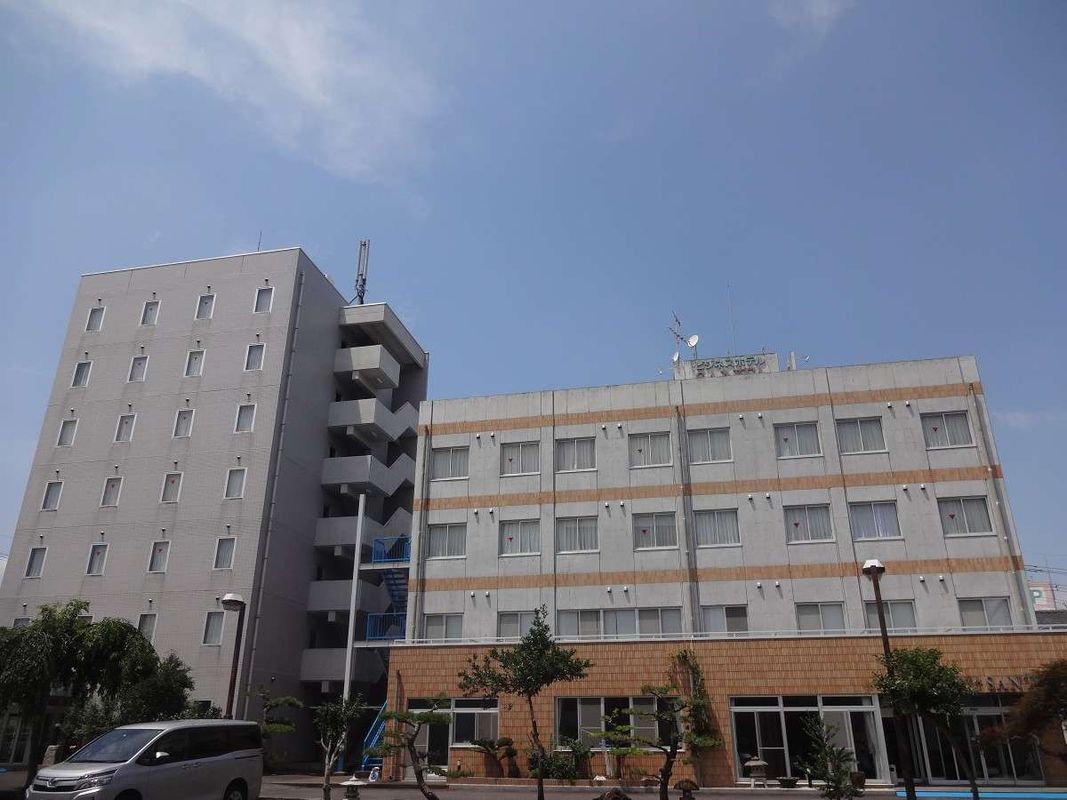
Business Hotel Santa (BBH Hotel Group)
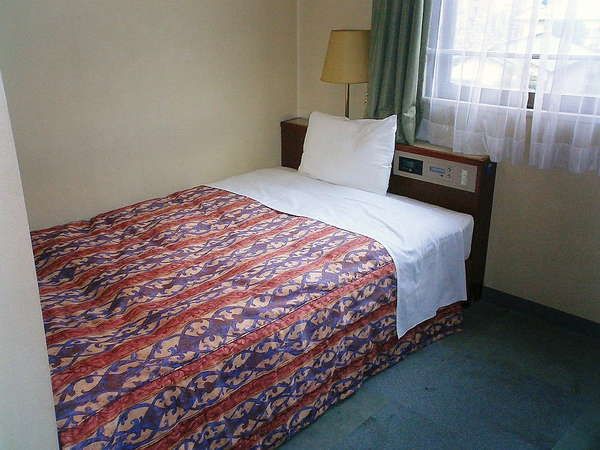
Heisei Hotel
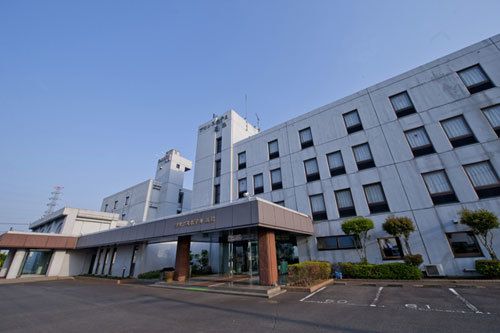
Prince Hotel Takamatsu
Best Hotels in Chikusei
Discover curated hotel collections in Chikusei
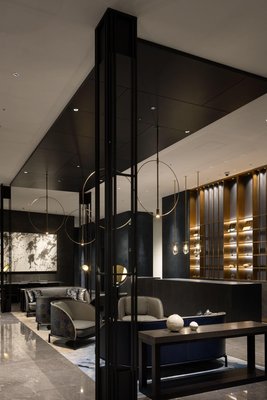
Bellustar Tokyo, A Pan Pacific Hotel
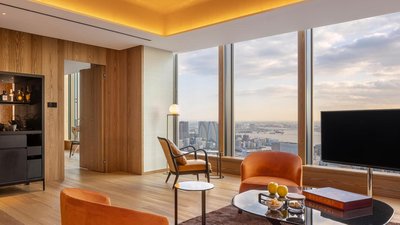
Bvlgari Hotel Tokyo
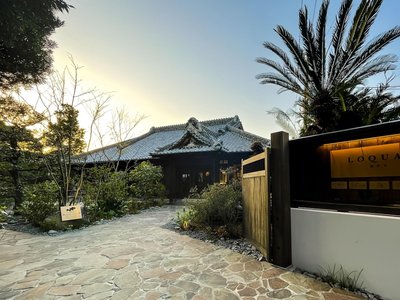
Loquat Nishiizu
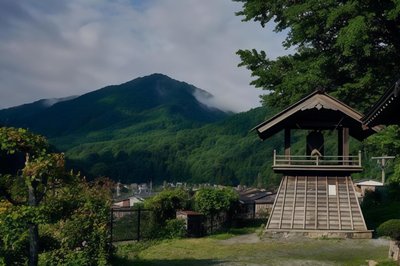
Byaku Narai
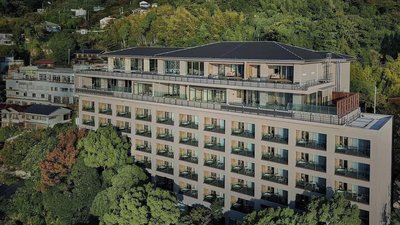
Atami Izusan Karaku
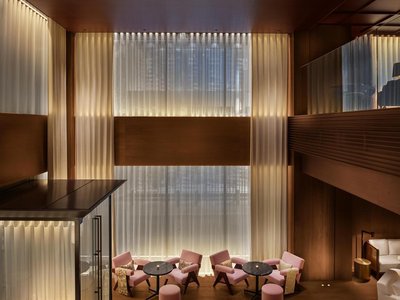
The Tokyo Edition, Ginza
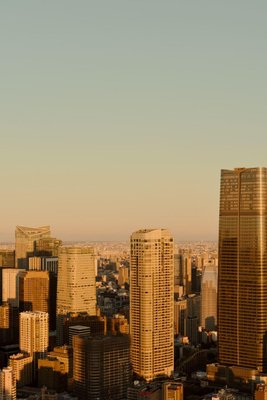
Janu Tokyo
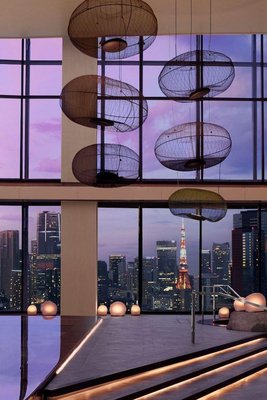
JW Marriott Hotel Tokyo
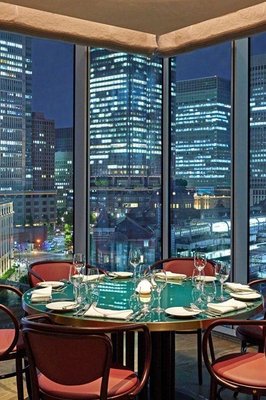
Four Seasons Hotel Tokyo at Marunouchi

Mandarin Oriental, Tokyo
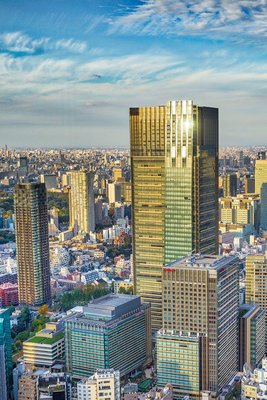
The Ritz-Carlton, Tokyo
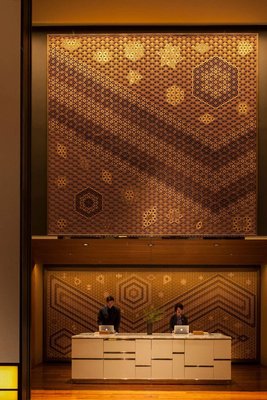
Andaz Tokyo Toranomon Hills- A Concept by Hyatt
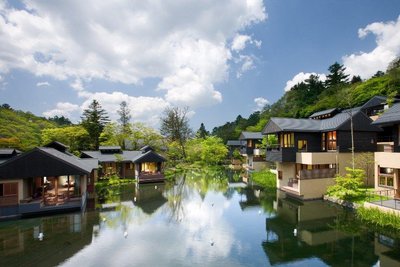
Hoshinoya Karuizawa
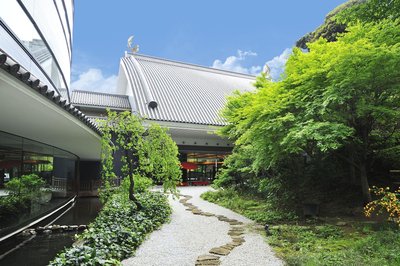
Hotel Gajoen Tokyo
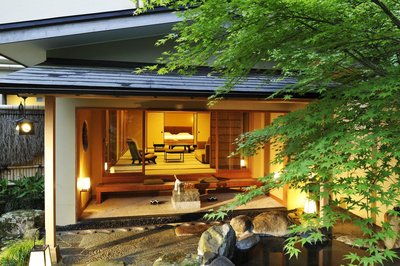
Gora Kadan
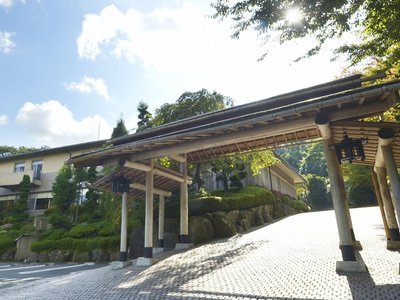
Gora Hanaougi
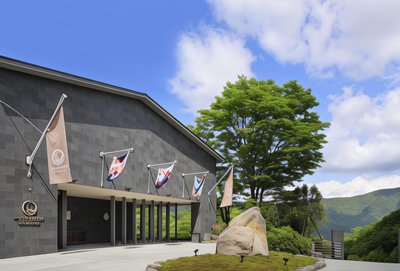
The Hiramatsu Hotels & Resorts Sengokuhara Hakone
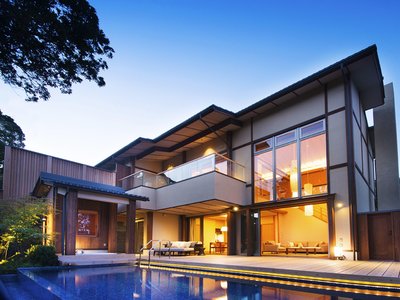
Abba Resorts Izu - Zagyosoh
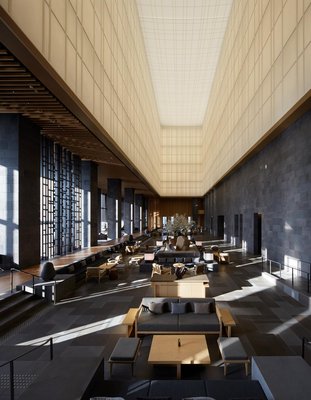
Aman Tokyo
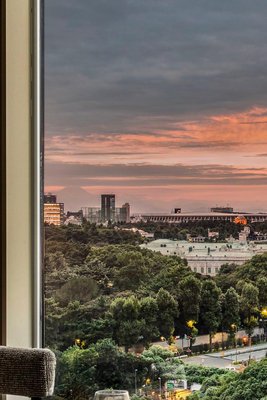
Hotel New Otani Tokyo, Executive House Zen
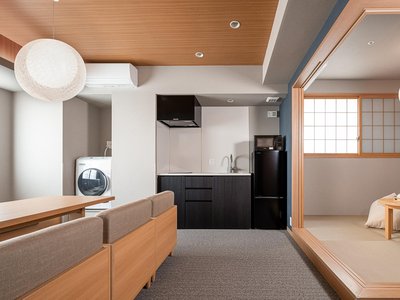
MIMARU SUITES Tokyo Asakusa

La Terra Resort

Kagetsutei
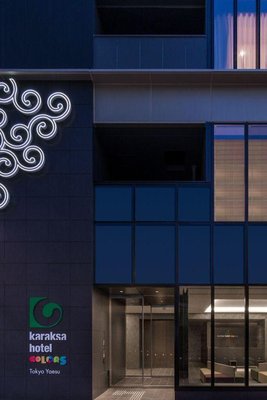
karaksa hotel colors Tokyo Yaesu
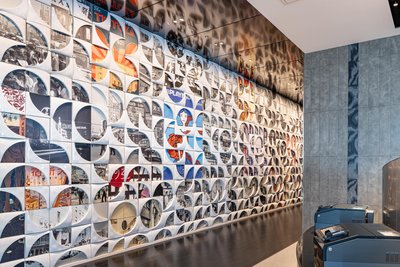
HOTEL GROOVE SHINJUKU, A PARKROYAL Hotel

EN Resort Grandeco Hotel
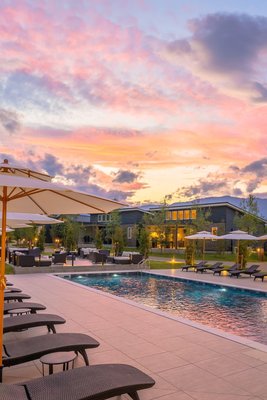
Awaumi Fujikawaguchiko Resort
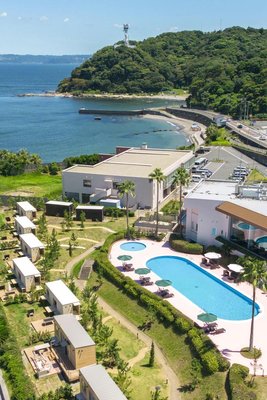
La vista Yokosuka Kannonzaki Terrace
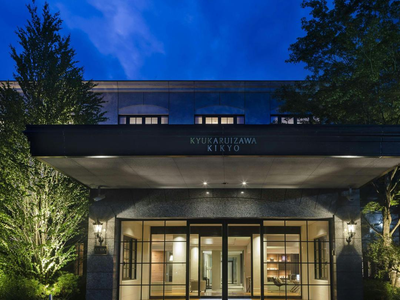
Fufu Karuizawa Wind of Sunshine
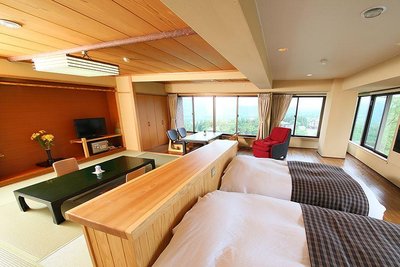
Hotel Taiko, Akakura Onsen
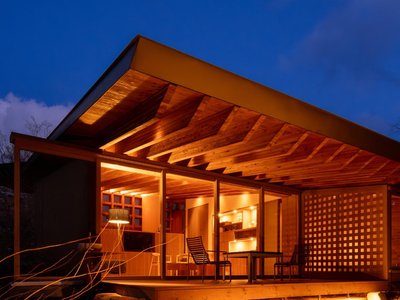
Nasu Mukunone
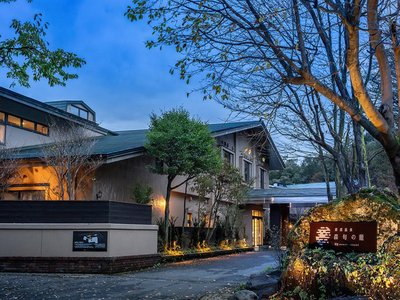
Nasu Onsen Shinshun no Kago Hewitt Resort

Scapes the Suite
Hotel Metropolitan Tokyo Marunouchi
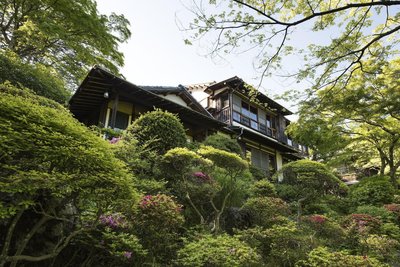
Gora Kansuiro
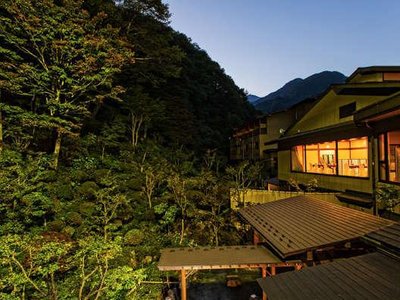
Futari Shizuka
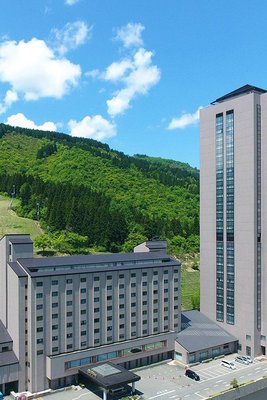
Naspa New Otani
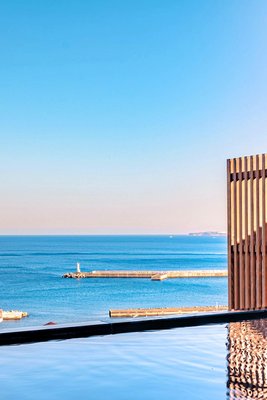
HOTEL KANICHI
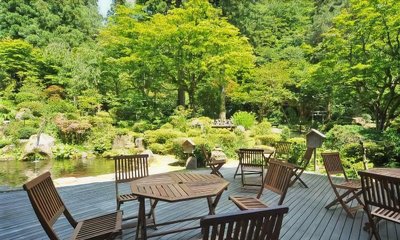
Choseikan
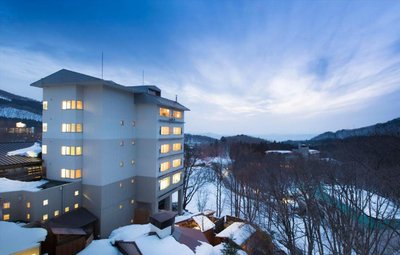
Takamiya Hotel Lucent
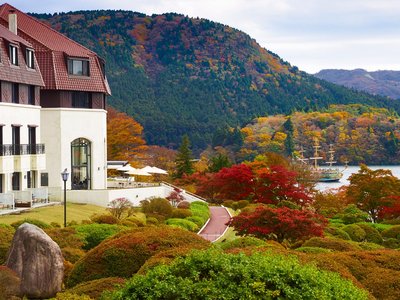
Hotakajyo
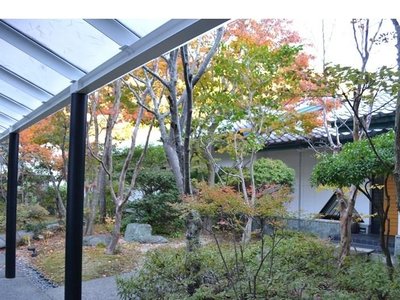
Auberge Suzukane

Onyado Nono Asakusa Bettei Hot Spring
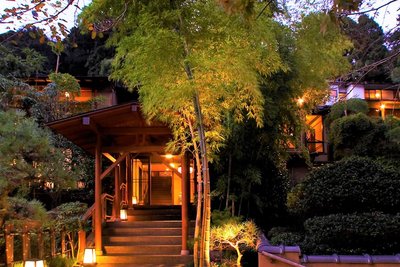
Shiki wo Ajiwau Yado Yamano Chaya
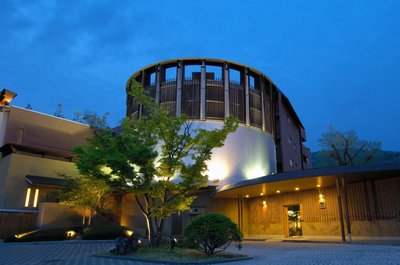
Hoshino Resorts Kai Matsumoto
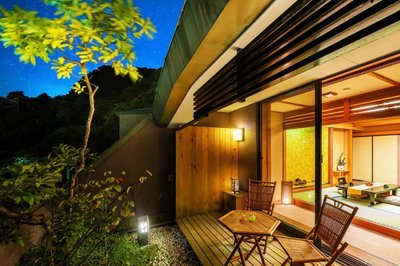
Konjakutei
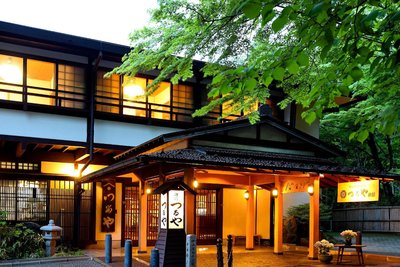
Tsuruya Ryokan
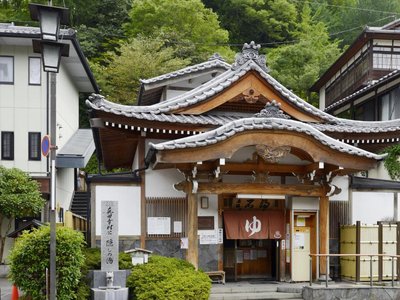
Nakamatsuya Ryokan
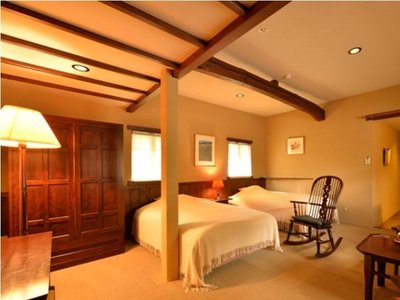
Ryokan Sugimoto
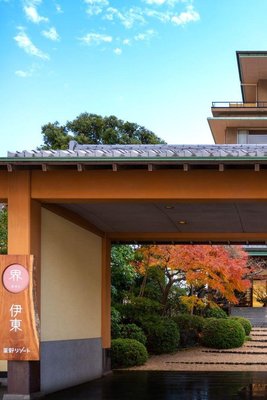
Hoshino Resorts Kai Ito
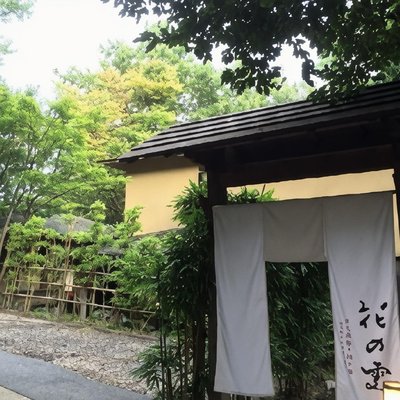
Hana No Kumo
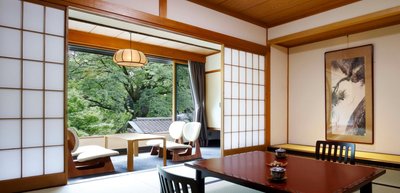
Yoshiike Ryokan
Hotel Gajoen Tokyo
Gora Hanaougi
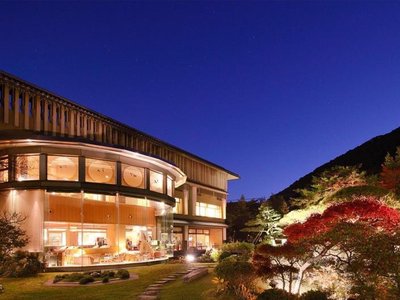
Shikisai Ichiriki
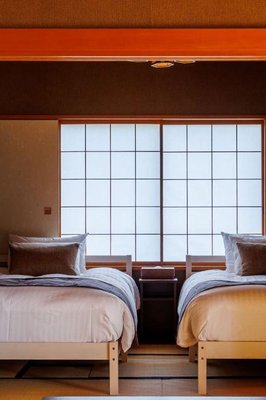
Sado Resort Hotel Azuma
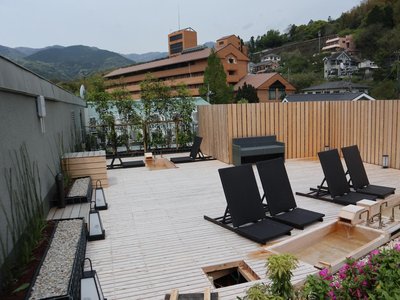
Fukiya Ryokan
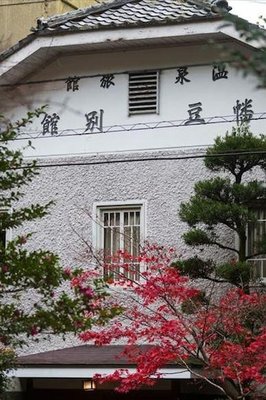
Oku-Mikawa・Yuya Onsen HAZU Bekkan
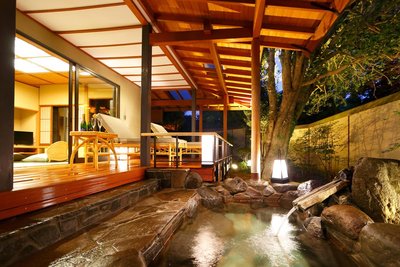
Yoshiharu Ryokan – Izu Nagaoka Onsen
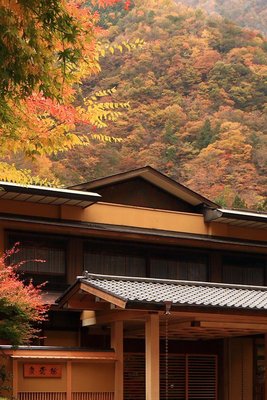
Nishiyama Onsen Keiunkan
Bellustar Tokyo, A Pan Pacific Hotel
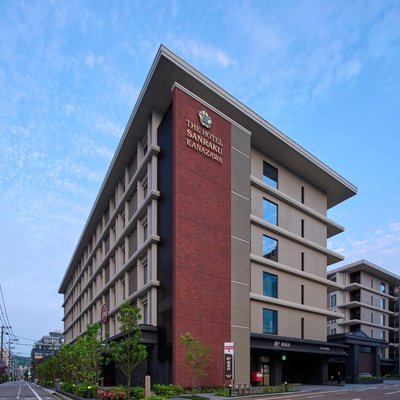
The Hotel Sanraku Kanazawa 21th December 2022 Open
JW Marriott Hotel Tokyo
Andaz Tokyo Toranomon Hills- A Concept by Hyatt
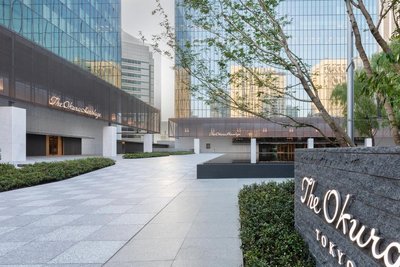
The Okura Tokyo
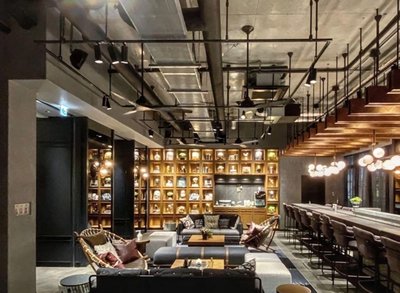
The Lively Azabujuban Tokyo
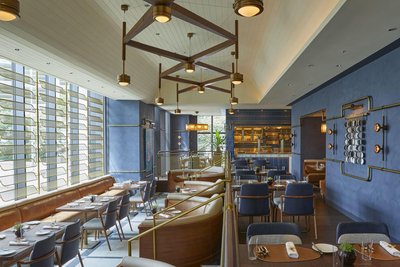
Kimpton Shinjuku Tokyo

HOTEL K5
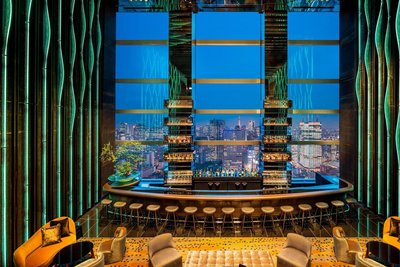
The Prince Gallery Tokyo Kioicho, a Luxury Collection Hotel
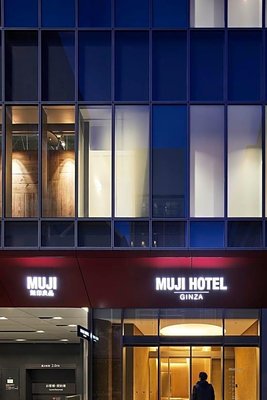
Muji Hotel Ginza
Bvlgari Hotel Tokyo
Four Seasons Hotel Tokyo at Marunouchi
Mandarin Oriental, Tokyo
The Ritz-Carlton, Tokyo
Andaz Tokyo Toranomon Hills- A Concept by Hyatt
Gora Kadan
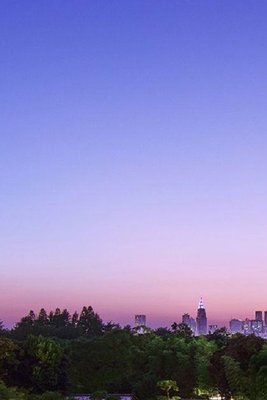
Hotel New Otani Tokyo the Main
Aman Tokyo
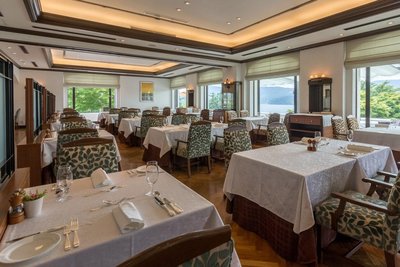
Odakyu Hotel de Yama
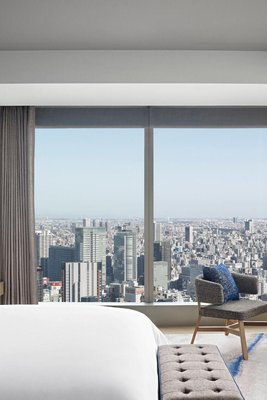
Four Seasons Hotel Tokyo at Otemachi
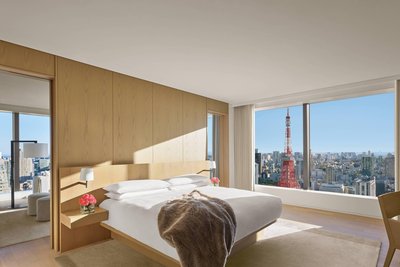
The Tokyo Edition, Toranomon
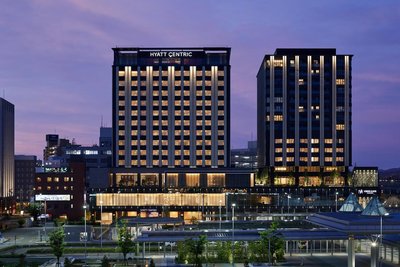
Hyatt Centric Kanazawa
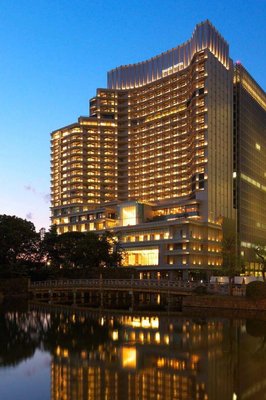
Palace Hotel Tokyo
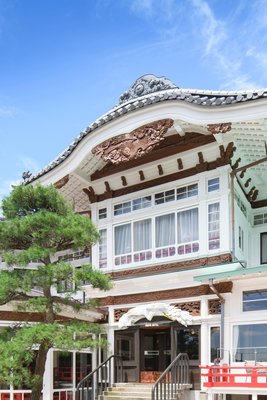
Fujiya Hotel
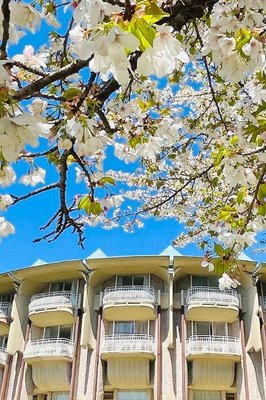
The Prince Hakone Lake Ashinoko
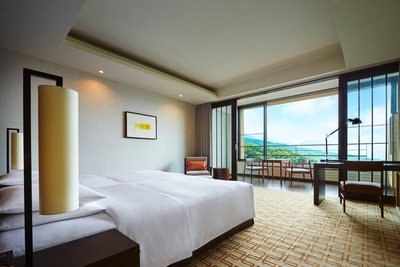
Hyatt Regency Hakone Resort and Spa
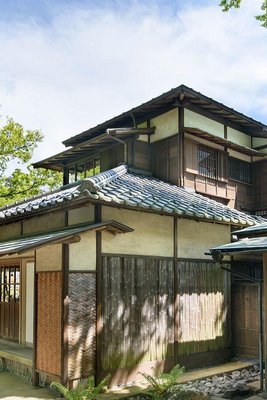
Hakone Suishoen
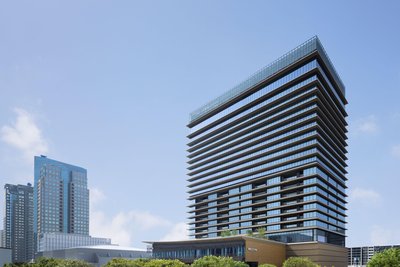
The Westin Yokohama
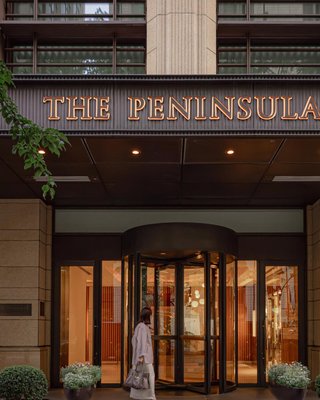
The Peninsula Tokyo

Imperial Hotel, Tokyo
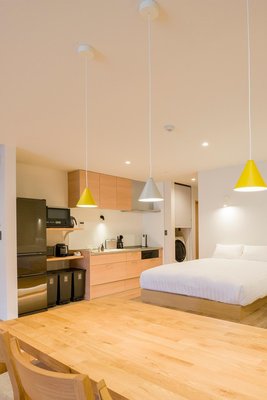
Rakuten STAY VILLA Nasu
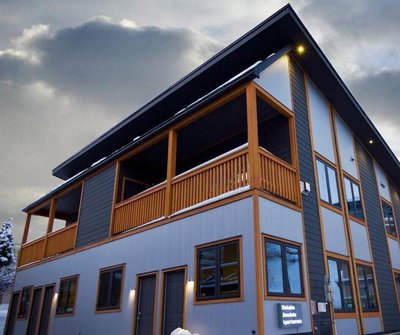
Hakuba Gondola Apartments
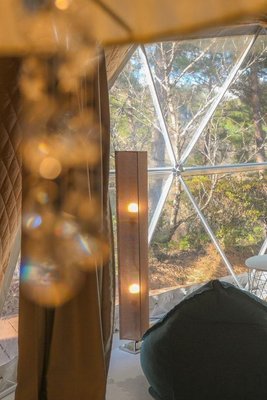
glampark Gekkabijin Nagano
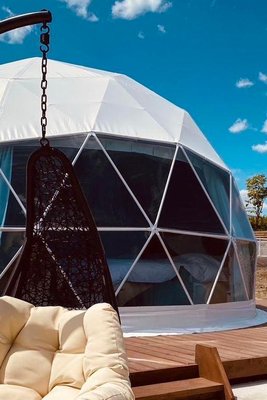
chillout glamping zao
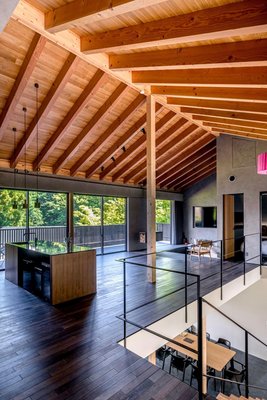
MONS GORA
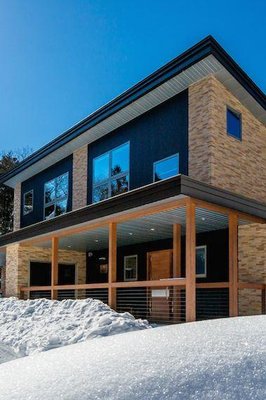
Phoenix Chalets by Hhg
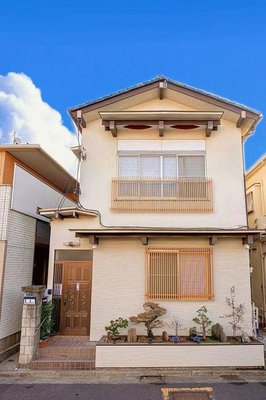
Tokyo Star House-Shinkoiwa
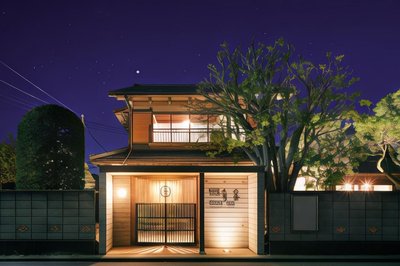
Machi-Jyu
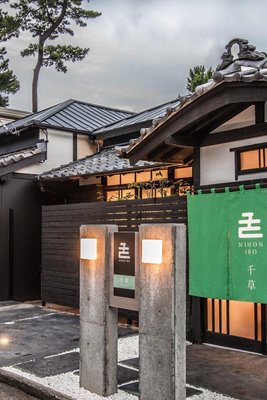
Nihon Iro
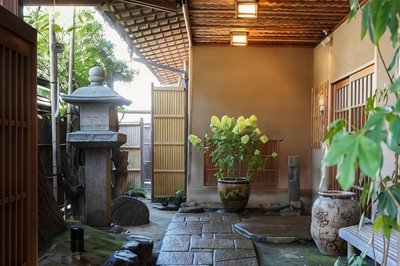
Ryokan Asadaya
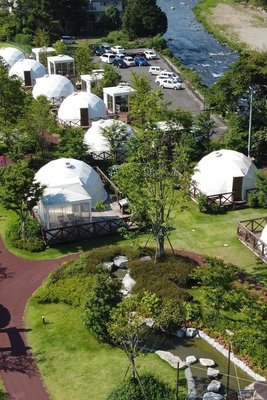
Ufufu Village
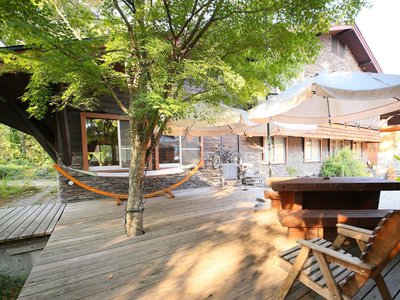
Kunugi Relaxation with 4 Modern Rooms
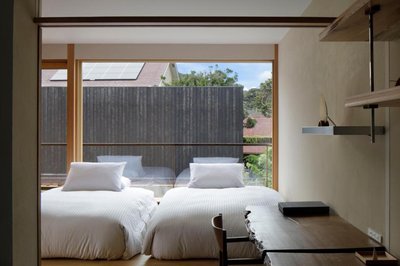
Modern Ryokan Kishi-ke
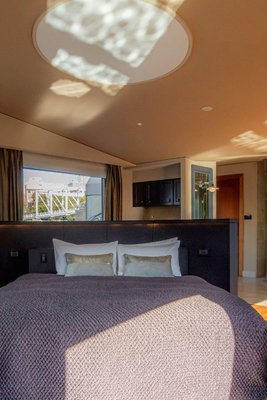
Petals Tokyo - Floating Hotel
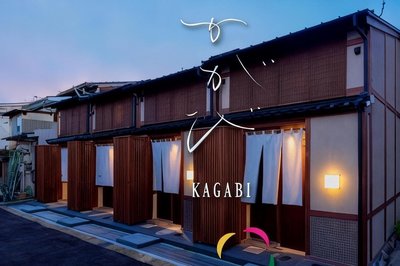
Kagabi Machiya House
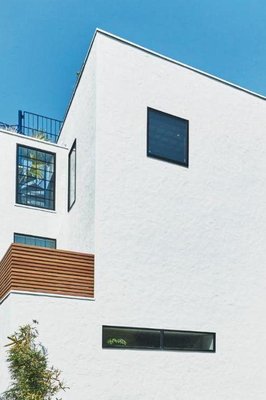
The Flow Kamakura
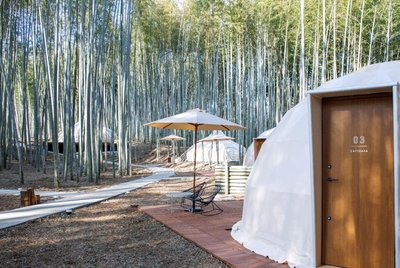
THE BAMBOO FOREST
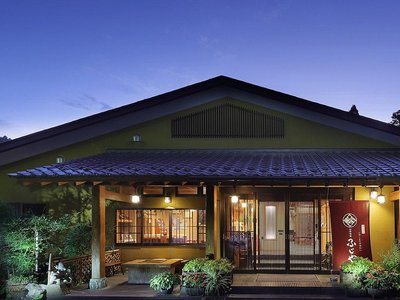
Shikimitei Fujiya
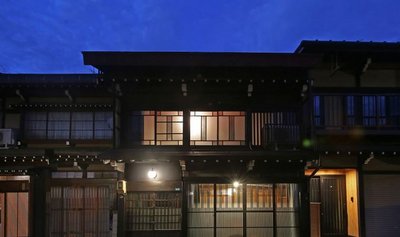
Iori Stay Hida

Hotel Barrière Fouquet's New York

The Plaza - A Fairmont Managed Hotel

The Ritz-Carlton New York, Central Park

Four Seasons Hotel New York

The St. Regis New York

Park Hyatt New York

Mandarin Oriental New York
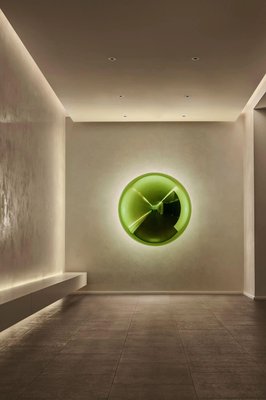
Times Square Edition New York
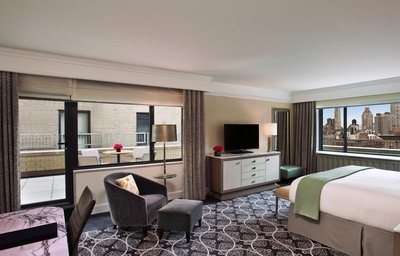
Loews Regency New York Hotel

Lowell Hotel

New York Edition

Baccarat Hotel New York
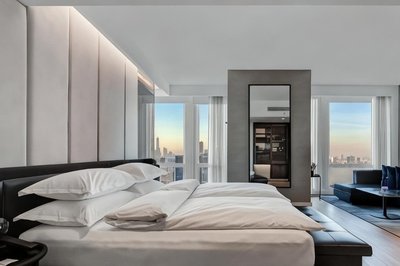
Equinox Hotel New York
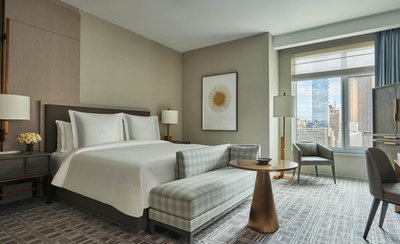
Four Seasons Hotel New York Downtown
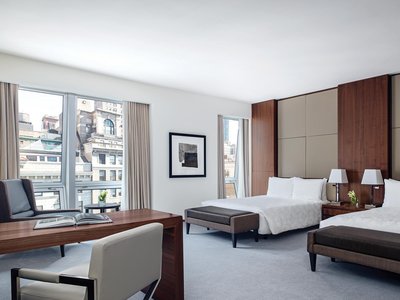
The Langham, New York, Fifth Avenue
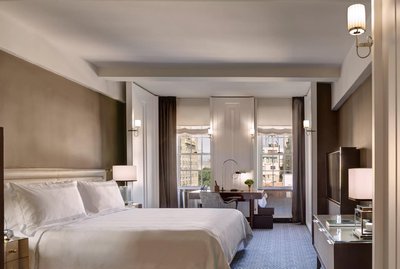
The Carlyle, A Rosewood Hotel

The Chatwal, in the Unbound Collection by Hyatt
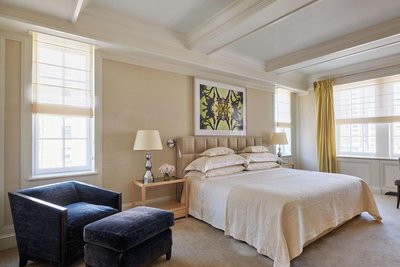
The Mark New York
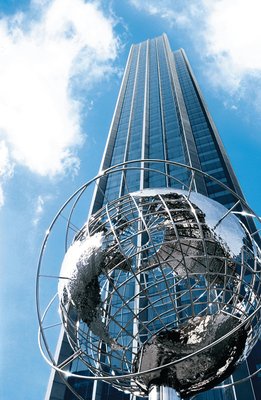
Trump International Hotel & Tower® New York
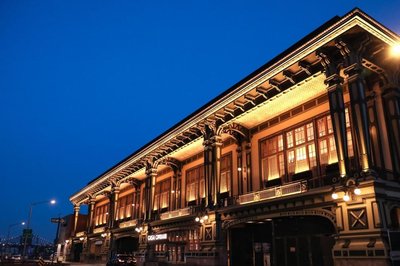
Casa Cipriani New York
Frequently Asked Questions about Traveling to Chikusei
Questions You Might Need to Know About Traveling to Chikusei
In Jūsai City, the top choice for families is Jūsai City Hotel, located near Jūsai Cultural Hall and the Tokyo Electric Power Museum. The hotel offers spacious rooms with kid-friendly amenities, including themed play areas and breakfast options featuring local ingredients. Its proximity to Ōkigawa Greenway allows families to enjoy nature walks or bike rides along the riverbank. Free parking and multilingual staff ensure a stress-free stay. Ideal for travelers seeking comfort, safety, and easy access to cultural and outdoor attractions.
Key Features: Family-oriented design, nearby green spaces, convenient facilities, local charm.
The best area for accommodation in Jūsai City is the city center around Jūsai Station, offering excellent connectivity to key locations such as Jūsai City Hall, Citizen’s Hall, and local restaurants. This district combines urban convenience with a peaceful atmosphere, making it perfect for both leisure and business travelers. Nearby attractions include Ōkigawa River Trail, Sōma Mountain Park, and the Ibaraki Prefectural Natural Park. With reliable public transport and well-maintained streets, this zone provides an ideal balance of accessibility and tranquility.
Highlights: Central location, safe neighborhood, walkable amenities, scenic access.
Visitors to Jūsai City should not miss the Ōkigawa Festival, held annually in summer, featuring fireworks displays, traditional performances, and craft markets that highlight local heritage. Another must-try is the rice paddy tour organized by the Ibaraki Prefectural Agricultural Cooperative, where guests can experience planting and harvesting rice using traditional methods. Additionally, the Tokyo Electric Power Museum offers interactive exhibits on Japan’s energy evolution. These activities provide deep insight into the region’s agricultural roots and community spirit.
Experiences: Seasonal festivals, hands-on farming, museum learning, community engagement.
Yes, Jūsai City is highly suitable for self-drive tourists. Recommend staying at Jūsai Green Hotel, located just 5 minutes from Jūsai Interchange on National Route 125, offering free parking and a self-service breakfast. The hotel serves as a gateway to natural attractions like Ōkigawa Greenway, Sōma Mountain Park, and Ibaraki Prefectural Natural Park. Well-marked roads and clear signage make navigation easy. Perfect for those planning day trips across Ibaraki Prefecture or connecting to Tokyo and Kanto region destinations.
Advantages: Easy access, ample parking, scenic routes, ideal for road trips.
Yes, stay at Hata no Ie Inn, a beautifully restored farmhouse located beside the Ōkigawa River. Formerly a family farm, this guesthouse retains traditional wooden architecture and a serene Japanese garden. The hosts, retired educators, prepare multi-course meals using locally grown produce like Ibaraki rice and seasonal vegetables. Guests can join guided farm tours, learn about sustainable agriculture, and even try on kimonos. This immersive experience offers genuine insight into rural life in Jūsai City.
Unique Aspects: Heritage home, farm-to-table dining, cultural storytelling, hands-on learning.
While Jūsai City lacks natural hot springs, a short 30-minute drive leads to Sōma Onsen Area in Tsuchiura City, home to Sōma Onsen Ryokan. This traditional inn features open-air baths filled with soft alkaline water, known for soothing skin conditions. The building reflects Edo-period architecture, with tea ceremony rooms and kimono rental services. A popular destination for relaxation, it’s accessible via local bus or private car, making it a perfect add-on for travelers seeking wellness experiences near Jūsai.
Alternative Option: Nearby onsens, cultural immersion, therapeutic bathing.
Yes, Jūsai City Hotel offers premium rooms with panoramic views of the Ōkigawa River and distant hills—ideal for sunrise and sunset photography. The hotel provides tripods and a photography guidebook outlining optimal shooting spots, including the illuminated Ōkigawa Greenway at night. During cherry blossom season, the riverbanks bloom into pink corridors, perfect for long-exposure shots. Guests can also borrow bicycles to explore quiet farmland scenes and birdwatching spots, capturing the essence of rural Japan.
Photography Highlights: River vistas, seasonal blooms, low-light opportunities, mobile shooting.
For business travelers, Jūsai Business Hotel near Jūsai Station is the top pick. It offers high-speed Wi-Fi, soundproof rooms, private workspaces, and meeting room rentals. Located within walking distance of city offices and conference centers, it ensures productivity and comfort. The hotel also provides airport shuttle service and 24-hour convenience stores nearby. With its professional environment and efficient support, it’s ideal for short stays, regional meetings, or cross-regional transit.
Features: Business-ready facilities, quiet rooms, strategic location, seamless logistics.
Though Jūsai City lacks skyscrapers, Jūsai City Hotel’s upper-floor rooms offer tranquil night views of the Ōkigawa River lit by soft streetlights, creating a reflective, dreamy ambiance. The Ōkigawa Greenway features gentle pathway lighting, ideal for nighttime strolls and candid cityscapes. For more dramatic views, consider visiting Tsuchiura Sky Tower—a 40-minute drive away—for panoramic vistas of the Kanto Plain under starlight. The city’s low light pollution enhances its natural night beauty.
Night Experience: River reflections, minimal light pollution, peaceful urban glow.
Start your day at Jūsai City Hotel, visit the Tokyo Electric Power Museum in the morning to explore Japan’s energy history. Enjoy lunch at Jūsai Market, sampling fresh Ibaraki yellowtail and local rice balls. In the afternoon, rent bikes and ride along the Ōkigawa Greenway, stopping at Sōma Mountain Park for scenic photos. Return to the hotel for dinner featuring farm-fresh ingredients. If time allows, extend your stay to explore Ibaraki Prefectural Natural Park the next day. This itinerary blends culture, cuisine, and nature seamlessly.
Itinerary Flow: Museum → Local food → Nature trail → Relaxation, all within one compact day.
Chikusei Overview
City Summary
Chikusei City, located in the western part of Ibaraki Prefecture, Japan, is a city that blends tradition and modernity. Known for its agriculture, especially rice and vegetable cultivation, Chikusei also boasts rich historical heritage, such as ancient temples and shrines, showcasing deep cultural roots. Visitors can enjoy the peaceful rural scenery and unique Japanese traditional culture here.
Must-See Attractions
Major attractions in Chikusei include the Akeno Sunflower Fields, where sunflowers bloom into a stunning golden sea in summer; Mount Tsukuba, offering hiking and climbing activities with breathtaking views from the summit; and the Shimodate Gion Festival, a traditional event featuring elaborate floats and performances.
Food Guide
Chikusei's street food highlights local produce. Don't miss Chikusei Ramen, known for its rich broth and chewy noodles. Also, try roasted sweet potatoes and fresh vegetable tempura for a taste of local flavors.
Transportation Guide
The primary modes of transportation in Chikusei are buses and trains. The JR Mito Line connects Chikusei with neighboring cities, while buses cover major local attractions. Consider purchasing a one-day pass for cost-effective travel. Taxis are available but relatively expensive.
Best Time to Visit
The best time to visit is summer (July to August) when sunflowers are in full bloom and the weather is warm. Spring (April to May) is also ideal, with cherry blossoms and pleasant temperatures. Avoid winter due to colder weather and limited attraction hours.
Travel Tips
- Respect local customs; remain quiet when visiting temples.
- Summer sun can be intense, so bring sunscreen.
- Check public transport schedules in advance.
- Ask about proper eating methods when trying local dishes.
- Keep the environment clean by disposing of trash properly.
Useful Information
Japanese is the main language, but some attractions and restaurants may have English signage. Wi-Fi coverage is limited; consider buying a local SIM card. Cash is the primary payment method, though some places accept credit cards. For emergencies, dial 110 (police) or 119 (ambulance).









