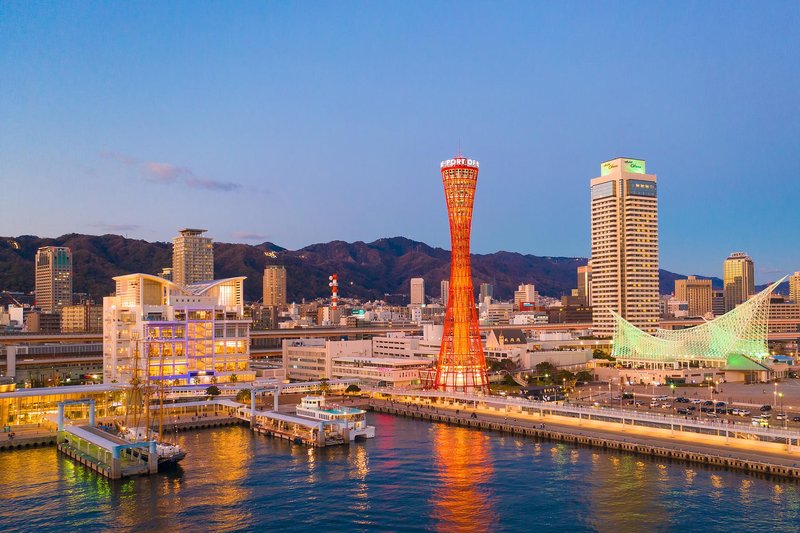
Hotels in Chino
Discover your perfect stay in Chino.
Chino(Japan) Travel 2026: Cheap Flights, Hotels & Top Attractions
Popular Landmarks in Chino
Discover the most iconic attractions in Chino
Recommended Hotels in Chino
Find the perfect place to stay in Chino
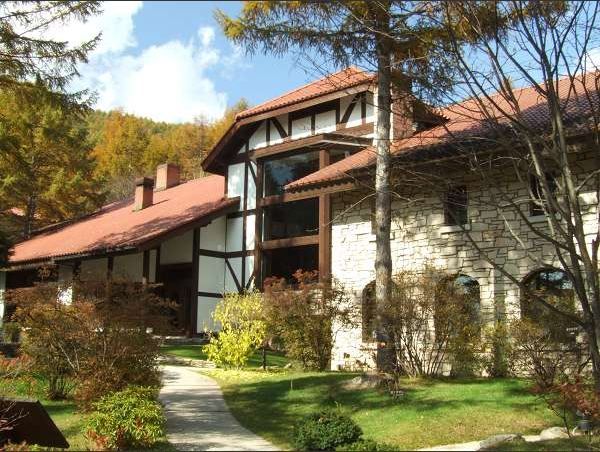
Tateshina Tokyu Hotel
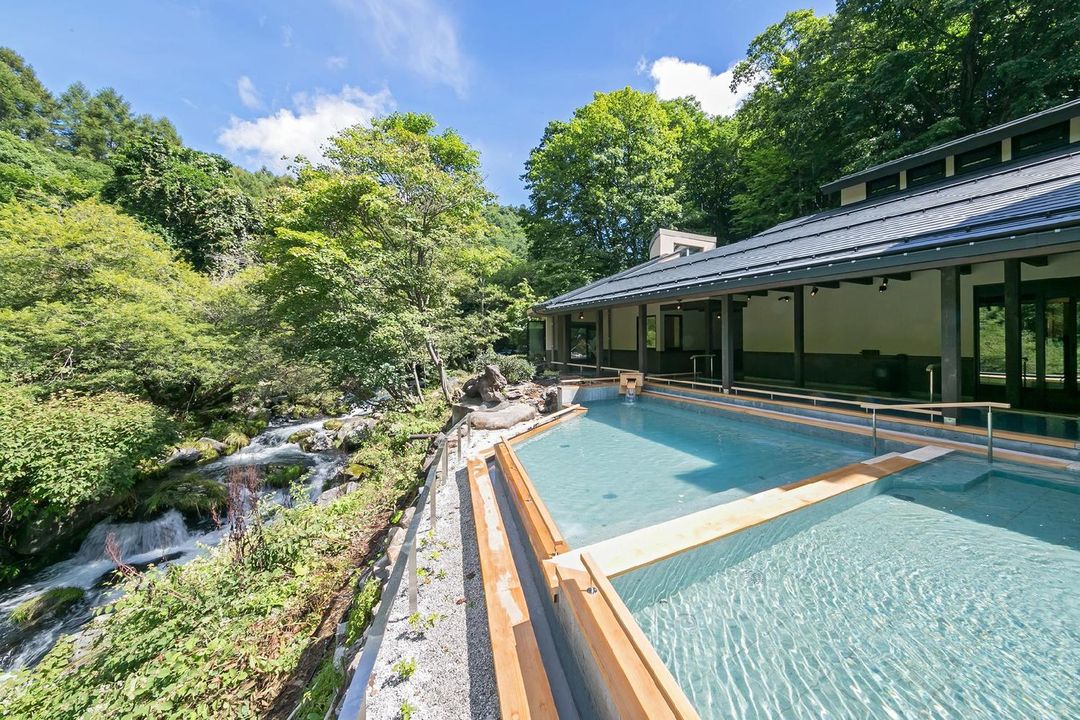
Tateshina Grand Hotel Takinoyu
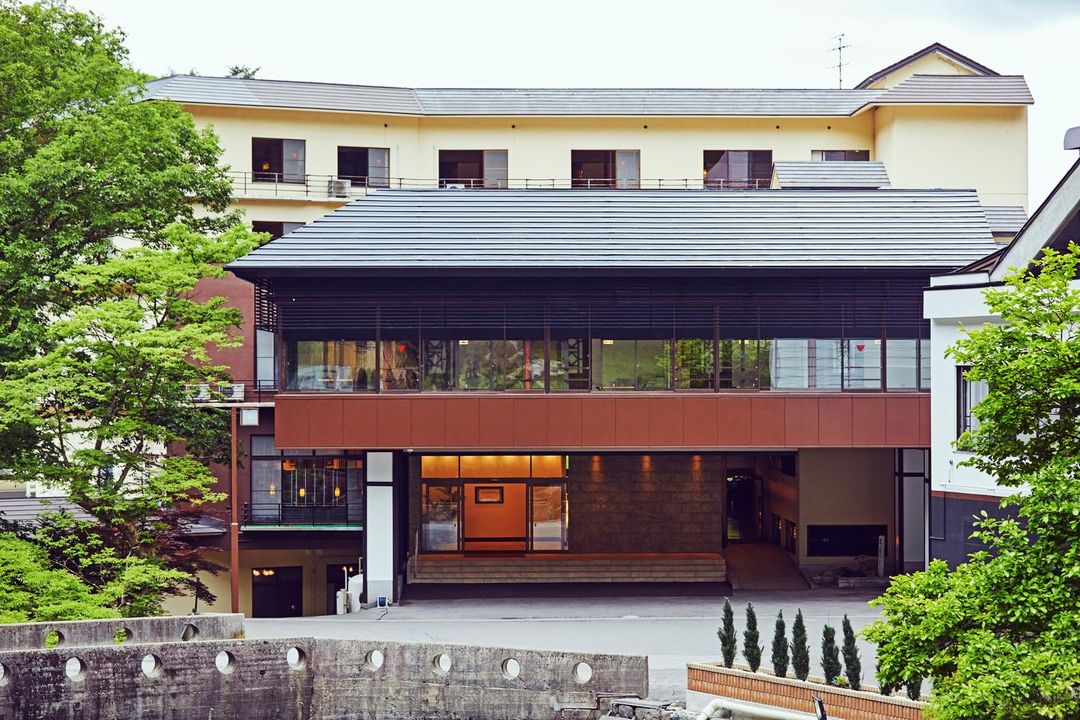
Tateshina Shinyu Onsen
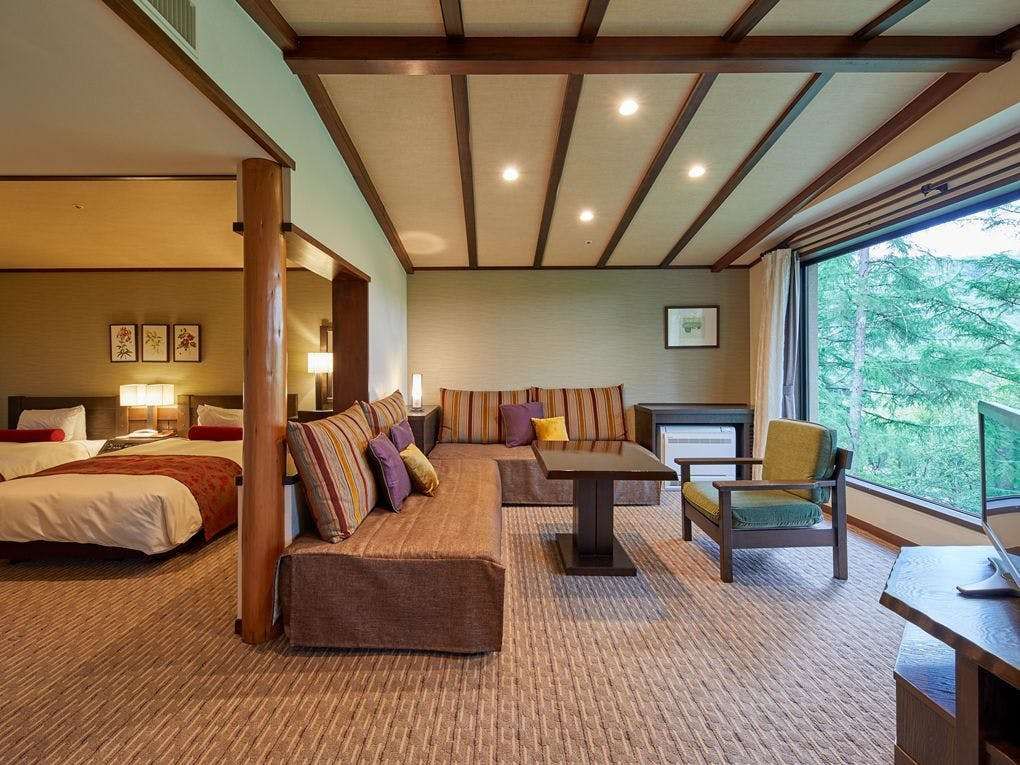
Hotel Harvest Tateshina
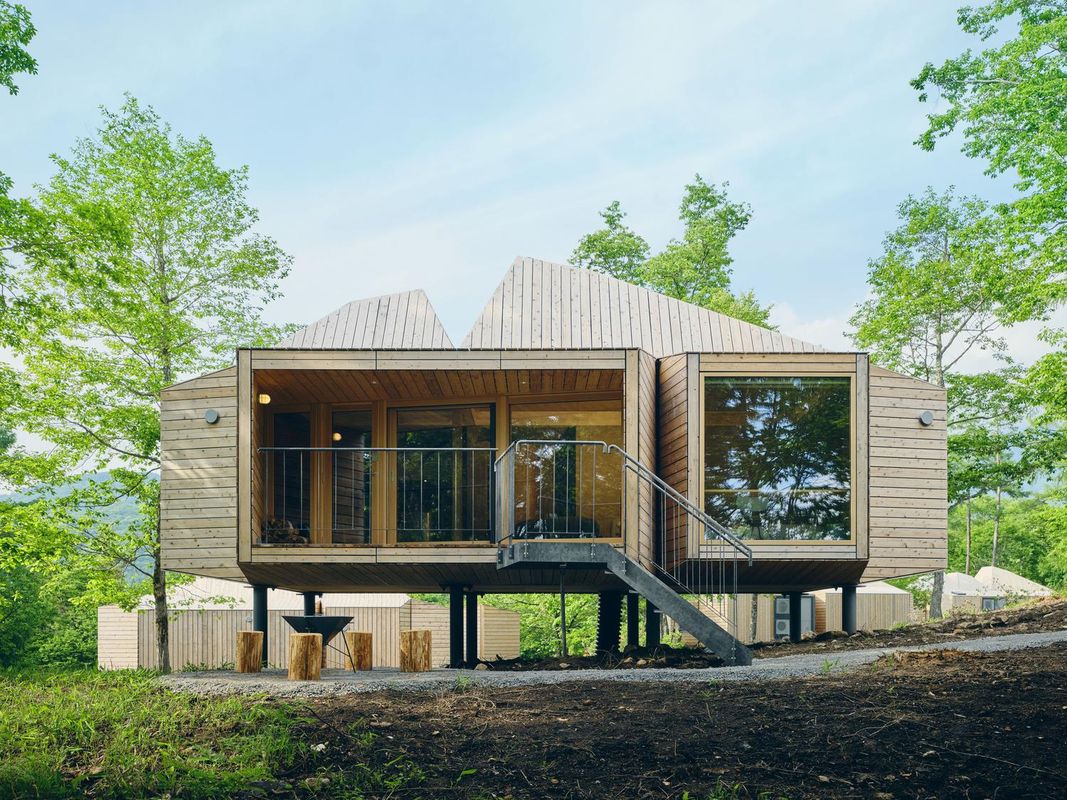
SANU 2nd Home Tateshina 1st
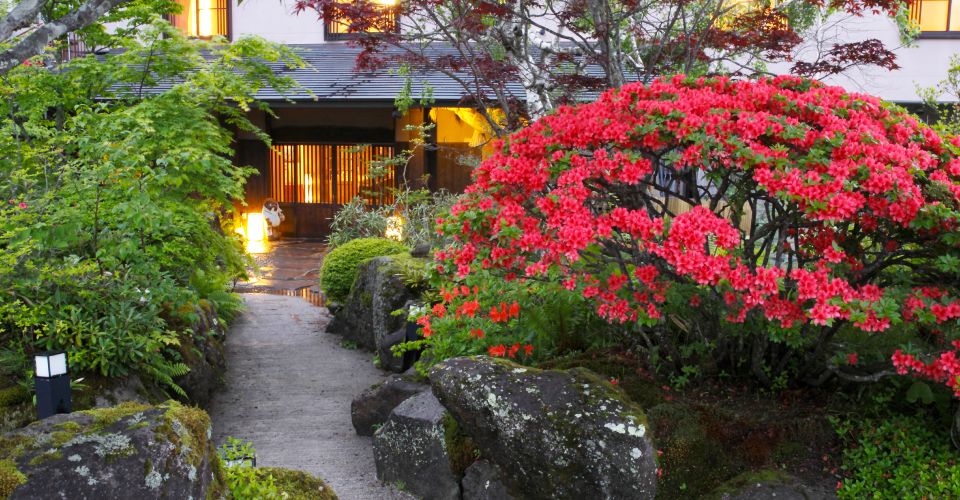
Sawaemon
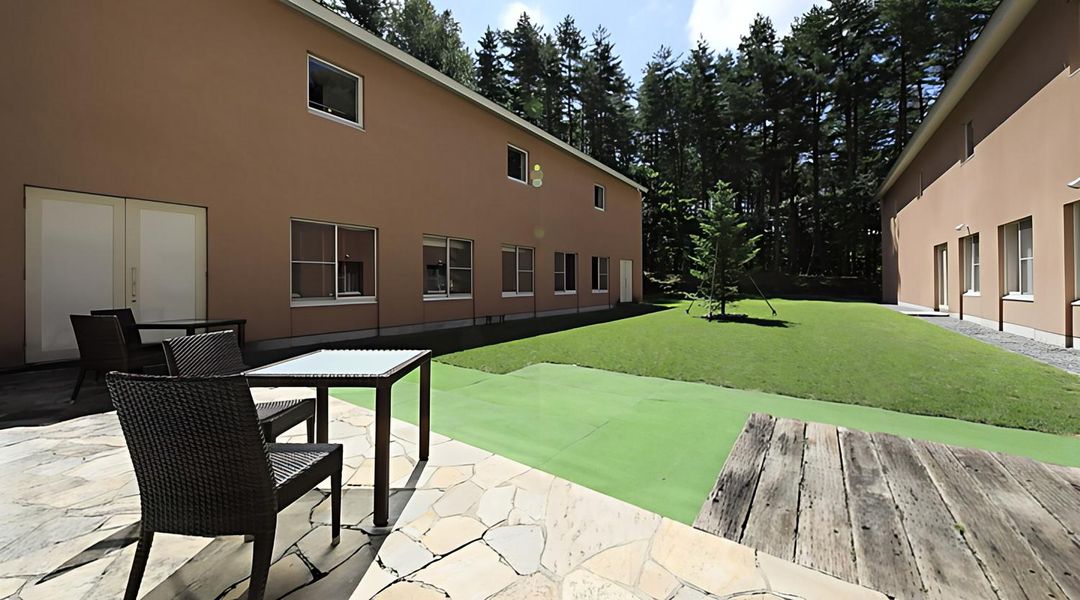
Yutorelo Tateshina Hotel with Dogs
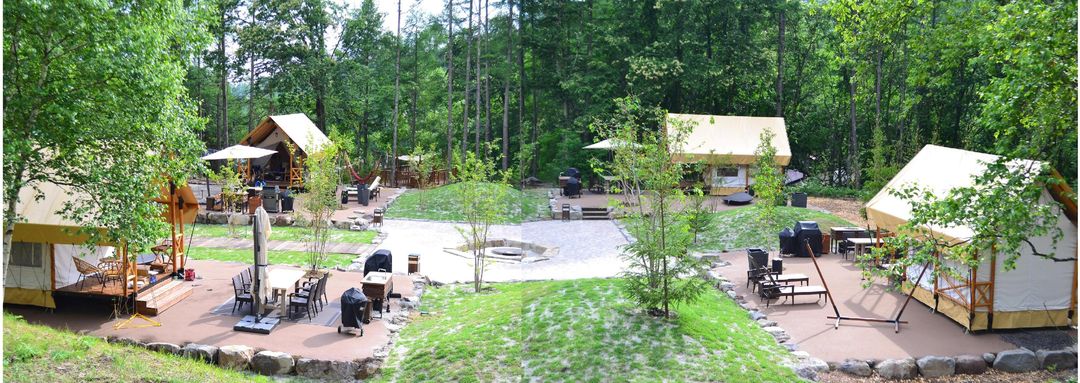
Glamorous Dining Tateshina the Camp
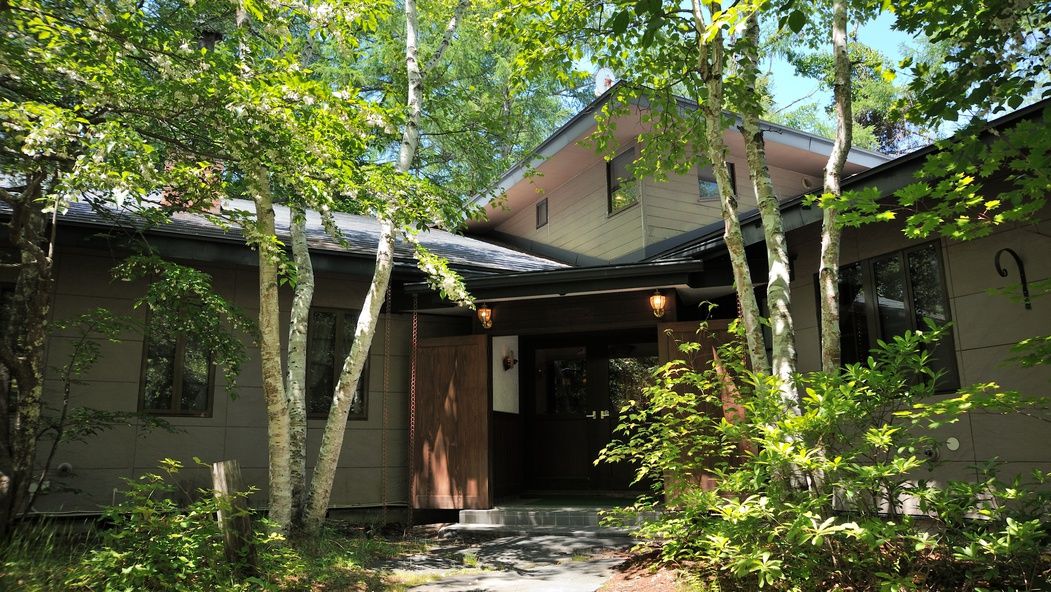
Auberge Tera
Best Hotels in Chino
Discover curated hotel collections in Chino
La Terra Resort
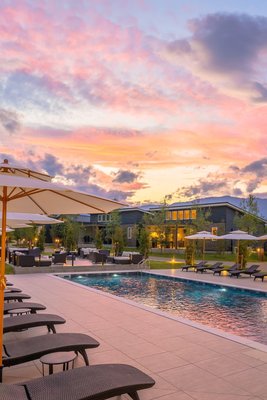
Awaumi Fujikawaguchiko Resort
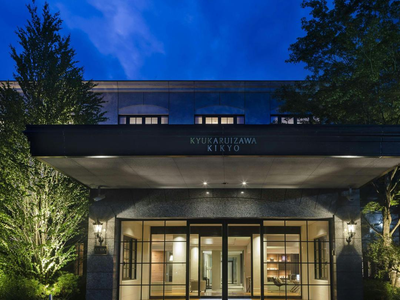
Fufu Karuizawa Wind of Sunshine
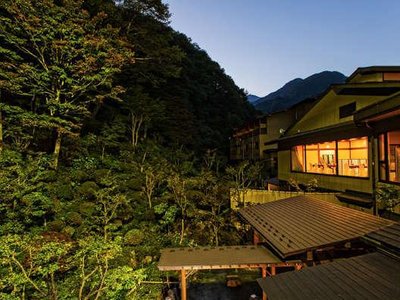
Futari Shizuka

Tokinoniwa
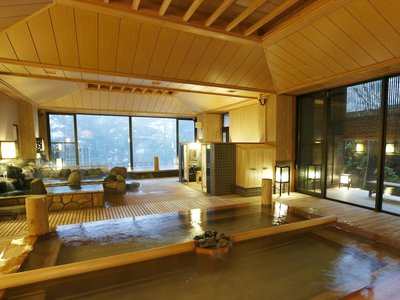
Konoha
Nakamatsuya Ryokan
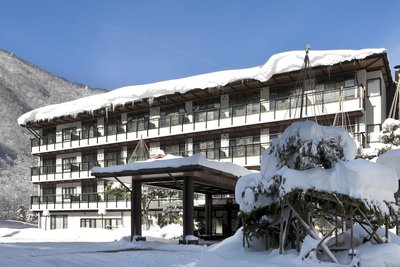
Okada Ryokan Warakutei
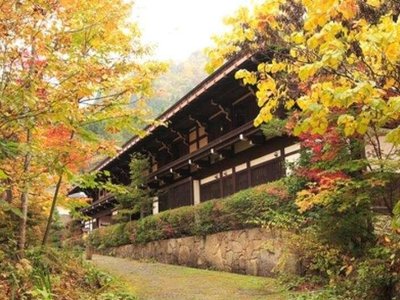
Yumoto Choza
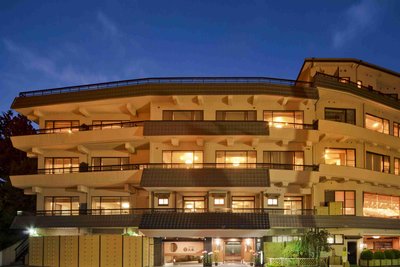
Maruei
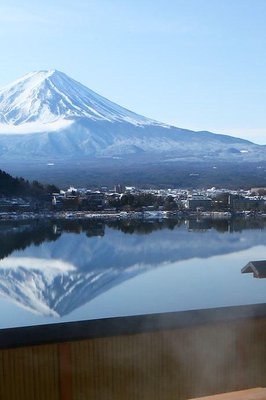
Fuji Ginkei
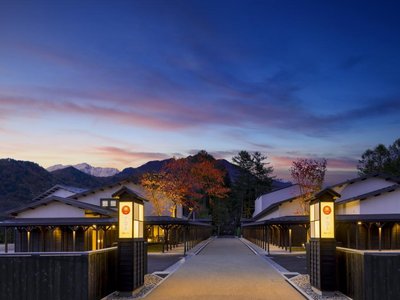
Hoshino Resorts KAI Alps
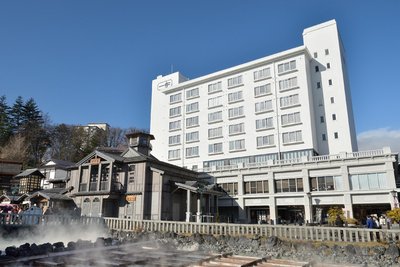
Kusatsu Onsen Hotel Ichii
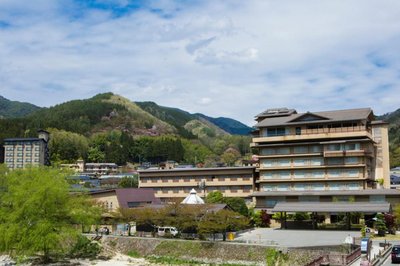
Hirugami Grand Hotel Tenshin
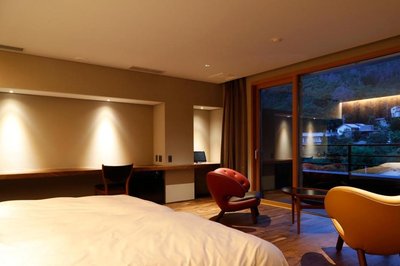
Matsumoto Jujo
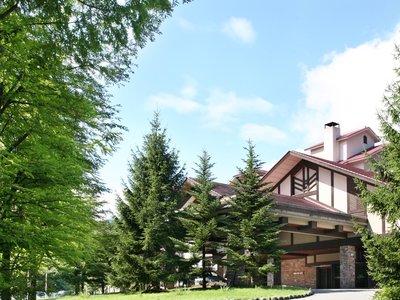
Hakuba Tokyu Hotel
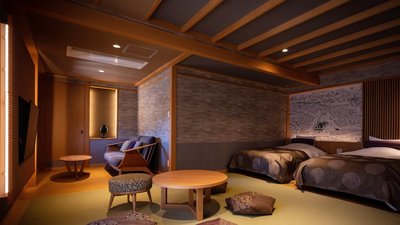
Naraya
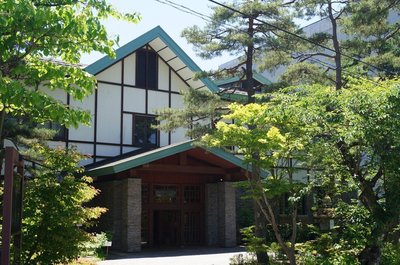
Senjukaku
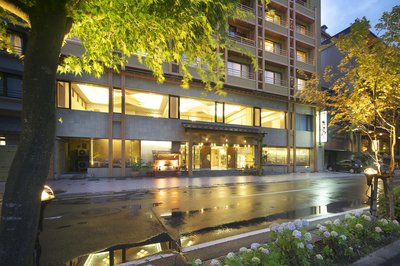
Kasuitei Ooya
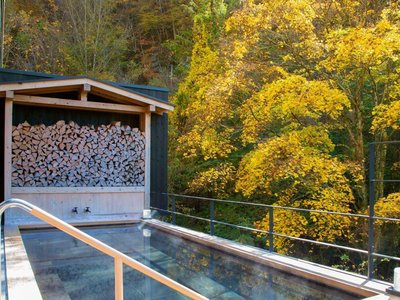
Tateshina Shinyu Onsen
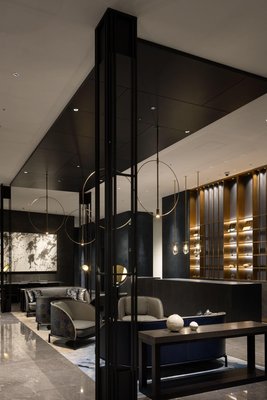
Bellustar Tokyo, A Pan Pacific Hotel
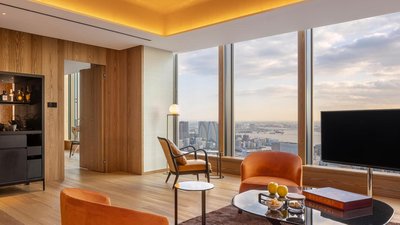
Bvlgari Hotel Tokyo
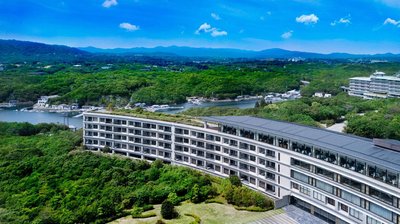
Shima Kanko Hotel the Bay Suites
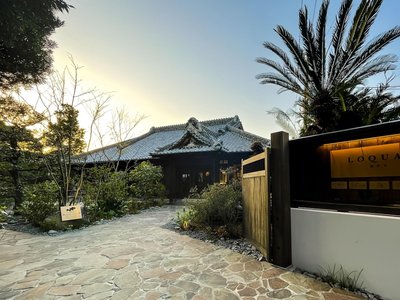
Loquat Nishiizu
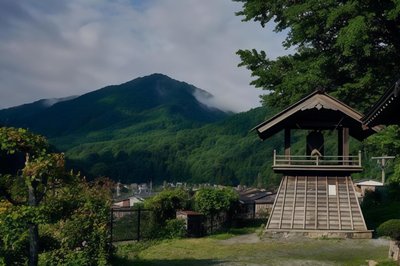
Byaku Narai
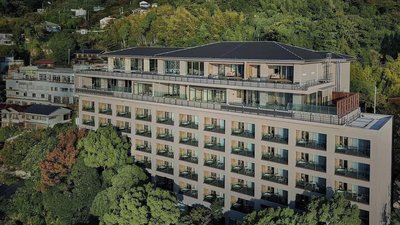
Atami Izusan Karaku
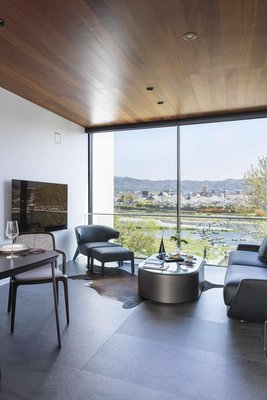
Kamo Residences by Reflections
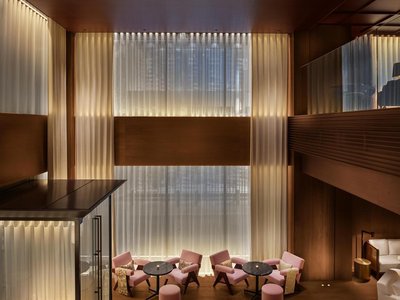
The Tokyo Edition, Ginza
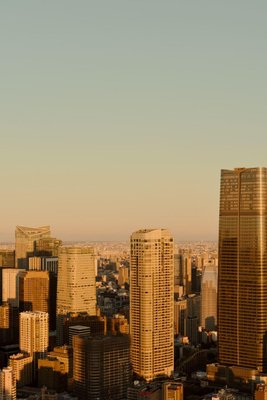
Janu Tokyo
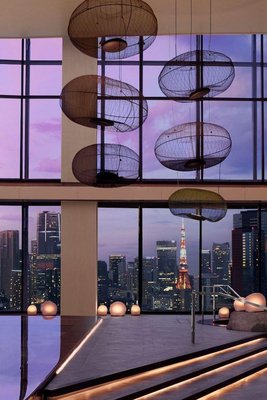
JW Marriott Hotel Tokyo
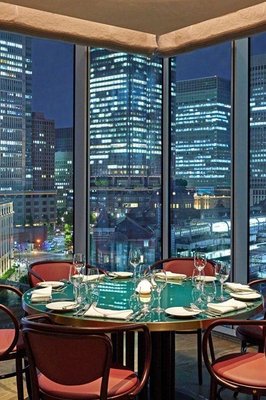
Four Seasons Hotel Tokyo at Marunouchi

Mandarin Oriental, Tokyo
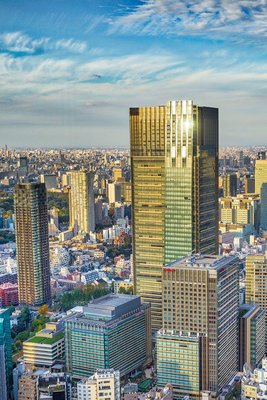
The Ritz-Carlton, Tokyo
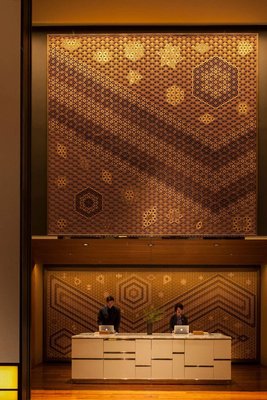
Andaz Tokyo Toranomon Hills- A Concept by Hyatt
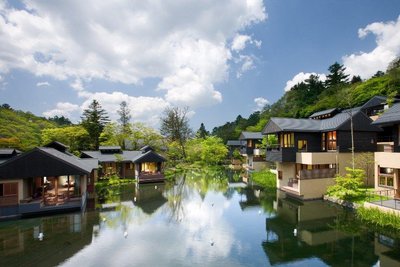
Hoshinoya Karuizawa
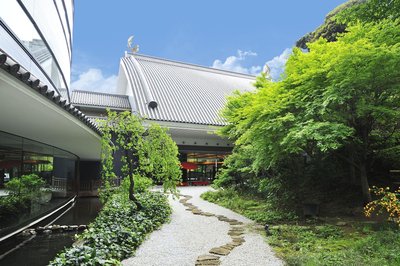
Hotel Gajoen Tokyo
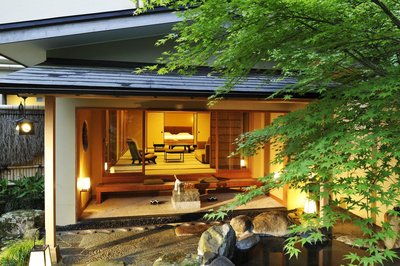
Gora Kadan
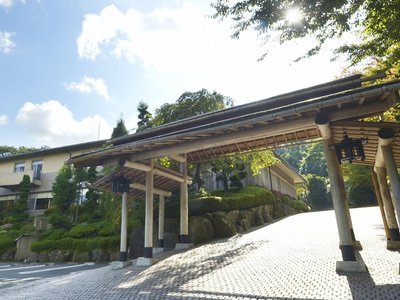
Gora Hanaougi
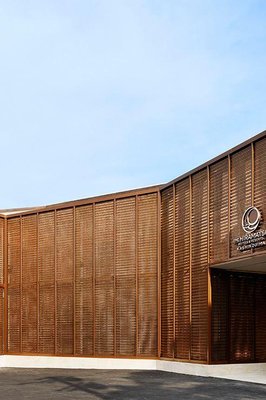
The Hiramatsu Hotels & Resorts Kashikojima
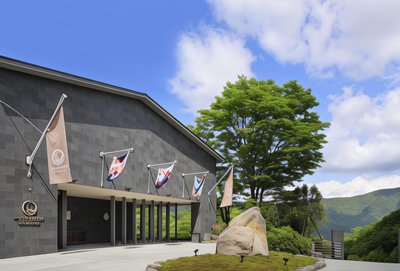
The Hiramatsu Hotels & Resorts Sengokuhara Hakone
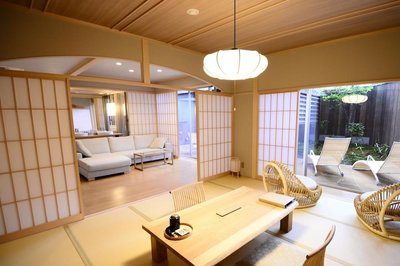
Hakone Gora Byakudan
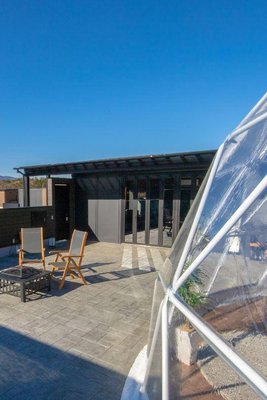
Panoramic Mt. Fuji Views from All Rooms – Vision Glamping Resort & Spa Yamanakako
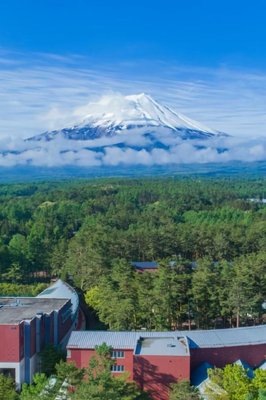
Forest Village (Fuji Premium Resort)
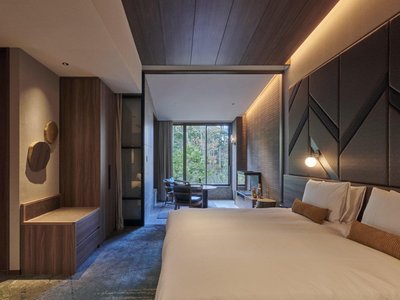
Fufu Kyu-Karuizawa Restful Forest
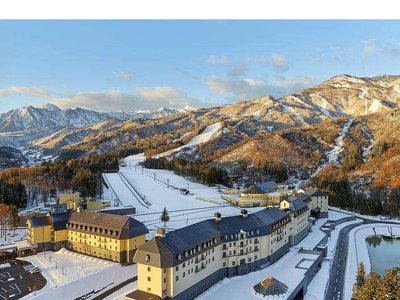
Lotte Arai Resort
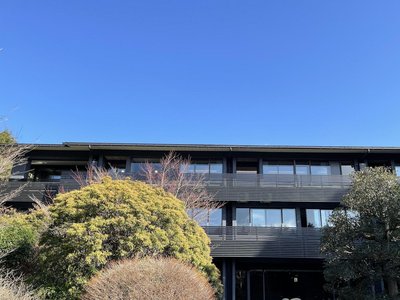
Sengokubara Cocon
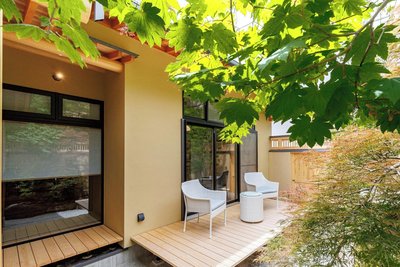
Shoraiso
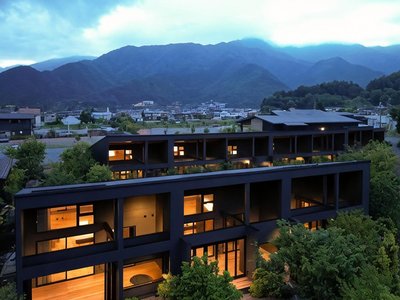
7C Villa and Winery
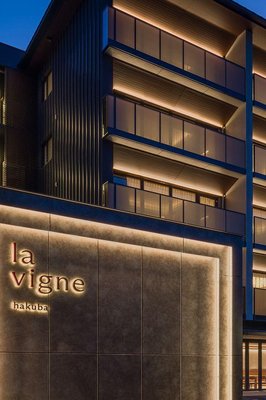
Hotel la Vigne Hakuba by Onko Chishin
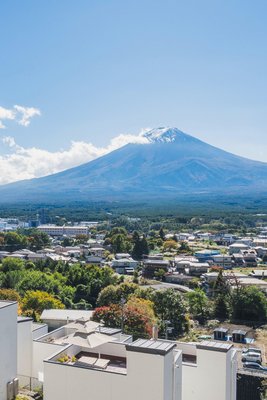
THE TOKI FujiKawaguchiko
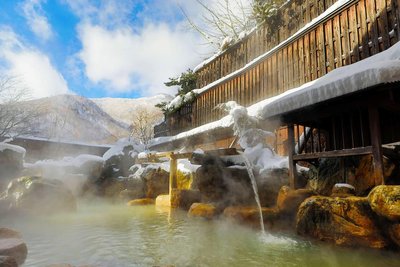
Miyamaouanbekkan yumegurinoyado hirayukan
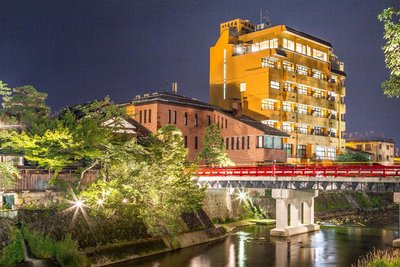
HONJIN HIRANOYA BEKKAN
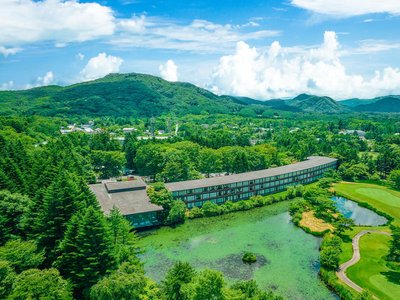
The Prince Karuizawa
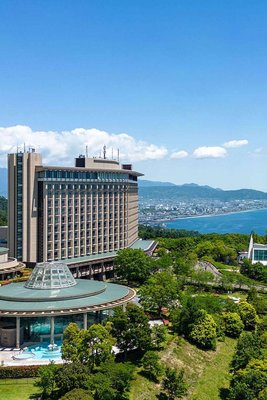
Hilton Odawara Resort & Spa
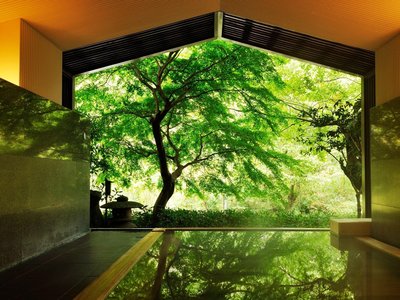
Hoshino Resorts KAI Hakone
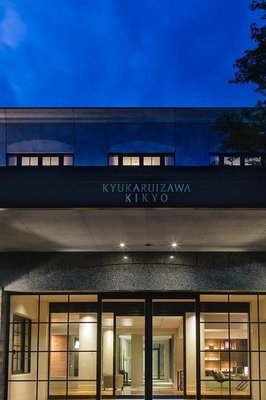
Kyukaruizawa Kikyo, Curio Collection by Hilton
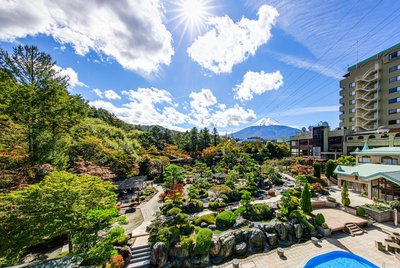
Kaneyamaen
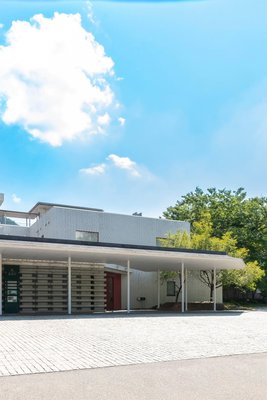
RIVER RETREAT GARAKU
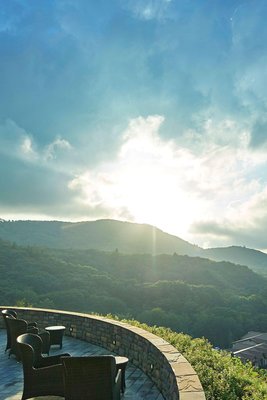
Le Grand Karuizawa Hotel & Resort
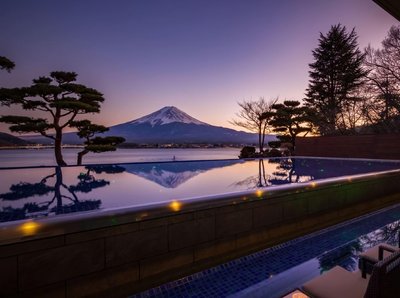
Shuhokaku Kogetsu
Hakone Gora Byakudan
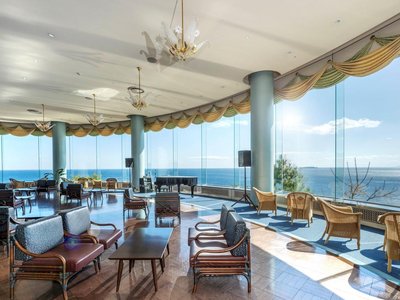
Hotel New Akao
The Prince Karuizawa
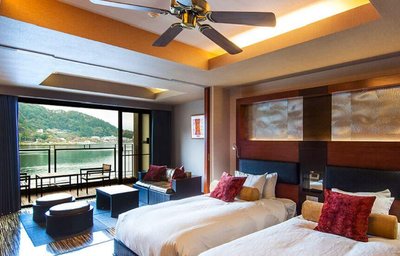
The Kukuna
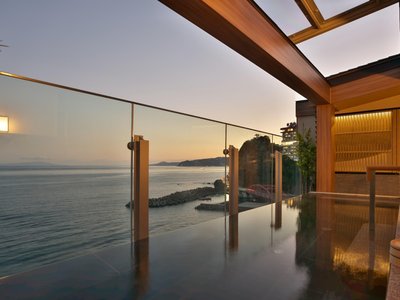
Hotel New Sagamiya
Hilton Odawara Resort & Spa
Hoshinoya Karuizawa
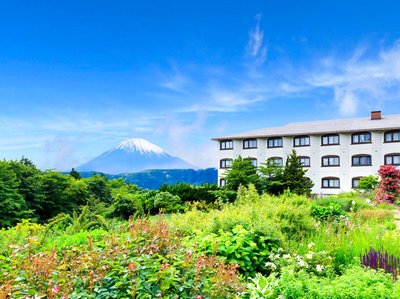
Hotel Green Plaza Hakone
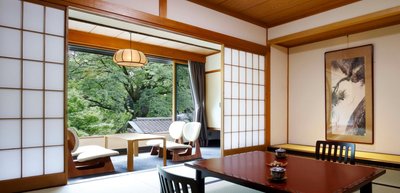
Yoshiike Ryokan
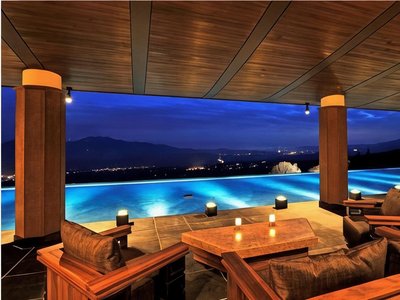
Akakura Kanko Hotel
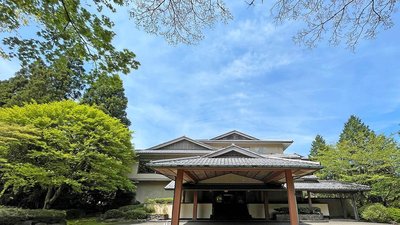
Ryuguden
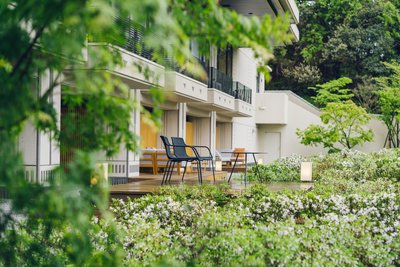
Hoshino Resorts Kai Enshu
Kaneyamaen
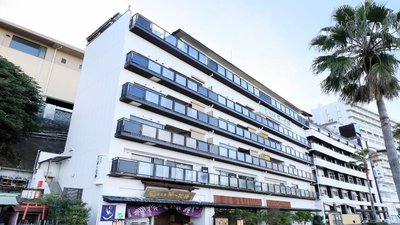
Syukaen Yunohanazen
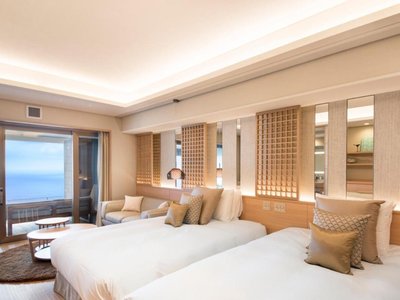
Atami Sekaie
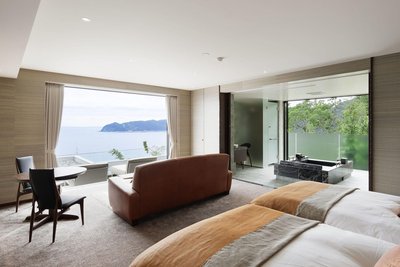
The Hiramatsu Hotels & Resorts Atami
Shuhokaku Kogetsu
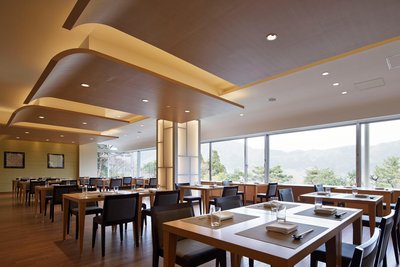
Laforet Hakone Gora Yunosumika
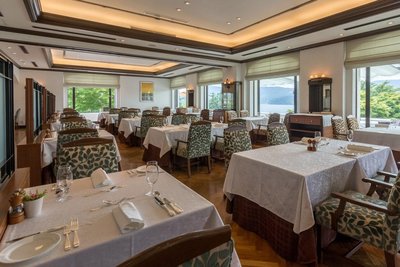
Odakyu Hotel de Yama
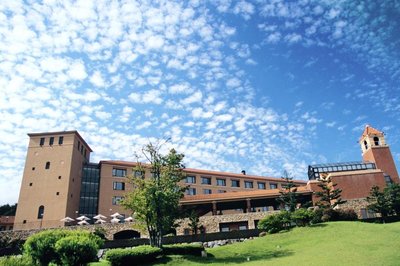
Fruit Park Fujiya Hotel
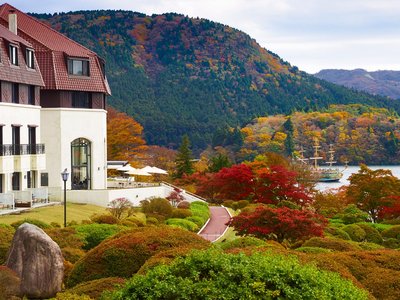
Hotakajyo
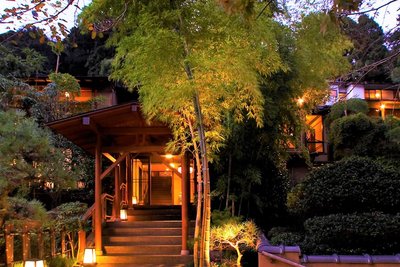
Shiki wo Ajiwau Yado Yamano Chaya
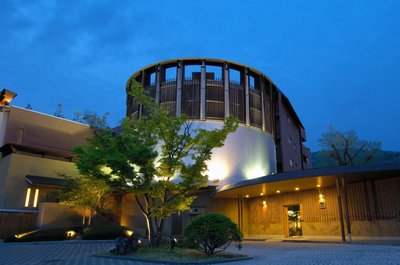
Hoshino Resorts Kai Matsumoto
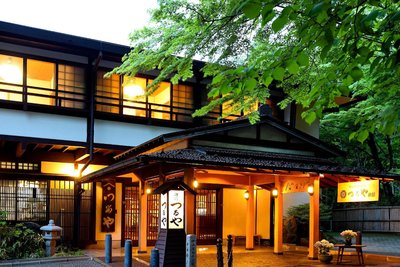
Tsuruya Ryokan
Nakamatsuya Ryokan
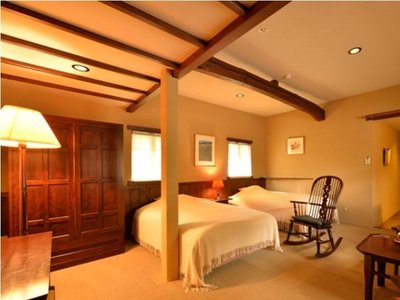
Ryokan Sugimoto
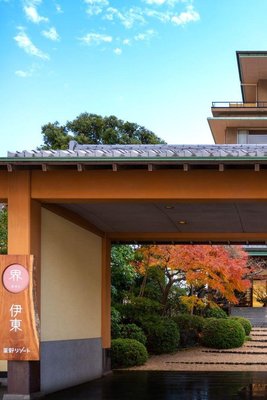
Hoshino Resorts Kai Ito
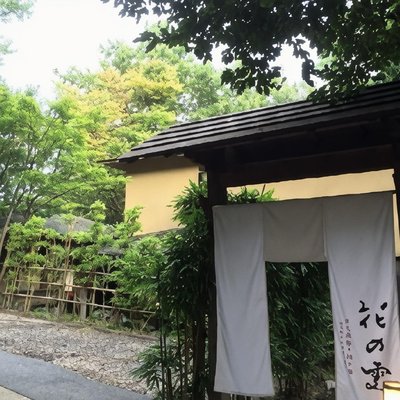
Hana No Kumo
Yoshiike Ryokan
Hotel Gajoen Tokyo
Gora Hanaougi
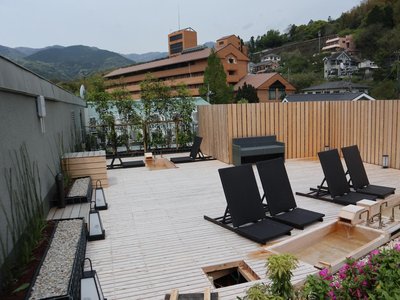
Fukiya Ryokan
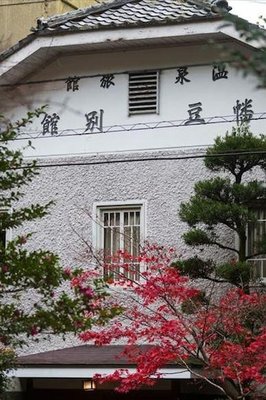
Oku-Mikawa・Yuya Onsen HAZU Bekkan
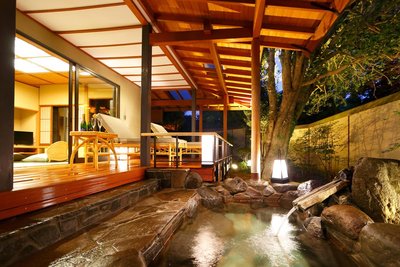
Yoshiharu Ryokan – Izu Nagaoka Onsen
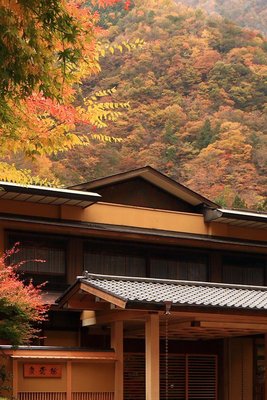
Nishiyama Onsen Keiunkan
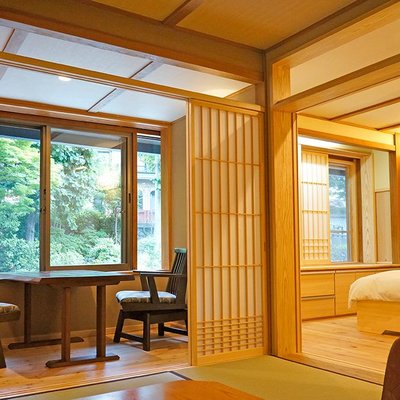
Sumiyosiya Ryokan
Naraya
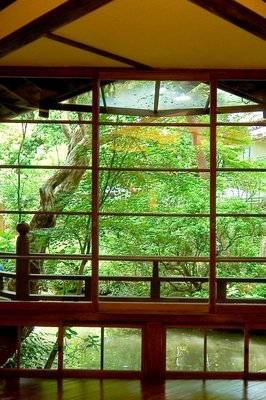
Yukairo Kikuya
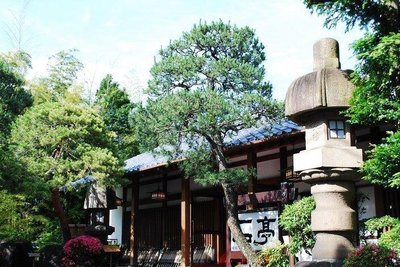
Atami Sekitei
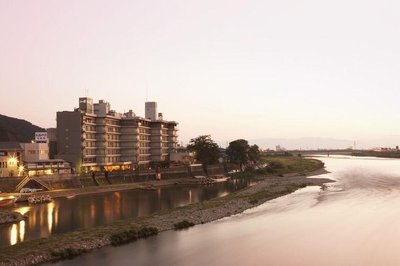
Juhachiro
Bellustar Tokyo, A Pan Pacific Hotel
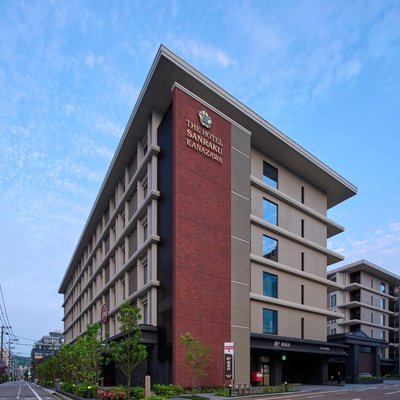
The Hotel Sanraku Kanazawa 21th December 2022 Open
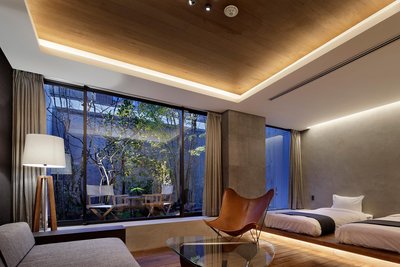
22 PIECES
JW Marriott Hotel Tokyo
Andaz Tokyo Toranomon Hills- A Concept by Hyatt
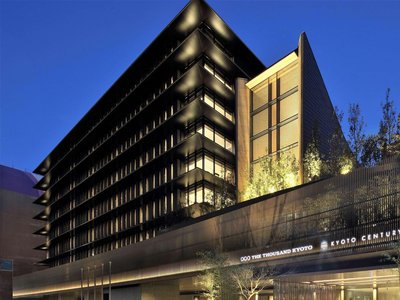
The Thousand Kyoto
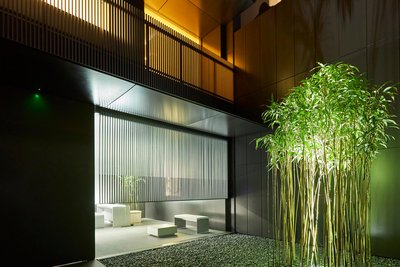
Mogana
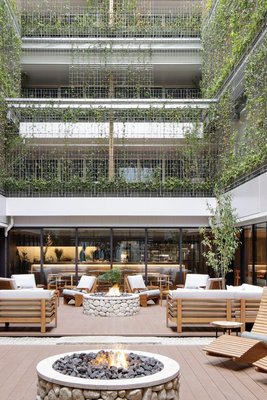
GOOD NATURE HOTEL KYOTO
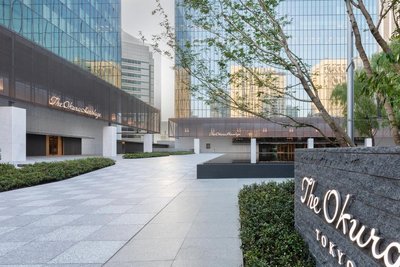
The Okura Tokyo
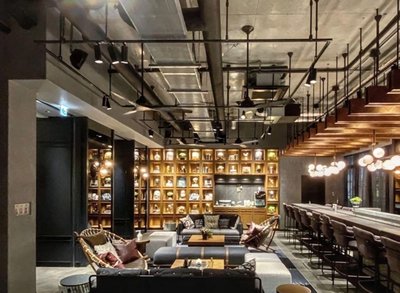
The Lively Azabujuban Tokyo
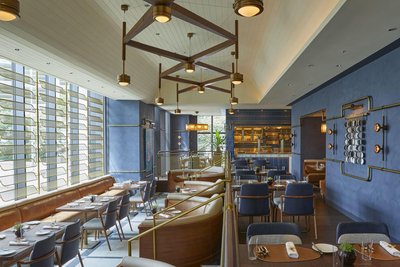
Kimpton Shinjuku Tokyo
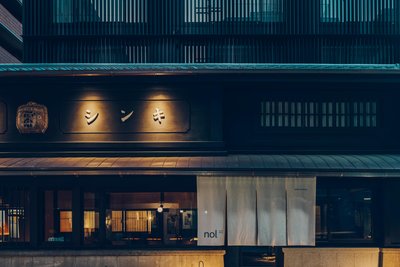
Nol Kyoto Sanjo

HOTEL K5
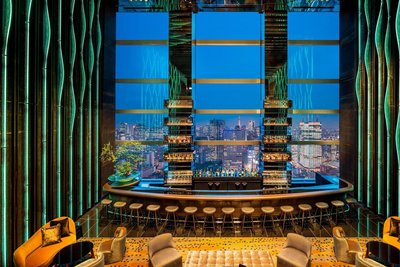
The Prince Gallery Tokyo Kioicho, a Luxury Collection Hotel
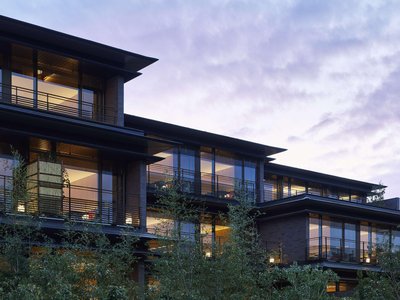
Garrya Nijo Castle Kyoto
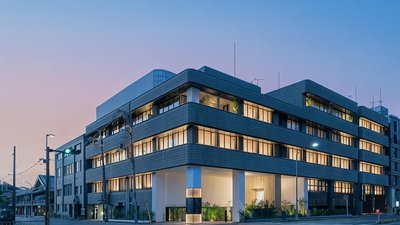
Hotel Kanra Kyoto
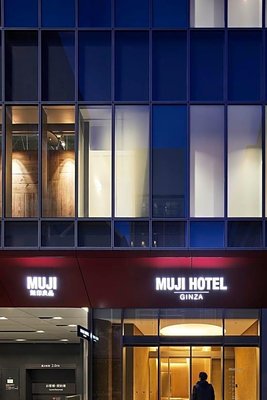
Muji Hotel Ginza
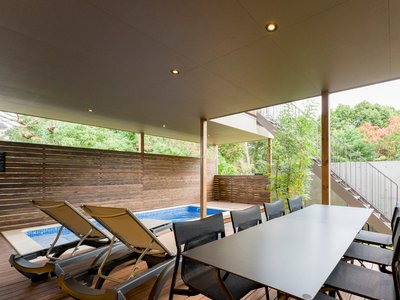
Rakuten STAY VILLA Kamogawa
Awaumi Fujikawaguchiko Resort
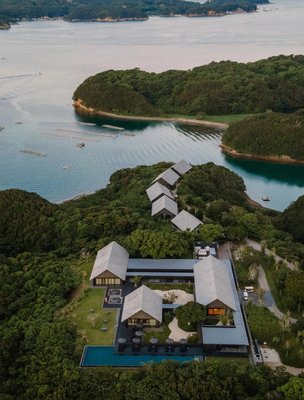
Amanemu
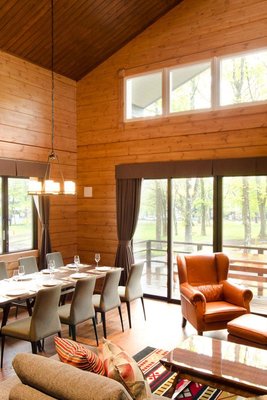
The Prince Villa Karuizawa
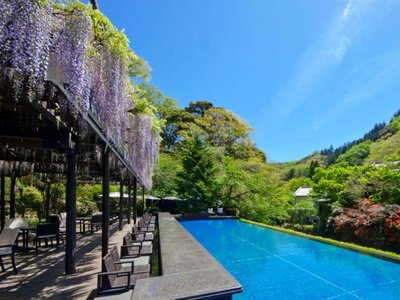
Tofuya Resort & Spa Izu
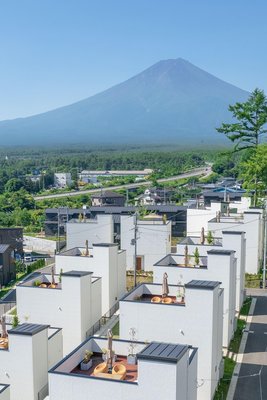
Fuji Granvilla -TOKI-

The Address Akakura
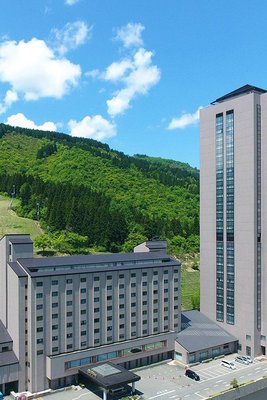
Naspa New Otani
The Prince Karuizawa
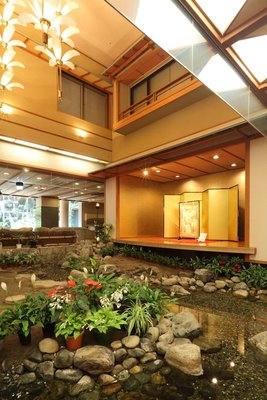
Hotel Futaba
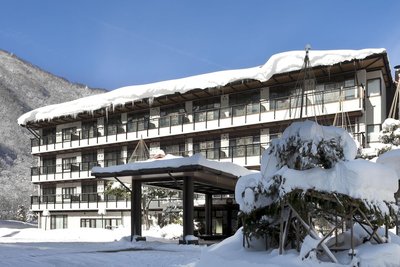
Okada Ryokan Warakutei
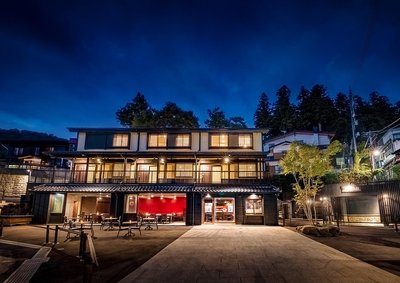
Ryokan Sakaya
Kyukaruizawa Kikyo, Curio Collection by Hilton
Akakura Kanko Hotel
Hoshino Resorts KAI Alps
Hakuba Tokyu Hotel
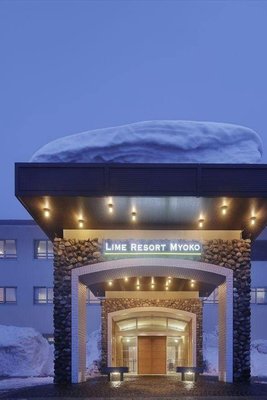
Lime Resort Myoko
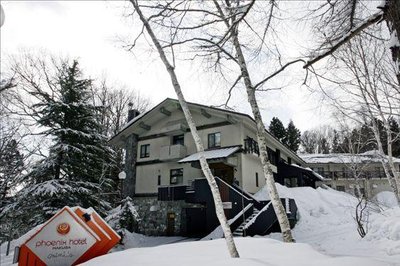
Phoenix Hotel by Hhg
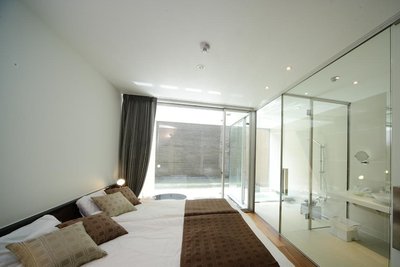
Four Seasons Yuzawa Quattro
Courtyard by Marriott Hakuba
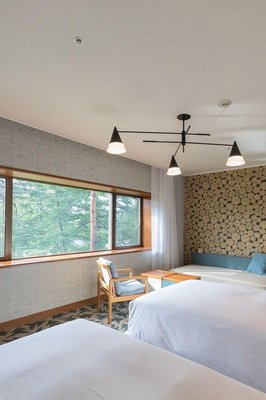
Karuizawa Prince Hotel East
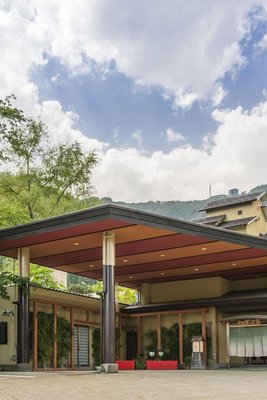
Shosenkaku Kagetsu
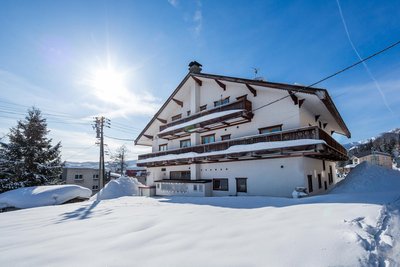
Marillen Hotel by Hhg
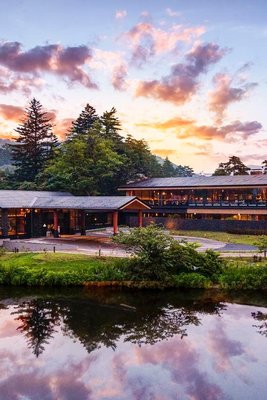
Karuizawa Prince Hotel West
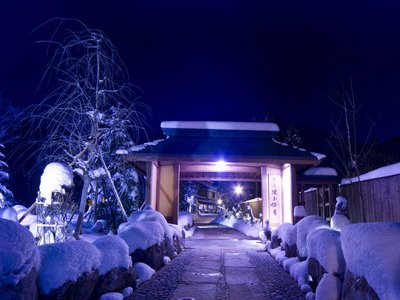
Miyama Ouan
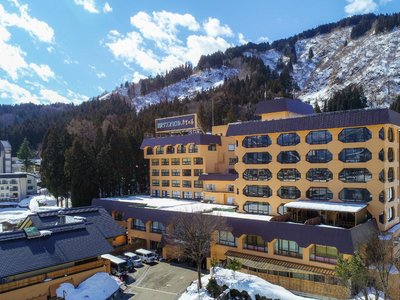
Yuzawa Grand Hotel
Bvlgari Hotel Tokyo
Four Seasons Hotel Tokyo at Marunouchi
Mandarin Oriental, Tokyo
The Ritz-Carlton, Tokyo
Andaz Tokyo Toranomon Hills- A Concept by Hyatt
Gora Kadan
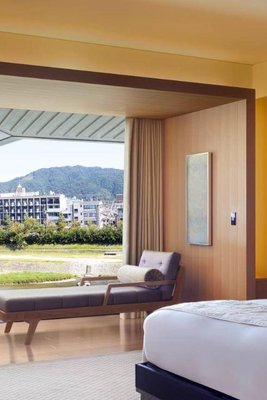
The Ritz-Carlton, Kyoto
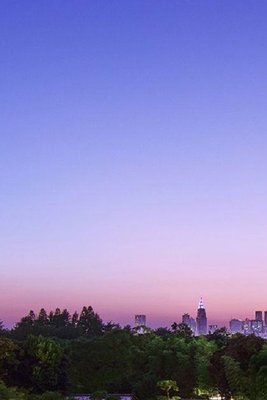
Hotel New Otani Tokyo the Main
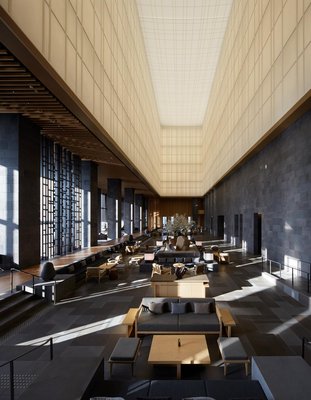
Aman Tokyo
Odakyu Hotel de Yama
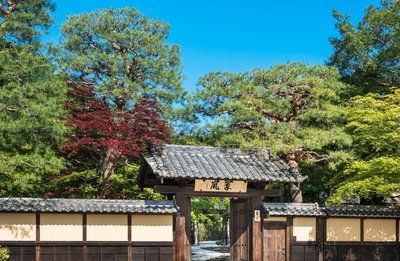
Suiran, a Luxury Collection Hotel, Kyoto
GOOD NATURE HOTEL KYOTO
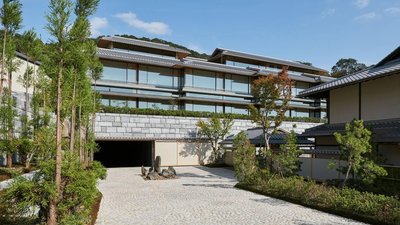
Park Hyatt Kyoto
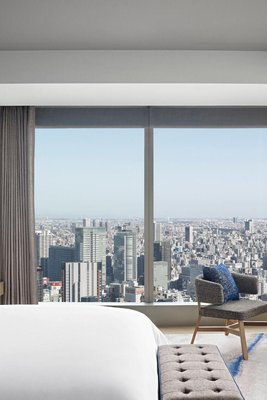
Four Seasons Hotel Tokyo at Otemachi
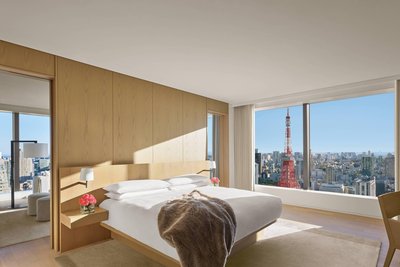
The Tokyo Edition, Toranomon
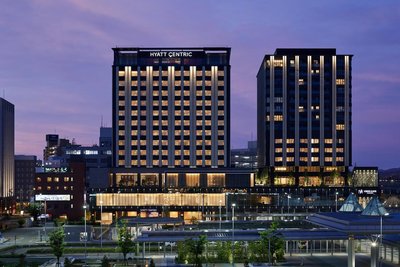
Hyatt Centric Kanazawa
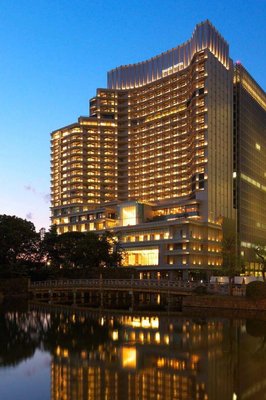
Palace Hotel Tokyo
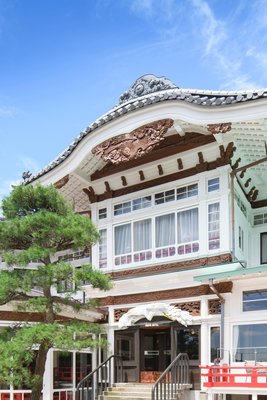
Fujiya Hotel
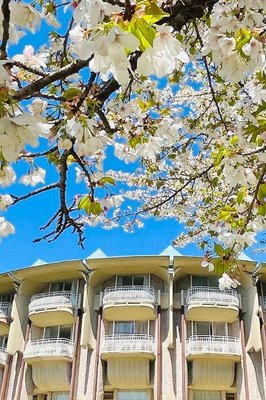
The Prince Hakone Lake Ashinoko
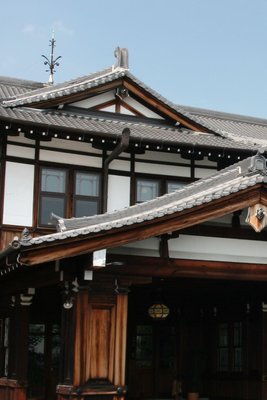
Nara Hotel
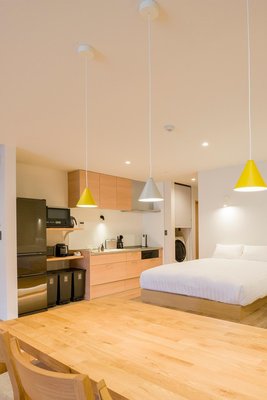
Rakuten STAY VILLA Nasu
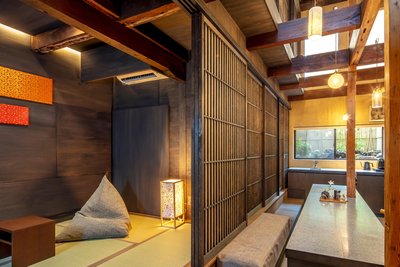
Kyo No Oozora Kihana
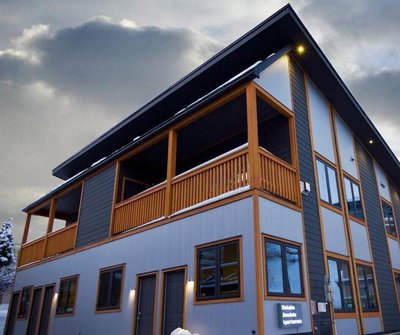
Hakuba Gondola Apartments
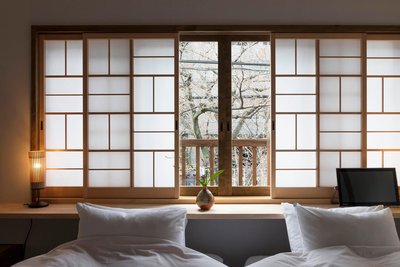
Hanagoromo Machiya House
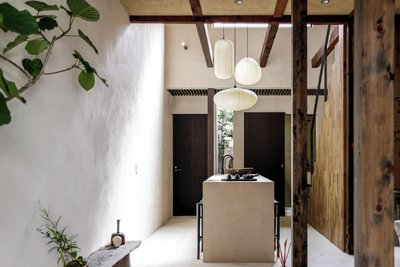
Maana Kiyomizu
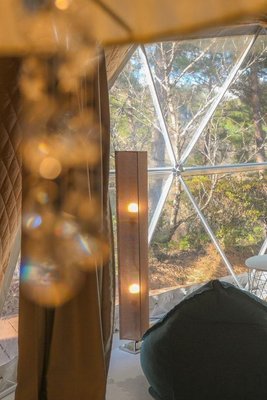
glampark Gekkabijin Nagano
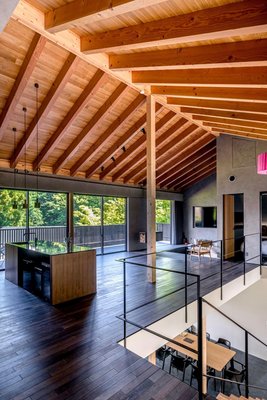
MONS GORA
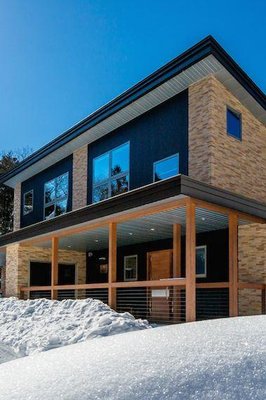
Phoenix Chalets by Hhg
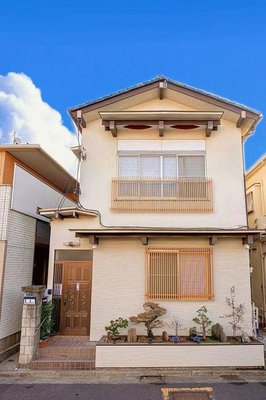
Tokyo Star House-Shinkoiwa
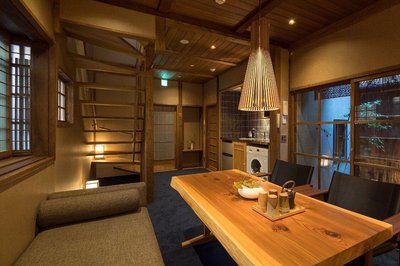
Bonbori an Machiya House
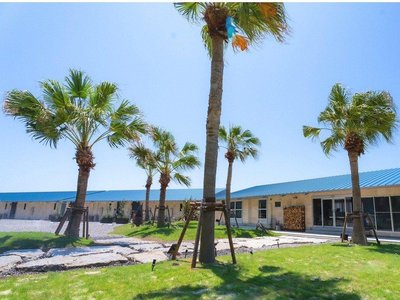
Glamping&Resort Wood Design Park Noma
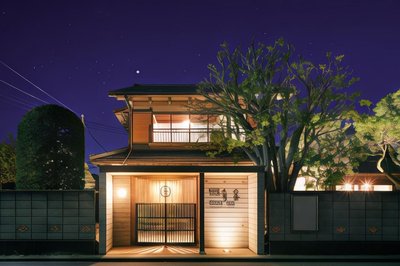
Machi-Jyu
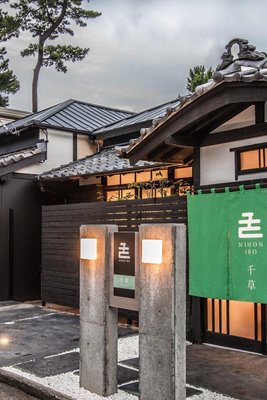
Nihon Iro
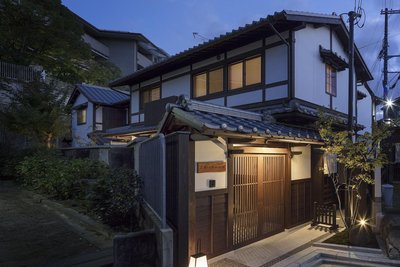
The Machiya Villa Sanjo Shirakawa Koji
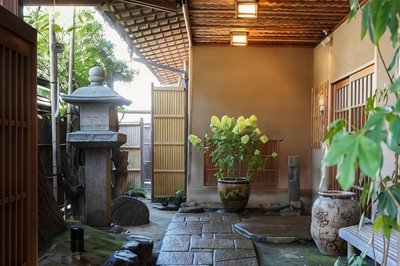
Ryokan Asadaya
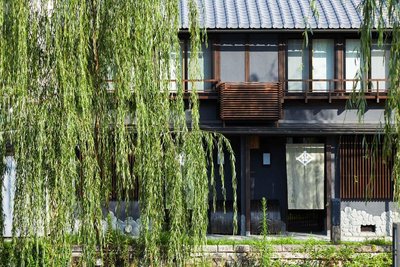
Gion Shirakawa No Yado

Kitashirakawa Natural Radium Onsen
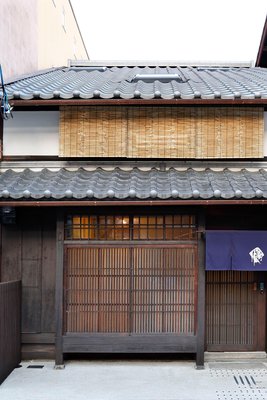
Kyo No Ondokoro Kamanza Nijo #2
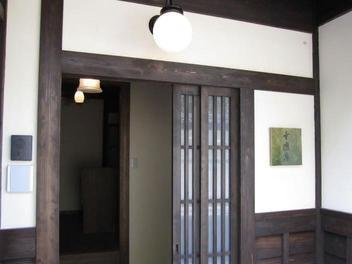
Gion Koyu an Machiya House
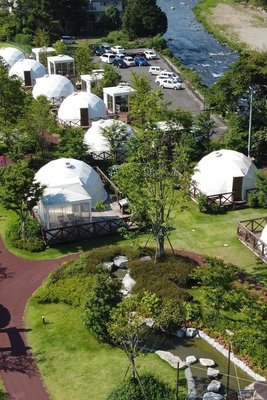
Ufufu Village
Frequently Asked Questions about Traveling to Chino
Questions You Might Need to Know About Traveling to Chino
In Matsumoto City, the top choice for Mount Fuji views is Hotel Fujiyama Matsumoto, located near the Shinano River and offering panoramic windows overlooking the distant peak. The hotel features modern Japanese-style rooms, a rooftop terrace, and seasonal dining with local ingredients. Guests can enjoy sunrise views over Lake Suwa and nearby mountains, making it ideal for photography and relaxation. It’s also within walking distance to Matsumoto Castle and the historic downtown district.
For first-time visitors, the central Matsumoto District around Matsumoto Station is the most convenient area. This vibrant neighborhood offers easy access to major attractions like Matsumoto Castle, Nagao Museum, and Takumi Street shopping arcade. With numerous restaurants, cafes, and convenience stores, it’s perfect for travelers seeking comfort and connectivity. Additionally, the area hosts regular cultural events and night markets, enhancing the authentic experience of this historic city.
In Matsumoto City, immerse yourself in the Kamikochi Nature Experience, where you can hike through pristine alpine landscapes and visit the Kamikochi Visitor Center for guided walks. Participate in a traditional Sado Tea Ceremony at Ogawa Chaya, a centuries-old teahouse. You can also explore the Kiso Valley Folk Museum to learn about regional crafts and farming life. Don’t miss the annual Matsumoto Gion Festival, featuring elaborate floats and dragon dances that showcase deep-rooted local heritage.
Yes, the Kamikochi Trail is one of the most scenic hikes near Matsumoto City, stretching from Kamikochi Entrance to Takato Pass. The trail winds through lush forests, crystal-clear streams, and alpine meadows, with breathtaking views of Mount Okuhotaka and Mount Kurohaku. Another excellent option is the Shinano River Riverside Path, a flat, family-friendly route ideal for sunset walks. Both trails are well-marked and accessible year-round, with rest stops and picnic areas along the way.
In Matsumoto City, be sure to try Soba Noodles with Mountain Spring Water, made from locally grown buckwheat and served cold or hot. The Kiso Beef, known for its rich marbling and tender texture, is a must-try, often enjoyed grilled at local izakayas. For dessert, sample Yamazaki Mochi, soft rice cakes filled with sweet red bean paste, available at street vendors near Matsumoto Castle. These dishes reflect the region’s mountainous terroir and culinary tradition.
Yes, Ryokan Tsuruya is a romantic choice nestled in the heart of Matsumoto City, offering private outdoor onsen with views of cherry blossoms and moonlit gardens. Each room features tatami flooring, shoji screens, and seasonal kaiseki meals prepared by master chefs. Couples can enjoy a quiet evening by the fire pit or take a late-night stroll along the Shinano River. The intimate atmosphere and personalized service make it perfect for a memorable getaway.
The best photography spots in Matsumoto City include Matsumoto Castle at golden hour, when its black stone walls glow under warm sunlight. Capture the Shinano River reflecting the city skyline during twilight. Visit Kamikochi early morning for mist-covered valleys and clear mountain reflections in the lakes. The Ogawa Chaya Teahouse courtyard offers charming traditional architecture shots. For urban scenes, photograph the Takumi Street Night Lights and seasonal flower displays at Nagao Park.
Matsumoto City's hot springs are renowned for their natural sulfur-rich waters and therapeutic properties. The Kusatsu Onsen district, just 40 minutes away, offers open-air baths surrounded by forest and mountain views. Many ryokans feature private onsens with glass walls for stargazing. The mineral-rich water helps relieve joint pain and skin conditions, while the tranquil setting enhances relaxation. Some spas even offer herbal steam rooms and rock massage treatments, blending tradition with wellness.
Travel from Tokyo to Matsumoto City via JR Shinkansen from Tokyo Station to Matsumoto Station, taking approximately 1 hour 30 minutes. Alternatively, take a direct high-speed bus from Tokyo Haneda Airport or Shibuya Bus Terminal, which takes about 2.5 hours. The JR Pass covers train travel, making it cost-effective. Upon arrival, use the city’s free shuttle bus network to reach central attractions like Matsumoto Castle and Nagao Museum.
The best times to visit Matsumoto City are spring (April–May) and autumn (October–November). Spring brings blooming cherry blossoms along the Shinano River, while autumn paints the hillsides in vivid reds and golds, especially around Kamikochi. Summer festivals like Gion Matsuri add vibrancy, though temperatures can be high. Winter offers serene snowscapes and fewer crowds, ideal for peaceful exploration. Avoid mid-July due to rainy season and December holidays for quieter streets.
Chino Overview
City Summary
Located in eastern Nagano Prefecture, Chino City is a highland town surrounded by the Yatsugatake Mountains and Lake Suwa. Renowned for its stunning natural scenery and traditional crafts, it features Japan's oldest Jomon-era ruins at the Togariishi Jomon Archaeological Museum and the Yatsugatake Resort Area. Summer outdoor activities and winter skiing attract enthusiasts, while unique kanten (agar) production and Suwa Grand Shrine traditions add cultural depth.
Must-See Attractions
Top attractions include the Togariishi Jomon Archaeological Museum displaying 5,000-year-old national treasure clay figurines. The Yatsugatake Ropeway offers panoramic views of Mt. Fuji and the Southern Alps. Shirakaba Lake shines year-round with winter illuminations. Suwa Taisha Shrine ranks among Japan's oldest shrines with historic streets. Art lovers should visit Chino City Art Museum for local creations.
Food Guide
Must-try specialties include kanten dishes like agar jelly and soba noodles. Shinshu soba uses highland buckwheat for unique flavor. Winter brings ayu salt-grilled fish and basashi (horse sashimi). Look for local products like Suwa salt and Nozawana pickles at supermarkets.
Transportation Guide
From Tokyo, take JR Chuo Line Limited Express (2.5 hours) to Chino Station. Local buses and taxis serve the city, with route buses (e.g. "Yatsugatake Resort Line") departing from JR Chino Station. Self-driving is convenient but requires snow tires in winter. The "Yatsugatake Free Pass" allows unlimited bus rides.
Best Time to Visit
Best seasons are June-October (cool summers/autumn foliage) and January-February (skiing). Lake Suwa Fireworks occur July-August. Spring has fewer tourists but large temperature gaps.
Travel Tips
- Highland UV radiation requires sunscreen
- Observe "two bows, two claps, one bow" at shrines
- Check road snow clearance when winter driving
- Remove shoes in onsen rest areas
- Strict garbage separation (burnable/non-burnable/recyclable)
- Carry warm layers for mountain weather changes
Useful Information
Japanese is primary language; basic English signs exist at stations/tourist sites. Free Wi-Fi hotspots concentrate at stations/public facilities - local SIM cards are recommended. Cash dominates, though credit cards work at major sites/hotels. For emergencies, contact Chino Municipal Hospital (0266-72-1234) or Suzuran Pharmacy for OTC medicine. Remember Japan's emergency numbers: Police (110), Ambulance (119).