Hotels in Chitose
Discover your perfect stay in Chitose.
Chitose(Japan) Travel 2026: Cheap Flights, Hotels & Top Attractions
Popular Landmarks in Chitose
Discover the most iconic attractions in Chitose
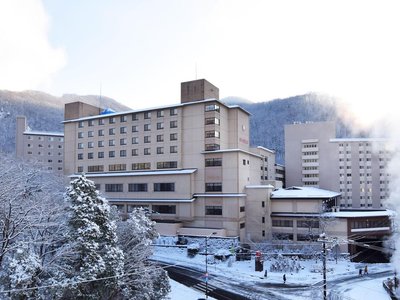
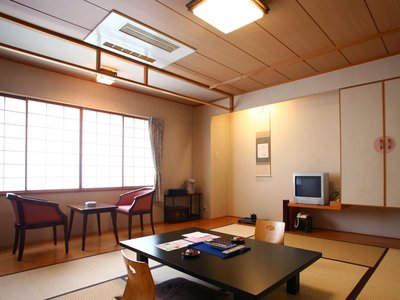
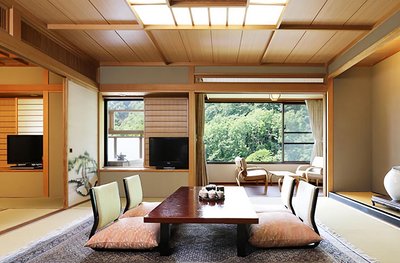
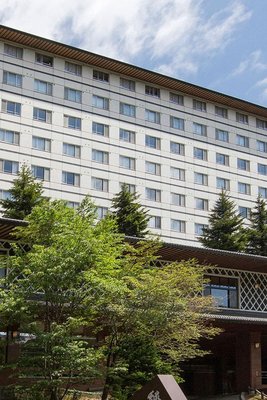
Recommended Hotels in Chitose
Find the perfect place to stay in Chitose
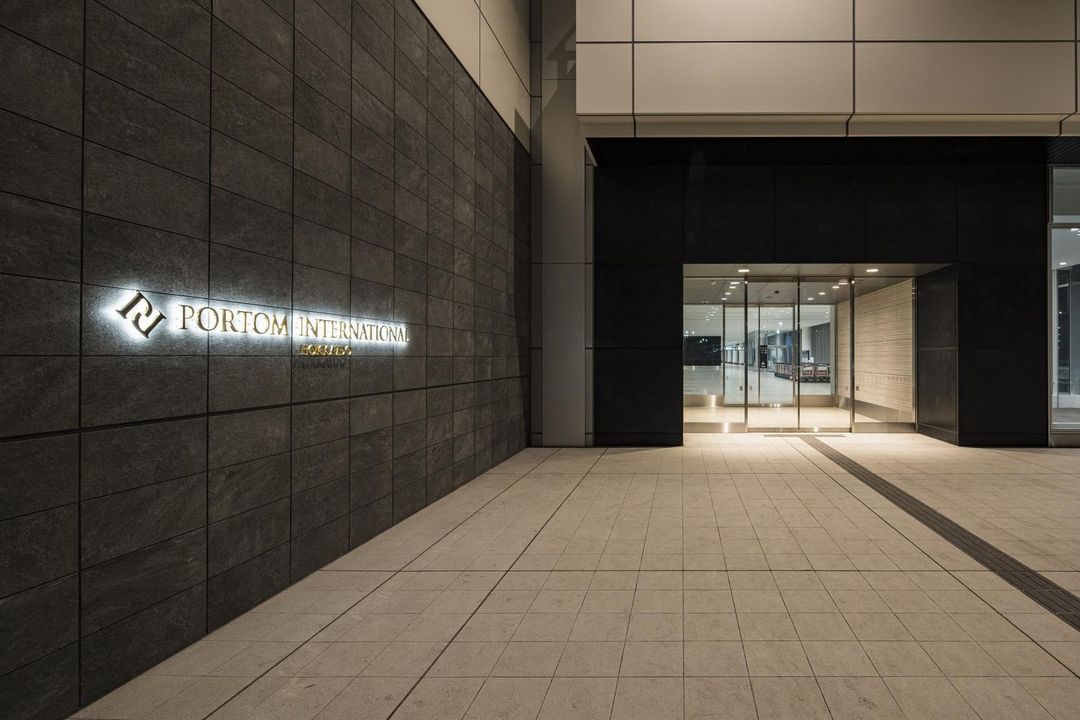
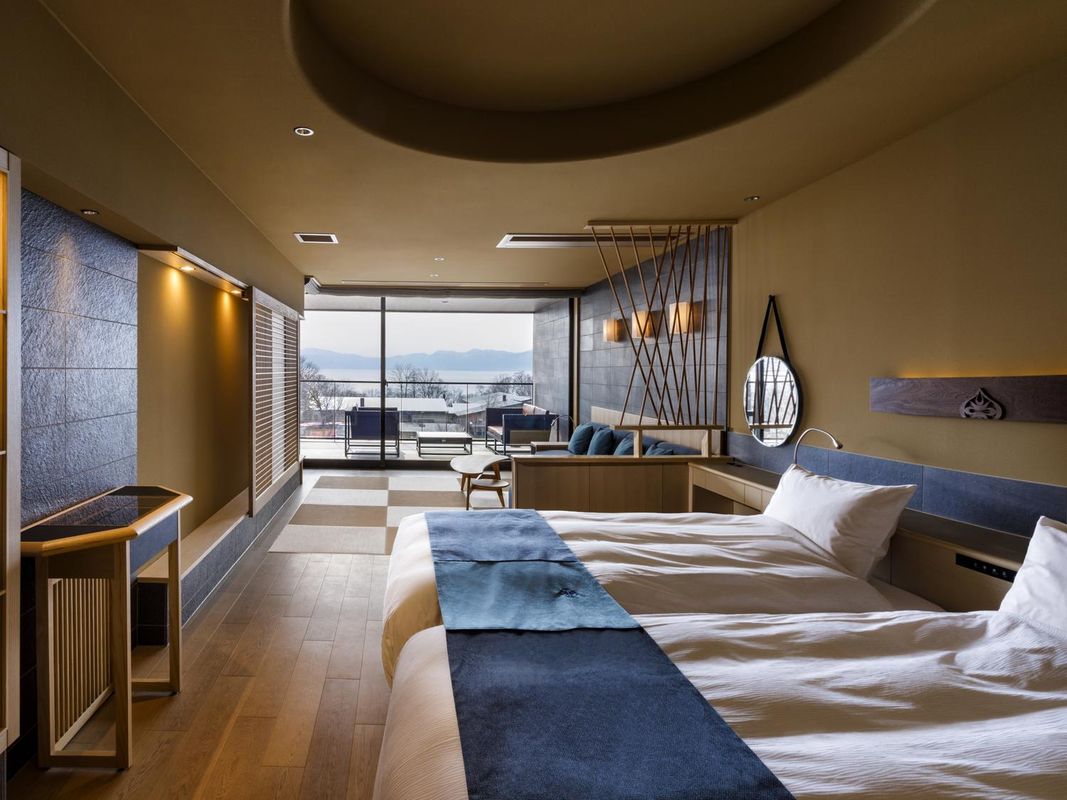
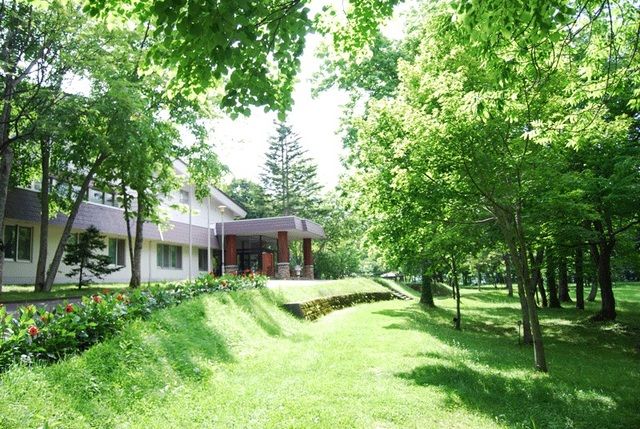
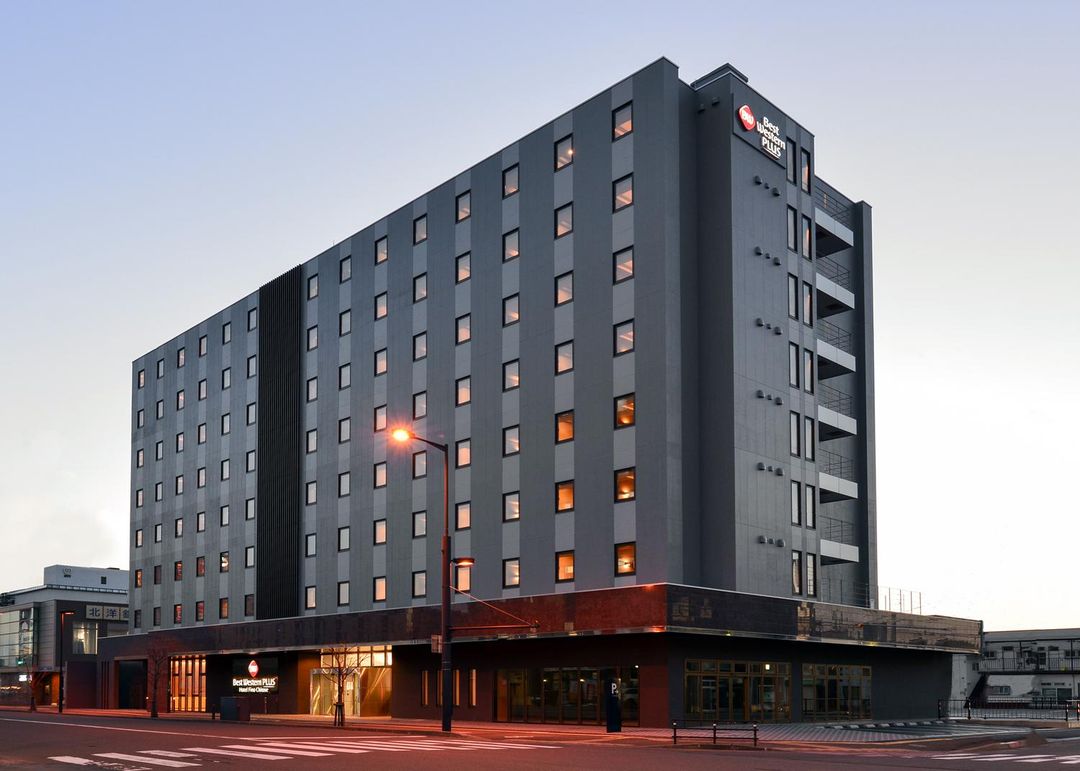
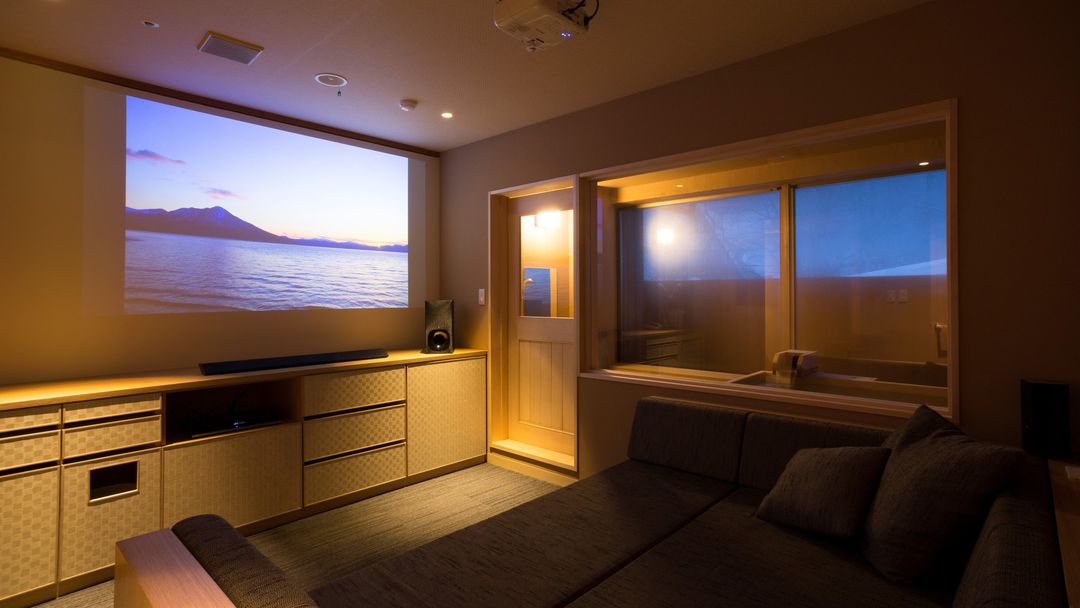
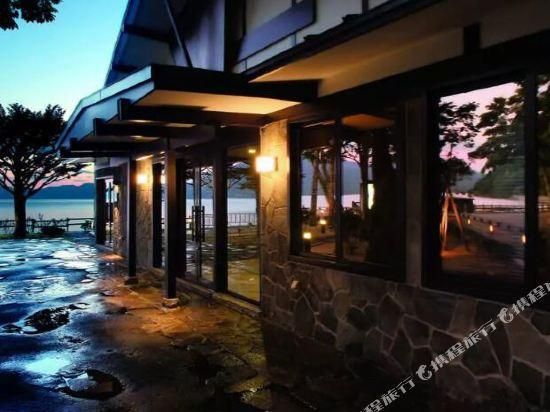

Best Hotels in Chitose
Discover curated hotel collections in Chitose
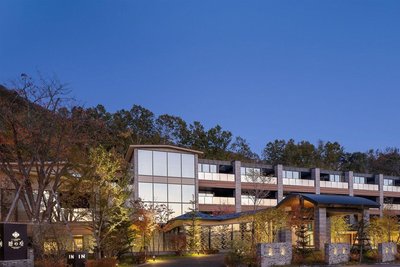
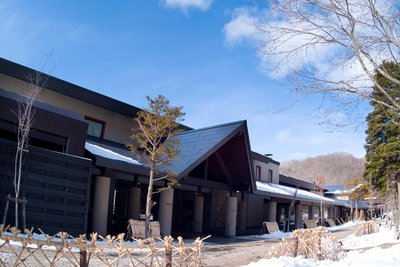

Frequently Asked Questions about Traveling to Chitose
Questions You Might Need to Know About Traveling to Chitose
Chitose Overview
City Summary
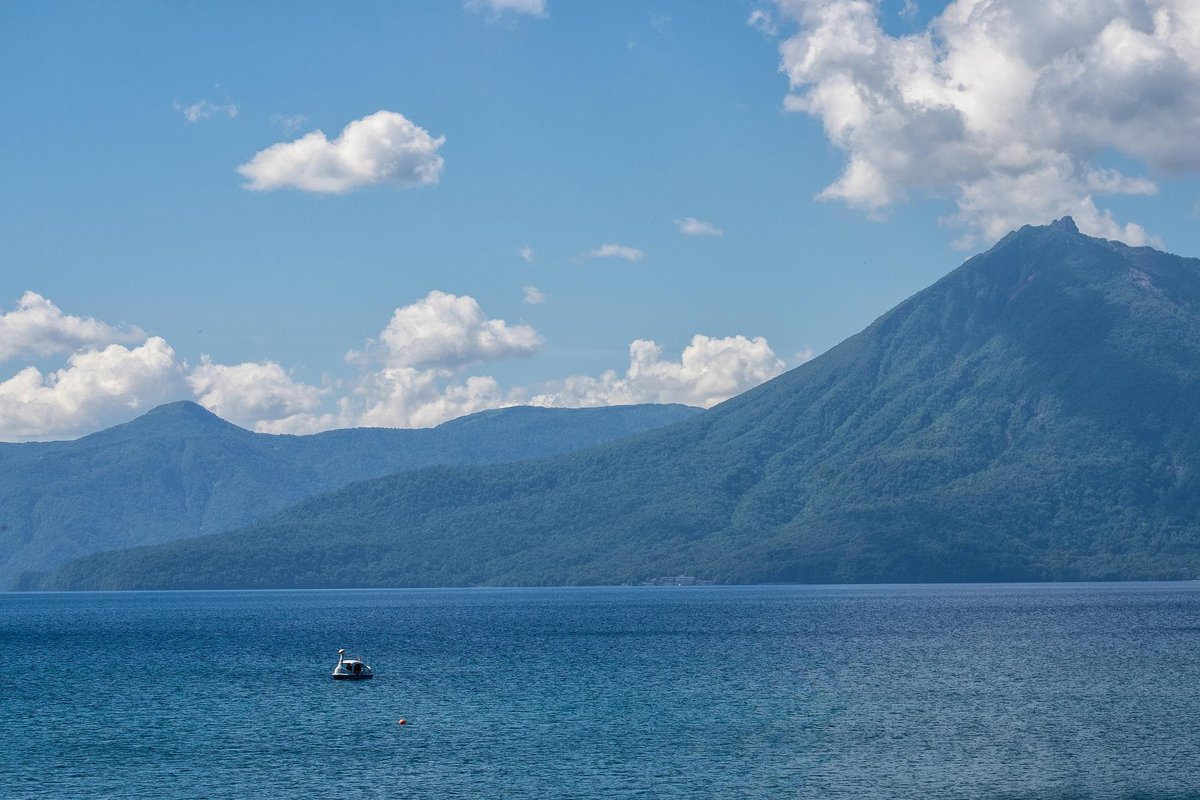
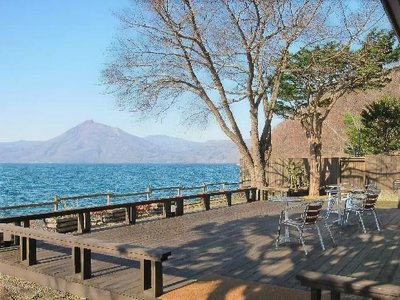
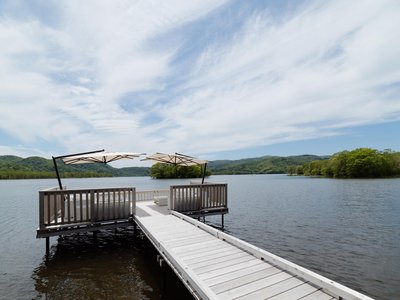
Chitose City, located in southwestern Hokkaido, Japan, is renowned as the home of New Chitose Airport, serving as Hokkaido's aerial gateway. The city blends natural beauty with modern convenience, featuring abundant hot spring resources and outdoor activity venues. Lake Shikotsu, Japan's northernmost ice-free lake, is famous for its crystal-clear waters and serves as Chitose's iconic landmark.
Must-See Attractions
Must-see attractions start with Lake Shikotsu, where visitors can enjoy boating, fishing, and winter ice festivals. The Chitose Salmon Museum showcases local salmon culture, perfect for family visits. Rera Outlet Mall, adjacent to the airport, is ideal for shopping and sampling Hokkaido specialties. Aviation enthusiasts will appreciate the New Chitose Airport Observation Deck for close-up plane views.
Food Guide
Culinary highlights focus on Hokkaido seafood, especially Lake Shikotsu hime salmon and local Chitose salmon. The regional specialty Genghis Khan barbecue uses premium lamb for unique flavors. Soup curry, a Sapporo-originated dish, is authentically available in Chitose. The airport's Hokkaido Ramen Dojo gathers renowned ramen shops under one roof.
Transportation Guide
Transportation primarily relies on buses, with a 15-minute ride from New Chitose Airport to downtown. The JR Chitose Line connects to Sapporo in about 40 minutes. Local attractions are accessible via Chitose Bus system, with regular sightseeing buses to Lake Shikotsu. Consider the Hokkaido Rail Pass for long-distance travel, while self-driving is viable but requires winter snow tire precautions.
Best Time to Visit
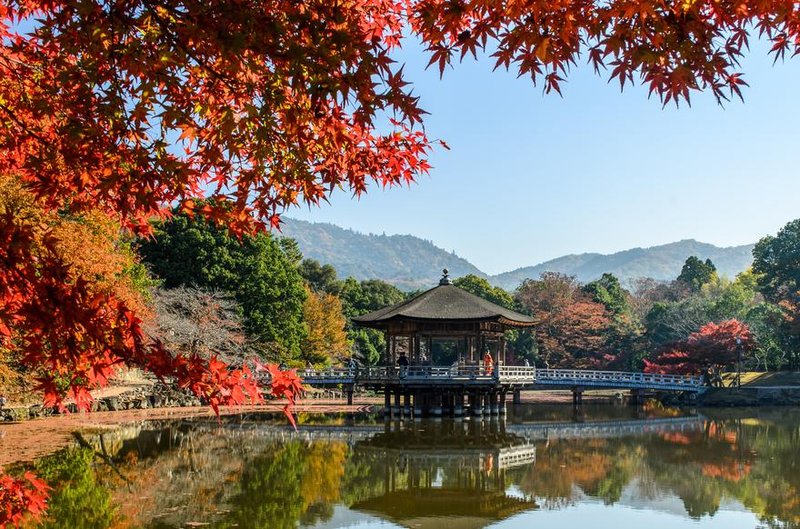
Best seasons are summer (June-August) for pleasant outdoor activities and winter (December-February) for snow festivals. Autumn (September-October) offers stunning maple foliage around Lake Shikotsu. Spring (April-May) sees fewer tourists but significant daily temperature fluctuations.
Travel Tips
- Airport security requires 2-hour advance check-in, especially for international flights
- Onsen etiquette mandates showering before bathing, swimsuits prohibited
- Winter driving necessitates snow tires and familiarity with snowy conditions
- Waste sorting strictly follows local regulations, public bins are scarce
- Cash preparation essential as some small shops don't accept cards
- Weather readiness requires summer sun protection and winter thermal wear
- Internet access includes free airport Wi-Fi and good city coverage
- Language basic Japanese phrases helpful, major venues have English signage
Useful Information
Practical information:
- Language: Japanese primary, English available at airport/major hotels
- Currency: Yen (JPY), exchange counters at airport/downtown
- Voltage: 100V, two-pin plugs (same as US)
- Emergency: Police 110, Ambulance 119
- Medical: Chitose City Hospital offers 24/7 emergency services
- Internet: Prepaid SIM cards or portable Wi-Fi routers available
- Business hours: Shops typically 10:00-20:00, restaurants lunch 11:30-14:00, dinner 17:00-21:00
- Tipping: Not customary in Japan, some upscale restaurants include service charge