Hotels in Chittaway Bay
Discover your perfect stay in Chittaway Bay.
Chittaway Bay(Australia) Travel 2026: Cheap Flights, Hotels & Top Attractions
Popular Landmarks in Chittaway Bay
Discover the most iconic attractions in Chittaway Bay
Recommended Hotels in Chittaway Bay
Find the perfect place to stay in Chittaway Bay
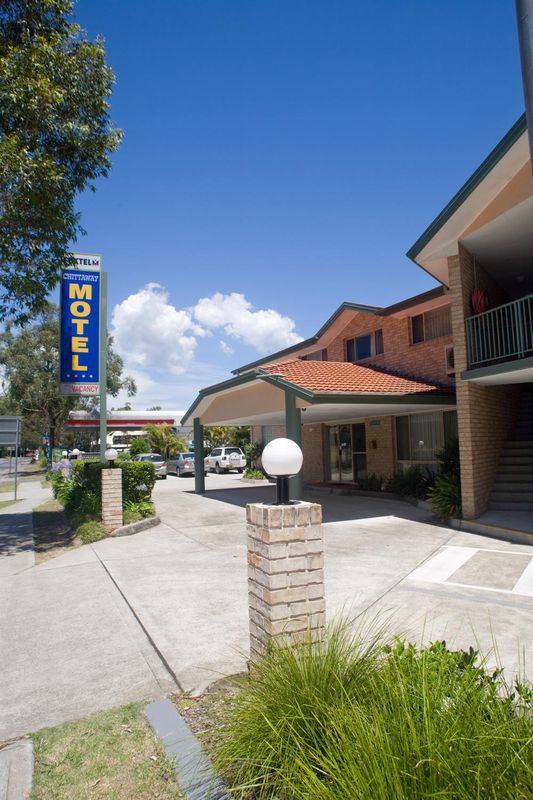
Chittaway Motel
Frequently Asked Questions about Traveling to Chittaway Bay
Questions You Might Need to Know About Traveling to Chittaway Bay
In Kittywah Bay, the top choice for families is Kittywah Bay Resort, offering private beach access, spacious family suites, and a children’s pool. Located just a 10-minute walk from Cawarna Reef, it blends eco-conscious design with Indigenous cultural motifs. Guests can join guided morning turtle-watching tours and enjoy authentic Australian coastal cuisine. The resort also provides on-site activities like beach yoga and storytelling sessions, making it ideal for immersive, nature-rich family getaways.
The best area for stays in Kittywah Bay is the North Shore Coastal Zone, home to boutique resorts and private holiday apartments with direct beach access. This tranquil neighborhood lies near Kittywah Bay Wharf and prime snorkeling spots, while being surrounded by protected native bushland. Opt for rooms with sea-view balconies or terraces to wake up to sunrise over the Tasman Sea and enjoy uninterrupted ocean breezes.
Experience the living heritage of the Dharawal people through guided storytelling walks and totem art tours led by local elders. Each Saturday evening features a coastal fire ceremony, blending traditional music, dance, and star lore under the open sky. Some resorts offer hands-on workshops in crafting aboriginal shell jewelry, allowing travelers to take home meaningful souvenirs rooted in ancestral traditions.
The premier snorkeling destination near Kittywah Bay is Cawarna Reef, renowned for its vibrant coral gardens and diverse tropical fish species. With crystal-clear waters and gentle currents, it’s perfect for beginners and experienced snorkelers alike. Many operators provide glass-bottom boat tours or guided snorkel excursions with certified instructors. Several hotels offer free snorkel gear rentals, enabling guests to explore the reef’s underwater wonders at their own pace.
Yes, Kittywah Bay offers excellent self-catering apartments such as Bay Haven Apartments, featuring fully equipped kitchens, laundry facilities, and private balconies. Located in the South Coast Residential Zone, these units are within a 5-minute walk of the beach and close to local cafes and markets. Some units even include ocean-view hot tubs and smart climate control systems, ensuring comfort and convenience for extended stays.
Savor fresh local seafood like king crab and barramundi sashimi at Kittywah Wharf Dining, where chefs highlight seasonal catches. The region embraces the slow-coastal dining philosophy, using organic produce and wild herbs. Try the signature lemon myrtle and coconut seafood soup, served with grilled corn and black pepper prawns—flavors that capture the essence of the Pacific coast. Many restaurants host monthly moonlight seafood dinners on the sand, complete with live music and ocean views.
While Kittywah Bay is a rural coastal town, it’s well-connected via the M1 Highway, just 2.5 hours from Sydney. On-site, visitors can rent electric scooters or join shuttle services linking key attractions like Cawarna Reef and the nature reserve trails. Many hotels offer complimentary airport or ferry transfers, and self-driving is highly recommended for flexibility in exploring hidden coves and scenic lookouts.
Absolutely. The West Point Lookout offers one of the most breathtaking sunset views in Kittywah Bay, where the sun dips into the Tasman Sea in a blaze of gold and orange. Many guests gather at Kittywah Bay Resort’s rooftop bar for a pre-sunset cocktail, accompanied by ambient jazz. Special sunset walking tours include photography tips and ecological insights, turning each golden hour into a memorable experience.
Must-photograph locations include the Red Brick Pier, with its elegant curved silhouette against the sea; the Cliffside Trail lookout platforms, perfect for panoramic shots; and the Indigenous totem art wall, rich in color and symbolism. For night photography, head to the rooftop terrace of Bay Haven Apartments, where city lights meet starry skies and flowing waves create dreamlike long-exposure images.
The ideal time to visit Kittywah Bay is during spring (September to November) and autumn (March to May), when temperatures range from 18°C to 24°C, humidity is low, and skies are clear. Summer (December to February) offers warm, sunny days perfect for beach activities, while winter sees fewer crowds and occasional rain—ideal for peaceful retreats. Avoid January due to tropical storm risks, ensuring a smooth and enjoyable trip.
Chittaway Bay Overview
City Summary
Kittawa Bay is a charming coastal town in New South Wales, Australia, renowned for its pristine beaches and tranquil atmosphere. Its well-preserved natural beauty attracts travelers seeking an escape from urban hustle. The bay offers a variety of water activities like fishing, surfing, and diving, and is a great spot for marine life observation.
Must-See Attractions
Key attractions include the famous Kittawa Bay Beach, ideal for sunbathing and surfing. Nearby marine reserves are popular for diving and snorkeling, offering close encounters with rich marine life. Scenic walking trails around the town provide stunning coastal views.
Food Guide
Kittawa Bay is famous for its fresh seafood, with local restaurants serving dishes like grilled fish and fried squid. The town's cafes are also a must-try, especially for homemade pastries and coffee. Night markets are great for sampling local snacks and experiencing the culture.
Transportation Guide
Transport in Kittawa Bay relies mainly on private cars and taxis, with limited public transit. Renting a car is recommended for exploring surrounding areas. Walking and cycling are good options within the town, especially for short trips.
Best Time to Visit
The best time to visit is during the Australian summer (December to February) when the weather is warm and perfect for beach activities. Avoiding school holidays can help enjoy a quieter experience.
Travel Tips
- Always wear sunscreen due to strong Australian sun.
- Be aware of ocean currents and safety signs when swimming.
- Respect local culture and environment; do not litter.
- Mobile reception may be unstable in some areas.
- Carry sufficient cash as some businesses may not accept cards.
- Book accommodations in advance, especially during peak seasons.
Useful Information
English is the primary language spoken in Kittawa Bay. Most shops and restaurants accept credit cards, but small vendors may require cash. Internet coverage is generally good, though some areas may have weak signals. Emergency services are available at local hospitals and clinics. The power supply is 230V with three-pin plugs.