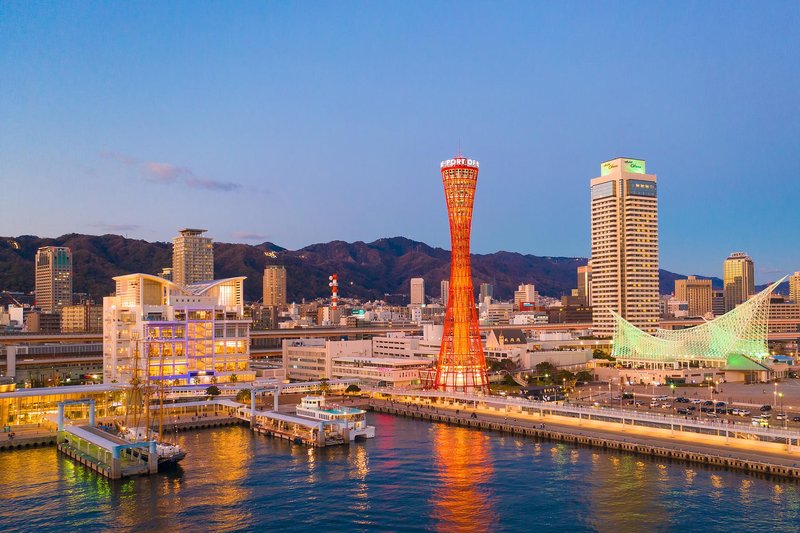
Hotels in Chofu
Discover your perfect stay in Chofu.
Chofu(Japan) Travel 2026: Cheap Flights, Hotels & Top Attractions
Popular Landmarks in Chofu
Discover the most iconic attractions in Chofu
Recommended Hotels in Chofu
Find the perfect place to stay in Chofu
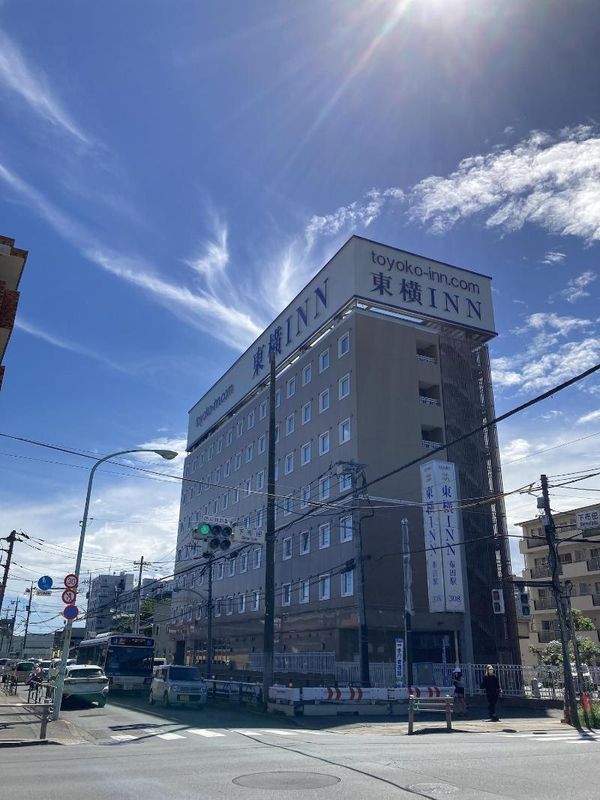
Toyoko Inn Chofu Keio Sen Fuda Eki
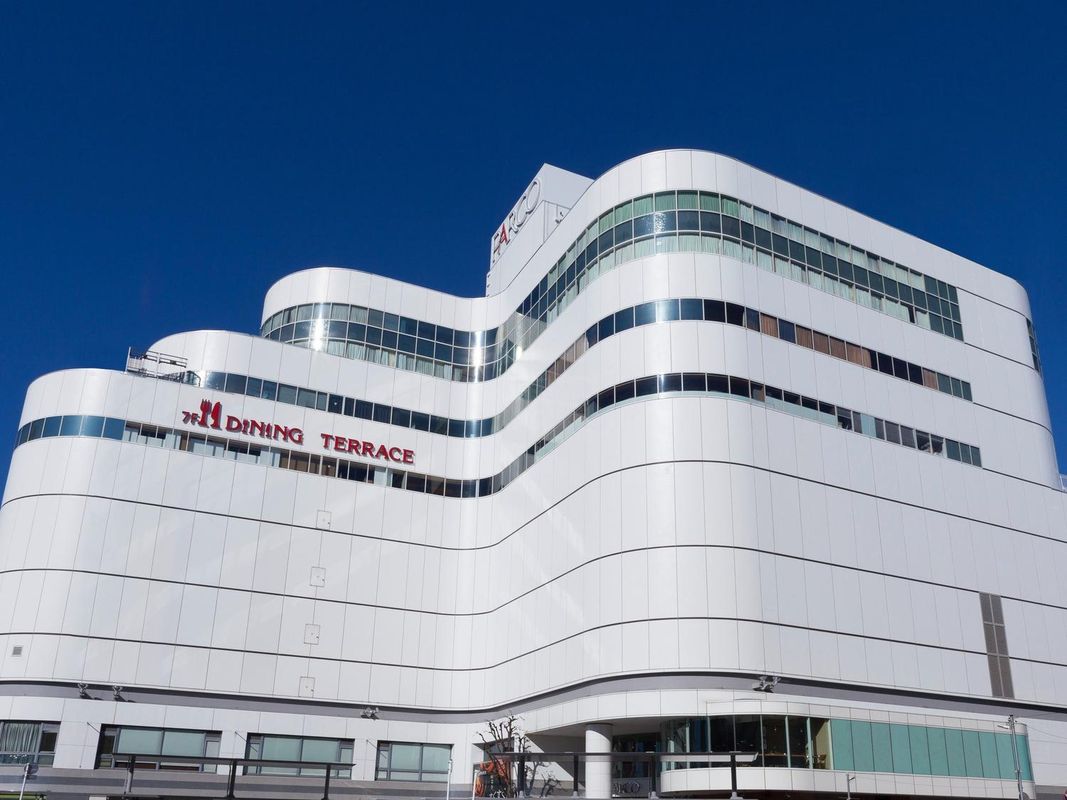
Chofu Creston Hotel
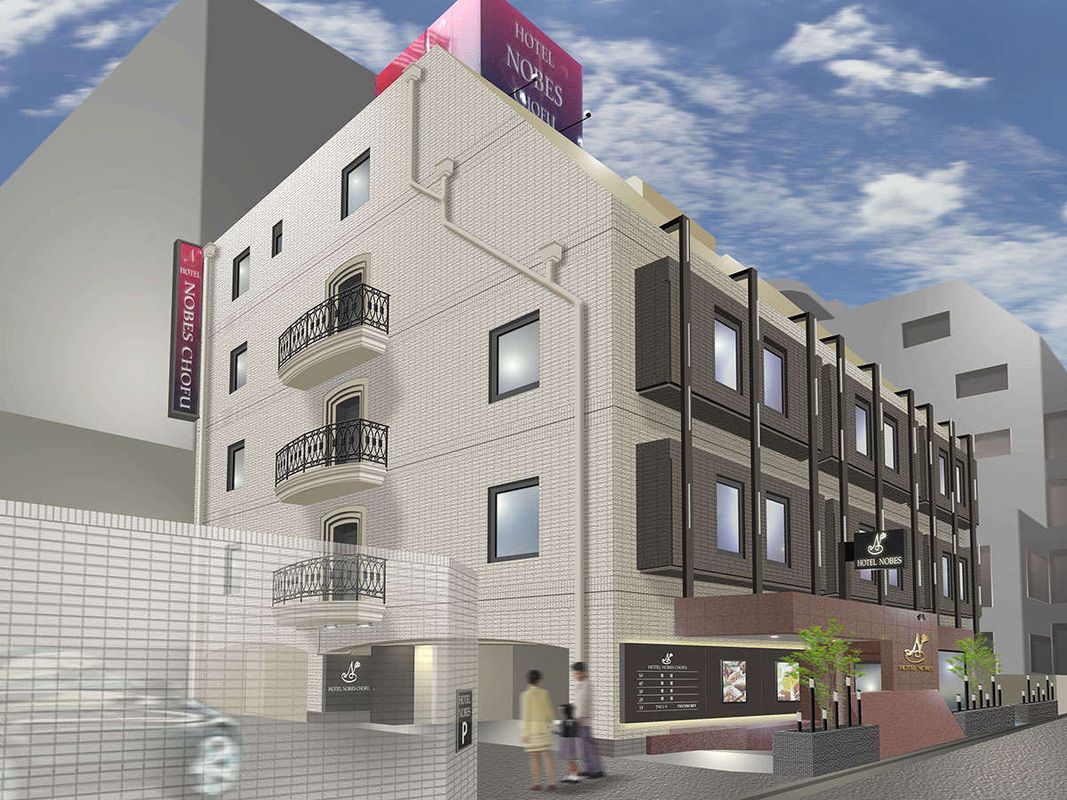
Hotel Nobes Chofu
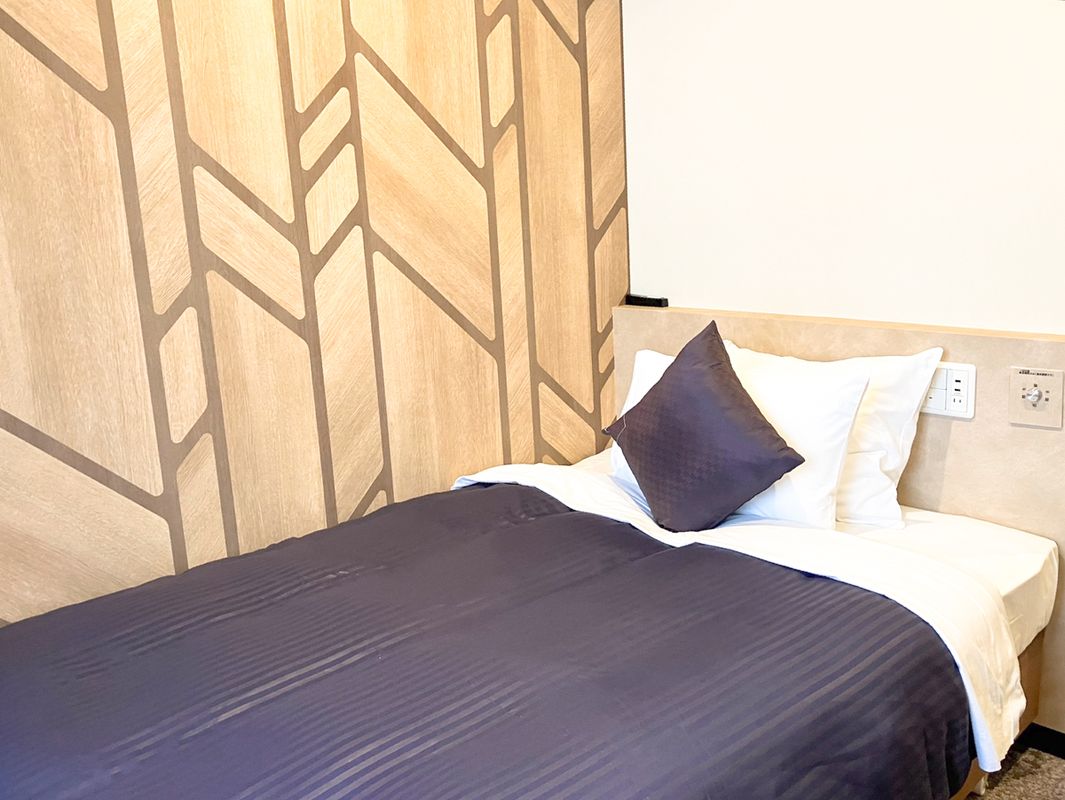
HOTEL LiVEMAX BUDGET Chofu-Ekimae
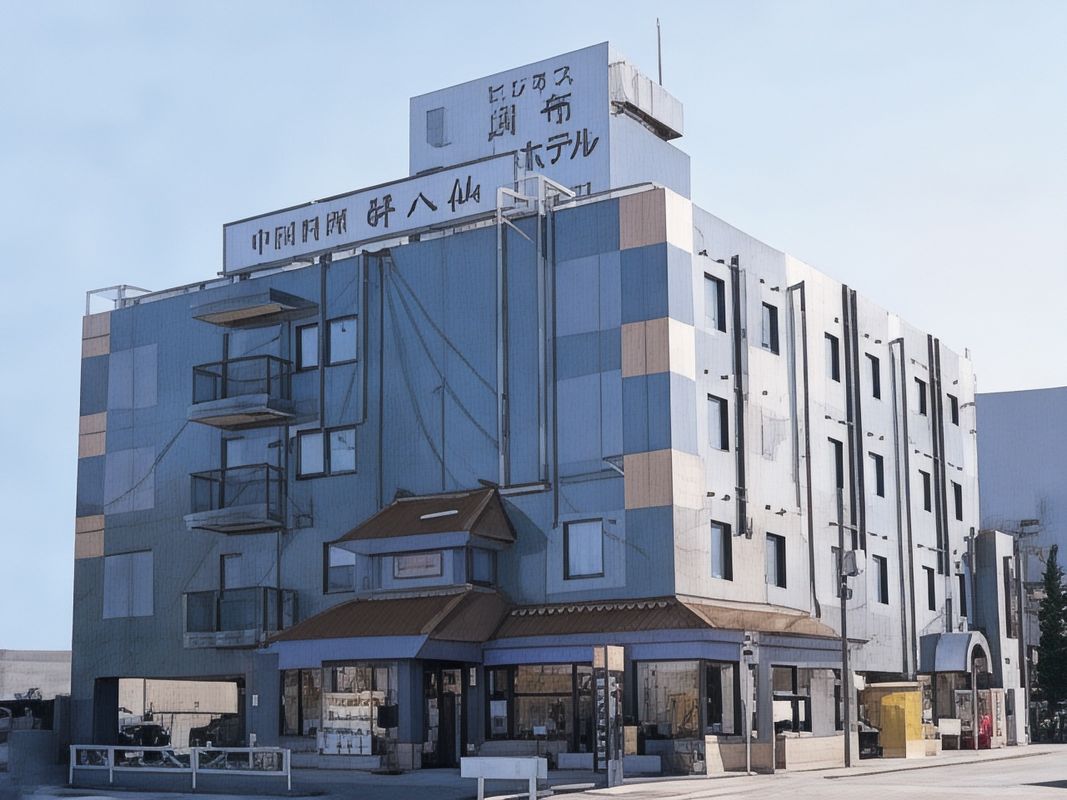
Chofu Urban Hotel
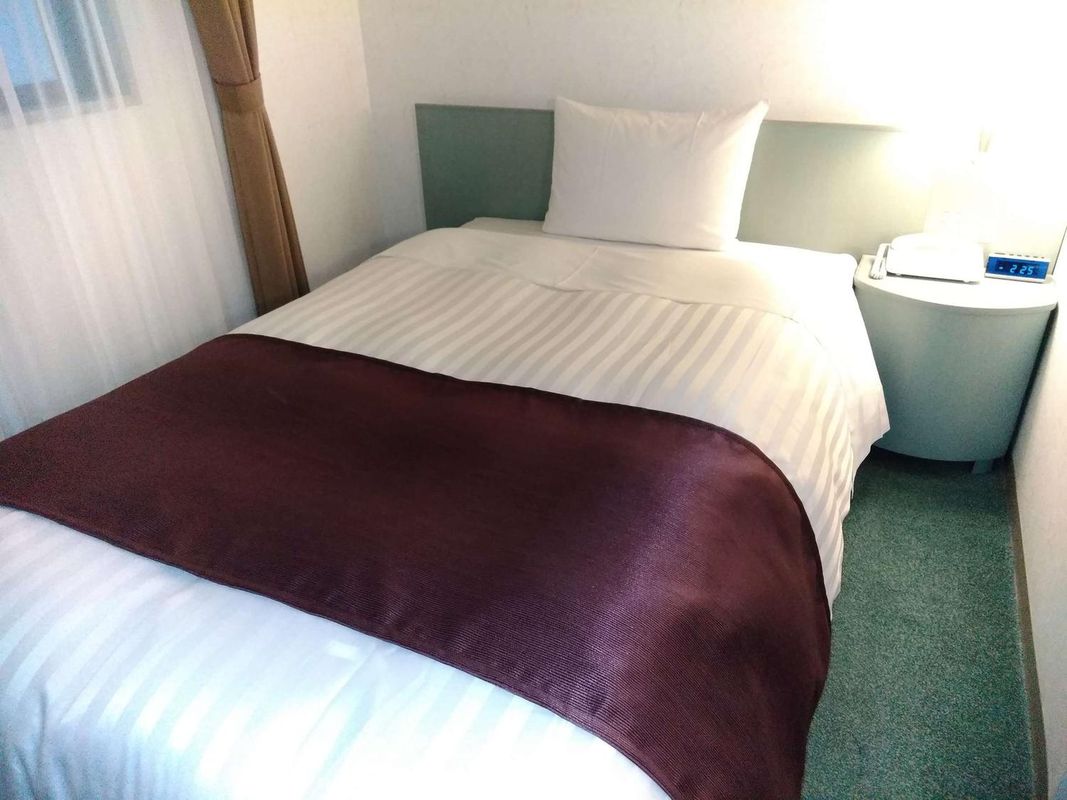
Urban Hotel Twins Chofu
Frequently Asked Questions about Traveling to Chofu
Questions You Might Need to Know About Traveling to Chofu
In Tachikawa, Prince Hotel Tachikawa is a top choice for families, located near Musashino Forest Park and offering spacious rooms, child-friendly amenities, and free breakfast. The hotel’s proximity to Tachikawa Station ensures easy access to Tokyo’s major attractions like Shinjuku and Shibuya. For budget-conscious travelers, Tokyu Stay Tachikawa provides modern, compact accommodations with high value, just steps from shopping districts and local eateries. Both properties feature Wi-Fi, kid-safe facilities, and welcoming staff, making them ideal for stress-free family getaways in this quiet suburban gem.
The Tachikawa Station area is the most convenient base for visitors, offering seamless access to the Keio Line and connections to central Tokyo. This district blends urban convenience with cultural charm, featuring Tachikawa City Library, Tachikawa Garden, and vibrant local markets. Staying near the Seibu Tamagawa Line allows easy exploration of nearby neighborhoods and historic sites. Hotels like Hotel Sunroute Plaza Tachikawa provide excellent transit links and are surrounded by restaurants, cafes, and community events, perfect for experiencing authentic suburban Tokyo life.
Don’t miss the Tachikawa Summer Festival, held annually in August, featuring traditional taiko drumming, fireworks, and artisan markets. At Musashino Forest Park, the Tachikawa Municipal Museum showcases local history and literary figures, offering insight into the city’s heritage. Participate in a kimono walking tour through old-town alleys, where you’ll stroll past preserved Edo-era buildings. Local workshops also offer hands-on experiences in washi paper crafting and tea ceremony, giving travelers a deep connection to Tachikawa’s enduring traditions.
Musashino Forest Park is a photographer’s paradise, especially during cherry blossom season when the Kawazu cherry avenue reflects beautifully on the lake. The park’s winding paths, seasonal foliage, and wooden bridges create timeless compositions. Nearby, the stone lanterns and traditional townhouses around Tachikawa Station offer nostalgic Japanese street scenes. For night photography, head to the rooftop of Tachikawa Station’s commercial complex to capture the glowing skyline of the Keio Line and distant mountain silhouettes—perfect for urban serenity shots.
Tachikawa Garden Hotel stands out for its direct access to nature, nestled beside Musashino Forest Park. Its guest rooms open to lush greenery, and the hotel features a tranquil garden with a tea pavilion where guests can enjoy traditional tea ceremonies. Morning walks through the park reveal birdsong and seasonal blooms, while evening strolls under soft lighting offer a peaceful retreat. With minimal urban noise and strong integration with the natural landscape, it’s an ideal sanctuary for those seeking tranquility and reconnection with nature in the heart of Tokyo’s suburbs.
Head to the Tachikawa Station South Exit District, home to bustling local eateries. Try grilled beef tongue at a family-run restaurant or savor handmade rice balls at a neighborhood specialty shop. On weekends, visit the Tachikawa Street Market for fresh bread, artisanal jams, and wagashi sweets. For a refined experience, dine at Otemachi’s traditional ryokan-style izakaya, serving seasonal kaiseki meals made with locally sourced ingredients—each dish tells a story of Tachikawa’s agricultural roots and culinary craftsmanship.
Mori no Ie (House in the Forest) is a standout indie lodge tucked within Musashino Forest Park, blending minimalist design with natural materials. Handcrafted furniture by local artists fills each room, and the walls display original prints depicting Tachikawa’s history. Guests can join handmade washi paper workshops or forest meditation sessions. With only four rooms available nightly, the lodge emphasizes intimacy and creative exchange. Its secluded setting and emphasis on art and mindfulness make it a dream stay for creatives and soulful travelers seeking authenticity.
While Tachikawa lacks natural hot springs, a 30-minute drive leads to Okutama Hot Spring Area, home to Keio Otama Onsen Ryokan. This traditional inn features indoor and outdoor baths overlooking rivers and mountains, with private onsen rooms available. After soaking, enjoy a meal of fresh salmon and yuba tofu in a tatami-dining room. Though not in Tachikawa itself, this short trip extends the city’s relaxed rhythm into a full wellness escape—ideal for rejuvenating after a busy Tokyo visit.
Start your day with a morning jog or bike ride through Musashino Forest Park, then visit the Tachikawa City Museum to explore local heritage. Lunch at Tachikawa Shopping Street, sampling regional specialties like grilled beef tongue and homemade mochi. In the afternoon, unwind at Tachikawa Garden Hotel’s courtyard or take part in a washi paper workshop. End your day with a sunset walk along the Tamagawa Riverbank, followed by a restful night at Hotel Sunroute Plaza Tachikawa, complete with a calming bath. The entire itinerary prioritizes walking and local immersion, capturing Tachikawa’s quiet charm.
Prince Hotel Tachikawa welcomes small pets and provides pet beds, feeding bowls, and cleaning kits. The hotel also features a pet-friendly garden and a dedicated Pet Lounge for dogs to socialize. Another option is Tokyu Stay Tachikawa, which accepts cats and small dogs with prior notice, offering pet snacks and flea prevention patches. Both are located near Tachikawa Station, providing easy access to Musashino Forest Park and Tamagawa River Pathways, allowing pets to enjoy nature and adventure alongside their owners.
Chofu Overview
City Summary
Chofu City, located in western Tokyo, is known for its peaceful residential areas and rich natural scenery. Just 30 minutes from central Tokyo, it offers a completely different, relaxed atmosphere. Chofu is a gateway to Mount Takao and Mount Fuji, and also hosts many traditional cultural events.
Must-See Attractions
Must-visit spots in Chofu include Jindaiji Temple, a 1,300-year-old temple surrounded by beautiful bamboo groves. The Chofu Airport, one of Japan's first civilian airports, is also worth a visit. Culture enthusiasts can explore the Chofu City Cultural Center, which hosts various art performances.
Food Guide
Chofu is famous for its soba noodles, especially those served near Jindaiji Temple. Try the handmade soba noodles for a unique texture and authentic flavor. The city also boasts numerous izakayas and food stalls offering fresh grilled dishes and oden.
Transportation Guide
Chofu is well-connected via the Keio Line and JR Chuo Line to central Tokyo. The local bus network is extensive and ideal for reaching attractions. An IC card (like Suica or Pasmo) is recommended for public transport. Taxis are available but expensive.
Best Time to Visit
The best times to visit are spring (March to May) and autumn (September to November), when the weather is pleasant for outdoor activities. Cherry blossoms and autumn leaves at Jindaiji Temple are particularly stunning.
Travel Tips
- When visiting Jindaiji Temple, observe temple etiquette and keep quiet.
- Avoid public transport during rush hours.
- Respect local culture; ask before taking photos of people.
- Carry cash, as some small shops don't accept cards.
- Sort your trash properly to follow environmental rules.
Useful Information
Japanese is the main language in Chofu, but some attractions and restaurants may have English signs. Free Wi-Fi is available at major stations and malls. Cash is the primary payment method, so carry enough yen. For emergencies, dial 110 for police or 119 for an ambulance. Pharmacies are common, but some medications may require a prescription.