Hotels in Chusclan
Discover your perfect stay in Chusclan.
Chusclan(France) Travel 2026: Cheap Flights, Hotels & Top Attractions
Popular Landmarks in Chusclan
Discover the most iconic attractions in Chusclan
Recommended Hotels in Chusclan
Find the perfect place to stay in Chusclan
Frequently Asked Questions about Traveling to Chusclan
Questions You Might Need to Know About Traveling to Chusclan
In Coussouls-de-Sauveterre, stay at Hôtel Le Castel, a boutique hotel blending traditional Occitan stone architecture with modern comforts, located steps from the Church of Saint-Maxime. Its rooftop terrace offers panoramic views of the surrounding hills and starlit skies. For a deeper cultural immersion, Domaine de la Cité—a restored 12th-century manor nestled within ancient ruins—offers rustic-chic rooms and organic farm-to-table dining. Both properties reflect the region’s rich medieval heritage and Mediterranean lifestyle.
The best area for accommodations in Coussouls-de-Sauveterre is the historic old town center, where cobbled streets lead directly to the Church of Saint-Maxime and charming local shops. This district offers quiet, authentic vibes ideal for cultural travelers. Boutique stays like Le Relais des Templiers, with period furnishings and private courtyards, enhance the medieval ambiance. For those seeking scenic views, the southern hillside near the Périgord Valley provides tranquil retreats with panoramic vistas of vineyards and limestone cliffs.
Visitors to Coussouls-de-Sauveterre should explore the 12th-century frescoes and Romanesque arches inside the Church of Saint-Maxime, a masterpiece of Occitan religious art. The annual Medieval Festival brings history to life with jousting tournaments, artisan markets, and traditional music. Don’t miss a guided wine tasting tour at family-run vineyards, sampling red wines made from the native Marsanne Noir grape—a true taste of the region’s terroir and culinary tradition.
Near Coussouls-de-Sauveterre, the Sentier du Périgord trail (5 km) winds along a clear stream through oak forests and wild lavender fields, passing ancient stone bridges and shepherd huts. Another highlight is the hiking path to Montagne de Calvarie, offering panoramic views of the Occitanie plateau and distant Pyrenees peaks—especially stunning at sunset. Bring water, sun protection, and check local weather before setting out, as trails can be exposed in summer.
Must-try dishes in Coussouls-de-Sauveterre include aged red wine made from the local Marsanne Noir grape—rich, spicy, and full of dried fruit notes. The signature Cassoulet de Coussouls, a slow-cooked stew of lamb, beans, and ham, served with fresh bread, reflects the region’s peasant culinary roots. Don’t miss the honey walnut tart (Tarte aux Noix et Miel), crafted with regional honey and toasted nuts—sweet, rustic, and deeply satisfying. These dishes embody the terroir-driven cuisine of Occitanie.
Travel from Toulouse to Coussouls-de-Sauveterre via bus or car rental. Take Line 673 bus, which runs twice daily, taking about 1 hour 20 minutes via Montauban and Sère, with a stop in the town center. Alternatively, drive via the A61 motorway then D904 departmental road, covering 80 km through rolling hills and vineyards. Book bus tickets in advance, especially during peak season. Toulouse–Blagnac Airport also offers shuttle services to the village.
Must-see historical sites in Coussouls-de-Sauveterre include the Church of Saint-Maxime, a well-preserved Romanesque structure with 12th-century frescoes and intricately carved stone columns. The ruins of Château de Coussouls, though partially collapsed, reveal massive stone foundations and watchtowers that once guarded the region. Scattered around the town are ancient stone farmhouses and mill ruins, reflecting the area’s agricultural and mining past. Join guided tours organized by the local museum to uncover the stories behind these architectural treasures and traditional building techniques.
Chusclan Overview
City Summary
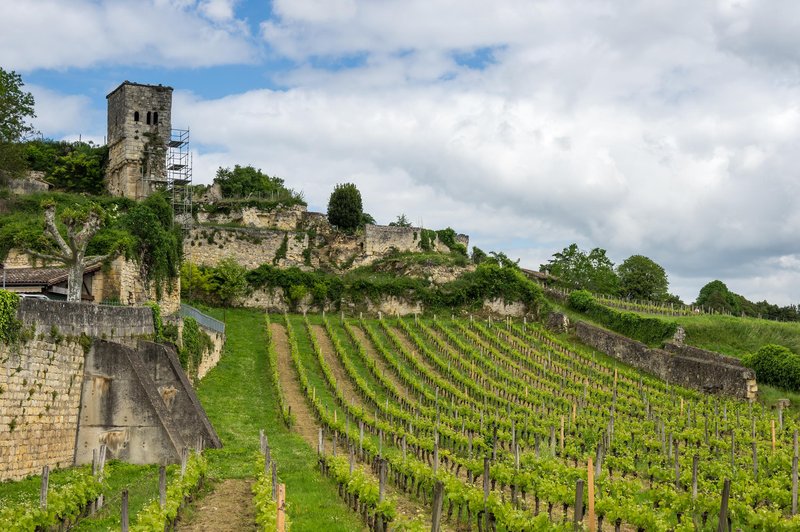
Huescar is a charming town in the Occitanie region of France, known for its rich historical heritage and natural beauty. With its medieval architecture and tranquil rural atmosphere, it is an ideal destination for those seeking to escape the hustle and bustle of city life. The town's main appeal lies in its well-preserved ancient streets and warm local culture.
Must-See Attractions
Key attractions in Huescar include the Église de l'Assomption, a Gothic architectural gem. The town's ancient walls and castle ruins are also worth exploring. For nature lovers, the nearby natural reserve offers excellent opportunities for hiking and birdwatching.
Food Guide
Huescar's cuisine is Mediterranean-inspired, with local specialties such as olive oil, goat cheese, and traditional stews. Street food highlights include Spanish-style tapas and local wines.
Transportation Guide
Public transportation in Huescar is limited, so renting a car is recommended. The town itself is walkable, but buses or taxis may be needed to reach nearby attractions. The nearest airport is in Nîmes, about a two-hour drive away.
Best Time to Visit
The best time to visit is during spring (April to June) and autumn (September to October), when the weather is mild and tourist crowds are smaller. Summers can be hot, and winters are colder.
Travel Tips
- Respect local customs and avoid loud noises in churches.
- Many shops close for a long lunch break, so plan shopping accordingly.
- Be cautious when driving on narrow streets with limited parking.
- Learning a few basic French phrases will make interactions smoother.
- Carry cash, as some small shops may not accept credit cards.
- Use sunscreen, as the summer sun can be intense.
Useful Information
The official language is French, and English may be limited in tourist areas. Network coverage is generally good, but may be spotty in rural areas. Cash is the primary payment method, though some places accept credit cards. Emergency services can be reached at 112, and there is a small medical center in town. Travel insurance is recommended for unexpected situations.