Hotels in Ciater
Discover your perfect stay in Ciater.
Ciater(Indonesia) Travel 2026: Cheap Flights, Hotels & Top Attractions
Popular Landmarks in Ciater
Discover the most iconic attractions in Ciater
Recommended Hotels in Ciater
Find the perfect place to stay in Ciater
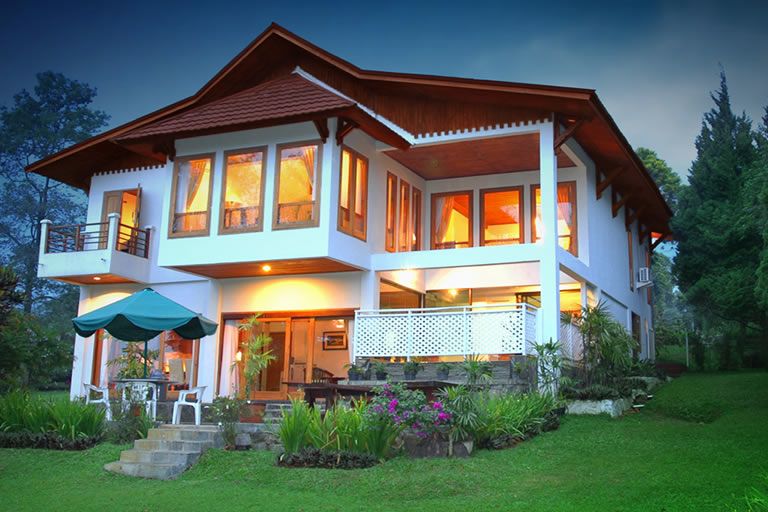
Sari Ater Hotel & Resort
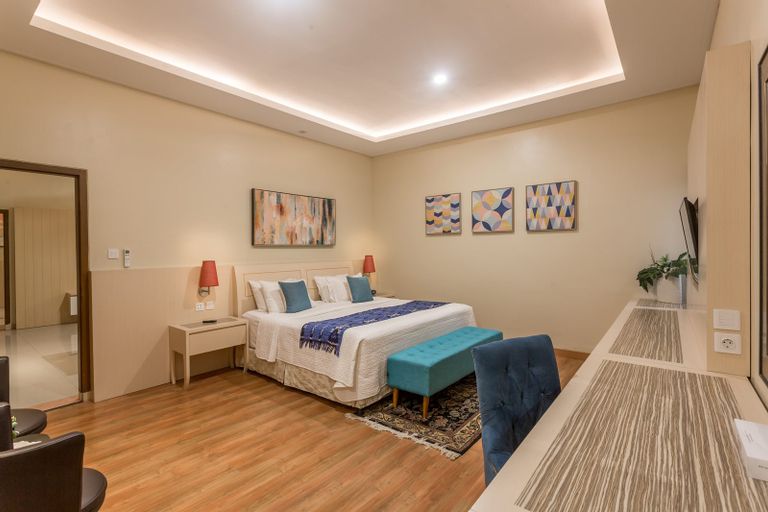
Gracia Spa Resort Hotel
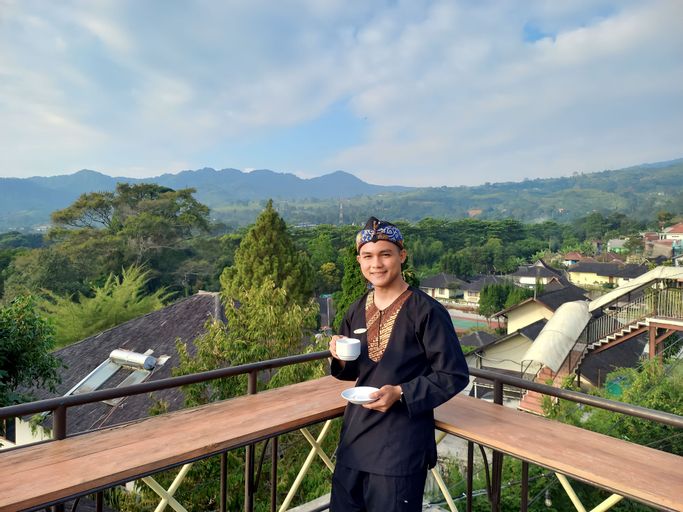
Lembah Ciater Resort Managed by Sahid
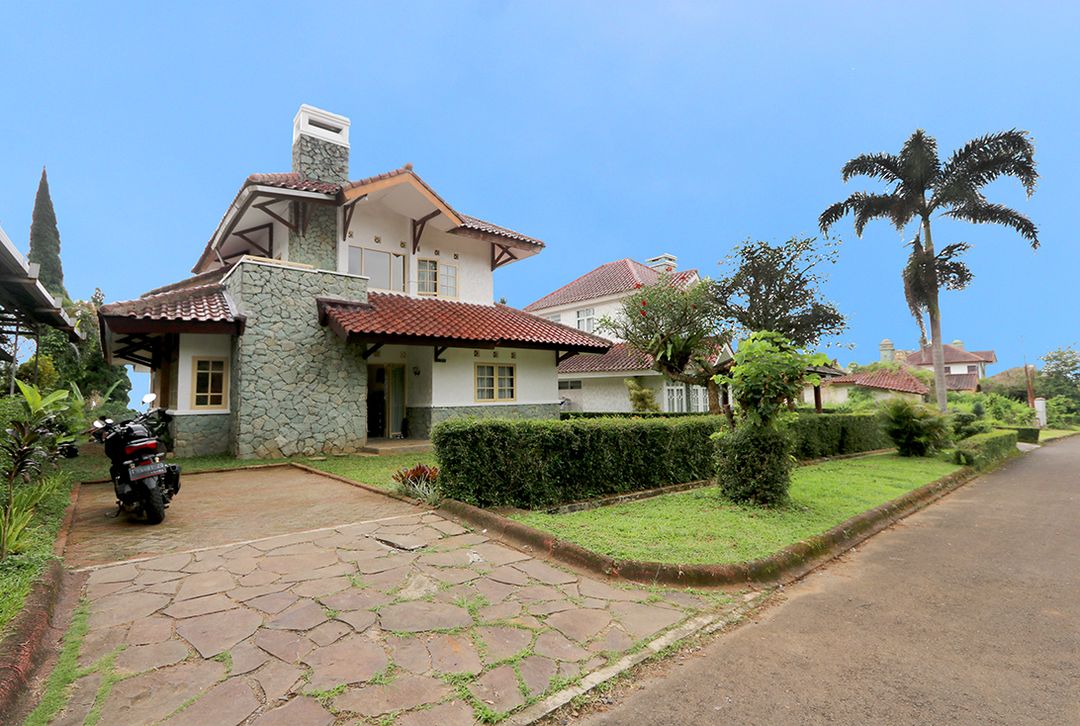
Villa ChavaMinerva Aries Ciater with Private Pool
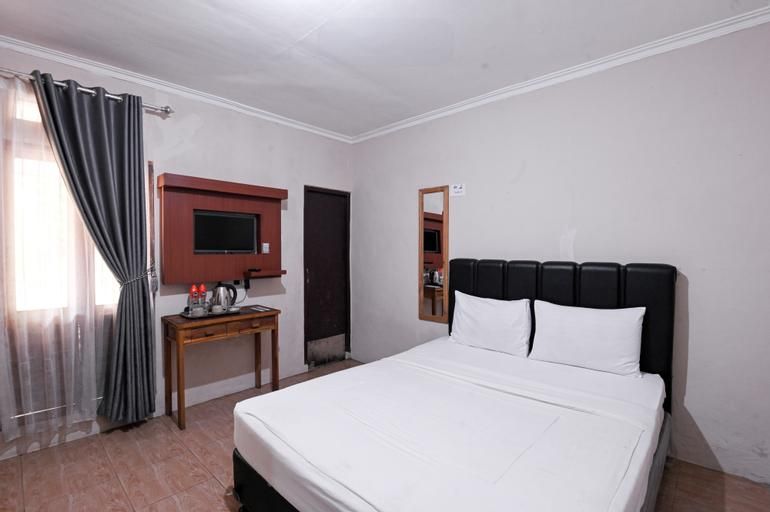
Nimo Resort Ciater
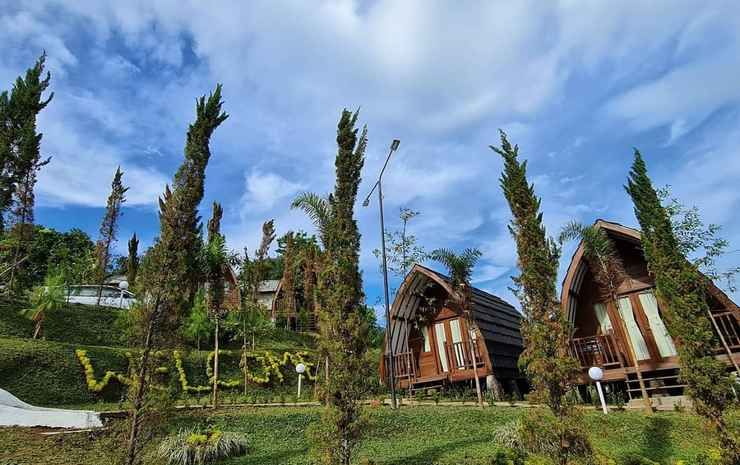
Miracle Signature Hills
Best Hotels in Ciater
Discover curated hotel collections in Ciater
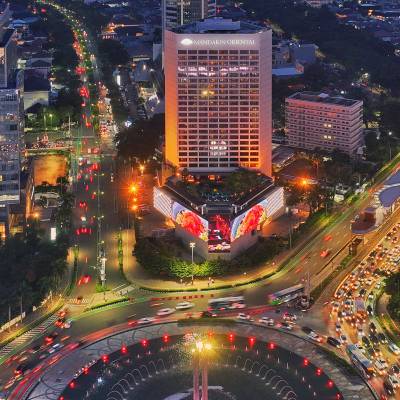
Mandarin Oriental Jakarta
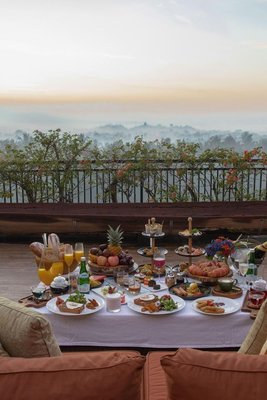
Plataran Borobudur
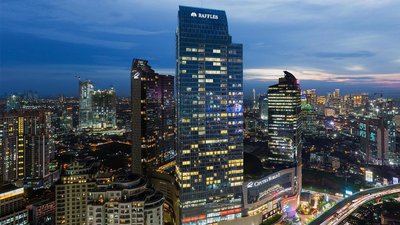
Raffles Jakarta
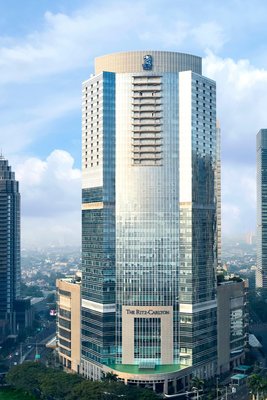
The Ritz-Carlton Hotel Jakarta Pacific Place
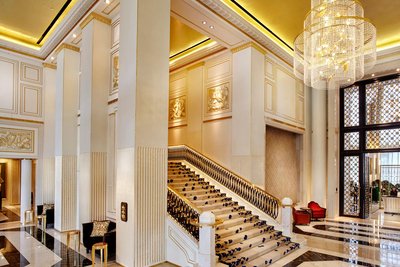
Four Seasons Hotel Jakarta
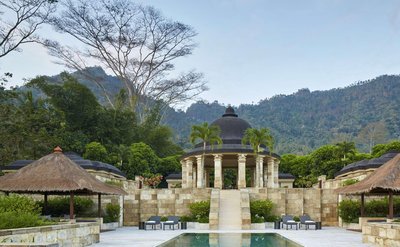
Amanjiwo
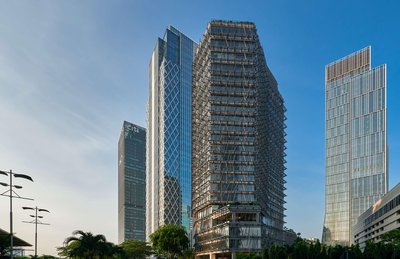
Discovery SCBD
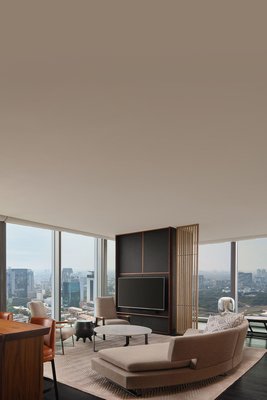
Park Hyatt Jakarta

The Langham, Jakarta

The St. Regis Jakarta
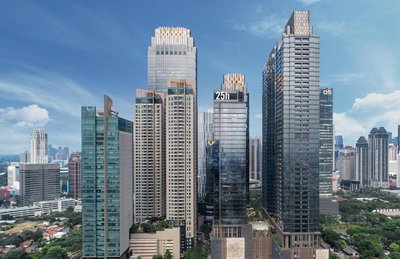
25hours Hotel Jakarta The Oddbird
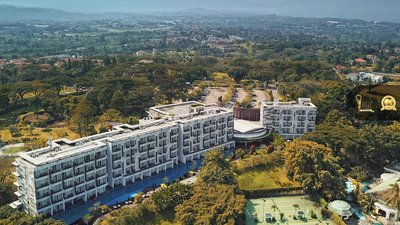
R Hotel Rancamaya
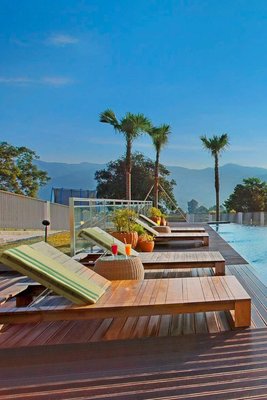
Pesona Alam Resort & Spa
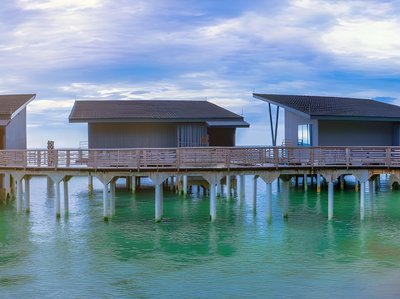
Aston Anyer Beach Hotel
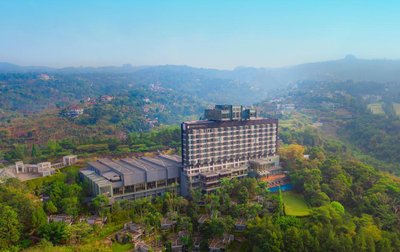
InterContinental Bandung Dago Pakar
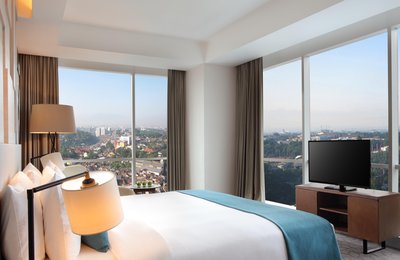
Crowne Plaza Bandung
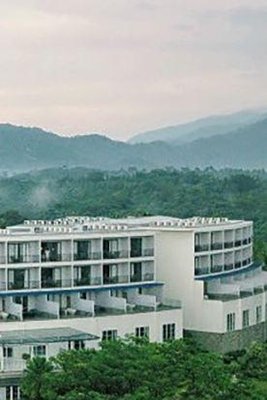
Novus Jiva Anyer Villa, Resort & Spa
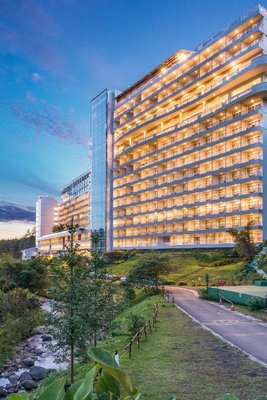
Le Eminence Puncak Hotel Convention & Resort
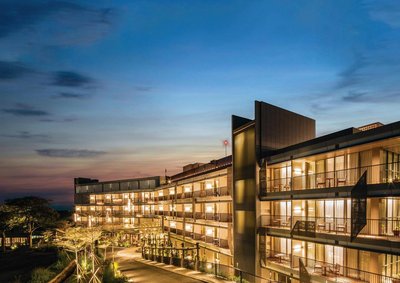
The Botanica Sanctuary
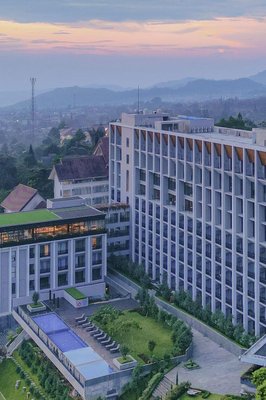
Grand Aston Puncak Hotel & Resort

Hotel Barrière Fouquet's New York

The Plaza - A Fairmont Managed Hotel

The Ritz-Carlton New York, Central Park

Four Seasons Hotel New York

The St. Regis New York

Park Hyatt New York

Mandarin Oriental New York

Times Square Edition New York

Loews Regency New York Hotel

Lowell Hotel

New York Edition

Baccarat Hotel New York

Equinox Hotel New York

Four Seasons Hotel New York Downtown

The Langham, New York, Fifth Avenue

The Carlyle, A Rosewood Hotel

The Chatwal, in the Unbound Collection by Hyatt

The Mark New York

Trump International Hotel & Tower® New York

Casa Cipriani New York
Frequently Asked Questions about Traveling to Ciater
Questions You Might Need to Know About Traveling to Ciater
In Ciater, the best eco-lodges include Sindanglaya Resort & Spa, a sustainable retreat nestled in tropical rainforest with solar-powered villas and natural hot springs. Guests enjoy organic farm-to-table breakfasts and traditional Javanese massage therapies. The resort supports local conservation efforts and offers guided forest walks along the Citarum River trail, making it ideal for nature lovers seeking authentic, low-impact travel experiences.
The most tranquil area is Sindanglaya Village, located upstream of the Citarum River. This village preserves traditional Sundanese architecture and lifestyle, with bamboo cottages and community-run homestays. It’s perfect for travelers wanting to disconnect from urban life, offering access to cultural workshops, organic farming tours, and peaceful morning meditation by the riverbank. The lack of commercial development enhances its authenticity.
Visitors can join handwoven bamboo craft workshops led by local artisans, creating baskets and decorative items using ancestral techniques. Monthly, during the lunar calendar's first and fifteenth days, the village hosts Upacara Pura ceremonies, blending music, dance, and spiritual rituals rooted in animist beliefs. You can also book a family-style dinner featuring slow-cooked goat satay and fermented soy paste, providing an intimate taste of genuine Sundanese hospitality.
Must-visit sites include Cimahi Waterfall Cluster, a series of tiered cascades ideal for swimming and trekking. Nearby, Taman Sari Hutan Lindung (Protected Forest Reserve) shelters rare flora like the Malayan pitcher plant and endangered orangutan habitats. Early morning birdwatching reveals species such as the blue-winged leafbird and grey shrike-babbler. Always hire a certified guide for safety and ecological respect.
Yes, Pondok Bumi Anak is a child-oriented eco-agritourism lodge featuring a nature discovery garden, insect observation boxes, and organic vegetable plots where kids can plant herbs and vegetables. Daily activities include craft sessions like making batik dolls or bamboo cars. The lodge also offers family camping tents and stargazing nights under the clear skies of Ciater, perfect for bonding and learning about sustainable living.
From Jakarta, take a high-speed bus to Cikalongwetan Station, then transfer to a local shuttle (approx. 40 minutes) to Ciater. The journey takes about 2.5 hours and costs around IDR 150,000. Alternatively, private car rental is available for IDR 800,000 round-trip, offering greater flexibility. Many drivers know the route and can assist with HopeGoo stays and guides, ensuring a smooth arrival.
The optimal season is May to September, when Ciater enjoys dry weather with temperatures ranging from 22–28°C, ideal for hiking and waterfall visits. June and August offer particularly pleasant conditions. The rainy season (October–April) brings lush greenery but increases landslide risks on mountain trails. Check updates via the BMKG meteorological agency website before traveling for accurate forecasts.
Local artisans sell handwoven batik fabrics dyed with natural indigo, inspired by Citarum River legends. Also popular are volcanic clay ceramics from Sindanglaya Pottery Workshop, crafted from local soil with distinctive textures. Each piece comes with a maker’s signature card, supporting fair-trade practices. These sustainable, culturally significant items make meaningful keepsakes.
For couples, Bilik Cinta Private Villa offers a secluded bamboo villa with an open-air hot spring pool and private courtyard. Enjoy candlelit dinners made with farm-fresh ingredients, including wild honey desserts and mango wine. The resort provides a personalized night tour to the Love Tree Cave and star-gazing platform, creating unforgettable moments beneath the pristine night sky of Ciater.
Must-try dishes include Lemang Tumpal—glutinous rice wrapped in banana leaves and slow-roasted over fire, served with spicy fish soup (Soto Ikan). Another highlight is Bubur Manado, a coconut milk porridge enriched with local nuts and palm sugar. Many lodges offer fruit-picking experiences, followed by fresh juice and homemade bread, emphasizing the region’s commitment to natural, chemical-free cuisine.
Ciater Overview
City Summary
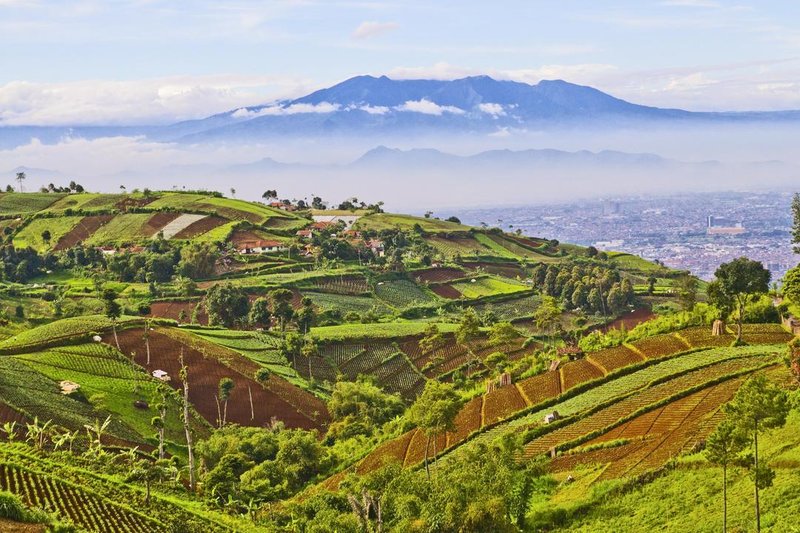
Ciater, located in West Java, Indonesia, is a small town renowned for its hot springs and natural scenery. Surrounded by lush tropical vegetation, it is an ideal getaway for those seeking tranquility and relaxation. The town's main appeal lies in its therapeutic hot springs and stunning natural landscapes, perfect for visitors looking to unwind.
Must-See Attractions
In Ciater, the hot springs are a must-visit, with Ciater Hot Springs being the most famous. The mineral-rich waters are believed to have health benefits. Nearby, Tangkuban Perahu volcano offers a thrilling hike to its crater, showcasing breathtaking views. Adventurous travelers can also explore the surrounding rainforest through hiking or biking.
Food Guide
Ciater's cuisine is heavily influenced by traditional Indonesian flavors. Street food like Sate Maranggi (spicy lamb skewers) and Nasi Timbel (rice wrapped in banana leaves) are must-tries. Local restaurants serve various Indonesian dishes, such as Gado-Gado (Indonesian salad) and Soto Ayam (chicken soup). Don't miss out on tropical fruits like durian and mangosteen.
Transportation Guide
Public transport in Ciater mainly consists of buses and taxis. From Bandung, you can take a bus or rent a car, with a travel time of about 1.5 hours. Within the town, motorcycle rentals are convenient but require caution. Renting a car or hiring a driver is recommended for visiting nearby attractions like Tangkuban Perahu volcano.
Best Time to Visit
The best time to visit is from May to September, when the weather is dry and ideal for outdoor activities. Avoid the rainy season (November to March), as rainfall may disrupt plans. The shoulder seasons (April and October) are also good options with fewer crowds.
Travel Tips
- Respect local customs by dressing modestly, especially in religious sites.
- Swimwear is required at hot springs; bring your own towel.
- Use insect repellent to avoid mosquito bites.
- Drink bottled water to avoid tap water.
- Learn basic Indonesian phrases like "Thank you" (Terima kasih).
- Be cautious with road safety, especially when riding motorcycles.
Useful Information
The official language is Indonesian, but English is understood in tourist areas. Network coverage is decent, but purchasing a local SIM card is advisable for better connectivity. Cash is the primary payment method, though credit cards are accepted in larger hotels and restaurants. The emergency number is 118, and travel insurance is recommended. Bring sunscreen and a hat to protect against the strong sun.