Hotels in Ciawi
Discover your perfect stay in Ciawi.
Ciawi(Indonesia) Travel 2026: Cheap Flights, Hotels & Top Attractions
Popular Landmarks in Ciawi
Discover the most iconic attractions in Ciawi
Recommended Hotels in Ciawi
Find the perfect place to stay in Ciawi
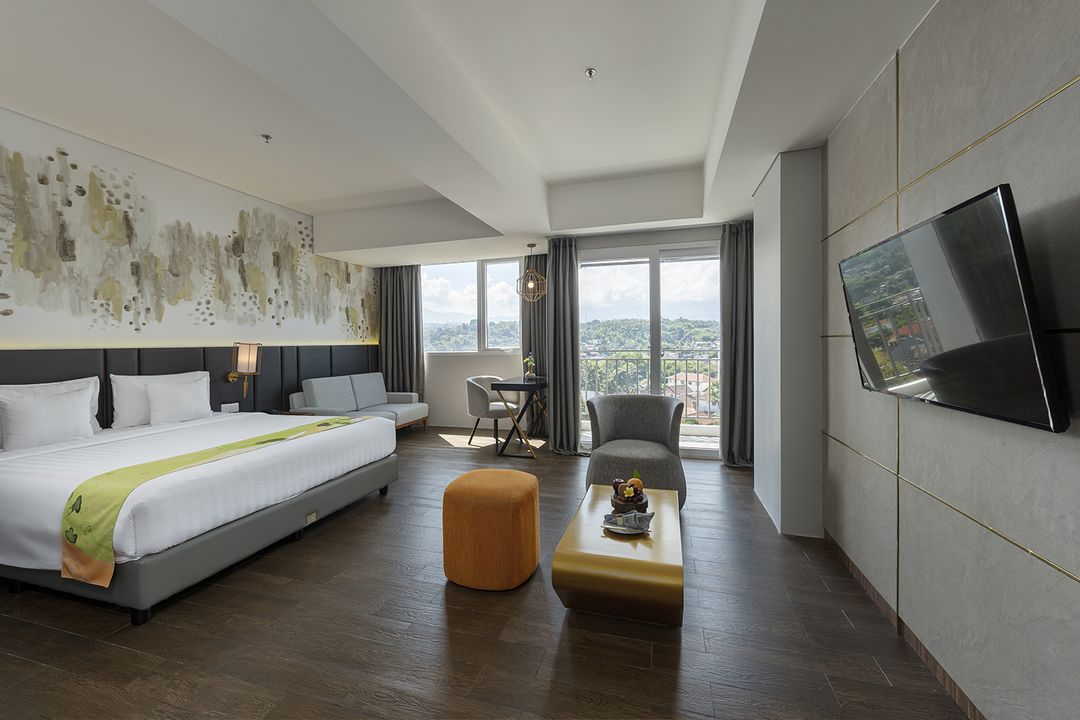
Best Hotels in Ciawi
Discover curated hotel collections in Ciawi
















Frequently Asked Questions about Traveling to Ciawi
Questions You Might Need to Know About Traveling to Ciawi
In Cipanas, the top family-friendly hotel is Cipanas Royal Resort, nestled in a mountainous area with lush greenery and natural hot springs. It features a kids' playground, indoor and outdoor pools, and spacious family rooms. The resort offers guided tours to nearby attractions like Mount Bromo and Lake Ijen, making it ideal for multi-generational travel. Guests can also enjoy local cultural experiences such as traditional Javanese gamelan music workshops and batik weaving classes. With excellent on-site dining serving authentic Indonesian cuisine, including sate and rendang, this resort blends adventure, relaxation, and cultural immersion perfectly for families.
The prime sightseeing area in Cipanas is the Mount Bromo National Park, home to one of Indonesia’s most iconic active volcanoes. Visitors should arrive early in the morning to witness the sunrise over the volcanic crater and vast sand sea. Nearby, Lake Ijen offers a surreal blue sulfur lake and a unique night hike to view miners carrying glowing sulfur rocks under torchlight. Both sites lie within the Bromo-Ijen Volcanic Belt, a region rich in geological wonders and biodiversity. Many hotels offer shuttle services, making access convenient. A two-day itinerary covering both locations provides a full immersion into nature and adventure.
To experience authentic culture in Cipanas, visit Tawang Village, a well-preserved Javanese community. Here, travelers can join gamelan workshops to learn traditional percussion instruments or participate in handmade batik dyeing sessions. The village hosts a small museum showcasing local history, crafts, and spiritual traditions. Evening performances of Legong dance—a graceful and ritualistic Javanese dance—are often held in open-air courtyards. These cultural activities are led by local artisans, supporting sustainable tourism and preserving heritage. It’s a rare opportunity to engage deeply with indigenous customs in a genuine setting.
Yes, Amandha Hot Spring Resort is a top choice in Cipanas, located amidst volcanic rock formations with natural thermal springs rich in sulfur. The resort features multiple private and shared hot spring pools, some with views of surrounding mountains. Accommodations include eco-friendly cottages and lakeside suites, many with private jacuzzis. On-site spa services incorporate traditional Javanese healing practices using herbal treatments and massage therapies. Guests can also explore nearby hiking trails leading to waterfalls and scenic viewpoints, making it a perfect retreat for relaxation and connection with nature.
Near Cipanas, the most unique natural attraction is Mount Bromo, a stunning active volcano with a massive caldera surrounded by an otherworldly sand sea. Another highlight is Lake Ijen, known for its striking turquoise-blue waters caused by high concentrations of sulfur compounds. At night, visitors can witness the eerie glow of sulfur miners carrying loads through dark paths—creating a surreal, almost magical scene. These landscapes are part of the Bromo-Ijen Volcanic Zone, renowned for its dynamic geology and diverse ecosystems. Best visited during dry season (May–October), these destinations offer unforgettable experiences for nature lovers and photographers.
Must-try dishes in Cipanas include sate, skewered and grilled chicken or beef marinated in spicy peanut sauce—a staple street food across Java. Another favorite is rendang daging, a rich, slow-cooked beef stew with coconut milk and aromatic spices, traditionally served with steamed rice. For dessert, try pulut inti, sticky rice balls wrapped in palm sugar and coconut, offering a sweet, chewy treat. These dishes are widely available at local markets like Tawang Market, where you can enjoy them while observing daily life and interacting with residents. The flavors reflect deep Javanese culinary traditions.
The best district for tourists in Cipanas is the Bromo Volcano foothills area, where most tour-oriented resorts and guesthouses are located. This zone offers easy access to major attractions like Mount Bromo and Lake Ijen, with many hotels providing free shuttle services, especially for early morning hikes. The area is quiet, with clean air and minimal light pollution, ideal for stargazing. Resorts such as Cipanas Royal Resort and Amandha Hot Spring Resort provide guided excursions, on-site dining, and cultural programs, making it a one-stop hub for adventure, relaxation, and discovery. Perfect for travelers arriving from Yogyakarta or Surabaya.
Nighttime in Cipanas is magical. Join the Lake Ijen night trek to see miners illuminating the path with glowing sulfur rocks—a breathtaking spectacle. Many resorts host traditional gamelan nights, featuring live performances of Javanese music and Legong dance. For a peaceful evening, relax on the terrace of Cipanas Royal Resort under a clear sky, where the Milky Way stretches across the horizon. Some villages even offer outdoor movie screenings under the stars, blending entertainment with the serene atmosphere of rural Java. These experiences offer a deep connection to local life and culture after dark.
Yes, transportation to major attractions around Cipanas is very convenient. Key sites like Mount Bromo, Lake Ijen, and Tawang Village are accessible via organized shuttle buses or rental cars. From Yogyakarta or Surabaya, it takes about 3.5 to 5 hours by road. Most hotels offer complimentary pickup services, especially for early-morning volcano treks. While Cipanas Airport is small, it connects to domestic flights, enabling quick access. HopeGoo vehicles and guides in advance is highly recommended, particularly during peak season (May–September), to ensure smooth and timely travel.
The best time to visit Cipanas is between May and October, the dry season when skies are clear and visibility is optimal for hiking Mount Bromo and viewing Lake Ijen. During this period, the weather is pleasant and ideal for outdoor adventures. The rainy season (November–April) brings lush greenery and fewer crowds, though roads may be slippery and some trails less accessible. Night hikes at Lake Ijen are best avoided during heavy rain. Overall, May to September is the peak tourist window, so plan ahead to secure accommodations and guided tours, especially if traveling with a group or family.
Ciawi Overview
City Summary
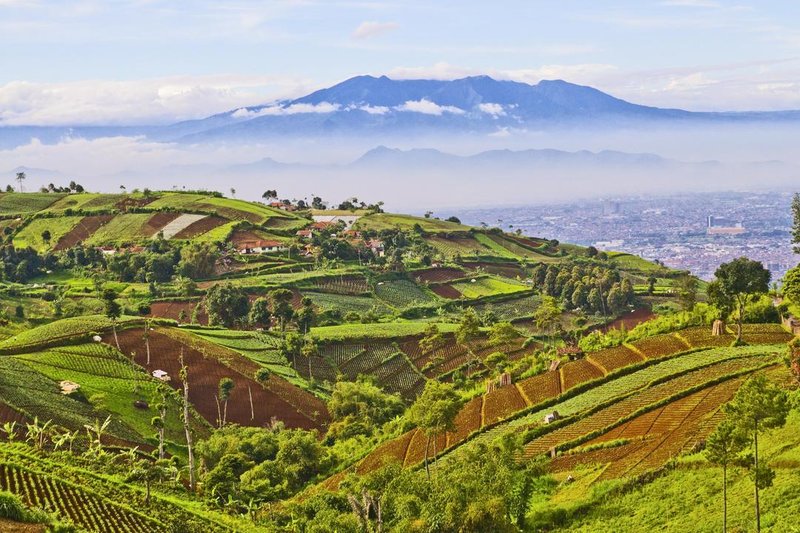
Cianjur, located in West Java, Indonesia, is a city renowned for its lush rice fields and cool mountain climate, making it an ideal escape from urban hustle. The city boasts rich traditional arts and handicrafts, particularly its bamboo weaving and traditional music performances. Cianjur also serves as a perfect base for exploring West Java's natural wonders, with nearby waterfalls, tea plantations, and volcanoes waiting to be discovered.
Must-See Attractions
Key attractions in Cianjur include Gunung Gede Pangrango National Park, a paradise for hikers with abundant flora and fauna. Curug Cibereum Waterfall draws visitors with its stunning scenery and fresh air. Additionally, the tea plantations in Puncak offer fantastic sightseeing opportunities, where tourists can witness tea processing and sample fresh leaves. Culture enthusiasts should not miss the local markets and handicraft centers, showcasing Cianjur's unique art and culture.
Food Guide
Cianjur's cuisine is celebrated for its fresh produce and traditional cooking methods. Must-try dishes include Nasi Liwet, rice cooked with coconut milk and spices, typically served with fried chicken or fish. Soto Cianjur, a flavorful soup with tender meat, is another local favorite. Street snacks like Gorengan (fried fritters) and Colenak (grilled cassava with palm sugar syrup) are also delightful treats.
Transportation Guide
Cianjur is primarily accessed by road, with buses or rented cars from Jakarta or Bandung taking about 2-3 hours. Within the city, motorcycle taxis (ojek) and minibuses (angkot) are affordable but crowded options. Renting a motorcycle or hiring a private car is recommended for exploring surrounding areas. Note that some mountain roads are rugged, requiring extra caution while driving.
Best Time to Visit
The best time to visit is April to October, when the weather is dry and cool, ideal for outdoor activities. The rainy season (November to March) may hinder access to some sites, but waterfalls are more spectacular after rainfall. Avoid holiday peaks for a quieter experience.
Travel Tips
- Respect local customs: Dress modestly when visiting mosques; avoid shorts or sleeveless tops.
- Carry cash: Many small shops and markets do not accept credit cards.
- Mind hygiene: Drink bottled water and avoid raw food.
- Learn basic Indonesian: Phrases like "Terima kasih" (thank you) can help.
- Mosquito protection: Mountain areas have more insects; bring repellent.
- Follow traffic rules: Be cautious when crossing roads due to heavy motorcycle traffic.
Useful Information
The primary language is Indonesian, though English is understood in tourist areas. Internet coverage is decent but may be unstable in mountainous regions. Cash is the dominant payment method, so carry sufficient IDR. Medical facilities are limited; pack basic medications and consider travel insurance. The voltage is 220V, using two-round-pin plugs. Locals are friendly, but safeguard belongings in crowded markets or buses.