Hotels in CiChengXian
Discover your perfect stay in CiChengXian.
CiChengXian(Japan) Travel 2026: Cheap Flights, Hotels & Top Attractions
Popular Landmarks in CiChengXian
Discover the most iconic attractions in CiChengXian
Recommended Hotels in CiChengXian
Find the perfect place to stay in CiChengXian
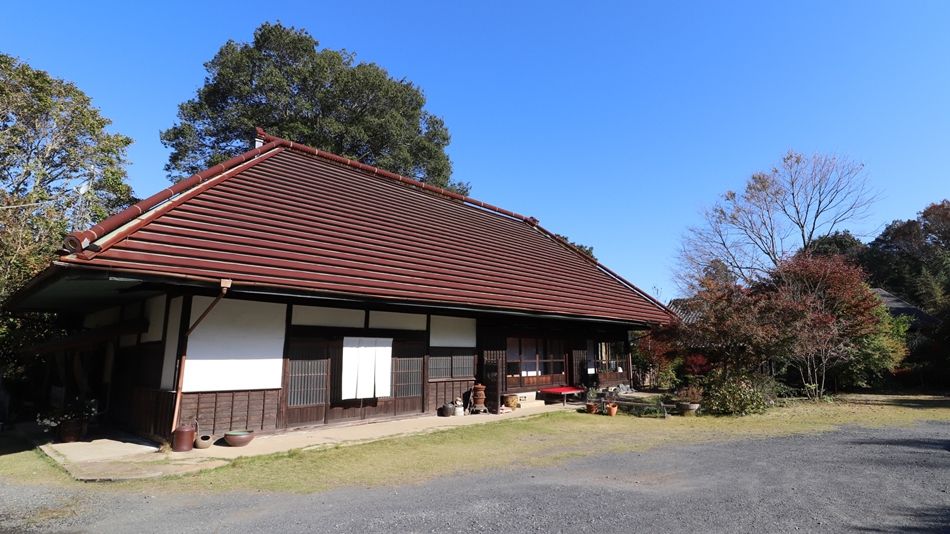
Kominka No Yado Shoya Yamaguchi
Best Hotels in CiChengXian
Discover curated hotel collections in CiChengXian
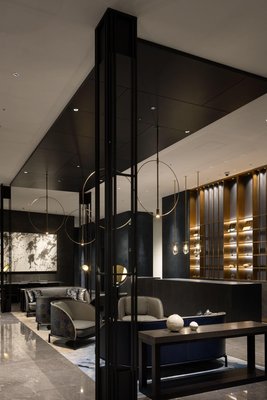
Bellustar Tokyo, A Pan Pacific Hotel
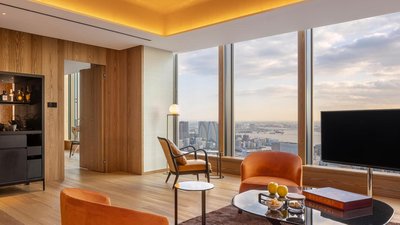
Bvlgari Hotel Tokyo
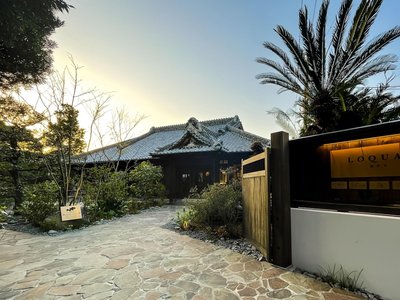
Loquat Nishiizu
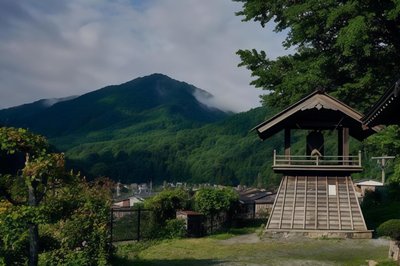
Byaku Narai
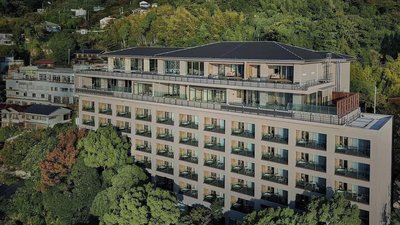
Atami Izusan Karaku
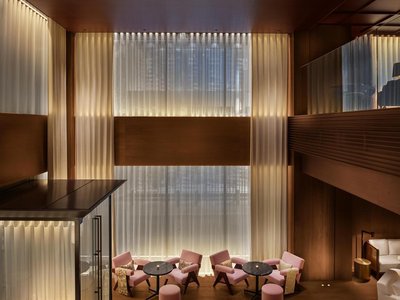
The Tokyo Edition, Ginza
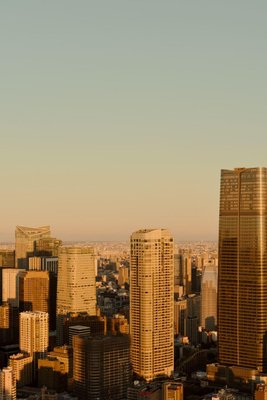
Janu Tokyo
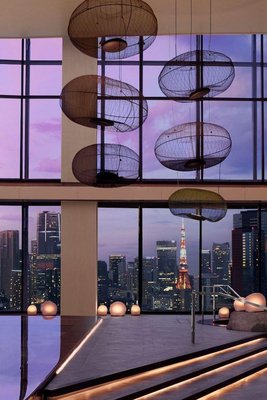
JW Marriott Hotel Tokyo
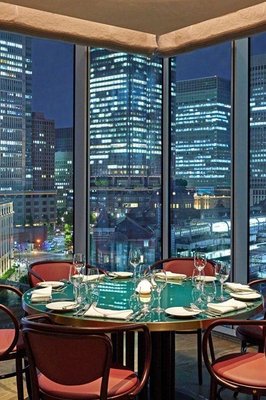
Four Seasons Hotel Tokyo at Marunouchi

Mandarin Oriental, Tokyo
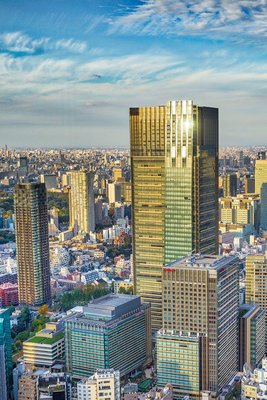
The Ritz-Carlton, Tokyo
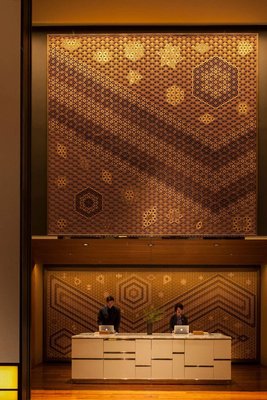
Andaz Tokyo Toranomon Hills- A Concept by Hyatt
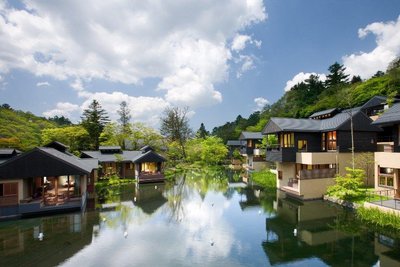
Hoshinoya Karuizawa
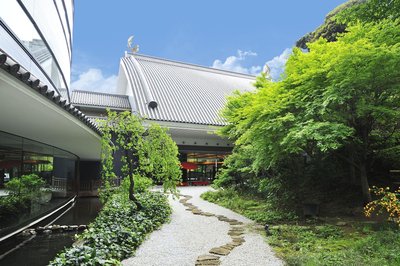
Hotel Gajoen Tokyo
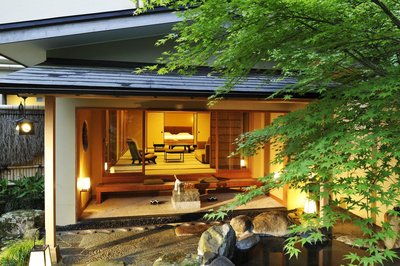
Gora Kadan
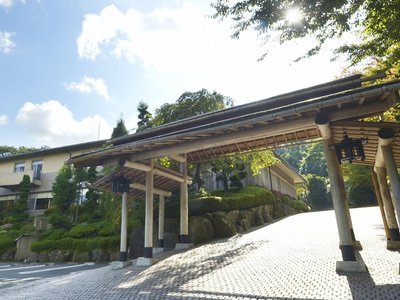
Gora Hanaougi
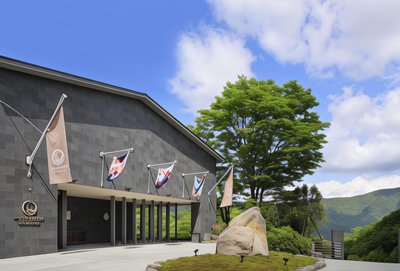
The Hiramatsu Hotels & Resorts Sengokuhara Hakone
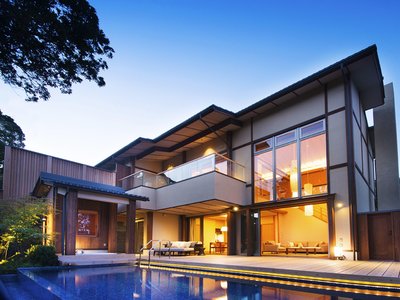
Abba Resorts Izu - Zagyosoh
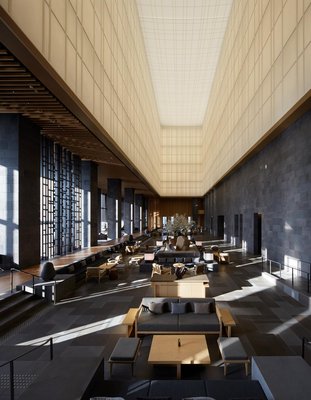
Aman Tokyo
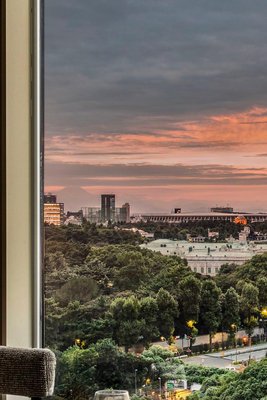
Hotel New Otani Tokyo, Executive House Zen
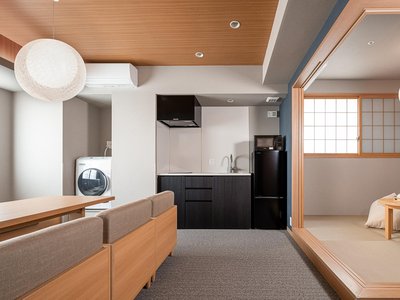
MIMARU SUITES Tokyo Asakusa
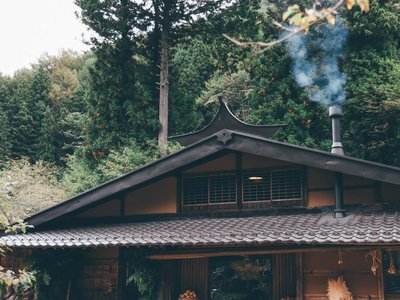
La Terra Resort
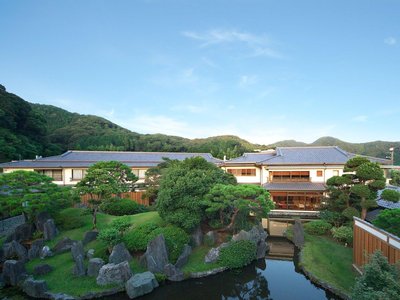
Kagetsutei
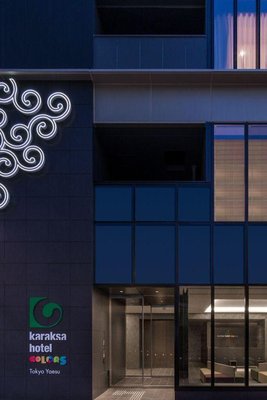
karaksa hotel colors Tokyo Yaesu
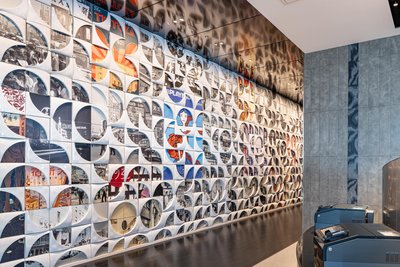
HOTEL GROOVE SHINJUKU, A PARKROYAL Hotel

EN Resort Grandeco Hotel
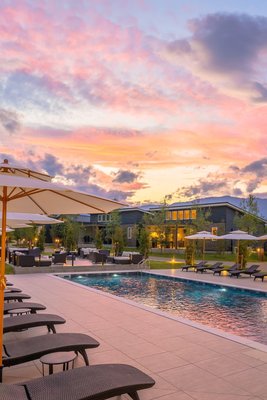
Awaumi Fujikawaguchiko Resort
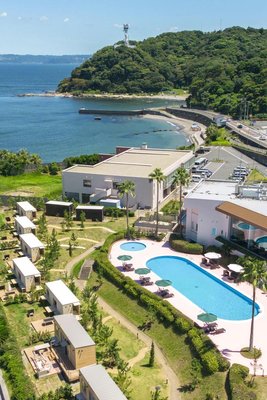
La vista Yokosuka Kannonzaki Terrace
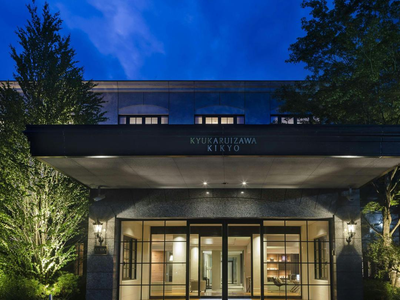
Fufu Karuizawa Wind of Sunshine
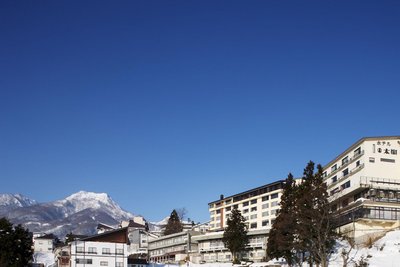
Hotel Taiko, Akakura Onsen
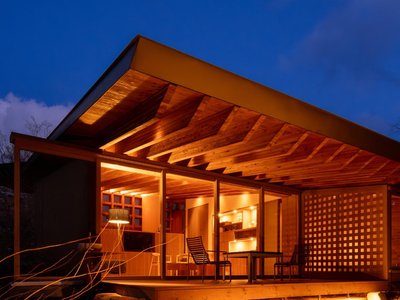
Nasu Mukunone
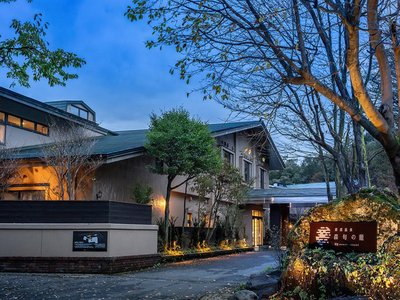
Nasu Onsen Shinshun no Kago Hewitt Resort

Scapes the Suite
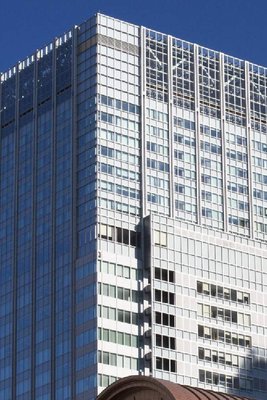
Hotel Metropolitan Tokyo Marunouchi
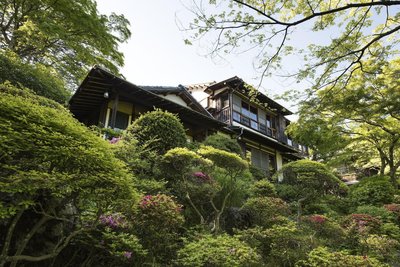
Gora Kansuiro
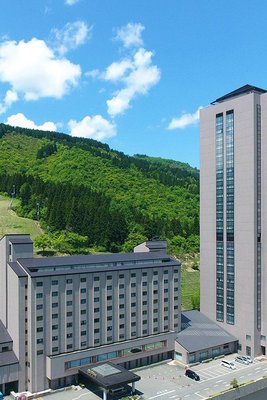
Naspa New Otani
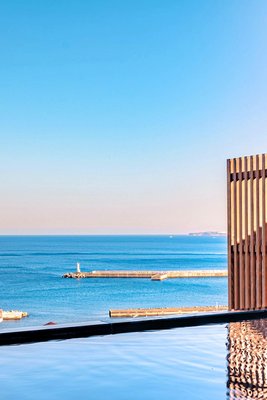
HOTEL KANICHI
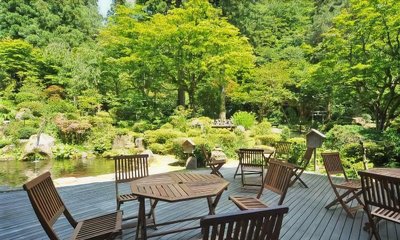
Choseikan
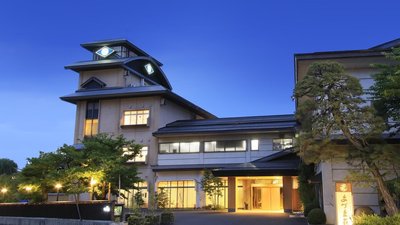
Shouhakutei Azumaso
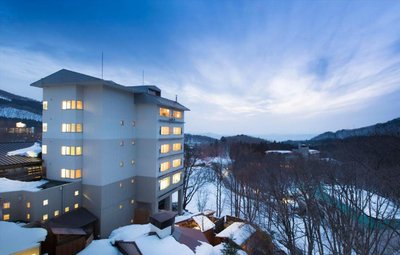
Takamiya Hotel Lucent
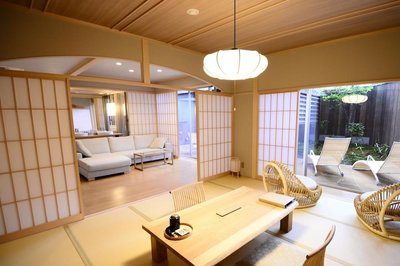
Hakone Gora Byakudan
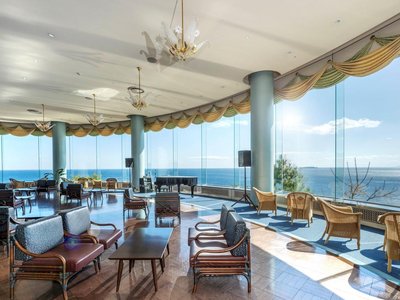
Hotel New Akao
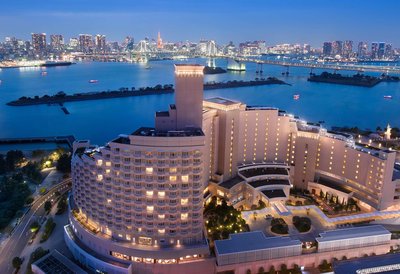
Hilton Tokyo Odaiba
JW Marriott Hotel Tokyo
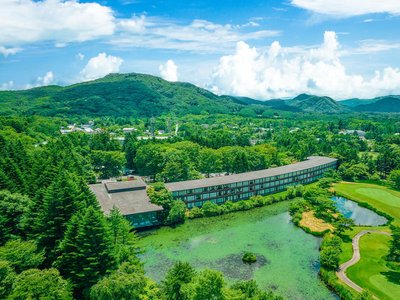
The Prince Karuizawa
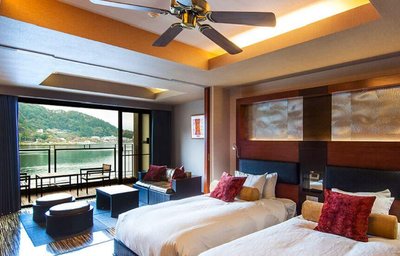
The Kukuna
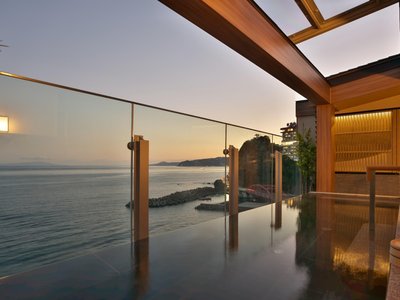
Hotel New Sagamiya
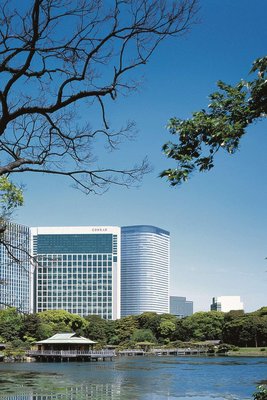
Conrad Tokyo
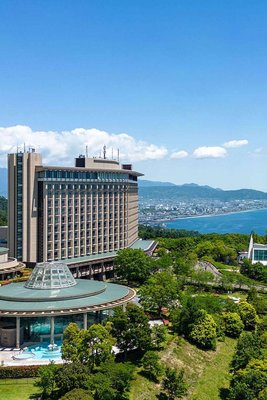
Hilton Odawara Resort & Spa
Hoshinoya Karuizawa
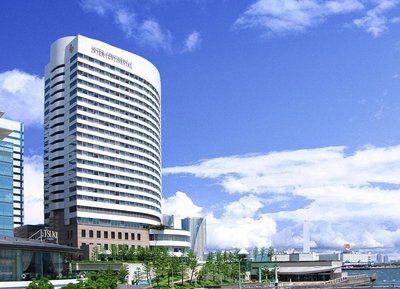
InterContinental Tokyo Bay
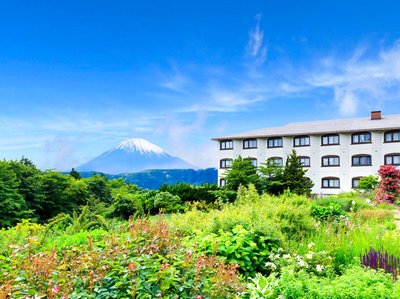
Hotel Green Plaza Hakone
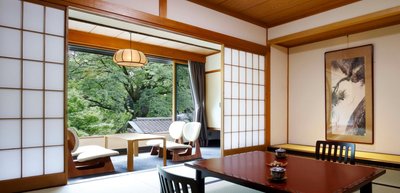
Yoshiike Ryokan
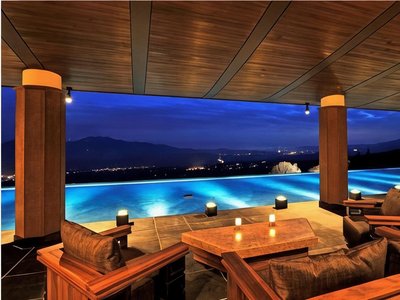
Akakura Kanko Hotel
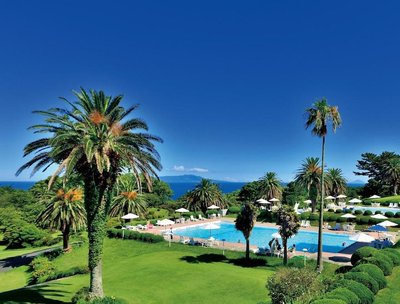
Kawana Hotel
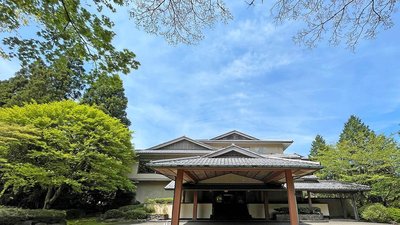
Ryuguden
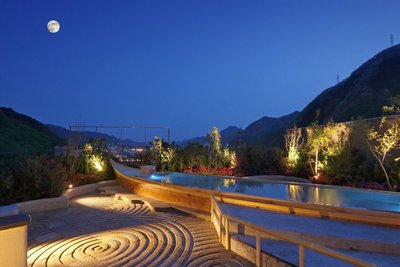
Asaya
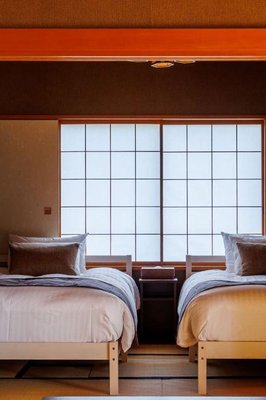
Sado Resort Hotel Azuma
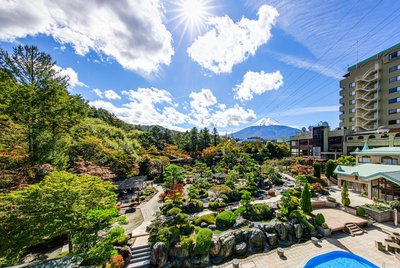
Kaneyamaen
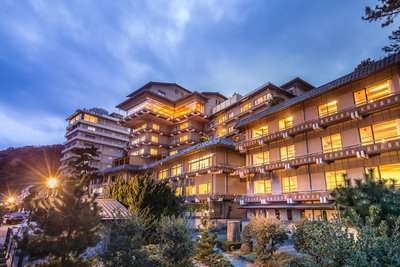
Bousui
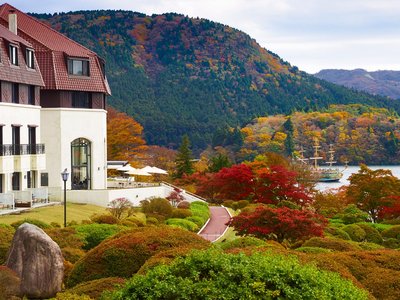
Hotakajyo
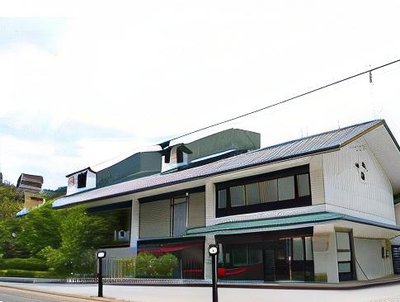
Auberge Suzukane

Onyado Nono Asakusa Bettei Hot Spring
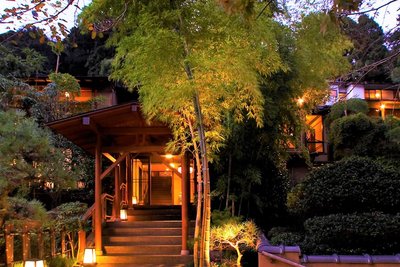
Shiki wo Ajiwau Yado Yamano Chaya
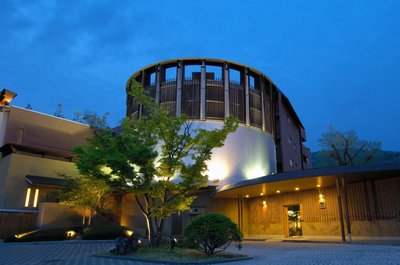
Hoshino Resorts Kai Matsumoto
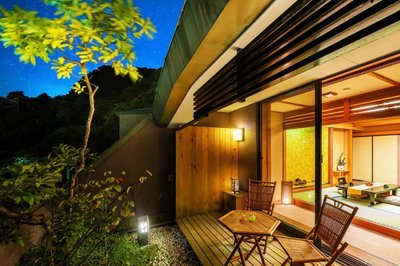
Konjakutei
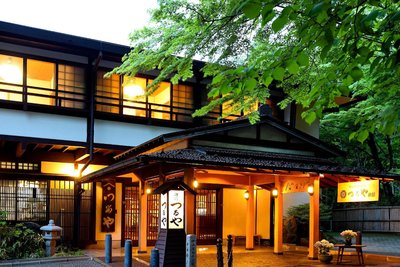
Tsuruya Ryokan
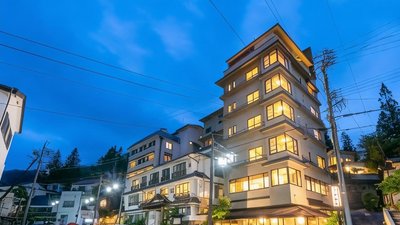
Nakamatsuya Ryokan
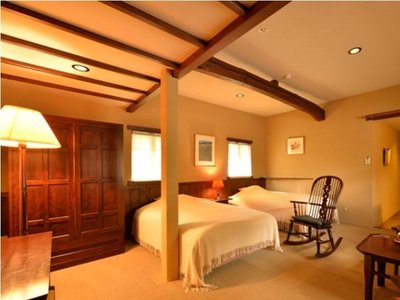
Ryokan Sugimoto
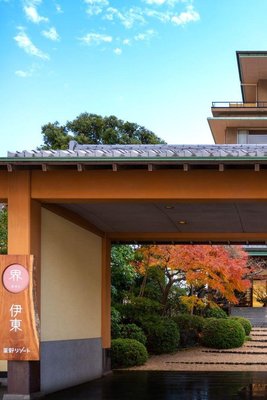
Hoshino Resorts Kai Ito
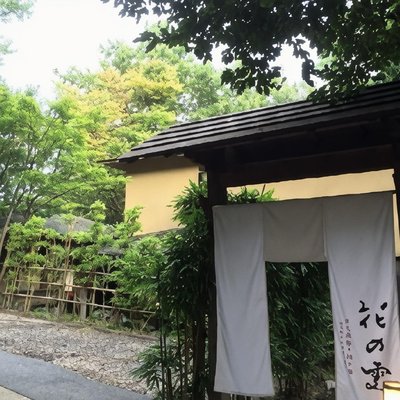
Hana No Kumo
Yoshiike Ryokan
Hotel Gajoen Tokyo
Gora Hanaougi
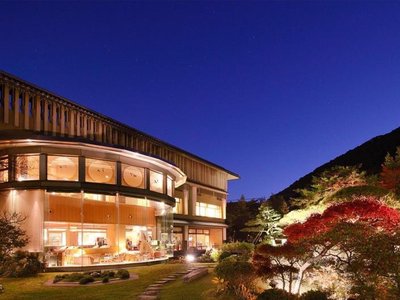
Shikisai Ichiriki
Sado Resort Hotel Azuma
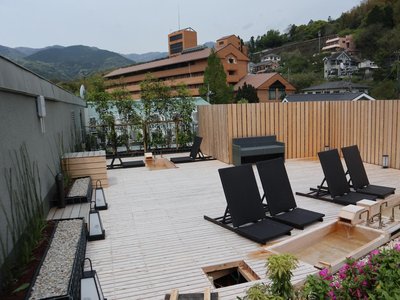
Fukiya Ryokan
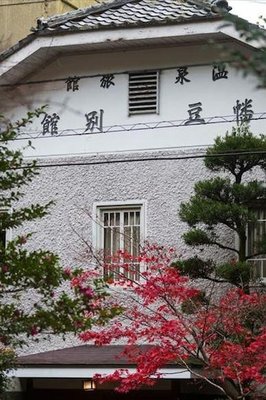
Oku-Mikawa・Yuya Onsen HAZU Bekkan
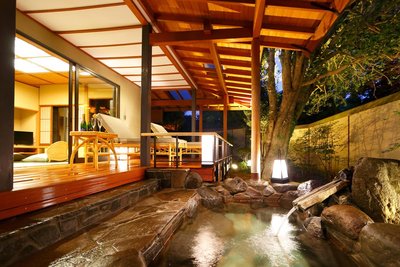
Yoshiharu Ryokan – Izu Nagaoka Onsen
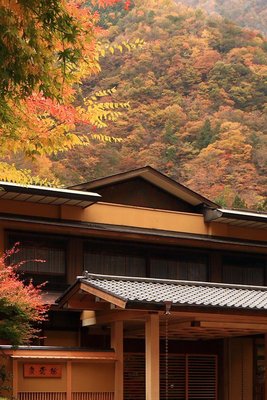
Nishiyama Onsen Keiunkan
Bellustar Tokyo, A Pan Pacific Hotel
JW Marriott Hotel Tokyo
Andaz Tokyo Toranomon Hills- A Concept by Hyatt
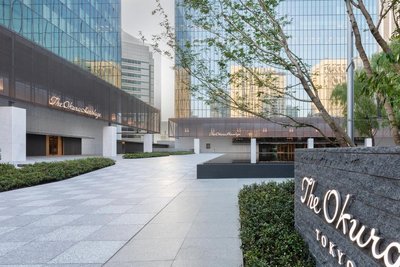
The Okura Tokyo
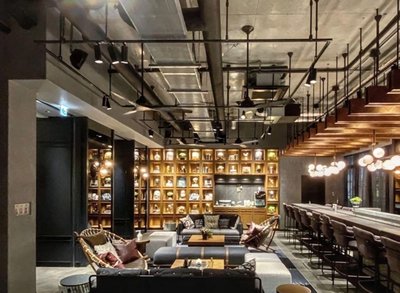
The Lively Azabujuban Tokyo
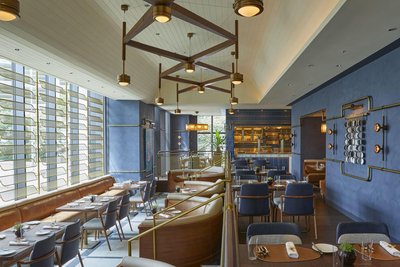
Kimpton Shinjuku Tokyo
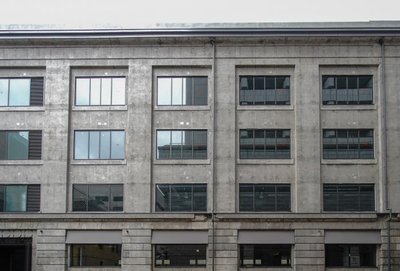
HOTEL K5
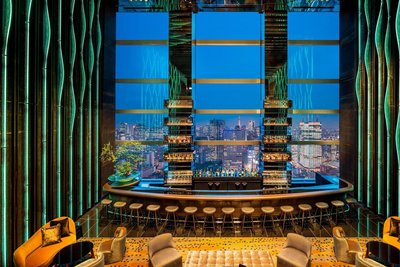
The Prince Gallery Tokyo Kioicho, a Luxury Collection Hotel
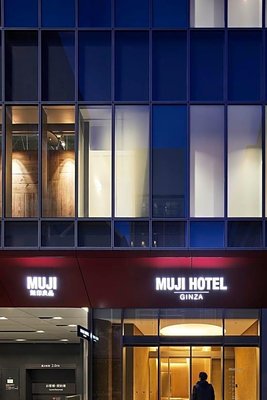
Muji Hotel Ginza
Hakone Gora Byakudan
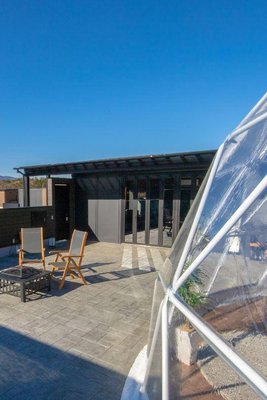
Panoramic Mt. Fuji Views from All Rooms – Vision Glamping Resort & Spa Yamanakako
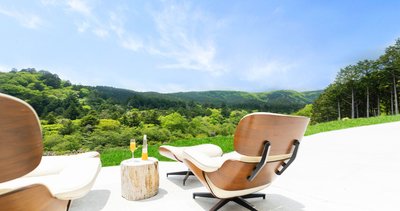
Shelter Garden Nikko
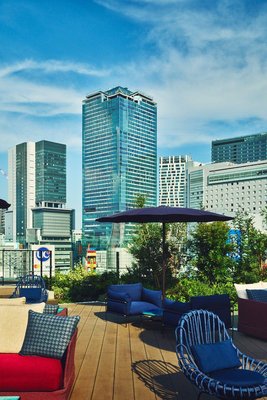
Hotel Indigo Tokyo Shibuya
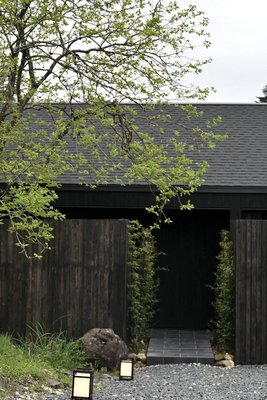
THE LAKOTAN
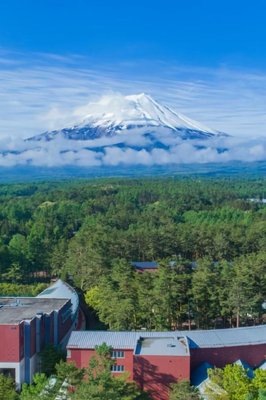
Forest Village (Fuji Premium Resort)
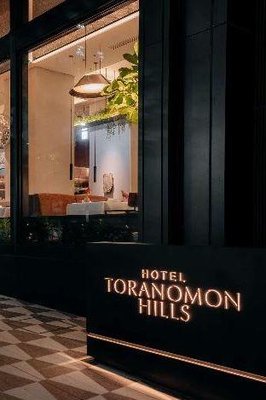
Hotel Toranomon Hills
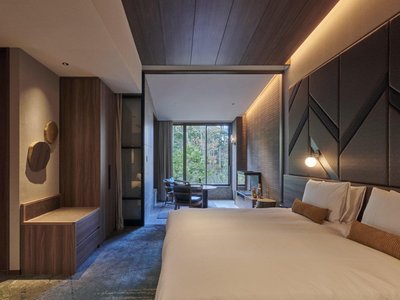
Fufu Kyu-Karuizawa Restful Forest
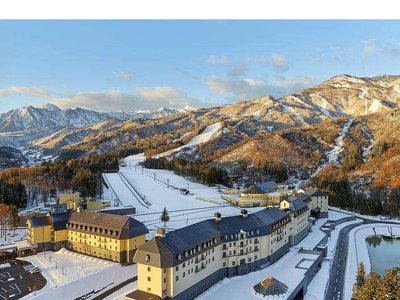
Lotte Arai Resort
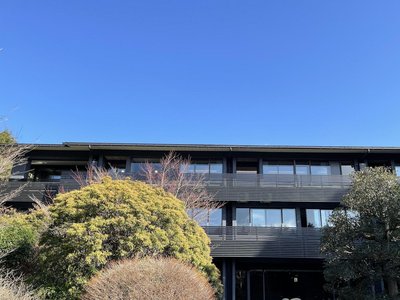
Sengokubara Cocon
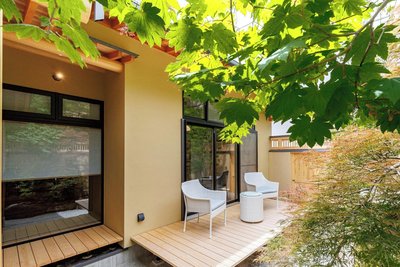
Shoraiso
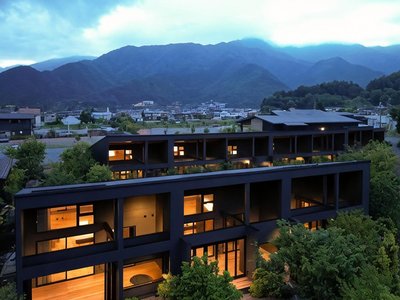
7C Villa and Winery
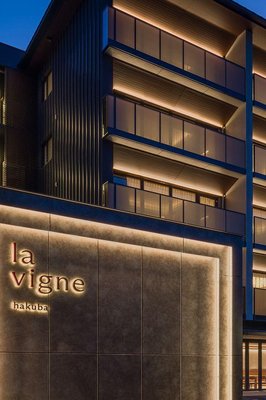
Hotel la Vigne Hakuba by Onko Chishin
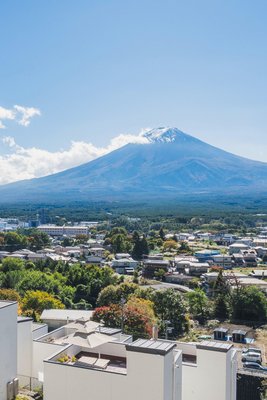
THE TOKI FujiKawaguchiko
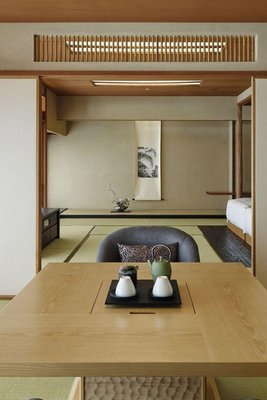
Takanawa Hanakohro (in Grand Prince Hotel Takanawa)
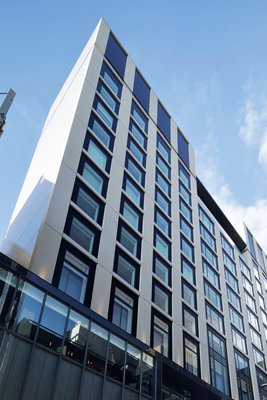
Hyatt Centric Ginza Tokyo
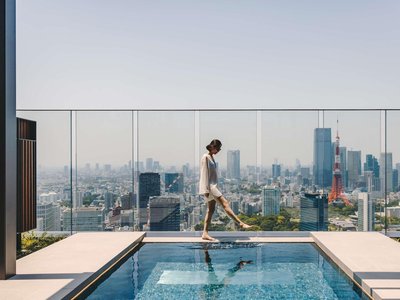
Fairmont Tokyo
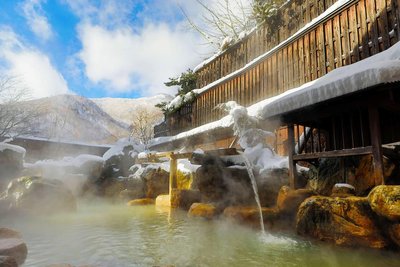
Miyamaouanbekkan yumegurinoyado hirayukan
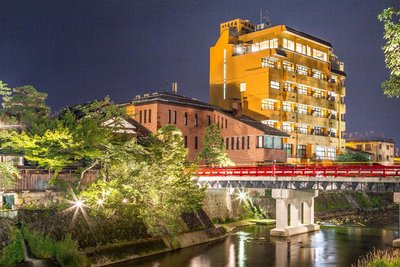
HONJIN HIRANOYA BEKKAN
The Prince Karuizawa
Bvlgari Hotel Tokyo
Four Seasons Hotel Tokyo at Marunouchi
Mandarin Oriental, Tokyo
The Ritz-Carlton, Tokyo
Andaz Tokyo Toranomon Hills- A Concept by Hyatt
Gora Kadan
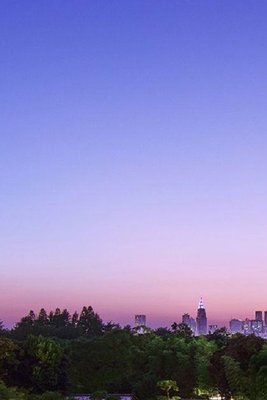
Hotel New Otani Tokyo the Main
Aman Tokyo
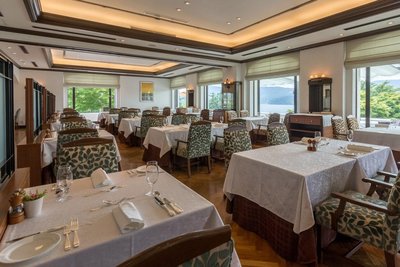
Odakyu Hotel de Yama
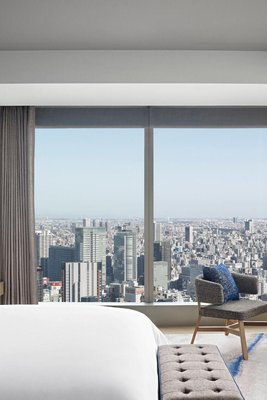
Four Seasons Hotel Tokyo at Otemachi
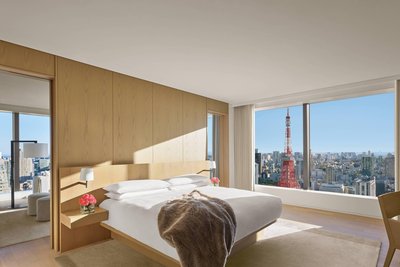
The Tokyo Edition, Toranomon
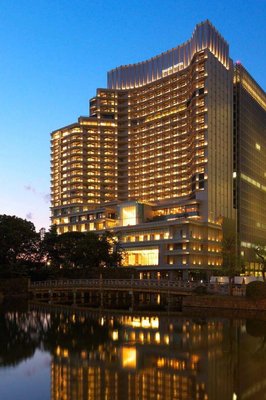
Palace Hotel Tokyo
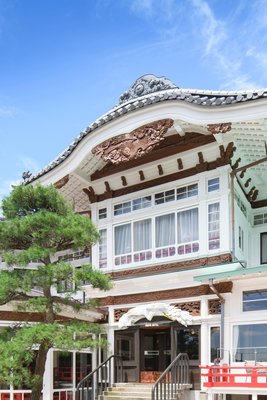
Fujiya Hotel
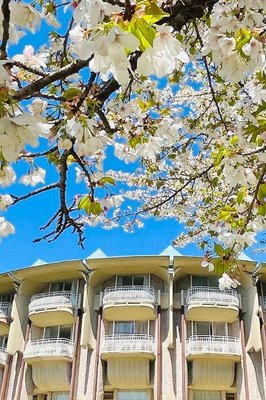
The Prince Hakone Lake Ashinoko
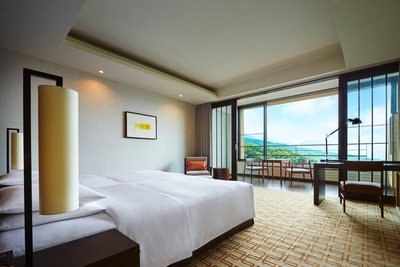
Hyatt Regency Hakone Resort and Spa
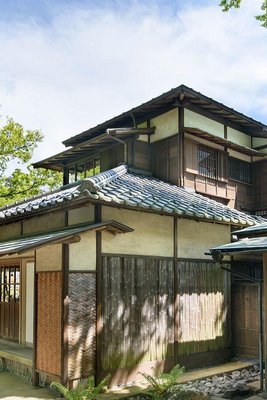
Hakone Suishoen
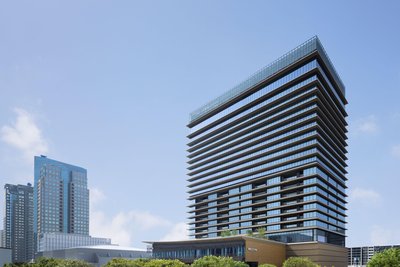
The Westin Yokohama
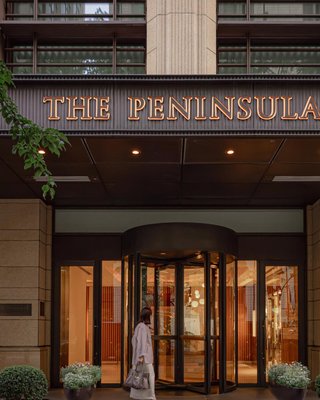
The Peninsula Tokyo

Imperial Hotel, Tokyo
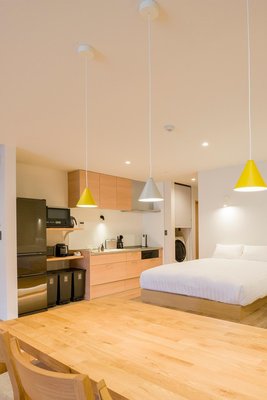
Rakuten STAY VILLA Nasu
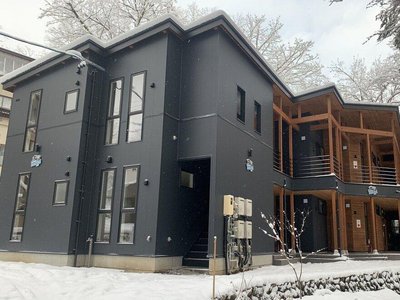
Hakuba Gondola Apartments
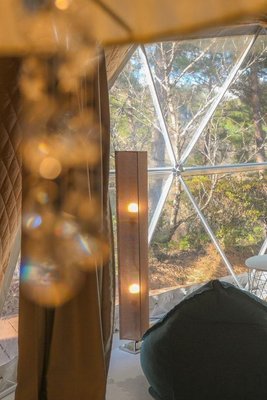
glampark Gekkabijin Nagano
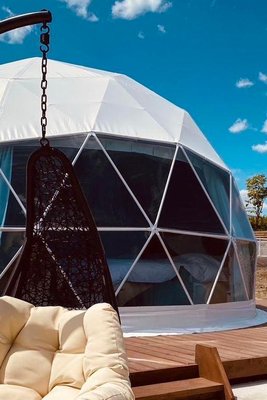
chillout glamping zao
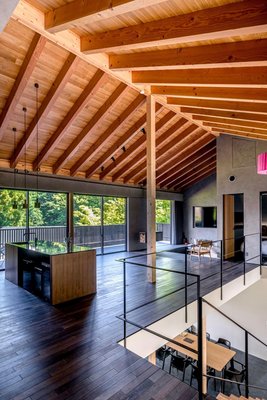
MONS GORA
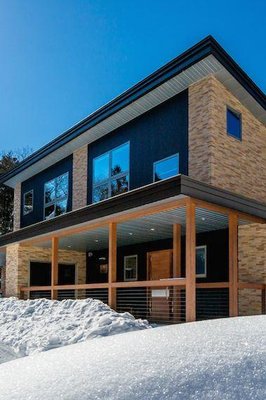
Phoenix Chalets by Hhg
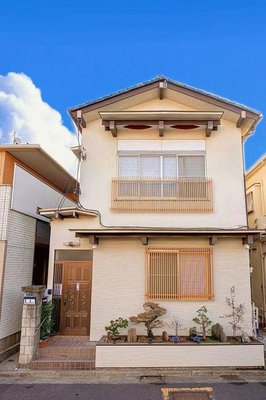
Tokyo Star House-Shinkoiwa
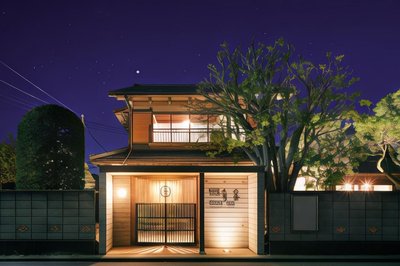
Machi-Jyu
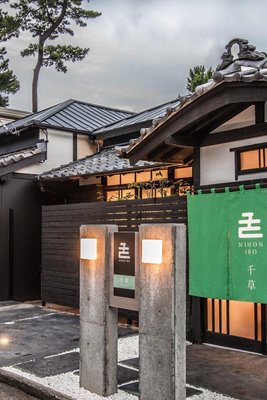
Nihon Iro
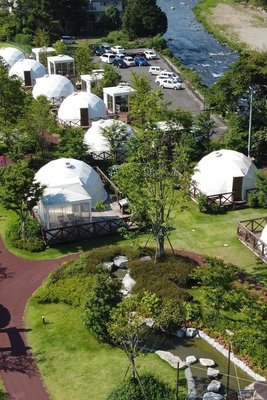
Ufufu Village
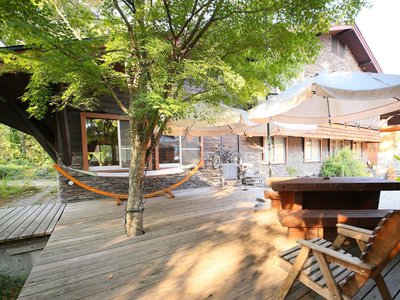
Kunugi Relaxation with 4 Modern Rooms
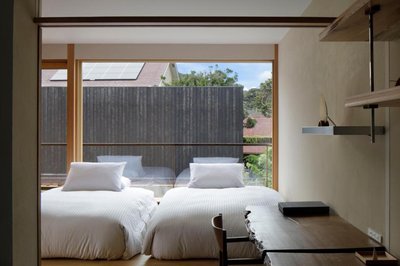
Modern Ryokan Kishi-ke
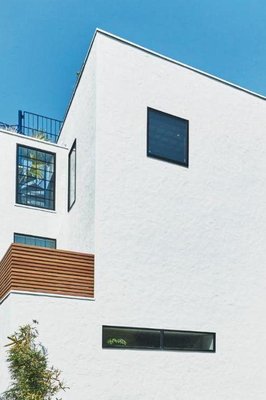
The Flow Kamakura
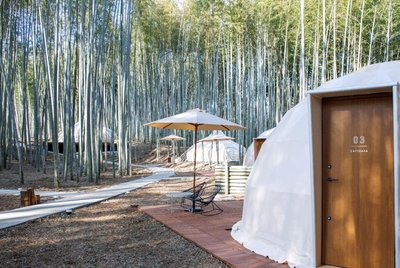
THE BAMBOO FOREST
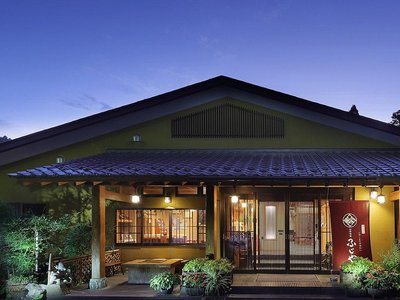
Shikimitei Fujiya
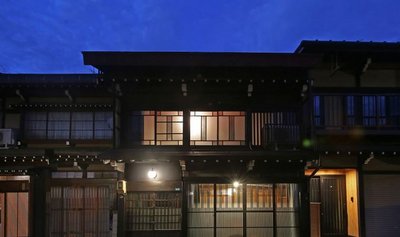
Iori Stay Hida
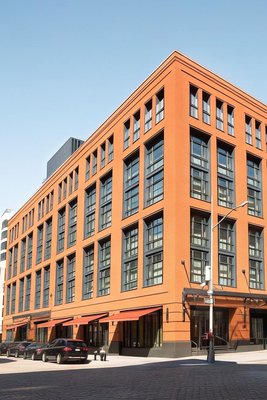
Hotel Barrière Fouquet's New York
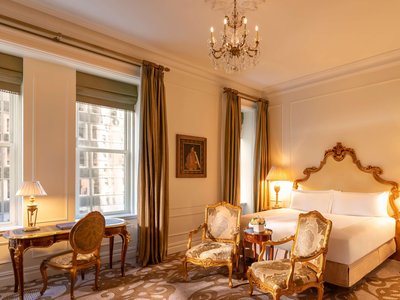
The Plaza - A Fairmont Managed Hotel
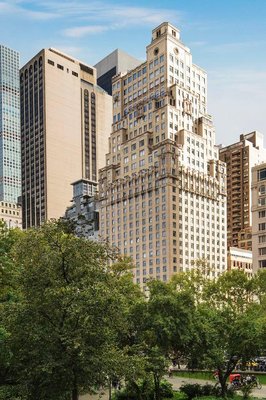
The Ritz-Carlton New York, Central Park
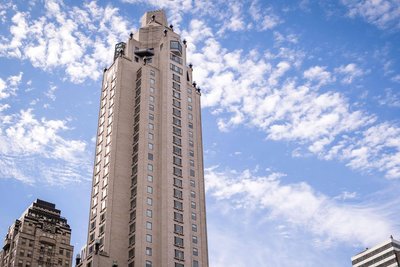
Four Seasons Hotel New York
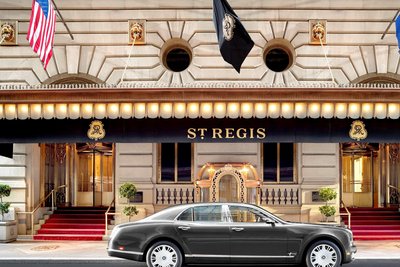
The St. Regis New York
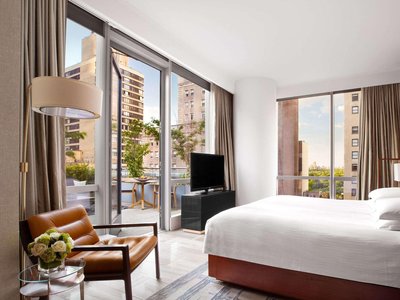
Park Hyatt New York
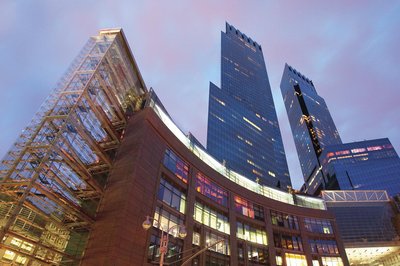
Mandarin Oriental New York
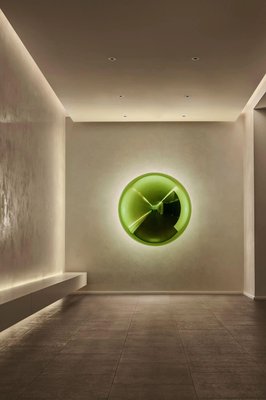
Times Square Edition New York
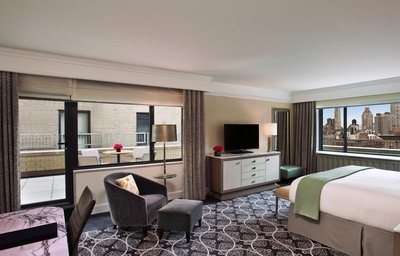
Loews Regency New York Hotel
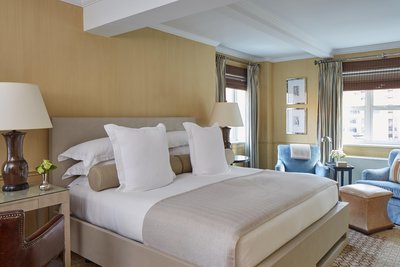
Lowell Hotel
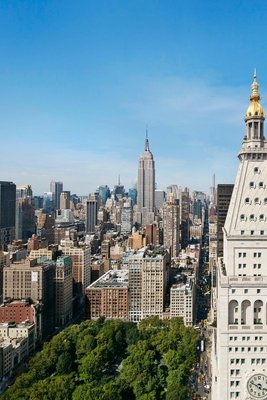
New York Edition
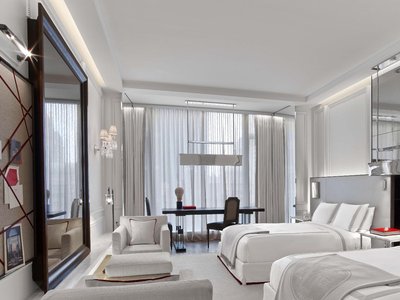
Baccarat Hotel New York
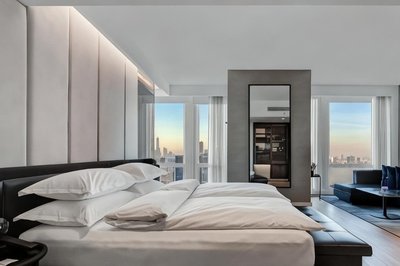
Equinox Hotel New York
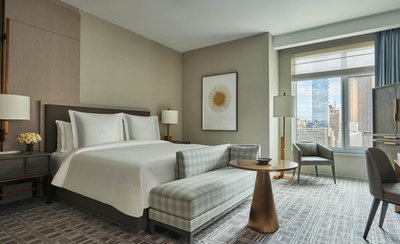
Four Seasons Hotel New York Downtown
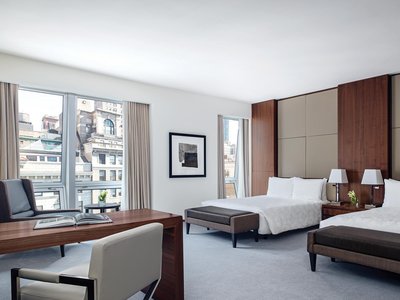
The Langham, New York, Fifth Avenue
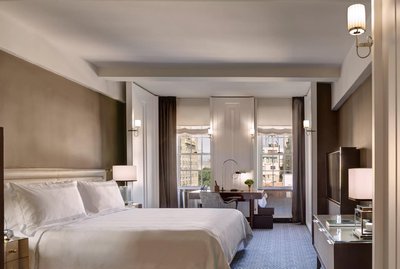
The Carlyle, A Rosewood Hotel

The Chatwal, in the Unbound Collection by Hyatt
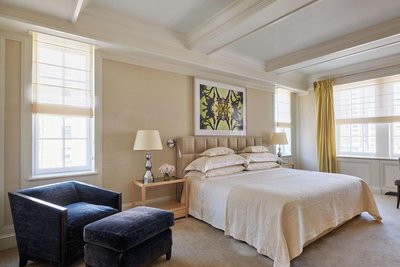
The Mark New York
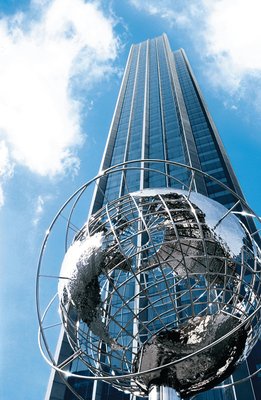
Trump International Hotel & Tower® New York
Casa Cipriani New York
Frequently Asked Questions about Traveling to CiChengXian
Questions You Might Need to Know About Traveling to CiChengXian
For immersive cultural stays, Kaiyukan Hotel near Sakura Park offers traditional tea ceremonies and seasonal kimono rentals, blending modern comfort with Edo-era aesthetics. Another top choice is Ibaraki Prefectural Museum of Art Hotel, located adjacent to the museum’s historic collection, where guests can participate in local craft workshops like washi paper-making and regional calligraphy. Both properties emphasize authentic Ibaraki heritage, offering meals made with farm-fresh ingredients from nearby villages. These hotels provide guided tours to Mito Castle Ruins and Kairakuen Garden, enhancing the cultural journey through daily rituals and storytelling.
Mito City is ideal for first-time travelers due to its central location, excellent transport links, and concentration of key landmarks. Stay at Hotel Sunroute Plaza Mito or Green Palace Mito, both within walking distance of Kairakuen Garden, Mito Tokugawa Art Museum, and Mito Station. The city serves as a perfect base for exploring Mount Tsukuba, Hitachi Seaside Park, and the Ibaraki Science Museum. With English signage, multilingual staff, and abundant dining options, Mito ensures a seamless experience while showcasing the prefecture’s rich history and vibrant local life.
Tourists can immerse themselves in Mito's 'Mito Kōmon Festival', a summer celebration reenacting the legendary 18th-century daimyo’s justice-themed parades with traditional music, drum performances, and elaborate costumes. Another highlight is the Tsuchiura Fireworks Festival, one of Japan’s top three fireworks displays, featuring over 20,000 shells lighting up the night sky. For deeper cultural engagement, try local agricultural harvesting tours, including strawberry picking in spring and rice planting in early summer, offering hands-on insight into Ibaraki’s identity as "The Food Prefecture".
Yes, Tokyo Bay Resort Hotel in Hitachi is a top-rated family destination with indoor hot springs, kids’ playrooms, and themed rooms. It’s close to Tokyo Bay Aquarium and Hanasan Park, making it ideal for multi-generational travel. Another excellent option is Hotel Astell Hitachi, offering free shuttle buses to scenic spots and spacious family suites. Both hotels feature child-friendly menus, bilingual staff, and interactive programs like **
CiChengXian Overview
City Summary
Ibaraki Prefecture in eastern Kanto blends natural wonders with cutting-edge technology. Home to Kairakuen (one of Japan's Top 3 gardens) with 3,000 plum trees, and Mount Tsukuba dubbed "Kanto's Fuji". Hitachi Seaside Park's blue nemophila fields and Mito's Kairakuen Garden attract photographers. As Japan's space exploration hub and pottery region, traditional ceramics coexist with rocket science.
Must-See Attractions
Visit Kairakuen for Edo-era landscaping, hike Mount Tsukuba for panoramic views. April's blue blossoms and October's red kokia bushes at Hitachi Seaside Park are iconic. Kashima Shrine showcases 1,200-year history, while Oarai Isosaki Shrine's torii gate stands in the ocean. Explore JAXA Space Center in Tsukuba Science City, or try pottery at Kasama Art Forest. Summer features Mito Komon Festival, autumn brings Ishioka Festival's巨型 floats.
Food Guide
Ibaraki ramen uses pork/seafood broth with curly noodles. Try winter delicacy anko nabe (anglerfish hotpot) and tender Hitachi beef. Snack on kawara senbei (tile-shaped crackers) or natto rolls. Mito's Yoshidaya manju steamed buns are legendary. Seafood highlights include clam bowls from Oarai Port and carp cuisine from Lake Kasumigaura. Pick award-winning melons at farms - Ibaraki produces Japan's highest yield.
Transportation Guide
JR Joban Line connects Tokyo (Ueno Station, 70min) to Mito. Tsukuba Express reaches Tsukuba from Akihabara in 45min. Sparse local buses make sightseeing loops (e.g. Mito's "RunRun Bus") or car rentals ideal. Taxis start at ¥730; book in rural areas. Note dimly lit country roads - drive cautiously. Direct buses serve major attractions like Kairakuen.
Best Time to Visit
Mid-April for cherry blossoms and nemophila, October-November for red kokia with fewer crowds. Avoid Golden Week (May) and Obon (August). Winter illuminations exist but coastal winds chill, while summer festivals get humid.
Travel Tips
Purify hands at temizuya before shrine visits Add wasabi to natto rolls to balance flavor Bring non-slip shoes for Mt.Tsukuba hikes Carry cash for rural eateries Fruit-picking requires HopeGoo - no sampling JAXA tours need online registration Yield to agricultural vehicles when driving Shower before onsens - swimsuits prohibited
Useful Information
Major stations have Chinese announcements, but basic Japanese phrases help in towns. Limited free WiFi - rent pocket WiFi. Credit cards work at large venues; cash needed at markets. For emergencies, Mito Kyodo Hospital (+81-27-231-5577). Voltage is 100V with two-flat-pin plugs. Hot spring areas have stairs - check wheelchair access. Winds are stronger than Tokyo; pack winter windbreakers.









