Hotels in Cijambe
Discover your perfect stay in Cijambe.
Cijambe(Indonesia) Travel 2026: Cheap Flights, Hotels & Top Attractions
Popular Landmarks in Cijambe
Discover the most iconic attractions in Cijambe
Recommended Hotels in Cijambe
Find the perfect place to stay in Cijambe
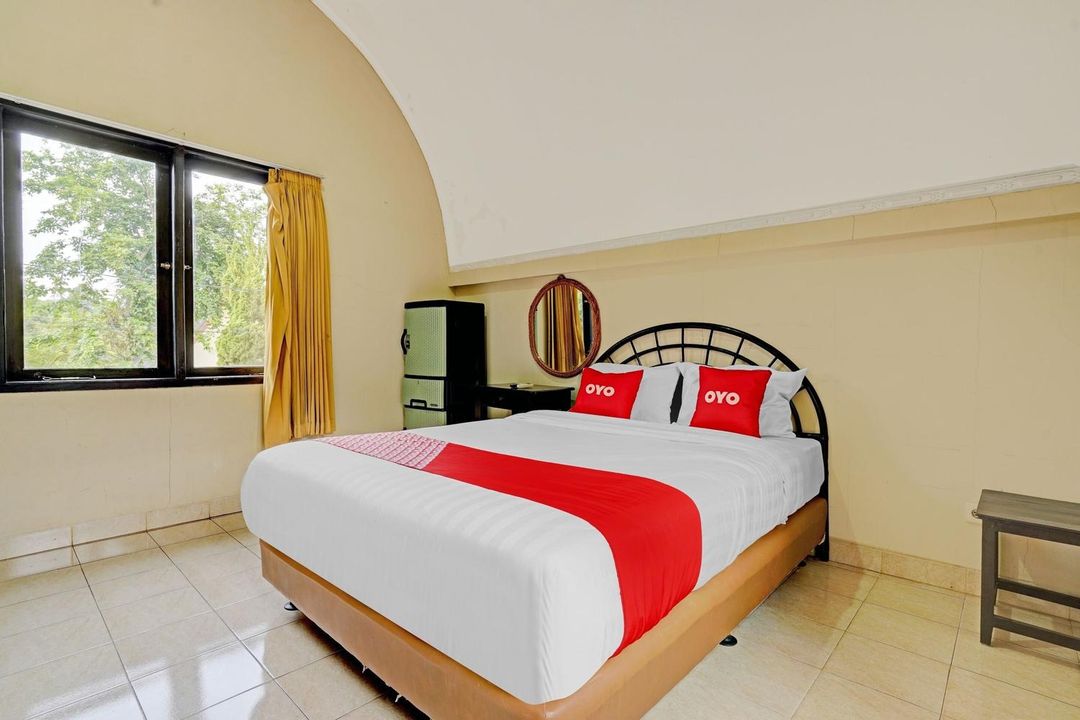
Flagship 90644 Cottage Nusantara
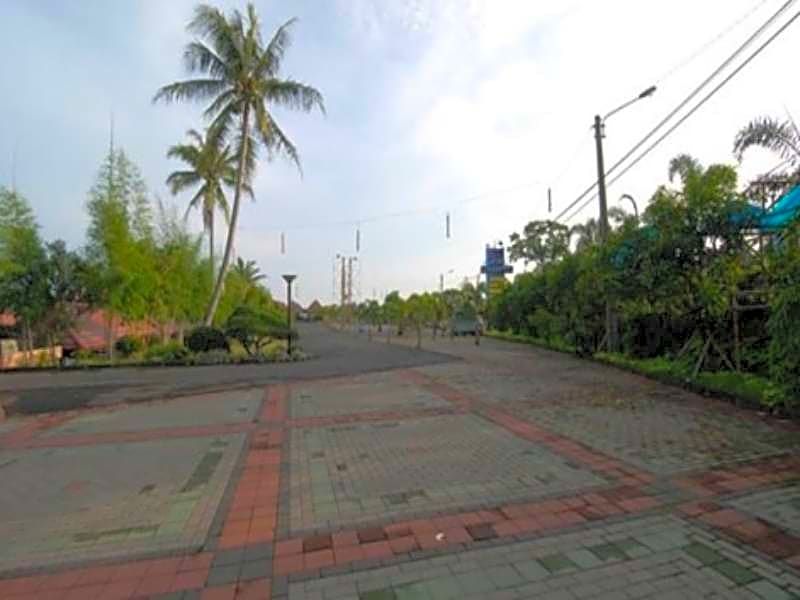
Panorama Lembah Gunung Kujang
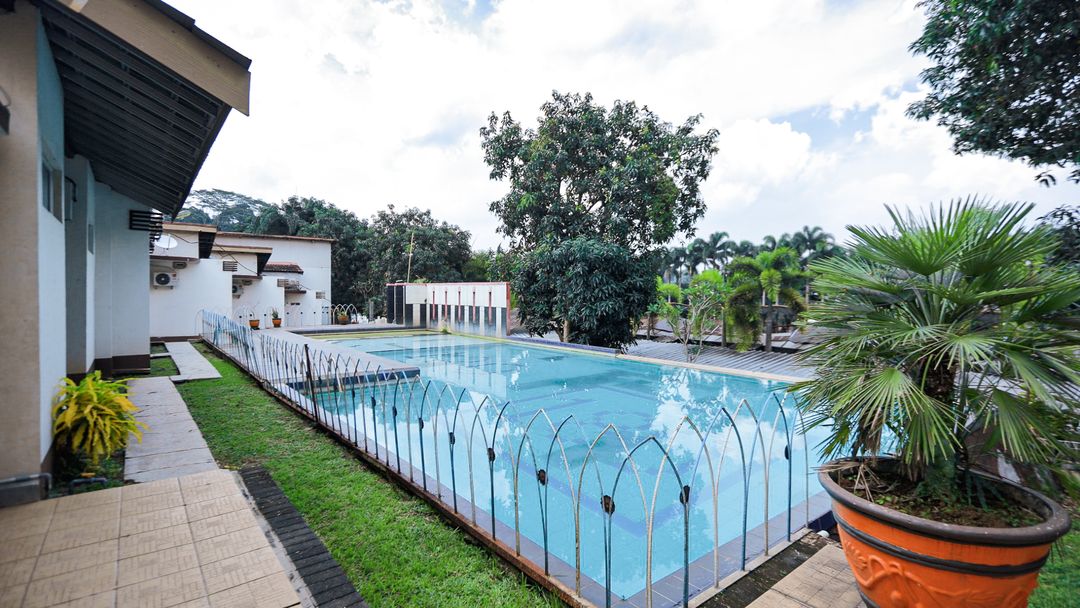
Lembah Gunung Kujang by ARBA
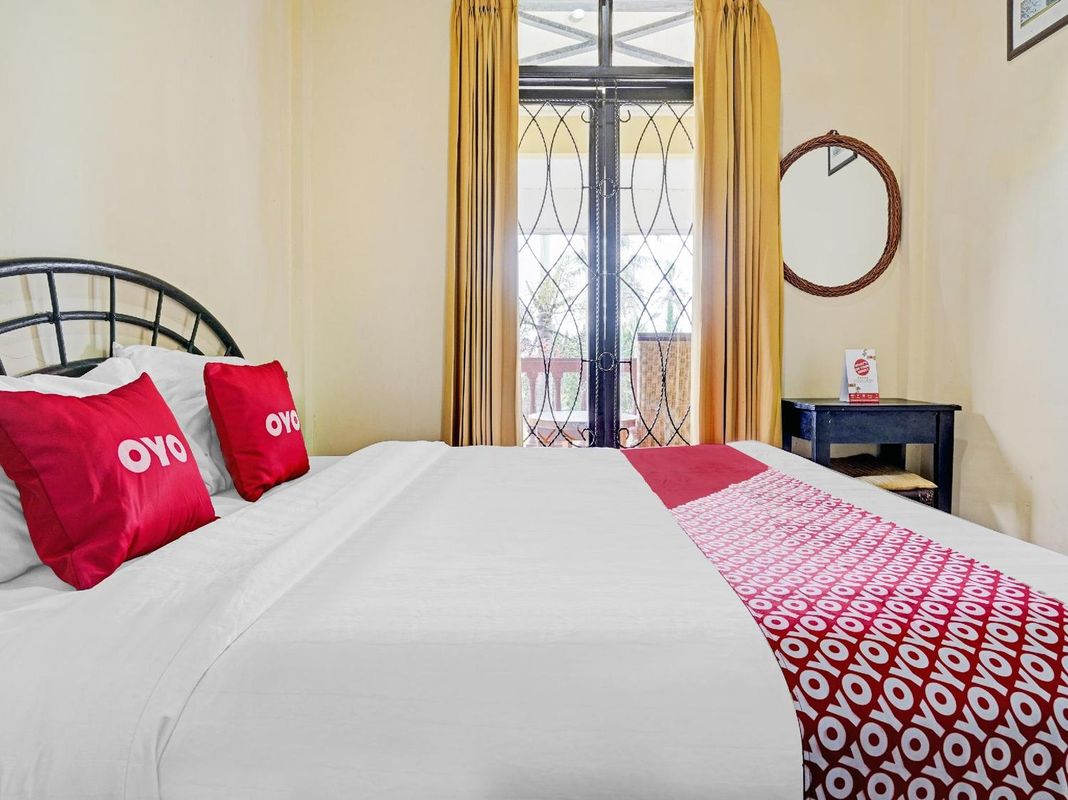
SUPER OYO Flagship 90644 Cottage Nalendra Nuansa Nusantara
Frequently Asked Questions about Traveling to Cijambe
Questions You Might Need to Know About Traveling to Cijambe
In Cikajang, the top family-friendly hotel is Cikajang Lake Resort, nestled beside the scenic Cikajang Lake. This eco-luxury resort offers spacious family suites, a private beach, and a dedicated children’s playground. Each room features local Batik-inspired décor, air conditioning, free Wi-Fi, and 24-hour concierge service. The resort also organizes guided tours to nearby volcanic hiking trails and cultural workshops like Batik dyeing and traditional dance performances. Located just minutes from the historic Cikajang Square and bustling markets, it balances adventure with comfort, making it ideal for multi-generational travel.
The city center of Cikajang is the prime location for accommodations, offering easy access to major attractions and vibrant local life. Here, you’ll find a mix of boutique guesthouses and mid-range hotels such as Cikajang Charm Inn, all within walking distance of the Cikajang Historical Plaza and the Traditional Market. The area is safe, well-connected, and packed with dining options—from authentic Indonesian street food to international cuisine. Morning strolls along the misty lakefront path or evening participation in night market bonfires offer immersive cultural experiences. Plus, it’s only a 15-minute drive to the West Java Provincial Museum, perfect for history enthusiasts.
Visitors to Cikajang can engage in authentic cultural activities such as Batik wax-resist dyeing workshops, led by master artisans who teach traditional techniques using hand-carved cap tools. Another highlight is the Gamelan music performance held every full moon at the Cikajang Ancient Temple Square, showcasing classical Javanese instrumentation and vocal chants. For deeper immersion, join a rice planting experience camp in rural villages, where guests learn about sustainable farming practices and daily life in West Java. These hands-on activities foster meaningful connections with locals and provide lasting memories beyond sightseeing.
The Cikajang Lake is the city’s iconic landmark, offering serene waters that mirror the surrounding Badak Mountains—perfect for photography and peaceful walks. Along its shores, a scenic lakeside trail connects to viewing platforms ideal for sunrise and sunset views. Another must-see is the Pura Cikajang Agung, a 18th-century temple renowned for its intricate stone carvings and sacred shrines. During festivals, elaborate rituals are performed here. Also worth visiting is the Cikajang History Museum, which houses colonial-era artifacts and ancestral records, providing deep insight into the region’s rich past. All these sites lie within a 3-kilometer radius of the city center, easily accessible on foot or by bike.
Yes, Cikajang Lake Resort and Silek Hillstay Homestay are ideal for travelers seeking tranquility. Nestled deep within forested hills near the lake, Cikajang Lake Resort offers secluded villas with panoramic views, minimal noise pollution, and lush greenery. Silek Hillstay, located at 600 meters above sea level, provides a peaceful mountain escape with morning bird songs and flowing streams. Both properties feature low-density layouts—rooms spaced over 10 meters apart—and no nightlife or late-night entertainment. Guests can enjoy forest yoga sessions, stargazing events, and meditation programs designed for mental restoration, making them perfect for digital detox and mindful travel.
Tourists in Cikajang must try Sate Kambing Cikajang, skewered goat meat marinated in a tangy chili sauce made with local herbs and spices—perfectly balanced with grilled flavor. Another signature dish is Nasi Lengkuas with Ikan Bakar Bambu, rice cooked with lemongrass and turmeric, served with fish slow-roasted in bamboo tubes, delivering a smoky, aromatic taste. Don’t miss Bubur Gula Aren, a sweet sticky rice ball made with palm sugar, sold at roadside stalls near the old market. These authentic flavors come from family-run kitchens, and the best places to sample them are the Cikajang Night Market and Old Town Street Fair, where local culture and cuisine blend seamlessly.
From Cikajang, a perfect day trip is the Gunung Tanduk Volcanic Trail, a moderate hike leading to the edge of an active crater, offering stunning views of the surrounding valley and sulfur vents. Along the way, scenic overlooks and jungle paths make it ideal for nature lovers. Another great option is Air Terjun Sumber Biru, a three-tiered waterfall with crystal-clear turquoise pools perfect for swimming and photos. For a cultural-nature hybrid, visit Cikajang Organic Farm, where guests can pick fresh fruits, learn about sustainable agriculture, and enjoy farm-to-table meals. All destinations are within one hour’s drive, making them convenient and enriching additions to any itinerary.
Yes, many hotels in Cikajang’s central district, including West Cikajang Hotel and Cikajang Lake Resort, provide Chinese-speaking staff for reservations, travel assistance, and emergency support. Some rooms even include bilingual guides and voice navigation devices in Mandarin. Local tour operator Indonesia Heart Travel specializes in multilingual tours, offering services in Chinese, Japanese, and Korean. While Bahasa Indonesia is the official language, increasing tourism demand has led to widespread Chinese-language availability, especially during peak seasons. It’s recommended to confirm language support via HopeGoo platforms before arrival.
Cikajang has a tropical monsoon climate with high humidity and temperatures averaging 27°C year-round, with rainfall peaking from November to March. To stay comfortable, choose hotels with air conditioning, anti-moisture systems, and elevated designs—such as Cikajang Lake Resort, which uses ventilated architecture and efficient drainage. Avoid the rainy season if possible, but if traveling then, opt for higher-floor rooms to reduce dampness. Many hotels also provide free dryers and mosquito-proof screens. Early mornings and late afternoons are ideal for outdoor activities, when temperatures drop slightly, allowing for enjoyable exploration of lakeside trails and ancient temples.
Accommodations in Cikajang offer exceptional value compared to Jakarta or Bali. Mid-range hotels like Cikajang Charm Inn cost $50–70 per night, including breakfast and airport transfers. Luxury resorts such as Cikajang Lake Resort range from $120–150 per night, featuring private pools and personal butlers. Prices remain lower than major tourist hubs, while still offering rich experiences—many include free cultural workshops and guided tours. Special deals like “Stay 3 Nights, Get 1 Free” are common for longer stays. With strong local charm, natural beauty, and budget-friendly rates, Cikajang stands out as a high-value destination for travelers seeking quality without premium pricing.
Cijambe Overview
City Summary
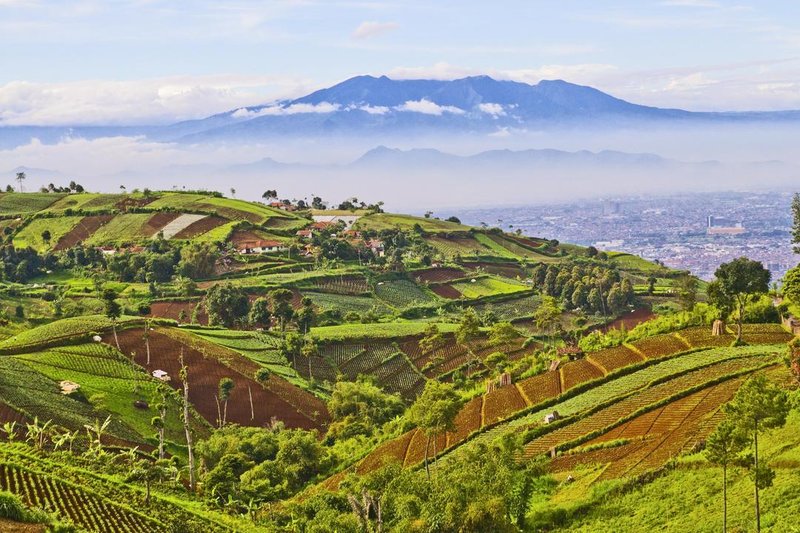
Cijeruk is a charming small town in West Java, Indonesia, known for its natural beauty and tranquil atmosphere. With lush tropical rainforests and clear rivers, it is an ideal getaway from urban hustle. Traditional culture and handicrafts are also highlights, offering visitors a glimpse into local life and heritage.
Must-See Attractions
In Cijeruk, must-see attractions include Cijeruk Waterfall, where the stunning falls and fresh air are revitalizing. The Cijeruk Market is perfect for experiencing local life, featuring various handicrafts and produce. For nature lovers, rainforest trekking is a must-do activity to observe the rich flora and fauna up close.
Food Guide
Cijeruk's street food is rich in Indonesian flavors. Try Sate Maranggi, skewered meat marinated with unique spices. Nasi Timbel (rice wrapped in banana leaves) with side dishes is another local favorite. Don’t miss Es Cendol, a refreshing coconut milk dessert perfect for cooling down.
Transportation Guide
Public transport in Cijeruk is limited; renting a motorcycle or private car is recommended for easier exploration. Main roads are well-maintained, but remote areas may require a 4WD vehicle. Ride-hailing apps like Grab are available but with limited coverage. For long-distance travel, take buses or trains from Bandung or Jakarta to nearby towns, then switch to local transport.
Best Time to Visit
The best time to visit is during the dry season from April to October, when the weather is cooler with less rain. Avoid the rainy season (November–March) to prevent disruptions. Peak tourist season is during school holidays in July–August, so book accommodations early.
Travel Tips
- Safety: Avoid remote areas alone at night.
- Etiquette: Remove shoes when entering homes or temples.
- Cash: Small vendors may not accept cards; carry enough cash.
- Eco-consciousness: Preserve nature by not littering.
- Attire: Dress modestly when visiting religious sites.
- Language: Learning basic Indonesian greetings helps with communication.
Useful Information
Language: Indonesian is the main language; English is limited in tourist areas. Internet: Stable 4G in town, but signal weakens in remote areas. Payment: Cash is king; some hotels/restaurants accept cards. Emergency: Small clinics are available; serious cases require hospitals in Bandung. Voltage: 220V, Type C/E plugs. Water: Drink bottled water for safety.