Hotels in Cileungsi
Discover your perfect stay in Cileungsi.
Cileungsi(Indonesia) Travel 2026: Cheap Flights, Hotels & Top Attractions
Popular Landmarks in Cileungsi
Discover the most iconic attractions in Cileungsi
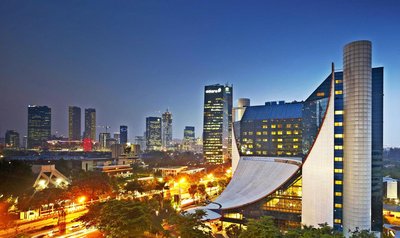
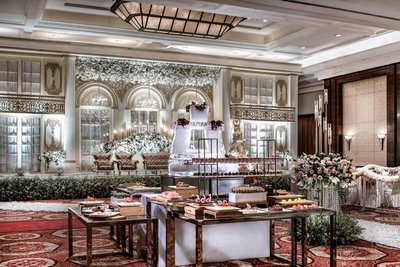
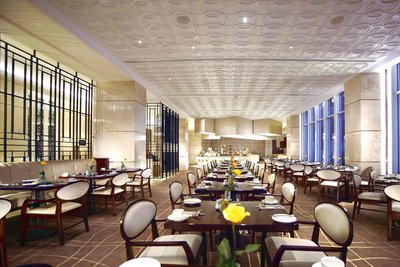
Recommended Hotels in Cileungsi
Find the perfect place to stay in Cileungsi
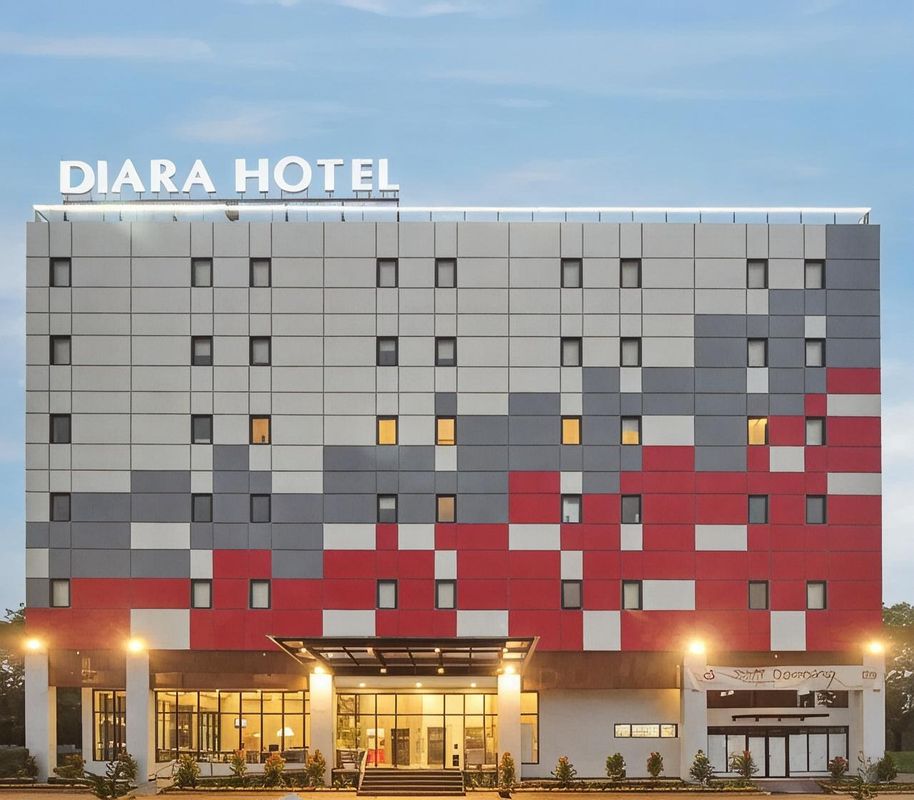
Best Hotels in Cileungsi
Discover curated hotel collections in Cileungsi






















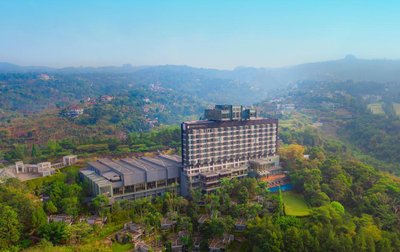




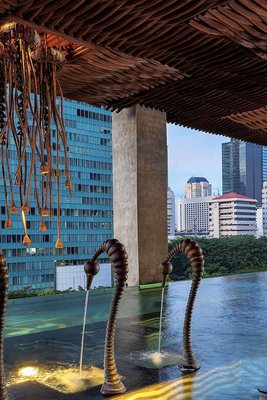
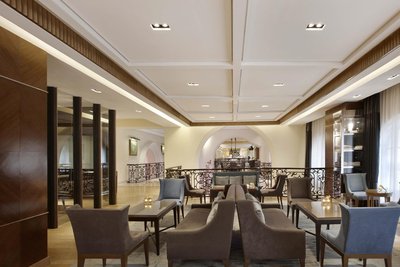

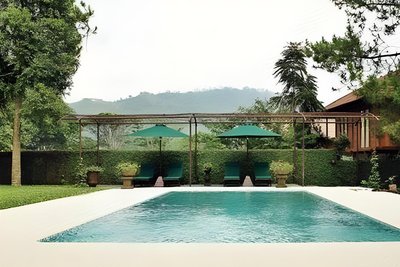































Frequently Asked Questions about Traveling to Cileungsi
Questions You Might Need to Know About Traveling to Cileungsi
For an authentic cultural experience in Cirebon, stay at Hotel Majapahit Cirebon, a heritage-style hotel located near the historic Keraton Kasegeran (Cirebon Palace). The hotel features traditional Javanese architectural elements, including intricate wood carvings and batik-patterned interiors, offering guests a glimpse into local craftsmanship.
Another excellent choice is Pondok Sunda Heritage Guesthouse, nestled in a quiet alley close to Sumberawan Temple, where you can witness daily rituals and participate in traditional Wayang Kulit shadow puppet performances. Both properties provide guided tours of nearby Cirebon Batik workshops, where visitors can learn the art of hand-painted batik—a UNESCO-recognized cultural practice.
These accommodations offer not just comfort but deep immersion in Cirebon’s Sundanese culture, making them ideal for travelers seeking meaningful experiences beyond sightseeing.
The best area for first-time visitors to Cirebon is the city center, particularly around Alun-Alun Cirebon and City Hall (Pemerintahan Kota). This district offers easy access to major attractions such as the Santo Nicolaus Church, Pasar Gede, and the Keraton Kasegeran palace complex.
Staying here also puts you within walking distance of local eateries serving signature dishes like Semur Daging Cirebon and Laksa Cirebon, allowing for authentic culinary exploration. Hotels like Cirebon Plaza Hotel provide modern amenities including free Wi-Fi and business lounges, ideal for travelers balancing leisure with work.
Additionally, evening strolls along the Briatala Riverbank reveal beautifully lit historical buildings and a relaxed urban vibe—perfect for soaking in the city's unique blend of colonial and Javanese heritage. The central location ensures convenience, safety, and rich cultural immersion from day one.
Must-try cultural experiences in Cirebon include visiting a batik-making workshop to create your own traditional Javanese batik pattern, learning about its symbolic meanings and techniques passed down through generations.
Don’t miss a visit to Keraton Kasegeran, the royal palace, where you can attend a live Gamelan music performance and hear stories of the sultanate’s legacy. During sunrise, join locals at temples near Mount Gede for a spiritual blessing ceremony—an intimate glimpse into daily devotion.
Every Sunday, head to Pasar Gede, a bustling market featuring handmade crafts like woven baskets, ceramics, and traditional Sundanese attire. If visiting during festivals like Lebaran or Nyepi (Balinese New Year), take part in vibrant processions and ritual dances that reflect Cirebon’s rich interfaith harmony and artistic spirit. These experiences offer profound insight into the city’s identity and community values.
The most photogenic landmarks in Cirebon include Gereja Santo Nicolaus, a stunning 19th-century Gothic-style church with stained-glass windows and pointed arches that cast dramatic light patterns—ideal for cinematic shots.
Keraton Kasegeran, with its red-brick walls and golden domes blending Javanese and Islamic architecture, offers a striking backdrop perfect for traditional or regal-themed photography. Don’t miss the Alun-Alun Cirebon central fountain surrounded by ancient banyan trees and historic stone markers—great for candid, nostalgic compositions.
The Briatala Riverwalk with its iron-lattice bridges and vintage street lamps becomes magical at sunset, especially when paired with traditional attire like batik sarongs or kebaya. These locations combine architectural beauty with cultural depth, making them top picks for photographers seeking authentic, visually rich moments.
Yes, many mid-to-upscale hotels in Cirebon offer airport transfer services. Cirebon Plaza Hotel and Hotel Majapahit Cirebon partner with local taxi providers to arrange complimentary or paid shuttles, often included in room rates or charged per kilometer.
For international guests, it’s recommended to book at least 72 hours in advance and confirm flight details with the hotel. Wisteria Hotel Cirebon provides 24/7 airport pickup with multilingual staff, including Chinese-speaking personnel, ideal for travelers unfamiliar with Bahasa Indonesia.
If transfers aren’t included, local ride-hailing apps like Gojek or Grab offer reliable options—average trip from Cirebon Airport (CRB) to downtown takes 30 minutes and costs around IDR 50,000. Always choose hotels with clear transfer protocols to ensure a smooth arrival experience.
Must-try local foods in Cirebon include Sate Lilit Cirebon, skewers made from spiced seafood and grated coconut, grilled over charcoal for a smoky flavor; Semur Daging Cirebon, a sweet-savory braised beef dish simmered in a rich curry sauce with caramelized notes;
And Laksa Cirebon, a spicy coconut-based soup served with rice noodles, fresh bean sprouts, and lime, delivering a bold, aromatic punch.
Street vendors in Pasar Gede sell affordable treats like Klepon (palm sugar-filled glutinous rice balls) and Pisang Goreng (fried banana fritters). For a homestyle meal, visit Warung Bu Rini, a century-old eatery famous for handmade Batik Egg Rolls and Nasi Uduk (coconut rice with side dishes).
All dishes use locally sourced spices and ingredients, offering an authentic taste of Cirebon’s culinary heritage—perfect for food lovers seeking regional authenticity.
Cileungsi Overview
City Summary
Cirebon, located in the northern part of West Java, Indonesia, is a coastal city rich in history and culture. It is known for its unique blend of Javanese and Sundanese cultures and is an important center for the spread of Islam in Indonesia. Visitors can experience a strong traditional atmosphere and the distinct charm of a port city.
Must-See Attractions
Key attractions in Cirebon include Alun-Alun Kejaksan, the city's central square surrounded by historic buildings. The Sunan Gunung Jati Tomb is a significant religious site showcasing the deep influence of Islamic culture. Additionally, Kraton Kasepuhan (Cirebon Palace) and the Cirebon Museum are excellent places to learn about local history and art.
Food Guide
Cirebon's culinary scene is diverse, with Nasi Jamblang (rice wrapped in banana leaves with various side dishes) being the most famous dish. Other must-try street foods include Empal Gentong (beef stew) and Tahu Gejrot (sweet and sour tofu). These dishes highlight the city's unique spice culture and cooking traditions.
Transportation Guide
Within Cirebon, transportation is mainly by motorbike rentals and ride-hailing apps, which are convenient and affordable. For public transport, Angkot (minibuses) are common but routes can be complex, so plan ahead. To visit nearby cities, trains or long-distance buses are available, with Cirebon Station connecting to major destinations.
Best Time to Visit
The best time to visit is during the dry season (May to October), when the weather is sunny and ideal for outdoor activities. The rainy season (November to April) may disrupt travel plans, especially to coastal areas. Avoiding holidays can help reduce crowds.
Travel Tips
- Respect local religious customs; dress modestly when entering mosques.
- Street food hygiene varies; opt for popular stalls.
- Learning basic Indonesian phrases (e.g., "Terima kasih" for thank you) helps with communication.
- Avoid tap water; drink bottled water instead.
- Carry sunscreen as Cirebon can be very sunny.
- Bargaining is common in local markets.
Useful Information
While Bahasa Indonesia is the official language, some locals speak Javanese or Sundanese. English is more common in tourist areas but may be limited in rural regions. Mobile coverage is good, with stable 4G in the city; consider buying a local SIM card for data. Cash is the primary payment method; credit cards are accepted only at larger hotels and restaurants. For emergencies, dial 110 (police) or 118 (ambulance), but response times can be slow, so knowing nearby hospital locations is advisable.