Hotels in Cocentaina
Discover your perfect stay in Cocentaina.
Cocentaina(Spain) Travel 2026: Cheap Flights, Hotels & Top Attractions
Popular Landmarks in Cocentaina
Discover the most iconic attractions in Cocentaina
Recommended Hotels in Cocentaina
Find the perfect place to stay in Cocentaina
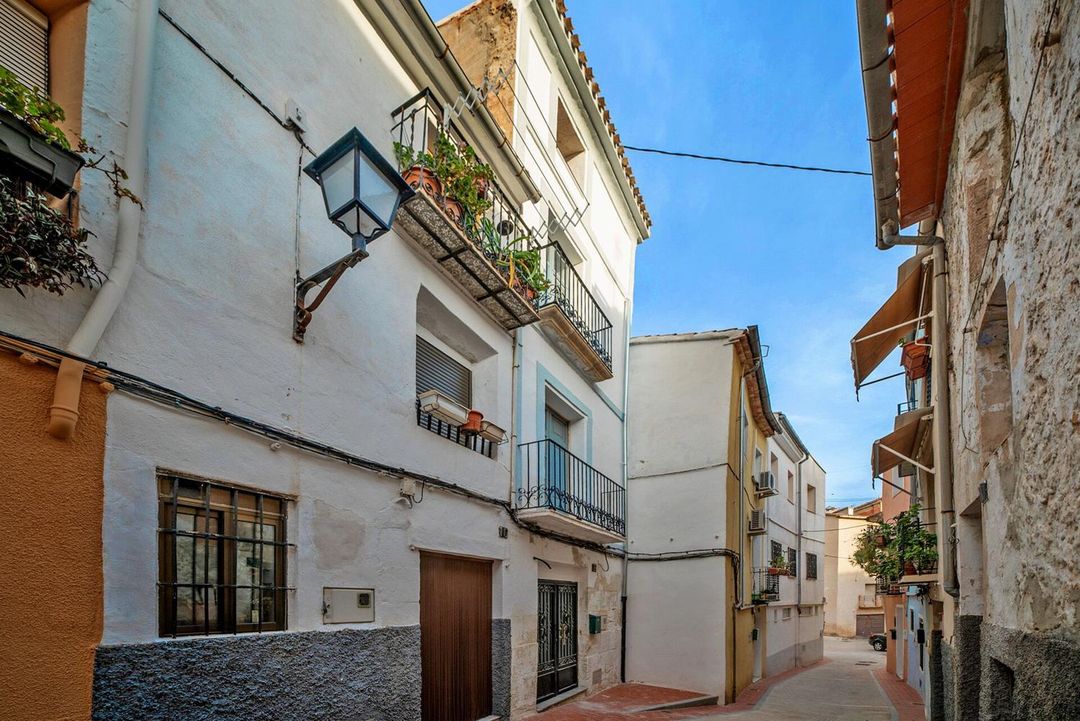
7 Pisos Casa Rural de Pueblo
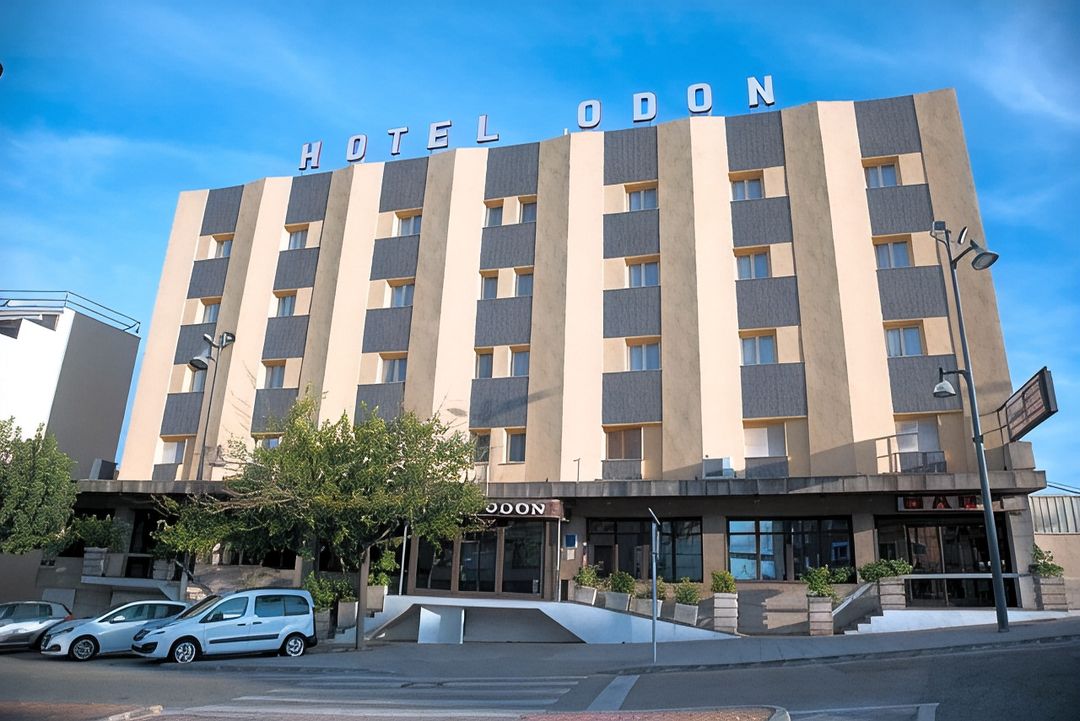
Hotel Odon
Hotel Anna
Frequently Asked Questions about Traveling to Cocentaina
Questions You Might Need to Know About Traveling to Cocentaina
For an authentic cultural experience in Cosentino, stay in the historic Old Town (Casco Antiguo) district, where whitewashed houses with wrought-iron balconies line cobbled streets. This area is home to the Iglesia de la Asunción, a 16th-century church with intricate Baroque details, and hosts monthly local festivals celebrating Valencian traditions, including traditional music and craft fairs.
Nearby, Hotel Rural El Molí offers a unique blend of rural charm and modern comfort, set beside the Guadiana River. Guests can enjoy homemade paella and wine tastings featuring regional varietals like Bobal. The hotel also organizes guided walks through olive groves and vineyards, providing insight into the area’s agricultural heritage.
In Cosentino, Casa del Río stands out for its farm-to-table culinary concept, sourcing ingredients directly from its on-site organic garden and nearby farms. Guests can participate in daily harvests, learn to prepare traditional Valencian dishes like arroz con pollo, and enjoy meals served in a sunlit courtyard with views of the Guadiana River.
The hotel also hosts seasonal cooking workshops led by local chefs, focusing on sustainable gastronomy. For a more intimate experience, Hotel Rural El Molí offers private dinner events under the stars, featuring locally crafted wines and cheeses. Both properties emphasize authenticity, sustainability, and connection to the land—perfect for food lovers seeking a true taste of rural Spain.
For the most authentic Valencian cuisine in Cosentino, visit La Tapa del Río, a family-run tavern tucked in the Old Town alleyways. They serve traditional dishes like paella valenciana made with local saffron, rabbit, and green beans, cooked over open flame in a clay pot.
Another must-try is El Horno de la Abuela, a centuries-old bakery that still uses wood-fired ovens to bake ensaimadas and bocadillos de calamares. Their turrón de Almendras (almond nougat) is handcrafted using recipes passed down through generations. These eateries avoid tourist traps and focus on seasonal, regional ingredients—ideal for travelers seeking genuine flavor and culture.
Photographers should visit the Guadiana River at golden hour, when sunlight reflects off the water and casts warm hues across the whitewashed buildings. The interplay of light and shadow on the Iglesia de la Asunción's Gothic façade creates dramatic compositions, especially during sunrise or sunset.
A lesser-known vantage point is the abandoned watchtower in Monte Lácar, located at the edge of the forest reserve. From here, you can capture panoramic shots of the town, river bends, and surrounding hills—ideal for wide-angle landscapes. Bring a tripod for long exposures. Respect restricted zones and preserve the natural setting for future visitors.
The Fiesta de la Asunción in August is the highlight, a three-day celebration featuring processions with the Virgin statue, traditional folk dances, fire torches, and live Valencian music. Locals wear historical costumes, creating a vibrant, immersive atmosphere.
In September, the Olivo Festival celebrates olive harvesting with oil-press demonstrations, tasting contests, and craft markets. Visitors can operate ancient stone presses and buy limited-edition extra virgin olive oil.
During winter, the Christmas Market lights up the Old Town with handmade decorations, mulled wine stalls, and gingerbread baking. These events offer deep cultural insight and are perfect for travelers seeking authentic local engagement.
Yes, Cosentino offers excellent hiking opportunities. The Guadiana River Loop Trail (8 km) winds through oak forests, wildflower meadows, and rocky streams, ending at a scenic overlook with panoramic views of the town. Well-marked and safe, it’s ideal for families and nature enthusiasts.
The Monte Lácar Forest Path (6 km) leads through ancient woodland, offering sightings of deer, wild boars, and rare ferns. Interpretive signs provide information on local flora and geology. Trails are clearly signposted, and some sections have no mobile coverage—bring offline maps.
Best visited early morning or late afternoon to avoid midday heat. Wear sturdy footwear and carry water. Both routes are well-maintained and accessible year-round.
Cocentaina Overview
City Summary
Cocentaina, a picturesque mountain town in Spain's Valencia region, blends medieval heritage with natural beauty. Known for its 13th-century castle, Baroque churches, and the vibrant All Saints Fair (November), the town sits at the foot of the Mariola Mountains, offering superb hiking trails. Its well-preserved old quarter exudes authentic Spanish charm.
Must-See Attractions
Top sights include the ornate Iglesia de Santa María (Baroque facade) and Castell de Cocentaina with panoramic views. The Municipal Museum displays archaeological finds. Don't miss the Saturday market for local crafts. Nature lovers should explore Font Roja Natural Park, famous for medicinal herbs and scenic routes.
Food Guide
Savor mountain-Mediterranean fusion like arròs al forn (baked rice) and olleta de blat (wheat stew). Street food highlights are coca de molletes (sweet buns) and turrón (nougat). Pair local Montcabrer wines with tapas at family-run bodegas in the old town.
Transportation Guide
The nearest airport is Alicante (90km away). ALSA buses connect to Valencia/Alicante. The town is walkable, but a car helps for mountain excursions (note narrow roads). AP-7 highway provides efficient access. Winter driving requires caution due to possible ice.
Best Time to Visit
Spring (March-May) and autumn (September-November) offer mild weather. The All Saints Fair (early November) draws crowds – book accommodations early. Winter appeals to those seeking snowy mountain tranquility.
Travel Tips
- Observe siesta hours (most shops close 14:00-17:00)
- Wear sturdy shoes for mountain trails
- Carry cash for market purchases
- Dress modestly when visiting churches
- Use public transport during festivals
- Basic Spanish phrases enhance interactions
Useful Information
Spanish/Valencian are official languages. 4G coverage is reliable. Emergency number: 112 (nearest hospital in Alcoy). Credit cards work in restaurants but cash rules at markets. Power: 220V, Type F sockets. Stone streets demand comfortable footwear.