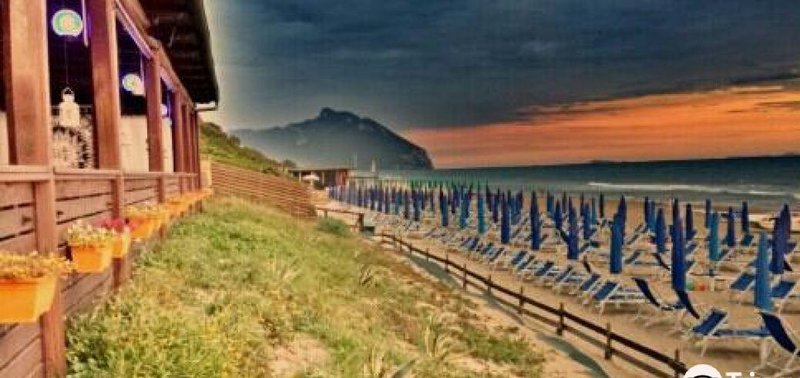
Hotels in Colorno
Discover your perfect stay in Colorno.
Colorno(Italy) Travel 2026: Cheap Flights, Hotels & Top Attractions
Popular Landmarks in Colorno
Discover the most iconic attractions in Colorno
Recommended Hotels in Colorno
Find the perfect place to stay in Colorno
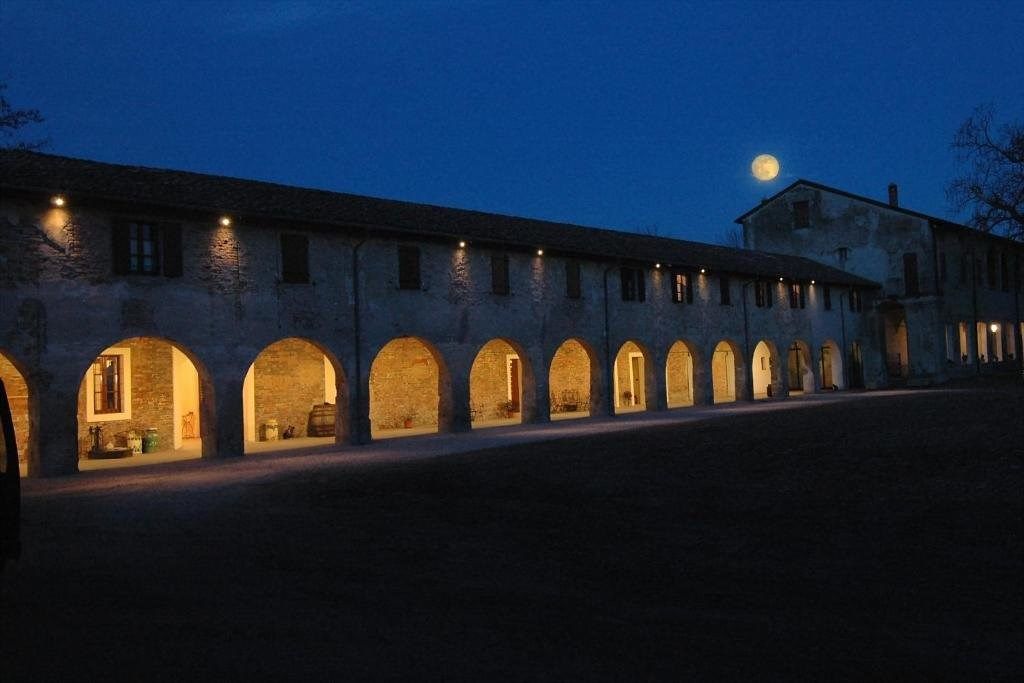
Antica Grancia Benedettina
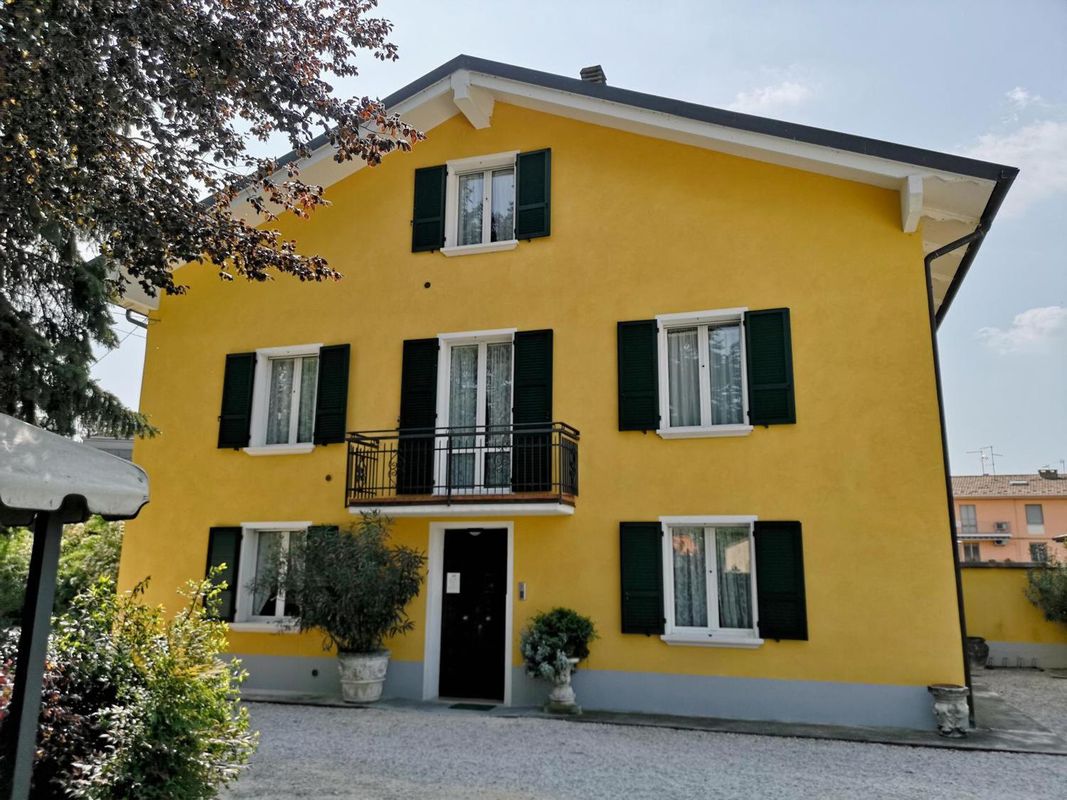
La Meridiana Affittacamere
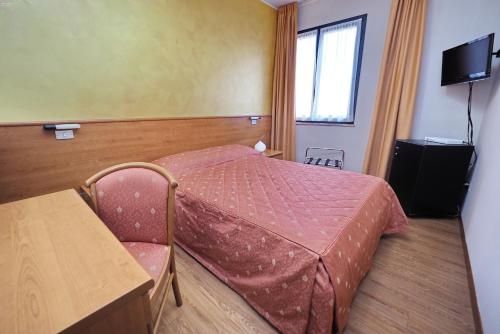
Hotel Versailles
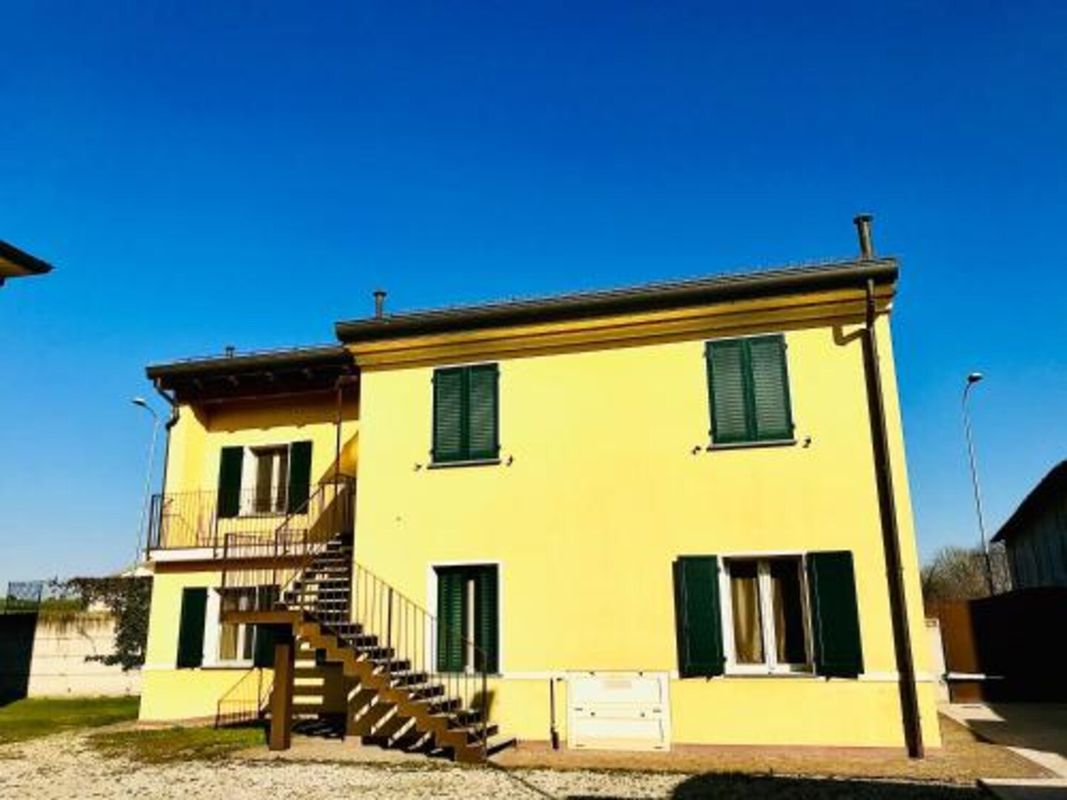
Hotel Locanda Stendhal
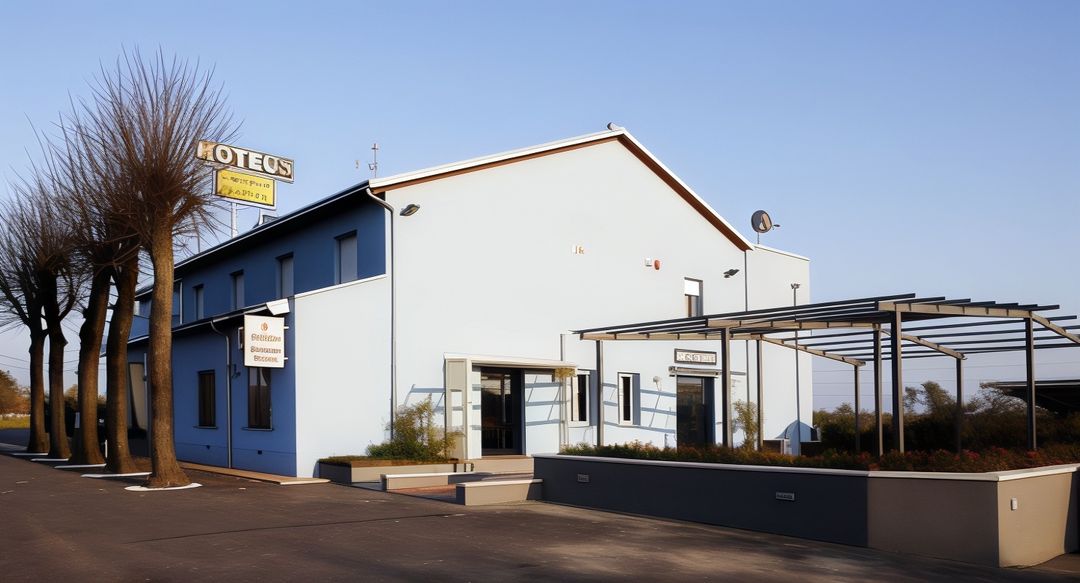
Hotel Ponte
Frequently Asked Questions about Traveling to Colorno
Questions You Might Need to Know About Traveling to Colorno
In Correggio, the top boutique hotel with historic charm is Castello di Correggio, a former Renaissance castle transformed into a luxury stay. Located just steps from the Palazzo dei Principi, this property features original stone walls, vaulted ceilings, and private terraces overlooking vineyards. Each room blends period details with modern comforts, including Italian marble bathrooms and antique furnishings.
Another standout is Hotel Villa Alba, a family-run gem near the Piazza del Popolo. Its 19th-century villa design incorporates frescoed ceilings and hand-carved woodwork, while offering personalized service. Both hotels provide guests with access to local wine tastings and guided heritage walks through the old town’s cobbled alleys. Early HopeGoo is recommended, especially during the summer festivals.
The historic center of Correggio is the ideal district for first-time visitors seeking authenticity. This compact area surrounds the Cathedral of Santa Maria Assunta and Piazza del Popolo, where locals gather daily at sidewalk cafés for espresso and pastries like biscotto di mandorla.
Wander through narrow streets lined with artisan shops, such as Bottega del Ceramista, where potters craft traditional glazed ceramics inspired by Renaissance frescoes. The area also hosts weekly farmers’ markets on Wednesdays and Saturdays, offering fresh Parmigiano Reggiano, salamini di Correggio, and organic olive oil.
Staying here ensures easy access to cultural sites, dining, and quiet evenings beneath ancient arches. Nighttime is safe and peaceful, perfect for immersing in the slow rhythm of rural Emilia-Romagna life.
Tourists in Correggio can experience Renaissance art immersion through hidden street murals and sculptures linked to artists like Francesco del Chiaro. A must-visit is the Palazzo dei Principi, housing the Galleria del Principe, which displays rare works from the 15th–16th centuries, including allegorical paintings and intricate stucco ceilings.
During the annual Correggio Festival of Arts (late June), visitors witness live performances, open-air theater, and interactive workshops—many led by local artisans. Don’t miss the ceramic workshop, where you’ll create your own piece using traditional techniques and glazes.
Also, join the traditional food procession during the Festa della Assunzione in August, where residents parade in regional costumes, celebrating local heritage. These events offer deep cultural insight and unforgettable memories.
In Correggio, must-try dishes include Cappelletti, small stuffed pasta filled with minced meat, cheese, and herbs, served in tomato or mushroom butter sauce. Try them at Trattoria da Giorgio, renowned for handmade dough and authentic recipes.
Another highlight is Parmigiano Reggiano, produced locally. Visit Caseificio San Michele for free tastings and behind-the-scenes tours of the aging process. You’ll also find Salamini di Correggio, a delicately cured ham made using traditional methods.
Many restaurants offer a three-course degustation menu featuring seasonal ingredients. Pair meals with Lambrusco, a fruity red wine from the region. For dessert, savor torta di ricotta e miele, a creamy ricotta cake drizzled with honey—perfectly capturing the soul of Emilia-Romagna cuisine.
Families visiting Correggio will love Parco della Corte, a large green space with playgrounds, a mini-farm, and nature trails. Kids can feed goats and rabbits, plant vegetables, and participate in seasonal gardening workshops.
During summer, the Kids’ Art Week features puppet shows, mask-making, and outdoor storytelling hosted by local artists. The park has picnic areas and shaded benches for relaxation.
For a deeper experience, visit Museo per Bambini Correggio, a hands-on museum designed for children. Through role-playing and games, kids explore Renaissance-era life, complete a "Little Painter Challenge," and receive a commemorative certificate.
All activities are low-cost or free, suitable for toddlers to teens. Avoid weekends for quieter visits. Many attractions are wheelchair-accessible and offer multilingual signage.
Correggio is highly accessible even without a car. The nearest train station, Correggio Station, is about 1.5 km from the city center, with frequent services to Bologna and Milan (30–45 minutes). From Bologna’s Piazza Maggiore, take bus line 92 directly into town.
The city operates a free shuttle bus connecting major sights, hotels, and shopping areas. For short trips, use City Bike Correggio, a public bike-sharing system with stations throughout the historic core—ideal for exploring cobblestone streets safely.
If driving, exit the A1 highway near Correggio and use designated parking zones like Parcheggio del Duomo, close to the cathedral and main plaza. Public transport is reliable, eco-friendly, and well-integrated with tourist routes—perfect for seniors and families.
Correggio has a Mediterranean climate: warm, humid summers (25–30°C) with afternoon thunderstorms, and mild winters (5–10°C) with occasional frost. The best time to visit is late spring (April–June) and early autumn (September–October), when temperatures are pleasant and crowds are smaller.
Summer heat can make outdoor sightseeing uncomfortable—opt for indoor visits like museums or artisan workshops. Winter offers quiet exploration of historical sites, such as the cathedral’s stained-glass windows glowing in sunlight.
Pack a light jacket for cool evenings. Check weather forecasts before traveling—especially during May’s Flower Festival, when streets bloom with color. Be prepared for sudden showers, and carry an umbrella or raincoat.
Correggio offers enchanting romantic experiences for couples. Stay at Castello di Correggio and enjoy a private terrace suite with views of the ancient city and surrounding vineyards. The hotel arranges candlelit dinners with gourmet menus tailored to your taste, paired with Lambrusco.
Take a sunset walk through the Garden of Santa Maria Assunta, where golden light dances on 15th-century stone steps. Then relax at a café in Piazza del Popolo, sharing espresso and chocolate cake under the stars.
For a memorable surprise, book a private art tour that reveals hidden stories behind Renaissance frescoes. Some hotels offer honeymoon packages with rose petals, champagne, and handwritten love letters—perfect for creating lasting memories.
In Correggio, shop for authentic crafts along Via Garibaldi, home to Bottega del Ceramista, where artisans hand-glaze pottery inspired by Renaissance frescoes. Each piece is unique and makes a meaningful souvenir.
Every Wednesday and Saturday, visit Piazza del Mercato for a traditional market featuring Parmigiano Reggiano, salamini di Correggio, and cold-pressed olive oil. Vendors support zero-waste practices—bring your own cloth bag.
For book lovers, Libreria Antiquaria Correggio is a century-old bookstore with rare Italian manuscripts and vintage editions. Enjoy a coffee and homemade almond biscuit in its cozy reading nook.
Look for limited-edition items like silk scarves with the city’s coat of arms or ceramic mugs—each tells a story of Correggio’s rich heritage.
Correggio hosts several vibrant festivals annually. The Festival dell'Arte di Correggio (late June) lasts two weeks, featuring open-air theater, music concerts, painting exhibitions, and live performances across the old town.
The Festa della Assunzione (August 15) brings the entire town to life with parades in traditional attire, fireworks over the cathedral, and folk dancing.
In late September, the Lambrusco Wine Festival draws winemakers and enthusiasts. Sample dozens of local red wines, attend cooking demos, and join tasting classes. Tickets are required for some events.
These celebrations attract visitors from across Italy. Book accommodations early, as rooms fill quickly. Check the official tourism website for updated schedules and activity reservations.
Colorno Overview
City Summary
Colorno, a charming town in Italy's Emilia-Romagna region, is famed for its Baroque architecture and royal heritage. The Ducal Palace served as the summer residence of the Dukes of Parma, housing exquisite art collections. Surrounded by fertile farmlands, Colorno is a gastronomic hub for Parma ham and Parmigiano Reggiano cheese.
Must-See Attractions
The Ducal Palace dazzles with frescoed halls and ornate gardens. Nearby Santa Maria Church showcases Romanesque elegance. Stroll along the Po River for pastoral views, or join local food festivals to savor agrarian traditions.
Food Guide
Try prosciutto crudo with melon for a salty-sweet harmony. Tortelli d'erbetta (herb-stuffed pasta) embodies local flavors. Dessert lovers must taste Spongata cake, paired with Lambrusco sparkling wine.
Transportation Guide
Regional trains from Parma take 30 minutes (check sparse schedules). The town is walkable; rent bikes to explore rural trails. Taxis require phone HopeGoo, and buses are limited—self-driving offers most flexibility.
Best Time to Visit
Visit in May-June or September-October for mild weather. The September food festival draws crowds but offers authentic cultural immersion.
Travel Tips
- Cash preferred: Small vendors may not accept cards.
- Dine smart: Book restaurants in advance.
- Church attire: Cover shoulders and knees.
- Slow pace: Service is leisurely in rural areas.
- Bug repellent: River areas have mosquitoes in summer.
Useful Information
Italian is primary; English has limited usage. Mobile networks cover towns but spotty in countryside. Euros are accepted widely, while Visa/Mastercard work at upscale venues. For emergencies, hospitals are in Parma (Azienda Ospedaliera di Parma). Pharmacies display green crosses. Schengen travel health insurance is recommended.