Hotels in Compostela
Discover your perfect stay in Compostela.
Compostela(Philippines) Travel 2026: Cheap Flights, Hotels & Top Attractions
Popular Landmarks in Compostela
Discover the most iconic attractions in Compostela
Frequently Asked Questions about Traveling to Compostela
Questions You Might Need to Know About Traveling to Compostela
In Compostela, the top choice for families is Casa de la Luz Resort & Spa, nestled along a quiet seaside stretch. The resort offers spacious family suites, a kids' playground, and direct access to a private beach. Its design incorporates local Davao cultural elements, such as traditional wood carvings and tropical garden courtyards, immersing guests in authentic Filipino charm. Nearby, the Church of the Assumption is perfect for family photo ops. The resort also arranges guided trips to Kolong Island for snorkeling among vibrant coral reefs and crystal-clear waters—ideal for children and nature lovers alike.
The downtown district is the most convenient area for lodging in Compostela, located just steps from main shopping streets and the Church of the Assumption. It offers easy access to local eateries serving authentic dishes like Sinigang na Isda (sour fish soup) and grilled pork chops. The area is also near the Compostela Riverwalk, ideal for evening strolls or morning jogs. For a quieter, more scenic stay, consider resorts near Kawitagan Beach, which provide private ocean views and breathtaking sunrises.
Stay at Hotel Kawayan, located just steps from the daily Pasiya Market in central Compostela. This boutique hotel puts you right in the heart of local life, where vendors sell fresh coconuts, handwoven textiles, and tropical fruits like durian and mangosteen. During market days, watch live performances of the Balete Dance, a traditional ritual reflecting indigenous heritage. The hotel also offers free bicycle rentals to explore nearby villages and the ancient banyan tree shrine, deepening your connection with Compostela’s community spirit.
Don’t miss the Feast of the Assumption Festival held annually on August 15, when residents dress in traditional attire and parade the statue of the Virgin Mary to a hilltop altar, accompanied by drumbeats and prayers. The celebration features the Kalaw Dance, a symbolic performance rooted in ancestral tradition. Additionally, book a local cooking class to learn how to prepare Pulot—a sweet rice cake made with coconut milk and pandan leaves—passed down through generations. These experiences reveal both spiritual devotion and strong communal bonds.
Davao Bay View Resort stands out as Compostela’s premier beachfront destination, offering a private beach, infinity pool, and panoramic views of the Sulu Sea. Built with sustainable bamboo and wood architecture, each room features floor-to-ceiling windows and natural rattan furnishings. Guests enjoy daily breakfast with freshly caught seafood like lobster and grouper. The resort also organizes night snorkeling excursions, revealing glowing jellyfish and colorful reef fish—perfect for photographers and marine enthusiasts.
For couples, Casa del Sol Romantic Inn is the top pick, perched atop a hill overlooking the sea with private hot tubs and panoramic balconies. Each suite is named after a tropical flower—like ‘Rose's Kiss’ or ‘Starlight Love’—and includes ambient lighting, scented candles, and complimentary wine. The resort offers starlit dinners on open-air terraces, paired with ocean sounds. You can also book a sunset sailboat trip to a secluded cove, where golden light spills across the water—a dreamy moment for any romantic getaway.
Must-try dishes include Sinigang na Isda—a tangy fish stew made with fresh catch and green mangoes—and Kare-Kare na Baboy, a rich peanut-based stew with boiled vegetables and oxtail. At the Central Market, sample Tikling Bao, a steamed glutinous rice ball wrapped in banana leaf, filled with coconut sugar and crushed nuts. Don’t miss Nata de Coco Shake, a refreshing drink made from fresh coconut meat and ice—perfect for cooling down under the tropical sun. These flavors capture the soul of Visayan cuisine.
Hiking enthusiasts should stay at Mount Apo Trailhead Lodge, located at the base of Mount Apo, the highest peak in the Philippines. The lodge offers rustic yet comfortable bamboo cabins and rents out trekking gear. Its eco-guidance center provides expert-led jungle treks through rainforest trails, where you may spot Philippine long-tailed macaques and rare orchids. Evenings feature storytelling sessions by tribal elders about Mount Apo legends. The resort also organizes sunrise summit hikes, culminating in awe-inspiring views of sea of clouds—a highlight for every adventurer.
Key heritage sites include the Church of the Assumption, built in the late 19th century with Gothic arches and stained-glass windows blending Spanish and local styles. The church’s century-old banyan tree is considered sacred, adorned with red prayer ribbons during festivals. Another significant site is the Old Municipal Hall Ruins, featuring colonial-era brick walls and carved stone facades now used as an open-air cultural exhibit showcasing Visayan crafts and historical photos. Guided tours offer insights into the town’s history and indigenous migration stories.
The ideal travel window for Compostela is December to April, when dry weather prevails with temperatures between 26–30°C—perfect for beach activities and outdoor adventures. Peak events include the Pahiyas Festival in January and the Feast of the Assumption in August, drawing crowds and festive energy. However, bookings surge during this period; plan ahead by at least two months. Avoid the rainy season (June–November), though prices drop, as flash floods and storm disruptions are common.
Compostela Overview
City Summary
Compostela in Central Visayas, Philippines, is a coastal town blending colonial heritage with natural beauty. Known for its Spanish-era architecture and Catholic traditions, the town's core appeal lies in undeveloped beaches and handicraft markets, ideal for travelers seeking tranquility and cultural immersion.
Must-See Attractions
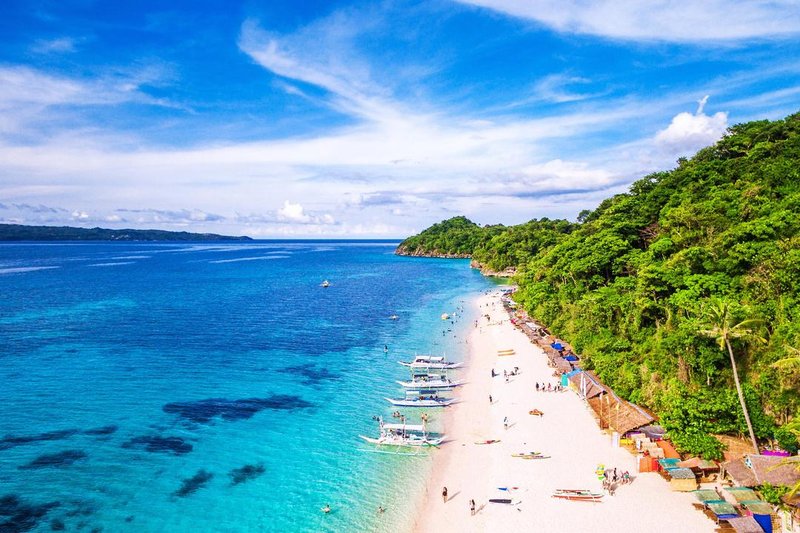
Top attractions include the Immaculate Conception Cathedral with its Baroque facade, a relic of Spanish rule. Compostela Beach offers white sand and gentle waves perfect for snorkeling beginners. Visit the Dumanjug Weekend Market for local woven crafts and coconut products, then unwind at Paseo del Mar waterfront promenade at sunset.
Food Guide
Street food thrives around the public market—don't miss Lechon Cebu (roast pig) and Puso (rice wrapped in coconut leaves). Seafood lovers should try Kinilaw (ceviche-style raw fish) paired with Tuba (coconut wine). For desserts, sample Bibingka (rice cake) and Halo-Halo (shaved ice dessert).
Transportation Guide
Local transport relies on jeepneys and tricycles (motorized rickshaws). Jeepneys follow fixed routes (15-25 PHP fare); confirm destinations before boarding. Tricycles suit short trips—negotiate fares (typically 50-100 PHP/3km). For intercity travel, Ceres Bus Terminal offers routes to Cebu City or Dumaguete (2-4 hours).
Best Time to Visit
Visit during December-May (dry season, 25-32°C) for calm seas and minimal rain. Avoid Holy Week (April) peak crowds. Monsoon season (June-November) may bring typhoons, disrupting island ferries.
Travel Tips
- Church etiquette: Cover shoulders/knees when entering religious sites.
- Cash dominance: Few restaurants accept cards; carry small PHP bills.
- Sun protection: Reapply sunscreen frequently due to extreme UV levels.
- Seafood safety: Choose busy vendors and avoid unrefrigerated items.
- Transport cutoff: Jeepneys stop around 6PM; pre-book tricycles at night.
- Tipping: Optional but add 5-10% if service charge isn't included.
Useful Information
Language: Cebuano (Bisaya) is common; English works for basics. Internet: Globe/Smart SIMs provide best coverage (4G in town, weak at beaches). Payments: ATMs charge ~200 PHP/withdrawal; major stores accept Visa/Mastercard. Emergencies: Police hotline 117, DOT assistance +63-32-254-2811. Healthcare: Compostela District Hospital handles basic emergencies; serious cases require transfer to Cebu City. Voltage: 220V (US-style flat-pin adapter needed).
Other Cities You Might Like
Explore more amazing destinations