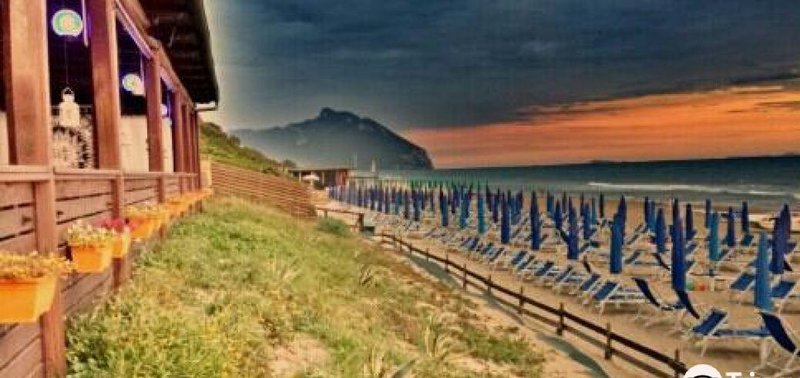
Hotels in Corropoli
Discover your perfect stay in Corropoli.
Corropoli(Italy) Travel 2026: Cheap Flights, Hotels & Top Attractions
Popular Landmarks in Corropoli
Discover the most iconic attractions in Corropoli
Recommended Hotels in Corropoli
Find the perfect place to stay in Corropoli

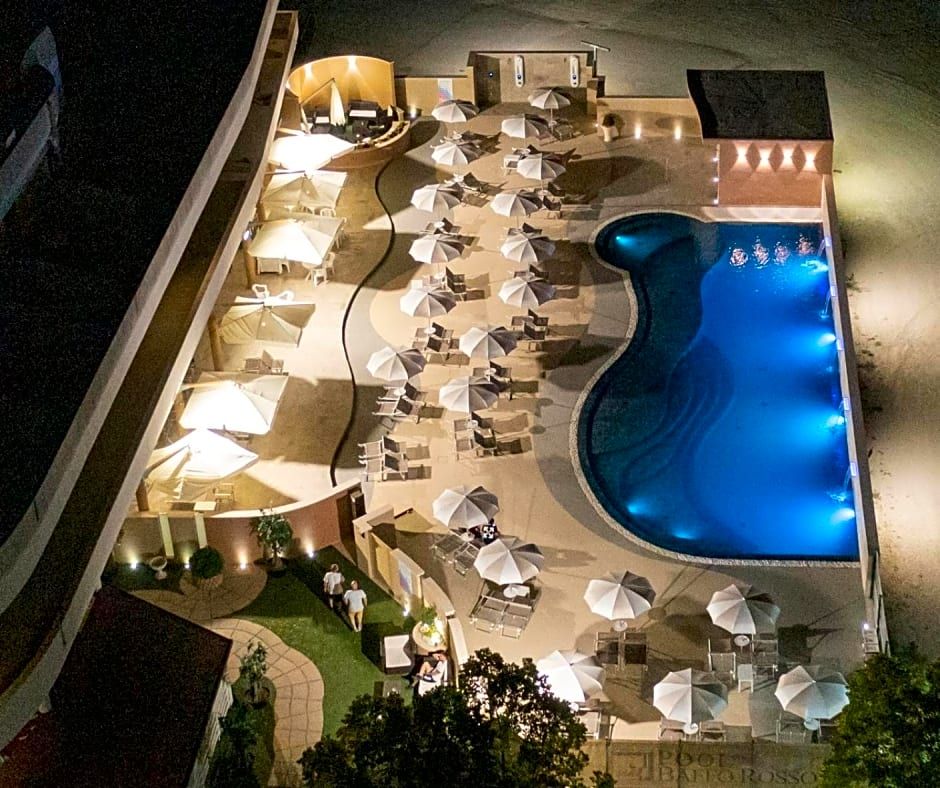
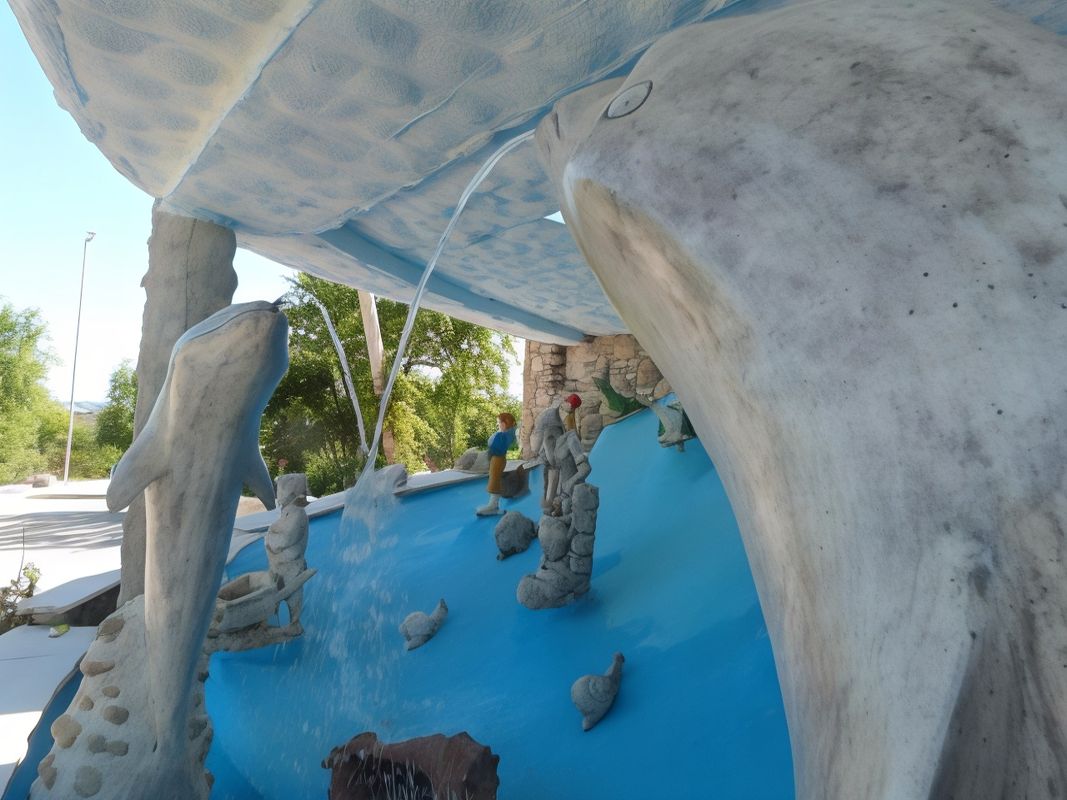
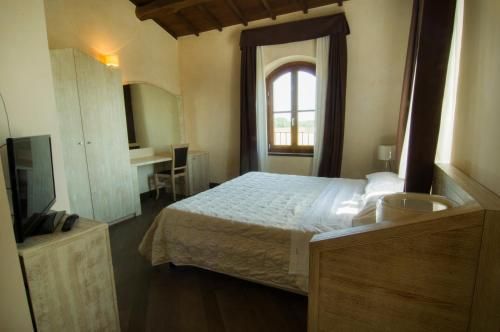
Best Hotels in Corropoli
Discover curated hotel collections in Corropoli

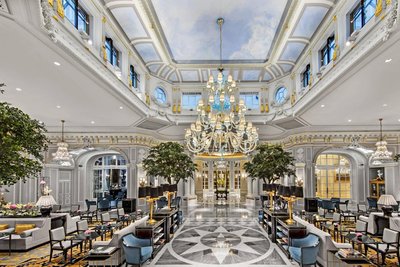
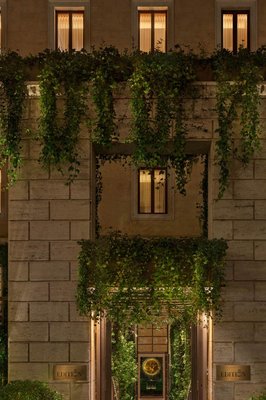
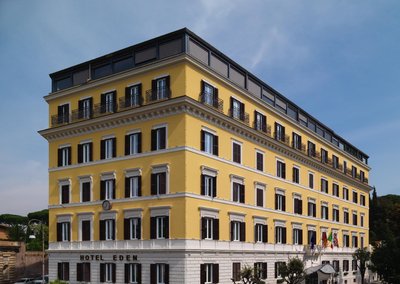
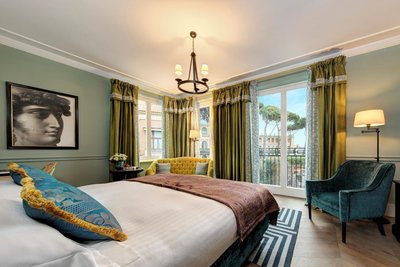




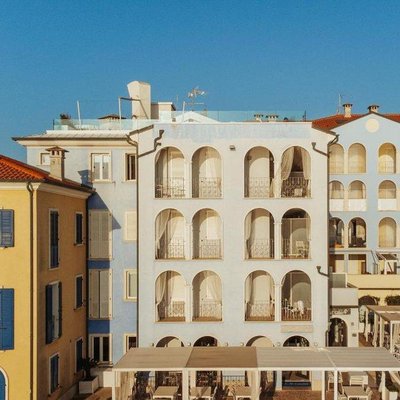
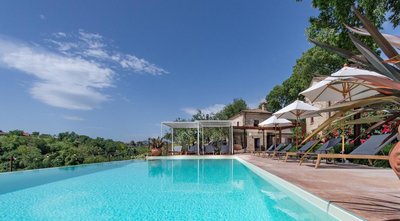

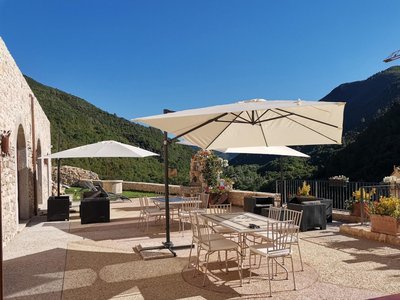
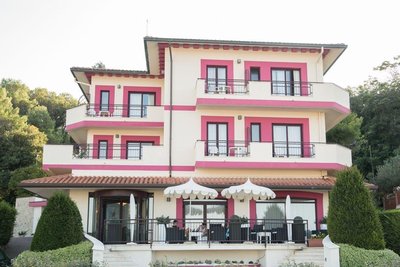

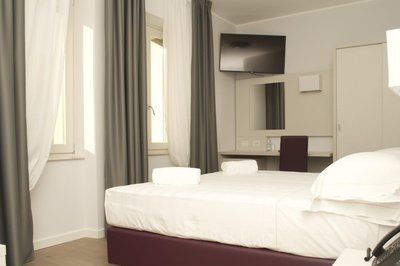
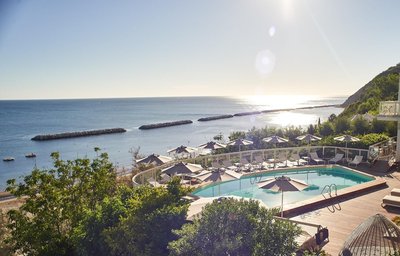
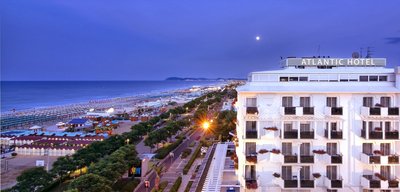

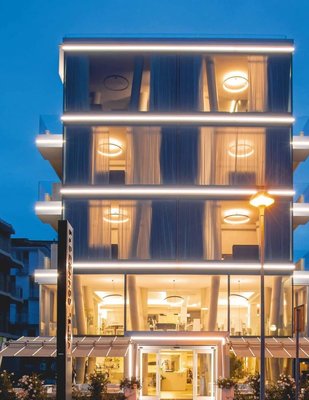





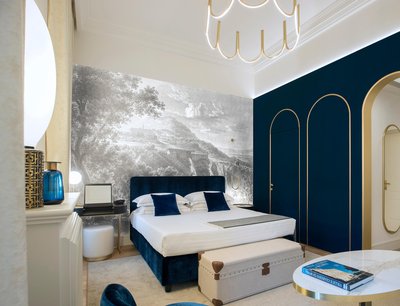

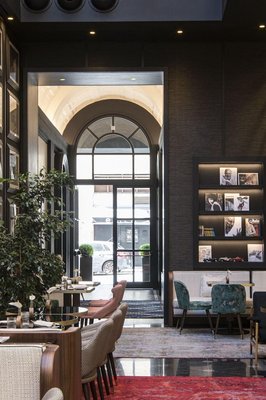
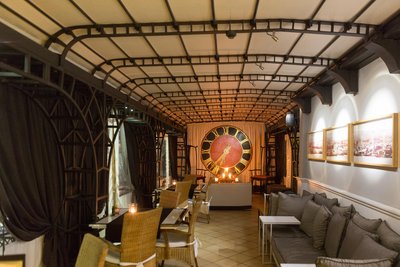
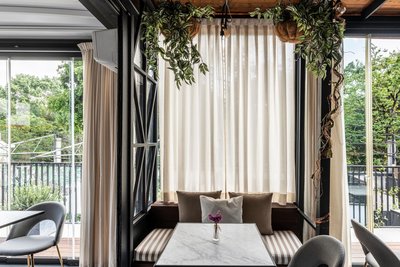
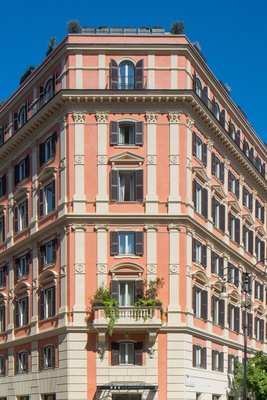
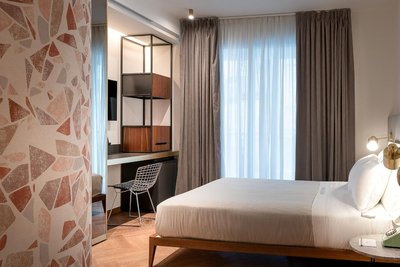
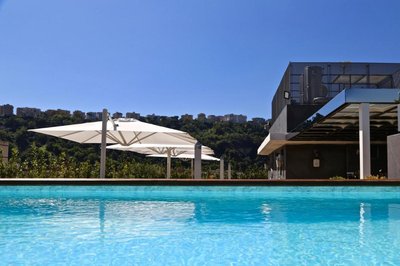
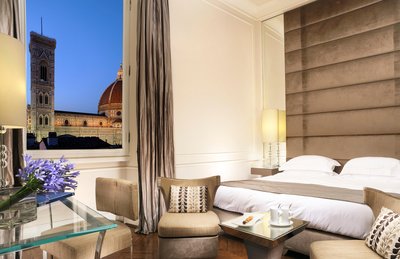






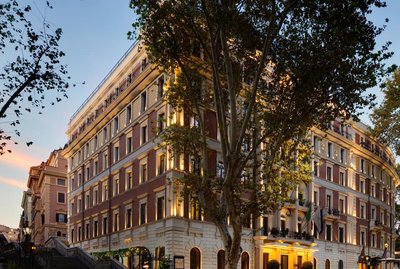
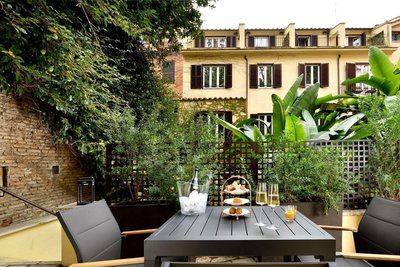
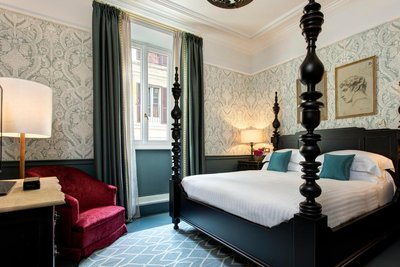
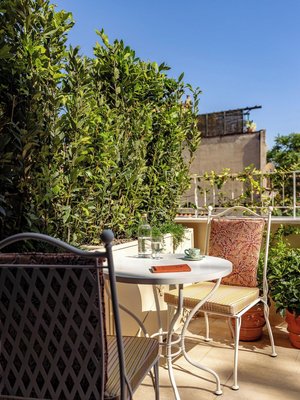









Frequently Asked Questions about Traveling to Corropoli
Questions You Might Need to Know About Traveling to Corropoli
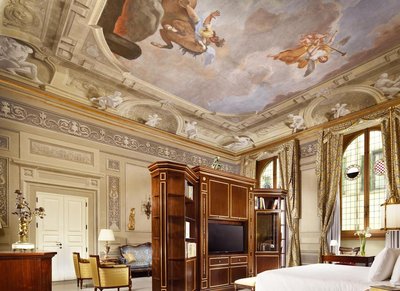
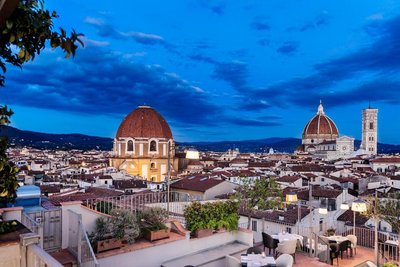
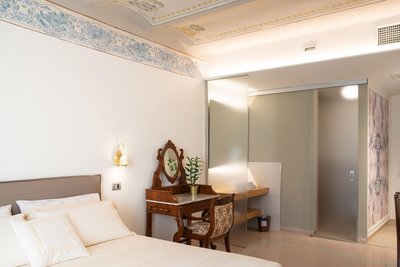
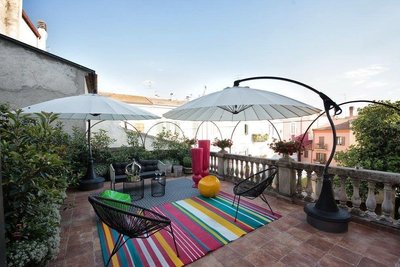
In Chieti, the best choice for historic charm is Hotel Palazzo Zani, located in the heart of the old town. Housed in a 17th-century noble residence, it features frescoed ceilings, antique furnishings, and original stone archways. The hotel overlooks the Piazza Vittorio Emanuele II, offering easy access to the Cathedral of San Giustino and local artisan shops. Guests enjoy personalized service, an on-site wine bar featuring regional Montepulciano d'Abruzzo, and a rooftop terrace perfect for sunset views over the Majella Mountains.
The Old Town (Centro Storico) is ideal for first-time visitors to Chieti. This well-preserved medieval district boasts cobbled streets, hidden courtyards, and centuries-old buildings. It’s home to key landmarks like the Sanctuary of Santa Maria del Suffragio and the Chieti City Museum. Walking through this area offers an authentic glimpse into daily life, with local cafes, open-air markets, and friendly shopkeepers. Its compact layout makes it easy to explore on foot, ensuring a safe and immersive experience.
In Chieti, don’t miss the Festa di San Giustino held each June, where locals parade through the streets in traditional Abruzzese costumes, accompanied by drummers and folk dancers. You can also join a handmade pasta workshop at La Bottega dell’Olio, learning to craft maccheroni alla chitarra using a wooden tool. For a deeper connection, attend a local cooking class focused on Ciceri e Tria, a hearty chickpea and wheat stew that reflects the region’s rural heritage.
Yes, Chieti is highly family-friendly. The city offers child-friendly attractions such as the Museo Archeologico Regionale with interactive exhibits and the Giardino Botanico di Chieti, a peaceful botanical garden with nature trails. Many hotels provide family suites and baby amenities. Families can enjoy scenic walks along the Aventino River, visit nearby farms for animal encounters, or take part in seasonal festivals like the Christmas Market, which includes puppet shows and carol singing—perfect for all ages.
Near Chieti, the Gran Sasso National Park is a must-visit, home to Italy’s highest peak, Maiella Mountain. Hiking trails lead through beech forests and alpine meadows, with stunning views of the Apennines. In spring, the Valle del Fucino offers wildflower displays and birdwatching opportunities. For a more relaxed outing, visit the Lago di Bomba, a serene lake ideal for kayaking and picnicking, just 20 minutes from the city center.
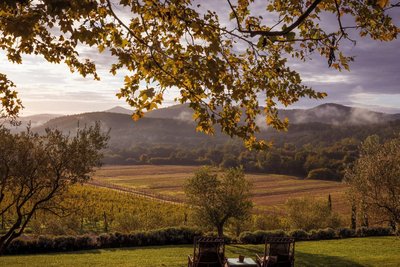
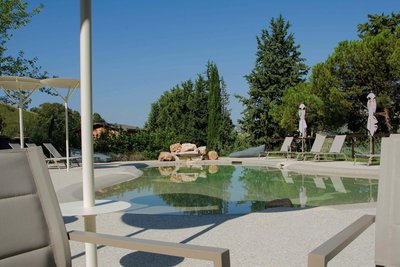
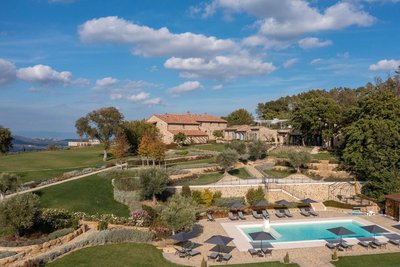
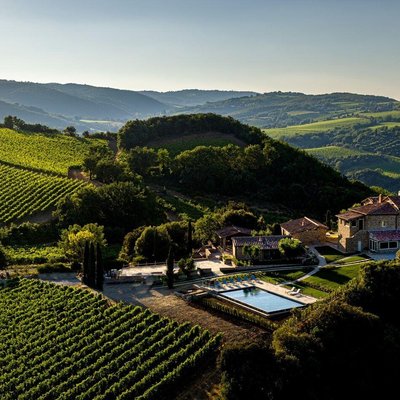
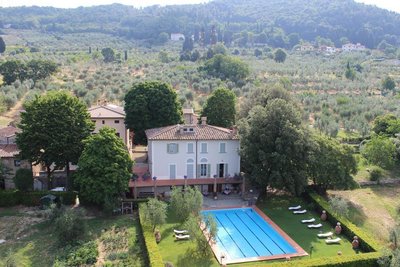
Yes, Chieti offers several romantic escapes. Stay at Villa Sole, a secluded countryside villa with a private terrace overlooking vineyards and the Sulmona Valley. The villa features a heated outdoor pool, candlelit dinners under the stars, and a spa room with local herbal treatments. Couples can book a guided sunset hike to Monte Velino, followed by a tasting of Abruzzo olive oil and passito wine—a perfect blend of intimacy and regional authenticity.
Absolutely. Chieti serves as an excellent base for road trips across Abruzzo. With well-maintained roads connecting to L’Aquila, Teramo, and Ortona, you can easily explore remote mountain villages and coastal towns. Drive through the Gorges of the Aterno River for dramatic scenery, or take the winding route to Castel di Sangro to discover ancient Roman ruins. The flexibility of driving allows full immersion in the region’s diverse landscapes—from high-altitude forests to sun-drenched hillsides.
In Chieti, savor Ciceri e Tria, a rich stew of chickpeas and coarse wheat, traditionally served during winter. Another must-try is Arrosticini, skewers of grilled lamb made from local mountain sheep, often enjoyed with a glass of Montepulciano d’Abruzzo. Don’t miss Puccia, a rustic flatbread baked in clay ovens, typically stuffed with cheese or cured meats. These dishes reflect the region’s pastoral roots and are best enjoyed at family-run trattorias like Trattoria da Gianni.
To experience traditional crafts in Chieti, visit Artigianato Abruzzese, a cooperative studio in the old town where artisans demonstrate wool weaving, pottery making, and leather crafting. You can participate in a hands-on session creating a personalized Abruzzese wool blanket or a hand-painted ceramic plate. Workshops are led by master craftsmen who share stories behind each technique, preserving the region’s intangible cultural heritage in a meaningful way.
Yes, Chieti hosts vibrant evening events throughout the year. Every summer, the Piazza del Popolo transforms into an open-air stage for concerts, film screenings, and poetry readings. During holidays, the Cathedral Square lights up with lanterns for the Christmas Market, featuring local artisans, live music, and warm drinks like vin brulé. Evenings at Bar Caffè Roma offer a cozy setting to sip espresso and listen to jazz, blending tradition with modern charm.
Corropoli Overview
City Summary
Crecchio, a charming town in Italy's Abruzzo region, is renowned for its medieval castle and olive oil culture. Perched on a hill, this town boasts rich history and traditions, with well-preserved ancient architecture and a tranquil rural atmosphere. It's an ideal destination to explore authentic Italian countryside life and cuisine.
Must-See Attractions
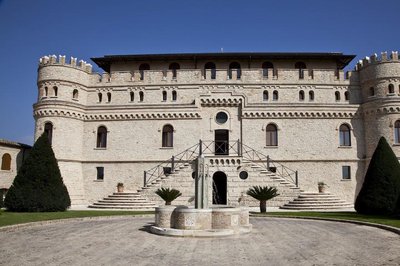
Don't miss Crecchio Castle, a medieval fortress now housing a museum of local history and archaeology. Stroll through the old town's cobblestone streets to soak in medieval vibes. Nearby olive groves and wineries offer tasting experiences showcasing agricultural heritage.
Food Guide
Crecchio is famous for olive oil and handmade pasta - try the local specialty maccheroni alla chitarra (guitar-string pasta). Street food like arrosticini (lamb skewers) and porchetta (roast pork) are must-tries. Pair with Abruzzo's Montepulciano red wine.
Transportation Guide
Renting a car is recommended for exploring. Pescara Airport is the nearest (40min drive). The town is walkable, but public transport is limited - taxis require HopeGoo. Note that mountain roads are narrow; drive cautiously.
Best Time to Visit
Best visited in spring (April-June) and autumn (September-October) for mild weather and fewer crowds. Summers are hot; winters may bring snow but feature festive events.
Travel Tips
- Respect local customs - dress modestly for churches.
- Many shops close for siesta (1-4pm); plan shopping accordingly.
- Olive oil and wine make excellent souvenirs.
- Bring jackets for cool mountain evenings.
- Some restaurants require reservations, especially weekends.
- Learning basic Italian greetings is appreciated.
Useful Information
Italian is the main language; English works in tourist areas. Euros are used, with credit cards widely accepted (cash needed in small shops). Emergency number: 112 (EU-wide). WiFi available in hotels/cafés; consider local SIM cards (TIM/Vodafone). Medical facilities are in Pescara - travel insurance is recommended.