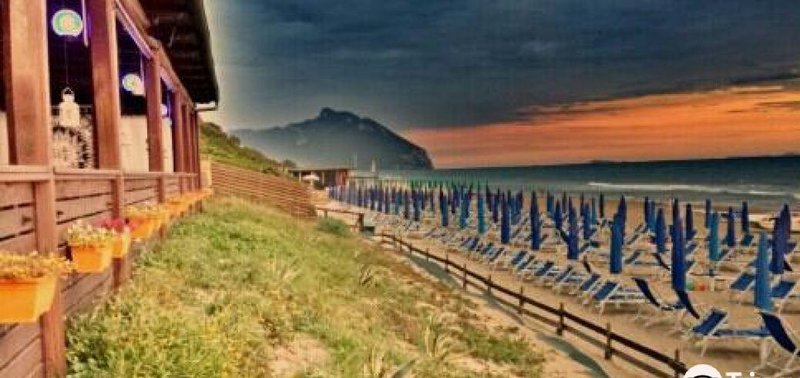
Hotels in Costigliole d'Asti
Discover your perfect stay in Costigliole d'Asti.
Costigliole d'Asti(Italy) Travel 2026: Cheap Flights, Hotels & Top Attractions
Popular Landmarks in Costigliole d'Asti
Discover the most iconic attractions in Costigliole d'Asti
Recommended Hotels in Costigliole d'Asti
Find the perfect place to stay in Costigliole d'Asti
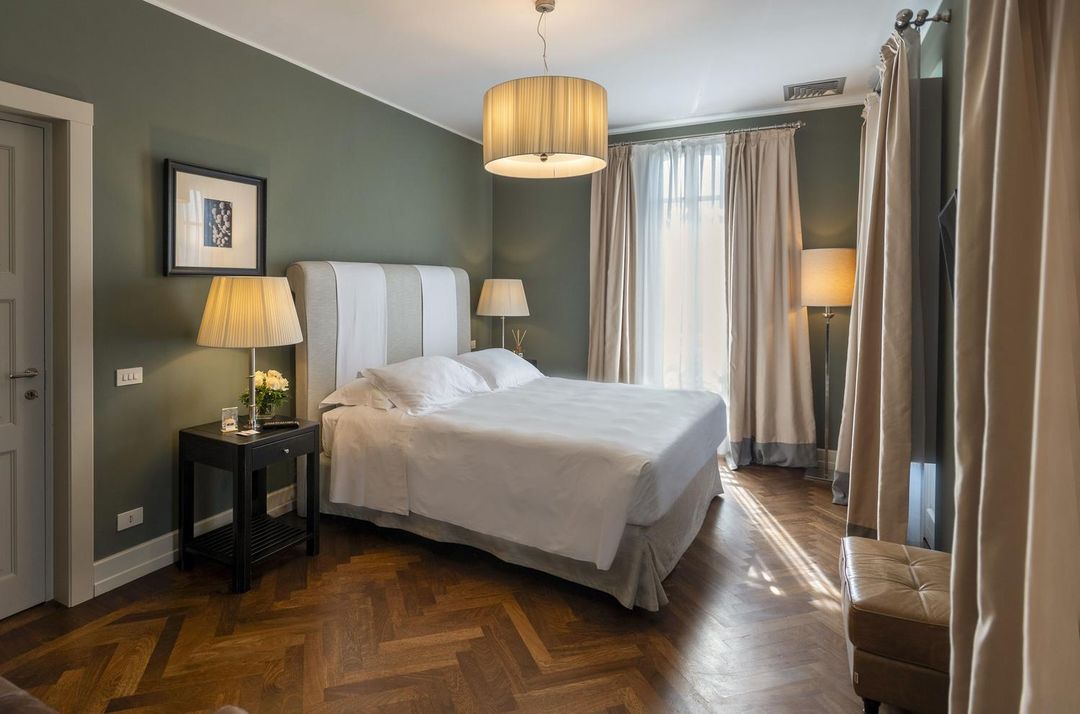
Villa Pattono Wine Country Resort
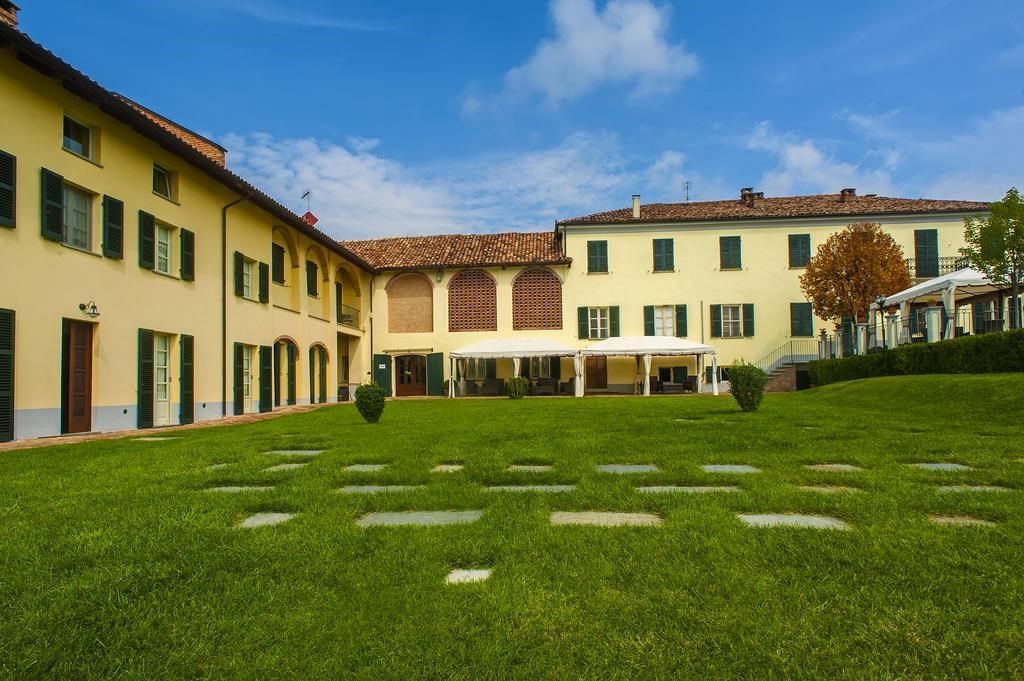
Agriturismo Podere la Piazza
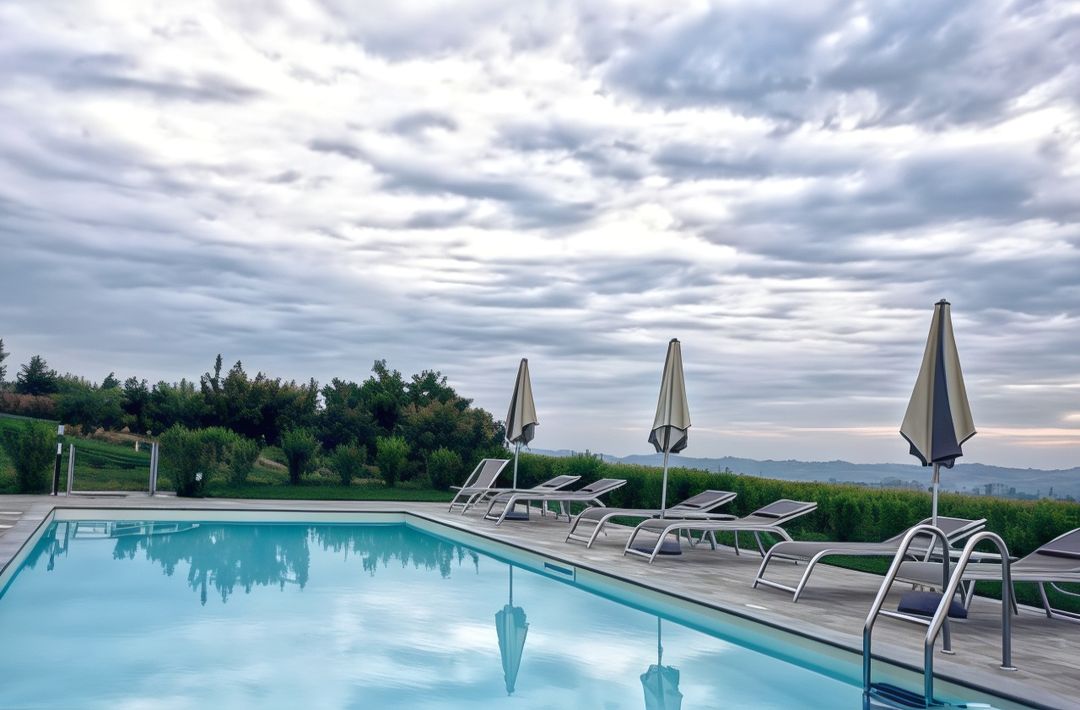
La Cascina Della Musica
Best Hotels in Costigliole d'Asti
Discover curated hotel collections in Costigliole d'Asti
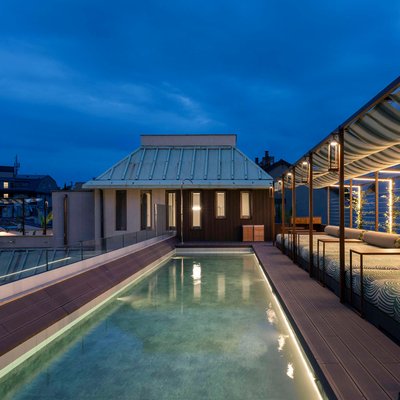
Radisson Collection Hotel Santa Sofia Milan
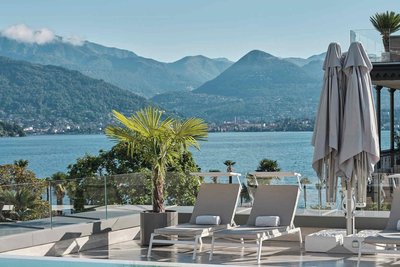
Boutique Hotel Stresa
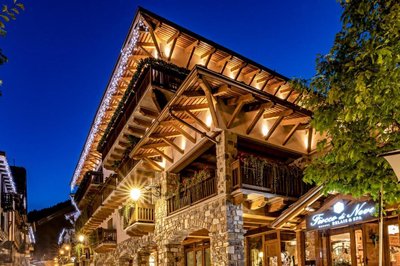
Fiocco di Neve Relais & Spa
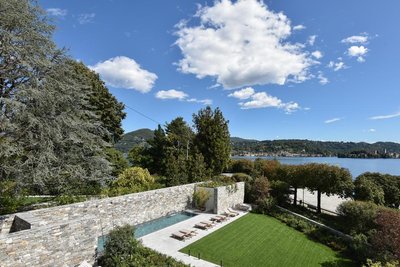
Casa Fantini - Lake Time
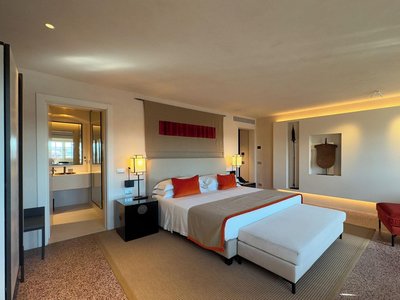
Hotel Palazzo Durazzo Suites
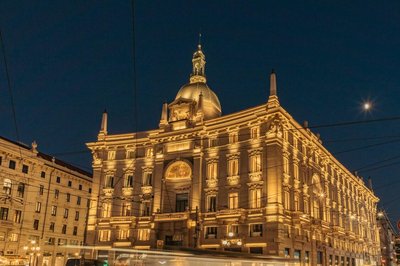
Palazzo Cordusio Gran Meliá – The Leading Hotels of the World
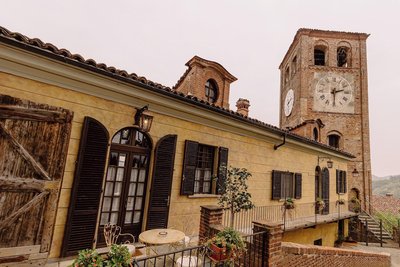
Castello di Casalborgone - Luxury Castle
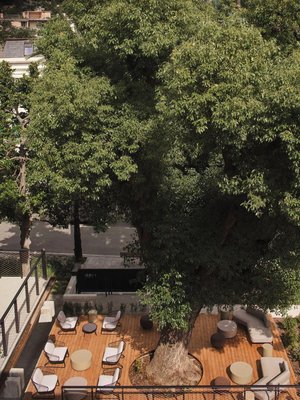
Capitolo Riviera
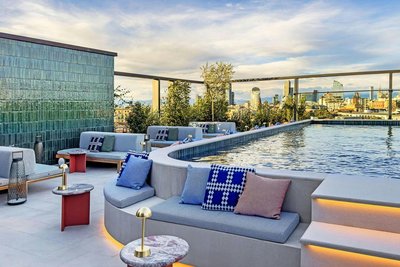
Casa Brera, a Luxury Collection Hotel, Milan
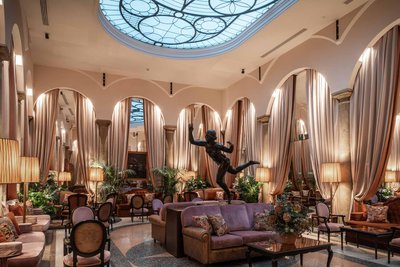
Grand Hotel et de Milan - the Leading Hotels of the World
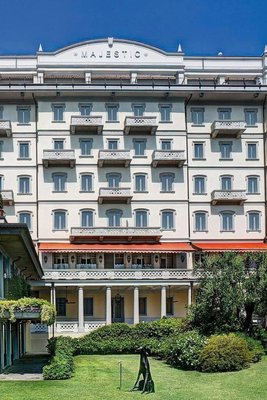
Grand Hotel Majestic
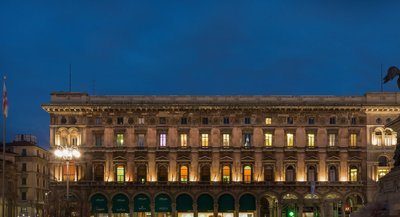
The Glamore Milano Duomo
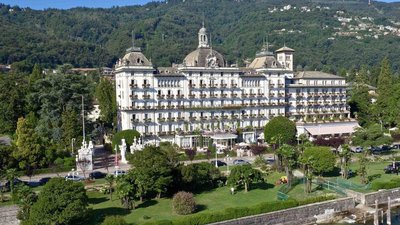
Grand Hotel des Iles Borromées & Spa
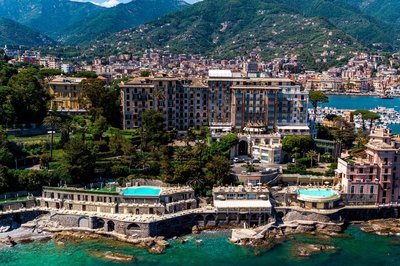
Excelsior Palace Portofino Coast
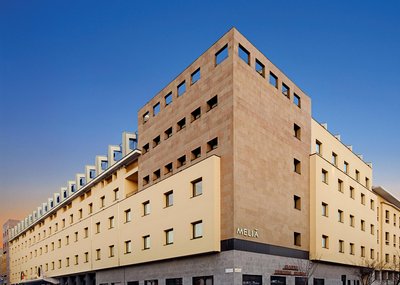
Meliá Milano
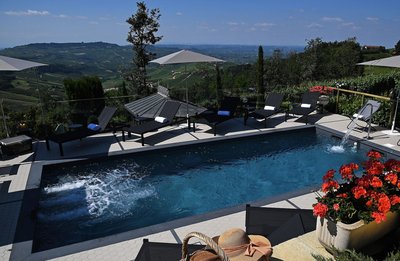
La Ribezza Boutique Hotel - Adults Only
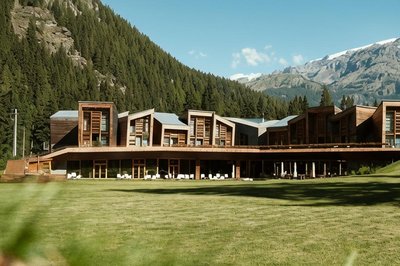
Aethos Monterosa
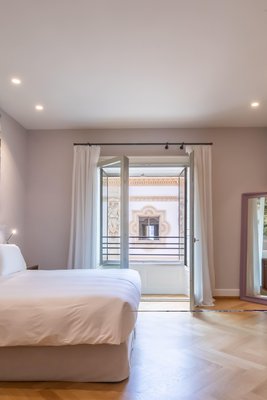
Galleria Vik Milano
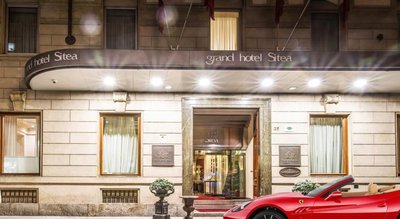
Grand Hotel Sitea
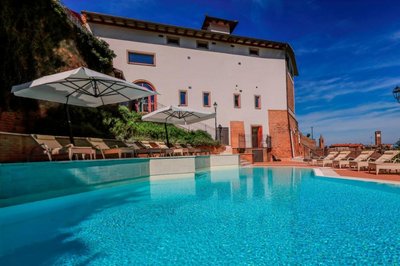
Relais Villa Prato
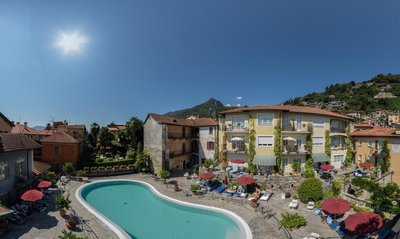
Hotel Cannero
Boutique Hotel Stresa
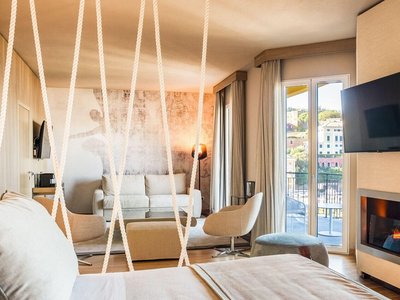
Miramare Suites
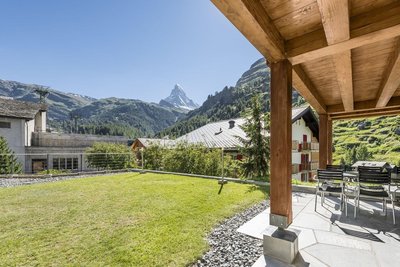
Ari Resort Apartments
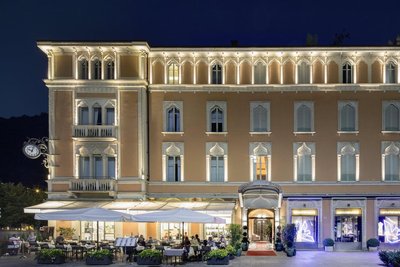
Vista Lago di Como
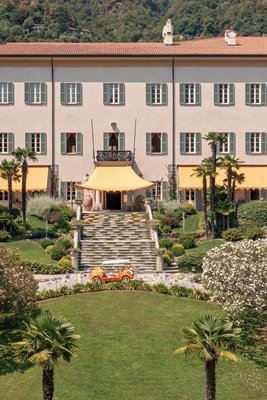
Passalacqua
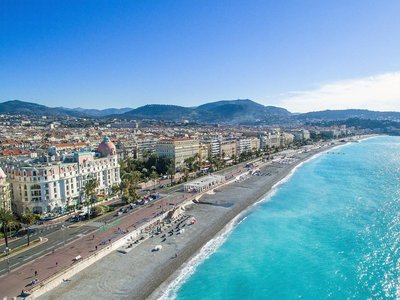
Hotel Suisse Nice
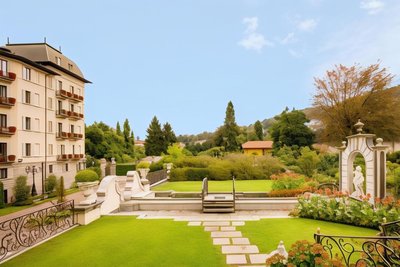
Hotel Regina Palace
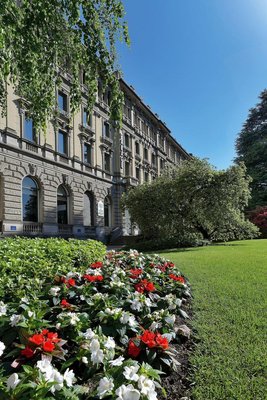
Palace Hotel Lake Como
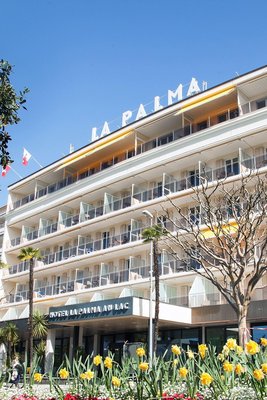
Hotel la Palma au Lac
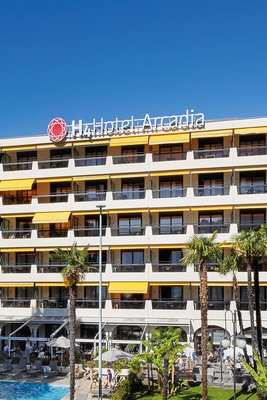
H4 Arcadia Locarno
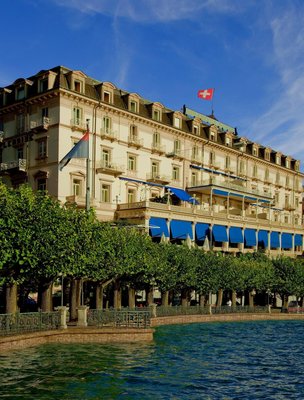
Hotel Splendide Royal
Grand Hotel des Iles Borromées & Spa
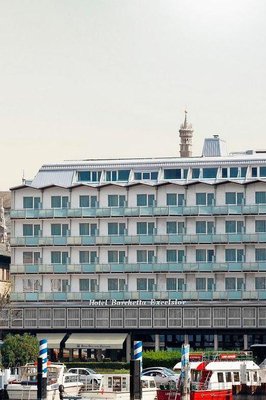
Hotel Barchetta Excelsior
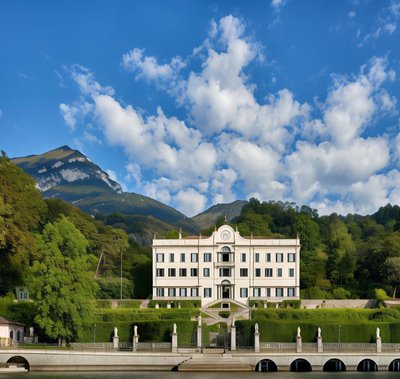
Albergo Terminus
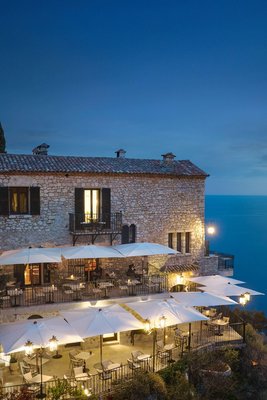
Chateau Eza
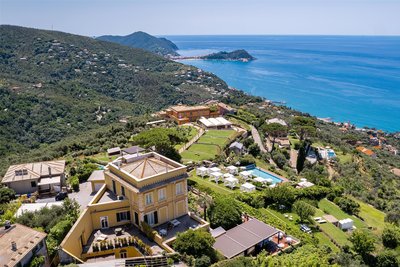
Villa Riviera Resort
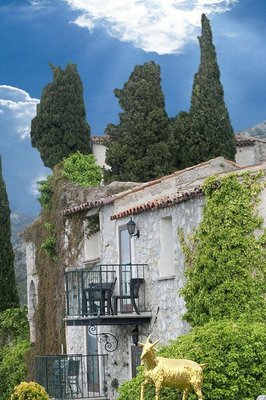
La Chèvre d'Or
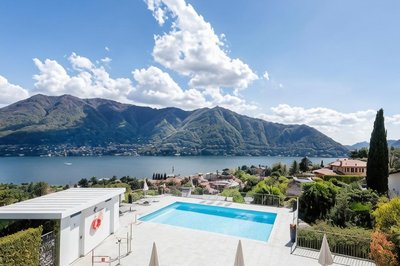
Hotel Asnigo
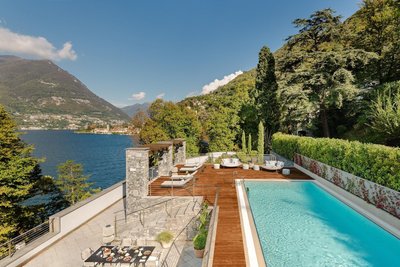
Mandarin Oriental, Lago di Como
Radisson Collection Hotel Santa Sofia Milan
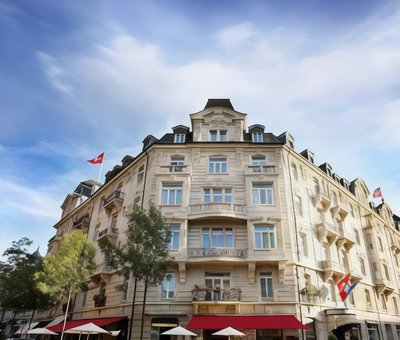
Small Luxury Hotel Ambassador Zurich
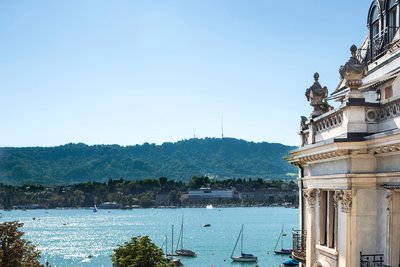
La Réserve Eden au Lac Zurich
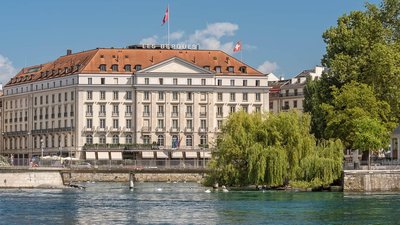
Four Seasons Hotel des Bergues Geneva
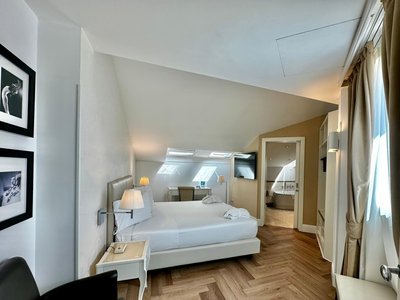
Maison Milano | UNA Esperienze
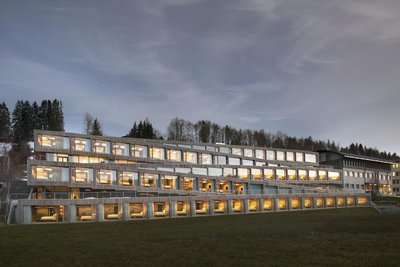
Hôtel des Horlogers
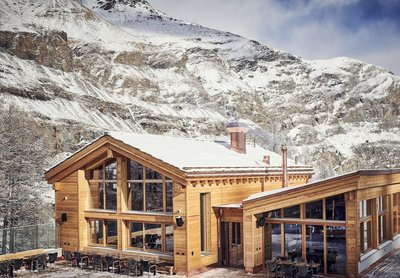
Matthiol Boutique Hotel
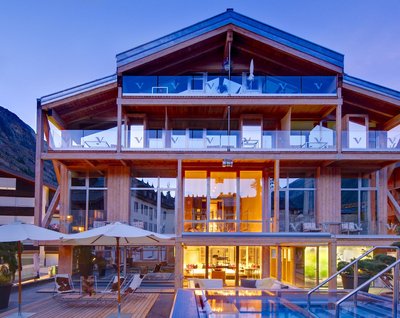
Backstage Boutique Spa Hotel
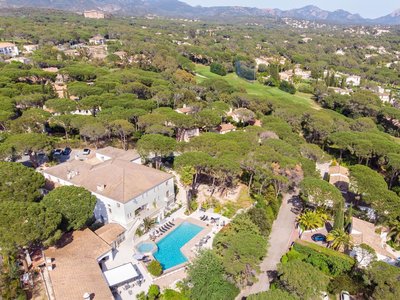
Le Confidentiel Hôtel & Spa
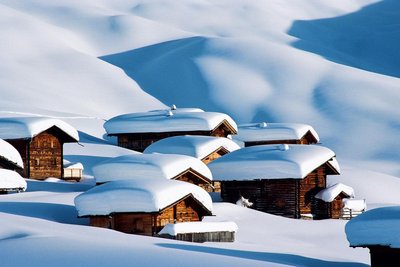
Valsana Hotel Arosa - Small Luxury Hotel
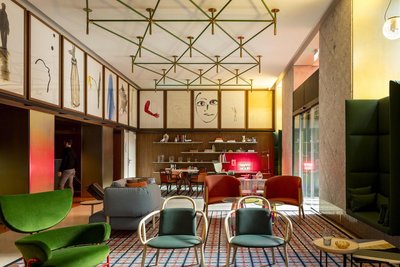
Room Mate Collecton Giulia, Milan
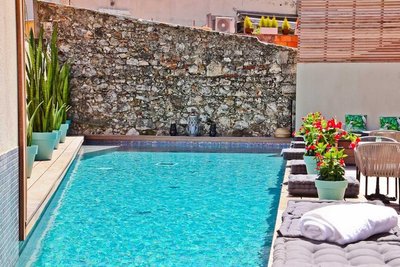
Hôtel la Villa Port d'Antibes & Spa
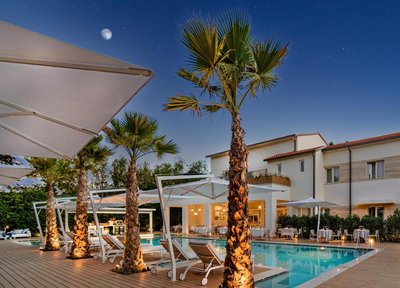
Resort Miramonti
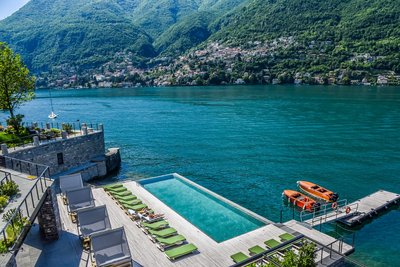
Il Sereno Lago di Como
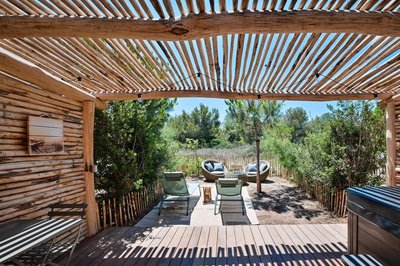
Le Hameau des Pesquiers Ecolodge & Spa, Curio Collection by Hilton
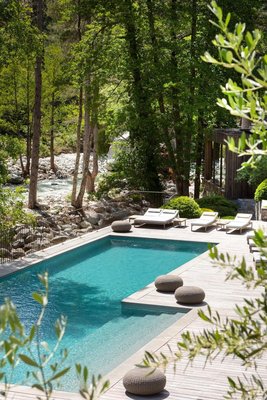
Dominique Colonna
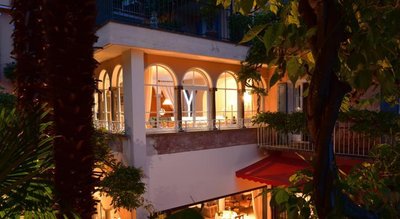
Art Hotel Riposo
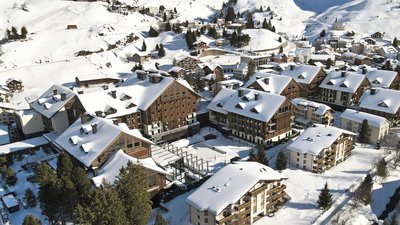
The Chedi Andermatt, Switzerland
Ari Resort Apartments
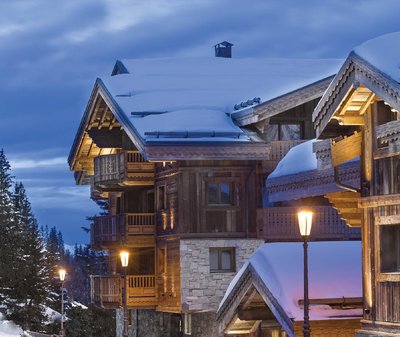
Six Senses Residences Courchevel
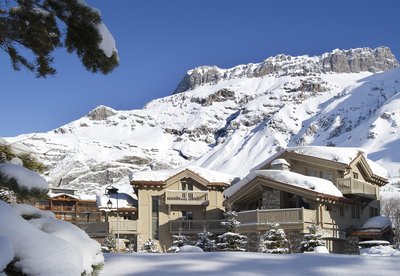
Hotel le K2 Altitude
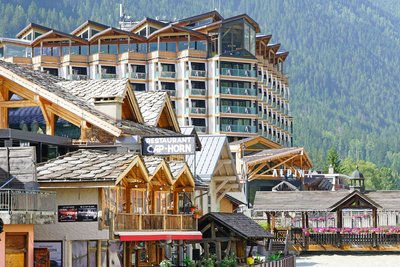
Hotel le Morgane
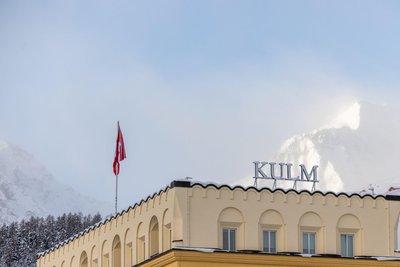
Kulm Hotel St. Moritz
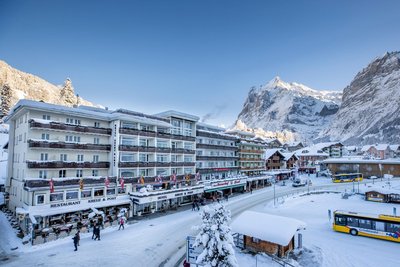
Hotel Kreuz&Post Grindelwald
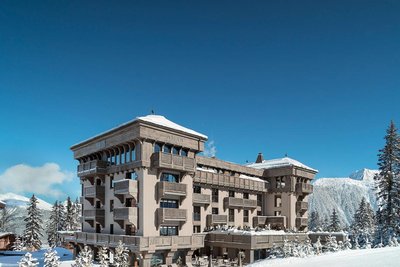
Aman le Mélézin
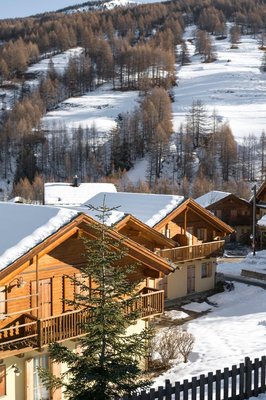
Club Med Pragelato Sestriere
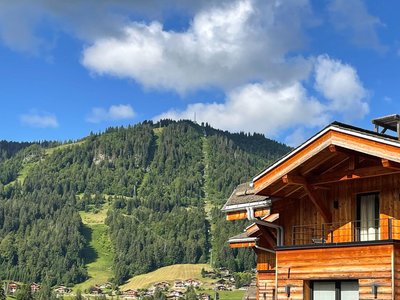
St-Alban Hotel & Spa
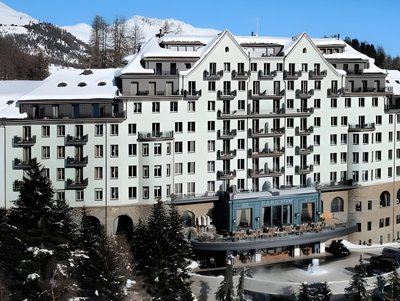
Carlton Hotel St Moritz - the Leading Hotels of the World
Matthiol Boutique Hotel
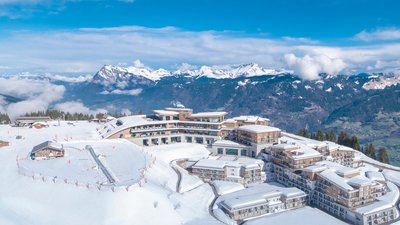
Club Med Grand Massif Samoëns Morillon
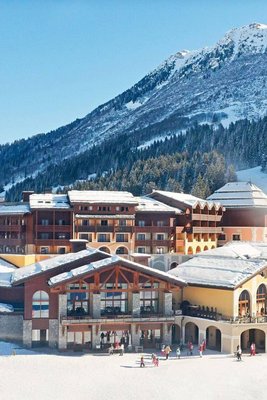
Club Med Valmorel
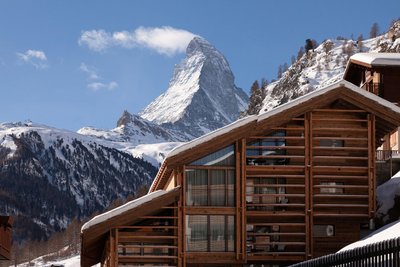
22 Summits Boutique Hotel
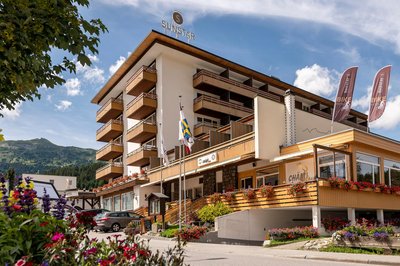
Sunstar Hotel Lenzerheide
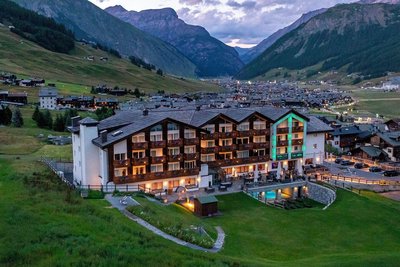
Hotel Lac Salin Spa & Mountain Resort
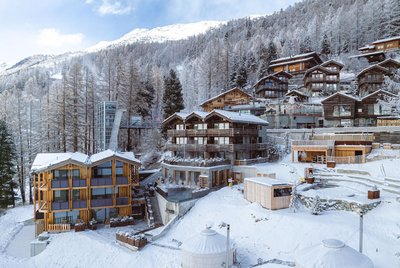
Cervo Mountain Resort
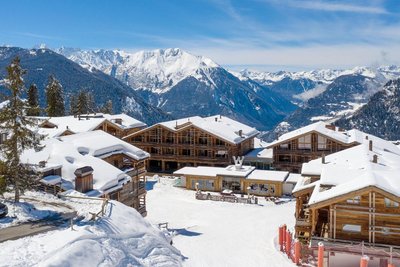
W Verbier
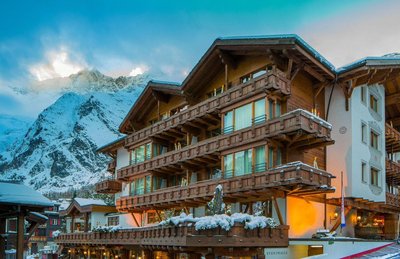
Walliserhof Grand-Hotel & Spa Relais & Châteaux
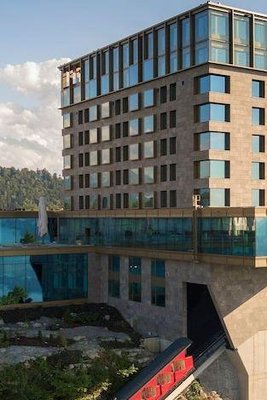
Burgenstock Hotel & Alpine Spa
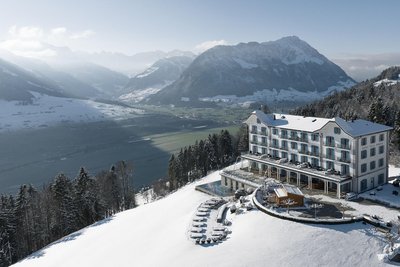
Hotel Villa Honegg
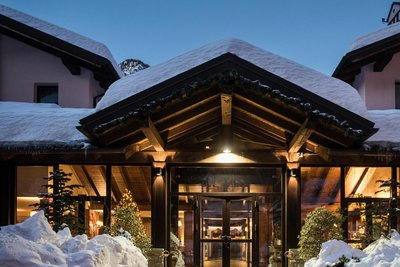
QC Hotel Monte Bianco
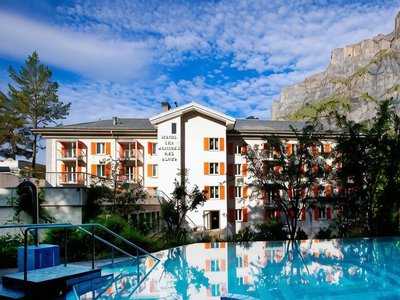
Résidence les Sources des Alpes
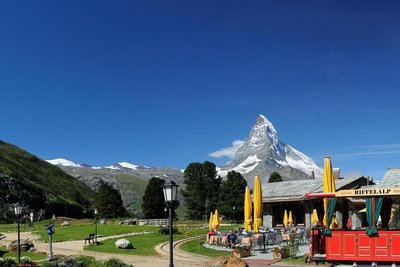
Riffelalp Resort 2222m
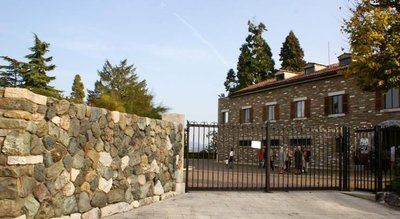
Villa Ottolenghi Wedekind
Borgese Camere e Suites
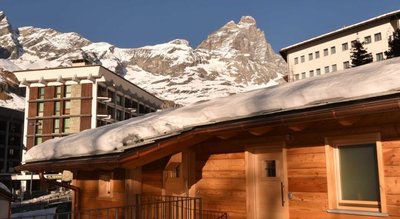
Il Cuore Del Cervino
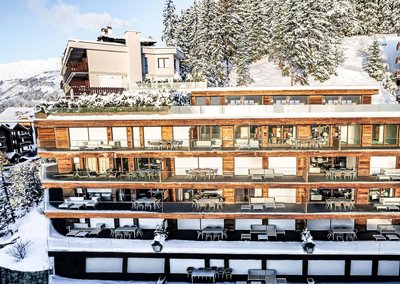
Sport Club Residences & Spa
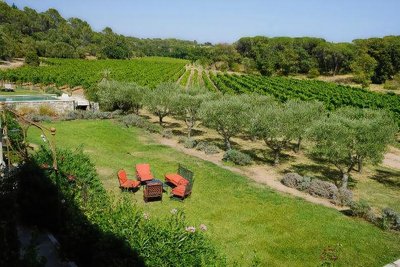
La Bastide du Clos des Roses
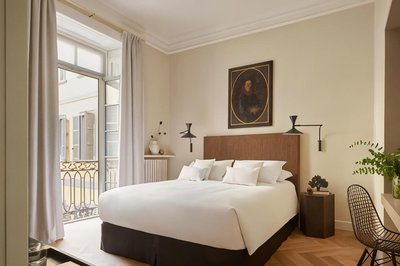
Crossing Manzoni
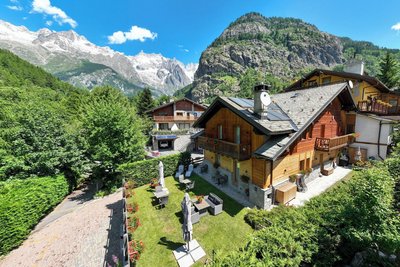
L'Abri des Amis
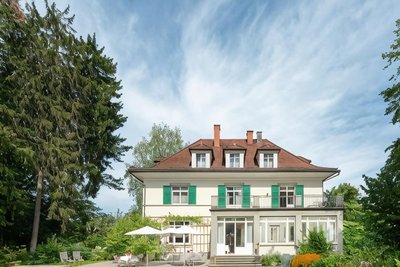
Signau House & Garden
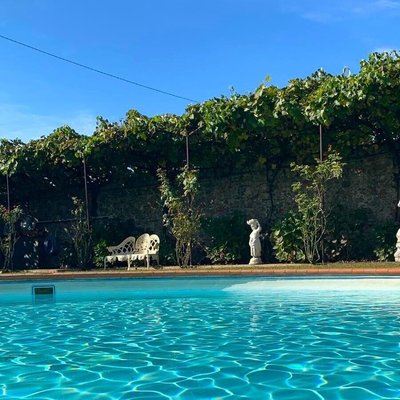
Villa la Preziosa
Palazzo Gozzi Bed & Beauty
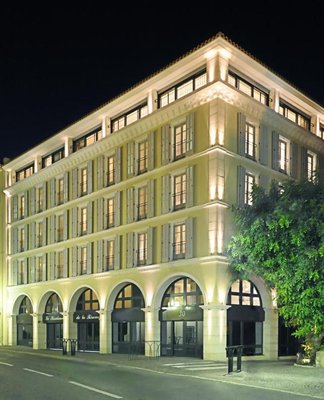
La Résidence de La Réserve
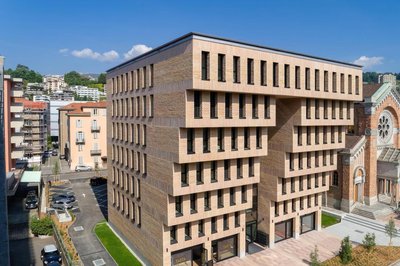
Swiss Hotel Apartments - Lugano
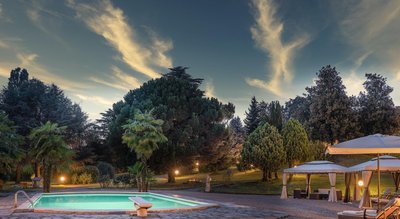
Palazzo Cavagna Sangiuliani
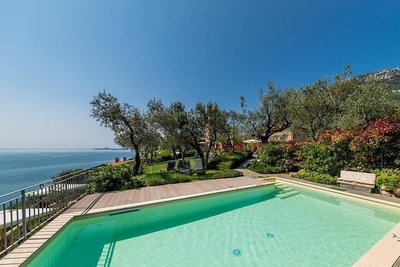
San Giorgio Resort
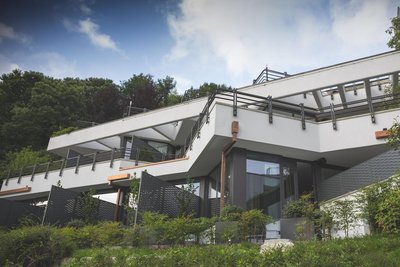
B&B Vista Lago
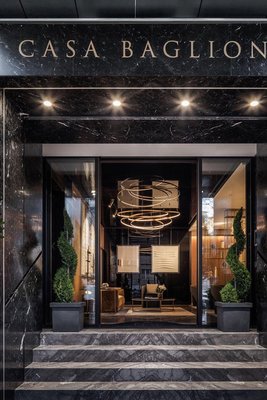
Casa Baglioni Milan - the Leading Hotels of the World
Four Seasons Hotel des Bergues Geneva
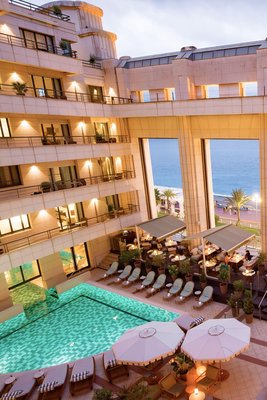
Hyatt Regency Nice Palais de la Méditerranée
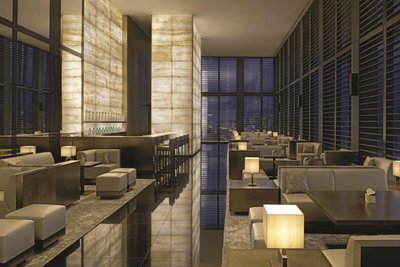
Armani Hotel Milano
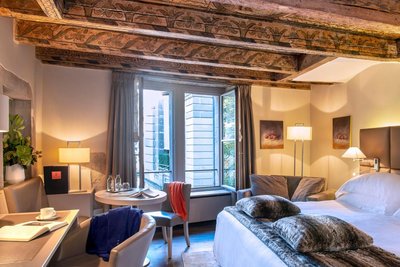
Hôtel les Armures
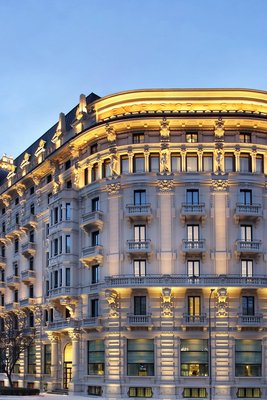
Excelsior Hotel Gallia, a Luxury Collection Hotel, Milan
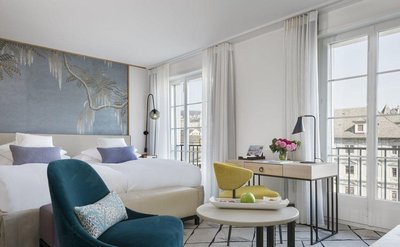
Storchen Zürich
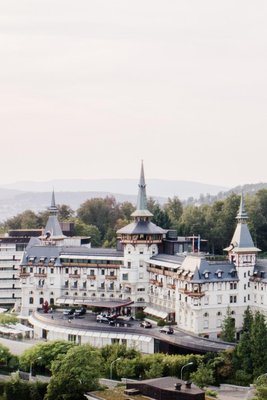
The Dolder Grand
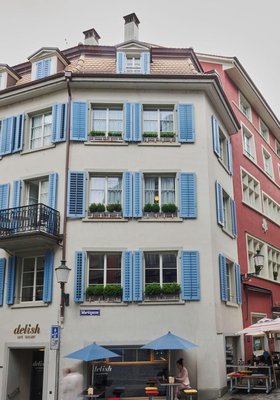
Marktgasse Hotel
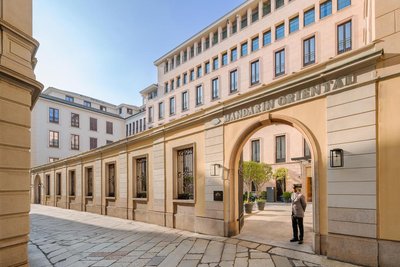
Mandarin Oriental, Milan
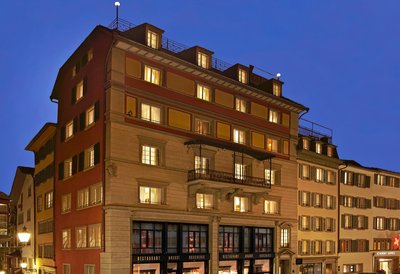
Widder Hotel - Zurichs Luxury Hideaway
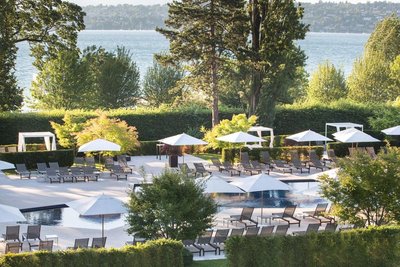
La Réserve Genève Hotel & Spa
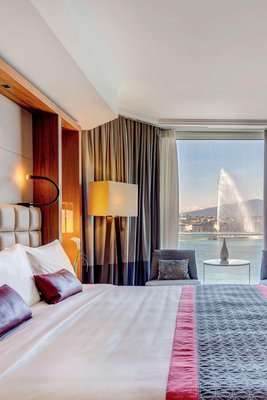
Fairmont Grand Hotel Geneva
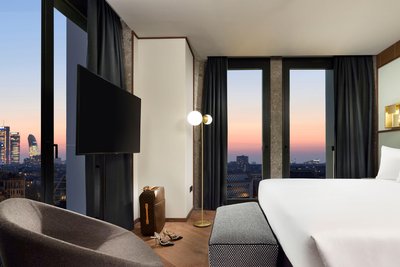
Milano Verticale | UNA Esperienze
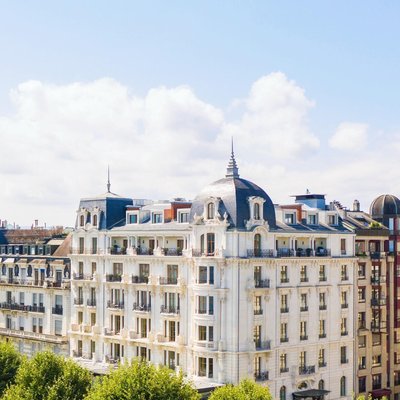
The Woodward - Auberge Resorts Collection
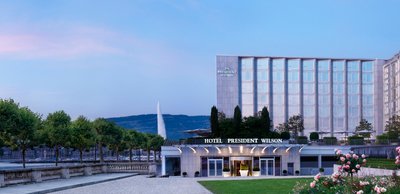
Hotel President Wilson, a Luxury Collection Hotel, Geneva
Frequently Asked Questions about Traveling to Costigliole d'Asti
Questions You Might Need to Know About Traveling to Costigliole d'Asti
In Cortiglione d'Asti, the top boutique stay is Hotel Albergo del Sole, a family-run gem nestled in the heart of town. Its traditional Piedmontese architecture, with stone walls and wooden beams, blends seamlessly with modern comforts like free Wi-Fi and plush bedding. Located just steps from the Church of Santa Maria Assunta, it offers easy access to local cafes, artisan shops, and scenic walking trails.
The hotel’s rooftop terrace provides panoramic views of the Briana Mountains, perfect for sunset moments. Guests enjoy authentic breakfasts featuring house-made bread, cured meats, and fresh cheeses. For travelers seeking a quiet retreat with cultural depth, Albergo del Sole delivers charm, hospitality, and a deep connection to the region’s rural soul—ideal for those wanting to experience true Piedmontese life.
The best area for accommodations in Cortiglione d'Asti is the historic town center, where cobblestone streets and centuries-old buildings create a timeless atmosphere. This district centers around Piazza Duomo, offering quick access to restaurants, museums, and public services.
Hotels here, such as B&B La Terrazza, boast private balconies overlooking mountain vistas and feature warm, locally inspired interiors. The area is also home to Museo Civico, which showcases regional history and craftsmanship. Staying in the center allows seamless exploration of nearby attractions like the Monastery of Santa Maria and the Regional Folklore Exhibition. With low traffic and friendly locals, this zone offers both convenience and authenticity—perfect for immersive travel.
In Cortiglione d'Asti, one must participate in the Autumn Grape Festival (Festa dell'Uva) held every September, celebrating the region’s renowned wine heritage. Locals gather at Piazza Municipale to sell homemade Barolo and Nebbiolo wines, with complimentary tastings and expert-led workshops on wine pairing.
Additionally, book a traditional kitchen workshop hosted by local women, where you’ll learn to make Tajarin pasta and Castagnaccio cake using heirloom recipes and stone ovens. These hands-on sessions take place in restored farmhouses, preserving culinary traditions passed down through generations.
End your visit at the Museo del Folklore, which displays ancient farming tools, textiles, and seasonal rituals. These experiences offer more than entertainment—they provide a profound connection to the land, its people, and their enduring way of life.
Yes, Cortiglione d'Asti is highly suitable for families. The town features Family-Friendly Hotel La Collina, which offers a dedicated kids’ playroom with puzzles, building blocks, and storybooks, plus evening babysitting services.
Outside, the Comunale Park has safe grassy areas, interactive water fountains, and a small playground ideal for toddlers. Every weekend, the town hosts "Little Farmer Days," where children can feed lambs, harvest vegetables, and learn about sustainable farming.
For outdoor adventures, the Marcaletta Forest Trail includes clearly marked paths with educational signs about native flora and fauna. Some guesthouses, like B&B La Terrazza, even provide free bicycles and detailed maps. With gentle pace, welcoming locals, and child-centered activities, Cortiglione d'Asti creates a safe, enriching environment for family travel.
Must-try dishes in Cortiglione d'Asti include Tajarin pasta, a delicate egg-based noodle served with truffle sauce or ragù. Enjoy it at Osteria della Corte, a century-old eatery known for its stone oven-baked bread and house-made olive oil.
Another highlight is Castagnaccio, a dense chestnut cake sweetened with honey and walnuts, available only in autumn. Try it at La Bottega del Vino, where it pairs perfectly with local Barolo wine.
Don’t miss wild boar prosciutto (Prosciutto di Cinghiale), a delicacy preserved using ancestral methods. It’s richly flavored and often served with pickled vegetables. These dishes reflect the region’s deep ties to agriculture, seasonality, and ancestral wisdom—offering not just flavor, but storytelling on a plate.
For couples, Villa Rosa e Luna stands out as the most romantic option. This 19th-century villa, wrapped in ivy and set in a secluded garden, features private terraces with mountain views and rooms styled in Italian Renaissance elegance.
Each suite comes with a fireplace, luxury linens, and a private hot tub on the rooftop—ideal for stargazing under clear alpine skies. The hotel offers bespoke touches like rose petal pathways, champagne baskets, and guided night tours of the Santa Maria Assunta Bell Tower.
Guests can also join a couple’s photography workshop to capture golden-hour moments together. Whether sharing a candlelit dinner or watching the sunrise over the Briana Peaks, this intimate retreat offers unforgettable intimacy and timeless ambiance—perfect for anniversaries or proposals.
Public transport in Cortiglione d'Asti is limited but functional for short trips. The daily shuttle bus Linea 703 connects the town to Cuneo city center, with a 30-minute ride, where passengers can transfer to regional trains or buses.
To explore nearby attractions like Marcaletta Forest or Lago della Brigna, renting a bicycle or car is ideal. Many guesthouses, including B&B La Terrazza, offer free bike rentals and hand-drawn maps highlighting scenic routes.
The rail station (Stazione Ferroviaria) is located east of town, with direct trains to Turin and Milan, taking about one hour. While there’s no metro system, the combination of reliable buses, bike-friendly roads, and train links ensures easy access to surrounding regions. Planning ahead makes travel smooth and stress-free.
Near Cortiglione d'Asti, the standout natural site is Marcaletta Forest, a pristine woodland spanning the foothills of the Alps. Home to over 200 tree species—including spruce and oak—it offers shaded trails, birdwatching platforms, and tranquil forest glades.
Another must-visit is Lago della Brigna, a crystal-clear lake surrounded by wildflowers and reeds. Ideal for kayaking, fishing, or a peaceful picnic, the lakeside path is part of an ecological trail network with interpretive signage.
For panoramic views, head to Piano del Castello, a high-altitude viewpoint famed for its sweeping vistas of mist-covered valleys and snow-capped peaks. Known locally as the "Eye of Piedmont," it’s perfect for sunrise photography and quiet reflection. These natural wonders blend beauty with conservation, reflecting the region’s deep respect for nature.
Don’t miss the Mountain Guardians Festival (Festa dei Guardiani dei Monti) held every June, honoring local hunters and shepherds who’ve protected the alpine ecosystem for generations. The event features traditional processions, folk dances like Rondinella, and displays of handmade wool blankets and antique tools.
Also attend the Autumn Harvest Festival (Sagra dell'Autunno) in October, when the town center transforms into a vibrant market. Over 50 stalls sell organic honey, dried fruits, sausages, and craft spirits. Join the "Treasure Hunt Challenge"—solve clues across the town to win limited-edition ceramics.
The festival concludes with a communal bonfire, where residents sing folk songs beneath the stars. These events celebrate community identity, tradition, and the rhythm of the seasons—making them deeply moving and unforgettable experiences.
For authentic souvenirs in Cortiglione d'Asti, visit Piazza del Mercato, open every Saturday morning. Local farmers and artisans sell fresh produce, handmade cheeses, and eco-friendly goods like wildflower honey and lavender soap.
Another must-visit is La Bottega del Tempo, a century-old shop specializing in vintage clocks, antique books, and handcrafted ceramics. Their 19th-century Piedmont map replicas make excellent collectibles.
Look for hand-stitched napkins and wool scarves woven by local women’s cooperatives—each piece features patterns inspired by the changing seasons of the Alps. All items emphasize sustainability, with minimal packaging. Most shops accept cash and cards, ensuring a smooth shopping experience. These purchases support local crafts and preserve cultural heritage.