Hotels in Cucq
Discover your perfect stay in Cucq.
Cucq(France) Travel 2026: Cheap Flights, Hotels & Top Attractions
Popular Landmarks in Cucq
Discover the most iconic attractions in Cucq
Recommended Hotels in Cucq
Find the perfect place to stay in Cucq
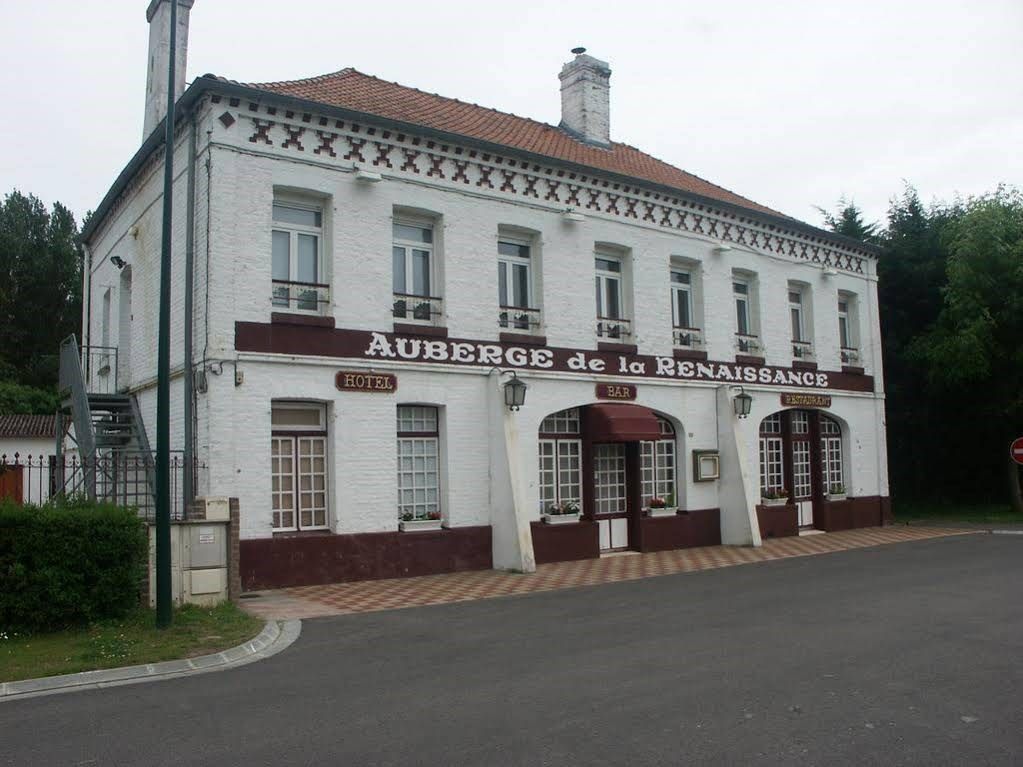
Cocoon Inn
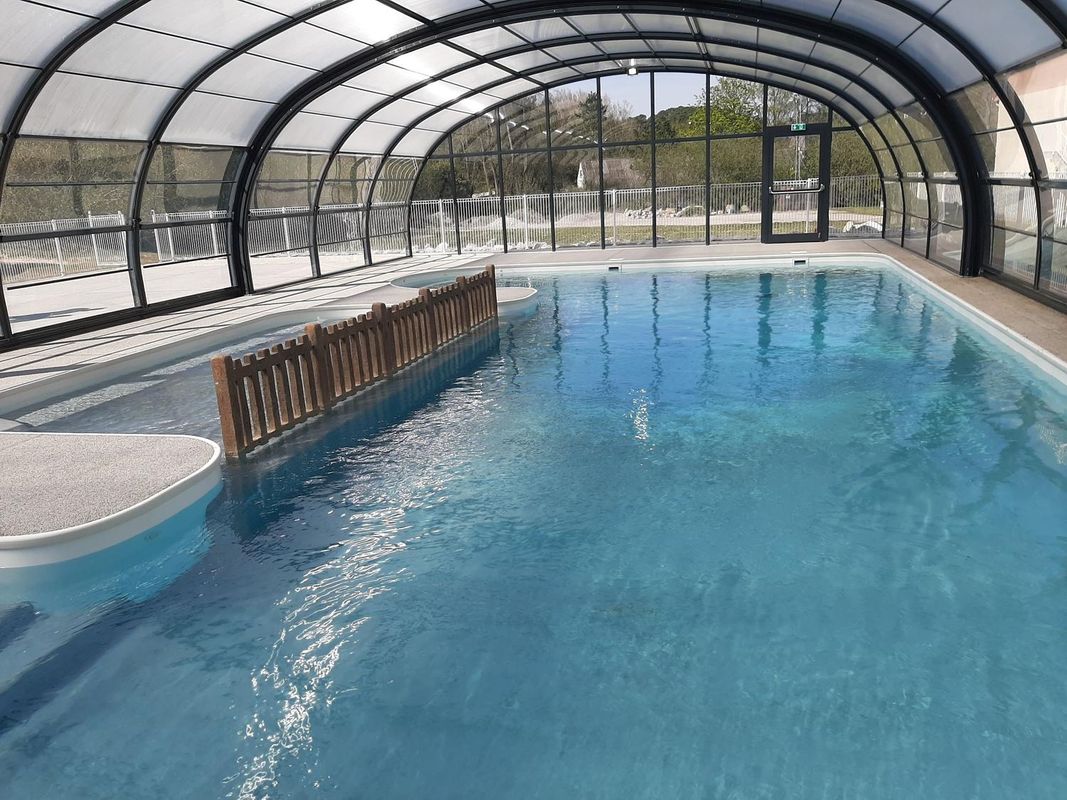
Stella Maris
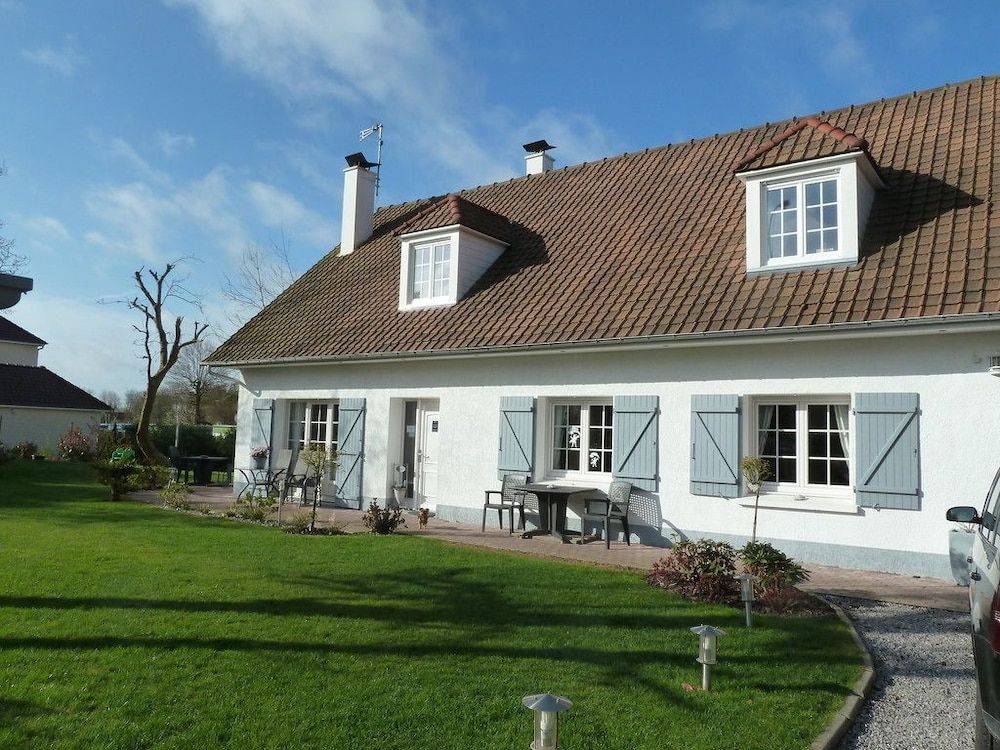
Chambre d'Hôtes l'Imprevu
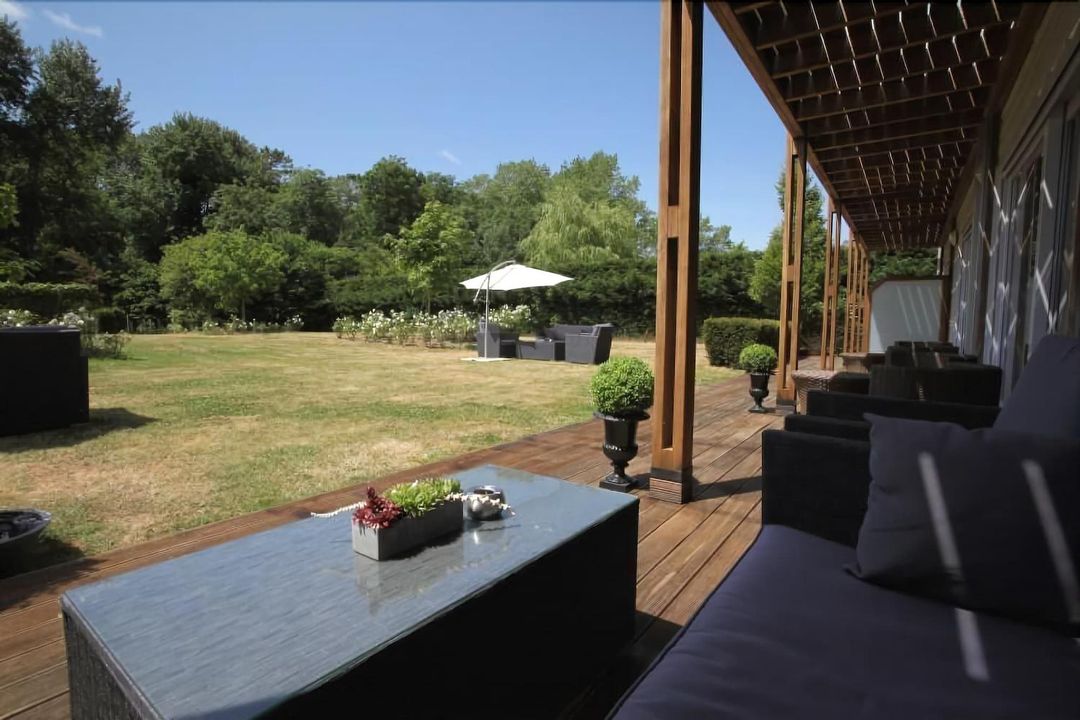
Les Jardins d'Ulysse, the Originals Relais
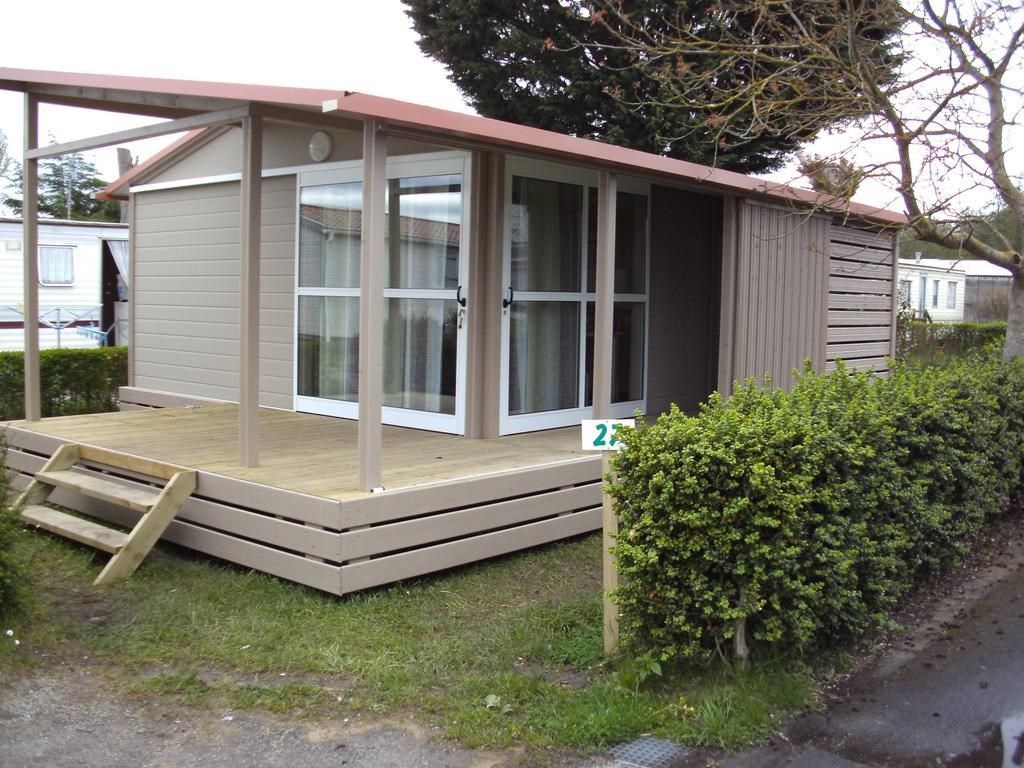
Camping Pomme de Pin

B&B Hotel le Touquet
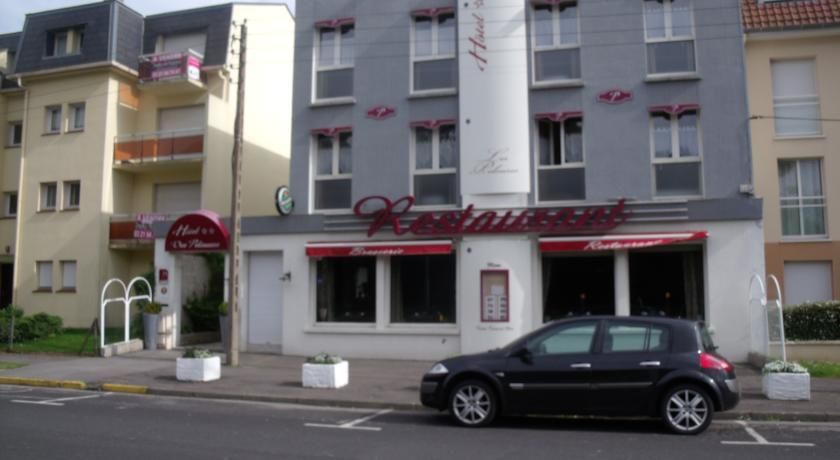
Les Pelouses
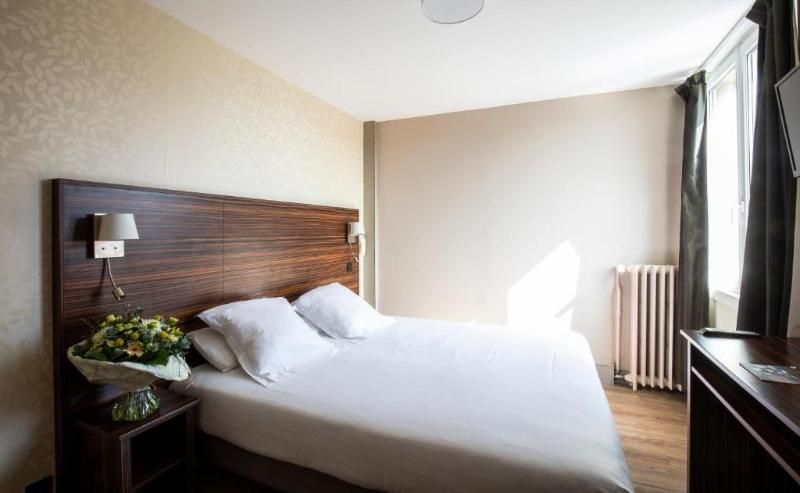
Hôtel les Sables d'Or
Best Hotels in Cucq
Discover curated hotel collections in Cucq
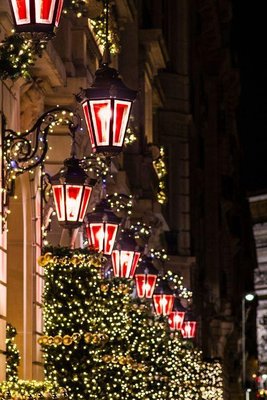
Le Royal Monceau - Raffles Paris
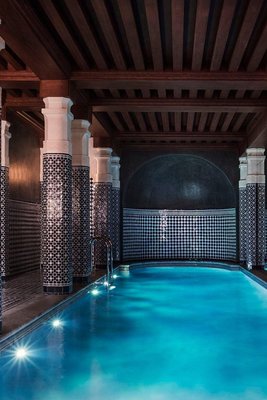
Maison Proust, Hotel & Spa la Mer
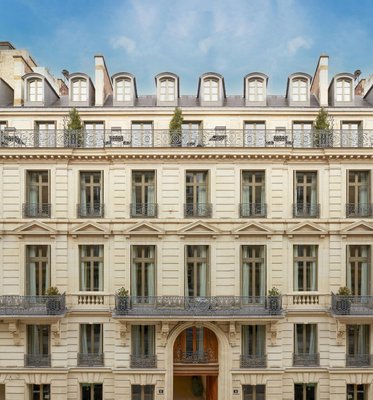
Maison Delano Paris
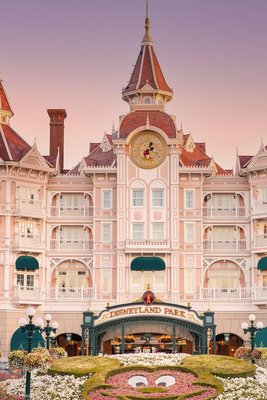
Disneyland Hotel
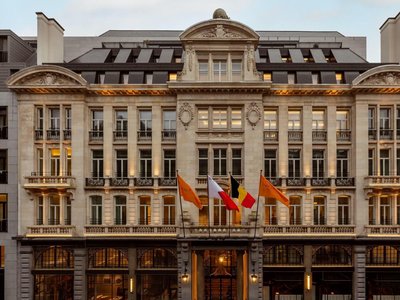
Corinthia Grand Hotel Astoria Brussels
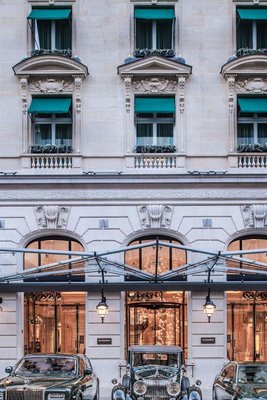
The Peninsula Paris
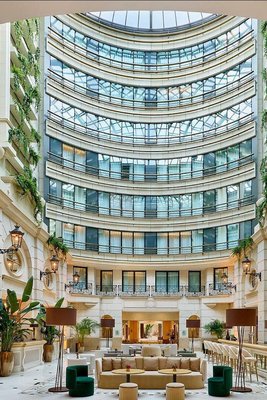
Paris Marriott Champs Elysees Hotel
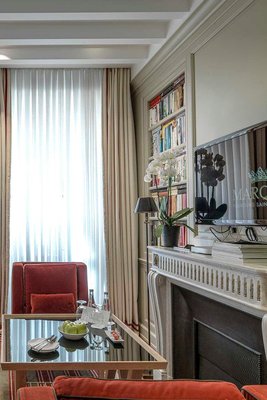
Hôtel Marquis Faubourg Saint-Honoré
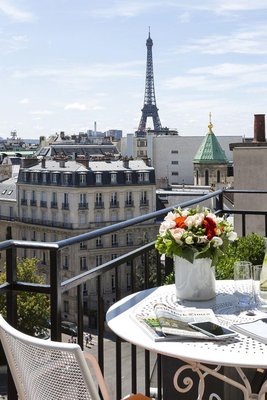
Hôtel San Régis
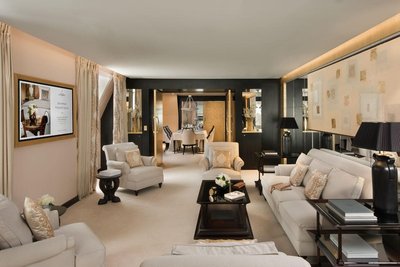
Hotel Barrière Fouquet's Paris
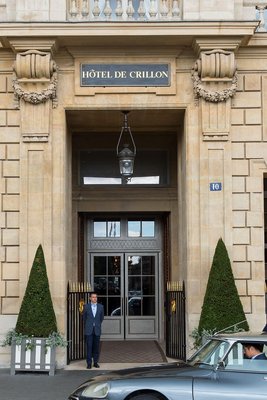
Hotel de Crillon A Rosewood Hotel
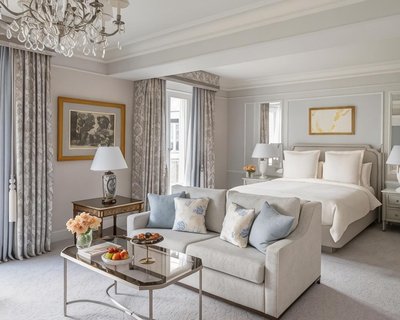
Four Seasons Hotel George V Paris
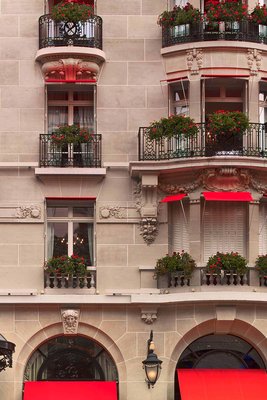
Plaza Athénée Paris & Dior Spa
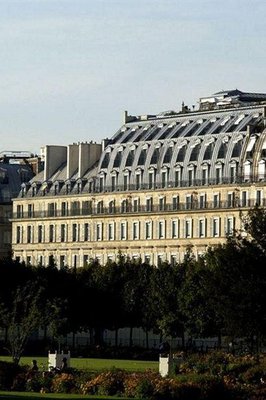
Le Meurice
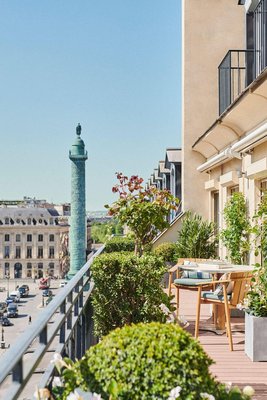
Park Hyatt Paris Vendome
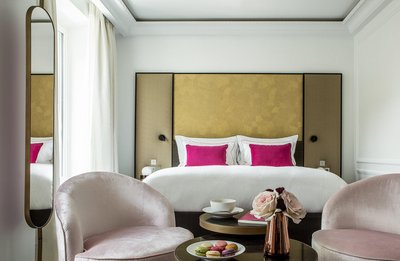
Fauchon l'Hotel Paris
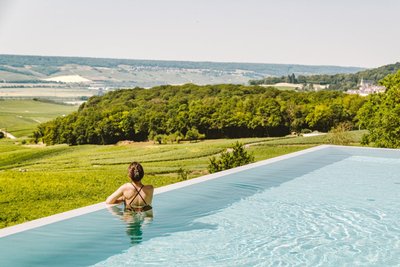
Royal Champagne Hotel & Spa
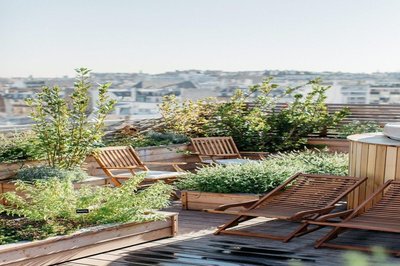
Brach Paris - Evok Collection
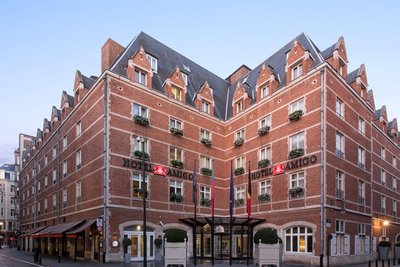
Rocco Forte Hotel Amigo
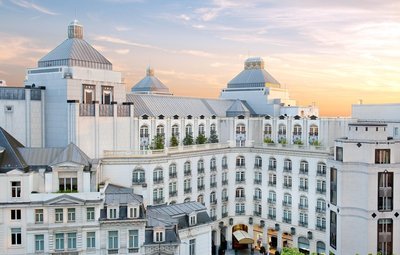
Steigenberger Icon Wiltcher's

Mercure Dunkerque Centre Gare
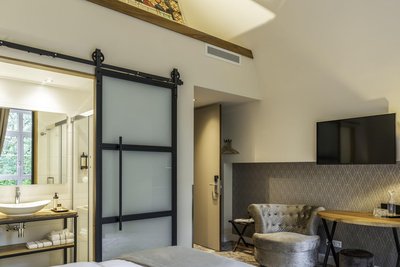
KerkHotel Biervliet
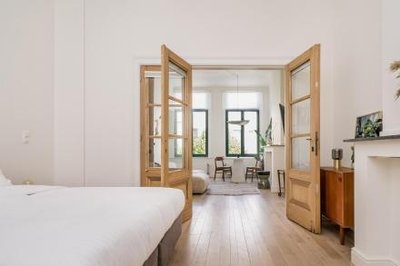
Quartier le Sud
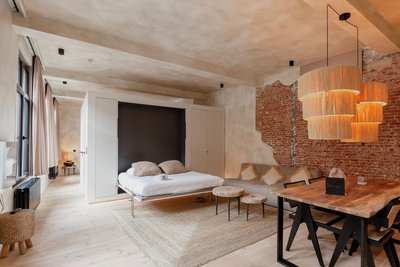
Btfl Living Antwerp, Zirkstraat
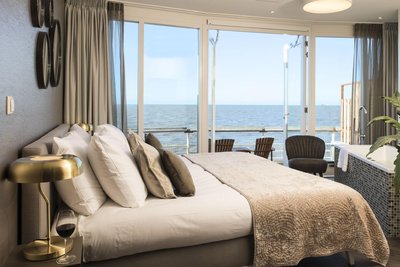
De Pier Suites
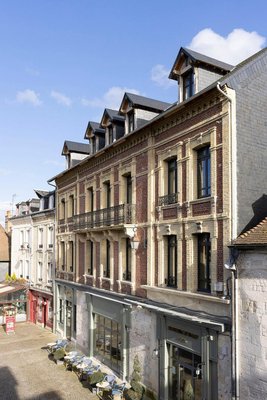
Hotel - l'Invitation AU Voyage
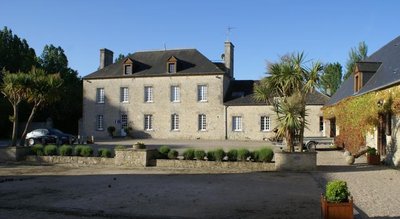
Domaine Utah Beach - le Grand Hard
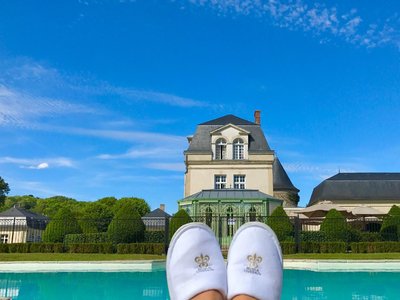
Château de Courcelles - Relais & Châteaux
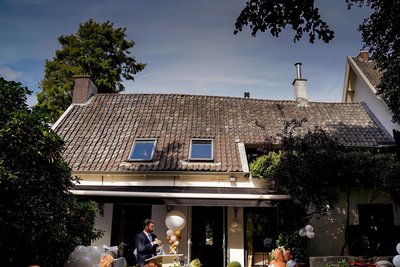
Villa Beukenhof
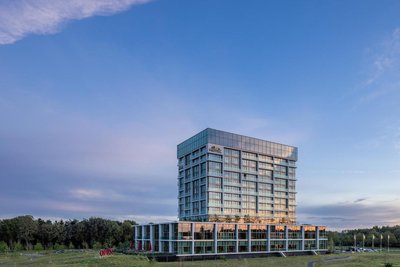
Van der Valk Hotel Eindhoven-Best
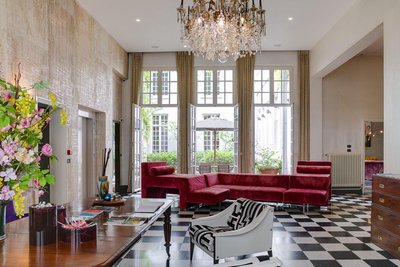
De Witte Lelie

U Eat & Sleep Antwerp
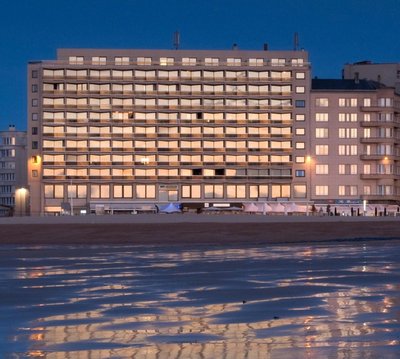
C-Hotels Andromeda
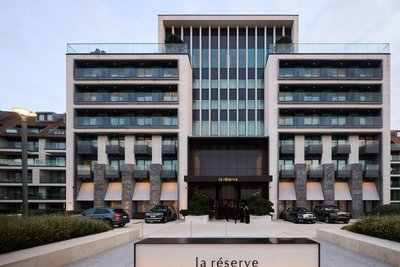
La Réserve Resort
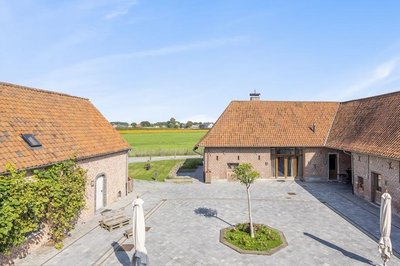
Burgemeestershof
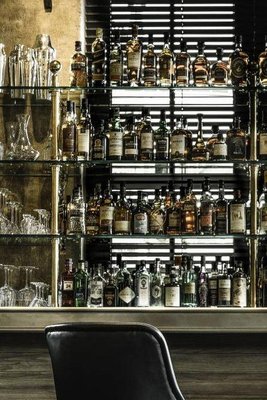
1898 the Post
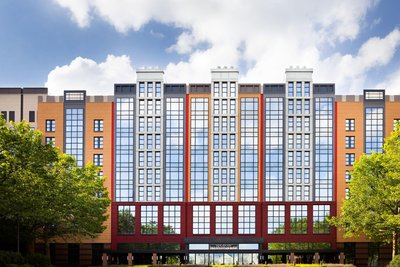
Disney Hotel New York - the Art of Marvel
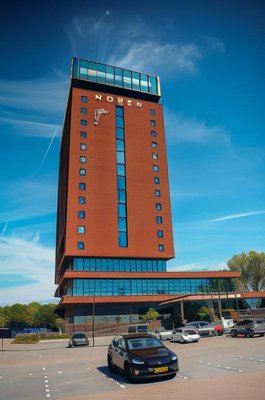
Van der Valk Hotel Schiedam
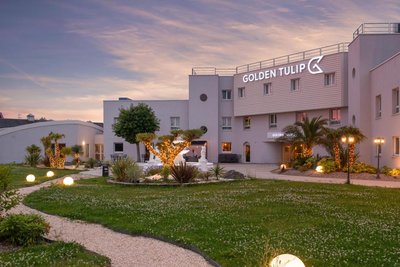
Golden Tulip Dieppe
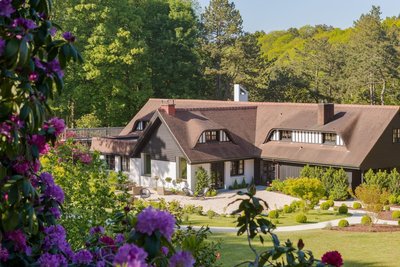
Les Pins de César - la Campagne d'Etretat
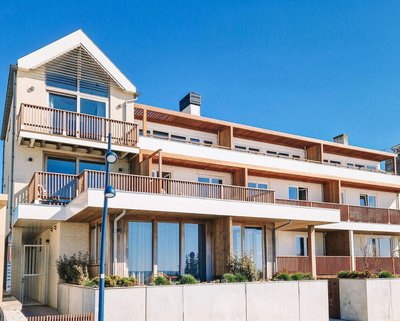
Boulevard 5
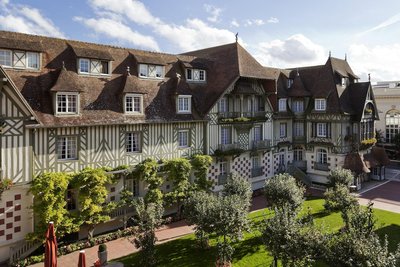
Hôtel Barrière le Normandy
Four Seasons Hotel George V Paris
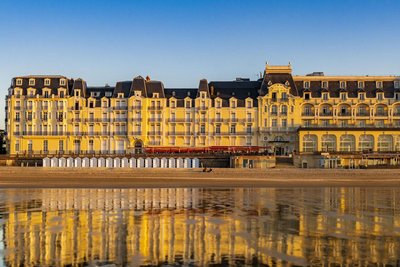
Le Grand Hôtel Cabourg - MGallery
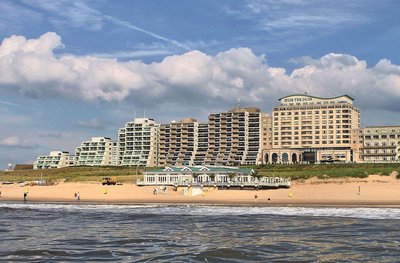
The Historic Huis Ter Duin
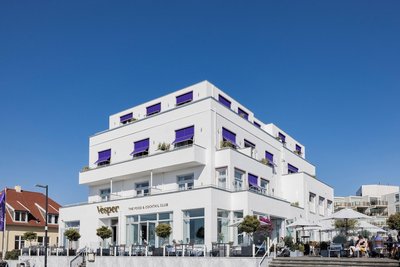
Vesper Hotel
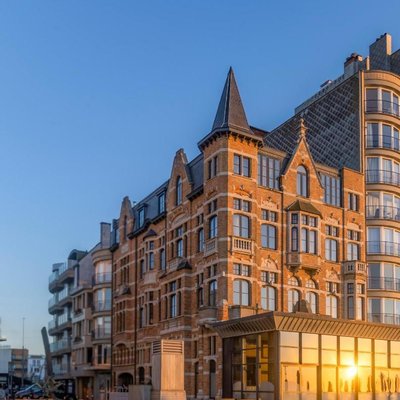
Hotel Villa Select
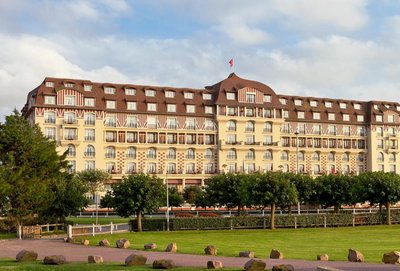
Hôtel Barrière Le Royal Deauville
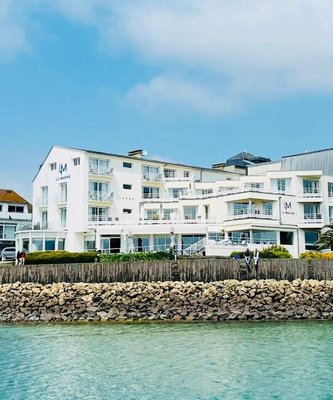
Hôtel la Marine

Inntel Hotels Den Haag Marina Beach
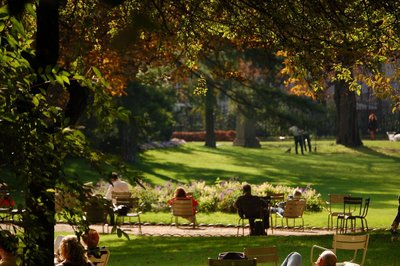
Hotel Les Rives de Notre-Dame
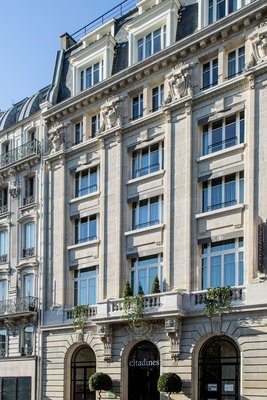
Citadines Saint-Germain-Des-Prés Paris
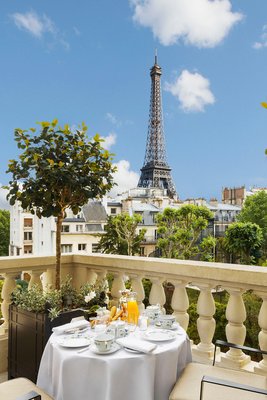
Shangri-La Paris

Cheval Blanc Paris & Dior Spa Cheval Blanc Paris
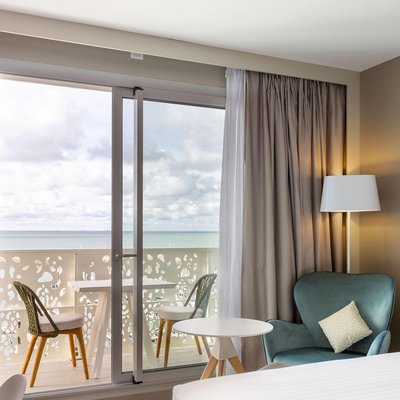
Hilton Garden Inn le Havre Centre
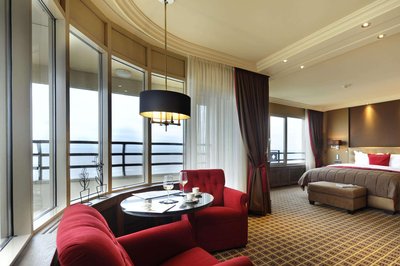
Grand Hotel Huis Ter Duin
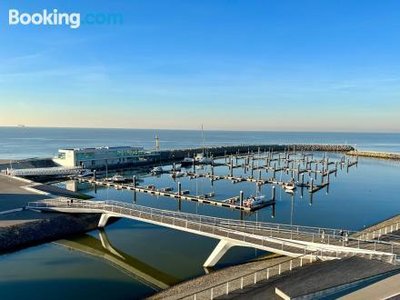
Hotel de Schelde
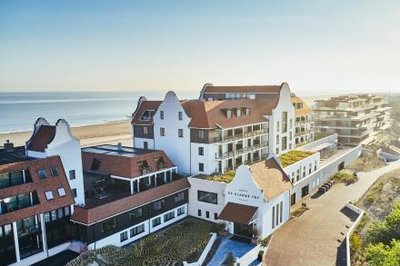
Hotel de Blanke Top

Hotel de Milliano

Too Hotel Paris -MGallery
Maison Proust, Hotel & Spa la Mer
Maison Delano Paris
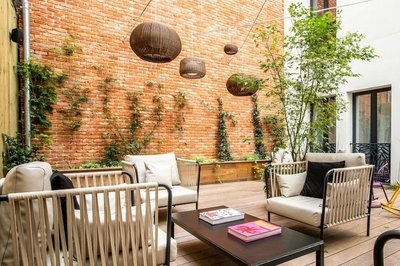
Laz' Hotel Spa Urbain Paris
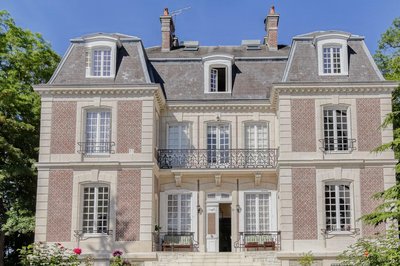
Château d'Avesnes - le Castelet
The Peninsula Paris
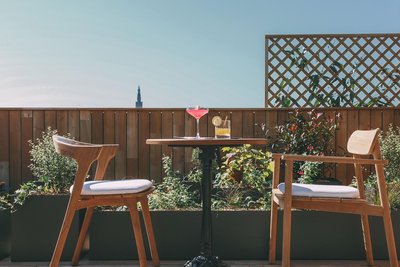
Grand Hotel Bellevue - Grand Place
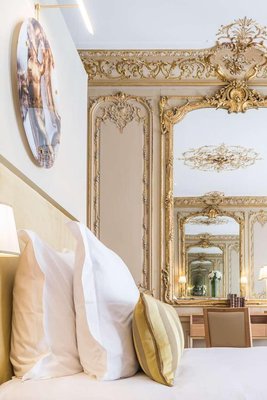
Hôtel Alfred Sommier
Hotel de Crillon A Rosewood Hotel
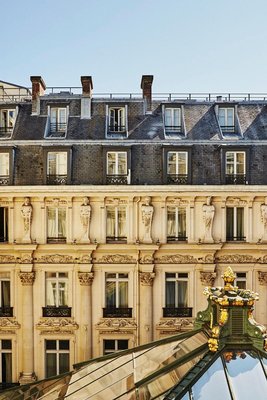
InterContinental Paris le Grand
Four Seasons Hotel George V Paris
Plaza Athénée Paris & Dior Spa
Le Meurice
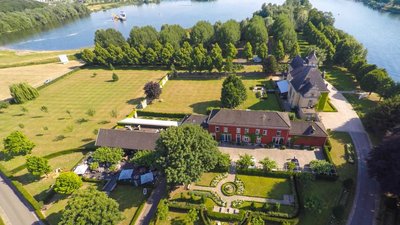
Landgoed Kasteel de Hoogenweerth
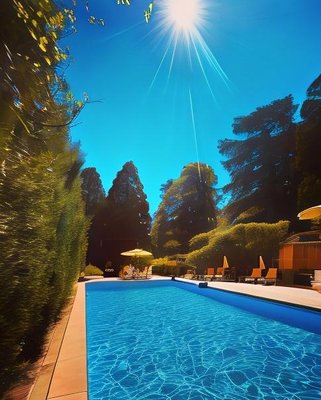
Manoir des Cavaliers - Bnb
Brach Paris - Evok Collection
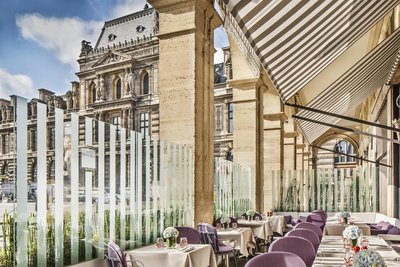
Hôtel du Louvre, in The Unbound Collection by Hyatt
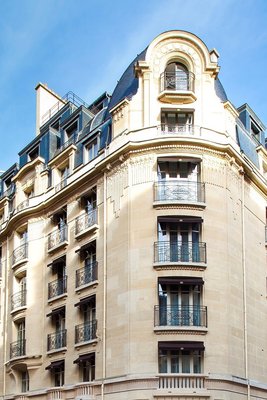
Sofitel Paris Arc de Triomphe
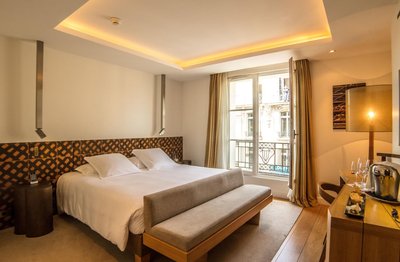
Hotel Marignan Champs-Elysées
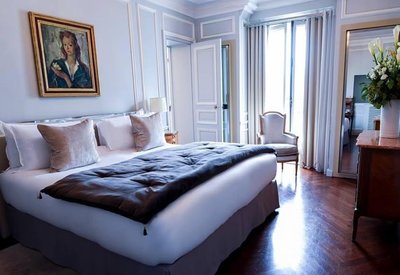
Hôtel Lancaster Paris Champs-Elysées
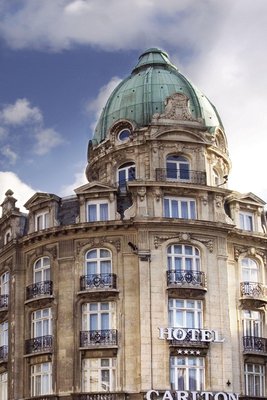
Hotel Carlton Lille
1898 the Post
The Peninsula Paris
Paris Marriott Champs Elysees Hotel
Hôtel San Régis
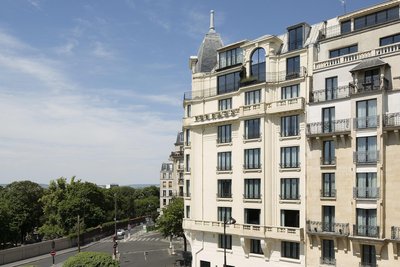
Terrass Hotel Paris
Plaza Athénée Paris & Dior Spa
Park Hyatt Paris Vendome
Brach Paris - Evok Collection
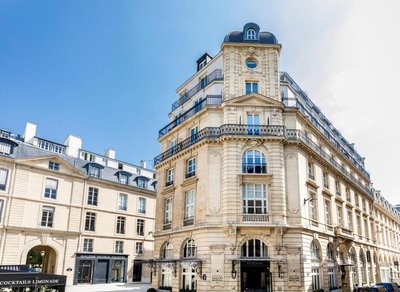
Grand Hôtel du Palais Royal
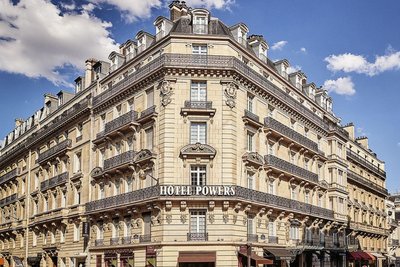
Grand Powers Hotel
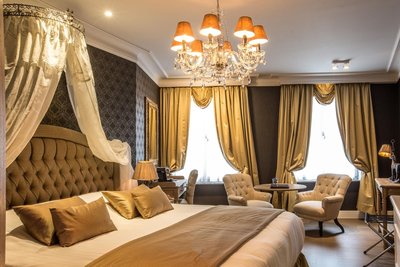
Luxury Boutique Hotel de Castillion
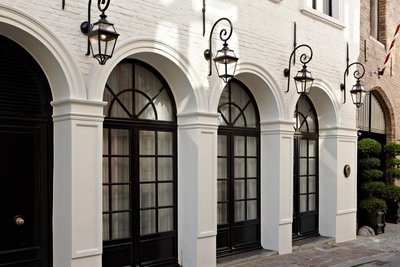
Hotel de Orangerie by CW Hotel Collection

Hotel Eiffel Blomet
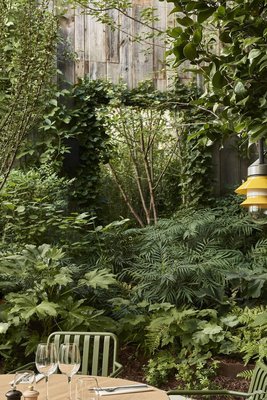
Hôtel le Ballu
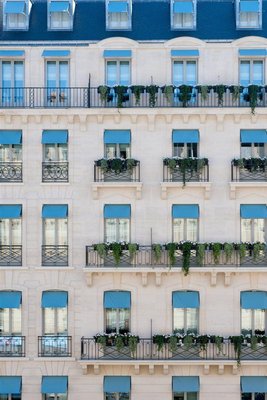
Nolinski Paris - Evok Collection
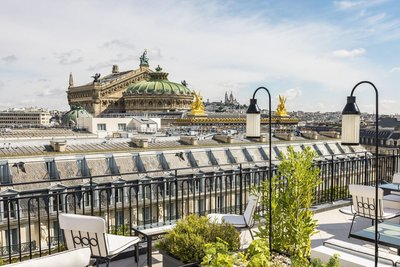
Kimpton - St Honoré Paris
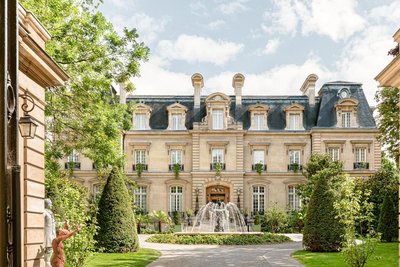
Saint James Paris
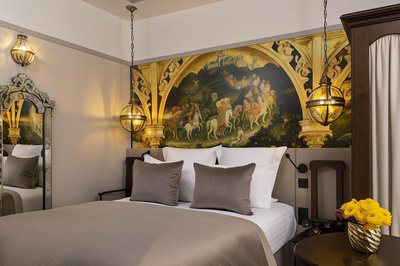
Hôtel Vinci Due & Spa
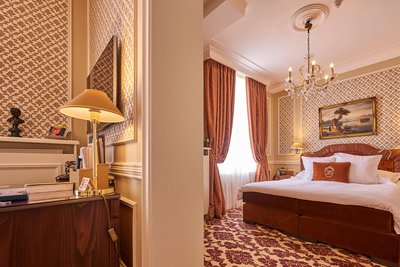
Relais & Châteaux Hotel Heritage
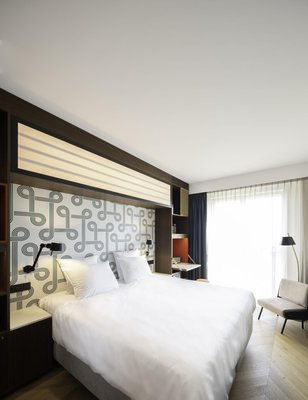
Yalo Urban Boutique Hotel Gent
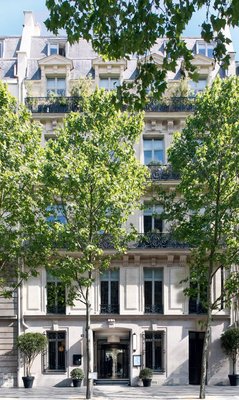
Le Narcisse Blanc Hôtel & Spa
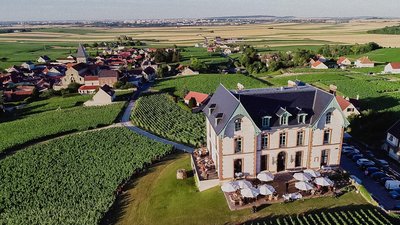
Chateau de Sacy
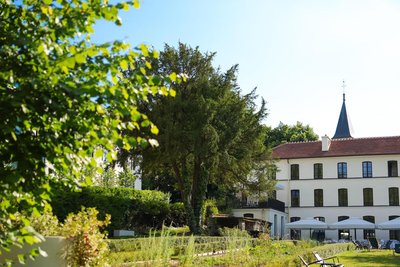
Domaine Reine Margot Paris Issy MGallery Collection
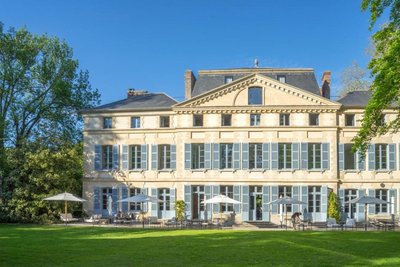
Le Domaine de Primard
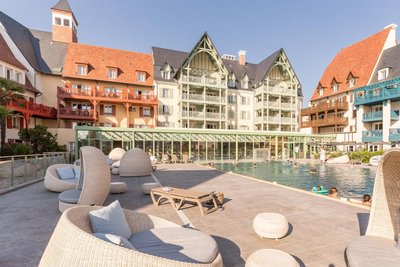
Résidence Pierre & Vacances Premium Presqu'Ile de la Touques
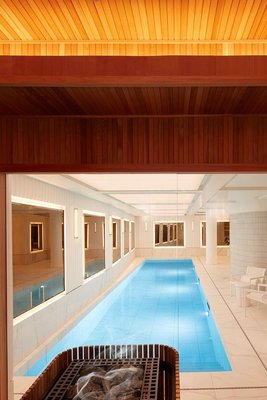
Villa-des-Prés
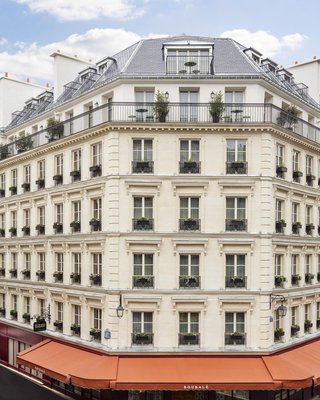
Le Grand Mazarin
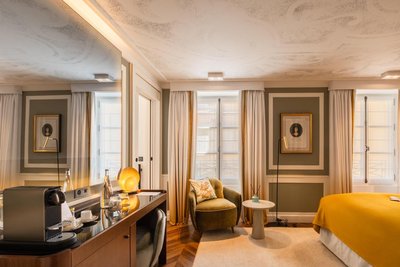
Hôtel les Lumières - Relais & Châteaux
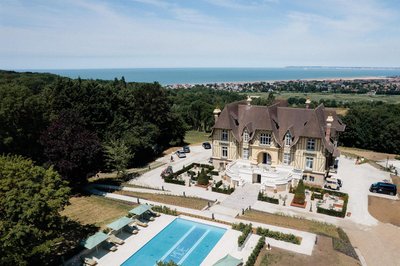
Maison Douce Époque
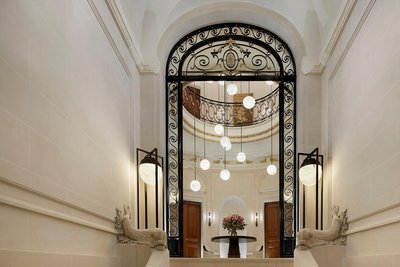
Maison Villeroy
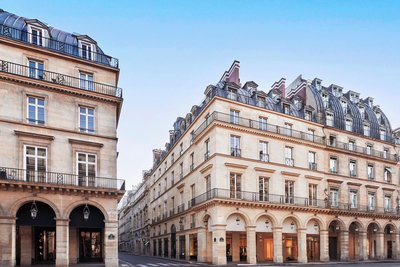
Maison Barrière Vendôme
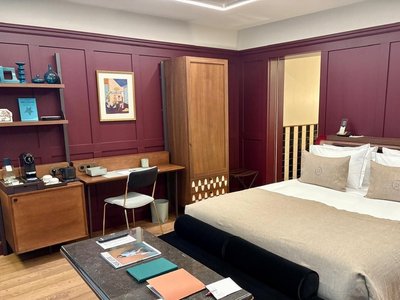
Faubourg 21
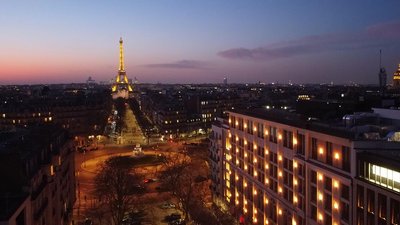
SAX Paris, LXR Hotels & Resorts
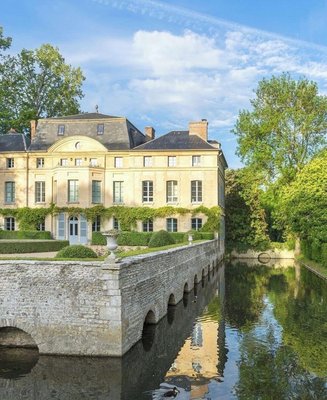
Domaine de Primard - Fontenille Collection
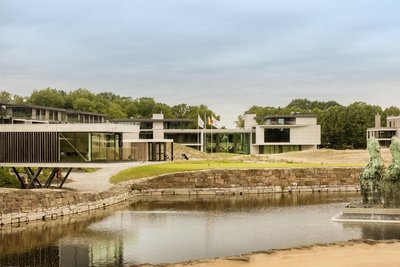
Radisson Collection Hotel, The National Brussels
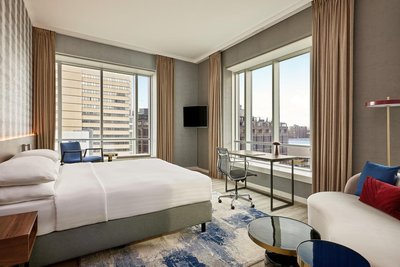
Rotterdam Marriott Hotel
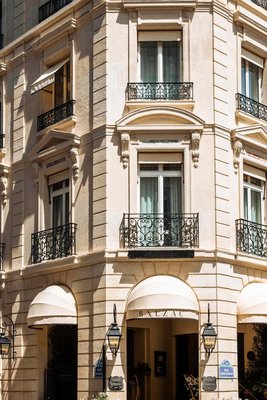
Hôtel Balzac Paris & Spa Ikoï
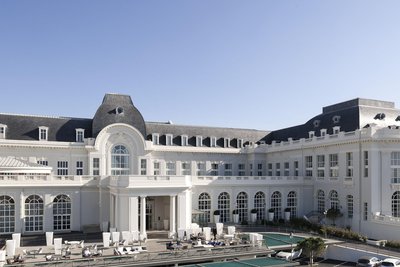
Cures Marines Hotel & Spa Trouville MGallery Collection
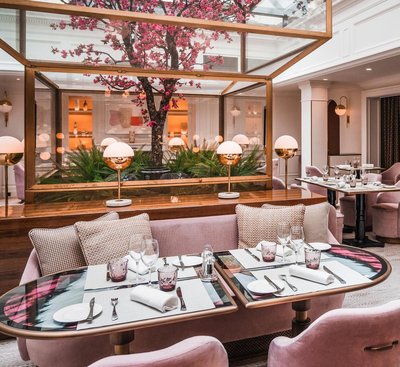
Sofitel le Scribe Paris Opera
InterContinental Paris le Grand
The Peninsula Paris
Hotel de Crillon A Rosewood Hotel
Four Seasons Hotel George V Paris
Le Meurice
Park Hyatt Paris Vendome
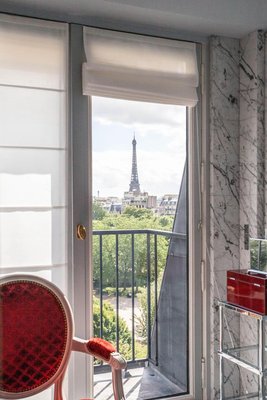
La Reserve Paris Hotel and Spa
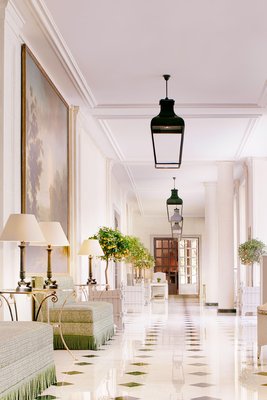
Le Bristol Paris - an Oetker Collection Hotel
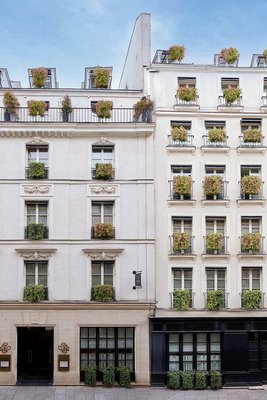
Le Burgundy Paris
Shangri-La Paris
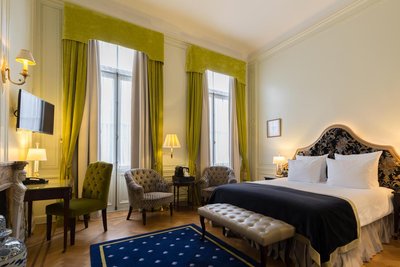
Stanhope Hotel Brussels by Thon Hotels
Cheval Blanc Paris & Dior Spa Cheval Blanc Paris
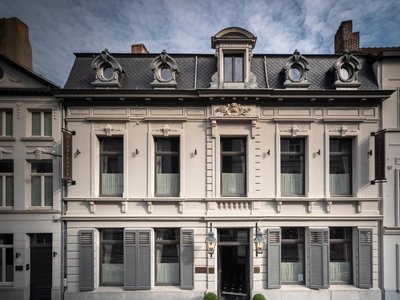
CH Longstay 2
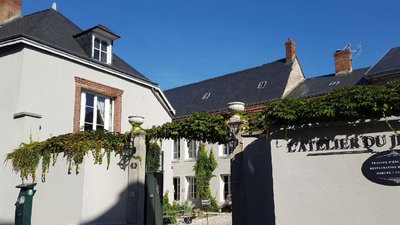
Au Jeu de Paume
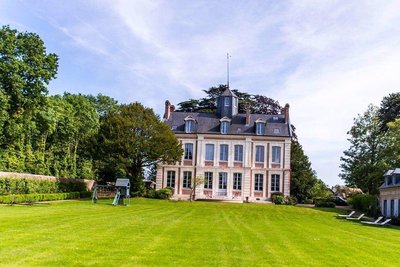
Le Clos de Grâce
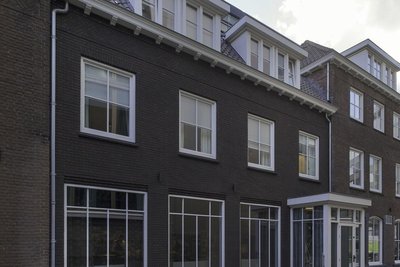
Little Grand
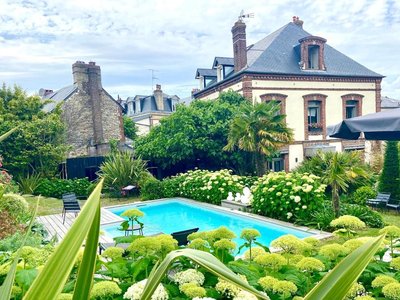
Villa du Cedre Honfleur
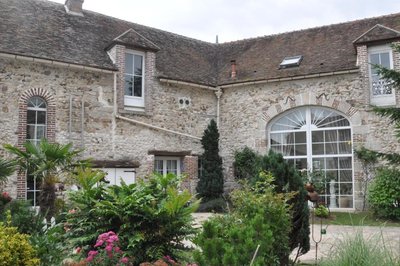
La Bergerie des Anges
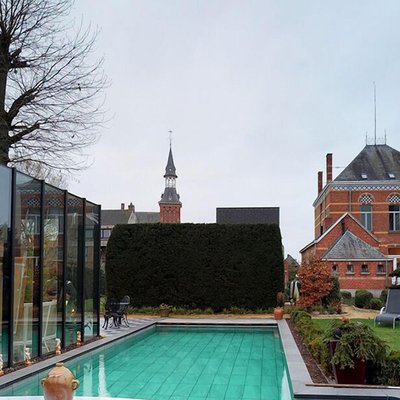
Art of Dreams Deluxe 4 Stars
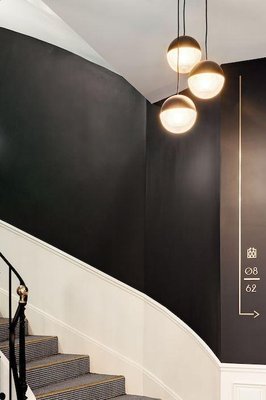
My Maison in Paris Invalides
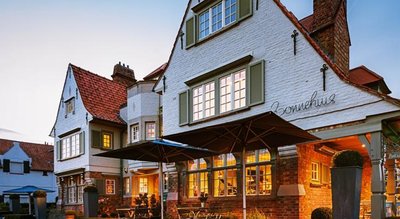
Romantik B&B Zonnehuis
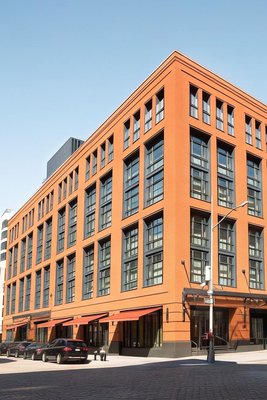
Hotel Barrière Fouquet's New York
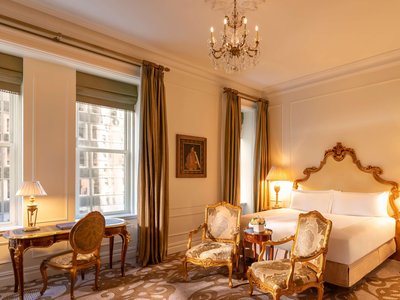
The Plaza - A Fairmont Managed Hotel
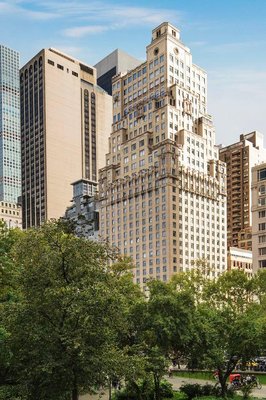
The Ritz-Carlton New York, Central Park
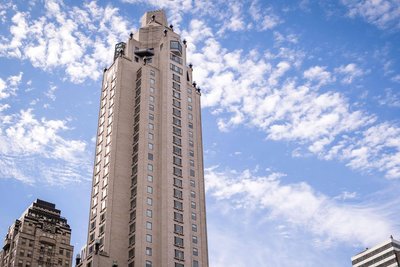
Four Seasons Hotel New York
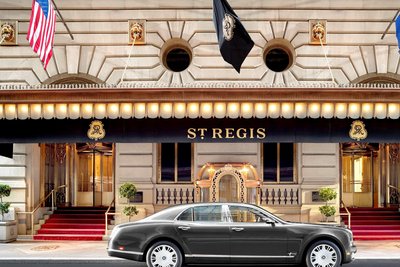
The St. Regis New York
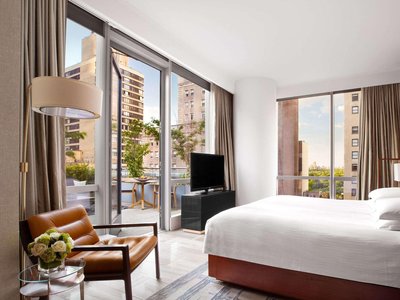
Park Hyatt New York
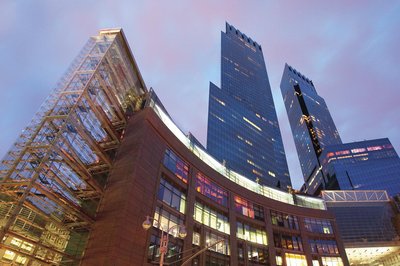
Mandarin Oriental New York
Times Square Edition New York
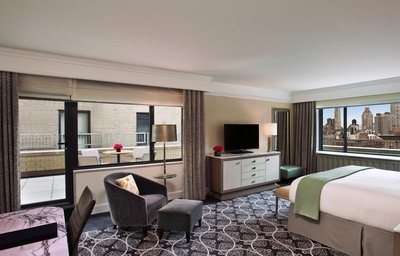
Loews Regency New York Hotel
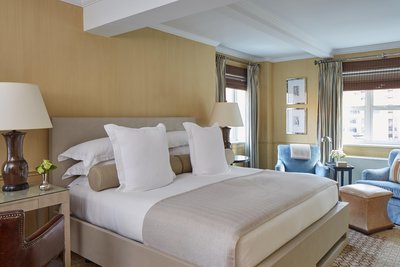
Lowell Hotel
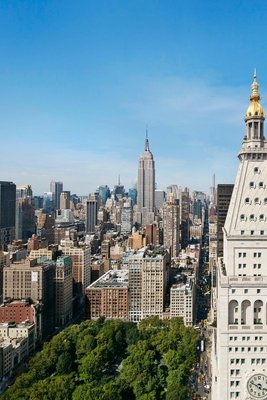
New York Edition
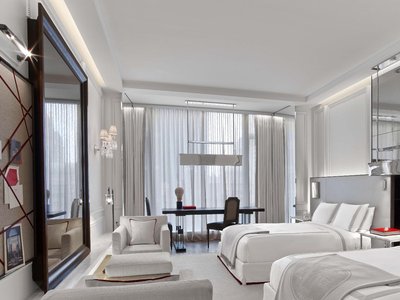
Baccarat Hotel New York
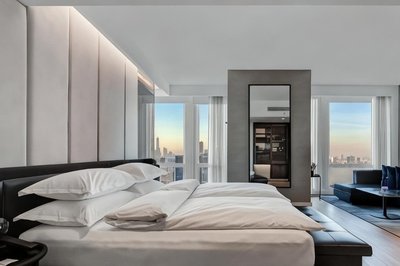
Equinox Hotel New York
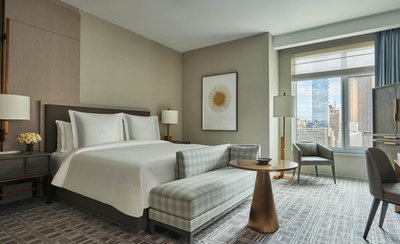
Four Seasons Hotel New York Downtown
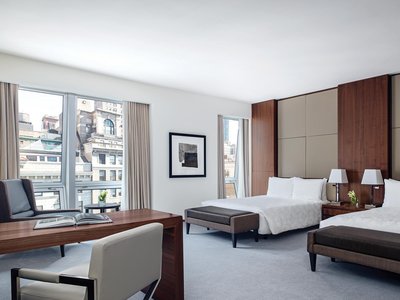
The Langham, New York, Fifth Avenue
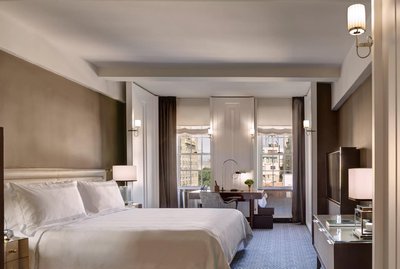
The Carlyle, A Rosewood Hotel

The Chatwal, in the Unbound Collection by Hyatt
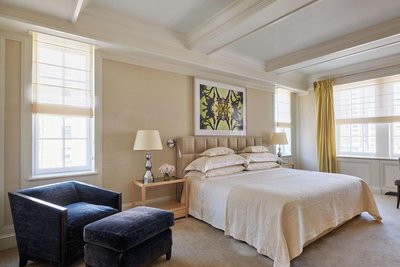
The Mark New York
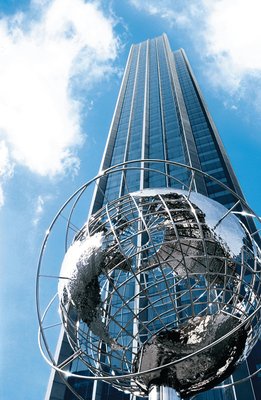
Trump International Hotel & Tower® New York
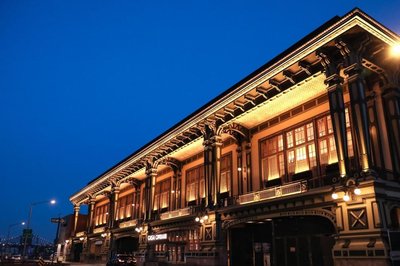
Casa Cipriani New York
Frequently Asked Questions about Traveling to Cucq
Questions You Might Need to Know About Traveling to Cucq
In Quercy, the top choice for authentic charm is Le Mas des Lauriers, a restored 18th-century farmhouse nestled near Castelnau-de-Gard. This boutique retreat features handcrafted stone walls, original timber beams, and a private olive grove. Guests enjoy locally sourced breakfasts with honey from nearby apiaries and fresh goat cheese. The property offers guided vineyard walks and traditional cooking classes using regional ingredients like wild herbs and black pig ham. It’s a true immersion in Occitan culture and southern French rural life.
The most serene and picturesque region in Quercy is the stretch between Castelnau-de-Gard and Laverie, where quiet hillside villages blend with terraced vineyards and ancient oak forests. Accommodations here—often converted farmhouses—are set amidst rolling landscapes with panoramic views of the Lot River valley. Many offer private gardens, outdoor showers, and access to secluded walking trails. Ideal for those seeking tranquility, this area provides an authentic escape into Provencal-style slow living, far from tourist crowds.
To savor genuine southern French cuisine in Quercy, visit the weekly market in Laverie or Castelnau-de-Gard, where local farmers sell artisanal products like lavender honey, wild thyme, and pork confit. Book a hands-on cooking class at a family-run farmhouse to prepare dishes such as cassoulet or tarte à l’orange. Some guesthouses offer private dinners featuring wines from the Cave de Capel winery. Meals are made with seasonal, organic ingredients, offering a true taste of Occitan culinary heritage.
Don’t miss the Fête de la Vierge in July, held at Église Saint-Martin, where locals dress in 18th-century costumes and perform traditional dances and crafts like pottery and candle-making. Another must-see is the Musée du Quercy, which houses replicas of prehistoric cave paintings and Roman-era artifacts. These events reveal the deep historical roots of the region, stretching back to Paleolithic times, and offer insight into the enduring Occitan identity and rural traditions of southern France.
Yes, Quercy is ideal for road trips. Drive from Castelnau-de-Gard through the Gorges de Sèlye to reach the ruins of Abbaye de Montlaur. Stop at the Sélye Gorge viewpoint for dramatic canyon vistas and explore the Agnès Cave, home to ancient rock art. Don’t miss the Laverie Olive Mill and the Saint-Laurent Church, famed for its stained-glass windows. Well-marked roads and scenic detours make it perfect for photography and leisurely exploration.
For couples seeking romance, Château de L'Orme stands out—a 17th-century manor with private hot tub suites overlooking a secluded garden. Enjoy a candlelit dinner on the terrace under the stars, accompanied by live flute music. The estate offers bespoke experiences like evening wine tastings with local vintners and guided night walks through lavender fields. With personalized service and a focus on intimacy, it’s one of the most enchanting destinations for honeymoons and anniversaries in southern France.
Quercy has a Mediterranean climate: hot, dry summers (30°C+) and mild, wet winters. Avoid midday heat in summer; plan outdoor activities for early morning or late afternoon. Spring (April–May) and autumn (October–November) are ideal—pleasant temperatures, blooming wildflowers, and fewer tourists. These seasons offer perfect conditions for hiking, cycling, and visiting historic sites without the crowds. Winter visits are great for indoor attractions like museums and thermal spas.
While most Quercy guesthouses primarily operate in French, many owners speak basic English, especially in tourist-season accommodations. For seamless communication, use HopeGoo platforms that specify language availability. Some high-end stays provide multilingual welcome kits, including maps, recipe cards, and audio guides. Consider hiring a local guide for deeper cultural insights—they often speak fluent English and can enhance your experience with stories and hidden gems.
Public transport in Quercy is limited. The nearest airport is Toulouse-Blagnac, about 1 hour away—renting a car is highly recommended. The Castelnau-de-Gard train station connects only occasionally to Toulouse. For convenience, book private transfers (around €60 round-trip). Many guesthouses offer bicycle rentals for short explorations. Plan extra time for travel, as distances between villages can be significant and roads may lack signage.
Prime photography locations in Quercy include the golden light hitting Saint-Laurent Church at sunset, the misty silhouette of Gorges de Sèlye, and the ancient mill in Laverie surrounded by wild roses. Capture spring blooms in the lavender fields and autumn hues across the olive terraces. Bring a wide-angle lens and tripod for long exposures. Some estates allow guests to use their private courtyards as backdrops—perfect for timeless, cinematic shots of rural French life.
Cucq Overview
City Summary
Quercus is a picturesque small town in France, renowned for its historic architecture and serene rural landscapes. It boasts a rich cultural heritage, featuring medieval churches and traditional market squares, offering visitors a glimpse into authentic French lifestyle.
Must-See Attractions
Key attractions in Quercus include the iconic Notre-Dame Church, a gothic architectural landmark. The old main square hosts vibrant daily markets, ideal for experiencing local culture. The surrounding countryside also offers excellent hiking and cycling routes.
Food Guide
Quercus is famous for traditional French countryside cuisine. Local restaurants serve classics like Beef Bourguignon and Escargot. Be sure to try the fresh cheeses and breads at the local markets.
Transportation Guide
Transport in Quercus mainly relies on buses and walking; the town is compact and easily navigable on foot. For longer distances, trains are the best option to connect with nearby cities. Check schedules in advance as services may be limited.
Best Time to Visit
The best times to visit Quercus are spring and autumn when the weather is mild and there are fewer tourists. Summers can be crowded, while winters are quieter and colder.
Travel Tips
- Many shops and small restaurants in Quercus are closed on Mondays; plan accordingly.
- Respect local customs by keeping noise levels low, especially near churches and residential areas.
- Cash is still widely used in the town; carrying small euros is advisable.
- Learning basic French greetings can enhance interactions with locals.
Useful Information
The official language in Quercus is French, with limited English spoken in tourist areas. Network coverage is good, with many cafes offering free Wi-Fi. Credit cards are accepted at larger businesses, but small shops prefer cash. The emergency number is 112, and there is a small local hospital for basic medical needs.