Hotels in Dōshi
Discover your perfect stay in Dōshi.
Dōshi(Japan) Travel 2026: Cheap Flights, Hotels & Top Attractions
Popular Landmarks in Dōshi
Discover the most iconic attractions in Dōshi
Recommended Hotels in Dōshi
Find the perfect place to stay in Dōshi
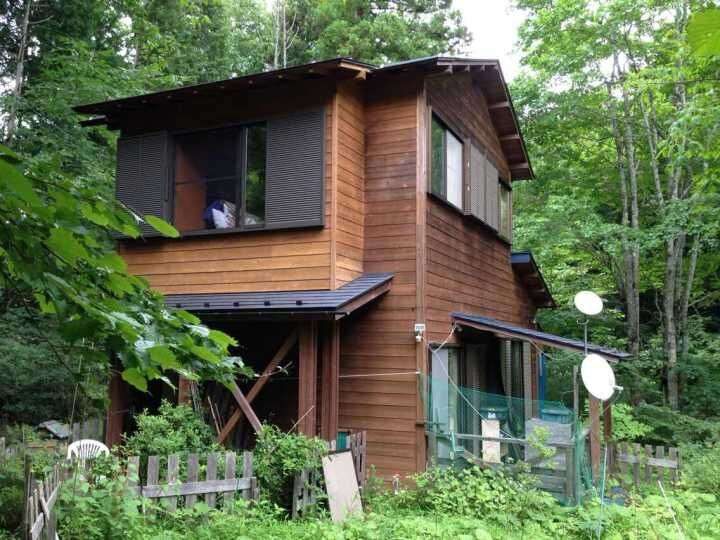
Momonga No Mori
Best Hotels in Dōshi
Discover curated hotel collections in Dōshi

Rakuten STAY VILLA Nasu
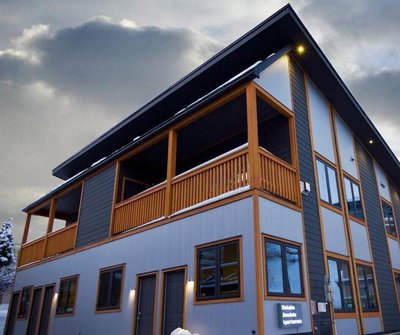
Hakuba Gondola Apartments
glampark Gekkabijin Nagano
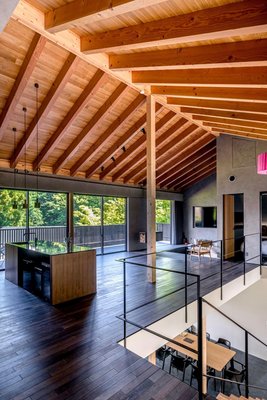
MONS GORA

Phoenix Chalets by Hhg
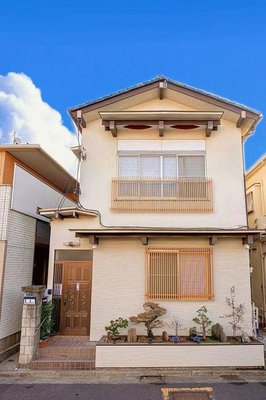
Tokyo Star House-Shinkoiwa
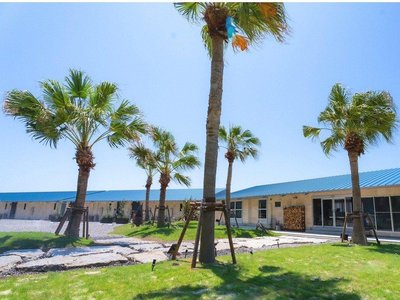
Glamping&Resort Wood Design Park Noma
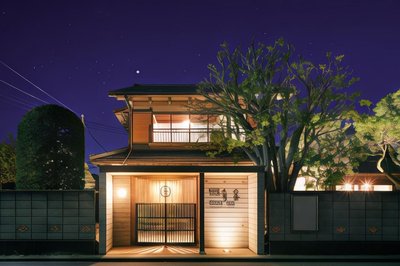
Machi-Jyu
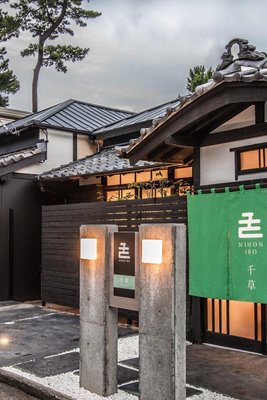
Nihon Iro
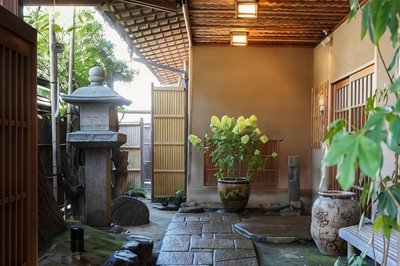
Ryokan Asadaya

Kitashirakawa Natural Radium Onsen
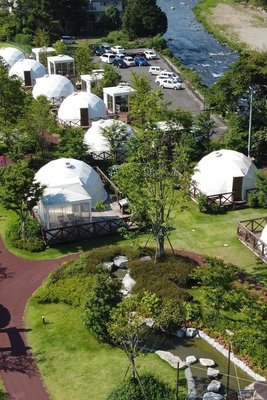
Ufufu Village
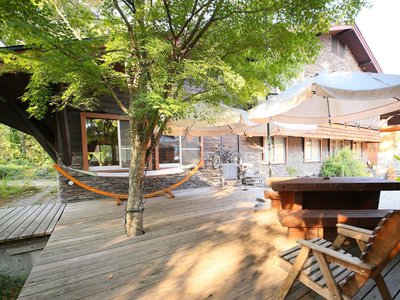
Kunugi Relaxation with 4 Modern Rooms

Modern Ryokan Kishi-ke

Petals Tokyo - Floating Hotel
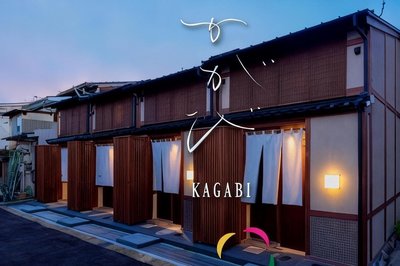
Kagabi Machiya House

The Flow Kamakura
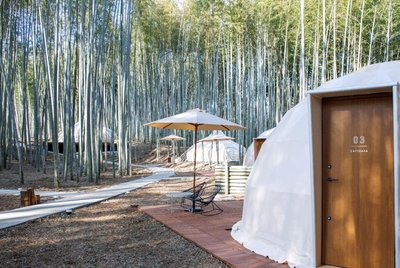
THE BAMBOO FOREST
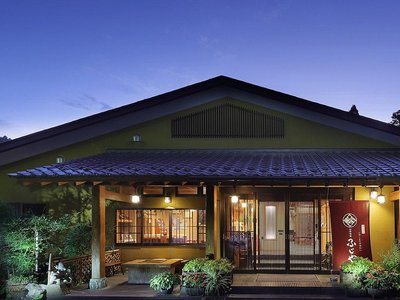
Shikimitei Fujiya
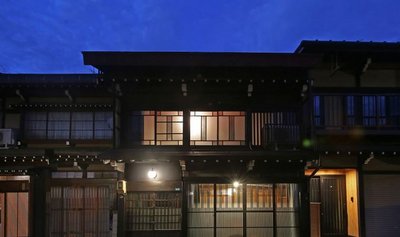
Iori Stay Hida
Frequently Asked Questions about Traveling to Dōshi
Questions You Might Need to Know About Traveling to Dōshi
In Dōchi Village, ideal family stays include Yama no Mori Koji, a former farmhouse transformed into a nature-integrated lodge with spacious rooms and a forest-view courtyard. The property offers hands-on experiences like local ingredient cooking workshops using organic produce from nearby farms, perfect for children. Located near Fujigoko Lakes and Shinano Eight Springs, it provides easy access to scenic trails and cultural sites.
Another top choice is Dōchi Nature Living House, which emphasizes eco-friendly practices with solar power and zero-waste policies. It features kid-safe gardens, storytelling sessions by village elders, and a private stream area for safe exploration. All lodges provide free Wi-Fi, shuttle services, and multilingual staff, making them ideal for families seeking authentic mountain life with comfort and safety.
The Ozawa District in the northern foothills is the most tranquil area for lodging in Dōchi Village. Surrounded by dense cedar forests and far from main roads, this region hosts boutique lodges like Matsukaze-an and Kiriya Residence, built with traditional Japanese woodcraft and thatched roofs. Guests enjoy panoramic views of untouched valleys and access to the source trail of Dōchi River, perfect for early morning walks.
The area also hosts seasonal cultural events such as handmade pottery workshops and traditional tea ceremonies, led by local artisans. With limited vehicle access and no nightlife, Ozawa offers an immersive experience in rural serenity. Many lodges offer stargazing packages with telescopes, especially during summer nights when the Milky Way is clearly visible—ideal for travelers seeking deep peace and connection with nature.
Visitors to Dōchi Village can participate in two signature traditions: the Spring Mountain Herb Gathering and the Autumn Rice Harvest Festival. In April, villagers guide guests through ancient forest trails to identify edible and medicinal plants like Oriental Fern and Huangjing Root, teaching sustainable harvesting techniques passed down for generations.
During October’s Rice Harvest Festival at Kamida Shrine, locals wear handwoven hemp garments and perform ritual dances to honor the harvest. Visitors taste homemade rice dumplings and mountain vegetable miso soup, and join in paper lantern painting, releasing their wishes into the river—a symbolic act of renewal. These activities reflect the village’s deep reverence for nature and ancestral customs, offering travelers a profound immersion into living heritage.
While Dōchi Village lacks large public onsen resorts, select boutique lodges feature private natural hot spring baths. Kiriya Residence has an outdoor stone bath fed by natural thermal springs from underground aquifers, maintaining a steady 40°C temperature rich in minerals. Surrounded by moss-covered rocks and cedar trees, the space evokes a meditative forest retreat.
Another option is Matsukaze-an’s 'Morning Dew Soak' package, where guests enjoy exclusive use of their private bath at 6:30 AM, accompanied by birdsong and misty air. Though not open to the public, these intimate experiences align with the village’s ethos of simplicity and harmony with nature. For more extensive spa options, nearby Kai City or Fujiyoshida offer luxury resorts like Yumegokoro Onsen and Fujisan Spa Resort, both within a 30-minute drive.
For solo travelers, Koyama House and Shizumi No Ie stand out as serene, low-impact lodges. Both are located in secluded valleys west of the village, accessible only by footpath, surrounded by towering cedars and silence broken only by streams.
Koyama House, once a photographer’s studio, features minimalist interiors with floor-to-ceiling windows facing the valley, plus a dedicated meditation corner and library. Shizumi No Ie embraces a 'no-distraction' philosophy—no electronics, just solar lights and hand-crank radios—encouraging digital detox. Each guest receives a handmade welcome kit including coffee from local farmers and a handwritten note.
Neither lodge has a front desk; check-in is via app, ensuring privacy. These spaces are ideal for introspection, creative work, or simply being present in nature, making them perfect for those seeking solitude without isolation.
Local breakfasts in Dōchi Village center around mountain-foraged cuisine. A typical meal includes organic rice balls filled with pickled wild ferns and sun-dried shiitake mushrooms, served with a bowl of mountain vegetable miso soup featuring oriental fern shoots, fiddlehead ferns, and burdock root.
Guests also enjoy homemade black sugar bread drizzled with wildflower honey, and freshly pressed bean milk. Every ingredient is labeled with its source—such as "Ozawa Farm Plot 7" or "Deep Forest Harvest Group 2024 Spring"—emphasizing transparency and sustainability. Some lodges offer a meditative breakfast tour, where a local elder explains the seasonal rhythms behind each ingredient, blending gastronomy with mindfulness.
Dōchi Village is accessible primarily by car due to limited public transit. The main road, a two-lane mountain route, is well-maintained but winding—ideal for drivers who appreciate scenic drives through terraced fields and maple tunnels. The nearest train station is Kai Station on the JR Chūō Line, followed by a 30-minute bus ride on Yamanashi Prefecture Bus Route 138, though schedules are sparse (2–3 daily departures).
Many lodges offer pre-booked shuttle services, but advance confirmation is essential. With no taxis or rental bikes available, self-driving ensures flexibility. Driving allows access to hidden viewpoints like the Sunrise Ridge Lookout and Cedar Grove Trail, especially stunning in autumn. Always check weather alerts before traveling, as landslides can occur after heavy rain.
Absolutely—Dōchi Village is a dream destination for photographers. Key locations include Ozawa Mist Valley, where morning fog blankets the river, creating ethereal reflections ideal for minimalist landscape shots. The Birch Forest Pathway offers golden light filtering through autumn foliage, perfect for wide-angle captures of “light tunnel” effects.
The Kamida Shrine Torii Gate, painted crimson against ancient cedars, stands out dramatically at sunset. The Summit Observation Deck (Kōdai Kōbō) provides panoramic views of Mount Fuji and layered rice paddies, excellent for long-exposure nightscapes. Many lodges also permit access to private courtyards and rooftop decks, and some even offer free photography guidance from resident artists who teach natural lighting and composition techniques tailored to the terrain.
Couples should consider Sōsei No Ie and Gekkō Garden Suite for unforgettable intimacy. Sōsei No Ie features a glass-domed room with a sky-facing ceiling, allowing stargazing from bed. It offers a starlight dinner cooked over a forest fire pit using locally sourced ingredients, paired with homemade plum wine.
Gekkō Garden Suite sits beside a private stream, with a heated outdoor onsen pool surrounded by cherry blossoms and paper lanterns. Morning rituals include shared tea under a vine-covered pergola, while evenings feature soft ambient music and candlelit dinners. Both lodges include a love letter time capsule service—guests write future messages delivered by the village postman exactly one year later, adding poetic depth to the stay.
Dōchi Village has a humid continental climate with distinct seasons, influencing lodging decisions. Winters are cold and snowy (temperatures -2°C to 5°C), so lodges like Matsukaze-an and Kiriya Residence feature underfloor heating and thick insulated windows to retain warmth.
Summers are warm and humid (up to 25°C), with occasional thunderstorms, making elevated wooden cabins with cross-ventilation preferable. Spring and autumn are ideal—mild temperatures and clear skies—so rooms facing valleys or forests are best for enjoying sunrise and fall foliage.
Due to its 800-meter elevation, nighttime temperatures drop significantly. Most lodges provide emergency heaters and moisture-proof mats. Travelers should monitor local weather alerts, especially during rainy season, to avoid landslides near mountain trails.
Dōshi Overview
City Summary
Doshi Village is located in Yamanashi Prefecture, Japan, a tranquil village surrounded by nature. Known for its clear streams, dense forests, and fresh air, it is an ideal destination for those seeking to escape urban hustle. Doshi Village is a paradise for hikers and a perfect retreat for peace seekers.
Must-See Attractions
The main attractions in Doshi Village include the clear streams of the Doshi River and surrounding hiking trails. Hikers can walk along the river and enjoy the natural scenery. The village also has hot spring facilities for relaxation. Additionally, the seasonal views are stunning, with cherry blossoms in spring and red leaves in autumn.
Food Guide
The culinary culture in Doshi Village is deeply influenced by its natural environment. Recommended dishes include local wild vegetables and river fish. Small restaurants in the village offer traditional Japanese cuisine made with local ingredients, such as soba noodles and grilled fish. Doshi Village's sake is also a must-try.
Transportation Guide
Public transportation in Doshi Village is limited, so driving is recommended. From Tokyo or other cities in Yamanashi, it is accessible via the Chuo Expressway. There are no subways or bus systems within the village, but taxis and rental cars are available. Walking and cycling are great ways to explore the area.
Best Time to Visit
The best times to visit are spring (April to May) and autumn (September to November). Spring offers cherry blossoms, while autumn features vibrant foliage. Summer is cool and ideal for escaping the heat, and winter, though cold, has beautiful snowscapes.
Travel Tips
- Respect local customs and keep the environment clean.
- Bring enough water and food for hiking.
- Be prepared for weather changes with appropriate clothing.
- Follow hot spring etiquette by washing before entering.
- Carry cash as some small shops may not accept cards.
- Book accommodations in advance, especially during peak seasons.
Useful Information
The primary language is Japanese, with limited English. Bringing a translation tool or learning basic Japanese is advisable. Network coverage is good, but some mountainous areas may have weak signals. Cash is the main payment method, so carry sufficient yen. Medical facilities are limited; bring your own medications. In emergencies, dial 119 for help.









