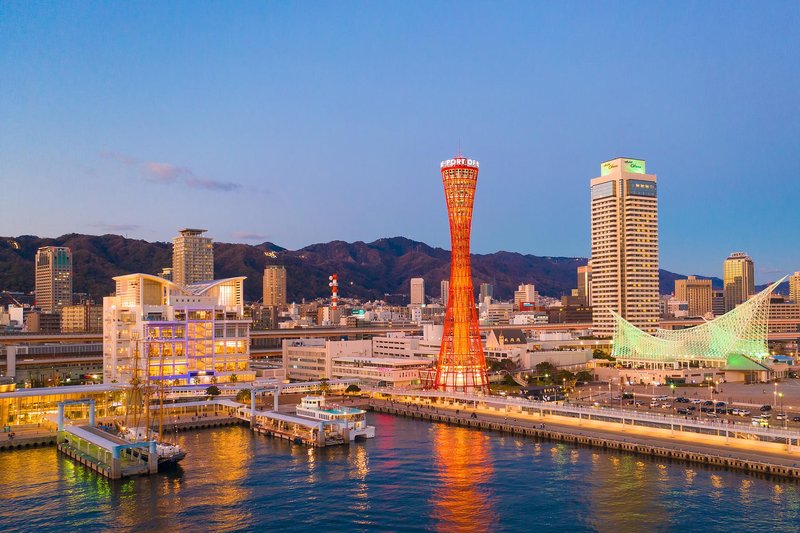
Hotels in Ōdai
Discover your perfect stay in Ōdai.
Ōdai(Japan) Travel 2026: Cheap Flights, Hotels & Top Attractions
Popular Landmarks in Ōdai
Discover the most iconic attractions in Ōdai
Recommended Hotels in Ōdai
Find the perfect place to stay in Ōdai
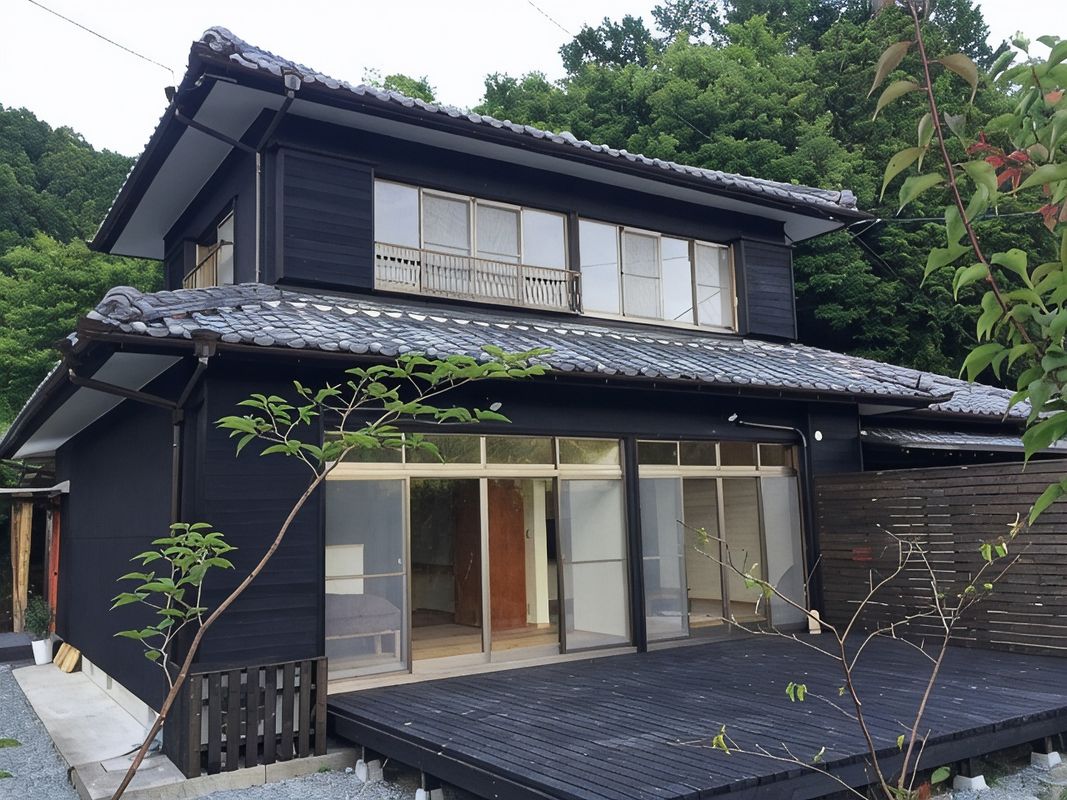
Guest House Mate Mate
Best Hotels in Ōdai
Discover curated hotel collections in Ōdai
Shima Kanko Hotel the Bay Suites
Loquat Nishiizu
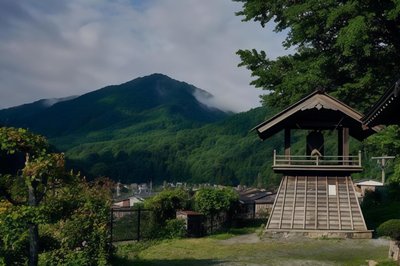
Byaku Narai
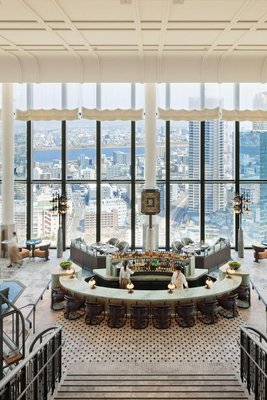
Waldorf Astoria Osaka
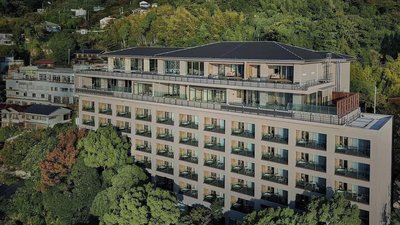
Atami Izusan Karaku
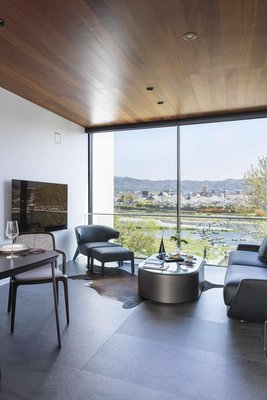
Kamo Residences by Reflections
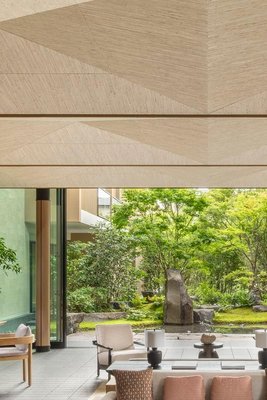
Six Senses Kyoto
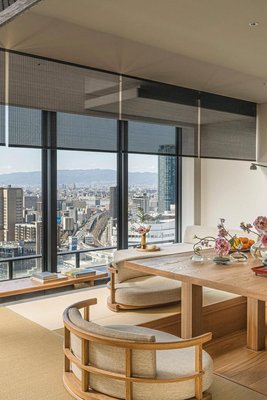
Four Seasons Hotel Osaka
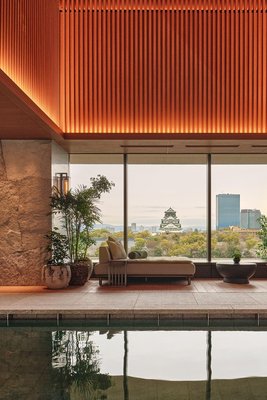
Patina Osaka

The Ritz-Carlton, Osaka
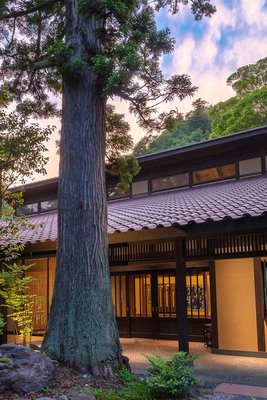
Arimasansoh Goshobessho
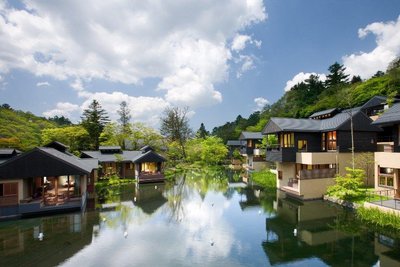
Hoshinoya Karuizawa
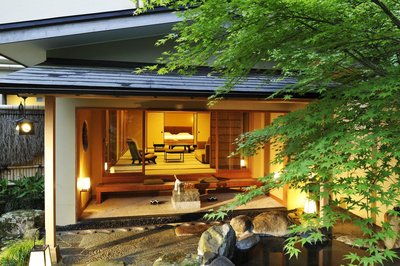
Gora Kadan
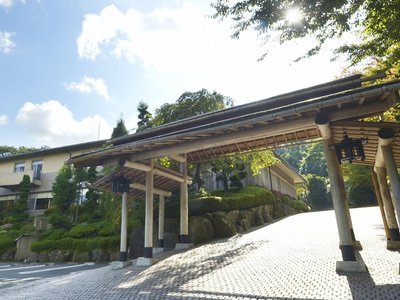
Gora Hanaougi

The Hiramatsu Hotels & Resorts Kashikojima
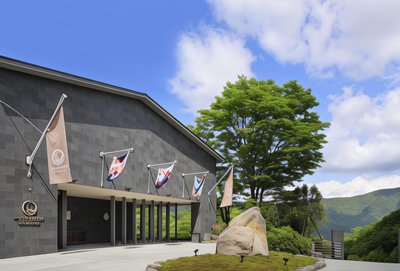
The Hiramatsu Hotels & Resorts Sengokuhara Hakone
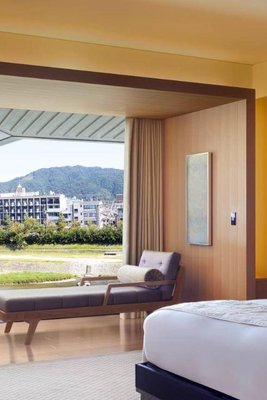
The Ritz-Carlton, Kyoto
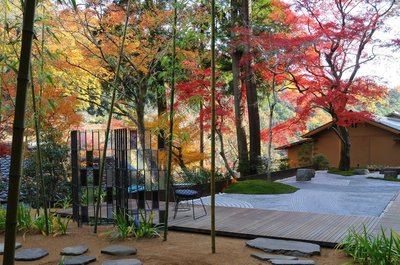
HOSHINOYA Kyoto

Abba Resorts Izu - Zagyosoh
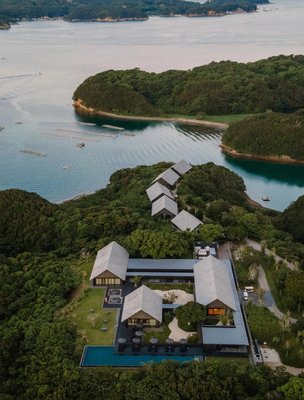
Amanemu
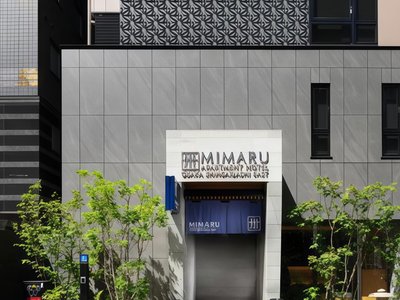
MIMARU Osaka Shinsaibashi East

Toba International Hotel Shiojitei
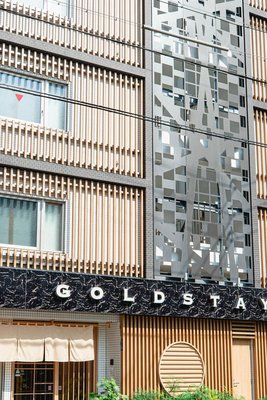
Gold Stay Nagoya OSU
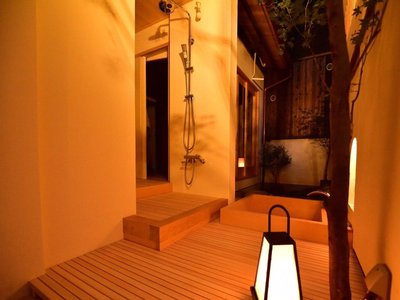
Yado Kiramachi
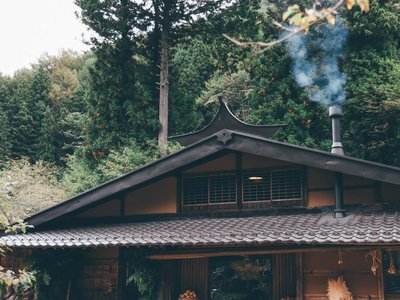
La Terra Resort
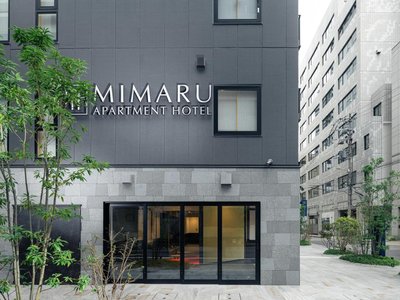
MIMARU Osaka Shinsaibashi North
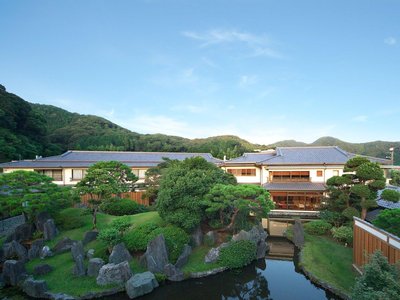
Kagetsutei
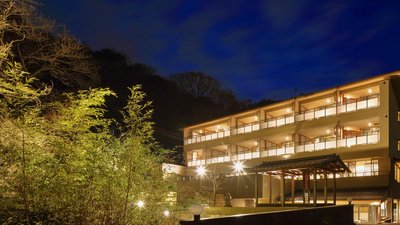
Okuno Hosomichi

Korinkyo

GOLD STAY Nagoya Sakae
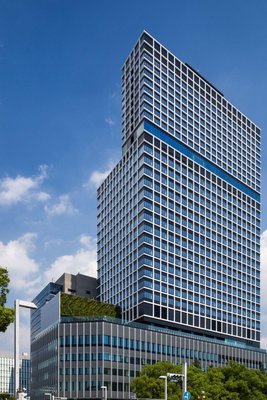
The Royal Park Hotel Iconic Nagoya
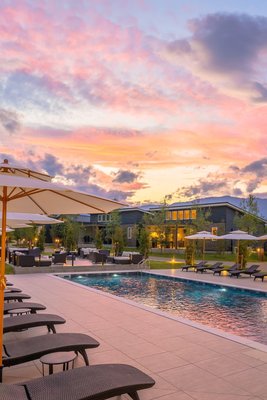
Awaumi Fujikawaguchiko Resort
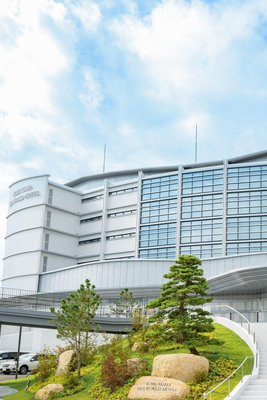
Kobe Suma Sea World Hotel
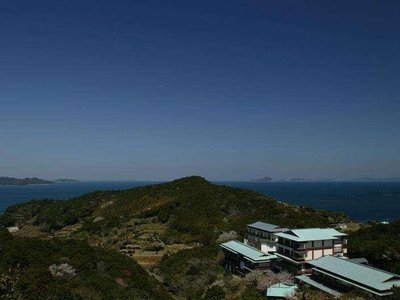
Hanashinsui
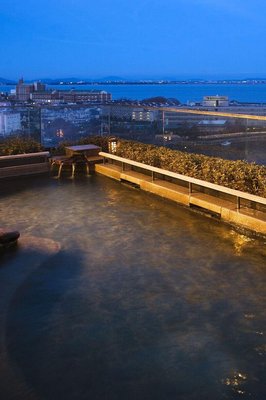
Yumotokan

Hotel Hankyu GRAN RESPIRE OSAKA
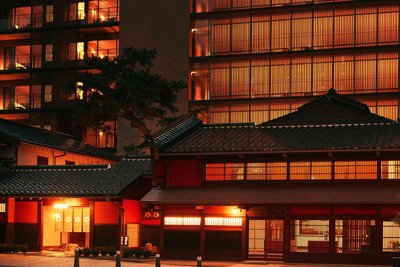
Hoshino Resorts Kai Kaga
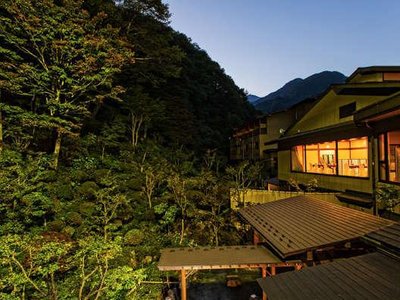
Futari Shizuka

Taikyourou
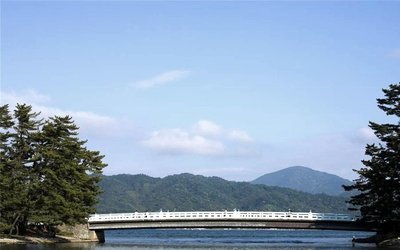
Monjusou Shourotei
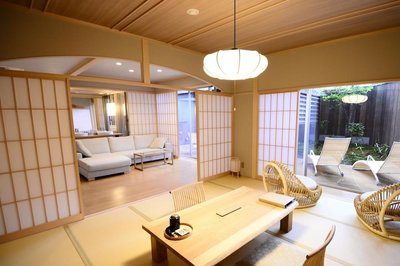
Hakone Gora Byakudan
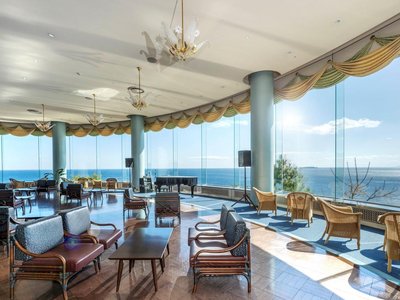
Hotel New Akao

XYZ Private Spa and Seaside Resort
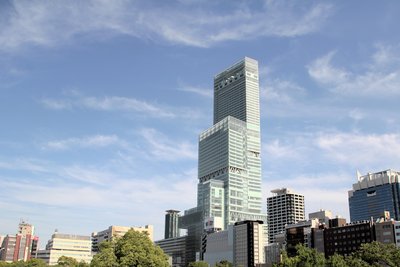
Osaka Marriott Miyako Hotel
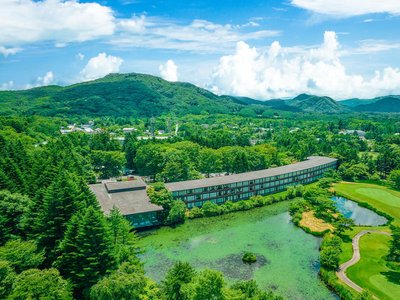
The Prince Karuizawa
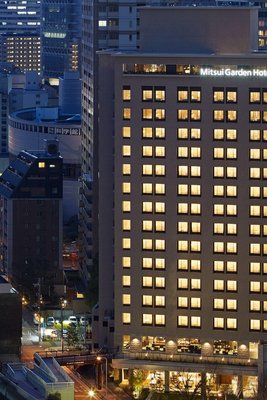
Mitsui Garden Hotel Osaka Premier

Izumigo Hotel Altia Toba
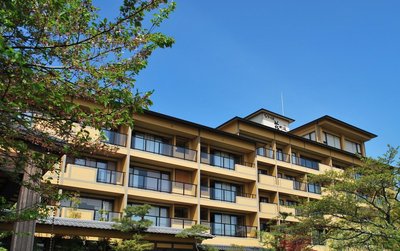
BIWAKO HANAKAIDO
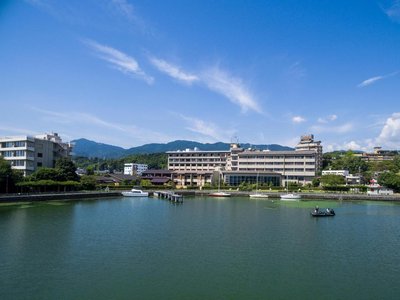
Biwako Ryokusuitei
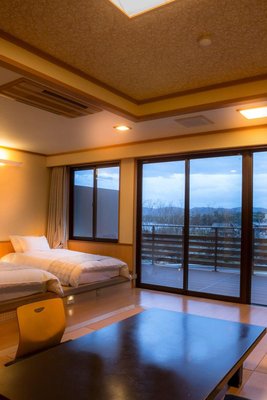
Hotel Kitanoya
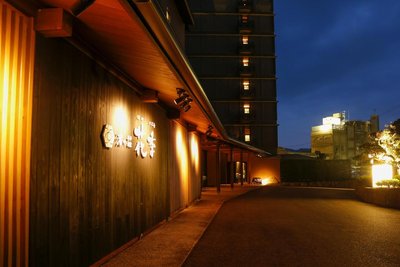
Hanagoyomi
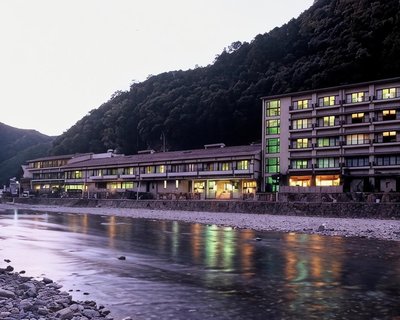
Kawayu Onsen Fujiya
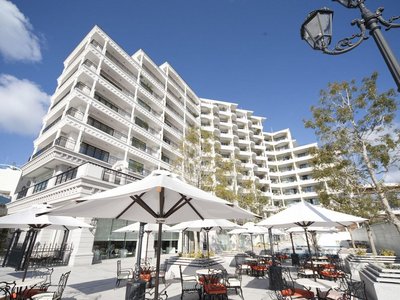
Hotel La Suite Kobe Harborland

The Kukuna
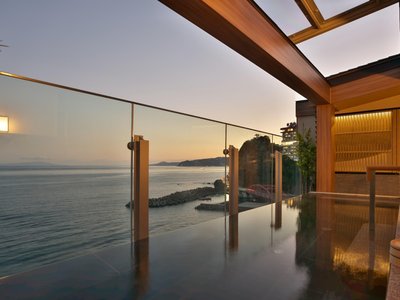
Hotel New Sagamiya
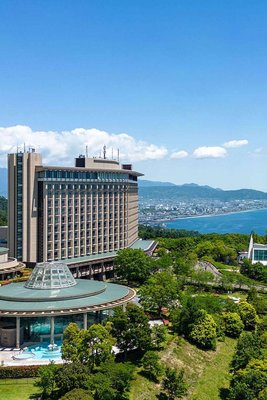
Hilton Odawara Resort & Spa
Hoshinoya Karuizawa
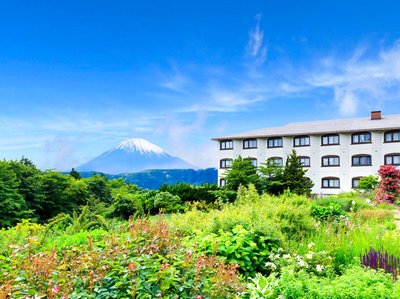
Hotel Green Plaza Hakone
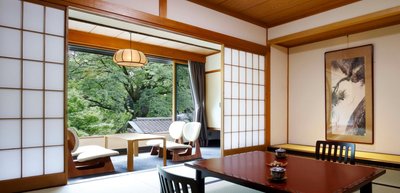
Yoshiike Ryokan
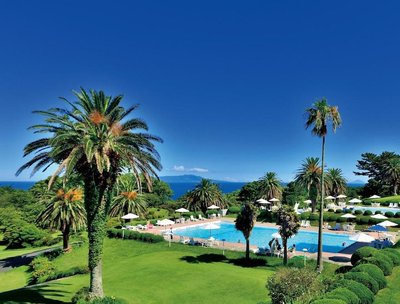
Kawana Hotel
Yado Kiramachi
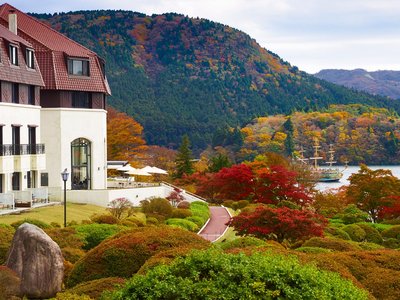
Hotakajyo
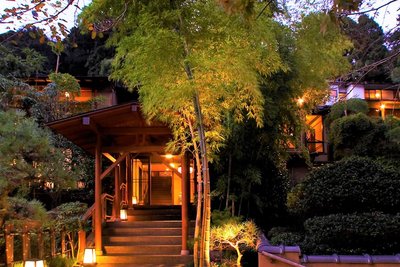
Shiki wo Ajiwau Yado Yamano Chaya
Arimasansoh Goshobessho
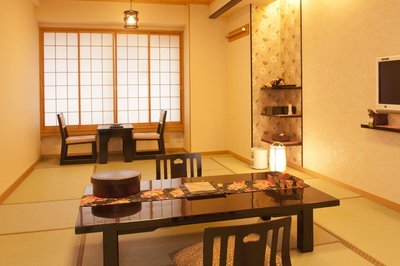
Matsui-Bekkan Hanakanzashi
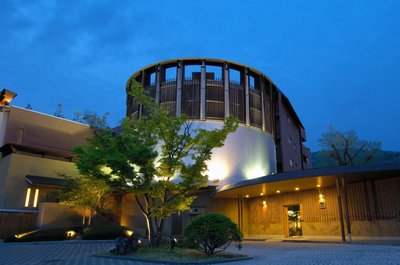
Hoshino Resorts Kai Matsumoto
Taikyourou
Monjusou Shourotei
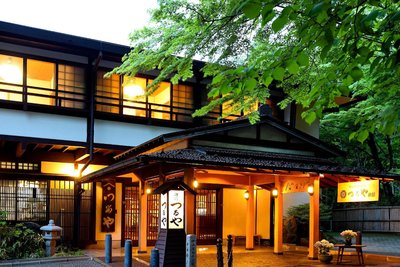
Tsuruya Ryokan
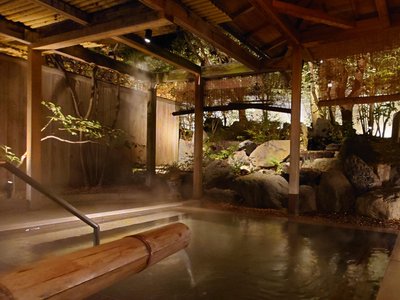
Kasuga Hotel
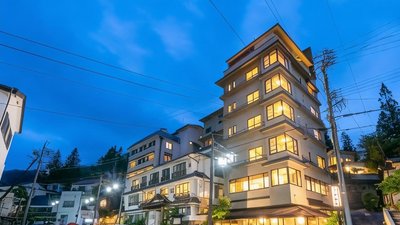
Nakamatsuya Ryokan

Ryokan Sugimoto
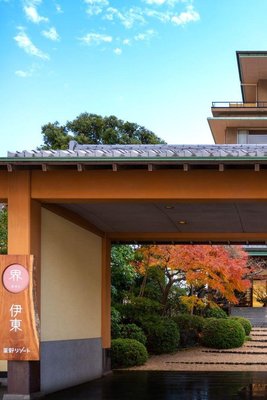
Hoshino Resorts Kai Ito
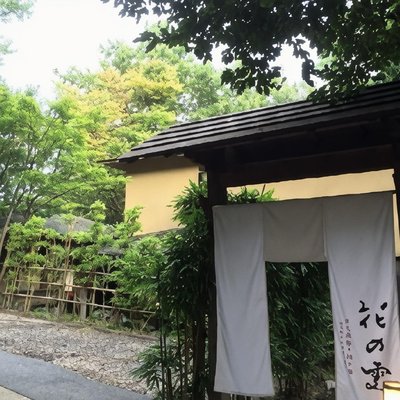
Hana No Kumo
Yoshiike Ryokan
Gora Hanaougi
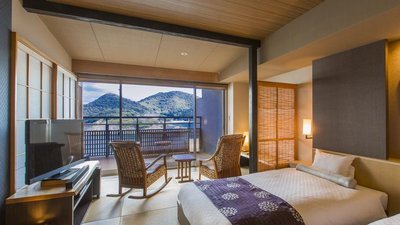
Migiwatei Ochi Kochi
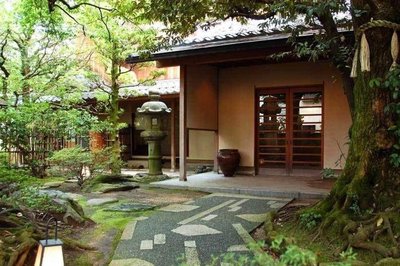
Kocho

Hotel New Wakasa
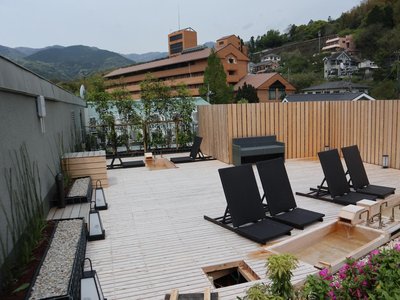
Fukiya Ryokan
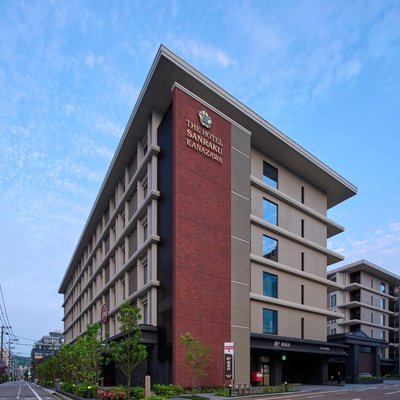
The Hotel Sanraku Kanazawa 21th December 2022 Open

22 PIECES
The Ritz-Carlton, Osaka

The Thousand Kyoto
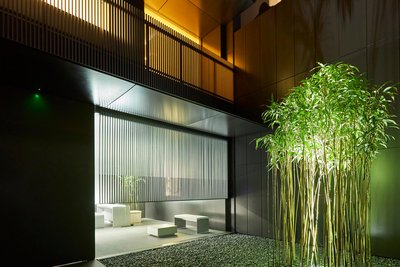
Mogana
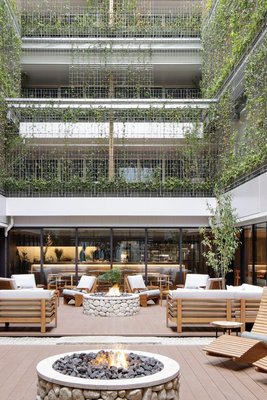
GOOD NATURE HOTEL KYOTO
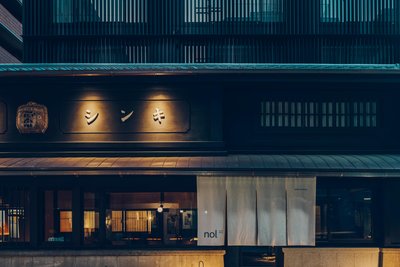
Nol Kyoto Sanjo

Zentis Osaka

Garrya Nijo Castle Kyoto

W Osaka

Hotel Kanra Kyoto

Aloft Osaka Dojima
Hakone Gora Byakudan
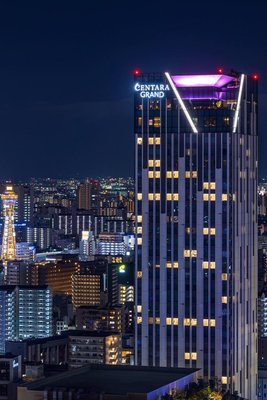
Centara Grand Hotel Osaka
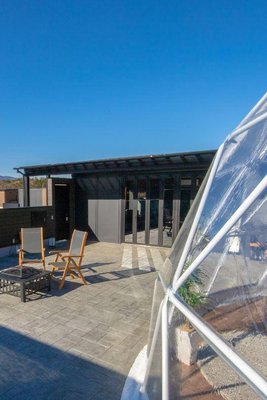
Panoramic Mt. Fuji Views from All Rooms – Vision Glamping Resort & Spa Yamanakako
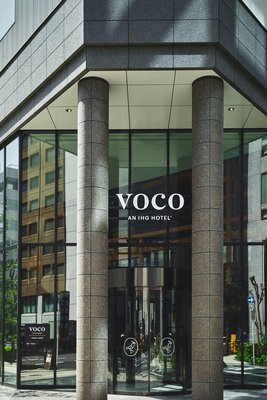
voco Osaka Central

TIAD, AUTOGRAPH COLLECTION
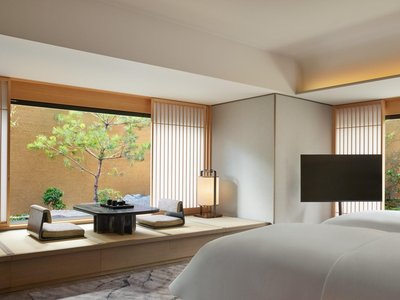
Dusit Thani Kyoto
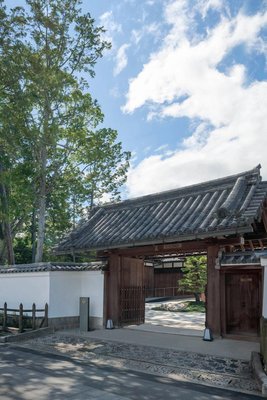
Shisui, a Luxury Collection Hotel, Nara

Hilton Kyoto
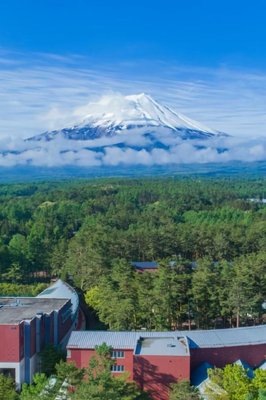
Forest Village (Fuji Premium Resort)
Osaka Marriott Miyako Hotel
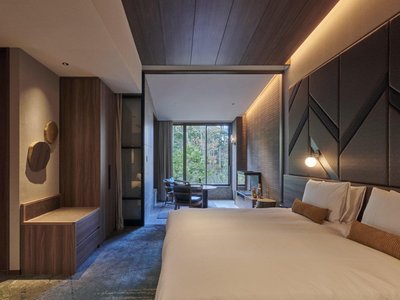
Fufu Kyu-Karuizawa Restful Forest
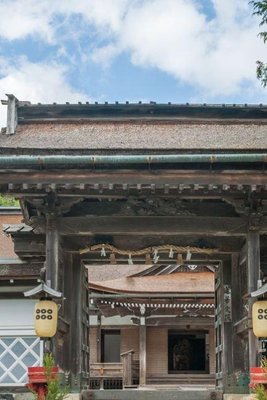
Koyasan Rengejoin
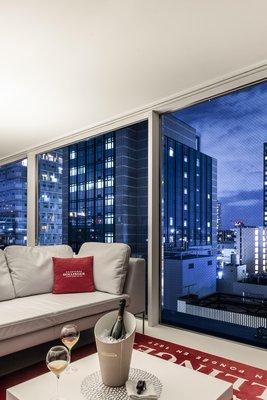
CUVÉE J2 HOTEL OSAKA by Onko Chishin

Sengokubara Cocon
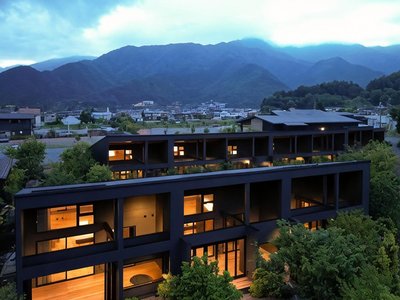
7C Villa and Winery
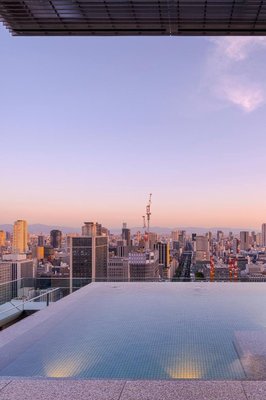
Candeo Hotels Osaka The Tower
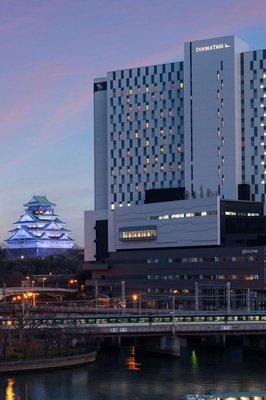
DoubleTree by Hilton Osaka Castle

The Osaka Station Hotel, Autograph Collection
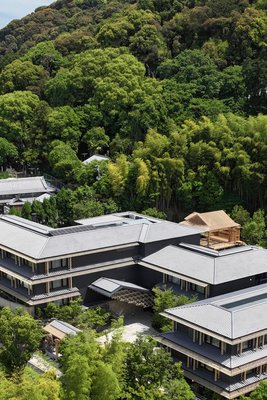
Banyan Tree Higashiyama Kyoto

Hotel la Vigne Hakuba by Onko Chishin
Osaka Marriott Miyako Hotel
The Ritz-Carlton, Osaka
Gora Kadan
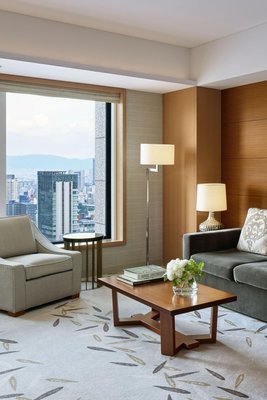
InterContinental Hotel Osaka
The Ritz-Carlton, Kyoto
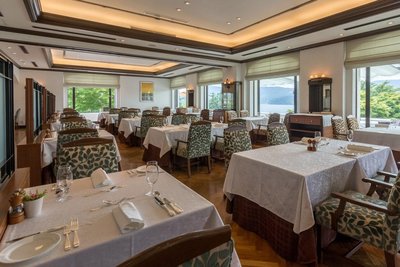
Odakyu Hotel de Yama
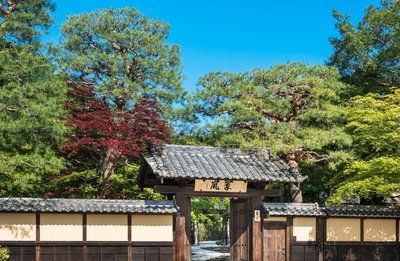
Suiran, a Luxury Collection Hotel, Kyoto
GOOD NATURE HOTEL KYOTO
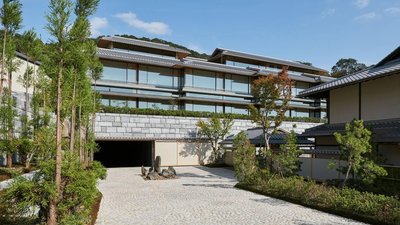
Park Hyatt Kyoto

Hyatt Centric Kanazawa
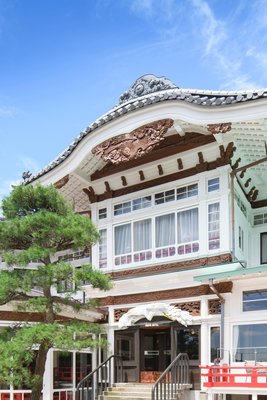
Fujiya Hotel
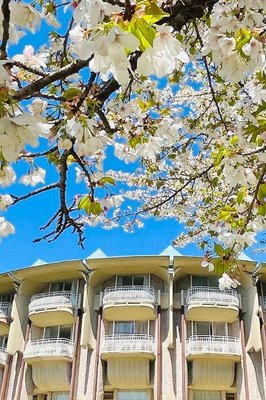
The Prince Hakone Lake Ashinoko
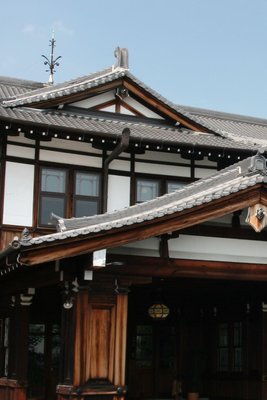
Nara Hotel
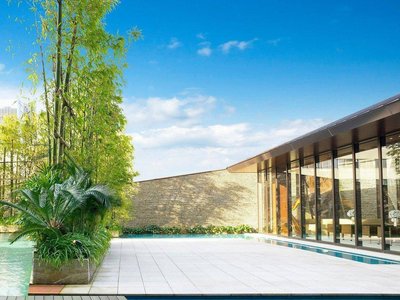
ORIENTAL HOTEL
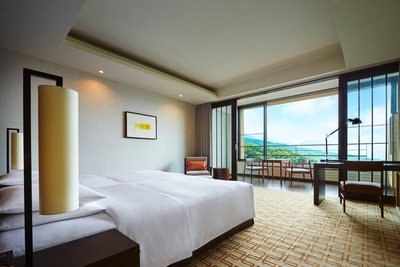
Hyatt Regency Hakone Resort and Spa
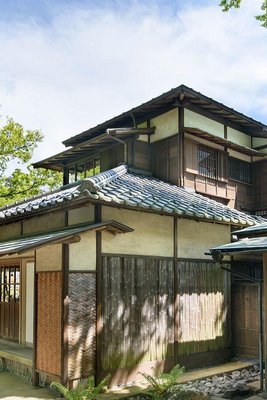
Hakone Suishoen
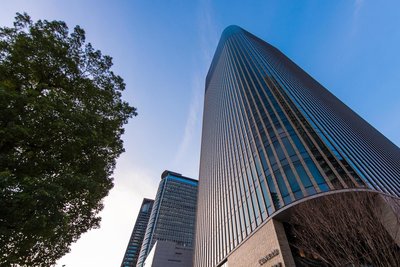
Conrad Osaka

Nagoya JR Gate Tower Hotel (JR-Central Hotels)

Hotel New Otani Osaka
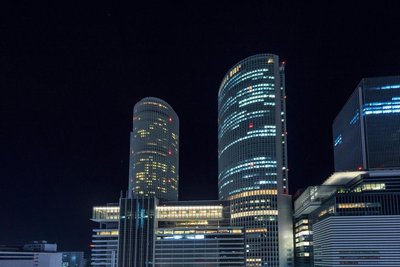
Nagoya Marriott Associa Hotel
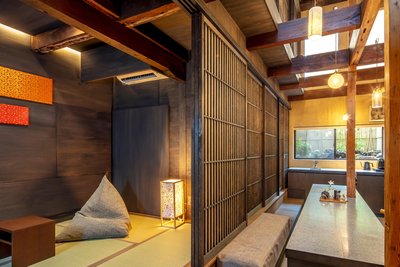
Kyo No Oozora Kihana
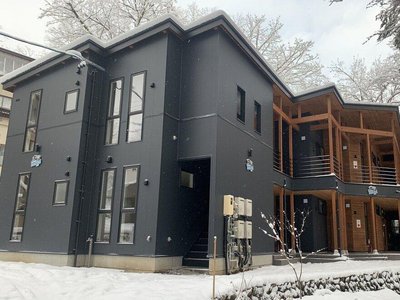
Hakuba Gondola Apartments
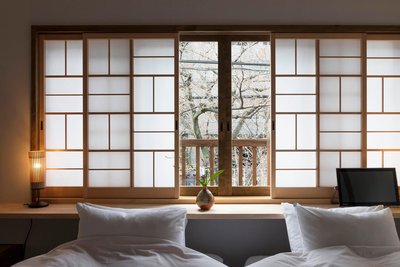
Hanagoromo Machiya House
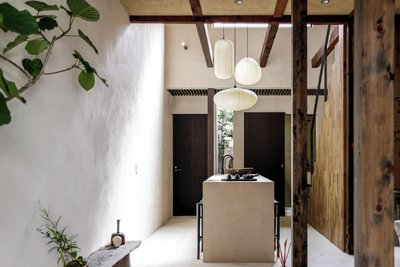
Maana Kiyomizu
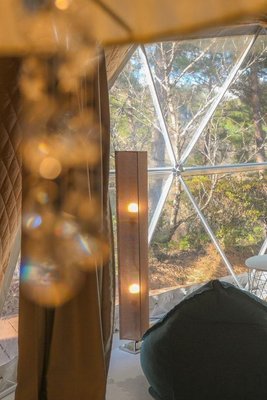
glampark Gekkabijin Nagano
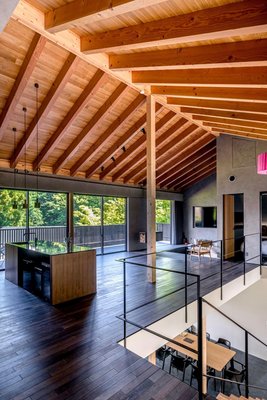
MONS GORA

Phoenix Chalets by Hhg
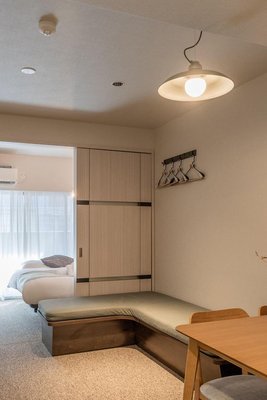
Apartment Hotel 11 Shinsaibashi
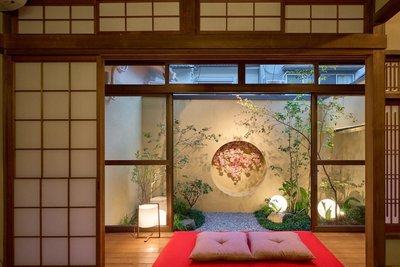
KONJAKUSO Osaka Tengachaya "NIHONCHA" Tea & Relax
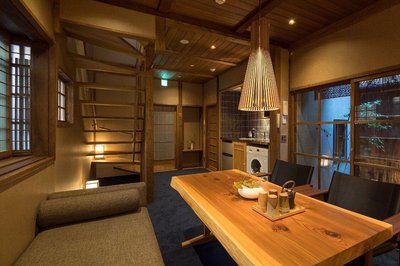
Bonbori an Machiya House

Glamping&Resort Wood Design Park Noma
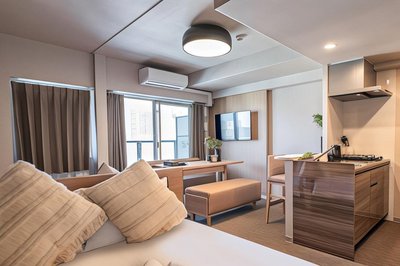
Apartment Hotel 11 Shinsaibashi III
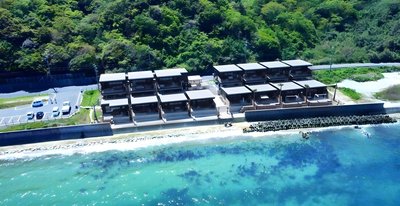
Solavilla Umi Terrace Minamiawaji
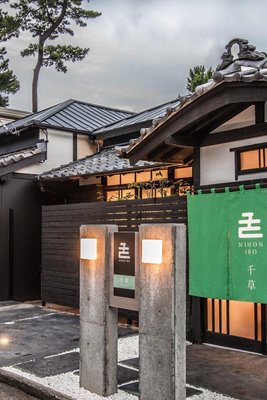
Nihon Iro
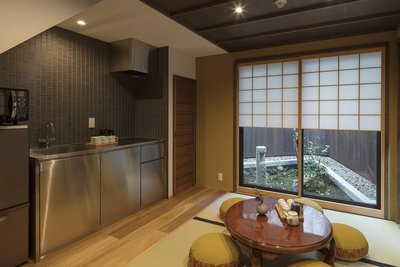
The Machiya Villa Sanjo Shirakawa Koji
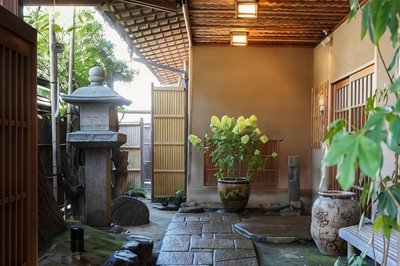
Ryokan Asadaya
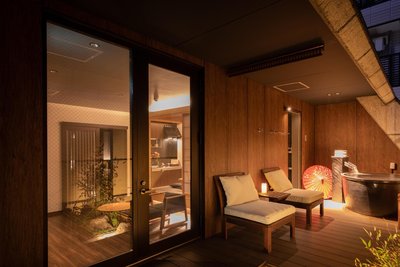
Konjaku-So Dotonbori
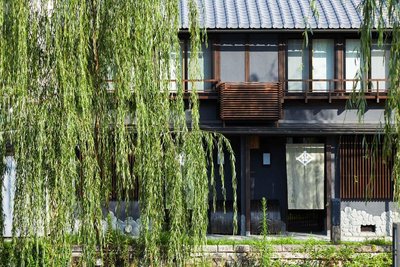
Gion Shirakawa No Yado

Kitashirakawa Natural Radium Onsen
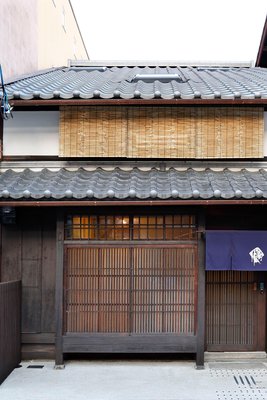
Kyo No Ondokoro Kamanza Nijo #2

Hotel Barrière Fouquet's New York

The Plaza - A Fairmont Managed Hotel
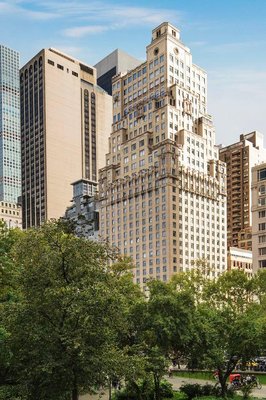
The Ritz-Carlton New York, Central Park

Four Seasons Hotel New York

The St. Regis New York

Park Hyatt New York
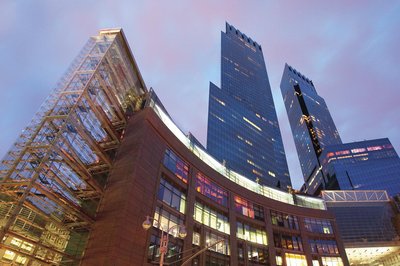
Mandarin Oriental New York

Times Square Edition New York

Loews Regency New York Hotel

Lowell Hotel
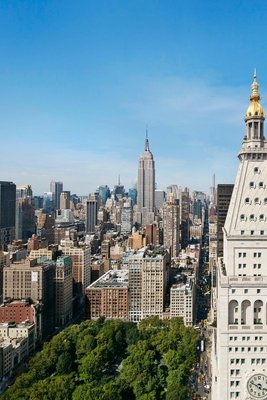
New York Edition

Baccarat Hotel New York

Equinox Hotel New York

Four Seasons Hotel New York Downtown

The Langham, New York, Fifth Avenue

The Carlyle, A Rosewood Hotel

The Chatwal, in the Unbound Collection by Hyatt

The Mark New York
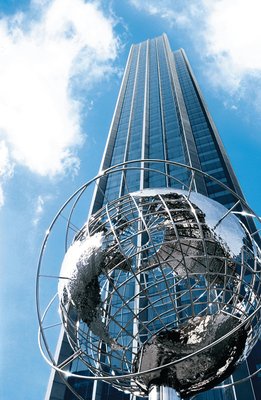
Trump International Hotel & Tower® New York
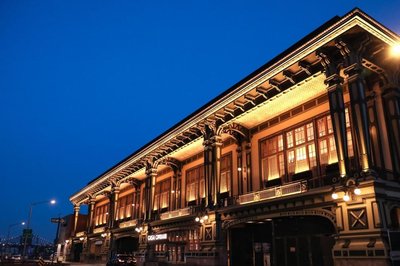
Casa Cipriani New York
Frequently Asked Questions about Traveling to Ōdai
Questions You Might Need to Know About Traveling to Ōdai
In Ootai Town, the top family-friendly option is Ootai Onsen Ryokan, a traditional Japanese inn nestled within the Suzuka Mountains. It offers spacious tatami rooms, private outdoor hot springs, and a kids’ garden with seasonal activities like rice-planting workshops and forest scavenger hunts. The inn is just a 10-minute walk from Ise Grand Shrine’s outer precinct, allowing families to explore sacred sites safely.
Another excellent choice is Mie Prefectural Nature Park Cottage, a modern eco-mansion with a petting zoo, organic farm tours, and guided nature walks. Both properties provide kid-sized yukatas, allergy-friendly meals, and multilingual staff. Ideal for parents seeking tranquility and children an immersive connection with nature.
Key experiences: Mountain hot spring baths, forest adventure trails, cultural farming workshops.
The best area for scenic views and peaceful stays in Ootai Town is the Suzuka Mountain foothill zone, particularly around Ootai Onsen District. This region features serene ryokans and boutique lodges with panoramic vistas of pine-covered slopes, misty valleys, and distant peaks.
Many accommodations here offer private open-air onsen (rotenburo) facing the mountains, creating a meditative atmosphere perfect for relaxation. The area is quiet, with minimal light pollution—ideal for stargazing at night. Guests can also enjoy early morning hikes along the Ise Shrine pilgrimage path, where the sound of birdsong blends with the rustle of bamboo.
Proximity to Mie Prefectural Nature Park adds value for nature lovers. Stay here for a true escape into Japan’s quiet heartland.
Top attractions: Mountain panoramas, private onsen, stargazing opportunities.
Visitors to Ootai Town can participate in several unique cultural experiences: first, join the Ise Grand Shrine Outer Shrine Pilgrimage Walk, a spiritual journey along centuries-old paths lined with stone lanterns and torii gates.
Second, take part in traditional Mie Blue Dye Workshops, where you’ll learn to hand-dip fabric using indigo plants grown locally—each piece becomes a wearable work of art. Third, attend the Ootai Cherry Blossom Festival in spring, featuring tea ceremonies, kimono rentals, and performances by local folk dancers.
During winter, experience the Mountain Lantern Festival, where illuminated pathways glow through the forest, creating a magical ambiance. These events reflect Ootai’s deep-rooted traditions and connection to nature.
Core activities: Shinto rituals, indigo dyeing, seasonal festivals.
Ootai Town’s hot spring hotels stand out due to their natural sulfur-rich waters and integration with mountain landscapes. The Ootai Onsen Ryokan, for example, features century-old baths fed by underground thermal springs rich in minerals beneficial for skin and joint health.
Each room includes a private open-air onsen overlooking moss gardens and cedar forests. Some hotels offer wellness packages combining aromatherapy massage, herbal baths, and meditation sessions in Zen gardens. Early morning mountain yoga classes are also available, practiced under the canopy with only birdsong for company.
Architecturally, the buildings use locally sourced wood and stone, blending seamlessly with the environment. The philosophy is simple: harmony between guest, water, and nature.
Highlights: Sulfur mineral baths, private rotenburo, mind-body wellness programs.
Ootai Town is ideal for: cultural explorers drawn to Shinto traditions and ancient craftsmanship; nature enthusiasts who love hiking, birdwatching, and stargazing in low-light areas; and families seeking safe, engaging activities like farm visits, pottery making, and forest adventures.
It also suits slow travelers and wellness seekers, as many ryokans offer meditation retreats, plant-based diets, and digital detox policies. With minimal crowds and no high-rise buildings, it’s a sanctuary for those wanting to disconnect and reconnect with simplicity.
Perfect duration: 2–3 days to fully immerse in the rhythm of mountain life.
Ideal travelers: Culture seekers, nature lovers, family adventurers.
Tourists visiting Ootai Town must try: Ise-Shima Seafood Donburi, a bowl of fresh octopus, sea bream, and shellfish over rice, topped with a savory umami sauce; local soba noodles, made from Mie-grown buckwheat and served in kelp broth—light yet deeply flavorful.
Also sample Omamori Dumplings, sweet rice balls filled with red bean paste, sold at shrine gates during festivals—a symbol of good fortune. At specialty cafes, try the blue-dye matcha cake, a fusion dessert inspired by traditional indigo dyeing.
For a seasonal treat, taste wild mountain vegetable stew, made with ferns, sansho pepper, and wild mushrooms—perfect for warming up after a hike.
Must-try dishes: Seafood donburi, local soba, omamori dumplings.
Reaching Ootai Town is easiest via Kintetsu Railway from Nagoya Station, taking about 1 hour on a direct express train. From Ise Station, transfer to a local bus (20 minutes) to reach town center.
For those driving, the Tōkai Expressway provides direct access, with clear signage to Ootai. Within town, public options include community buses and bicycle rentals—many ryokans offer free bike shuttles.
The Mie Prefecture Tourist Day Pass allows unlimited rides on designated buses, saving money for multi-day trips. For nature exploration, guided walking tours are available through local tourism offices.
Best transport tips: Kintetsu express, bicycle rental, day pass.
The best times to visit Ootai Town are spring (March to May) and autumn (September to November). Spring brings cherry blossoms along the Ise Shrine pilgrimage route, turning the streets into a pink dream—perfect for photography and festival vibes.
Autumn offers crisp air and vibrant maple foliage in the Suzuka Mountains, ideal for hiking and scenic drives. Summer is warm but refreshing in the mountains; winter features the Mountain Lantern Festival, where glowing paths illuminate the forest at night.
Avoid peak seasons like Golden Week and Obon Festival for fewer crowds. A mid-week stay ensures a more peaceful experience.
Best seasons: Cherry blossom season, maple leaf season.
The most photogenic spots in Ootai Town include: Ise Grand Shrine Outer Shrine Approach, where red torii gates frame golden paths; Old Ootai Village, with its thatched roofs and cobblestone alleys, evoking Edo-era Japan;
Suzuka Mountain Viewpoint, offering sweeping vistas of mist-wrapped hills and evergreen forests—best captured at sunrise.
The Indigo Dye Workshop’s mural wall, painted with traditional patterns, is a colorful backdrop for portraits. At night, the Mountain Lantern Festival trail glows with soft lights, creating ethereal scenes perfect for long-exposure shots.
These locations blend history, nature, and artistry—ideal for both travel bloggers and casual photographers.
Top photo locations: Shrine approach, old village, mountain viewpoint.
Top souvenirs from Ootai Town include: Mie Blue-Dyed Fabric Items, such as handkerchiefs and tote bags, each dyed using traditional indigo techniques; Omamori Dumpling Gift Box, a sweet treat symbolizing luck, often sold at shrines;
Wild Mountain Vegetable Dry Mix, packed with locally foraged herbs and greens—great for cooking or snacks. Also popular: Matcha-infused Green Tea Soap made with local spring water, and custom postcards printed with your own photo and a message, sent directly to friends.
Some ryokans offer personalized calligraphy scrolls with your name in kanji—ideal for gifts. These items carry both beauty and meaning, reflecting Ootai’s spirit of craftsmanship and nature.
Must-buy gifts: Blue-dyed textiles, omamori dumplings, foraged vegetable mix.
Ōdai Overview
City Summary
Odaicho is a small town located in Mie Prefecture, Japan, surrounded by natural landscapes and known for its clear rivers and dense forests. It is an ideal destination for those looking to escape the hustle and bustle of the city, perfect for outdoor activities and nature exploration. Odaicho has a rich cultural heritage, with traditional festivals and handicrafts showcasing rural life.
Must-See Attractions
The main attractions in Odaicho include the Miyagawa River Valley, where the crystal-clear waters are perfect for summer retreats. Additionally, the hiking trails of Odaicho Mountain are popular among trekking enthusiasts. For culture, visit local traditional craft workshops to experience handmade paper and woodworking.
Food Guide
Odaicho's cuisine focuses on local ingredients, with recommended dishes like wild vegetable meals and river fish dishes. Among street food, grilled fish skewers and rice cakes are local favorites. The food culture emphasizes natural and healthy ingredients, with many dishes featuring freshly picked wild vegetables and river fish.
Transportation Guide
Transportation in Odaicho mainly relies on buses and taxis. Due to its mountainous location, public transport is infrequent, so it's advised to plan ahead. Renting a car is a more convenient option for flexible travel. Note that some mountain roads are rugged, requiring extra caution while driving.
Best Time to Visit
The best time to visit is during spring and autumn when the weather is mild, ideal for outdoor activities. Summers can be hot, but the cool river valleys offer a refreshing escape. Winters are colder with fewer tourists, suitable for those seeking tranquility.
Travel Tips
- Safety Tips: Be cautious of slippery paths during mountain activities; carry enough water and sunscreen.
- Etiquette: Respect artisans' work when visiting local workshops; avoid disturbances.
- Customs: During local festivals, residents wear traditional attire; avoid taking photos without permission.
- Environment: Please take your trash with you to protect the natural surroundings.
- Language: Learning a few basic Japanese greetings can make interactions more pleasant.
- Internet: Mountain areas have weak signals; downloading offline maps is recommended.
Useful Information
Useful Information for Odaicho: Language-wise, English is not widely spoken, but basic Japanese will suffice for most situations. Internet coverage is limited, so download necessary information in advance. Cash is the primary payment method, though some shops accept credit cards. Medical facilities are sparse, so bring basic first-aid supplies. Locals are friendly and willing to help if you encounter any difficulties.