Hotels in Daisen
Discover your perfect stay in Daisen.
Daisen(Japan) Travel 2026: Cheap Flights, Hotels & Top Attractions
Popular Landmarks in Daisen
Discover the most iconic attractions in Daisen
Recommended Hotels in Daisen
Find the perfect place to stay in Daisen
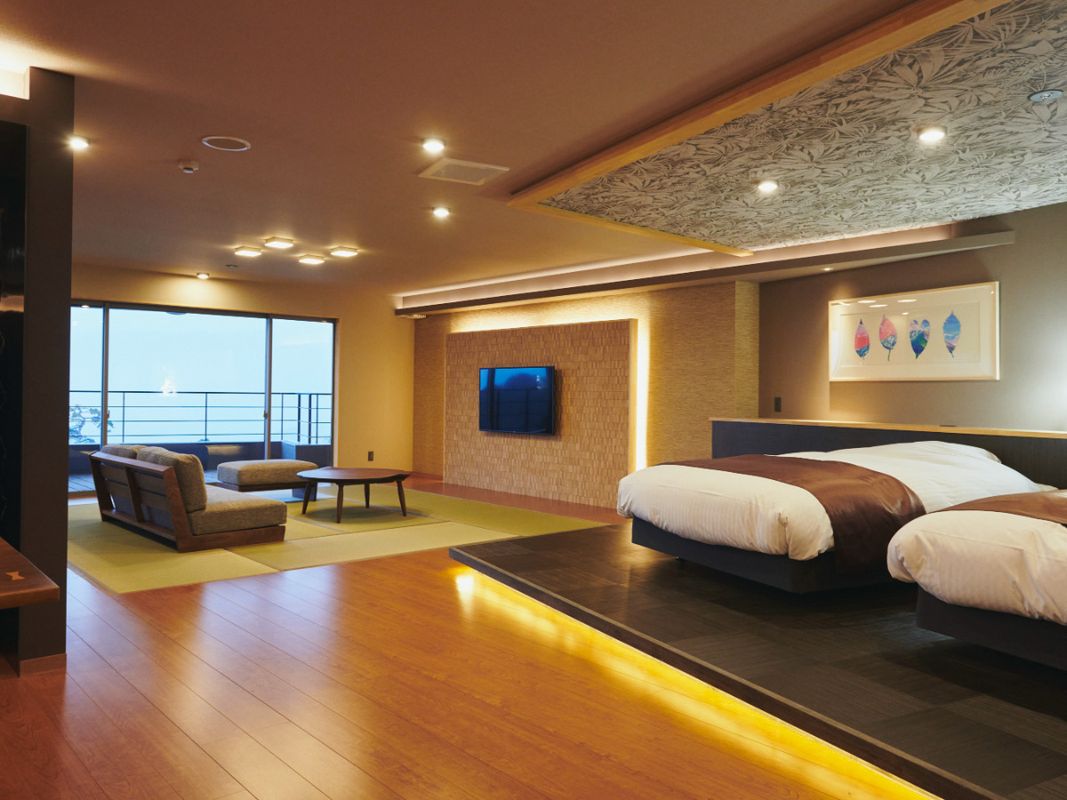
Itadaki Daisen
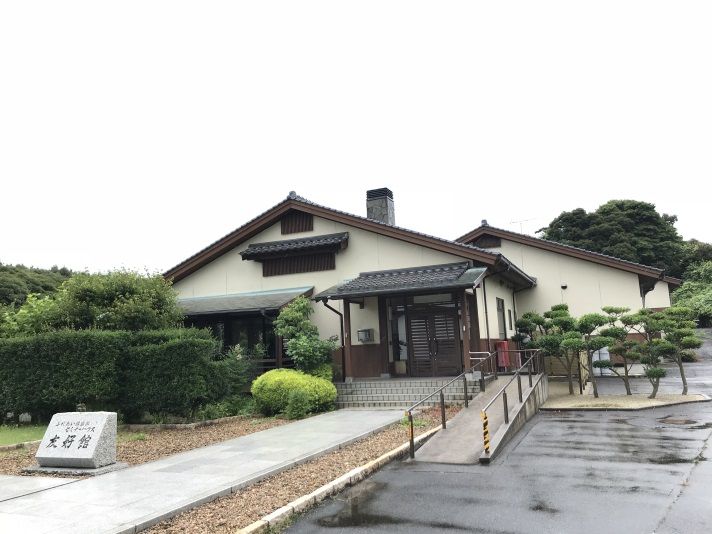
Yukokan
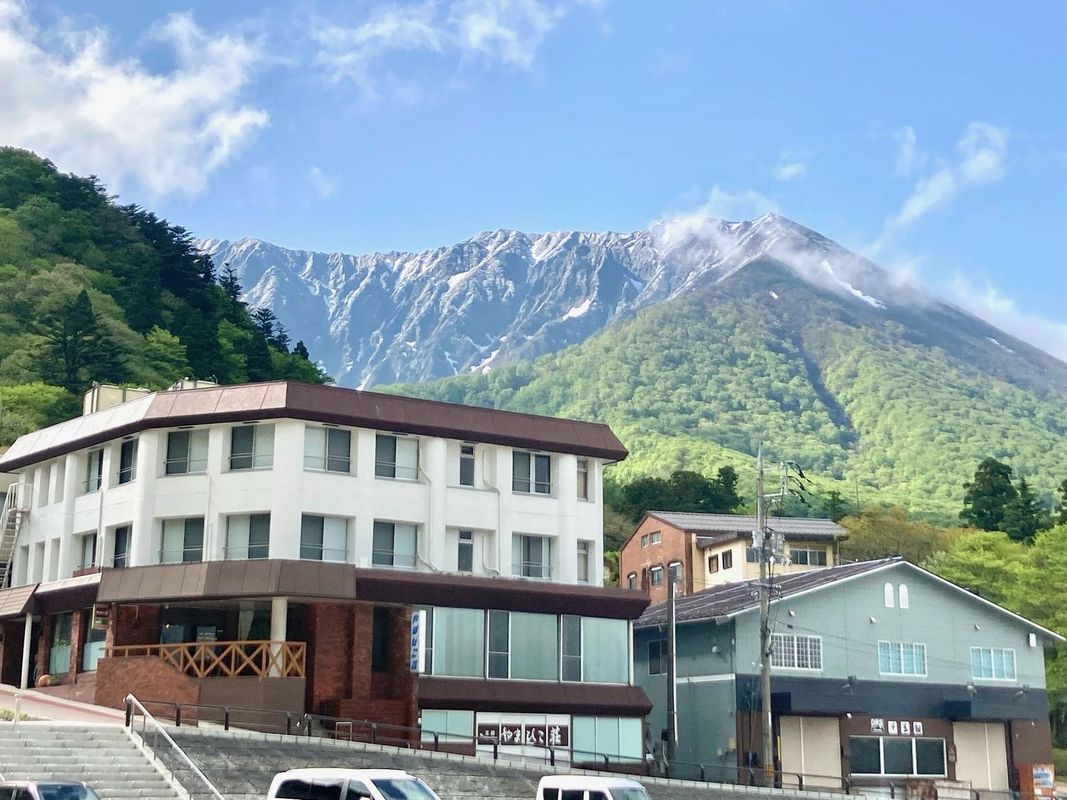
Yamabikoso
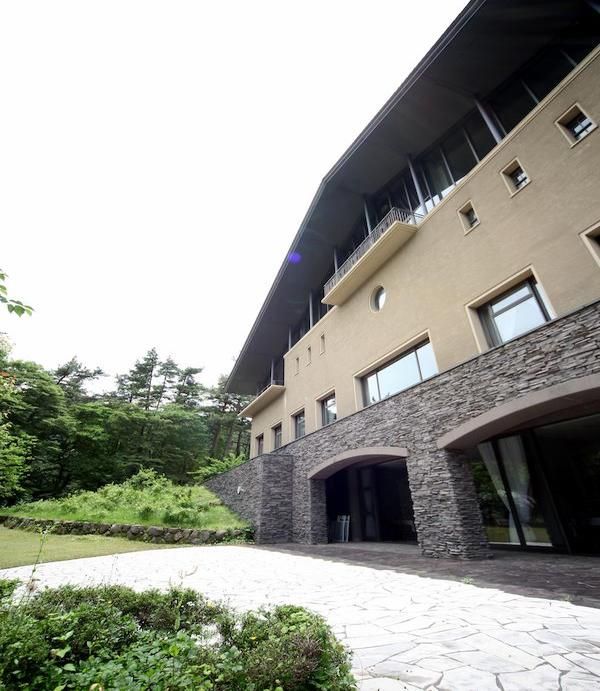
Daisen Lake Hotel
Best Hotels in Daisen
Discover curated hotel collections in Daisen
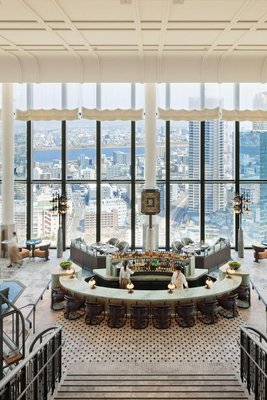
Waldorf Astoria Osaka
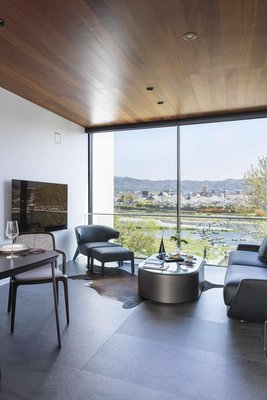
Kamo Residences by Reflections
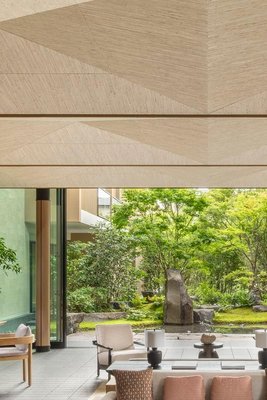
Six Senses Kyoto
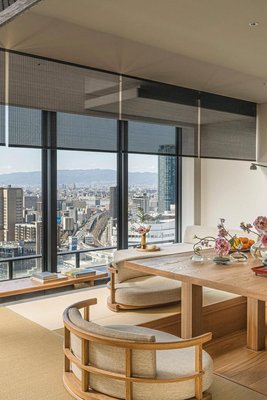
Four Seasons Hotel Osaka
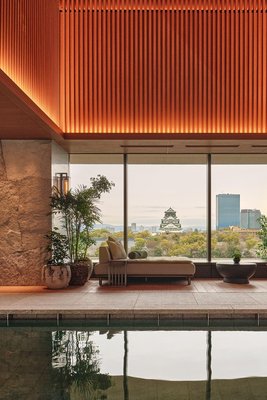
Patina Osaka

The Ritz-Carlton, Osaka
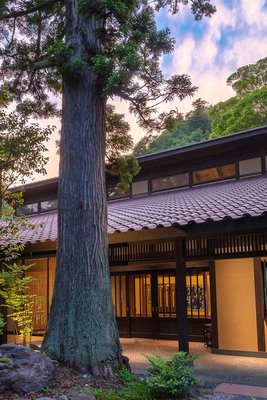
Arimasansoh Goshobessho
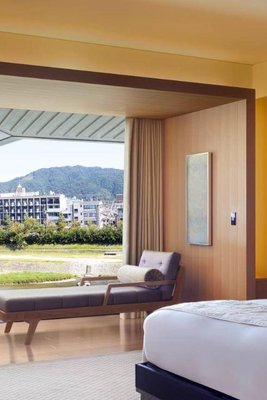
The Ritz-Carlton, Kyoto
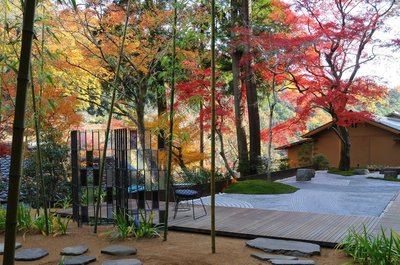
HOSHINOYA Kyoto
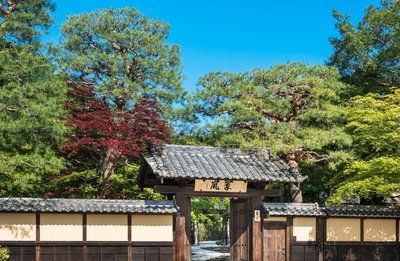
Suiran, a Luxury Collection Hotel, Kyoto
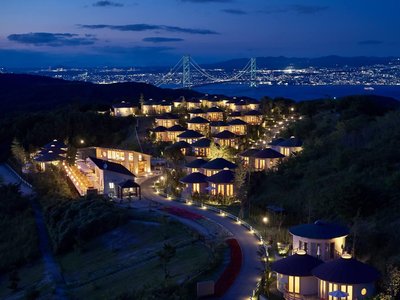
Grand Chariot Hokutoshichisei 135°
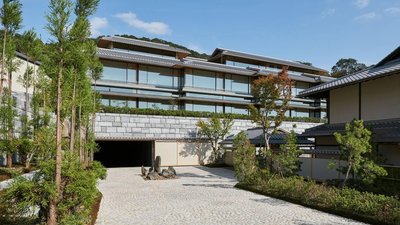
Park Hyatt Kyoto
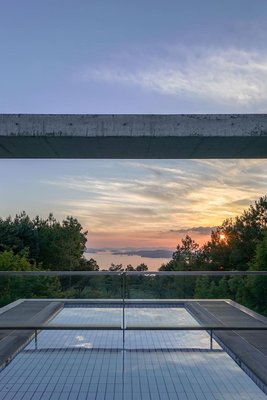
SETOUCHI RETREAT by Onko Chishin
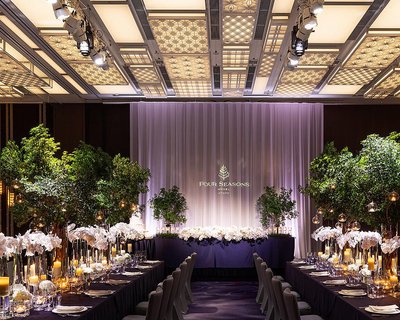
Four Seasons Hotel Kyoto
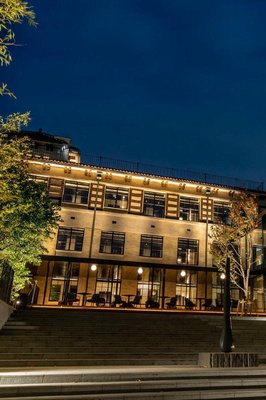
The Hotel Seiryu Kyoto Kiyomizu - a Member of the Leading Hotels of the World-
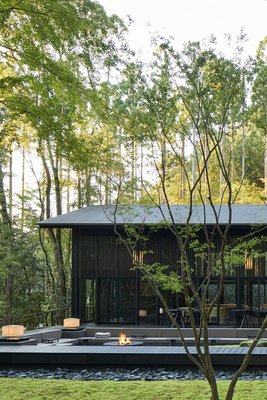
Aman Kyoto
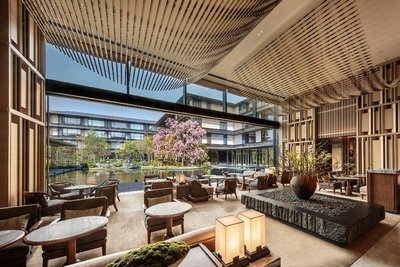
Hotel the Mitsui Kyoto, a Luxury Collection Hotel & Spa
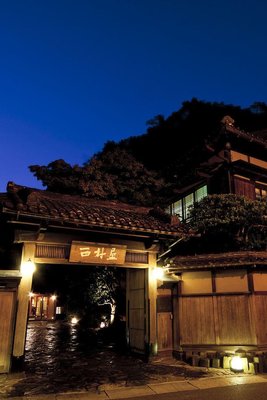
Nishimuraya Honkan
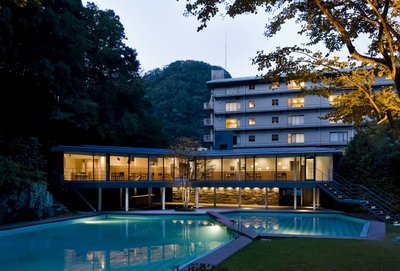
Kinosaki Onsen Nishimuraya Hotel Shogetsutei
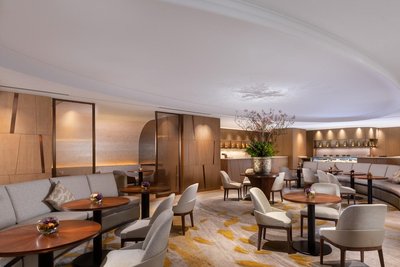
The Westin Miyako Kyoto (KASUI-EN)
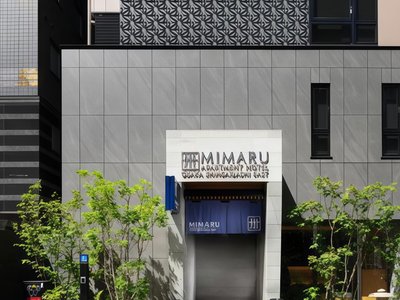
MIMARU Osaka Shinsaibashi East
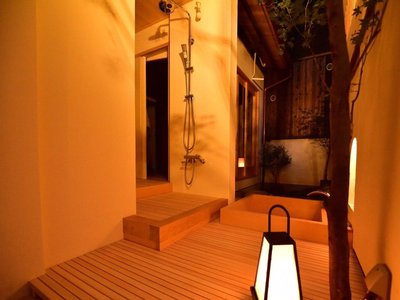
Yado Kiramachi
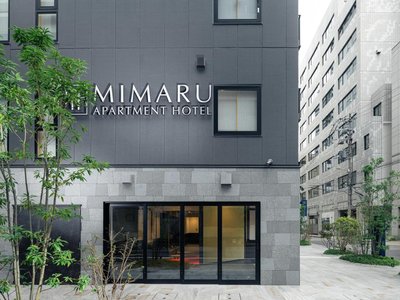
MIMARU Osaka Shinsaibashi North
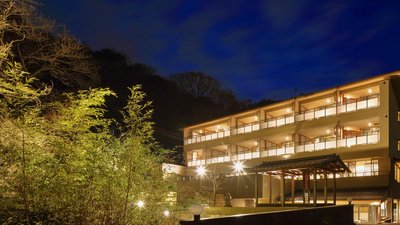
Okuno Hosomichi
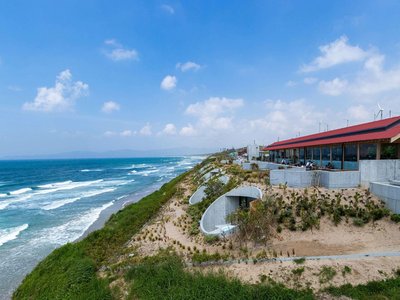
Izumo Hotel the Cliff
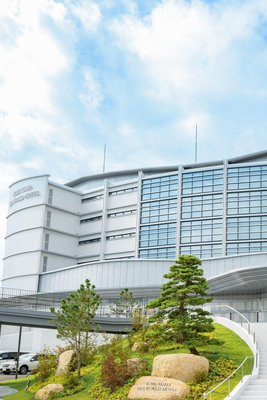
Kobe Suma Sea World Hotel
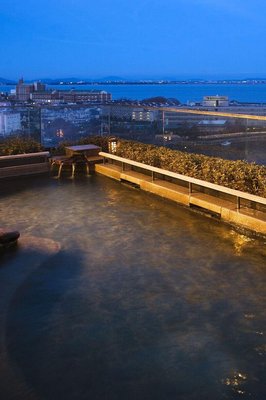
Yumotokan
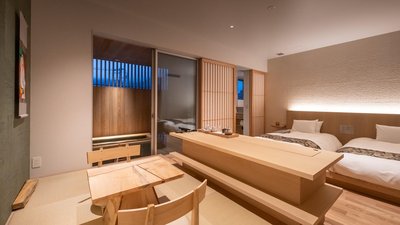
Japanese Auberge Kararako
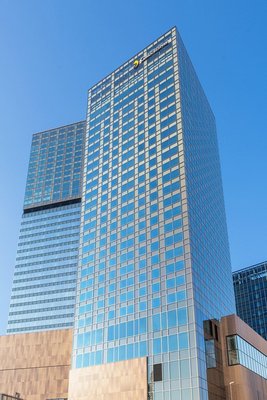
Hotel Hankyu GRAN RESPIRE OSAKA
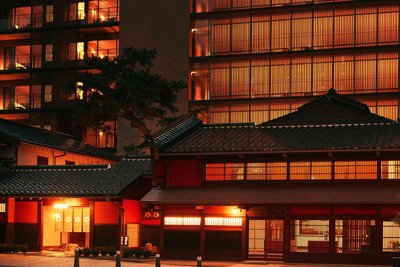
Hoshino Resorts Kai Kaga
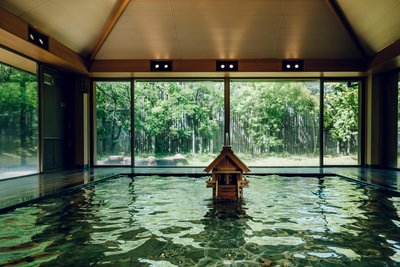
Hoshino Resorts KAI Tamatsukuri

Taikyourou
Monjusou Shourotei
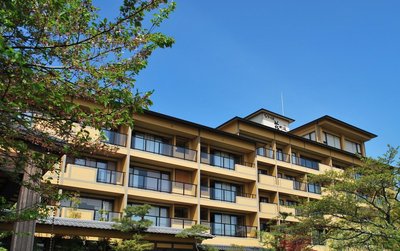
BIWAKO HANAKAIDO
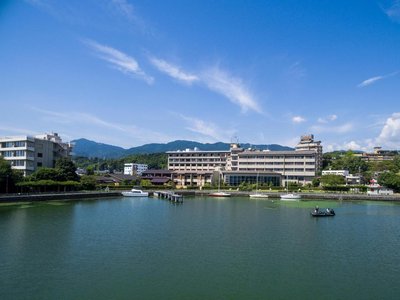
Biwako Ryokusuitei
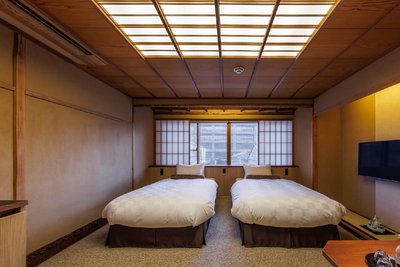
Kyoto Ryokan Sakanoue
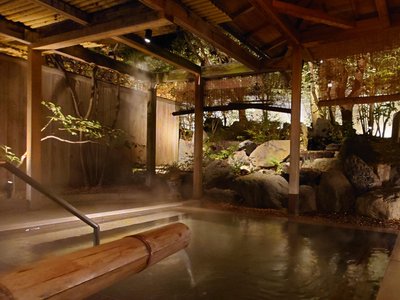
Kasuga Hotel
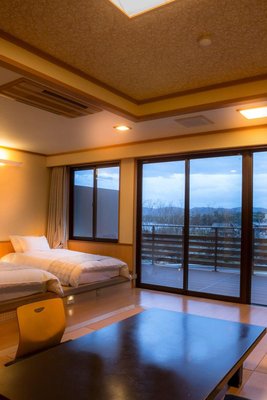
Hotel Kitanoya
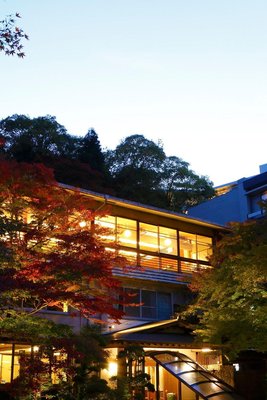
Negiya Ryofukaku
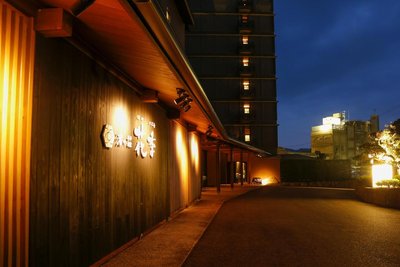
Hanagoyomi

XYZ Private Spa and Seaside Resort
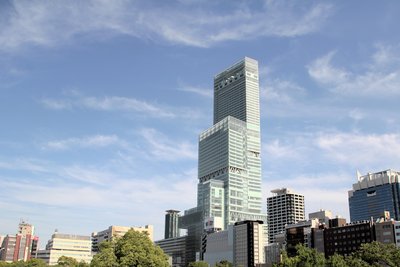
Osaka Marriott Miyako Hotel
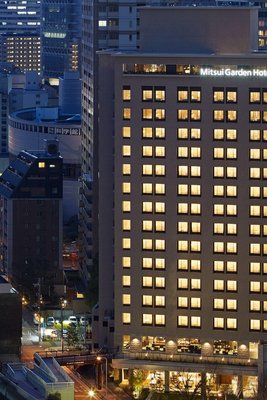
Mitsui Garden Hotel Osaka Premier
BIWAKO HANAKAIDO
Biwako Ryokusuitei
Hotel Kitanoya
Hanagoyomi
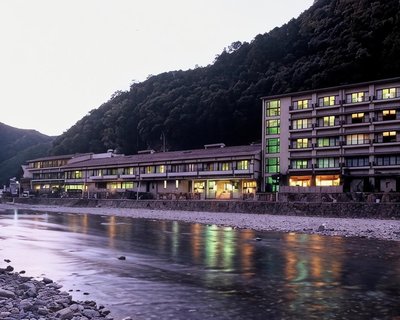
Kawayu Onsen Fujiya
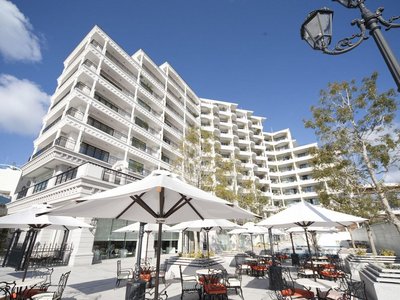
Hotel La Suite Kobe Harborland

AoAwo Naruto Resort
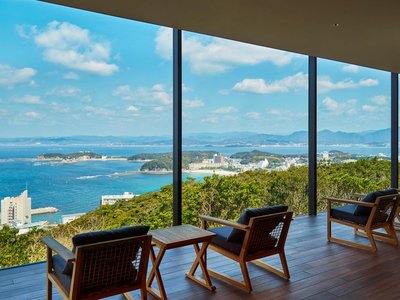
Infinito Hotel and Spa
Bella Vista Spa and Marina Onomichi
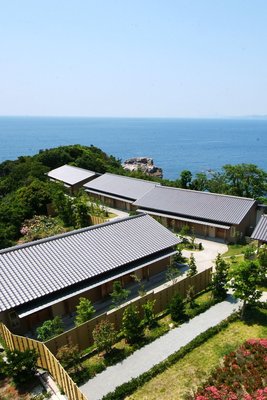
Hamachidorinoyu Kaisyu
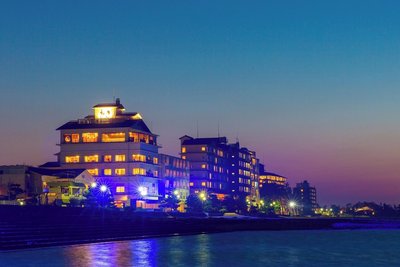
Kaike Shogetsu
The Ritz-Carlton, Kyoto
Shodoshima International Hotel
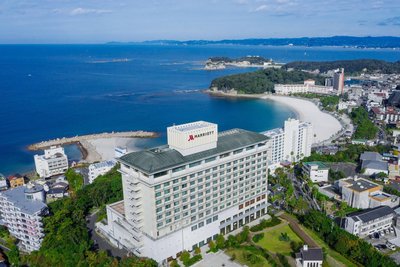
Nanki-Shirahama Marriott Hotel
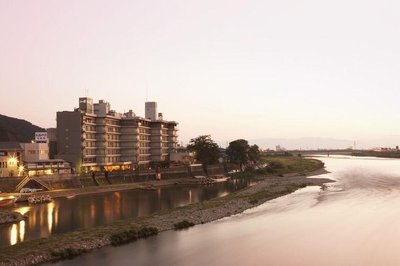
Juhachiro
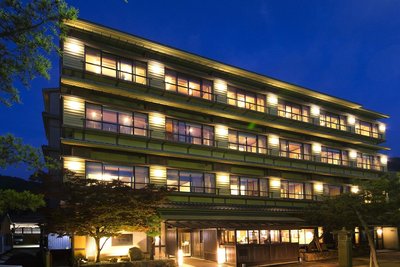
Kinsuikan
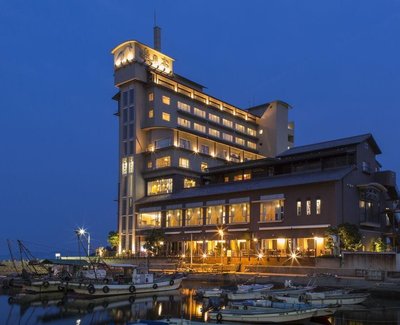
Hotel Ofutei
Yado Kiramachi
Arimasansoh Goshobessho
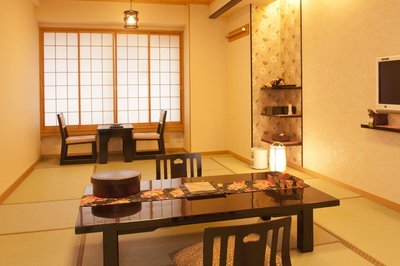
Matsui-Bekkan Hanakanzashi
Hoshino Resorts KAI Tamatsukuri
Taikyourou
Monjusou Shourotei
Kasuga Hotel
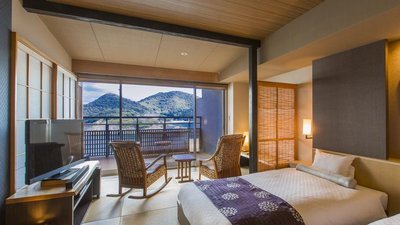
Migiwatei Ochi Kochi
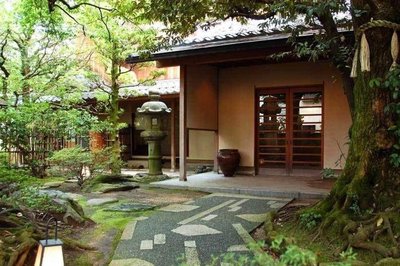
Kocho
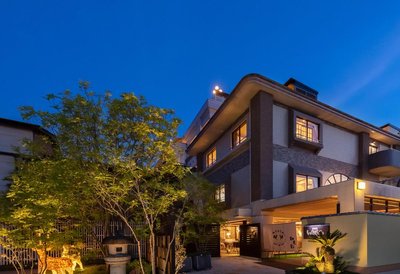
Hotel New Wakasa
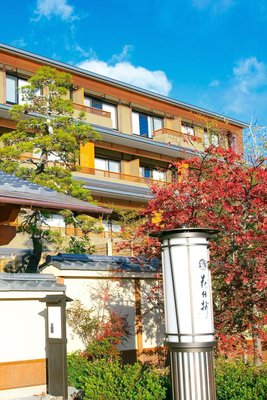
Kyoto Arashiyama Onsen Kadensho (Kyoritsu Resort)
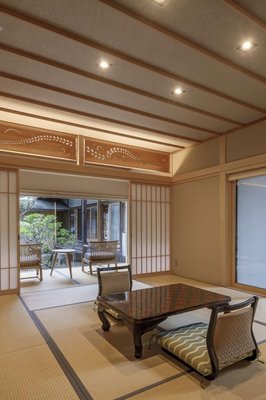
Ichijoin
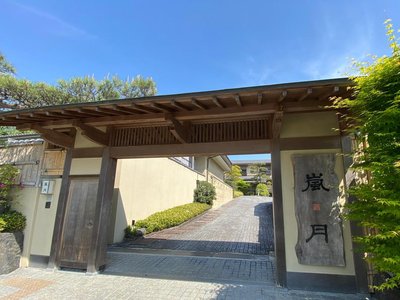
Rangetsu
The Ritz-Carlton, Kyoto
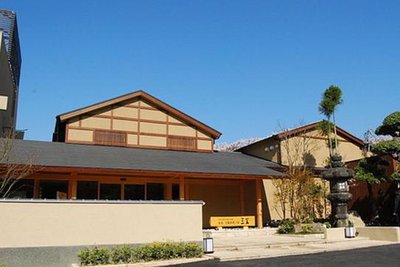
Mikasa
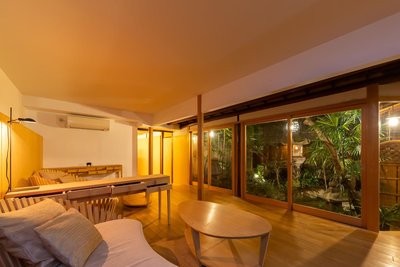
Izuyasu Traditional Kyoto Inn Serving Kyoto Cuisine
HOSHINOYA Kyoto
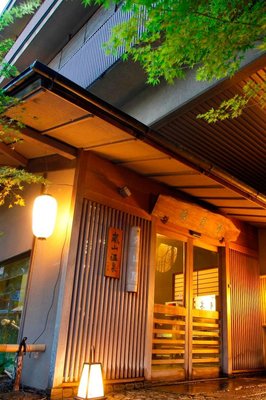
Togetsutei
Juhachiro
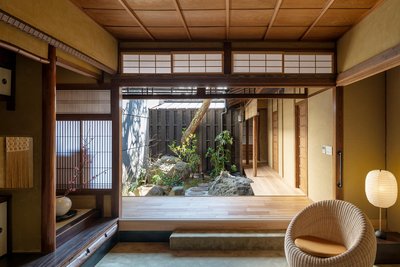
Nazuna Kyoto Gosho
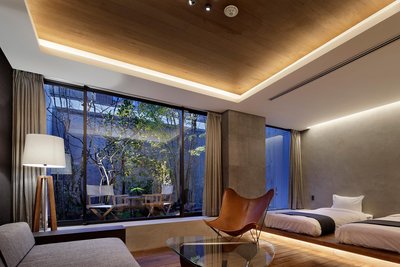
22 PIECES
The Ritz-Carlton, Osaka

The Thousand Kyoto
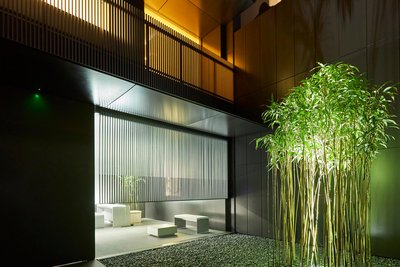
Mogana
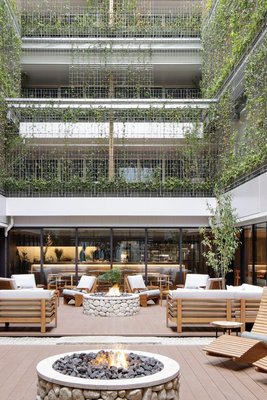
GOOD NATURE HOTEL KYOTO
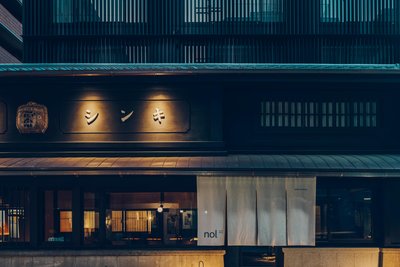
Nol Kyoto Sanjo
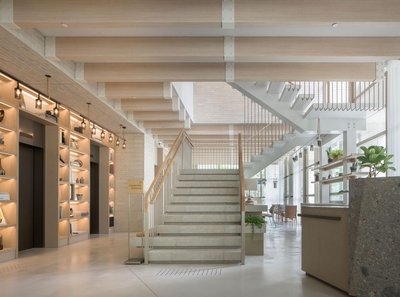
Zentis Osaka
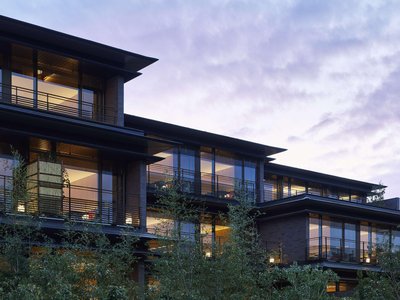
Garrya Nijo Castle Kyoto
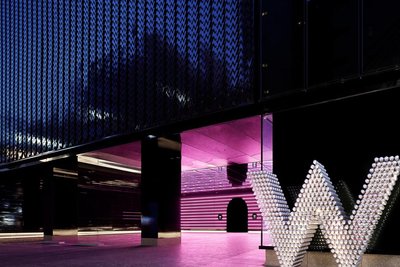
W Osaka

Hotel Kanra Kyoto
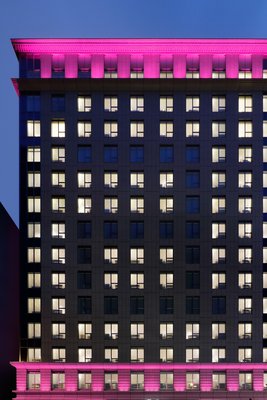
Aloft Osaka Dojima
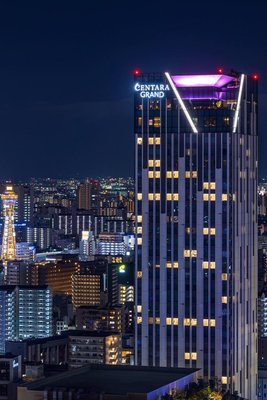
Centara Grand Hotel Osaka
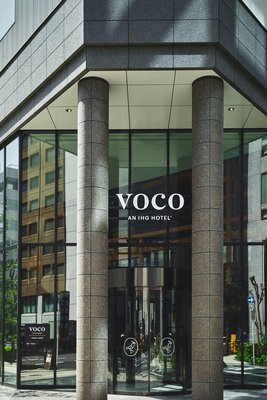
voco Osaka Central
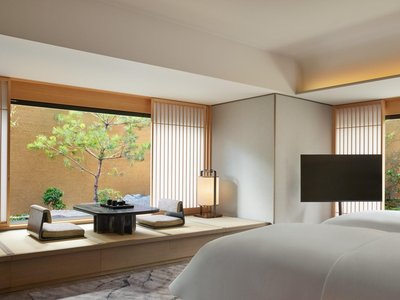
Dusit Thani Kyoto
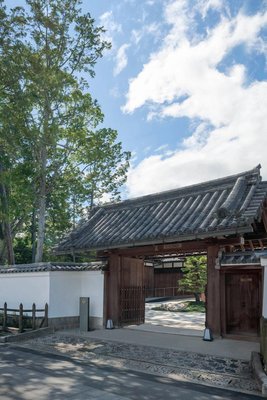
Shisui, a Luxury Collection Hotel, Nara

Hilton Kyoto
Osaka Marriott Miyako Hotel
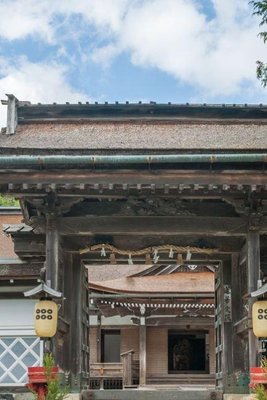
Koyasan Rengejoin
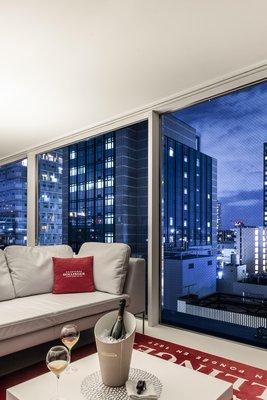
CUVÉE J2 HOTEL OSAKA by Onko Chishin
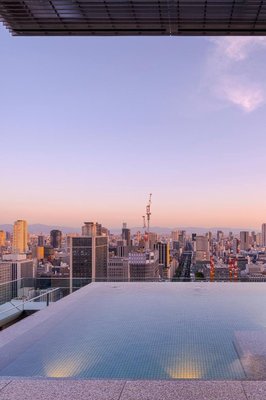
Candeo Hotels Osaka The Tower
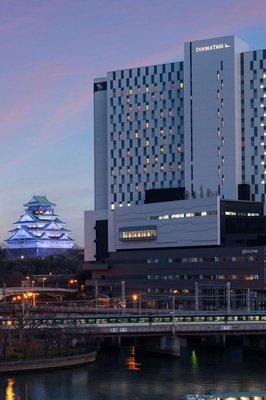
DoubleTree by Hilton Osaka Castle
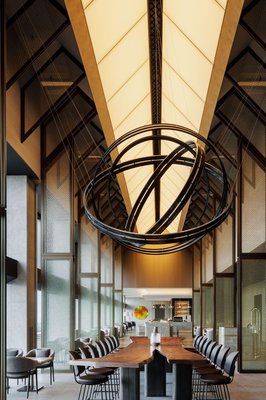
The Osaka Station Hotel, Autograph Collection
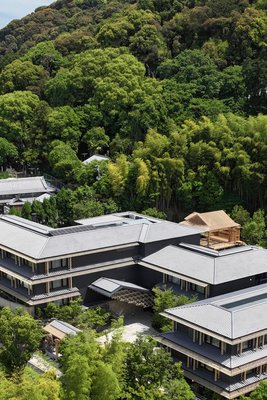
Banyan Tree Higashiyama Kyoto
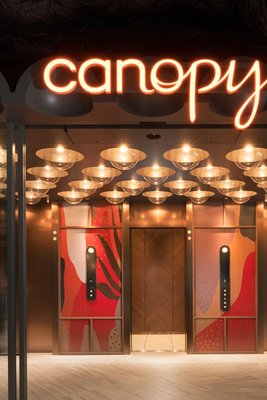
Canopy by Hilton Osaka Umeda
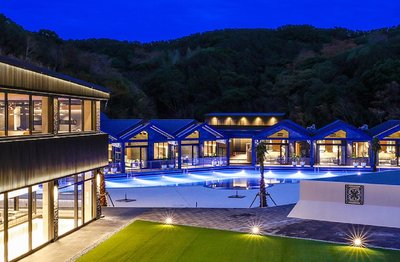
FIVE SPRING RESORT THE SHIRAHAMA
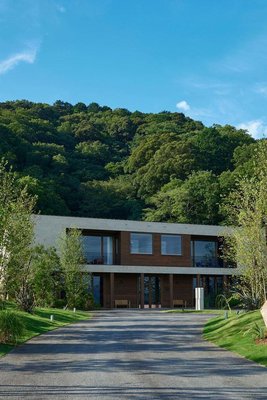
HACIENDA VISON
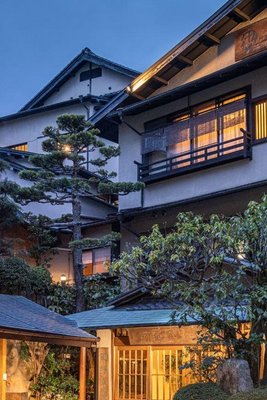
Arima Onsen Tocen Goshobo
Hotel La Suite Kobe Harborland
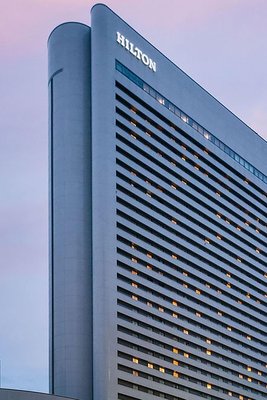
Hilton Osaka Hotel
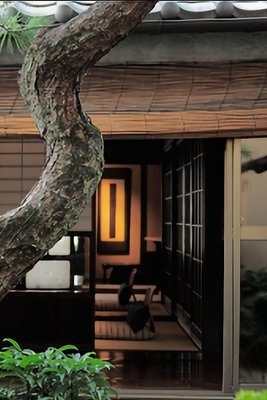
Shimayado Mari
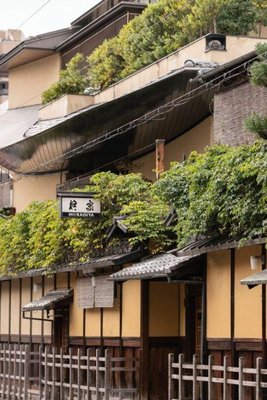
Hiiragiya Ryokan
Osaka Marriott Miyako Hotel
The Ritz-Carlton, Osaka
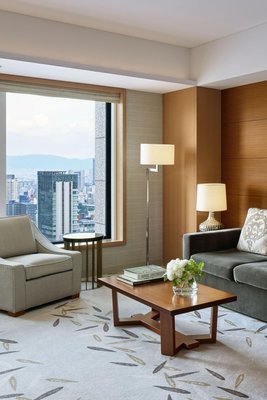
InterContinental Hotel Osaka
The Ritz-Carlton, Kyoto
Suiran, a Luxury Collection Hotel, Kyoto
GOOD NATURE HOTEL KYOTO
Park Hyatt Kyoto
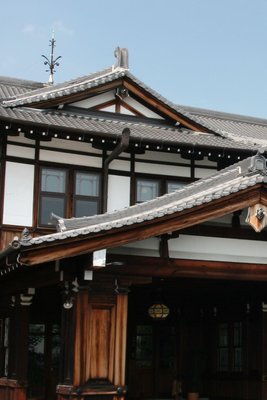
Nara Hotel
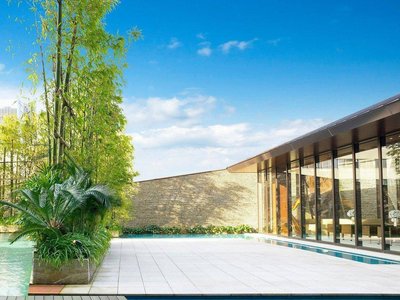
ORIENTAL HOTEL
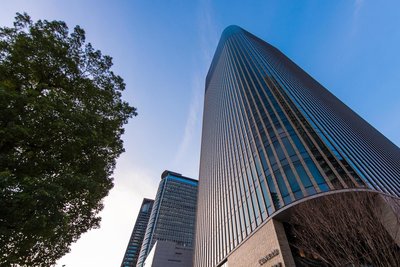
Conrad Osaka
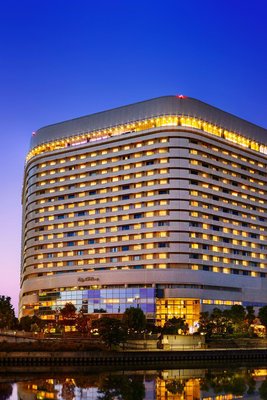
Hotel New Otani Osaka
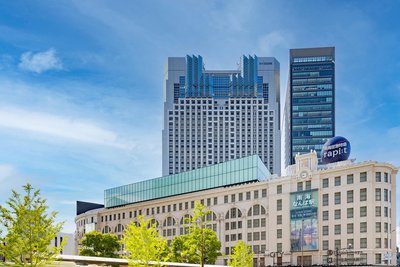
Swissotel Nankai Osaka
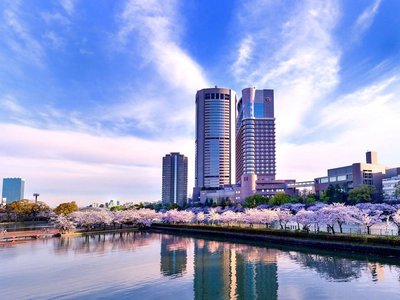
Imperial Hotel Osaka
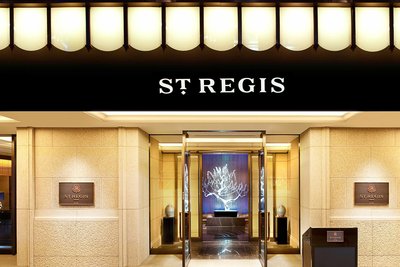
The St. Regis Osaka
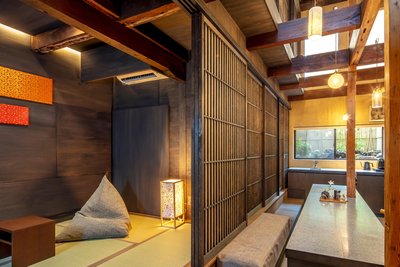
Kyo No Oozora Kihana
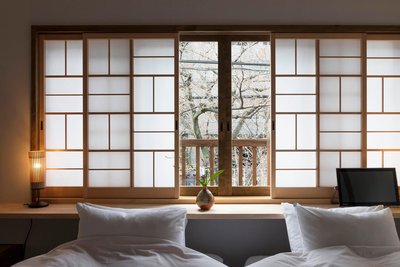
Hanagoromo Machiya House
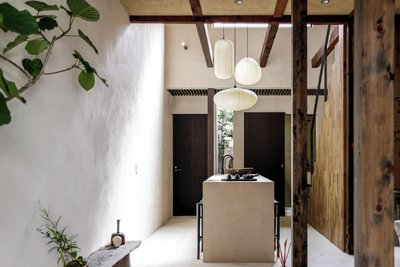
Maana Kiyomizu
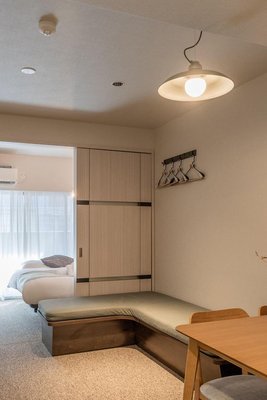
Apartment Hotel 11 Shinsaibashi
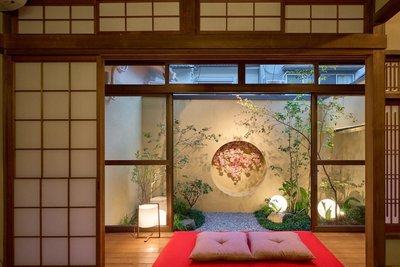
KONJAKUSO Osaka Tengachaya "NIHONCHA" Tea & Relax
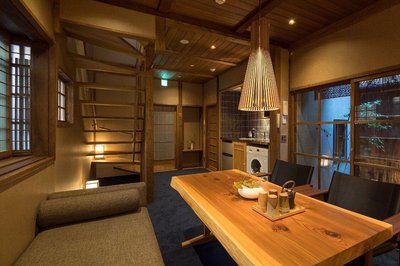
Bonbori an Machiya House
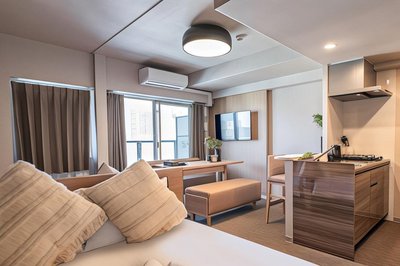
Apartment Hotel 11 Shinsaibashi III
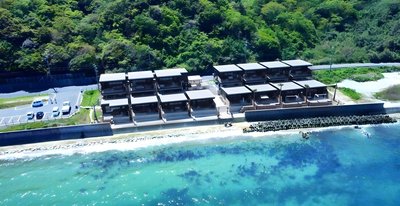
Solavilla Umi Terrace Minamiawaji
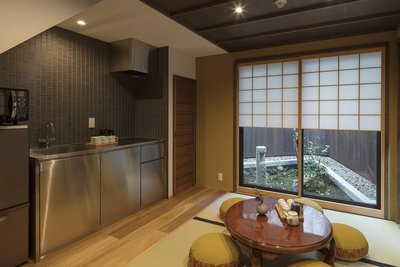
The Machiya Villa Sanjo Shirakawa Koji
Konjaku-So Dotonbori
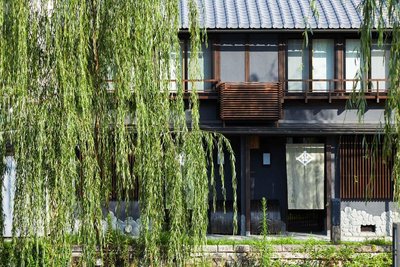
Gion Shirakawa No Yado

Kitashirakawa Natural Radium Onsen
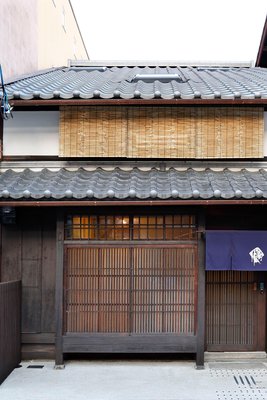
Kyo No Ondokoro Kamanza Nijo #2
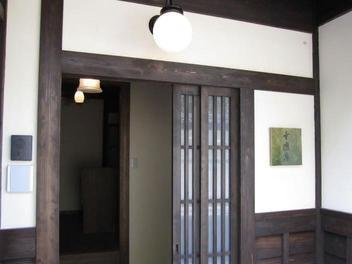
Gion Koyu an Machiya House
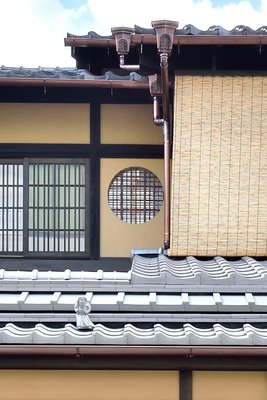
Kyo No Ondokoro Gokomachi Ebisugawa #3

Sana Mane - Glamp Domes
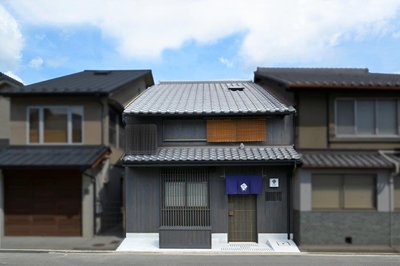
Kyo No Ondokoro Goshonishi #6
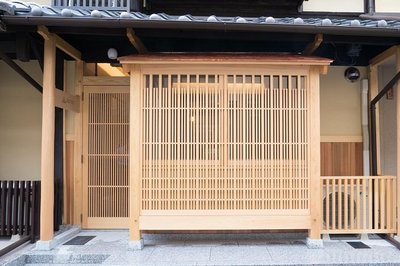
Kyomachiya Suite Rikyu
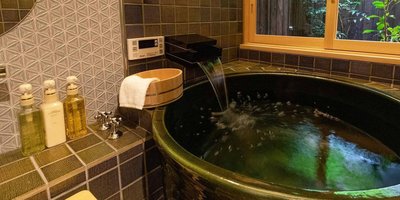
Kyoisuke
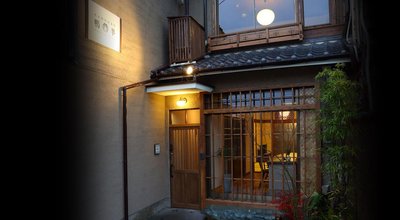
Kamohan

Hotel Barrière Fouquet's New York
Waldorf Astoria Osaka
Kamo Residences by Reflections
Six Senses Kyoto
Four Seasons Hotel Osaka
Patina Osaka
The Ritz-Carlton, Osaka
Arimasansoh Goshobessho
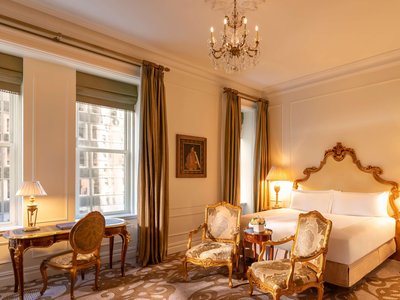
The Plaza - A Fairmont Managed Hotel
The Ritz-Carlton, Kyoto
HOSHINOYA Kyoto
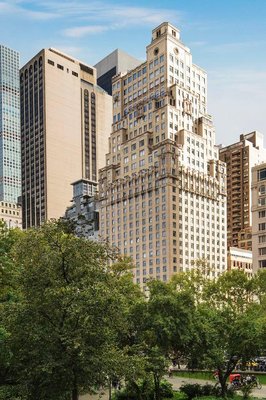
The Ritz-Carlton New York, Central Park
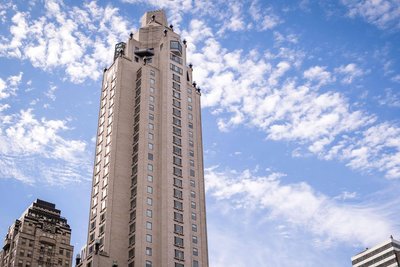
Four Seasons Hotel New York

The St. Regis New York
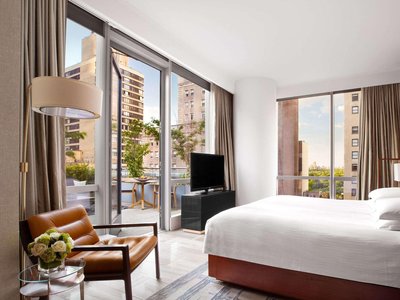
Park Hyatt New York
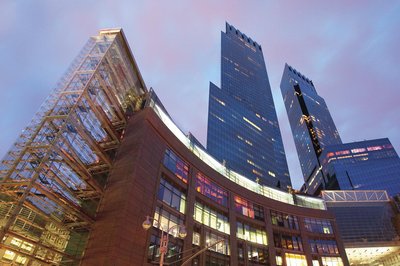
Mandarin Oriental New York
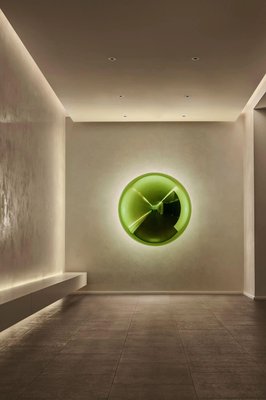
Times Square Edition New York

Loews Regency New York Hotel
Suiran, a Luxury Collection Hotel, Kyoto
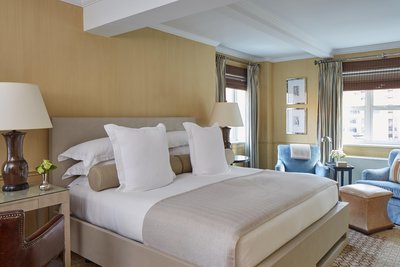
Lowell Hotel
Frequently Asked Questions about Traveling to Daisen
Questions You Might Need to Know About Traveling to Daisen
In Oku-tottori, the best ryokans include Oyama Onsen Ryokan, renowned for its private open-air baths overlooking Mount Oyama and traditional kaiseki meals using local mountain ingredients. Another top choice is Yukiyashiki Resort, a snow-covered wooden lodge offering immersive winter experiences like snow sculpture workshops and night hot spring bathing. Both provide authentic Japanese mountain hospitality with strong connections to nature and local culture.
The central district of Oku-tottori offers the most scenic hotel options, located near the Mount Oyama Shrine and the entrance to Oyama Nature Park. Staying at Oyama-machi Tourist Hotel grants easy access to hiking trails, panoramic views from large windows, and participation in seasonal events like the Bonfire Festival. Its central location ensures proximity to both natural beauty and cultural heritage.
Hotels like Oyama Onsen Ryokan feature "Mountain Bath" experiences using naturally heated mineral-rich waters sourced from 300 meters underground. Private outdoor baths allow guests to soak under starlit skies, far from city light pollution. Many properties also host daily onsen education talks, explaining the geological origins of the springs and their therapeutic benefits, blending relaxation with scientific insight.
Yes, Family Stay Oyama is a perfect family-friendly option, featuring spacious tatami rooms, a children's activity zone, and hands-on experiences like mini-farm visits and pottery workshops. The property organizes nighttime firefly watching tours, combining outdoor adventure with environmental education. Families can also enjoy themed breakfasts with locally grown produce, creating lasting memories.
Winter travelers can enjoy snow village experiences at Yukiyashiki Resort, a wooden lodge built entirely from local timber. Activities include snow sculpting, snowshoe hiking, and night-time hot spring bathing under clear winter skies. Guests receive traditional yukata robes and access to snow photography sessions, capturing the serene beauty of a snowy mountain landscape.
At Oyama Kōkō Ryokan, guests enjoy a full "Mountain Flavor Meal" experience featuring dishes like wild mountain vegetable tempura, wild game stew, and local sake. The hotel offers farm-to-table excursions where guests pick ingredients themselves before cooking them in-house. Some lodges even run culinary workshops teaching traditional mountain food preservation techniques.
Guests staying near Mount Oyama Shrine can join the annual Summer Festival in August, including the Yamagami Dance and lantern procession. Special access passes are provided to guests, allowing them to take part in prayer rituals. Additionally, indigo dyeing workshops are offered at several lodges, where visitors create hand-dyed textiles using natural plant dyes from the region.
Oyama Trail Lodge is ideal for hikers, located just steps from the Mount Oyama trailhead. It offers equipment rental, detailed route maps, and pre-packed snack delivery services. Rooms feature real-time weather updates and are designed for comfort after long treks. Evening storytelling sessions led by local guides bring ancient legends of Mount Oyama to life.
Nature Coexistence Oyama stands out as a zero-carbon lodge powered by solar panels and rainwater harvesting systems. It partners with local conservation groups to offer eco-volunteer programs, such as tree planting and stream cleanups. Guests receive an Eco Passport tracking their contributions, promoting sustainable tourism through meaningful engagement with the environment.
During peak fall season (late November), book Oyama Maple View Villa for stunning views of the Maple Waterfall. The lodge offers a photography package with professional gear and guidance. Guests can also enjoy a morning camping experience among red-tinged trees, listening to birdsong and rustling leaves—perfect for immersing in the tranquil beauty of autumn.
Daisen Overview
City Summary
Daisen Town is located in the western part of Tottori Prefecture, Japan, surrounded by breathtaking nature. Mount Daisen, one of Japan's 100 Famous Mountains, is the most prominent landmark, offering stunning views throughout the year, especially during autumn foliage. The area is also known for its hot springs and local wineries, blending natural beauty with cultural experiences.
Must-See Attractions
Mount Daisen is a must-visit, with hiking trails for enthusiasts and skiing opportunities in winter. Daisen-Oki National Park boasts exceptional landscapes for hiking and birdwatching. Daisenji Temple, a historic Buddhist site, showcases traditional Japanese architecture. Additionally, local wineries offer tasting tours for a unique regional experience.
Food Guide
Daisen Town is famous for its wine and local produce. Don't miss the locally produced red and white wines, paired with dishes like Tottori Wagyu beef or snow crab. Street food such as Daisen pudding and dairy products are also popular, highlighting the area's rich agricultural heritage.
Transportation Guide
Public transport in Daisen relies mainly on buses and taxis, but services are infrequent—check schedules in advance. Buses from Tottori or Yonago take about 1-1.5 hours. Renting a car provides more flexibility and scenic drives. In winter, some roads may close due to snow, so monitor weather and road conditions.
Best Time to Visit
The best times to visit are spring (April-May) and autumn (September-November), with pleasant weather for outdoor activities. Summer (June-August) is ideal for escaping the heat, while winter (December-February) offers skiing and hot springs.
Travel Tips
- Bring enough water and sun protection when hiking, especially in summer.
- Most hot springs require nudity—follow local etiquette.
- Winter driving demands snow tires or chains.
- Some attractions only accept cash; carry sufficient yen.
- Respect local customs, such as staying quiet in temples.
- Wi-Fi coverage is limited; consider renting a portable router.
Useful Information
Japanese is the primary language, though some signs may include English. Internet coverage is spotty; download offline maps. Cash is preferred, though some places accept cards. For emergencies, dial 110 (police) or 119 (ambulance). Pharmacies and medical facilities are sparse; bring essential medications.









