Hotels in Daisen
Discover your perfect stay in Daisen.
Daisen(Japan) Travel 2026: Cheap Flights, Hotels & Top Attractions
Popular Landmarks in Daisen
Discover the most iconic attractions in Daisen
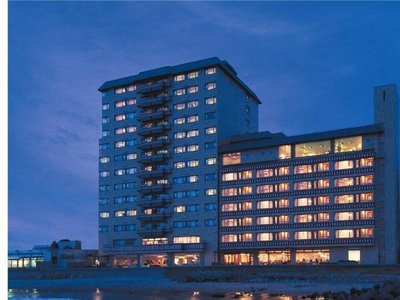
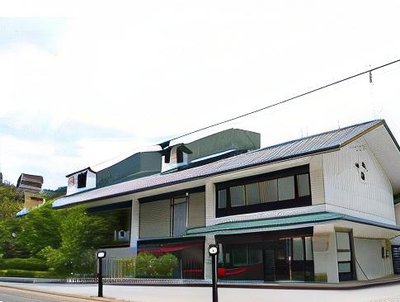
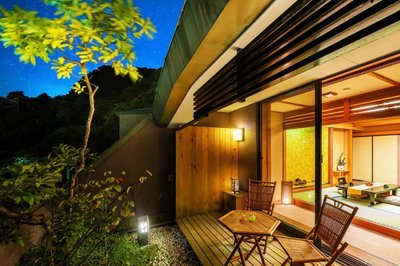
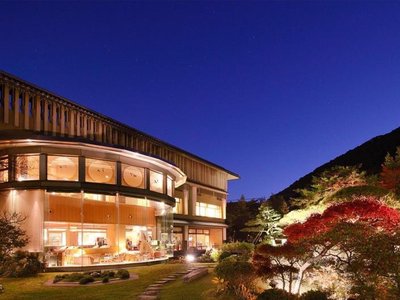
Recommended Hotels in Daisen
Find the perfect place to stay in Daisen
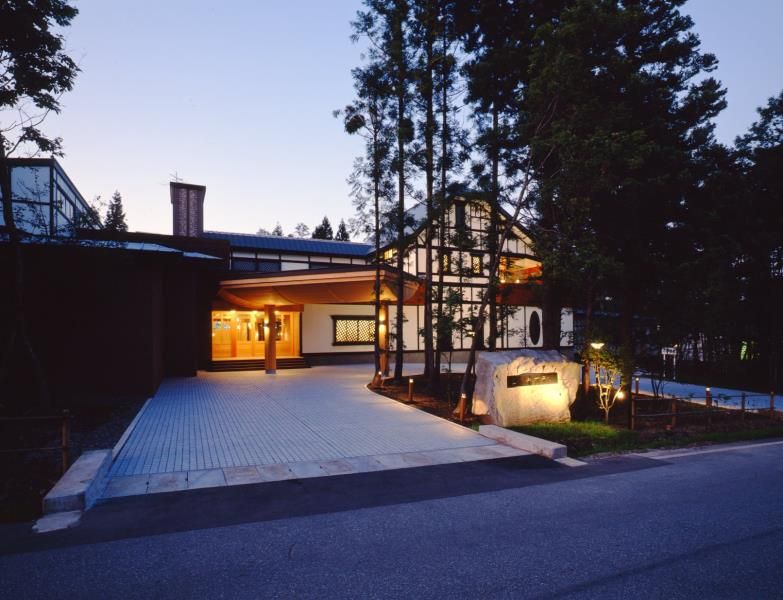
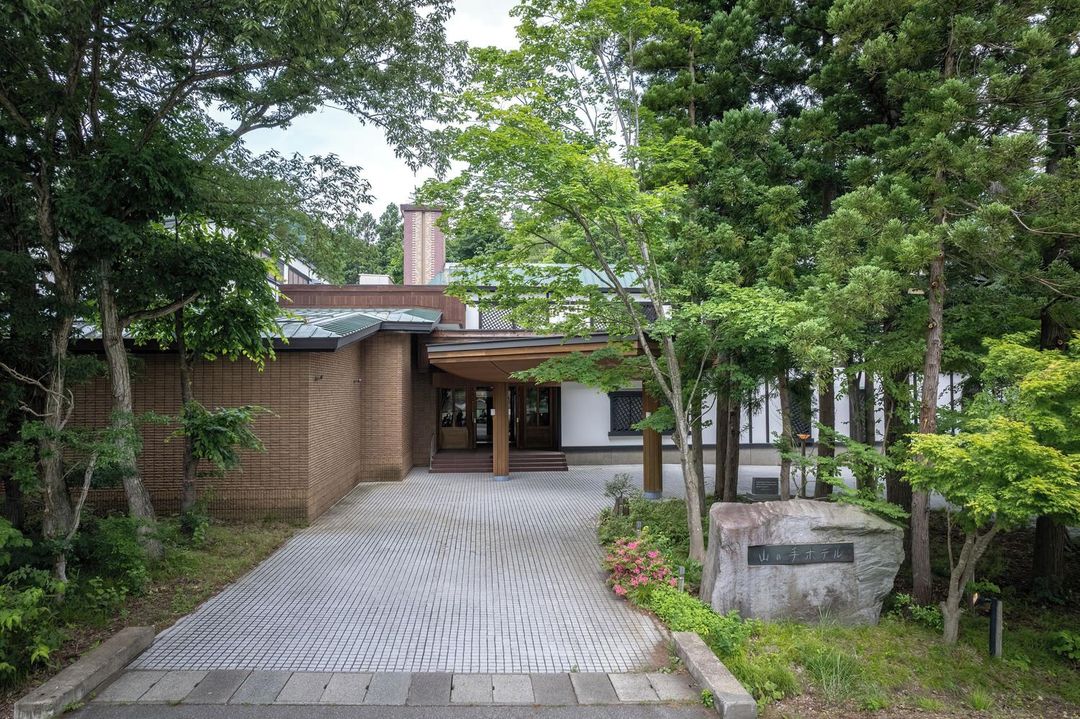
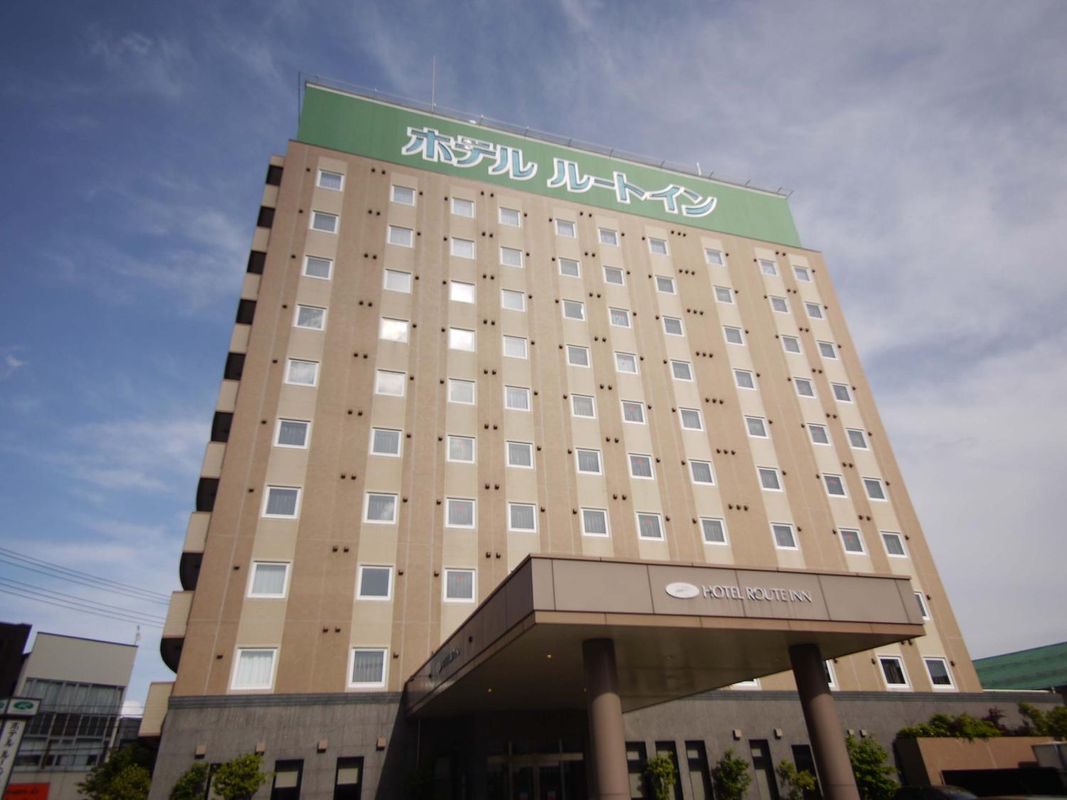
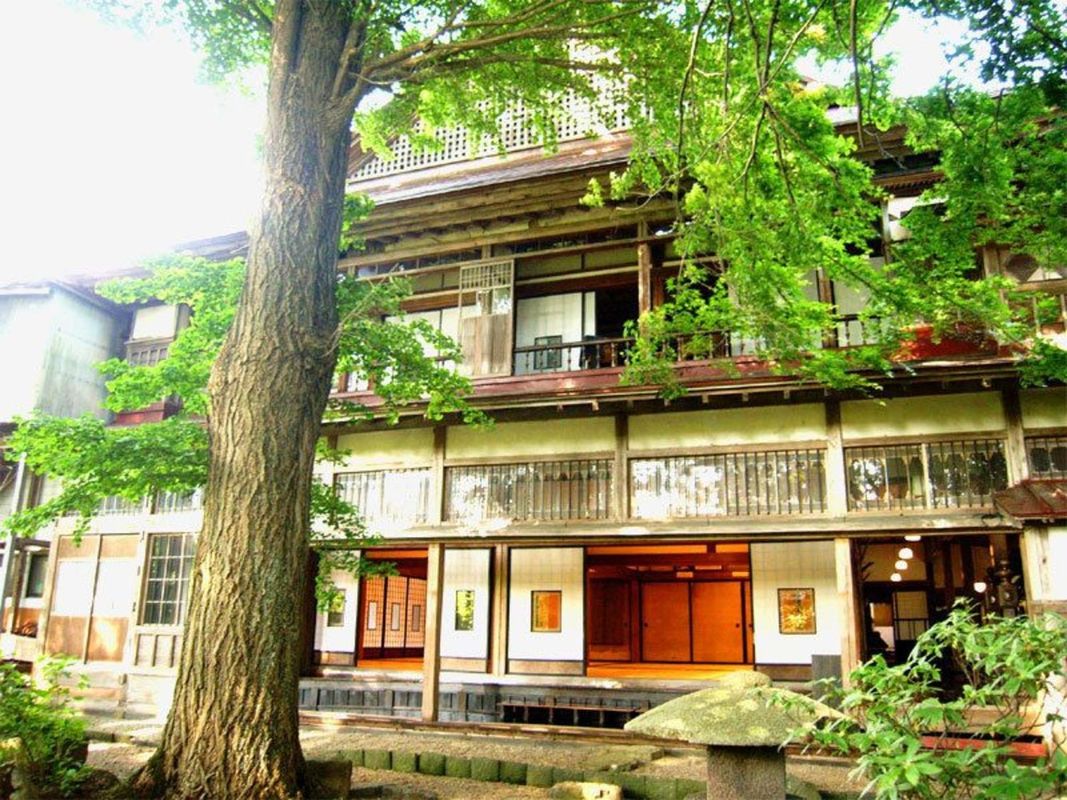
Best Hotels in Daisen
Discover curated hotel collections in Daisen




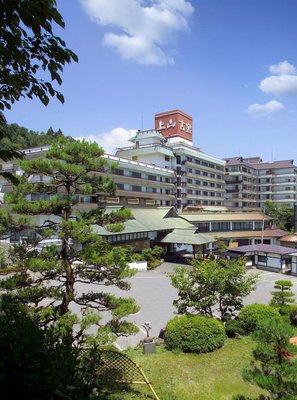
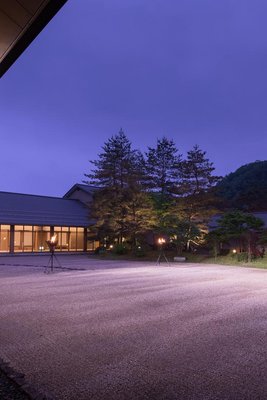
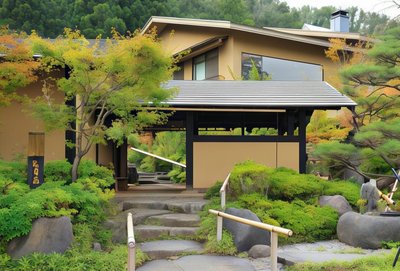
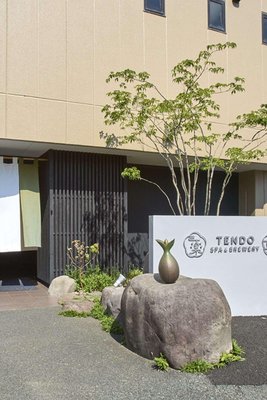
Frequently Asked Questions about Traveling to Daisen
Questions You Might Need to Know About Traveling to Daisen
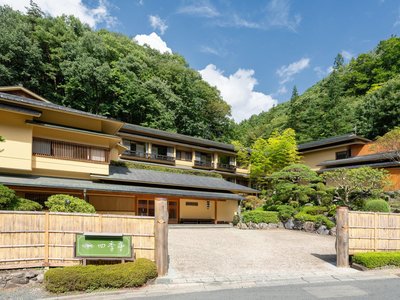
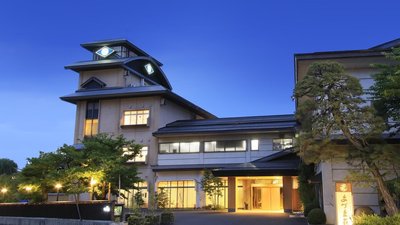
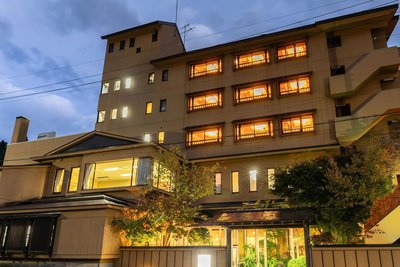
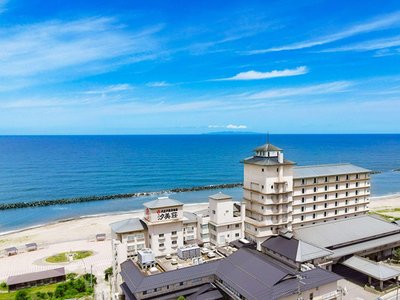
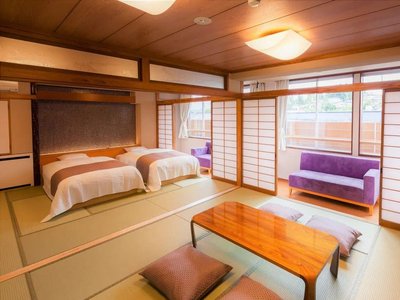
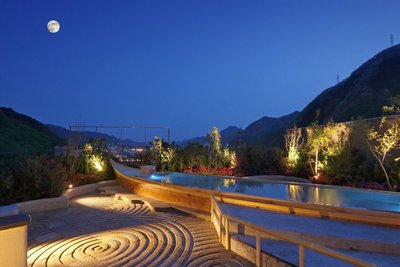
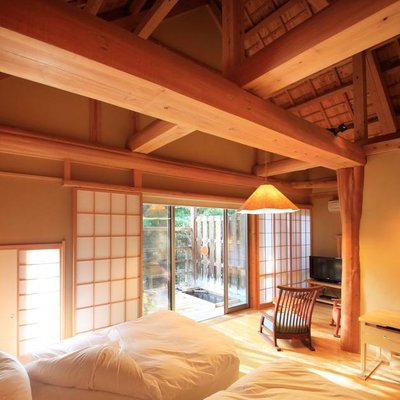
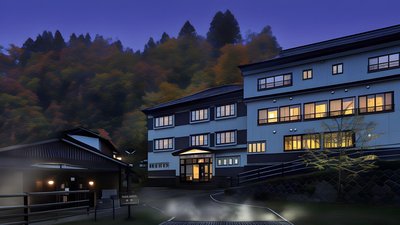
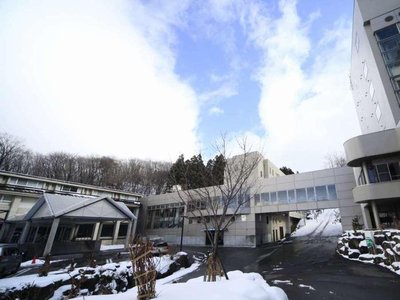
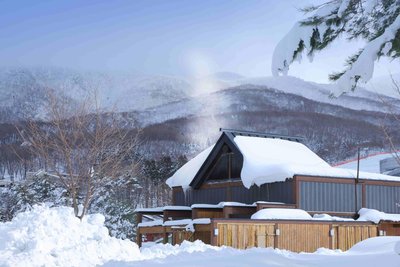
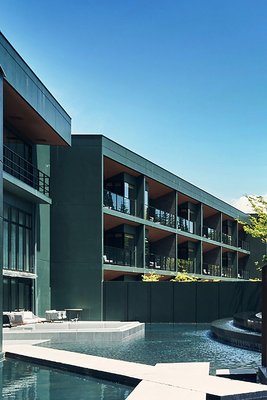
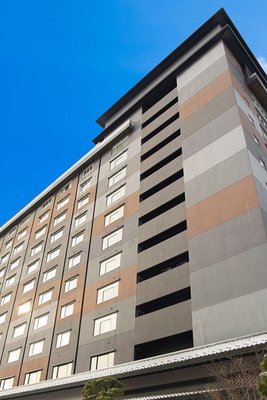
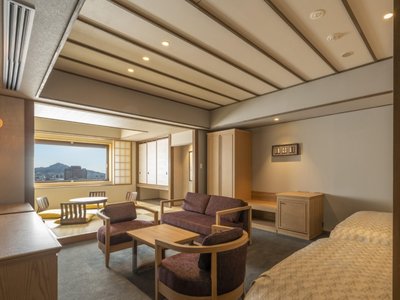
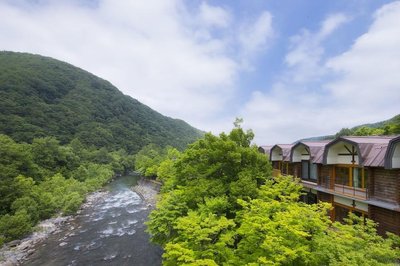
In Ōsaki City, the standout choice is Ōsaki Onsen Hotel, a traditional Japanese-style inn nestled beside the Ou River and near Ōsaki Park. It features natural hot springs sourced from deep underground, offering therapeutic benefits and scenic views of the surrounding mountains. The hotel blends modern comfort with authentic design elements like tatami mats, wooden beams, and open-air baths overlooking the river. Guests can enjoy regional specialties such as wild salmon sashimi and kuroge wagyu beef at its on-site restaurant. For those seeking cultural immersion, the hotel also hosts seasonal workshops on Akita lacquerware and rice farming traditions.
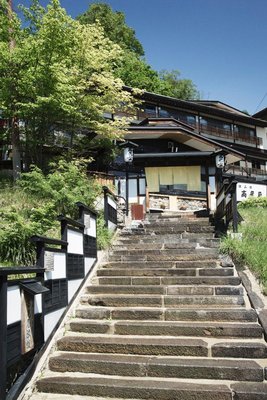
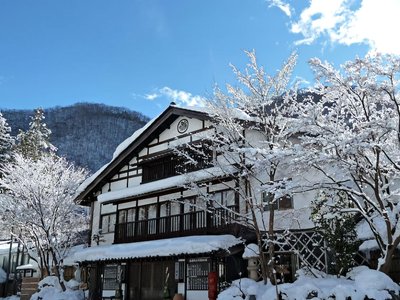
Another excellent option is Kawajiri Ryokan, a family-run guesthouse with private outdoor baths and minimalist Zen-inspired interiors. Both properties offer free shuttle services to major attractions and are highly rated for their hospitality and authenticity.
The central district of Ōsaki City offers the most convenient accommodation options, located just steps from Ōsaki Station, city hall, and main shopping streets. This area is ideal for travelers who value easy access to public transport, dining, and sightseeing. Nearby attractions include Ōsaki Park, Ōsaki Shrine, and the Ōsaki Central Market, all within a 10-minute walk. For a quieter stay, consider Kawajiri District, which lies along the Ou River and provides peaceful, nature-rich surroundings. Despite being slightly more secluded, it’s still only a short ride from downtown and close to Ōsaki Onsen, making it perfect for those seeking both tranquility and convenience.
Visitors to Ōsaki City should not miss the Ōsaki Festival (Akita Ondo), held annually in spring and recognized as an Important Intangible Folk Cultural Property. This vibrant event features dynamic drumming performances, traditional dances, and colorful processions that bring the community together. Another must-try is the lacquerware workshop at local artisan studios, where guests can craft personalized items using centuries-old techniques. For agricultural insight, join a rice paddy experience—planting or harvesting rice under expert guidance—offering a deep connection to Akita’s identity as the "Land of Rice." These immersive activities provide authentic encounters with local heritage and craftsmanship.
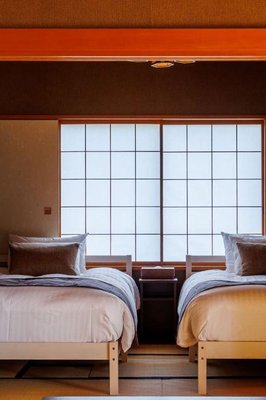
Ōsaki City’s ryokans stand out for their seamless blend of tradition and comfort. Ōsaki Onsen Hotel features naturally heated baths fed by mineral-rich springs from 300 meters below ground, known for their skin-soothing properties. Many rooms include private outdoor onsen with panoramic views of the Ou River and forested hillsides. The Kawajiri Ryokan specializes in minimalist Japanese architecture with sliding shoji screens, tatami flooring, and serene garden courtyards. Both establishments serve exquisite Akita kaiseki cuisine, featuring seasonal ingredients like wild fish, mountain vegetables, and locally grown rice. Guests often receive welcome gifts such as handcrafted lacquerware or regional sweets, enhancing the sense of place.
Yes, Ōsaki City offers several family-friendly lodgings. Ōsaki City Public Tourist Inn provides spacious family rooms, child-safe facilities like indoor playrooms and baby cots, and nearby access to Ōsaki Park with its playgrounds and nature trails. The hotel also runs family packages including discounted entry to the Ōsaki Science Museum and free breakfast for kids. Ōsaki Onsen Hotel features a dedicated children’s bath and offers kid-friendly meals upon request. Many properties provide guided nature walks and interactive workshops tailored for young guests, ensuring enjoyable and educational experiences for all ages. Parental peace of mind is further enhanced by 24-hour front desk service and multilingual staff.
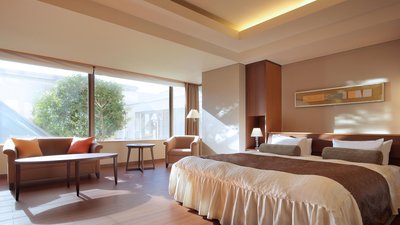
For couples seeking romance, Ōsaki Onsen Hotel’s "Starry Night Suite" offers a private open-air bath with floor-to-ceiling windows facing the stars and flowing Ou River, creating a dreamy, intimate atmosphere. Some suites even include champagne and dessert welcome kits. Alternatively, Kawajiri Ryokan’s "Zen Garden Room" features a minimalist design with bamboo walls, stone gardens, and a quiet courtyard, perfect for quiet moments together. Couples can enjoy a private dinner of kuroge wagyu and local seafood, followed by a moonlit stroll through Ōsaki Park. The hotel also offers customized couple’s spa treatments and photography sessions among autumn foliage.
Tourists visiting Ōsaki City must sample wild salmon sashimi, prized for its tender texture and fresh flavor straight from the Ou River. Pair it with miso soup and steamed Koshihikari rice for a complete taste of Akita’s culinary tradition. At Ōsaki Central Market, try grilled ayu (sweetfish) cooked over charcoal, or wagyu beef skewers served with soy-based dipping sauce. Don’t miss Akita lacquerware-packaged souvenirs, such as miso paste, dried plums, and handmade matcha cookies, available at local shops. Several restaurants also offer family-style dining experiences, letting visitors engage with locals and learn about mealtime customs.
Ōsaki City offers diverse outdoor adventures throughout the year. In spring, hike along the Ou River Trail or enjoy cherry blossom viewing in Ōsaki Park. Summer brings opportunities for whitewater rafting, fishing, and forest bathing in the lush surrounding woods. Autumn transforms the region into a canvas of red and gold, ideal for leaf-peeping tours and photography at Ōsaki Viewpoint. Winter invites snowshoeing, snow hut building, and hot spring visits amid snowy landscapes. Even in summer, gentle trails around Ōsaki Shrine are perfect for morning walks. Local tour operators provide guided hikes, rental gear, and safety briefings, making outdoor exploration accessible for all skill levels.
Yes, Ōsaki City is very tourist-friendly. Accessible via the JR Ōu Main Line, the city’s train station connects directly to Akita City (40 minutes) and Tokyo (2.5 hours). Free shuttle buses link key attractions and hotels, while well-marked walking paths make exploring on foot simple. For drivers, the Tohoku Expressway offers quick access, and parking is generally available near major sites. The Ōsaki Tourism Information Center provides multilingual assistance, maps, and HopeGoo support. Many hotels offer airport transfer services, and taxi apps are widely used. With clear signage, reliable public transit, and helpful staff, navigating Ōsaki City is smooth and stress-free.
The best times to visit Ōsaki City are spring (March–May) and autumn (September–November). Spring brings blooming cherry blossoms in Ōsaki Park, mild temperatures, and lively events like the Ōsaki Festival. Autumn features breathtaking fall foliage along the Ou River and in forested areas, making it ideal for photography and scenic drives. The Akita Ondo Festival in September draws large crowds, adding festive energy. Winter offers serene snowscapes and cozy onsen experiences, though cold weather requires preparation. Summer is pleasant for hiking and riverside activities but can be humid. Overall, spring and autumn deliver optimal weather, vibrant scenery, and rich cultural events, making them the peak seasons for travel.
Daisen Overview
City Summary
Daisen City, located in the central part of Akita Prefecture, Japan, is renowned for its stunning natural landscapes and rich traditional culture. It is the hometown of the Akita dog and hosts the "Omagari Fireworks Festival" every summer, one of Japan's top three fireworks displays, attracting countless visitors. Surrounded by mountains, the city offers breathtaking views of autumn foliage and winter snowscapes.
Must-See Attractions
Must-see attractions in Daisen include the "Akita Dog Visitor Center," where you can interact with adorable Akita dogs and learn about their history. The "Omagari Fireworks Festival" is a summer highlight, lighting up the night sky. Nature enthusiasts can hike "Mt. Taihei" for seasonal beauty or visit the "Daisen City Museum" to explore local history and folklore.
Food Guide
Daisen's cuisine features local produce, with "Inaniwa udon"—a delicate, smooth noodle—being a regional specialty. "Kiritanpo," grilled rice sticks, are another traditional dish with a crispy exterior and soft interior. Street food like "soy sauce dango" and "Akita Hinai chicken" are also must-tries.
Transportation Guide
Daisen's main transportation options include buses and trains. The JR Ou Main Line stops at Omagari Station, connecting to Akita City and other major cities. Local buses are convenient for sightseeing. Consider the "Akita Free Pass" for cost savings. Taxis are available but expensive. Renting a car is an option, but winter driving requires caution.
Best Time to Visit
The best times to visit are summer (July-August) for the fireworks festival or autumn (September-November) for fall foliage. Winter (December-February) offers stunning snowscapes but requires warm clothing. Spring (March-May) is ideal for cherry blossoms.
Travel Tips
- Book accommodations early during the fireworks festival.
- Prepare warm clothing and anti-slip shoes for winter.
- Respect local customs, especially at shrines.
- Some restaurants only accept cash, so carry enough yen.
- Public transport schedules are limited; check timetables in advance.
- Akita dogs are friendly but avoid feeding or disturbing them.
Useful Information
Japanese is the primary language, though some tourist spots offer English information. Network coverage is good; consider prepaid SIMs or airport Wi-Fi rentals. Cash is widely used, though some shops accept credit cards. For emergencies, dial 110 (police) or 119 (ambulance). Drugstores and convenience stores are common, but remote areas have limited medical facilities, so bring essential medications.









