Hotels in Daisen
Discover your perfect stay in Daisen.
Daisen(Japan) Travel 2026: Cheap Flights, Hotels & Top Attractions
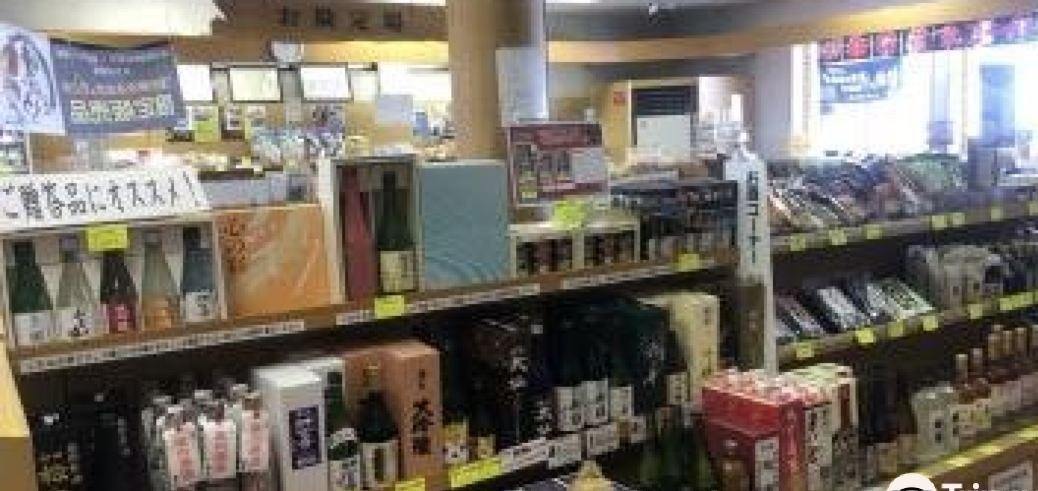
Popular Landmarks in Daisen
Discover the most iconic attractions in Daisen
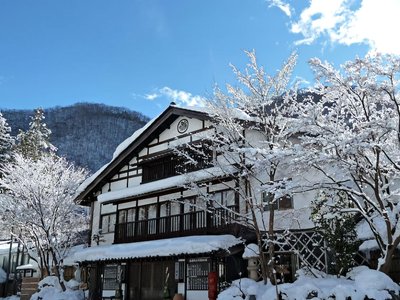
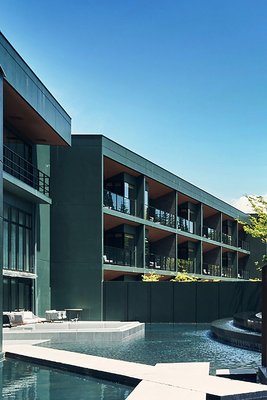
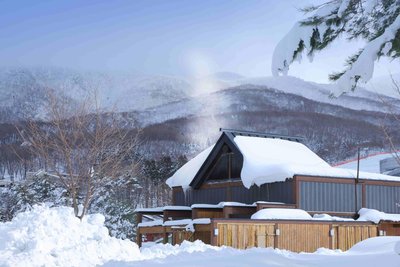
Recommended Hotels in Daisen
Find the perfect place to stay in Daisen
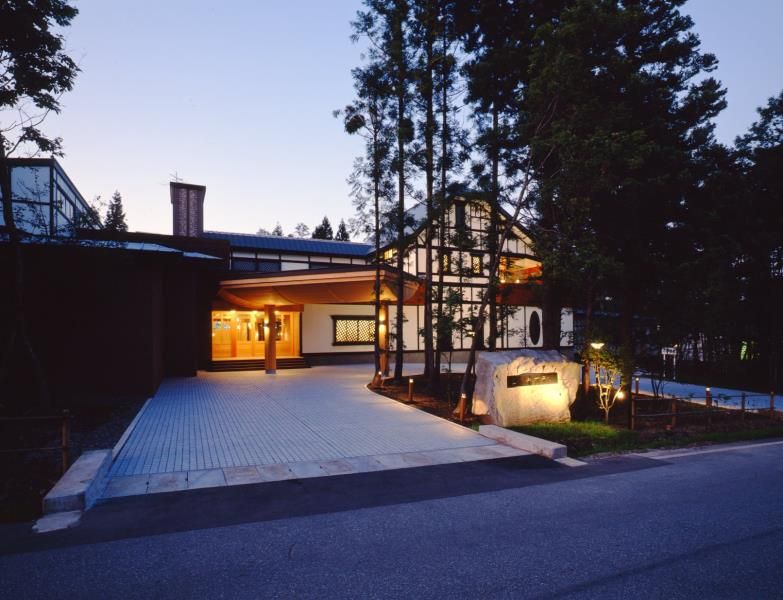
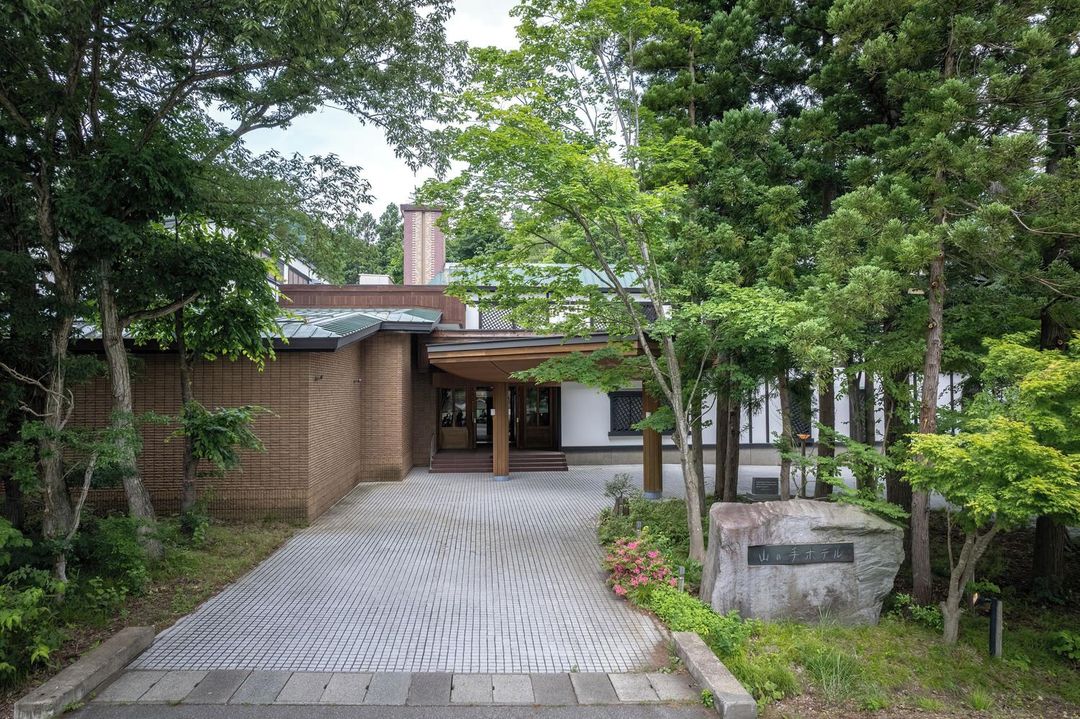
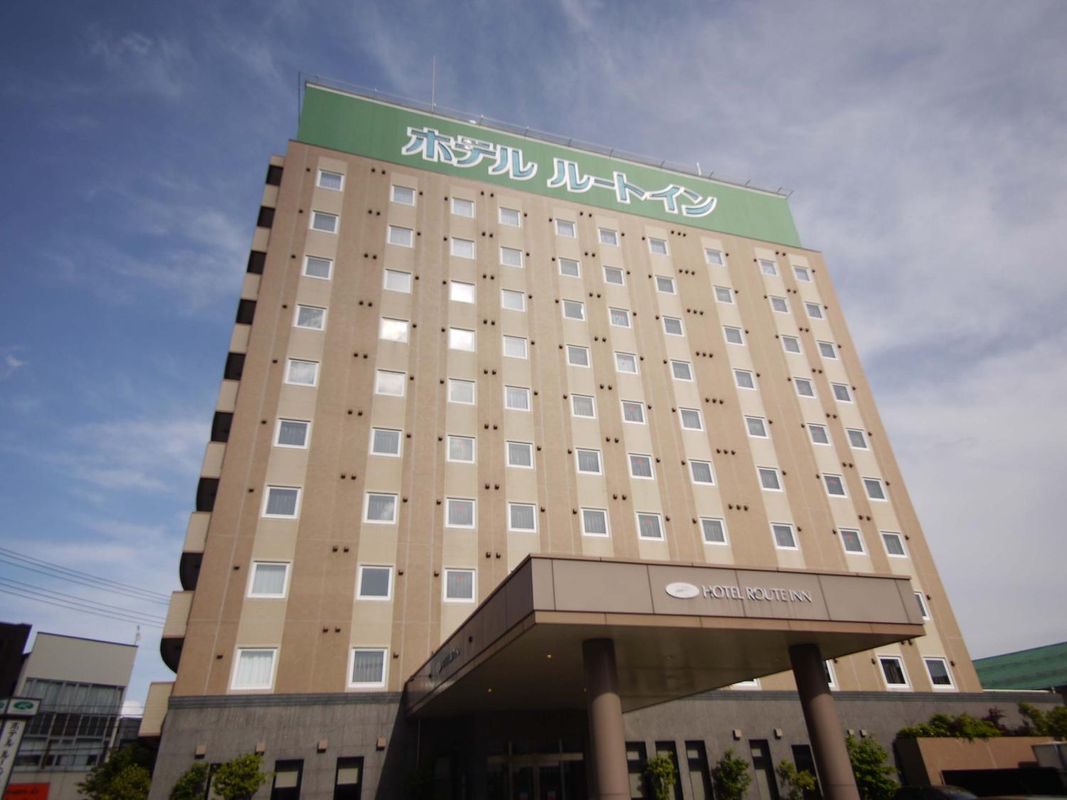
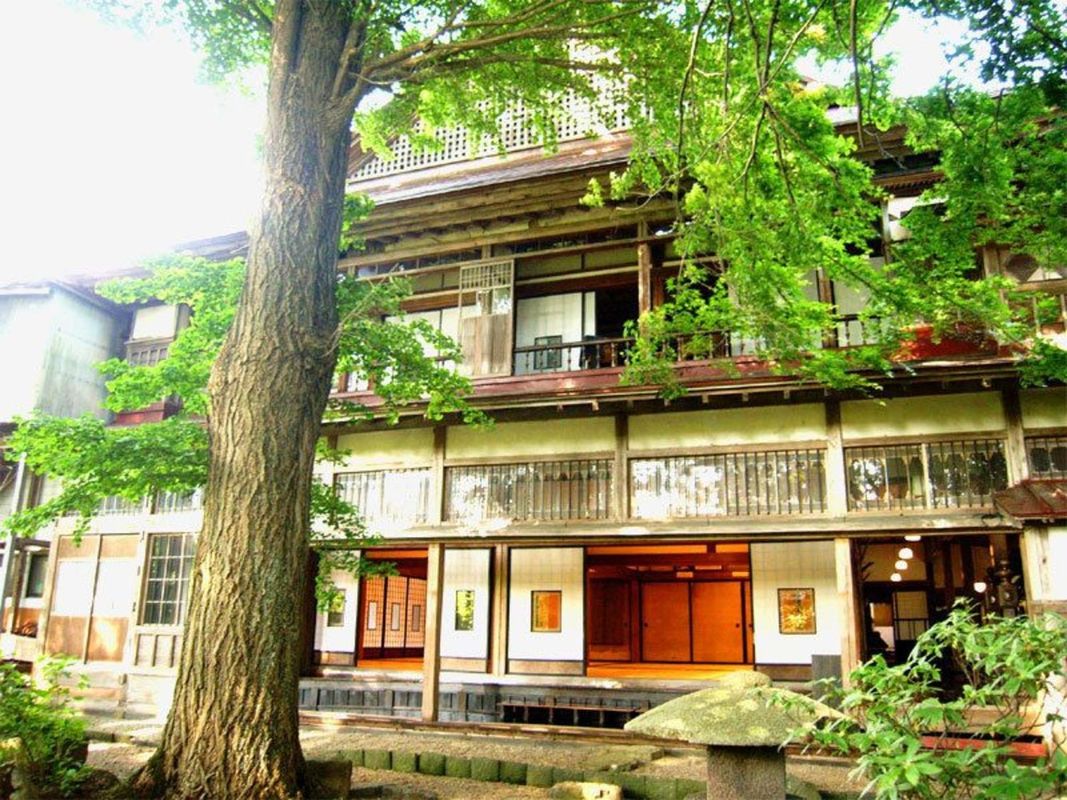
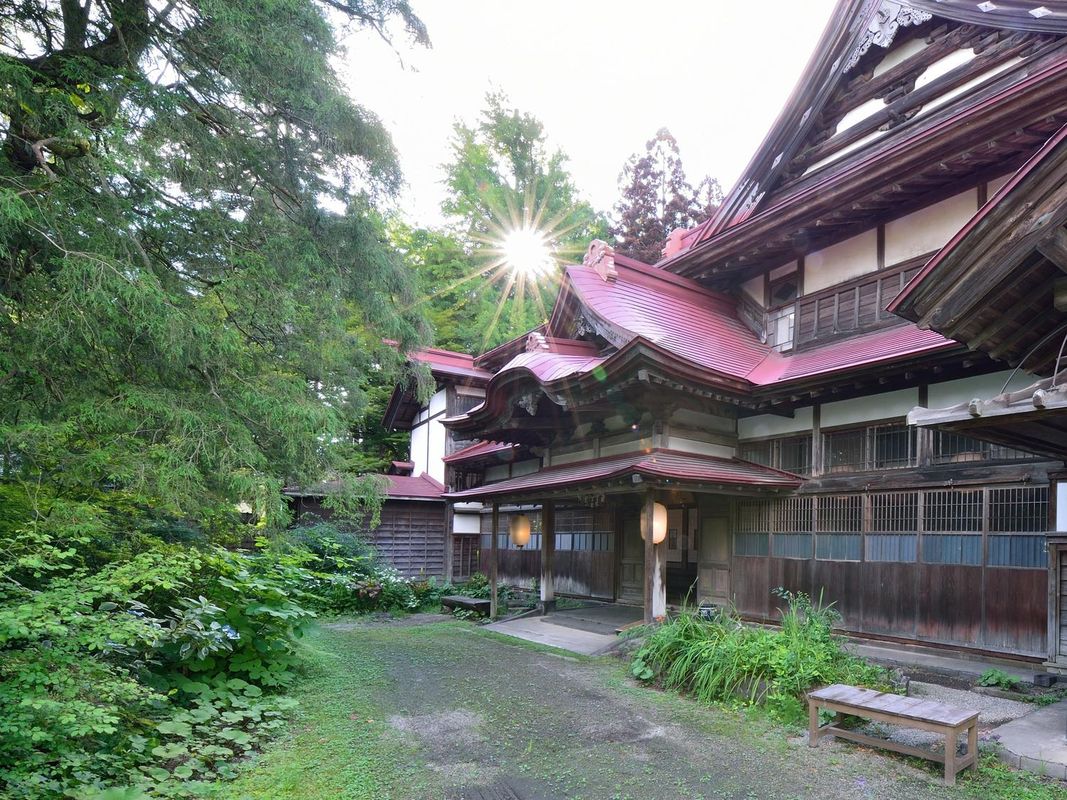
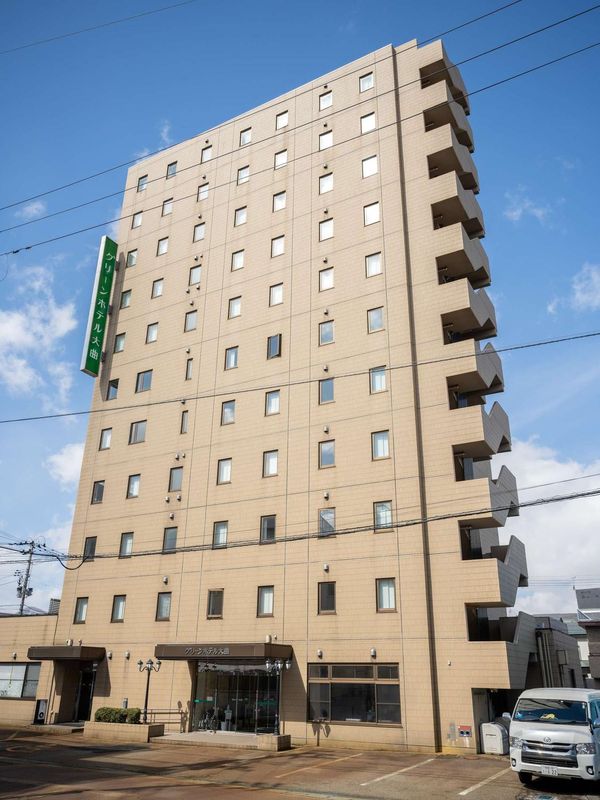
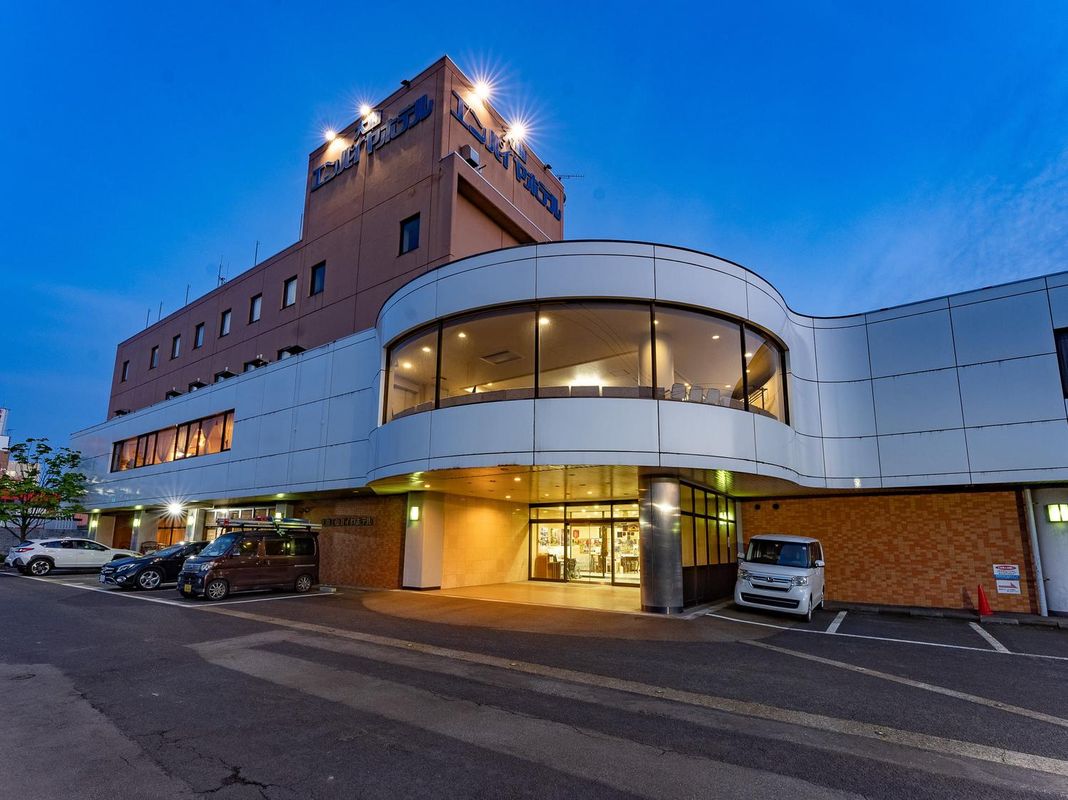
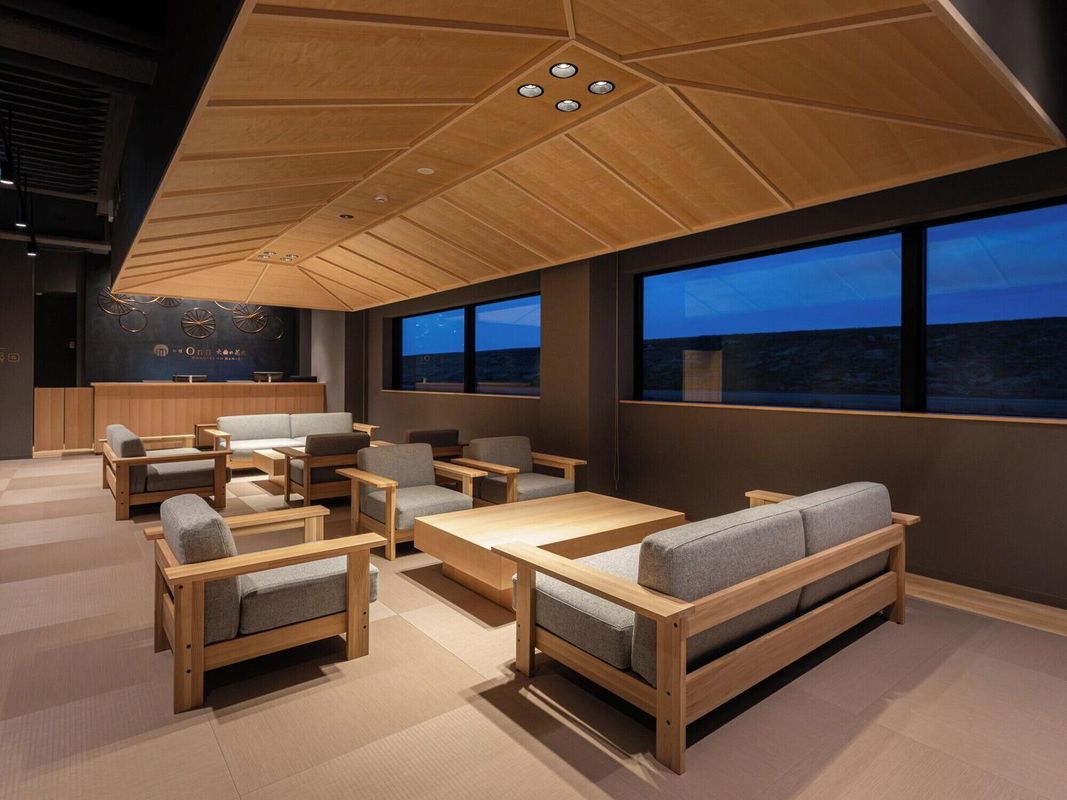
Best Hotels in Daisen
Discover curated hotel collections in Daisen
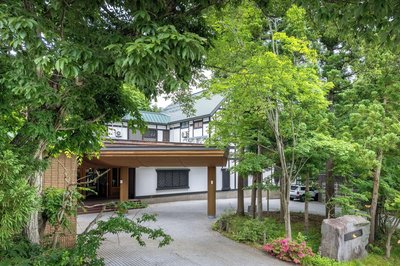
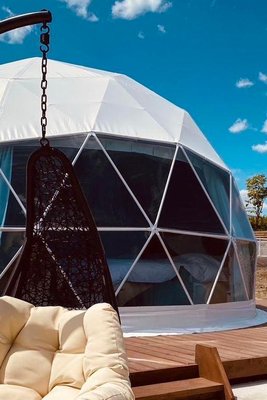
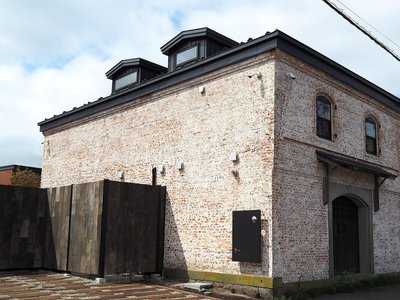



Frequently Asked Questions about Traveling to Daisen
Questions You Might Need to Know About Traveling to Daisen
Daisen Overview
City Summary
Daisen City, located in the central part of Akita Prefecture, Japan, is renowned for its stunning natural landscapes and rich traditional culture. It is the hometown of the Akita dog and hosts the "Omagari Fireworks Festival" every summer, one of Japan's top three fireworks displays, attracting countless visitors. Surrounded by mountains, the city offers breathtaking views of autumn foliage and winter snowscapes.
Must-See Attractions
Must-see attractions in Daisen include the "Akita Dog Visitor Center," where you can interact with adorable Akita dogs and learn about their history. The "Omagari Fireworks Festival" is a summer highlight, lighting up the night sky. Nature enthusiasts can hike "Mt. Taihei" for seasonal beauty or visit the "Daisen City Museum" to explore local history and folklore.
Food Guide
Daisen's cuisine features local produce, with "Inaniwa udon"—a delicate, smooth noodle—being a regional specialty. "Kiritanpo," grilled rice sticks, are another traditional dish with a crispy exterior and soft interior. Street food like "soy sauce dango" and "Akita Hinai chicken" are also must-tries.
Transportation Guide
Daisen's main transportation options include buses and trains. The JR Ou Main Line stops at Omagari Station, connecting to Akita City and other major cities. Local buses are convenient for sightseeing. Consider the "Akita Free Pass" for cost savings. Taxis are available but expensive. Renting a car is an option, but winter driving requires caution.
Best Time to Visit
The best times to visit are summer (July-August) for the fireworks festival or autumn (September-November) for fall foliage. Winter (December-February) offers stunning snowscapes but requires warm clothing. Spring (March-May) is ideal for cherry blossoms.
Travel Tips
- Book accommodations early during the fireworks festival.
- Prepare warm clothing and anti-slip shoes for winter.
- Respect local customs, especially at shrines.
- Some restaurants only accept cash, so carry enough yen.
- Public transport schedules are limited; check timetables in advance.
- Akita dogs are friendly but avoid feeding or disturbing them.
Useful Information
Japanese is the primary language, though some tourist spots offer English information. Network coverage is good; consider prepaid SIMs or airport Wi-Fi rentals. Cash is widely used, though some shops accept credit cards. For emergencies, dial 110 (police) or 119 (ambulance). Drugstores and convenience stores are common, but remote areas have limited medical facilities, so bring essential medications.









