Hotels in Daitō
Discover your perfect stay in Daitō.
Daitō(Japan) Travel 2026: Cheap Flights, Hotels & Top Attractions
Popular Landmarks in Daitō
Discover the most iconic attractions in Daitō
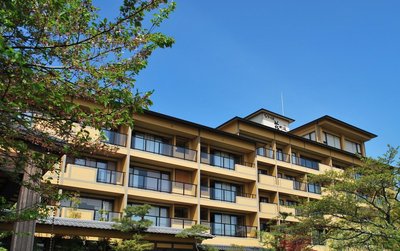
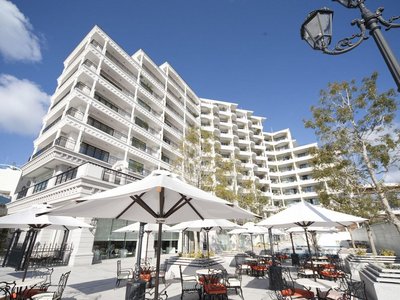
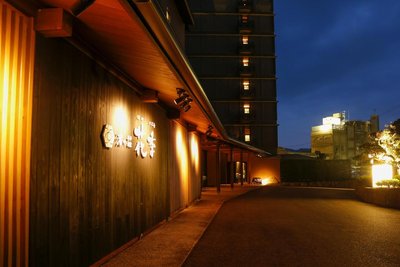
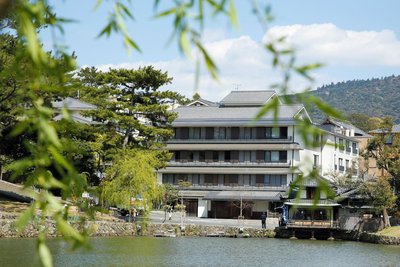
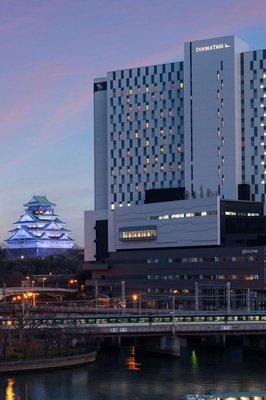
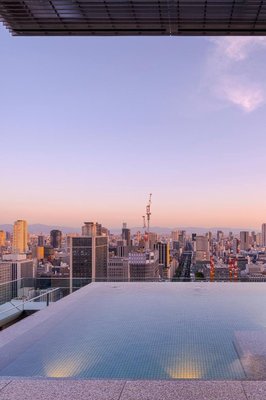
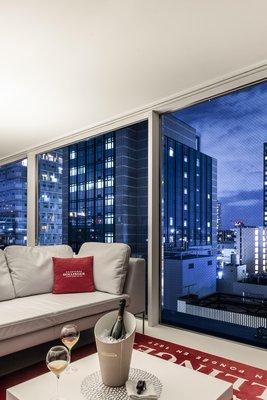
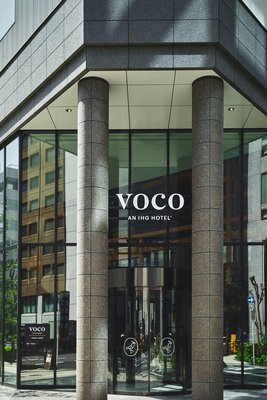
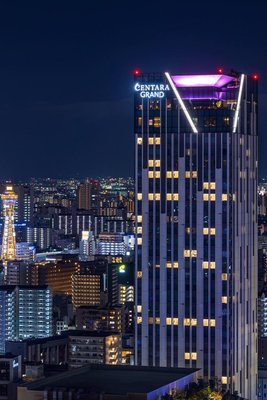
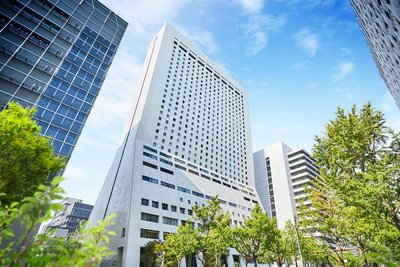
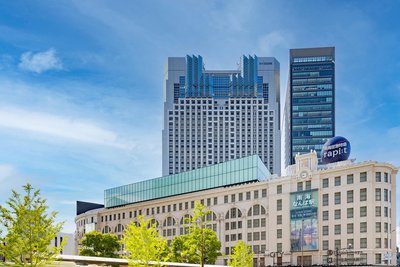
Recommended Hotels in Daitō
Find the perfect place to stay in Daitō
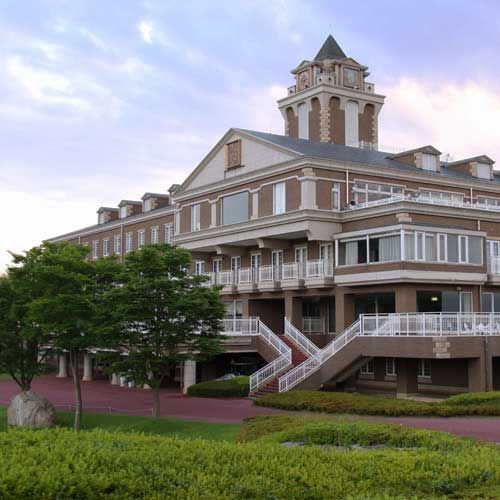

Best Hotels in Daitō
Discover curated hotel collections in Daitō

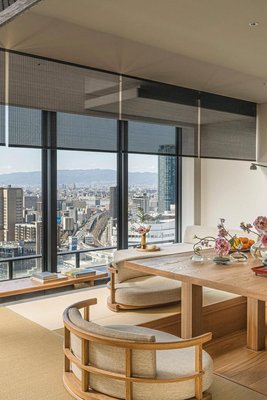
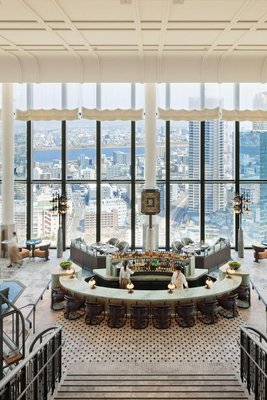
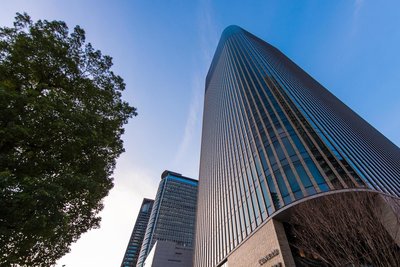







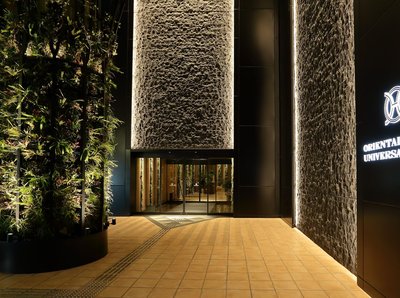


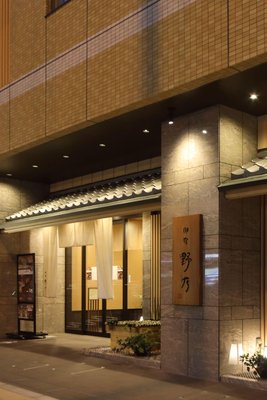

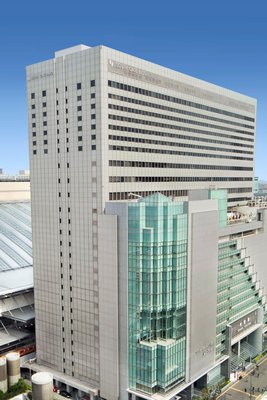


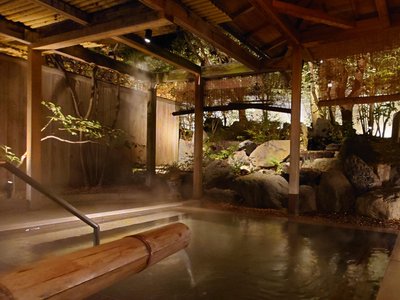


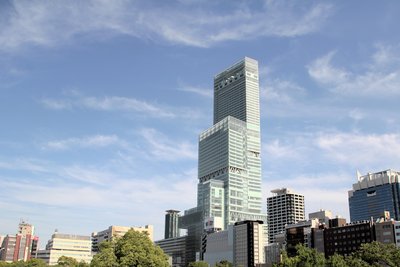


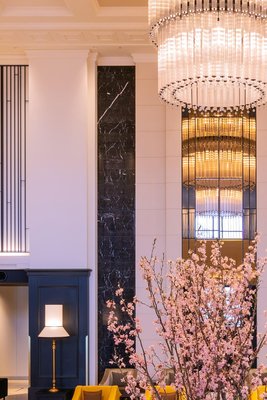



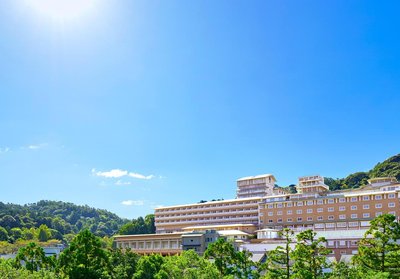
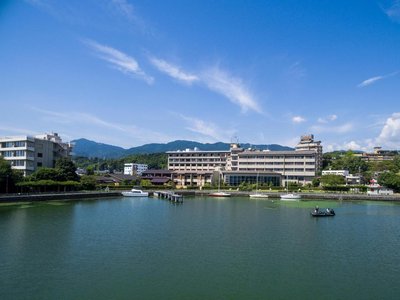
























Frequently Asked Questions about Traveling to Daitō
Questions You Might Need to Know About Traveling to Daitō
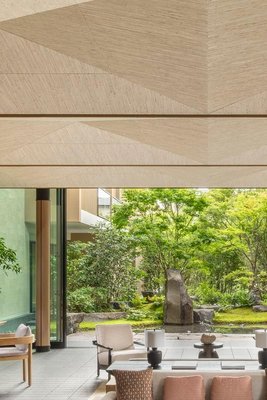
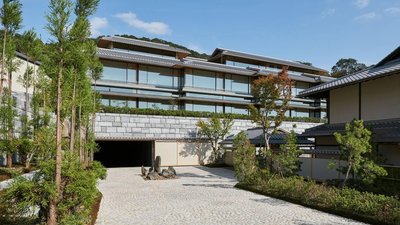
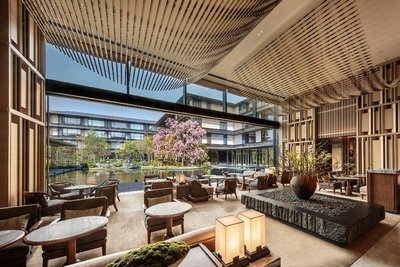
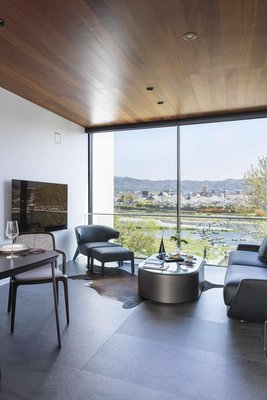
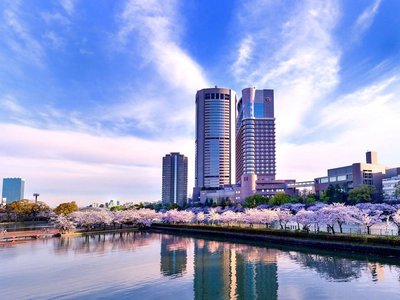
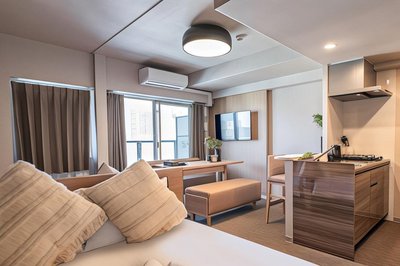
In Daitō City, the top choice for comfort is Daitō City Hotel, located just steps from Daitō Station and near the bustling Daitō Shopping Center. This modern hotel features spacious rooms with Japanese-inspired décor, free Wi-Fi, 24-hour hot water, and a generous breakfast buffet. It also offers luggage storage and travel concierge services, making it ideal for exploring nearby attractions like Daitō Park and the Old Town Cultural Zone.
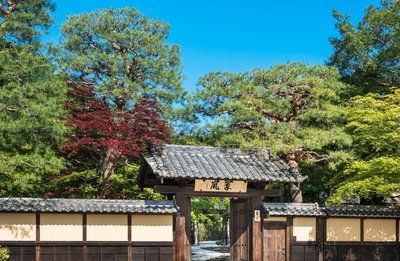
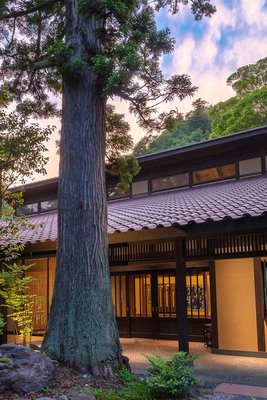
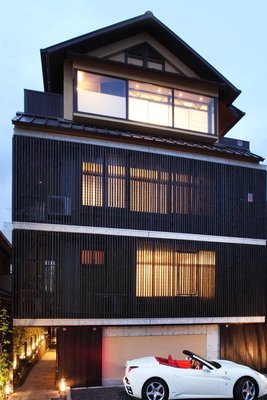
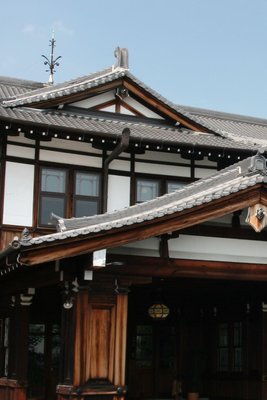
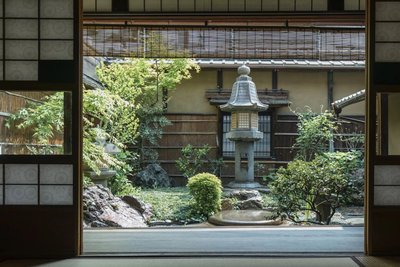
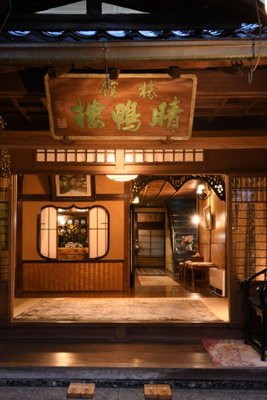
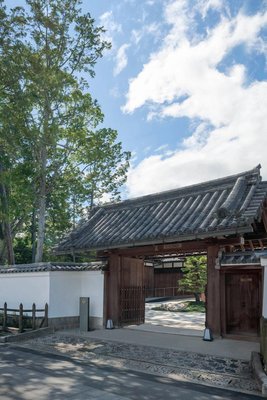
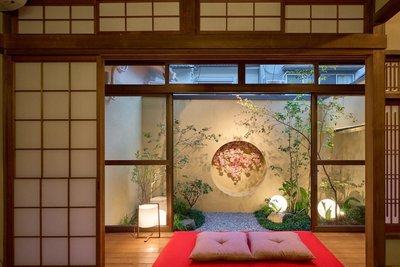
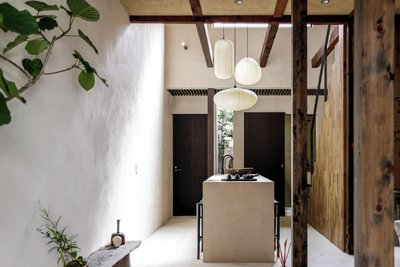
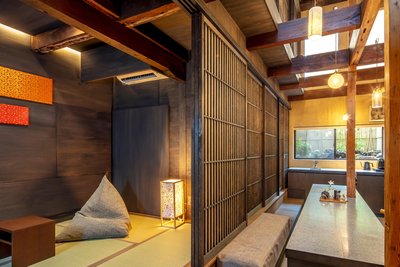
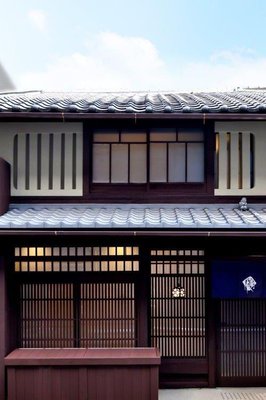
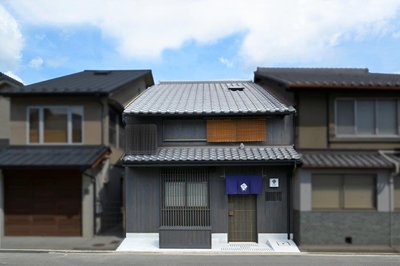
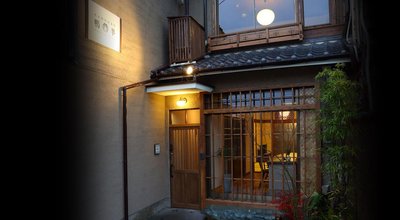
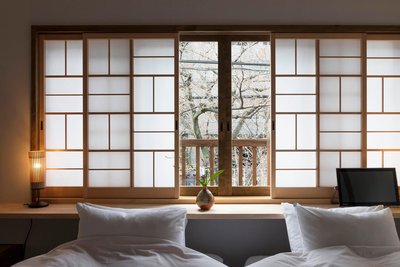
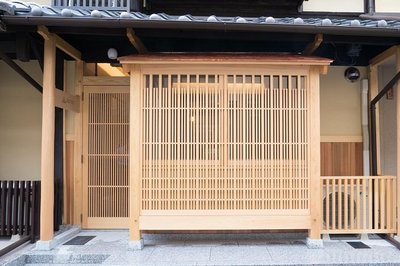
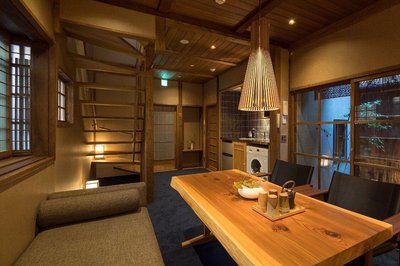
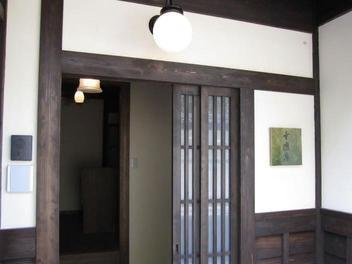
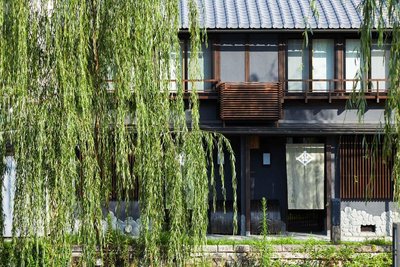
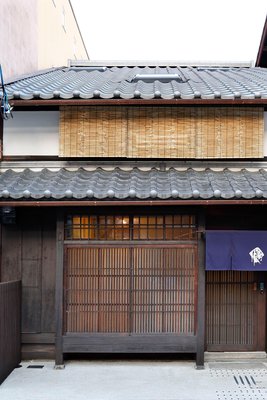
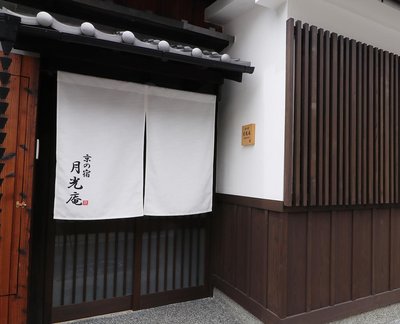
For a more authentic experience, try Wafu Machiya Inn, a traditional townhouse converted from a Meiji-era residence. With wooden beams, shoji screens, and tatami floors, this boutique inn provides an immersive cultural stay perfect for travelers seeking local charm and quiet ambiance.
The Central Business District (CBD) is the most convenient area for first-time visitors to Daitō City. Located right next to Daitō Station, it’s easily accessible by train from Osaka, Kyoto, and Kansai Airport—just a 30-minute ride.
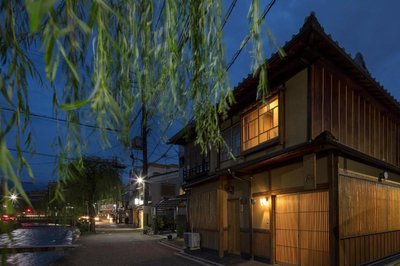
This district hosts a variety of mid-to-high-end hotels such as Daitō City Hotel and Starlight Plaza Inn, along with shopping malls, restaurants, and cafés. The streets are well-lit, safe, and pedestrian-friendly, making it easy to explore on foot. Nighttime offers a warm, inviting atmosphere with lively shops and cafes, perfect for casual strolls after sightseeing.
Daitō City offers several unique cultural experiences that go beyond typical tourist spots.
One highlight is the Handmade Pottery Workshop at Tōshin Craft Studio, where visitors can create their own tea bowls or flower vases under the guidance of local artisans using traditional techniques. Each piece is fired on-site and can be taken home as a meaningful souvenir.
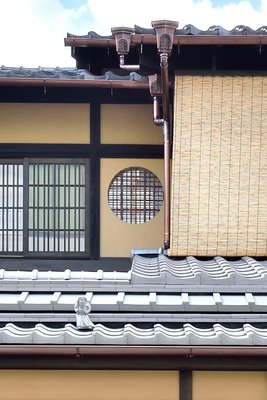
Another must-try is the Daitō Festival, held annually in spring, featuring lion dances, taiko drum performances, and historical parades. Additionally, guided Machiya Heritage Tours led by longtime residents allow guests to explore century-old homes, learn about family legacies, and understand the city’s architectural heritage and daily life traditions.
Daitō City’s nightlife thrives on intimate dining and local charm rather than flashy clubs.
Head to Shincho-dori Night Market, a vibrant street filled with over 50 food stalls serving local specialties like Daitō Yakitori (grilled chicken skewers), Soy Sauce Pork Ramen, and Matcha Mochi. The atmosphere is lively and welcoming, perfect for evening exploration.
For a quieter option, visit Tsukimi-tei Izakaya, a cozy hidden bar tucked in an old alleyway. Known for its house-brewed sake and seasonal dishes, the interior features artwork by local artists. Every Friday night, they host Street Music Sessions with student jazz and folk bands, adding a romantic touch to the city’s evening rhythm.
Absolutely, Daitō City is highly family-friendly. The city boasts numerous child-oriented attractions and facilities.
The Daitō Children’s Museum offers interactive science exhibits and hands-on labs designed for kids to learn through play. Nearby, Daitō Park features large playgrounds, picnic areas, and a small petting zoo—ideal for outdoor fun.
Hotels like Daitō City Hotel provide family rooms, baby cots, and kid-friendly amenities such as themed towels and snack boxes. Many attractions are within walking distance or accessible via the free electric shuttle service, Daitō Shuttle. Weekly events like Family Day Activities include scavenger hunts, craft workshops, and dance shows, encouraging bonding and joyful memories.
Must-visit attractions in Daitō City include:
-
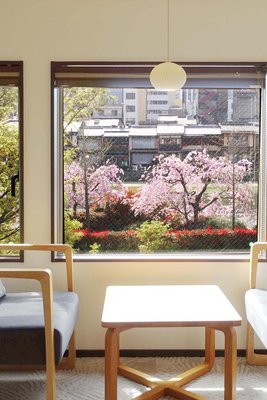
Daitō Shrine: A historic site dating back to the 18th century, famous for its vermilion torii gates and ancient cherry trees. Spring brings stunning sakura blooms.
-
Old Town Cultural Zone: Preserved Edo-period streets with stone pathways, wooden houses, and traditional tea houses—perfect for walking tours and photography.
-
Daitō Park: A vast green space with a lake, gardens, and an open-air theater. Hosts summer concerts and winter light festivals.
-
Daitō Art Museum: Showcasing contemporary and regional artworks, with a café and bookstore on-site. Regular exhibitions feature emerging local artists.
Public transportation in Daitō City is exceptionally convenient.
The city is served by the Daitō Railway Line, connecting directly to Osaka, Kyoto, and Kansai Airport—just a 30-minute train ride from central Osaka.
Local transit includes the City Bus Network and the free Daitō Shuttle, an electric bus that runs hourly between major attractions and shopping centers. For tourists, the Daitō Tourist Guide Bus offers multilingual commentary and stops at key sites.
Parking is also well-managed, with paid lots like Central Parking Plaza and Old Town Parking Tower, some offering free parking during events. Overall, the city is designed for easy access whether you’re traveling by train, bus, or car.
Daitō City’s culinary identity lies in its deep-rooted local flavors and traditional craftsmanship.
-
Daitō Yakitori: Grilled chicken skewers cooked over charcoal with a savory-sweet glaze. Try them at Kikyo-ya in Shincho-dori Night Market.
-
Soy Sauce Pork Ramen: Rich broth made from pork bones simmered for 8 hours, topped with chashu, soft-boiled egg, and pickled vegetables. A favorite at Menya Daitō.
-
Matcha Mochi: Soft mochi wrapped in homemade matcha-flavored dough, filled with sweet red bean paste and cream. Available at Tsukimi-tei and Wafu Sweet House.
-
Handmade Tofu: Crafted using mountain spring water and traditional coagulation methods. Served fresh at Tōfu-ya Honpo in the Old Town Cultural Zone.
Yes, Daitō City is a paradise for photography lovers.
-
Old Town Cultural Zone: Early morning light filters through paper sliding doors and stone alleys, creating dramatic shadows and textures—ideal for street photography.
-
Daitō Shrine: During cherry blossom season (late March–early April), the red torii gates frame cascading pink petals, forming dreamlike compositions.
-
Daitō Park: The lake reflects willow trees and swans, especially beautiful during golden hour. Winter light festivals add magical visual elements.
The city also offers Photo Buddy Points—free rental of tripods and maps—and hosts the annual Street Light Challenge, encouraging creative urban photography.
The best times to visit Daitō City are spring (March–May) and autumn (September–November).
-
Spring: Cherry blossoms bloom at Daitō Shrine and Daitō Park, coinciding with the vibrant Daitō Festival featuring traditional dances and parades.
-
Autumn: Cool, crisp weather and stunning fall foliage reach peak color in late November—perfect for hiking and photography.
Summer offers the Night Market Lights Festival and Fireworks on the Lake, while winter brings the Snow Lantern Festival, where ice sculptures glow under lantern light. Though all seasons have charm, spring and autumn offer the most pleasant climate and most memorable events.
Daitō Overview
City Summary
Daito City, located in the northeastern part of Osaka Prefecture, Japan, is a satellite town blending traditional culture with modern convenience. Known for its quiet residential areas and abundant green spaces, it offers easy access to central Osaka. Highlights include well-preserved machiya townhouses, springtime cherry blossom tunnels, and local handicraft workshops.
Must-See Attractions
Top attractions include Daito City Hall Observation Deck for panoramic views, and Fukunoike Park renowned for seasonal flowers and birdwatching with winter illumination. Experience culture at Daito City Library's traditional tatami reading area or pottery workshops. At night, explore izakaya pubs near JR Shumachi Station.
Food Guide
Influenced by Osaka's "Kitchen of the Nation", try okonomiyaki and takoyaki at Shumachi Shopping Street. Local specialties include tsukudani (simmered vegetables) and kamo nanban soba (duck noodle soup). For desserts, don't miss red bean mochi made using century-old methods.
Transportation Guide
Accessible via JR Katamachi Line and Kintetsu Nara Line (25 mins from Osaka Station to Shumachi Station). Get around with community loop buses (flat 100 yen fare) covering all sights. ICOCA cards work for all Kansai transit. Avoid rush hours (7:30-9:30 AM). Taxis start at 680 yen with 20% night surcharge.
Best Time to Visit
Best visited during late March-early April for cherry blossoms or November for autumn foliage, with mild temperatures (15-22°C) and fewer crowds. Avoid Obon holiday in August and Golden Week in May due to inflated prices and congestion.
Travel Tips
- Remove shoes when entering temples - wear slip-ons
- Strict trash separation required - use convenience store bins
- Many onsen prohibit tattoos
- Carry ¥5000 in change as cash remains king
- Keep phones silent on trains
- Prepare masks/meds for spring pollen season
Useful Information
Language: Basic English signage at stations. Translation apps recommended. Internet: Prepaid SIMs at 7-Eleven/FamilyMart (¥3000/month). Payment: Suica cards accepted at vending machines/convenience stores. Emergency: Police 110, Ambulance 119. Medical: 24hr clinic near Shumachi Station (Japanese required). Voltage: 100V with Type A plugs. Tap water is drinkable. Winter avg: 5-10°C, pack warm layers.









