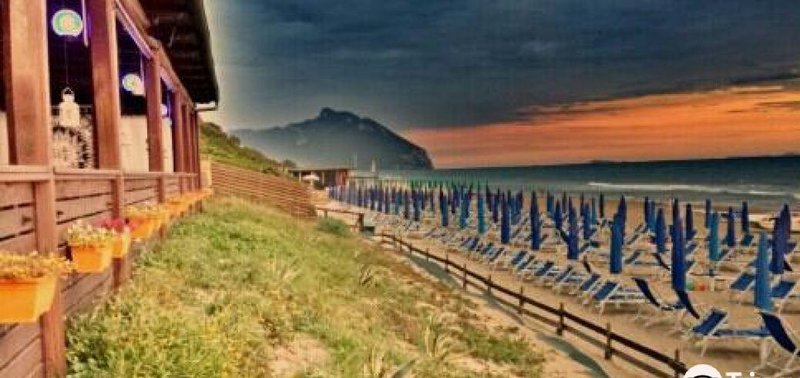
Hotels in Dalmine
Discover your perfect stay in Dalmine.
Dalmine(Italy) Travel 2026: Cheap Flights, Hotels & Top Attractions
Popular Landmarks in Dalmine
Discover the most iconic attractions in Dalmine
Recommended Hotels in Dalmine
Find the perfect place to stay in Dalmine
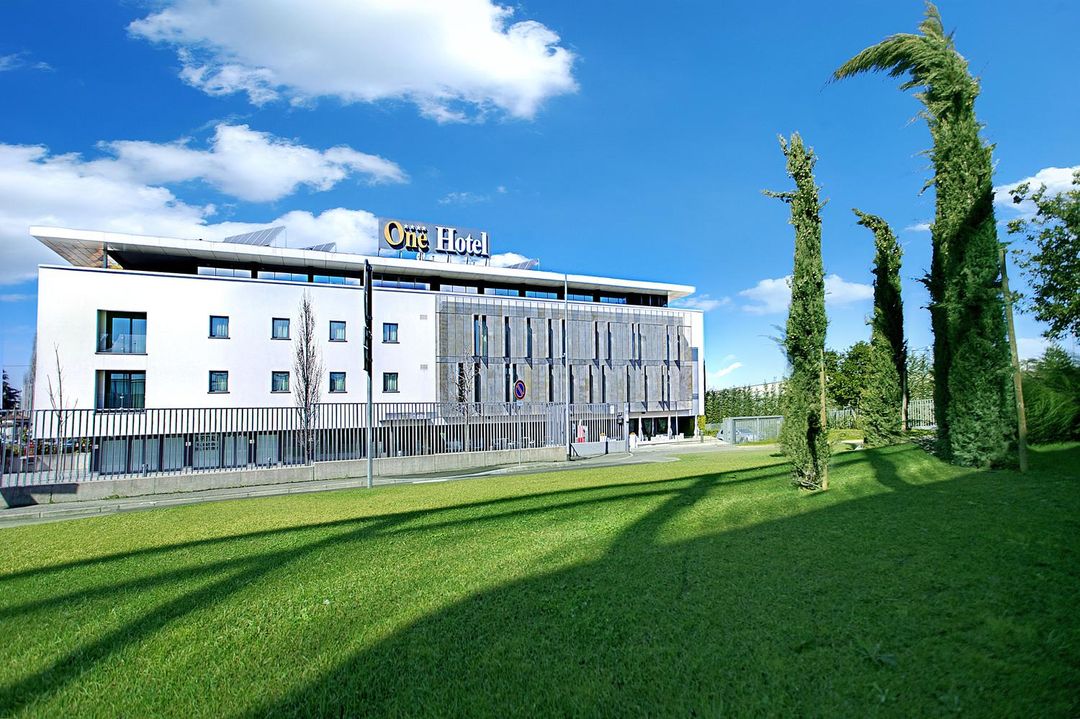
One Hotel & Restaurant
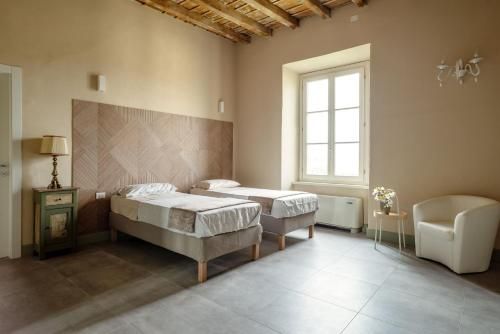
B&B Dimora de Roteris
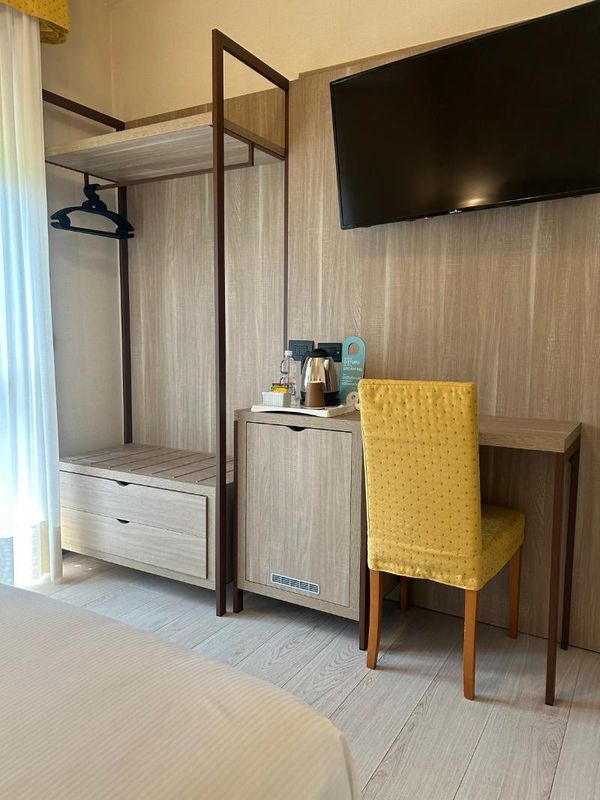
Hotel Parigi 2 & Spa
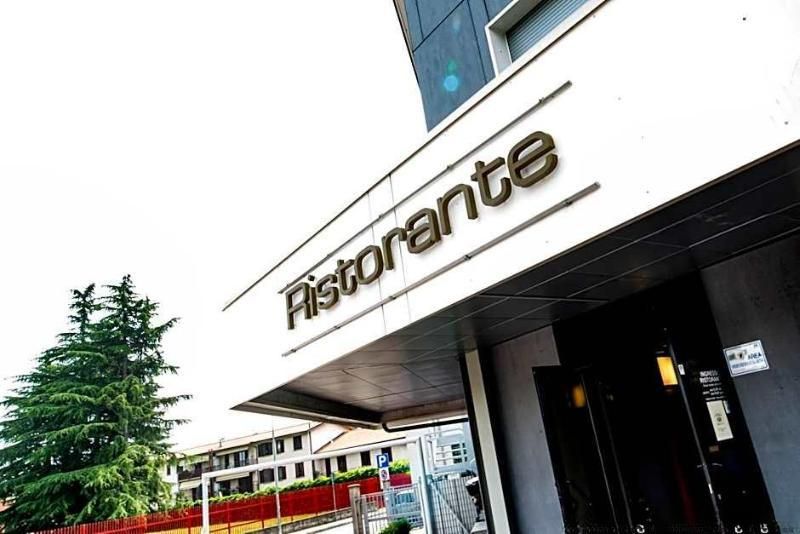
Hotel Daina
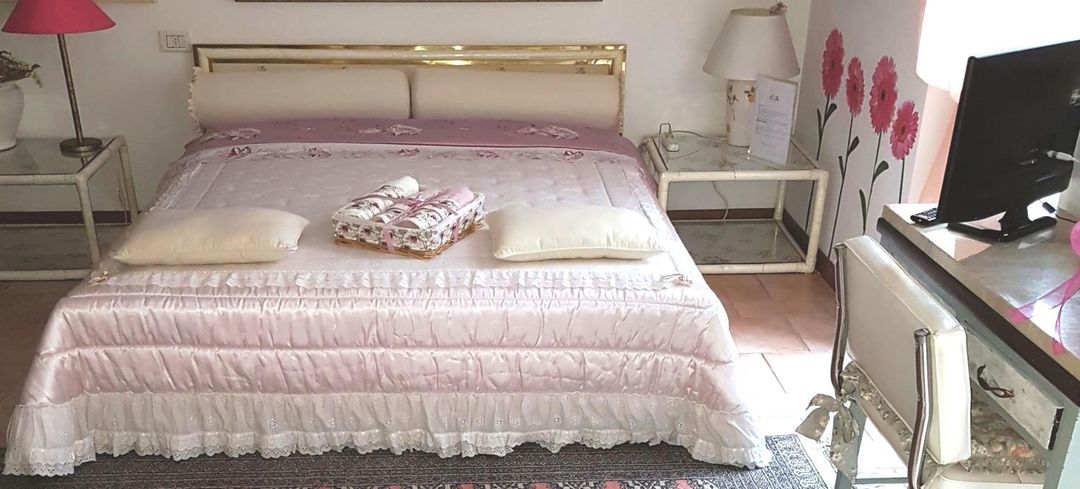
B&B la Delice
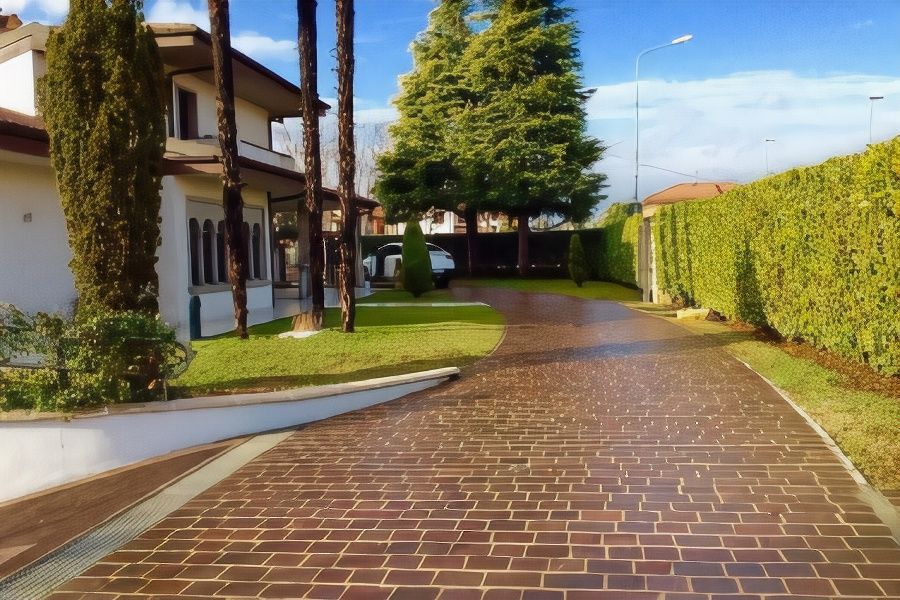
B&B Villa Serena
Frequently Asked Questions about Traveling to Dalmine
Questions You Might Need to Know About Traveling to Dalmine
In Dalmine, the top-rated hotel is Hotel Albergo della Posta, a historic boutique property located in the heart of town near the Chiesa della Assunzione. Its elegant Italian-style interiors feature original wooden furnishings and modern amenities, with some rooms offering panoramic views of the Alpine foothills. The hotel serves authentic Lombard breakfasts featuring local breads and cheeses. Another excellent choice is B&B La Corte dei Pini, known for its family-run warmth, private garden, and quiet mountain-side location—perfect for travelers seeking serenity and charm.
The best area for accommodation in Dalmine is Via Roma, the central street leading to Piazza del Municipio and the Chiesa della Assunzione. This district offers easy access to shops, cafes, and local markets, making it ideal for walking exploration. It’s also safe and peaceful. For nature lovers, consider staying near Monte Camino, where hillside guesthouses provide stunning alpine views and crisp mountain air. Early mornings bring breathtaking sunrises over the hills, perfect for photography and tranquility.
Visitors to Dalmine can experience the annual Festa della Madonna dell'Assunzione, a vibrant spring festival featuring processions in traditional costumes and handmade floral offerings. The Museo del Territorio showcases the region’s history from Roman times to modern agriculture and craftsmanship. Additionally, join a Lombard dialect workshop led by locals to learn regional slang and expressions—offering an intimate glimpse into the community’s heritage and identity.
Yes, Dalmine is highly suitable for families. The town features child-friendly trails like the path to Lago di Bocca, complete with interpretive signs about local wildlife. Hotel Albergo della Posta offers family suites, kids’ meals, and nearby farm visits where children can feed goats and rabbits. Summer brings family-oriented outdoor concerts hosted by the municipality, blending music, nature, and culture—ideal for creating lasting memories together.
Dalmine’s cuisine centers on Lombard mountain flavors. Must-try dishes include Tajarin pasta with truffle cream sauce and Cassoeula, a rich winter stew made with pork offal, cabbage, and herbs. The region is also famed for Pecorino di Dalmine, a locally produced sheep’s cheese available at weekly markets. Visit Trattoria Al Vecchio Forno, a century-old eatery that bakes pizza in a wood-fired oven, paired with homemade non-alcoholic fruit drinks—authentic taste of the highlands.
From Milan, take a regional train (Regionale) via Bergamo or Lecco, arriving at Dalmine Railway Station in about 1.5 hours. Trains run frequently, with tickets costing €5–8. From the station, a 10-minute walk leads to the town center. Alternatively, drive along SS36 northbound—approximately 40 km—offering scenic views of the Lombard countryside. Check Trenitalia’s official website for schedules, especially during peak seasons.
Dalmine lies at the edge of the Alpine foothills and Lombard plains, offering lush landscapes perfect for outdoor enthusiasts. Hike the Monte Camino trail system (8 km), where you’ll spot wild azaleas, squirrels, and red birds. In autumn, the hills turn fiery red—ideal for photography. Nearby, Lago di Bocca is a serene artificial lake perfect for rowing and picnics. At dawn, mist often rises above the water, creating a dreamlike atmosphere—especially magical for photographers and nature lovers.
Top photo spots in Dalmine include the Chiesa della Assunzione, whose Gothic spire and stained-glass windows glow in golden light. The Piazza del Municipio fountain, surrounded by old stone buildings draped in ivy, offers timeless urban charm. The corner of Via Roma with its century-old clock tower bathed in sunset hues makes a striking shot. For panoramic views, visit the Monte Camino lookout, where you can capture the entire village nestled among rolling hills and distant mountains—perfect for time-lapse and wide-angle shots.
Visit the Piazza del Mercato weekend market, where local artisans sell handmade wool scarves, ceramic tableware, and herbal sachets. Bottega del Vico, a century-old shop, specializes in homemade jams, honey, and walnut candies—packaged in rustic jars. For sustainable souvenirs, pick up a linen tote bag embroidered with "Dalmine"—crafted by local women’s cooperatives, supporting community development and eco-conscious tourism.
The best time to visit Dalmine is from late spring to early autumn (May to September). Temperatures range from 15–25°C, ideal for hiking and outdoor activities. Spring brings blooming flowers and vibrant greenery; summer hosts lively festivals and open-air concerts. Winter is cold but picturesque with snow-covered hills—great for skiers. Avoid late April and August holidays to minimize crowds and enjoy a more peaceful experience.
Dalmine Overview
City Summary
Dalmine is a charming town in Lombardy, Italy, known for its industrial heritage and tranquil suburban atmosphere. Once a key center of Italy's steel industry, it now blends modern facilities with historical traces. Visitors can explore the industrial museum and enjoy the surrounding natural scenery and slow-paced lifestyle.
Must-See Attractions
Key attractions in Dalmine include the Fondazione Dalmine Museum, showcasing the town's industrial history and technological development. Parco delle Cave is a green space ideal for walks and picnics. The nearby Bergamo old town, with its medieval architecture, is also worth a visit.
Food Guide
Dalmine's cuisine reflects Lombardy traditions. Try Polenta with local cheese or game, or Risotto flavored with saffron or mushrooms. Street food like Arancini (fried rice balls) and Maritozzo (cream-filled buns) are must-tries.
Transportation Guide
Buses are the main transport in Dalmine, connecting to Bergamo and nearby towns. The Trenord train system offers access to Milan (30-60 minutes). Drivers can use the A4 highway but should note limited parking.
Best Time to Visit
The best times to visit are spring (April-June) and autumn (September-October), with mild weather and fewer crowds. Summers can be hot, and winters may bring snow.
Travel Tips
- Safety: Low crime but watch belongings.
- Etiquette: Reservations recommended for dining; tipping optional.
- Language: Basic Italian (e.g., "Grazie") helps.
- Cash: Some small shops only accept cash.
- Attire: Cover shoulders/knees in churches.
- Festivals: Check for events like Christmas markets.
Useful Information
Language: Italian; English understood in tourist areas. Internet: Free Wi-Fi in public spots; local SIM cards advised. Payment: Cards widely accepted but carry cash. Emergencies: EU citizens use EHIC; others need travel insurance. Voltage: 230V, Type L plugs.