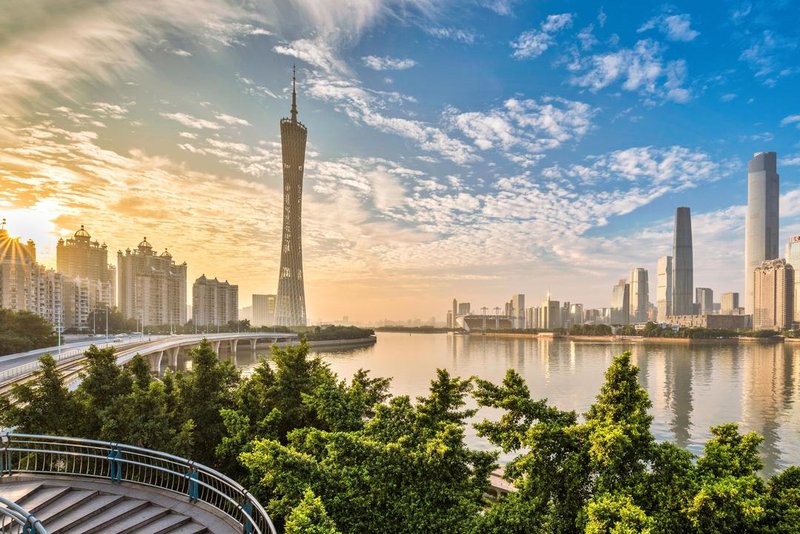
Hotels in Dambach-la-Ville
Discover your perfect stay in Dambach-la-Ville.
Dambach-la-Ville(France) Travel 2026: Cheap Flights, Hotels & Top Attractions
Popular Landmarks in Dambach-la-Ville
Discover the most iconic attractions in Dambach-la-Ville
Recommended Hotels in Dambach-la-Ville
Find the perfect place to stay in Dambach-la-Ville
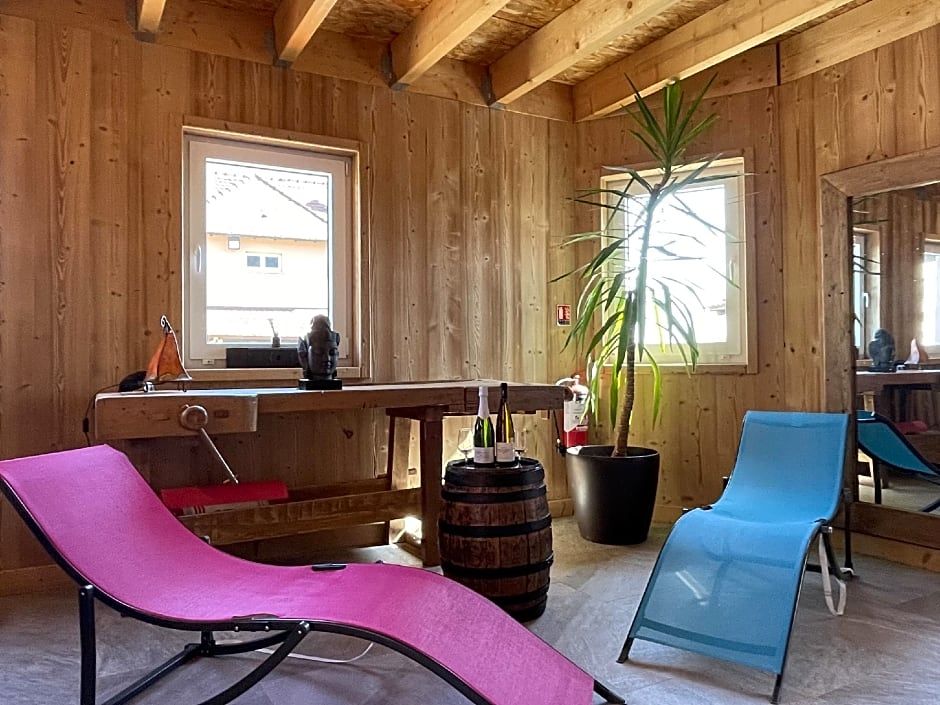
Le Refuge du Rempart
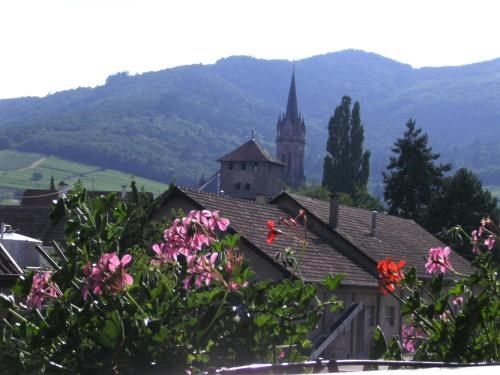
Chambres d'Hôtes Arnold
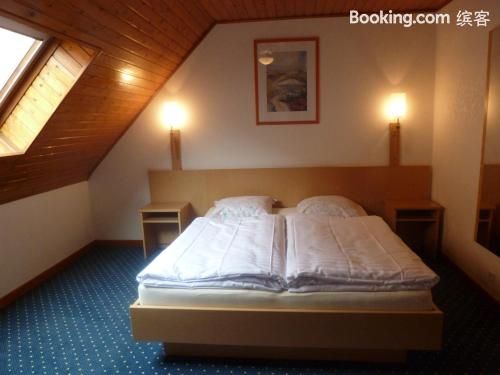
Chambres d'hôtes Ruhlmann
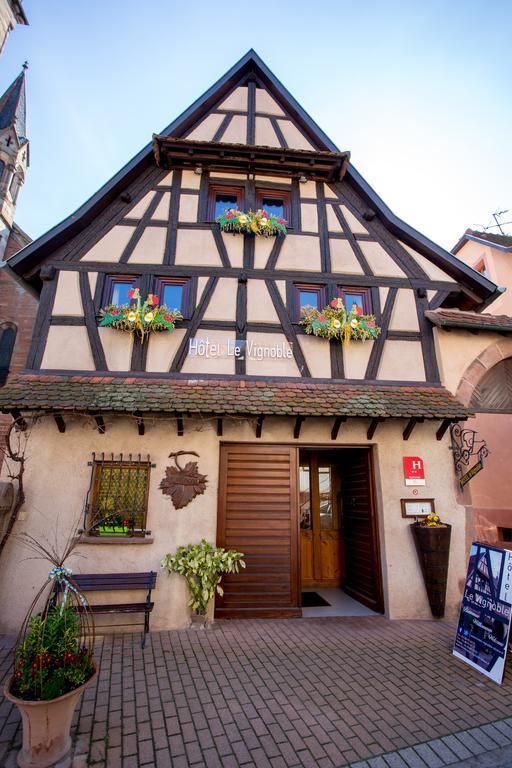
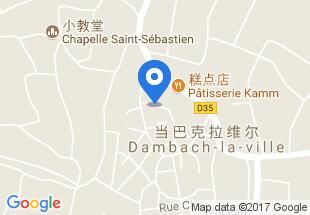
Hôtel le Vignoble
L'Alcove de l'Ours
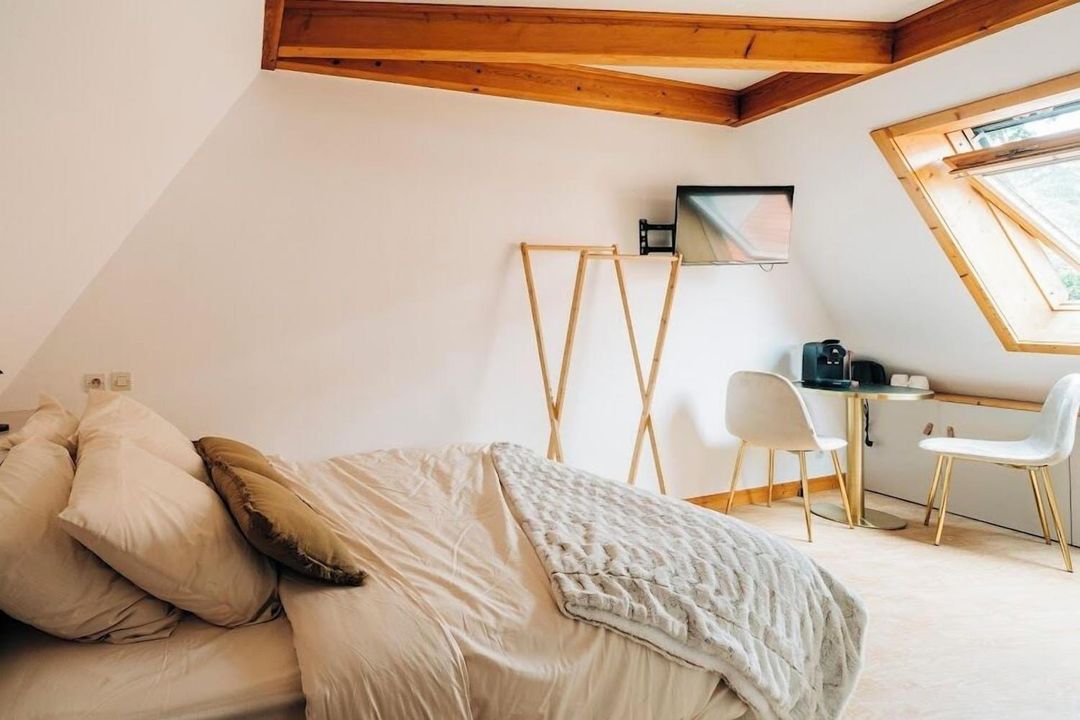
Chai D'oeuvre
Best Hotels in Dambach-la-Ville
Discover curated hotel collections in Dambach-la-Ville
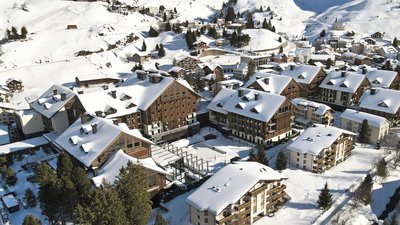
The Chedi Andermatt, Switzerland
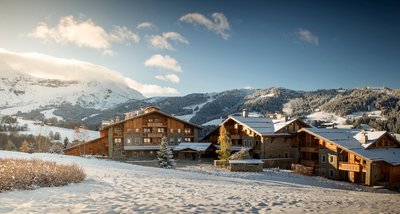
Four Seasons Hotel Megeve
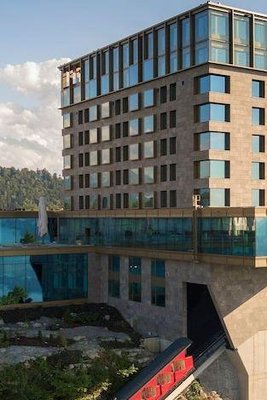
Burgenstock Hotel & Alpine Spa
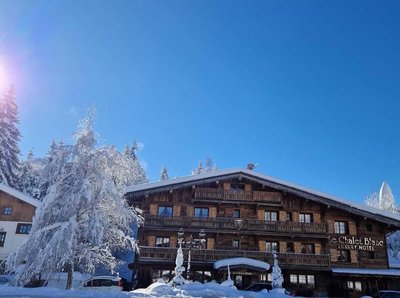
Le Chalet Blanc
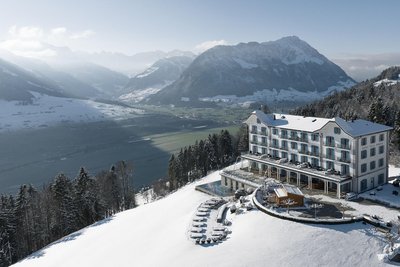
Hotel Villa Honegg
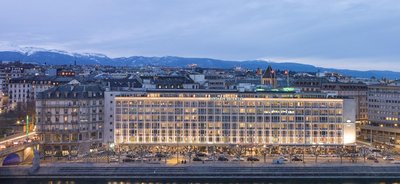
Mandarin Oriental, Geneva
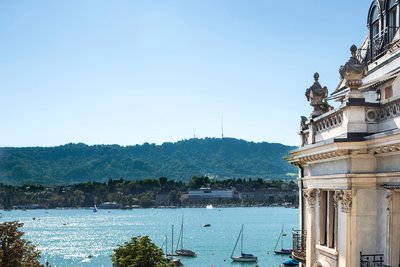
La Réserve Eden au Lac Zurich
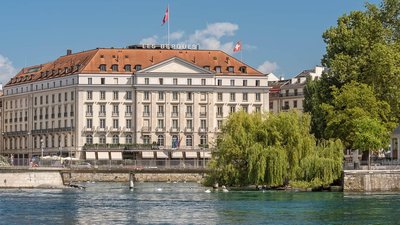
Four Seasons Hotel des Bergues Geneva
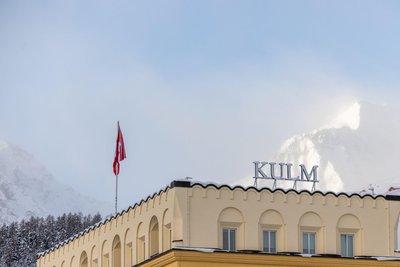
Kulm Hotel St. Moritz
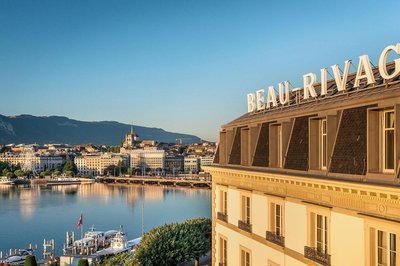
Beau-Rivage Genève
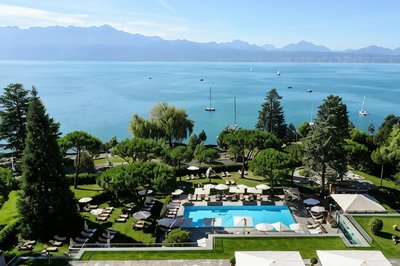
Beau-Rivage Palace
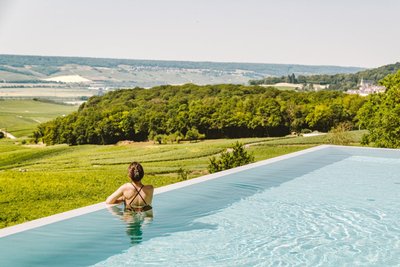
Royal Champagne Hotel & Spa
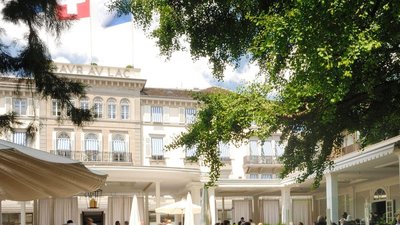
Baur au Lac
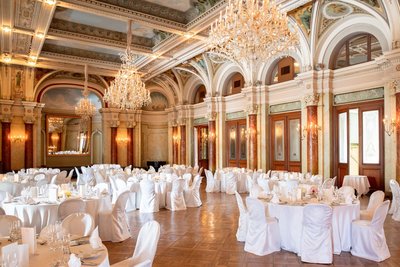
Victoria Jungfrau Grand Hotel and Spa Interlaken
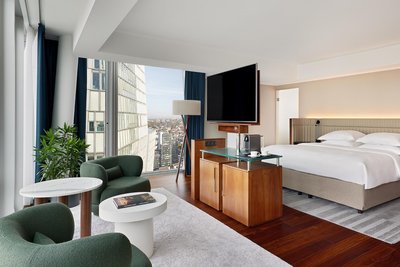
JW Marriott Hotel Frankfurt
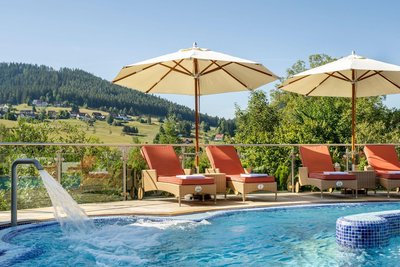
Hotel Bareiss
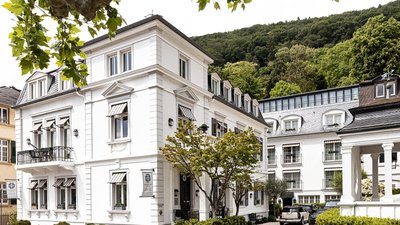
House of Hütter - Heidelberg Suites & Spa
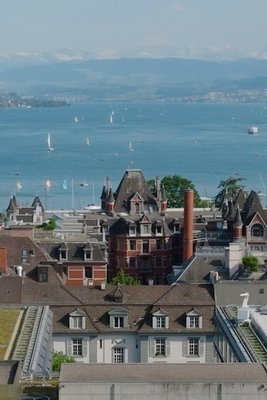
Park Hyatt Zurich
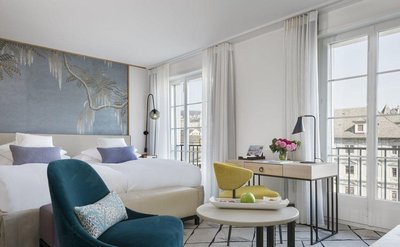
Storchen Zürich
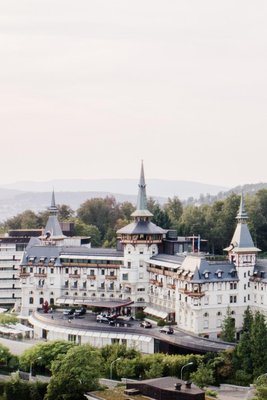
The Dolder Grand
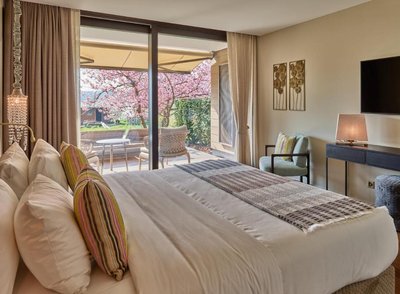
Strandhotel Schmerikon
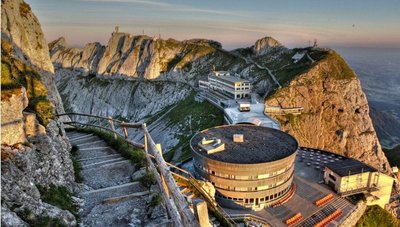
Hotel Pilatus-Kulm
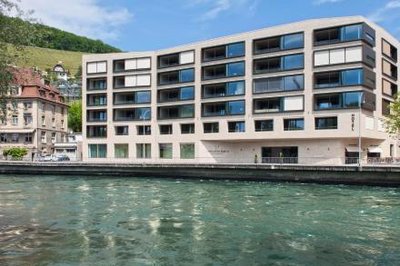
Limmathof Baden - Boutique Haus & Spa
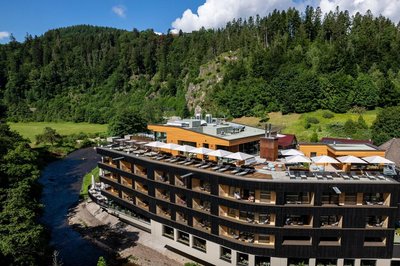
Sackmann Genuss Und Spa Resort
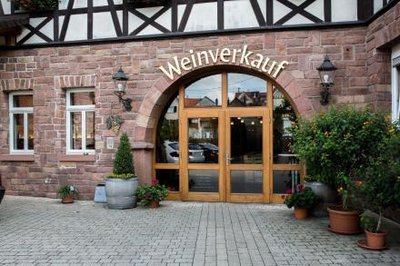
Weingut Schreieck Vinotel & Gutshaus
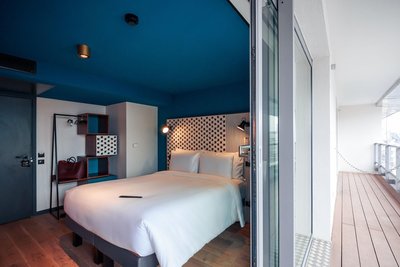
Boma Easy Living Hotel
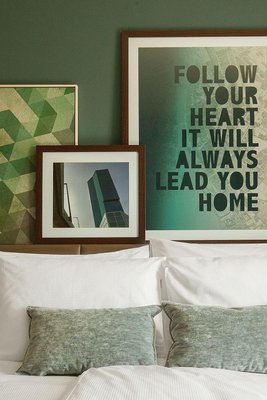
Acasa Suites Zurich Oerlikon
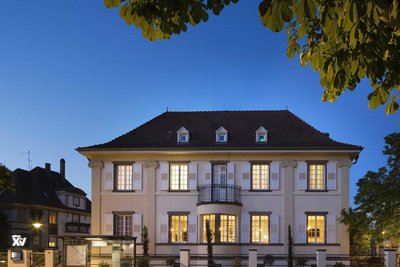
Boutique Hotel des XV
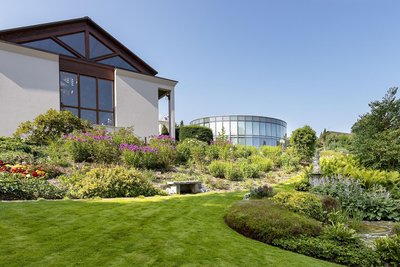
Lilienberg
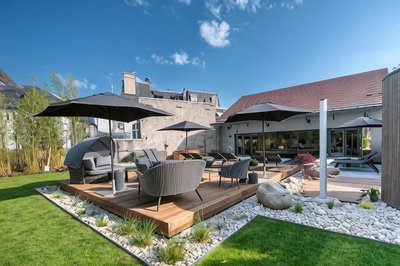
Best Western Premier le Chapitre Hotel Spa
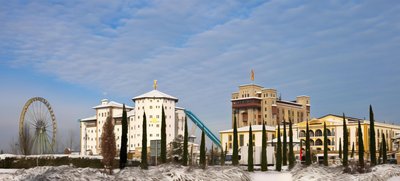
4-Sterne Superior Erlebnishotel Colosseo, Europa-Park Freizeitpark & Erlebnis-Resort
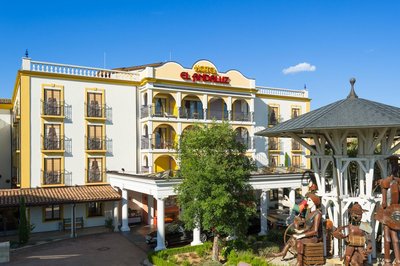
4-Sterne Erlebnishotel El Andaluz, Europa-Park Freizeitpark & Erlebnis-Resort
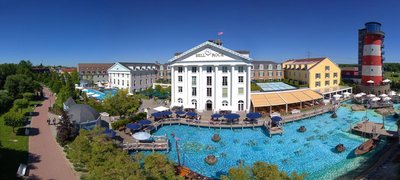
4-Sterne Superior Erlebnishotel Bell Rock, Europa-Park Erlebnis-Resort
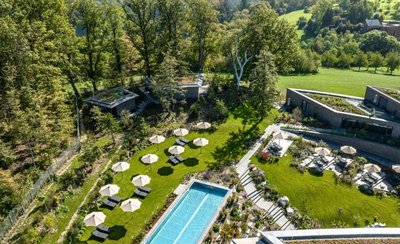
Luisenhöhe - Gesundheitsresort Schwarzwald
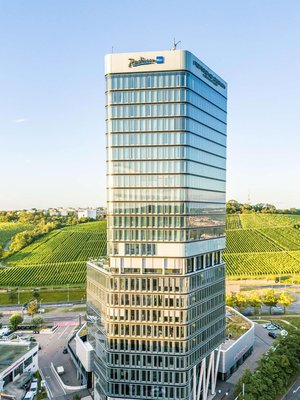
Radisson Blu Hotel at Porsche Design Tower
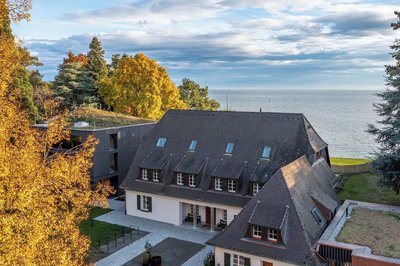
Seegut Zeppelin
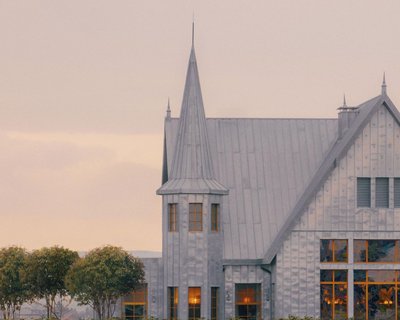
Maison Heler Metz, Curio Collection by Hilton
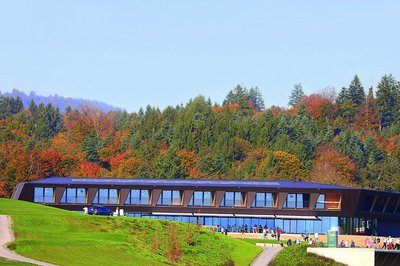
Gasthaus Badhof - Golfhotel
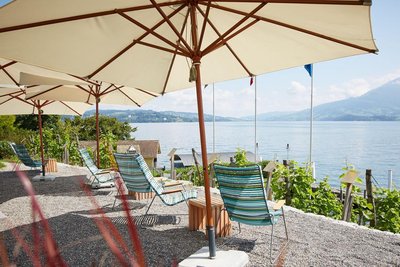
Seehotel Kastanienbaum
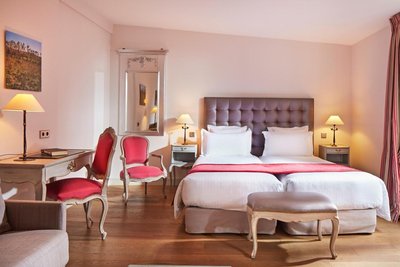
Cour du Corbeau Hotel Strasbourg - MGallery Collection
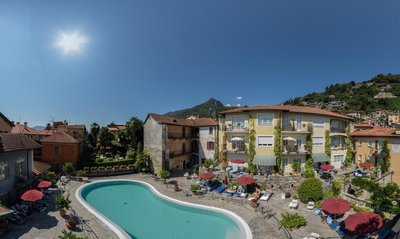
Hotel Cannero
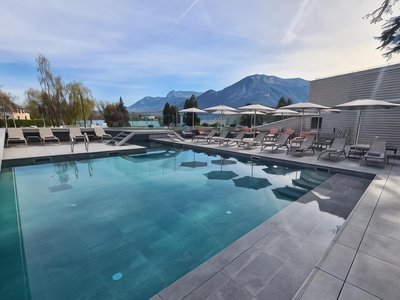
Le Pélican
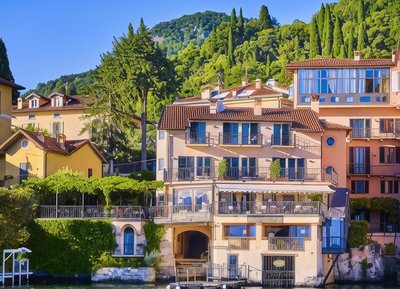
Casa du Lac, by R Collection Hotels
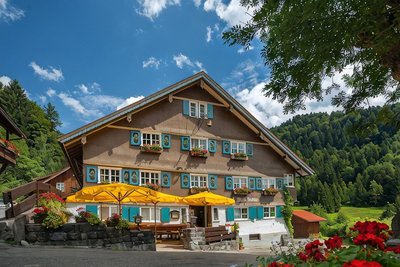
Hotel Bad Rain Mit Oberstaufen PlusGolf
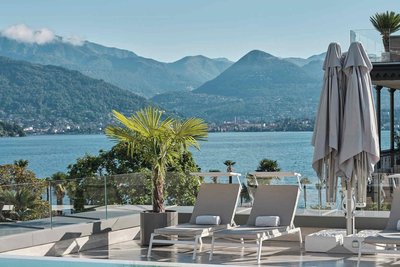
Boutique Hotel Stresa
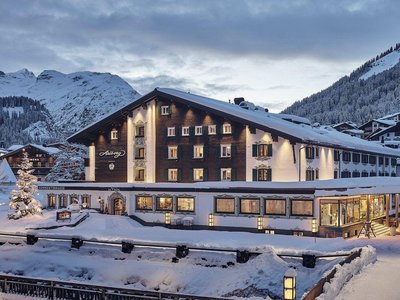
Hotel Arlberg Lech
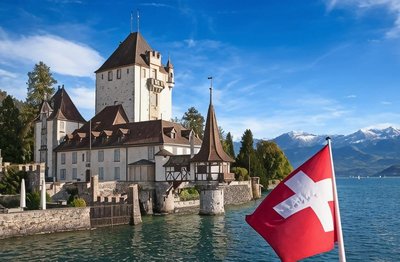
Hapimag Ferienwohnungen Interlaken
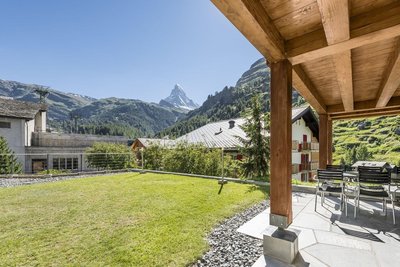
Ari Resort Apartments
Burgenstock Hotel & Alpine Spa
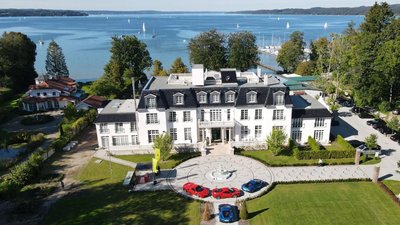
The Starnbergsee Hideaway
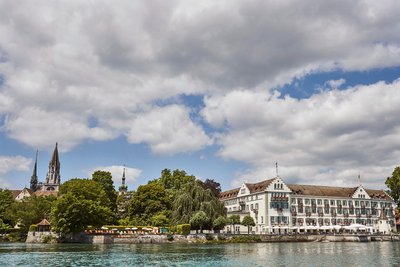
Steigenberger Inselhotel
Hotel Villa Honegg
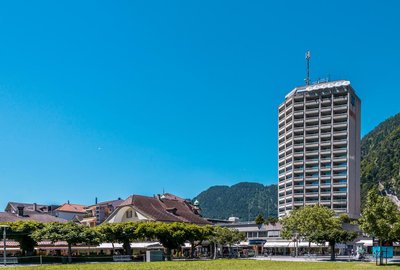
Hotel Metropole Interlaken
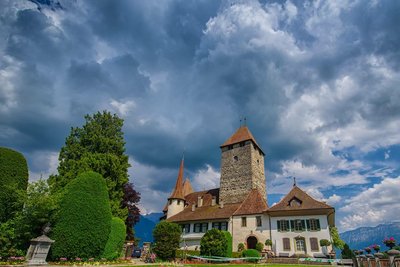
Hotel Eden Spiez
Seehotel Kastanienbaum
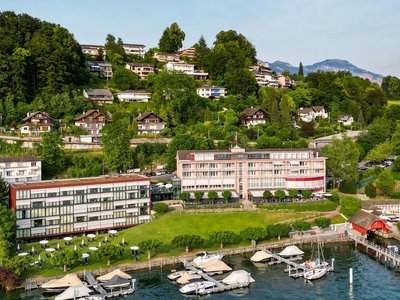
HERMITAGE Lake Lucerne - Beach Club & Lifestyle Hotel
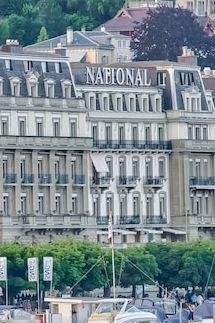
Grand Hotel National Luzern
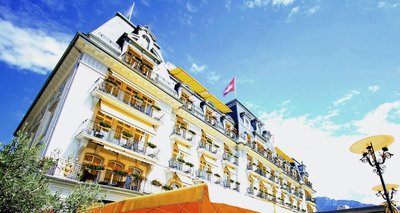
Grand Hotel Suisse Majestic, Autograph Collection
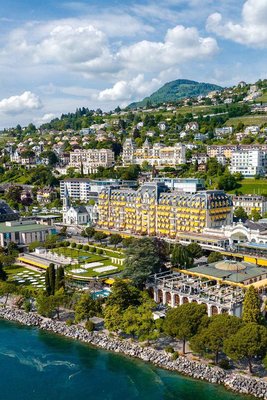
Fairmont Le Montreux Palace
Mandarin Oriental, Geneva
Sackmann Genuss Und Spa Resort
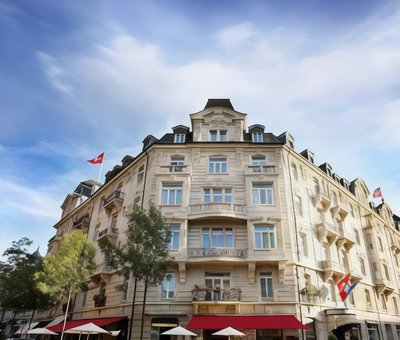
Small Luxury Hotel Ambassador Zurich
La Réserve Eden au Lac Zurich
Four Seasons Hotel des Bergues Geneva
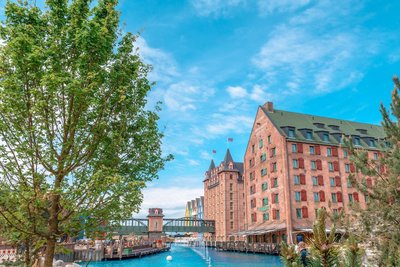
Europa-Park Freizeitpark & Erlebnis-Resort, Hotel Krønasår
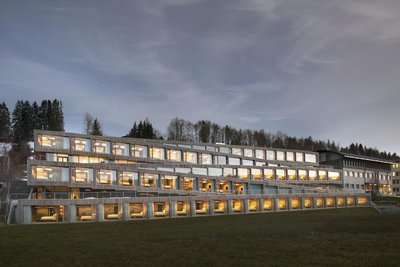
Hôtel des Horlogers
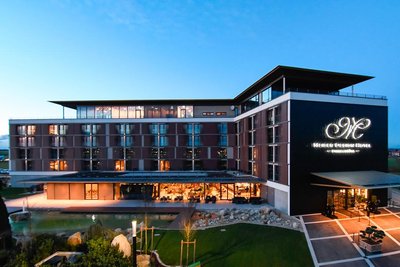
Meiser Design Hotel
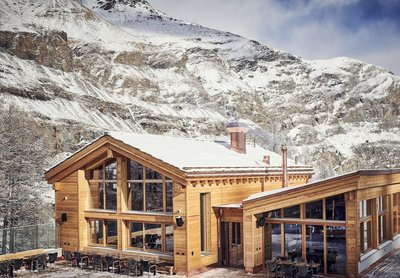
Matthiol Boutique Hotel
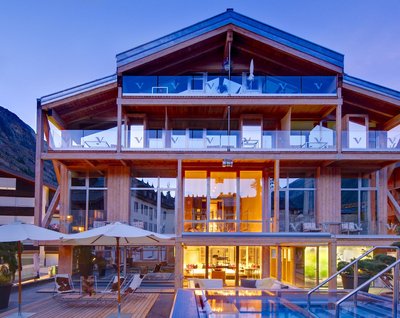
Backstage Boutique Spa Hotel
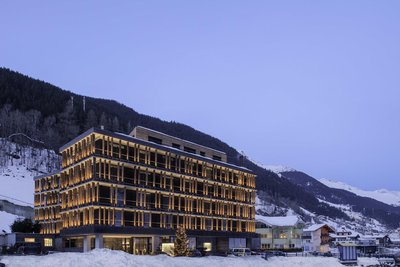
Hotel Zhero – Ischgl/Kappl
Valsana Hotel Arosa - Small Luxury Hotel
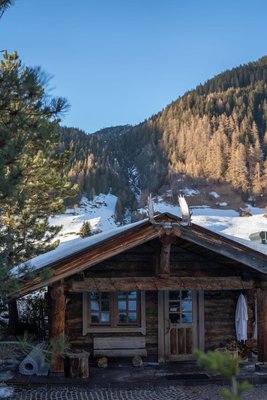
Hotel Madlein
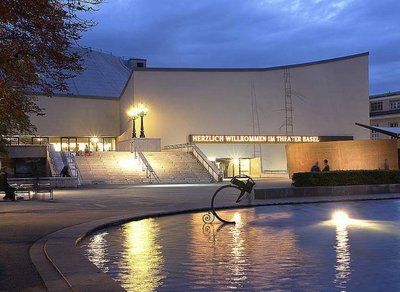
Art House Basel - Member of Design Hotels
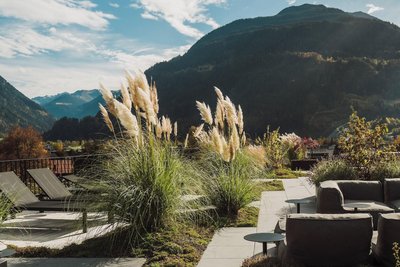
Amrai Suites
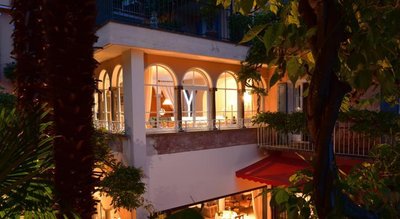
Art Hotel Riposo
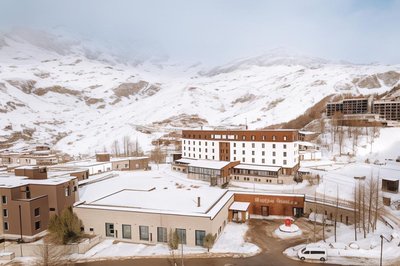
Valtur Cervinia Cristallo Ski Resort
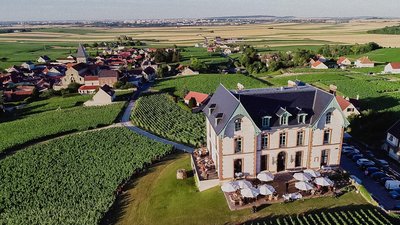
Chateau de Sacy
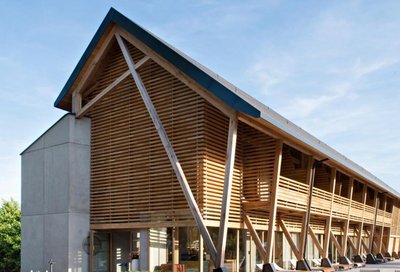
Hotel des Berges, Restaurant Gastronomique & Spa
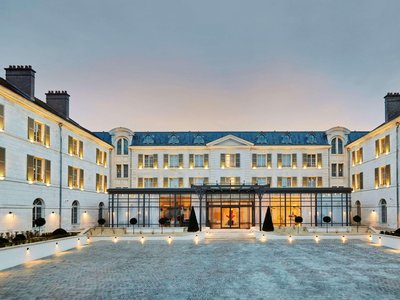
Licorne Hotel & Spa Troyes MGallery
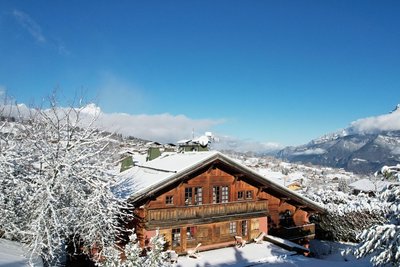
Magic Megève Bois
Hotel Arlberg Lech
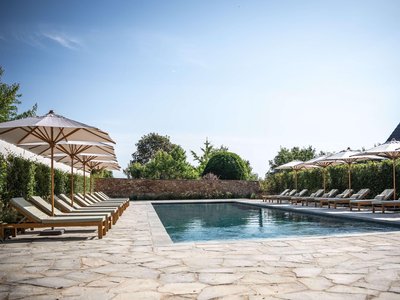
5 Terres Hôtel & Spa - MGallery
Ari Resort Apartments
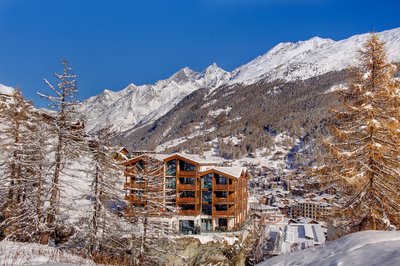
La Vue Luxury Living Apartments
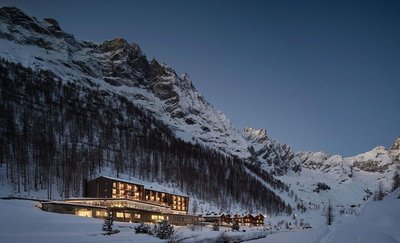
Cervino - VRetreats
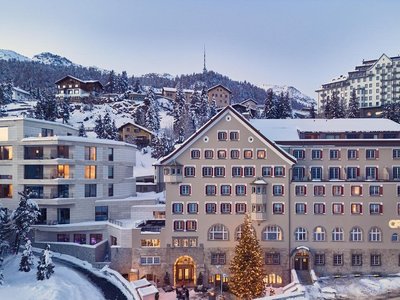
Hotel Grace la Margna ST Moritz
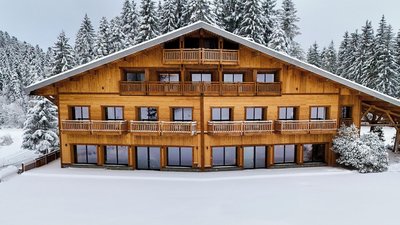
Domaine de Montagne - Hôtel Chalet Frère Joseph
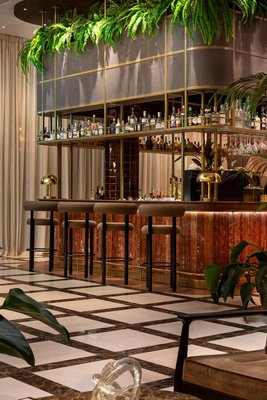
Brunfels Hotel, in the Unbound Collection by Hyatt
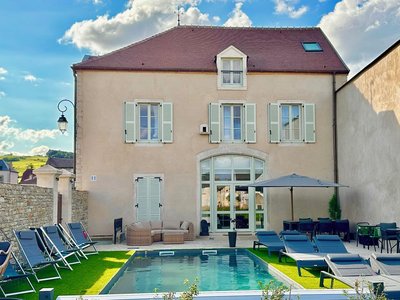
Les reveries du Clos derrière St Jean
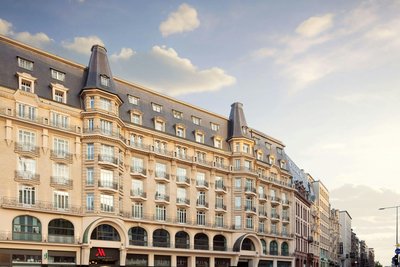
Luxembourg Marriott Hotel Alfa
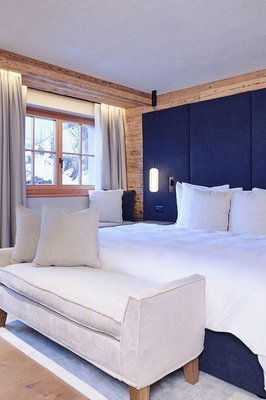
BelArosa Chalet - the Luxury Hideaway in the Swiss Alps
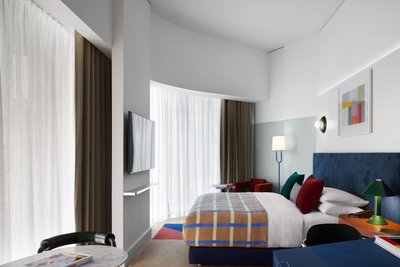
Kimpton Main Frankfurt
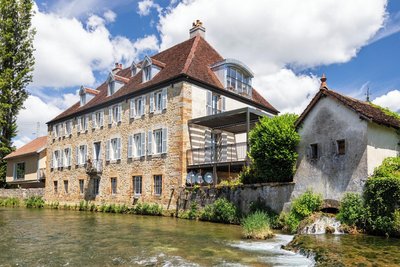
Le Clos Alice
Steigenberger Inselhotel
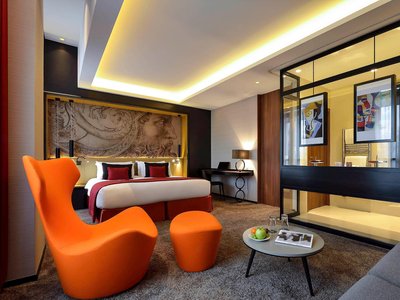
Grand Hôtel la Cloche Dijon - MGallery
Four Seasons Hotel des Bergues Geneva
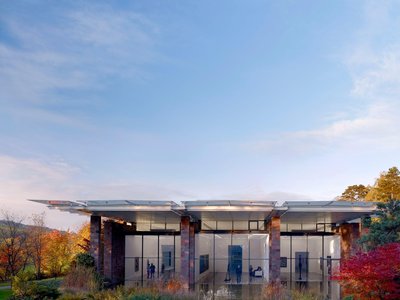
Grand Hotel les Trois Rois
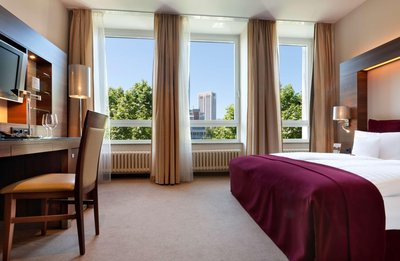
Flemings Selection Hotel Frankfurt-City
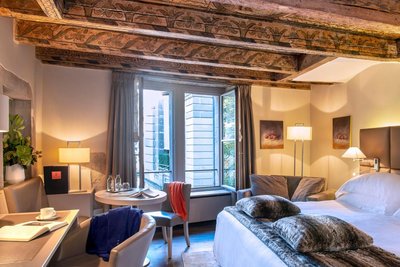
Hôtel les Armures
Storchen Zürich
The Dolder Grand
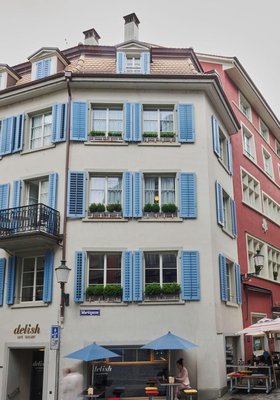
Marktgasse Hotel
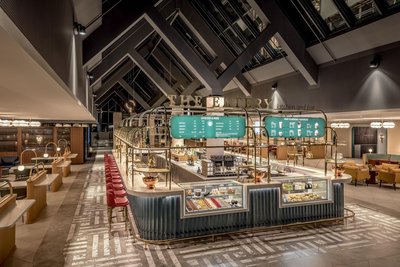
Frankfurt Airport Marriott Hotel
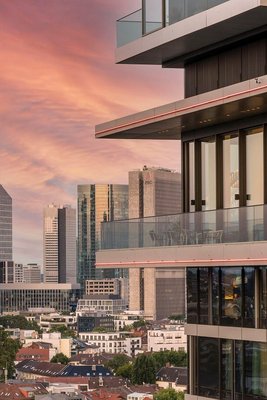
Melia Frankfurt City
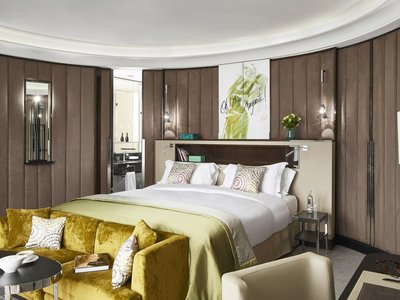
Sofitel Frankfurt Opera
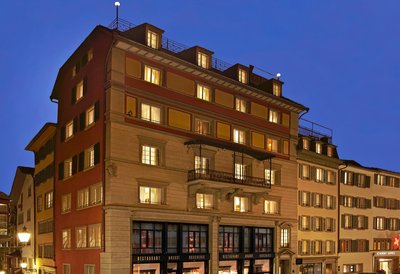
Widder Hotel - Zurichs Luxury Hideaway
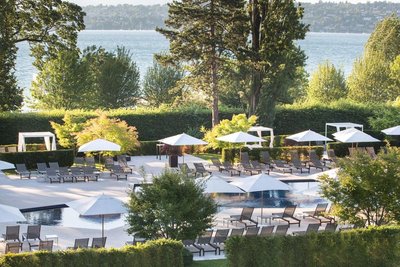
La Réserve Genève Hotel & Spa
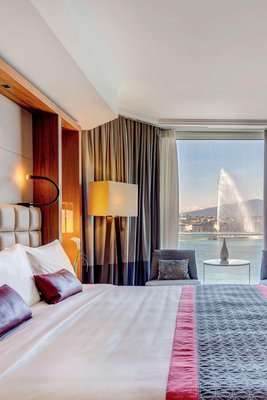
Fairmont Grand Hotel Geneva
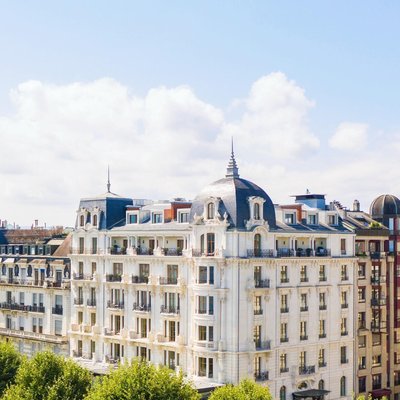
The Woodward - Auberge Resorts Collection
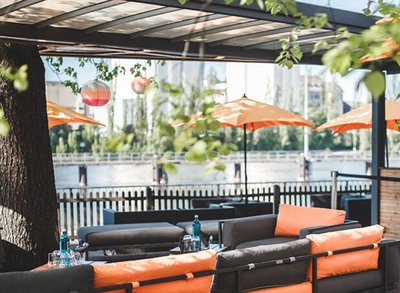
Hotel Gerbermühle
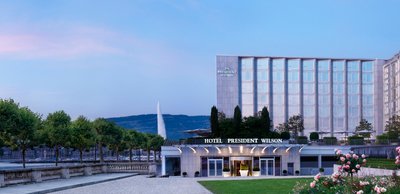
Hotel President Wilson, a Luxury Collection Hotel, Geneva
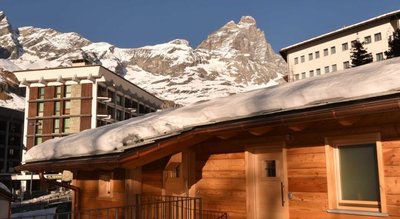
Il Cuore Del Cervino
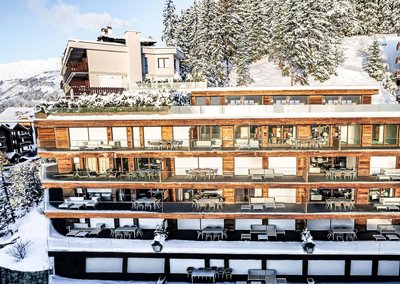
Sport Club Residences & Spa
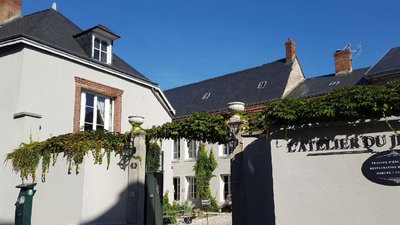
Au Jeu de Paume
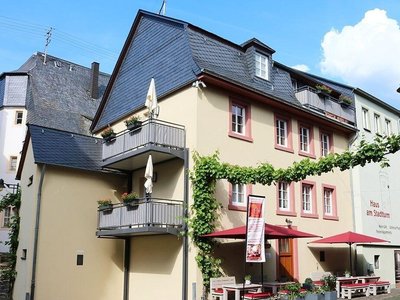
Haus am Stadtturm
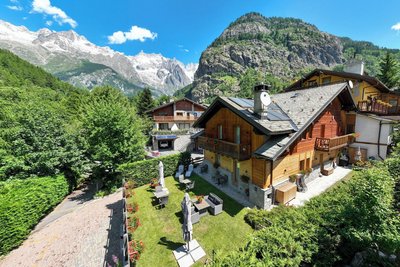
L'Abri des Amis
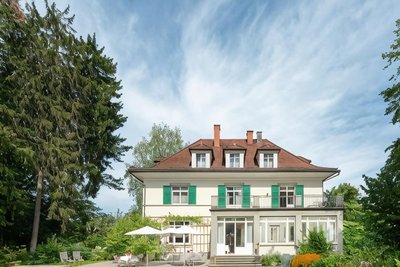
Signau House & Garden
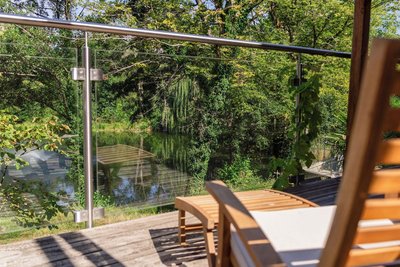
Domaine de la Résidence Hotel Spa & Restaurant
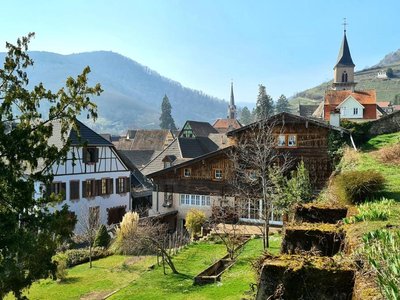
La Grange du Couvent B&B
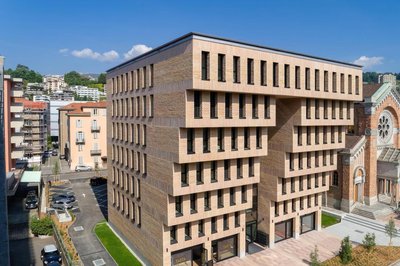
Swiss Hotel Apartments - Lugano
Frequently Asked Questions about Traveling to Dambach-la-Ville
Questions You Might Need to Know About Traveling to Dambach-la-Ville
The best area to stay in Dambach-la-Ville is the historic village center, where you’ll find charming half-timbered houses and cobblestone streets. Stay at Hôtel de la Gare, a beautifully restored 19th-century railway hotel that blends Alsatian architectural charm with modern comfort. Its central location puts you within walking distance of the Church of Saint-Maximin, a stunning example of Gothic architecture, and local artisan shops selling handcrafted pottery and regional wines.
For a more intimate experience, consider Les Jardins de l'Alsace, a boutique guesthouse set in a renovated 18th-century farmstead. Surrounded by lavender and rose gardens, it offers a peaceful retreat with panoramic views of the Rhine Valley. Guests enjoy homemade breakfasts featuring local Alsatian specialties like tarte flambée and fresh sourdough—perfect for immersing in the region’s rich culinary heritage.
Yes, several family-friendly hotels in Dambach-la-Ville offer outdoor experiences. Hôtel de la Gare provides connecting rooms, baby cots, and a children’s breakfast menu featuring local treats like pain d’épices and fresh fruit compote. The hotel is steps from the village square and nearby nature trails ideal for family walks.
Nearby, the Dambach Nature Museum features interactive exhibits on regional geology and wildlife, perfect for curious kids. Every Saturday, the Farmers’ Market brings local producers offering organic bread, jams, and handmade cheeses—great for family tastings. Families can also explore the scenic Rhine Valley hiking paths just a 10-minute drive away, with gentle trails suitable for strollers and young hikers.
Must-try local experiences in Dambach-la-Ville include attending the Spring Rhine Valley Music Festival, held in the historic Church of Saint-Maximin, where traditional Alsatian folk music and bagpipe performances fill the air with vibrant melodies. Participate in a local pottery workshop guided by master artisans—create your own unique ceramic piece using traditional techniques.
Every December, the town hosts a magical Christmas Market with mulled wine stalls, roasted almonds, and handmade lanterns. Don’t miss the old mine site tour, a former 17th-century mining complex now transformed into an underground museum showcasing tools, miner’s gear, and daily life in the tunnels.
Also visit the Church of Saint-Maximin to admire its exquisite stained glass and intricately carved wooden altar—testaments to medieval craftsmanship.
Signature dishes in Dambach-la-Ville blend French and German influences. Try the Tarte Flambée, a thin-crust pizza topped with cream, onions, and smoked ham—best enjoyed with a glass of local white wine. Another highlight is Sauerkraut Pork Trotter, slow-cooked to perfection with tangy sauerkraut and herbs.
Visit the weekly Saturday Farmers’ Market for fresh rye bread, artisanal jams, and goat cheese made on-site. Local vineyards produce excellent Riesling wines—crisp, balanced between sweetness and acidity—ideal for pairing with meals.
Restaurants like Le Petit Clos offer a three-course regional tasting menu, showcasing the full spectrum of Dambach’s culinary identity, from starter to dessert.
The most photogenic area in Dambach-la-Ville is the historic village center, especially the streets flanking the Church of Saint-Maximin. Here, well-preserved 18th-century half-timbered houses with red tiled roofs and intricate wood carvings create a storybook aesthetic. Sunlight filtering through the eaves casts dramatic shadows—perfect for artistic shots.
Hôtel de la Gare’s courtyard is another standout: a centuries-old oak tree stands at its heart, surrounded by wrought-iron benches and blooming hydrangeas. Ideal for soft-lit portraits or lifestyle photography.
For golden hour magic, stroll along the Rhine River path—capture reflections of old buildings and distant hills in the still water. Use a tripod at night to shoot the church illuminated against the dark sky, creating dreamy, cinematic visuals.
Yes, Dambach-la-Ville offers excellent hiking opportunities. Begin at the village center and follow the Rhine Valley Trail, a 4-kilometer scenic route through shaded forest paths, wildflower meadows, and ancient stone bridges. Along the way, stop at the old mine site to explore underground tunnels and miner memorials—blending natural beauty with historical intrigue.
Another popular trail leads to the ruins of Saint-Maximin Abbey, a 6-kilometer hike through dense woodland inhabited by deer and squirrels. At the summit, enjoy panoramic views of the entire village and surrounding mountain ranges.
Well-marked paths feature signage, rest stops, and water fountains. Wear sturdy, waterproof footwear and carry a rain jacket—this region sees frequent seasonal showers.
Dambach-la-Ville Overview
City Summary
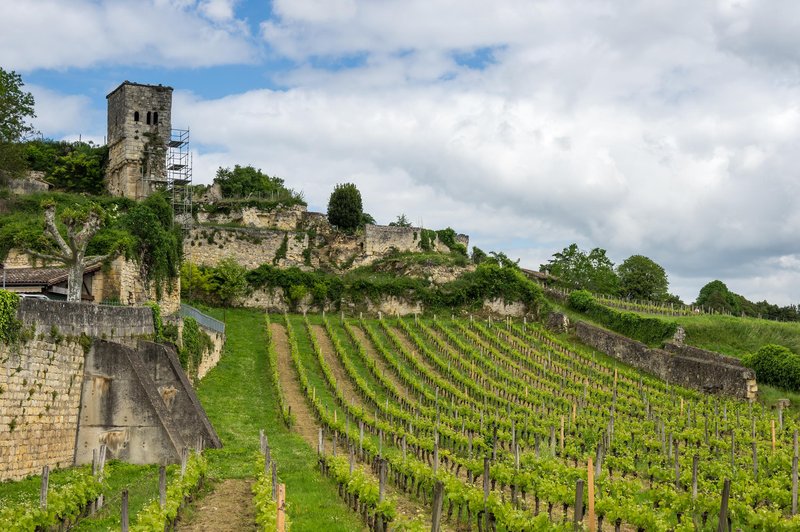
Dambach-la-Ville is a charming town in the Bas-Rhin department of France, renowned for its medieval architecture and wine culture. Surrounded by vineyards, the town boasts rich historical heritage, including ancient walls and churches. Visitors can experience the traditional charm of the Alsace region and sample its excellent wines.
Must-See Attractions
Must-see attractions include the Église Saint-Étienne, a Gothic church with stunning stained glass windows. The Remparts (town walls) showcase the town's defensive history. The surrounding vineyards are perfect for hiking and wine tasting; consider joining a local wine tour.
Food Guide
Culinary highlights feature Alsatian specialties like Choucroute (sauerkraut with meat) and Tarte Flambée (a thin crust pizza). Local restaurants also offer a variety of wines, particularly Riesling and Gewürztraminer. Street food such as Bretzel (pretzel) is also worth trying.
Transportation Guide
Transportation: Dambach-la-Ville has no train station; the nearest is in Sélestat, from where you can take a bus or taxi. Driving is the most convenient option, and the town itself is walkable. Consider using Région Alsace buses or HopeGoo taxi services.
Best Time to Visit
The best time to visit is May to October, when the weather is mild and the vineyards are lush. Summer (July-August) is peak season; visit in spring or autumn for a quieter experience.
Travel Tips
- Respect local culture: Alsace has unique traditions; maintain silence in churches.
- Wine etiquette: Observe the color and aroma before tasting wine.
- Comfortable footwear: The town has cobblestone streets; wear flat shoes.
- Cash payments: Some small shops may not accept cards; carry cash.
- Language: French is primary, but English is understood in tourist areas.
- Eco-friendly travel: Avoid littering in vineyards.
Useful Information
Practical info: The local currency is the Euro (EUR); most businesses accept cards. Mobile coverage is good; consider a local SIM or roaming. Emergency number: 112. Pharmacies and clinics are in Sélestat; bring basic medications. French is the main language, but English is usable in tourist areas.