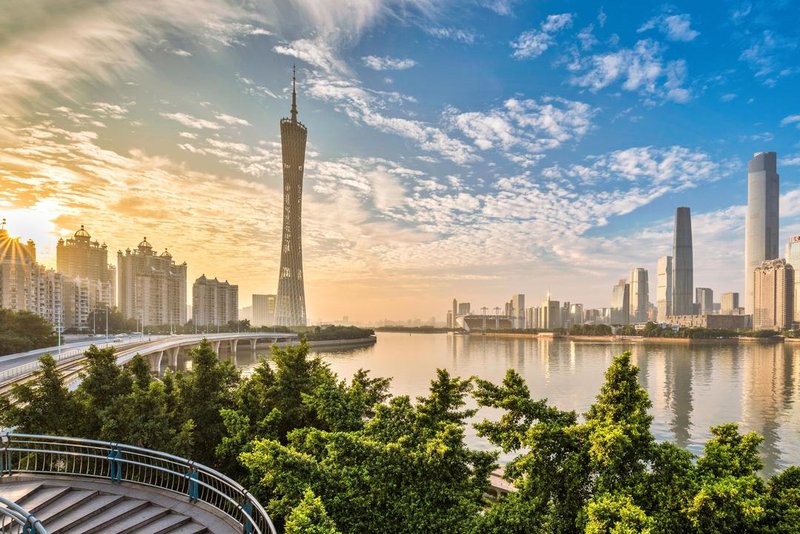
Hotels in Datteln
Discover your perfect stay in Datteln.
Datteln(Germany) Travel 2026: Cheap Flights, Hotels & Top Attractions
Popular Landmarks in Datteln
Discover the most iconic attractions in Datteln
Recommended Hotels in Datteln
Find the perfect place to stay in Datteln
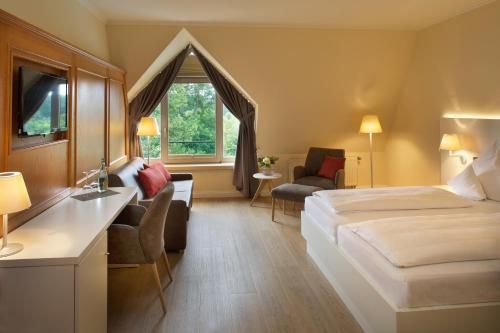
Jammertal Resort
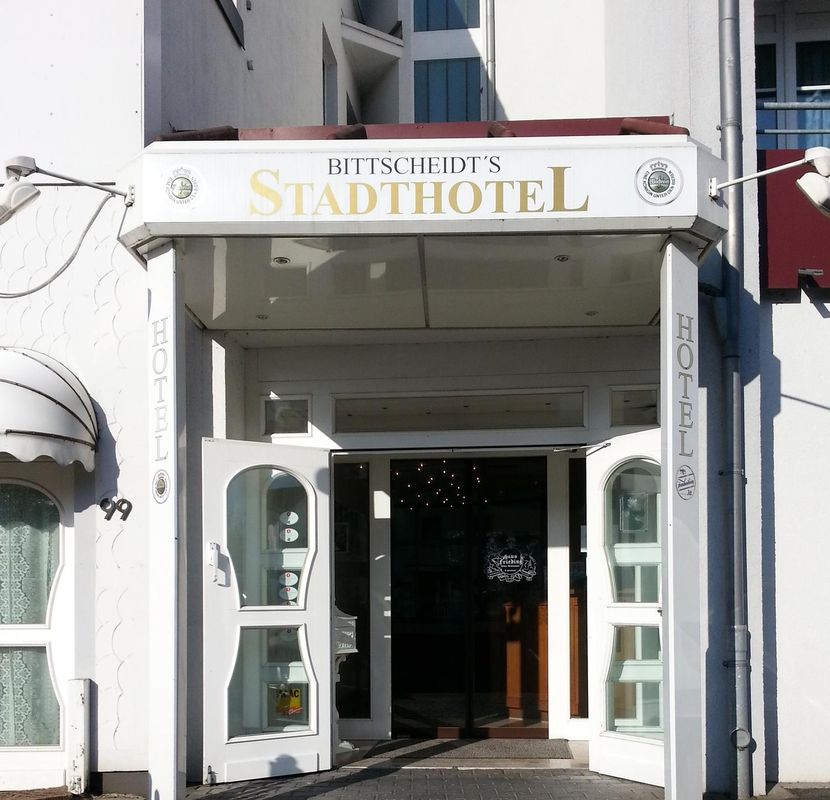
Bittscheidt´s Stadthotel
Frequently Asked Questions about Traveling to Datteln
Questions You Might Need to Know About Traveling to Datteln
For first-time visitors, staying in Dortmund City Center (Innenstadt) is ideal, especially near Hauptbahnhof (Main Train Station) and Marienkirche. This area offers easy access to public transit, shopping streets like Königstraße, and cultural spots such as the Zollverein Coal Mine Industrial Complex—a UNESCO World Heritage Site.
Consider Hotel am Stadthaus, a modern boutique hotel with panoramic city views and minimalist design, or Radisson Blu Hotel Dortmund, which features a rooftop bar overlooking the Ruhr River. Both offer excellent breakfasts with regional specialties like Pfannkuchen (German pancakes) and local coffee blends. The surrounding neighborhoods host lively beer gardens and traditional Kneipen (pubs), perfect for experiencing authentic Ruhr Valley hospitality.
Families visiting Dortmund should consider Familienhotel Süd, located just steps from Grünener Park and the Deutsches Kinder-Museum. This hotel provides interconnecting rooms, free cribs, and daily children’s programs including nature walks, craft workshops, and storytelling sessions.
It also features an indoor playroom, heated swimming pool, and a dedicated family lounge with board games and snacks. For dining, the on-site restaurant serves kid-approved meals like homemade spaghetti and organic fruit smoothies. Nearby, Einkaufszentrum Dortmund offers ample space for strollers and plenty of family-friendly cafes. With its central location and strong focus on comfort and safety, this hotel is perfect for parents seeking a stress-free vacation.
One must-try experience in Dortmund is visiting the Zollverein Coal Mine Industrial Complex, a UNESCO World Heritage Site that once powered Germany’s industrial revolution. Today, it hosts the Museum für Moderne Kunst (Museum of Modern Art), interactive design exhibitions, and the Sound Installation 'The Voice of the Mine', where echoes from underground tunnels create haunting musical compositions.
During summer, attend the RuhrTriennale, a prestigious arts festival featuring international opera, theater, and experimental performances staged across former factory halls. Guided underground tours let you walk through original mine shafts, wearing helmets and hearing stories of 19th-century miners.
End your day at Old Town Brewery, a historic pub serving Dortmunder Export, one of Germany’s most iconic lagers, paired with classic sausages and rye bread—perfect for immersing yourself in the region’s industrial heritage and culinary identity.
Photography lovers should head to the Zollverein Coal Mine Industrial Complex, where massive red-brick chimneys, suspended coal conveyors, and cavernous furnace halls create dramatic industrial landscapes. Golden hour light casts long shadows across steel beams, offering striking contrast perfect for architectural and urban photography.
The public art wall outside Dortmund Hauptbahnhof features rotating murals by European street artists, exploring themes of memory, migration, and identity—ideal for conceptual and portrait shots. Along the Ruhr River trail, abandoned railway paths stretch into the distance, especially beautiful during foggy mornings or twilight, when reflections on wet rails mirror the sky.
Bring a tripod and telephoto lens to capture these surreal scenes. Early morning visits ensure fewer crowds and better lighting, making it a paradise for both documentary and fine-art photographers.
Must-try dishes in Dortmund include Dortmunder Wurst, a coarse-ground sausage made with rye flour and rosemary, typically served with sauerkraut and boiled potatoes. Its bold flavor reflects the region’s hearty culinary tradition.
Another highlight is Schwarzbier Rinderbraten—beef stewed slowly in dark German beer, resulting in tender meat and rich, savory broth. It's commonly found in family-run restaurants and weekend markets.
Don’t miss Schweinshaxe, a roasted pork knuckle with crispy skin and juicy interior, often enjoyed with mustard and sauerkraut—especially popular during festivals.
Visit Markthalle Dortmund, a century-old market hall housing over 30 food stalls offering fresh baked goods, fermented cheeses, and Mandelkuchen (almond cake). Every Saturday features a farmers’ market where locals sell organic milk, eggs, and seasonal produce—perfect for tasting authentic Ruhr Valley flavors.
Yes, Dortmund is exceptionally well-connected for independent travelers. Dortmund Hauptbahnhof is a major transportation hub linking the city to Düsseldorf, Cologne, and Berlin via high-speed rail, with journeys taking just 30 to 120 minutes.
The city boasts an extensive network of buses and trams, integrated with the Stadtbahn (light rail) system. Travelers can use the affordable NRW Ticket for unlimited rides across the region, making it easy to explore multiple attractions without extra costs.
Walking from the city center to Zollverein Coal Mine Complex takes only 15 minutes, while a short tram ride connects to other key sites. Bike-sharing stations are available throughout the city, and dedicated cycle paths along the Ruhr River tributaries offer scenic, safe routes.
All major landmarks feature multilingual signage and maps, and the Tourist Information Center provides assistance in English, German, and several other languages—making Dortmund ideal for solo travelers and backpackers alike.
Datteln Overview
City Summary
Datteln is a charming small town in North Rhine-Westphalia, Germany, renowned for its rich mining history and tranquil natural surroundings. Once a vital coal-mining center, it has transformed into a destination perfect for slow travel. Surrounded by green hills and forest trails, it's ideal for hiking and cycling enthusiasts.
Must-See Attractions
Must-see attractions include:
- Datteln Mining Museum, showcasing local industrial heritage.
- St. Peter and Paul Church, featuring stunning Gothic architecture.
- City Park, perfect for relaxation and picnics.
- Nearby nature reserves, offering abundant outdoor activities.
Food Guide
Food recommendations:
- Try local specialties like German sausages and rye bread.
- Beer gardens are great for experiencing local social culture.
- Don't miss traditional desserts like apple strudel and cherry cake.
Transportation Guide
Transportation guide:
- Train: Datteln has good rail connections to cities like Dortmund.
- Bus: The local bus network covers major attractions.
- Bicycle: The city has well-maintained bike lanes with easy rentals.
- Car: Road conditions are excellent with ample parking.
Best Time to Visit
Best time to visit: Spring (April-June) and autumn (September-October) offer mild weather and fewer crowds, ideal for outdoor exploration.
Travel Tips
- Germans value punctuality; arrive on time for reservations.
- Smoking is prohibited in public areas; fines may apply.
- Supermarkets are closed on Sundays; plan shopping ahead.
- Strict waste separation rules must be followed.
- Tipping isn't mandatory but 5-10% shows appreciation.
- Cards are widely accepted, but carry cash for small shops.
Useful Information
Practical info:
- Language: German is primary; English is understood by most youth.
- Internet: Public WiFi is limited; consider a local SIM card.
- Payment: Euro is currency; Visa/Mastercard are widely accepted.
- Emergencies: Dial 112 for help; pharmacies are marked "Apotheke".
- Voltage: 230V with Type F plugs.
- Water conservation: Water is expensive; limit shower time in hotels.