Hotels in Dazaifu
Discover your perfect stay in Dazaifu.
Dazaifu(Japan) Travel 2026: Cheap Flights, Hotels & Top Attractions
Popular Landmarks in Dazaifu
Discover the most iconic attractions in Dazaifu
Recommended Hotels in Dazaifu
Find the perfect place to stay in Dazaifu
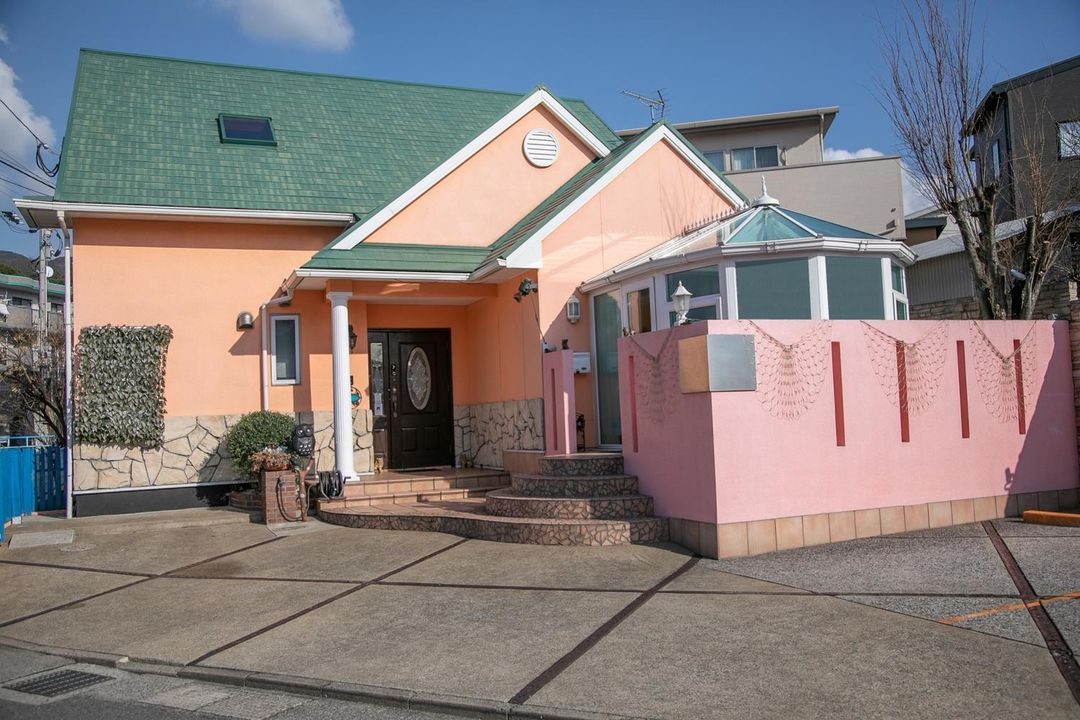
Villa Dazaifu
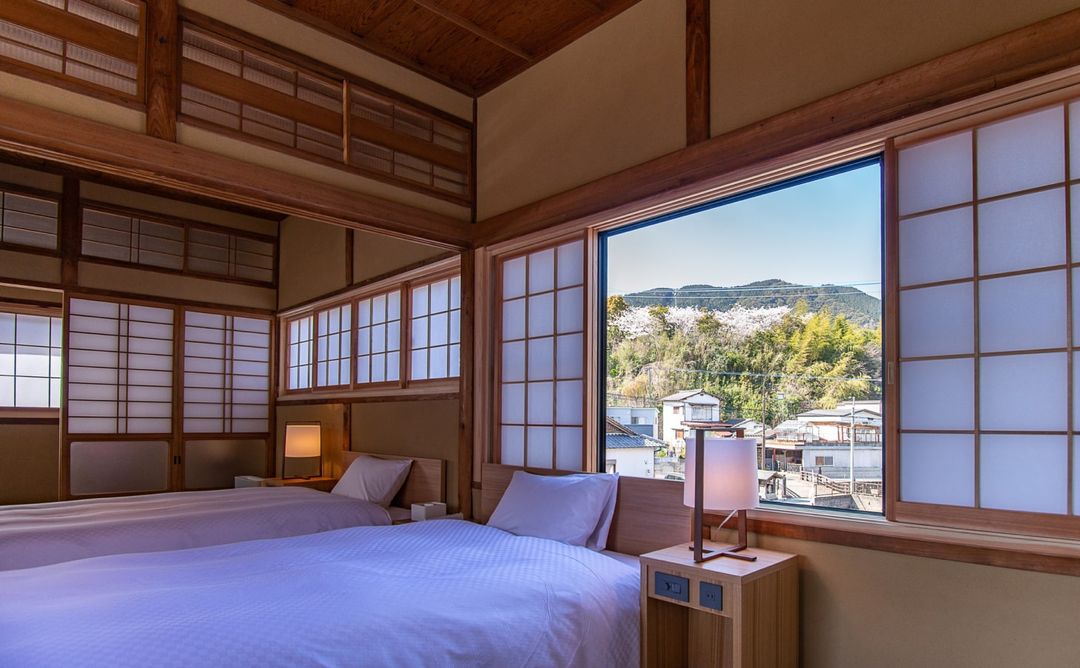
Hotel Cartia Dazaifu
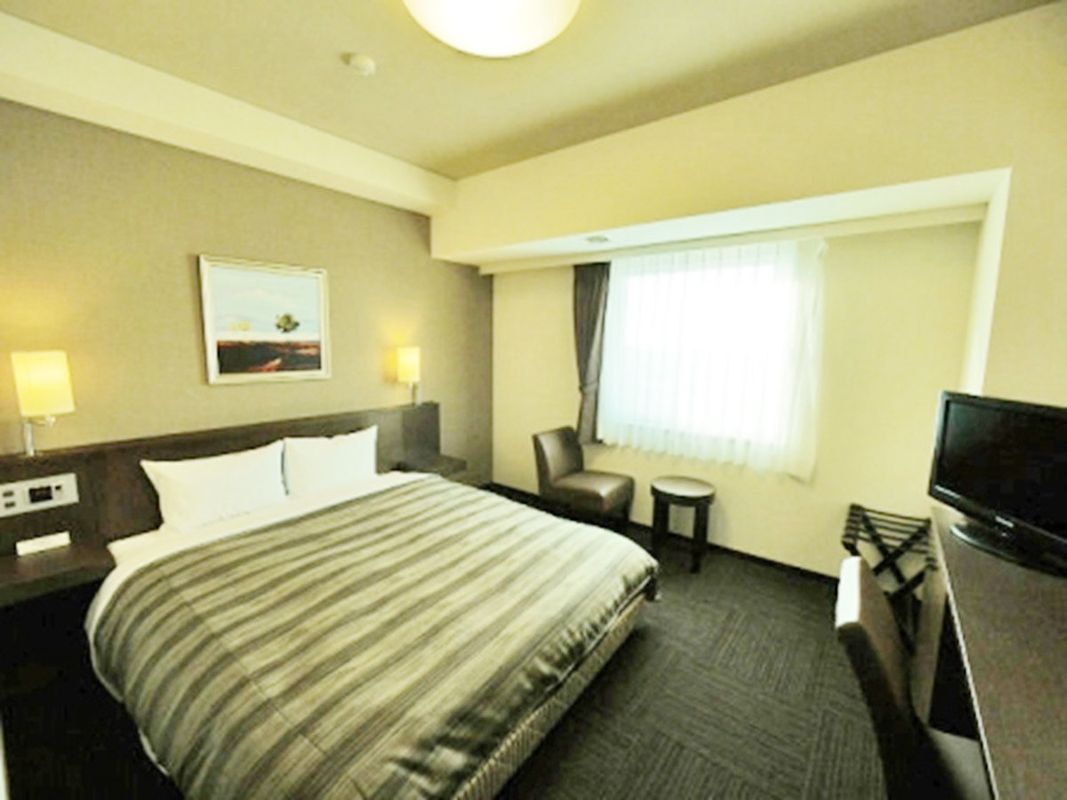
Route Inn Grantia Dazaifu
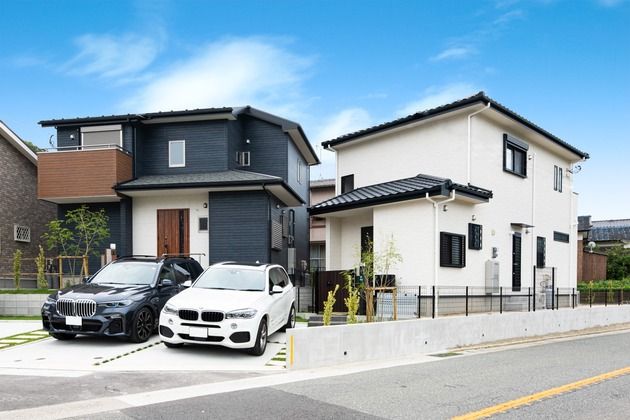
Maple House
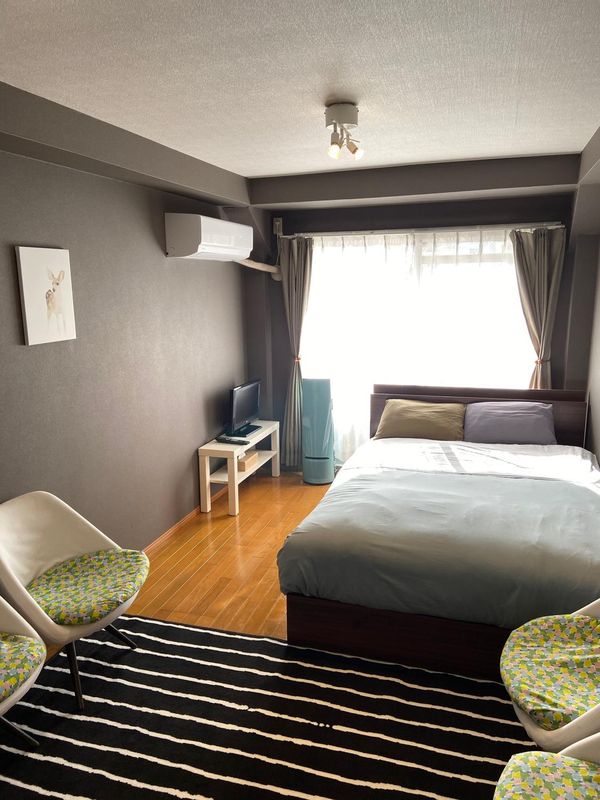
Sonic Apartment Hotel
Best Hotels in Dazaifu
Discover curated hotel collections in Dazaifu
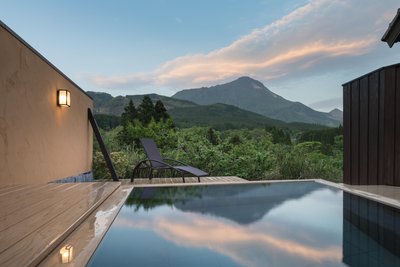
Ikkoten
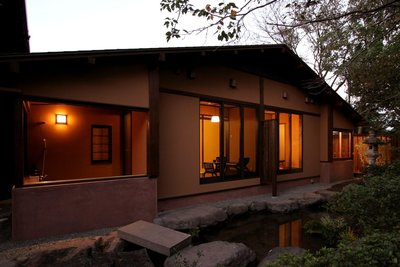
SEKIYA RESORT Bettei Haruki
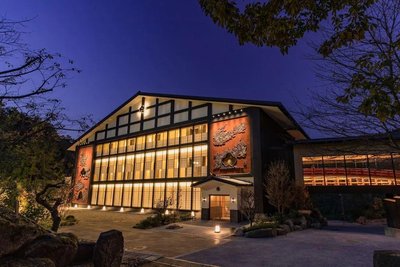
Okuhita Onsen Umehibiki
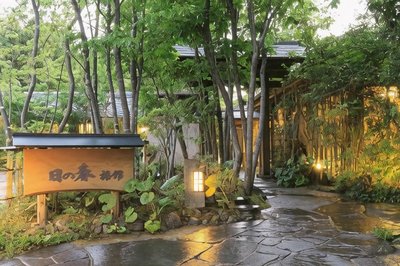
Yufuin Onsen Hinoharu Ryokan
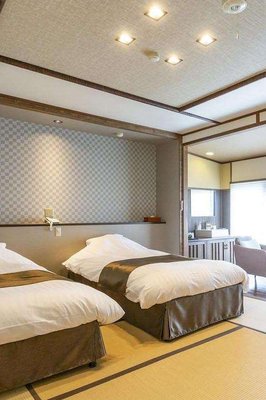
Sozankyo
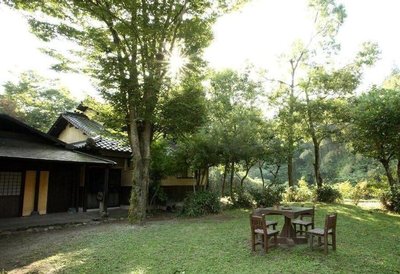
Yamashinobu
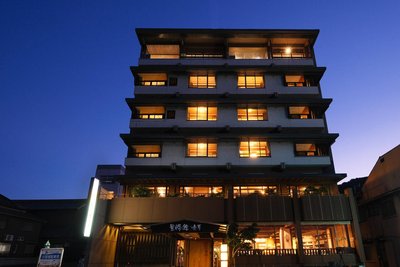
Keishokan Sazanamitei
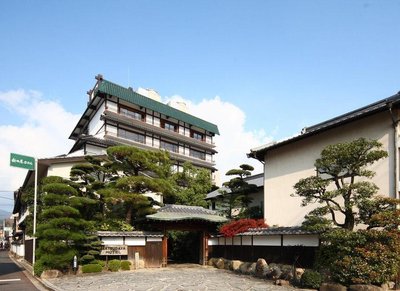
Matsudaya Hotel
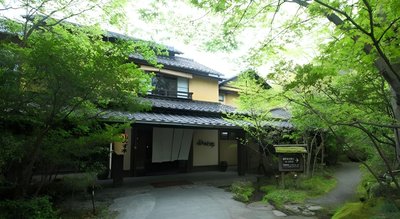
Kurokawaonsen Yamamizuki
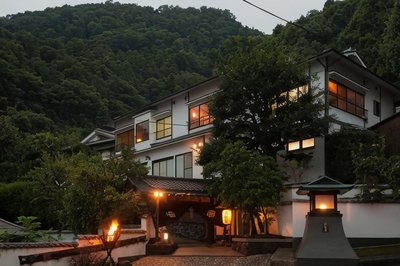
Beppu Showaen
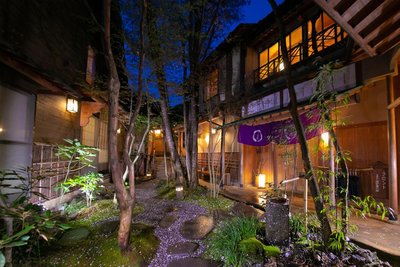
Oyado Ichizen
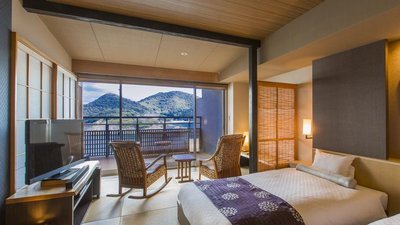
Migiwatei Ochi Kochi
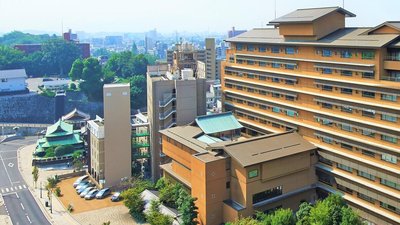
Yamatoya Honten
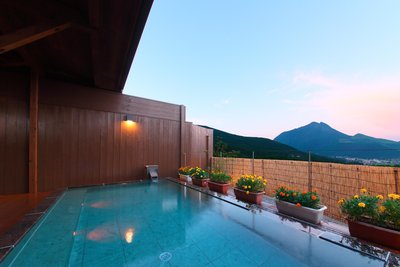
Asagirinomieru Yado Yufuin Hanayoshi
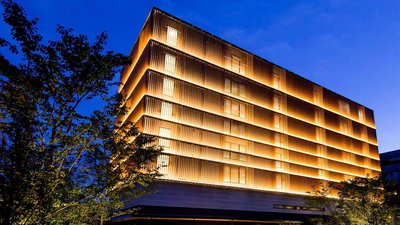
Dogo Miyu
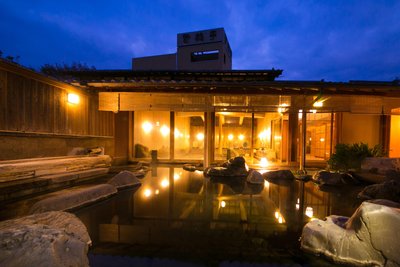
Yakakutei

Yamatoya Besso
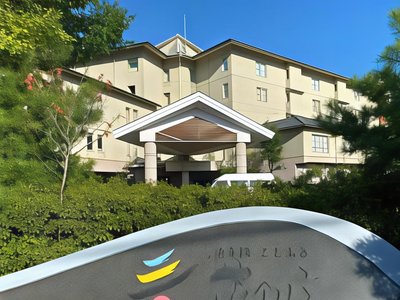
Yufuin Kotobuki Hananosho
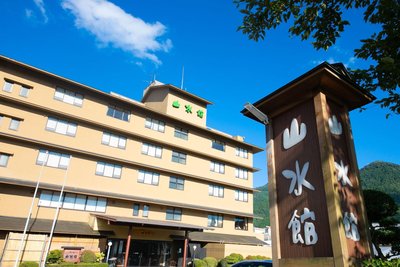
Yufuin Sansuikan
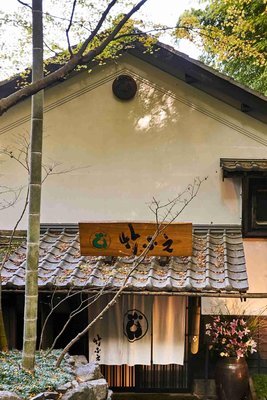
Hikyou Shirakawagensen Sansou Takefue
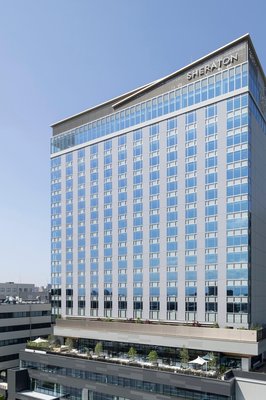
Sheraton Kagoshima
Okuhita Onsen Umehibiki
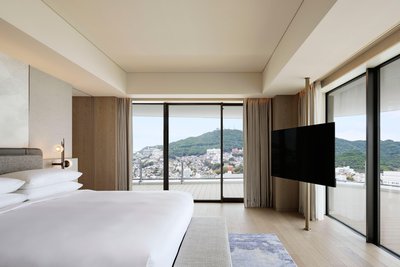
Nagasaki Marriott Hotel
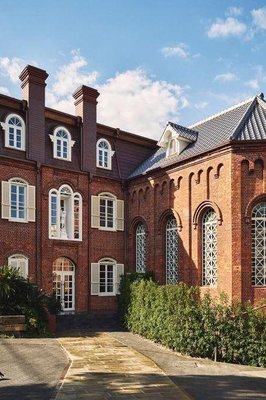
Hotel Indigo Nagasaki Glover Street by IHG

Stadium City Hotel Nagasaki
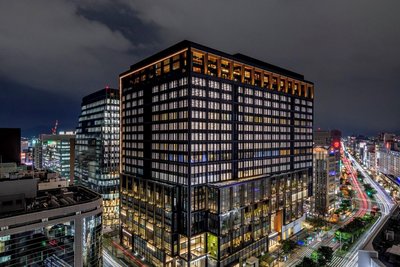
ONE FUKUOKA HOTEL
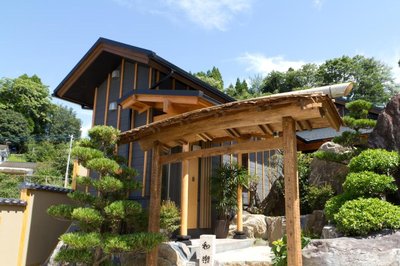
Ryokan Shinsen
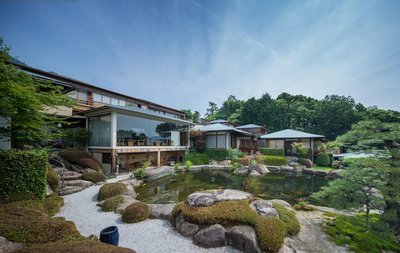
SEKITEI
Yamatoya Besso
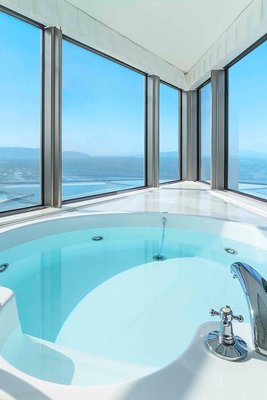
Hilton Fukuoka Sea Hawk

Olive Bay Hotel
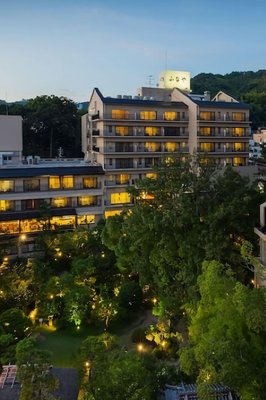
Funaya
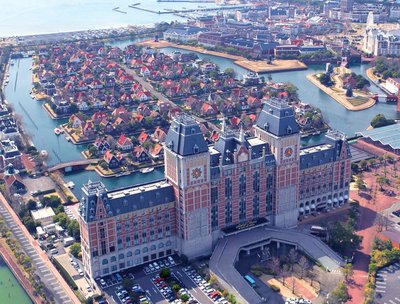
Hotel Okura Jr Huis Ten Bosch

Bettei Oborozukiyo
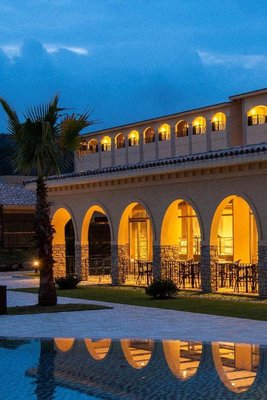
La Vista Kirishima Hills
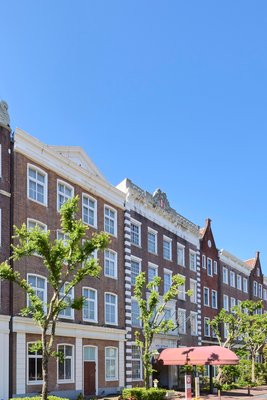
Hotel Amsterdam Huis Ten Bosch

Yumotoankiyohime
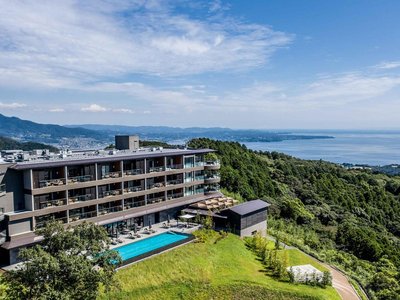
Ana InterContinental Beppu Resort & Spa
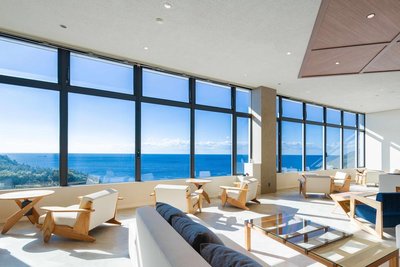
TheMana Village
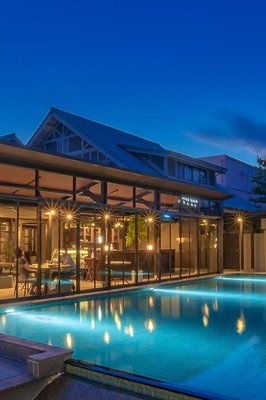
Amane Resort Gahama
Ikkoten
SEKIYA RESORT Bettei Haruki
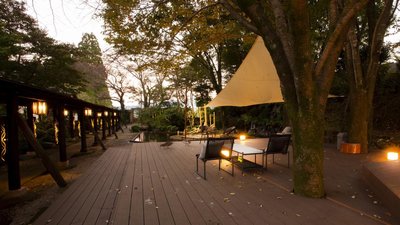
Chikurakutei
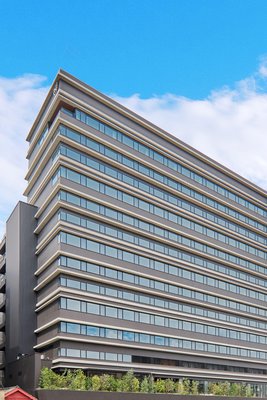
The Royal Park Canvas Fukuoka Nakasu
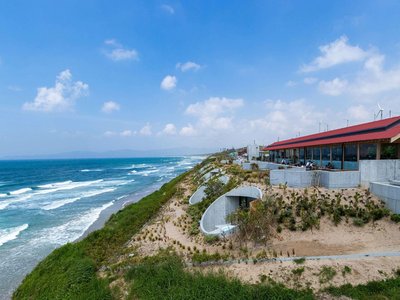
Izumo Hotel the Cliff
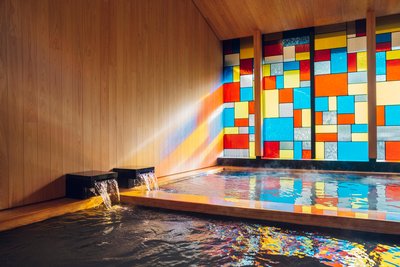
Hoshino Resorts Kai Unzen
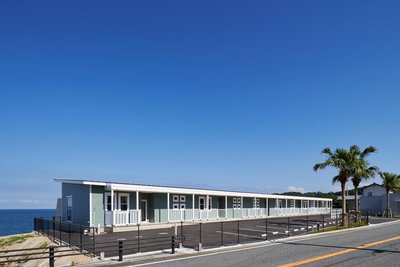
Alfacio Resort Stay Itoshima
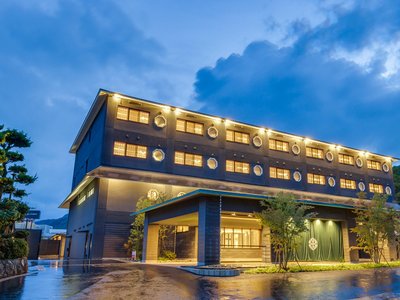
Ureshino Yadoya

seven x seven itoshima
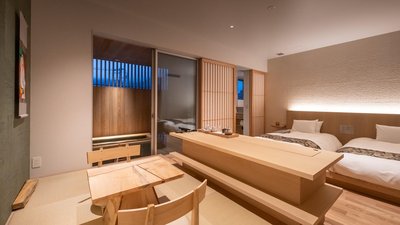
Japanese Auberge Kararako
Yufuin Onsen Hinoharu Ryokan
Sozankyo
Yamashinobu
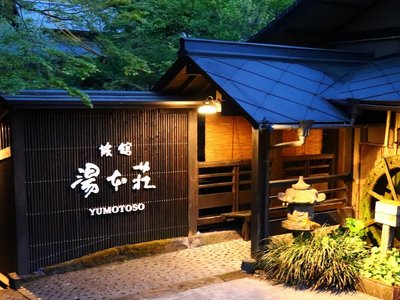
Ryokan Yumotosou
Matsudaya Hotel
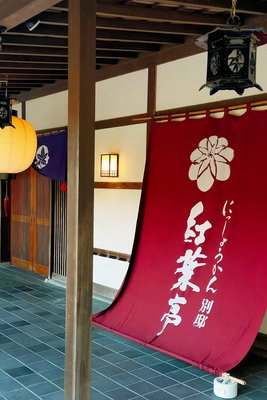
Nisshokan Bettei Koyotei
Kurokawaonsen Yamamizuki
Beppu Showaen
Oyado Ichizen
Yamatoya Honten

Garden Terrace Nagasaki Hotel & Resort

Holiday Inn Resort Miyazaki
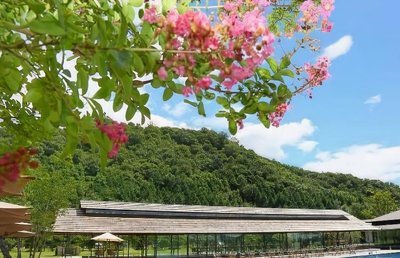
Bella Vista Spa and Marina Onomichi
Yufuin Kotobuki Hananosho
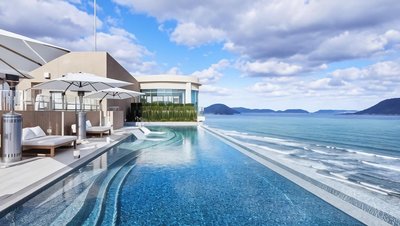
Karatsu Seaside Hotel
Yufuin Sansuikan
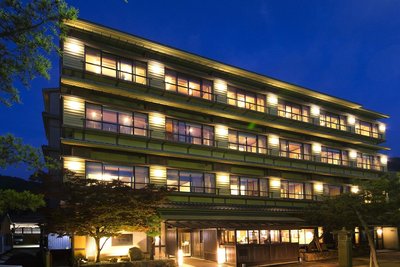
Kinsuikan
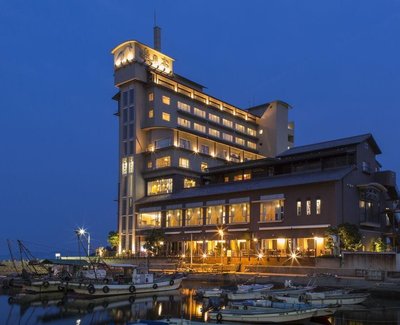
Hotel Ofutei
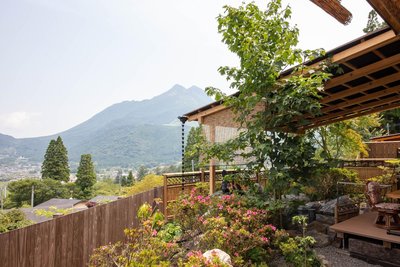
Yufuin-Sanso Waremokou
Ana InterContinental Beppu Resort & Spa
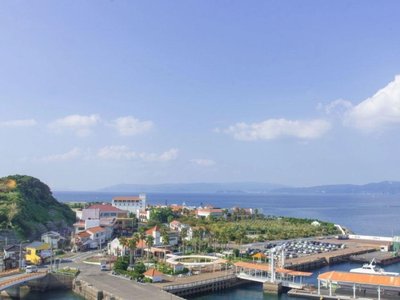
I+Land Nagasaki
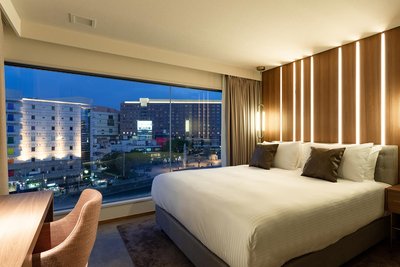
The OneFive Villa Fukuoka
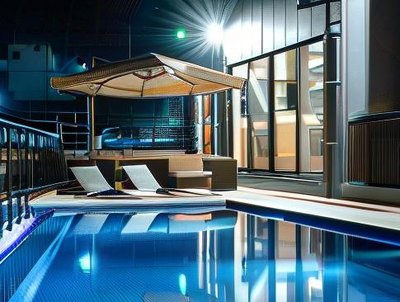
LiVEMAX RESORT MIYAHAMA ONSEN OCEAN
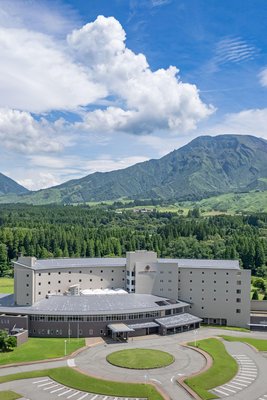
KAMENOI HOTEL ASO
Amane Resort Gahama

SEKIYA RESORT GALLERIA MIDOBARU

Beppu Suginoi Hotel

Phoenix Seagaia Ocean Tower
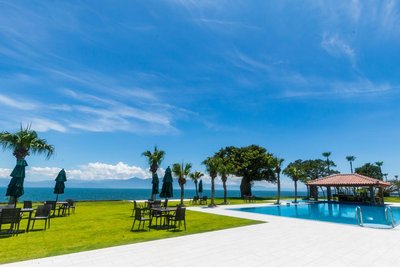
Kagoshima Sunamushi Onsen Ibusuki Hakusuikan
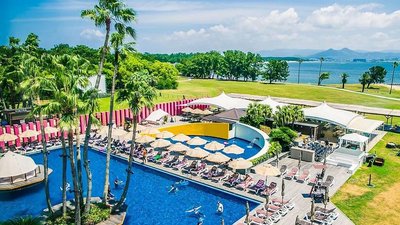
The Luigans Spa and Resort
Migiwatei Ochi Kochi
Ryokan Shinsen
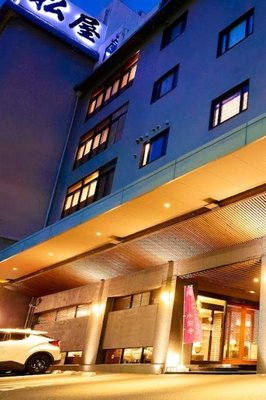
Ryotei Matsuya Honkan Suizenji
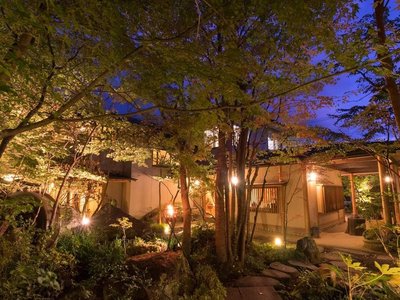
Ryoso Yufuin Yamadaya
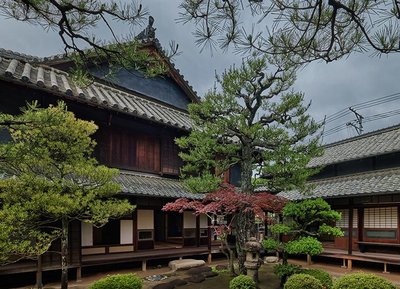
NIPPONIA HOTEL Takehara Saltworks Town
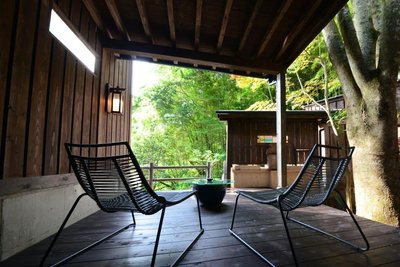
Sanso Tensui
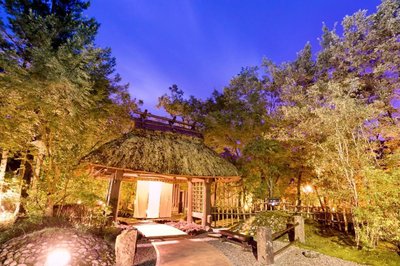
Satonoyu Waraku
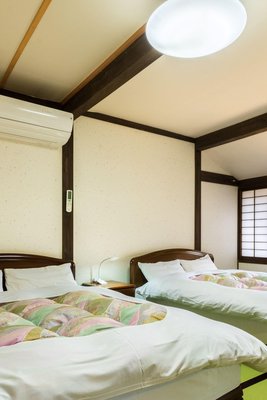
Tobise Onsen Tenga Sanso
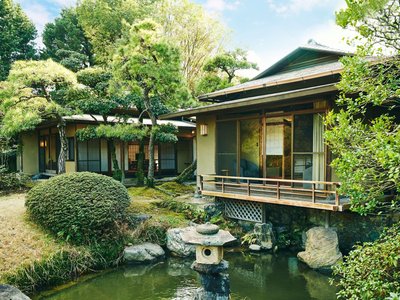
Suisui Garden Ryokan (in the Art Hotel Kokura New Tagawa)
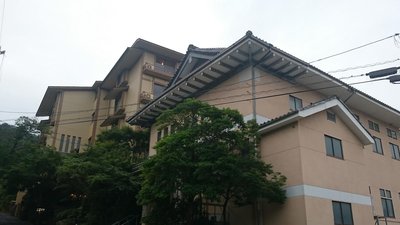
Miyajima Hotel Makoto
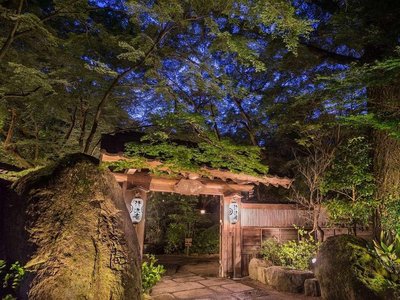
Akizuki Spa Ryokan Seiryuan
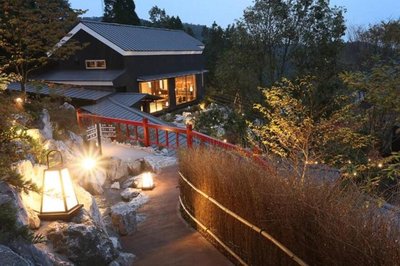
Gekkoju Kurokawa
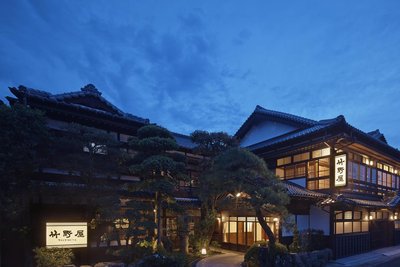
Takenoya
Frequently Asked Questions about Traveling to Dazaifu
Questions You Might Need to Know About Traveling to Dazaifu
In Takatsu-fu City, stay at Ume no Sato, a boutique ryokan near Dazaifu Tenmangu Shrine, offering immersive cultural experiences. Guests can participate in handmade washi paper workshops, tea ceremony sessions, and nighttime Gion Festival lantern tours. The hotel’s garden features a karesansui (dry landscape) design, perfect for quiet reflection. Located steps from the Senbon Torii, it provides easy access to spiritual sites and local festivals. Each room includes tatami mats, futon beds, and private onsen baths, blending comfort with tradition. Enjoy authentic kaiseki dinner made with seasonal ingredients sourced from nearby farms, making this a top choice for cultural immersion in Kyushu.
The area surrounding Dazaifu Tenmangu Shrine is the prime location for staying in Takatsu-fu City. This district offers walkable access to key attractions: the main shrine hall, Senbon Torii, and National Museum of Japanese History. It’s also home to charming streets lined with traditional shops and restaurants serving local specialties like kara-age chicken and umeboshi plum wine. Accommodations here range from intimate guesthouses to boutique ryokans, many featuring gardens and quiet courtyards. With only a 20-minute train ride to Fukuoka City Center, this area balances cultural authenticity with convenient transit—ideal for travelers seeking both serenity and accessibility during their visit to ancient Dazaifu.
Must-try cultural experiences in Takatsu-fu City include visiting Dazaifu Tenmangu Shrine, dedicated to the god of scholarship, where you can write wishes on omamori charms and take part in morning prayers. Explore the Senbon Torii, a breathtaking red gate tunnel that stretches over a kilometer, especially magical during sunrise or evening lighting. Attend the annual Gion Festival, featuring elaborate floats, traditional dance performances, and street food stalls. Participate in hands-on workshops like washi paper crafting or sake brewing demonstrations at local breweries. Don’t miss the Dazaifu Literary Hall’s historical exhibitions, which showcase ancient manuscripts and artifacts from Japan’s Heian period—perfect for history lovers seeking deep cultural insight.
For families, Hana-mi-yama Family Resort is an excellent choice in Takatsu-fu City. This resort features spacious family suites, a children’s playroom, outdoor swimming pool, and daily activities such as Japanese sweet-making classes and bamboo craft workshops. Nestled in a forested hillside overlooking Chikuzen Hills, it offers fresh air and scenic views. The on-site restaurant serves kid-friendly meals with organic ingredients and low-sugar desserts. Nearby, the Dazaifu Children’s Museum features interactive exhibits on nature, history, and science—ideal for young explorers. With free parking and shuttle service to major attractions, this hotel combines comfort, safety, and fun for all ages.
Couples should consider Hibiki no Yado Moon View, a secluded ryokan nestled within a private garden just minutes from Dazaifu Tenmangu Shrine. Each room features a private outdoor onsen bath, floor-to-ceiling windows facing cherry blossoms or autumn foliage, and a traditional tea corner. The hotel offers couples’ meditation sessions, star-gazing nights, and customized candlelit kaiseki dinners using seasonal ingredients. After a day exploring the Senbon Torii, enjoy a quiet evening under the stars. Personalized touches like handwritten love letters and soft background music create a deeply intimate atmosphere. With only two rooms available, privacy and exclusivity are guaranteed—making it a dream destination for romantic getaways in historic Dazaifu.
Yes, Takatsu-fu City is highly accessible. The JR Nishi-Nippon Railroad (Nishitetsu) Dazaifu Station connects directly to Fukuoka City Center in just 20 minutes and links to Fukuoka Airport via transfer. Local buses run frequently to Kyushu National Museum, Beppu Onsen, and Saga Prefecture’s Ibusuki pottery villages. For those traveling by car, major highways provide easy access to Kagoshima, Nagasaki, and Oita. The city’s central location makes it an ideal base for exploring northern Kyushu. Tourist information centers offer multilingual guides and rental bikes for exploring nearby trails. Whether you’re heading to hot springs, historic temples, or scenic coastlines, Takatsu-fu serves as a seamless gateway to the region’s highlights.
Must-try dishes in Takatsu-fu City include Dazaifu Plum Wine (Ume-shu)—a locally distilled, sweet-tart sake made from native green plums, available at Ume no Sato Winery. Try Tenmangu Kotsu Udon, a richly flavored noodle soup with fresh seafood and vegetables, often served at roadside stalls. Another favorite is Fukuoka-style Kara-Age Chicken, crispy on the outside, tender inside, seasoned with salt and garlic. At Old House Dining, savor Wagyu beef sukiyaki cooked tableside using centuries-old recipes. Don’t forget to pick up seasonal fruits like strawberries and persimmons from local markets as souvenirs. These flavors reflect the region’s agricultural heritage and culinary craftsmanship.
Photography enthusiasts should visit the Senbon Torii at dawn or dusk—the long red corridor framed by mist or golden light creates stunning visual depth. Capture the Dazaifu Tenmangu Main Hall with its vibrant vermilion roof and intricate roof tiles against clear skies. The Tang-style Shopping Street offers perfect symmetry and contrast between old wooden facades and modern lanterns. Visit the Dry Landscape Garden at the Literature Hall for minimalist composition shots. At night, the Gion Festival Lantern Display transforms the area into a glowing tapestry. Use a wide-angle lens and tripod for long exposures to emphasize movement and light trails. Early mornings offer fewer crowds and softer light—ideal for capturing the soul of this ancient city in stillness.
Solo travelers will appreciate Shinshin-no-Sato Zen Retreat, a small meditation center near Dazaifu Tenmangu Shrine, offering one-day mindfulness programs including tea ceremony, calligraphy practice, and guided forest bathing. Rooms feature tatami flooring, minimal décor, and a single window facing a tranquil garden—designed for introspection. The on-site quiet reading room holds rare Heian-era texts and poetry collections. Evening sessions include sound healing with singing bowls and journaling workshops to process thoughts. Stay at Kumo no Ie, a minimalist inn with only two rooms, where guests enjoy digital detox and personalized care. These serene environments encourage self-discovery and mental clarity—perfect for recharging in a peaceful, culturally rich setting.
Visitors should experience spring’s Cherry Blossom Festival at Senbon Torii, where illuminated gates glow under pink blooms; summer’s Gion Festival features grand floats, traditional dances, and fireworks over the river; autumn’s Maple Festival turns hillsides into fiery red landscapes ideal for hiking and photography; and winter’s Snow Lantern Path lights up the shrine grounds with handcrafted lanterns. Throughout the year, local craft markets and traditional cooking demos offer deeper cultural engagement. These events reflect Dazaifu’s enduring traditions and community spirit—making each season a unique opportunity to connect with Japan’s living heritage.
Dazaifu Overview
City Summary
Dazaifu City in Fukuoka Prefecture is a historic gem, once the political and cultural hub of Kyushu. Renowned for Dazaifu Tenmangu Shrine dedicated to the scholar-god Sugawara no Michizane, it attracts students praying for academic success. The city exudes Heian-period charm with traditional buildings and plum trees lining its streets, especially stunning during the February plum blossom festival. The nearby Kyushu National Museum showcases Japan's cultural exchanges with Asia.
Must-See Attractions
Dazaifu Tenmangu Shrine is the centerpiece, with its Starbucks concept store blending modern and traditional architecture along the approach. Komyozenji Temple's Zen rock garden offers serenity, while Kyushu National Museum features interactive exhibits on East Asian civilizations. Try kimono strolls through old streets or tea ceremony workshops. The nearby Homan Shrine has gained popularity through its "Demon Slayer" anime collaboration.
Food Guide
Must-try umegae mochi, grilled rice cakes with red bean paste bearing plum branch patterns, sold along the shrine approach. Dazaifu ramen features chicken broth and thin noodles, often paired with local pickles. Hidden gems include shojin ryori (Buddhist vegetarian meals) at temples. Summer-limited plum slushies made with local ume fruits are refreshing.
Transportation Guide
Take the Nishitetsu train from Fukuoka (30 mins to Dazaifu Station); the Dazaifu-Yanagawa tourist pass is recommended. Most attractions are walkable, or rent bicycles (available near the station). Taxis are ideal for Homan Shrine (15-min ride). Note that buses have limited schedules—check timetables in advance.
Best Time to Visit
February-March is peak season for plum blossoms but crowded. November offers comfortable autumn foliage viewing. Avoid Golden Week (late April-May) and New Year holidays when the shrine gets extremely busy. Summers are humid; occasional winter snow adds charm.
Travel Tips
- At Tenmangu Shrine, purify hands/mouth at the chozuya first, then follow "2 bows, 2 claps, 1 bow" ritual.
- Umegae mochi tastes best fresh; cash-only at street stalls (carry small bills).
- Respect no-photography zones in museums to avoid fines.
- Book kimono rentals early and move gently while wearing them.
- Maintain silence in temple areas; set phones to silent mode.
- Follow strict trash sorting—convenience stores have labeled bins.
Useful Information
Language: Attractions provide English/Chinese/Korean pamphlets; station staff speak basic English. Wi-Fi: Free "Fukuoka City Wi-Fi" near Tenmangu requires email registration. Payment: Major sites accept cards, but street vendors are cash-only (carry ¥5,000-10,000). Emergency: Dazaifu Municipal Hospital near the station has 24/7 ER. Drugstores cluster at the shrine entrance. Etiquette: Bow slightly before shrine torii gates; walk on sides of approach paths (center is for deities). Avoid phone calls on trains.









