Hotels in Depok
Discover your perfect stay in Depok.
Depok(Indonesia) Travel 2026: Cheap Flights, Hotels & Top Attractions
Popular Landmarks in Depok
Discover the most iconic attractions in Depok
Recommended Hotels in Depok
Find the perfect place to stay in Depok
Frequently Asked Questions about Traveling to Depok
Questions You Might Need to Know About Traveling to Depok
In Debo, Central Java, the standout choice is Pondok Sari Resort, a boutique eco-lodge nestled among tea plantations with panoramic views of Mount Merapi. The resort blends traditional Javanese architecture with modern comforts, featuring rooms crafted from local timber and bamboo furnishings. Guests enjoy sunrise views over mist-covered volcanic slopes and access to guided nature trails. For a more immersive experience, Sumberawan Homestay offers authentic village hospitality, serving homemade meals and hosting cultural workshops like batik-making and tea ceremonies, giving travelers deep insight into rural Javanese life. Both properties emphasize sustainability and community engagement.
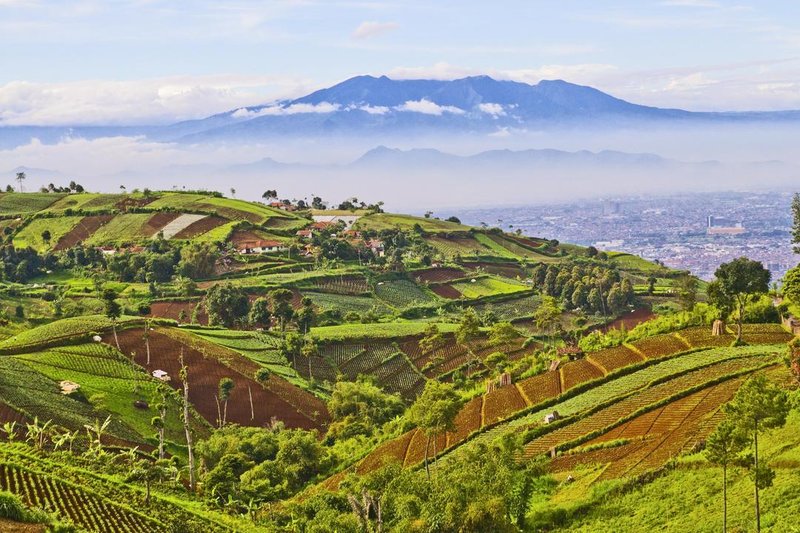
The best area for staying in Debo is the northern hillside villages near tea plantations and Mount Merapi's foothills, such as Situ Gede and Candi Baru. These areas offer serene, pollution-free environments with fresh mountain air and stunning views of volcanic landscapes. Accommodations here range from family-run homestays to eco-resorts, many featuring private terraces ideal for watching sunrise over the misty peaks. Proximity to hiking trails and cultural sites makes this zone perfect for travelers seeking tranquility, nature immersion, and easy access to adventure activities in Central Java’s highlands.
To experience authentic Javanese culture in Debo, participate in a traditional tea ceremony workshop at resorts like Pondok Sari Resort, where you’ll learn to harvest and process local Sambalpur tea. Attend an evening Wayang Kulit shadow puppet performance in a village courtyard—performed by master dalang artists who narrate tales from the Ramayana using intricate leather puppets and gamelan music. You can also visit nearby craft villages to try making batik textiles or bamboo crafts under local artisans’ guidance, gaining hands-on insight into Javanese craftsmanship and spiritual traditions rooted in harmony with nature.
Must-visit natural attractions in Debo include the Merapi Volcano trekking routes, especially the trail from Selo, which winds through lava fields and lush tropical forests. Reaching the summit offers breathtaking vistas across the Central Java highlands, with clear days revealing distant views of Yogyakarta. Another highlight is Taman Safari Debo, a wildlife sanctuary home to monkeys, peacocks, and rare birds, perfect for nature lovers. Don’t miss Air Terjun Tirta Sari, a secluded waterfall hidden in dense jungle, ideal for swimming, meditation, and peaceful picnics amid pristine surroundings.
In Debo, must-try dishes include Sate Kambing Debo—grilled goat satay marinated with aromatic spices and served with peanut sauce—known for its rich flavor and tender texture. Pair it with Nasi Kucing, a small, flavorful rice dish topped with fried tempeh, pickled vegetables, and boiled egg, often enjoyed as a local breakfast. For a deeper culinary experience, book a family kitchen tour to learn how to prepare Gudeg (young jackfruit stewed with coconut) or Tempeh Goreng (fried tempeh), both staples of Javanese cuisine that reflect the region’s love for fermented ingredients and slow-cooked flavors.
Yes, Debo is highly suitable for families. Taman Safari Debo features interactive animal zones and educational nature walks tailored for children. Many homestays, such as Sumberawan Homestay, offer kid-friendly activities like bamboo kite-making, treasure hunts in tea gardens, and storytelling sessions about local legends. Safe, gentle trails like the Lembah Lintang path near Mount Merapi allow families to hike together, with interpretive signs explaining geology and ecology along the way—making it both fun and educational for all ages.
From Yogyakarta, reach Debo via Bajaj (three-wheeled taxis) or Angkot (local minibuses), taking about 1.5 hours. For comfort and flexibility, hire a private car with driver (~IDR 300,000/day), familiar with mountain roads. Within Debo, renting bicycles is ideal for exploring scenic tea paths—many lodges offer electric bikes too. Avoid traveling during the rainy season (November–March) due to slippery roads and possible closures. Always confirm road conditions before setting out on longer excursions.
Debo has a tropical highland climate with temperatures ranging from 18–26°C year-round, but significant diurnal variation—especially near Mount Merapi, where mornings are chilly. The rainy season (November to March) brings frequent downpours and slippery trails; some hiking routes may close temporarily. Optimal travel time is the dry season (April–October), offering sunny days ideal for trekking, photography, and outdoor activities. High altitude means strong UV radiation—always wear sunscreen, hats, and sunglasses to protect against sun exposure.
Nighttime highlights in Debo include stargazing and village bonfire gatherings. With minimal light pollution, the skies above Situ Gede offer exceptional visibility of the Milky Way—many lodges provide telescopes and guides for celestial navigation. On weekends, locals host bonfire nights around open-air hearths, accompanied by live gamelan music and traditional songs. Visitors are welcome to join dances, share stories, or simply relax in the warm glow, experiencing the intimate spirit of Javanese community life under the stars.
For authentic souvenirs in Debo, visit local markets like Candi Baru Market on Fridays, where vendors sell handmade goods. Look for Sambalpur tea in elegant gift boxes—perfect for sharing. Handcrafted bamboo baskets, mats, and tea sets are durable and beautifully made by local artisans. Consider purchasing custom batik fabric with personalized patterns, allowing you to take home a unique cultural keepsake. These items support local economies and carry the soul of Central Java’s craftsmanship—ideal for meaningful gifts or memories of your journey.
Depok Overview
City Summary
Depok is a city in the central region of Yogyakarta Special Region, Indonesia, known for its rich cultural heritage and natural beauty. It serves as a gateway to explore Central Javanese culture and nearby attractions like Borobudur and Prambanan temples. The city is celebrated for its historical sites, traditional Javanese culture, and warm-hearted locals.
Must-See Attractions
Top attractions in Depok:
- Selo Hill: A perfect spot for panoramic city views, especially at sunrise or sunset.
- Parangtritis Beach: Famous for its black sand and powerful waves, steeped in local legends.
- Sindu Kusuma Edupark: A family-friendly amusement park with water activities and rides.
Food Guide
Must-try street food:
- Gudeg: A sweet and spicy jackfruit stew, a local delicacy.
- Bakpia Pathok: Sweet mung bean pastries, a signature Yogyakarta snack.
- Sate Klathak: Unique grilled lamb skewers with a special sauce.
Transportation Guide
Getting around Depok:
- Motorbike rental: Flexible for short trips, but safety precautions are advised.
- Public buses: Affordable but infrequent; check schedules in advance.
- Taxis/ride-hailing: Use Grab or Gojek for transparent pricing and convenience.
- Bicycles: Ideal for exploring certain attractions sustainably.
Best Time to Visit
Best time to visit is April to October, during the dry season. Avoid the rainy season (November–March) to prevent disruptions. Book accommodations early during peak holidays.
Travel Tips
- Respect local customs: Dress modestly when visiting temples.
- Carry cash: Many small vendors don't accept cards.
- Mind hygiene: Opt for popular food stalls for safety.
- Sun protection: The tropical sun is strong; use sunscreen and hats.
- Learn basic Indonesian: Simple greetings go a long way.
- Stay alert: Watch belongings in crowded areas.
Useful Information
Practical info:
- Language: Indonesian is official; English is understood in tourist areas.
- Internet: 4G coverage in urban areas; local SIM cards are available.
- Payment: Cash is king; cards accepted at large establishments.
- Emergencies: Dial 112; travel insurance is recommended.
- Voltage: 220V, two-pin round plugs; bring adapters.