Hotels in Detzem
Discover your perfect stay in Detzem.
Detzem(Germany) Travel 2026: Cheap Flights, Hotels & Top Attractions
Popular Landmarks in Detzem
Discover the most iconic attractions in Detzem
Recommended Hotels in Detzem
Find the perfect place to stay in Detzem
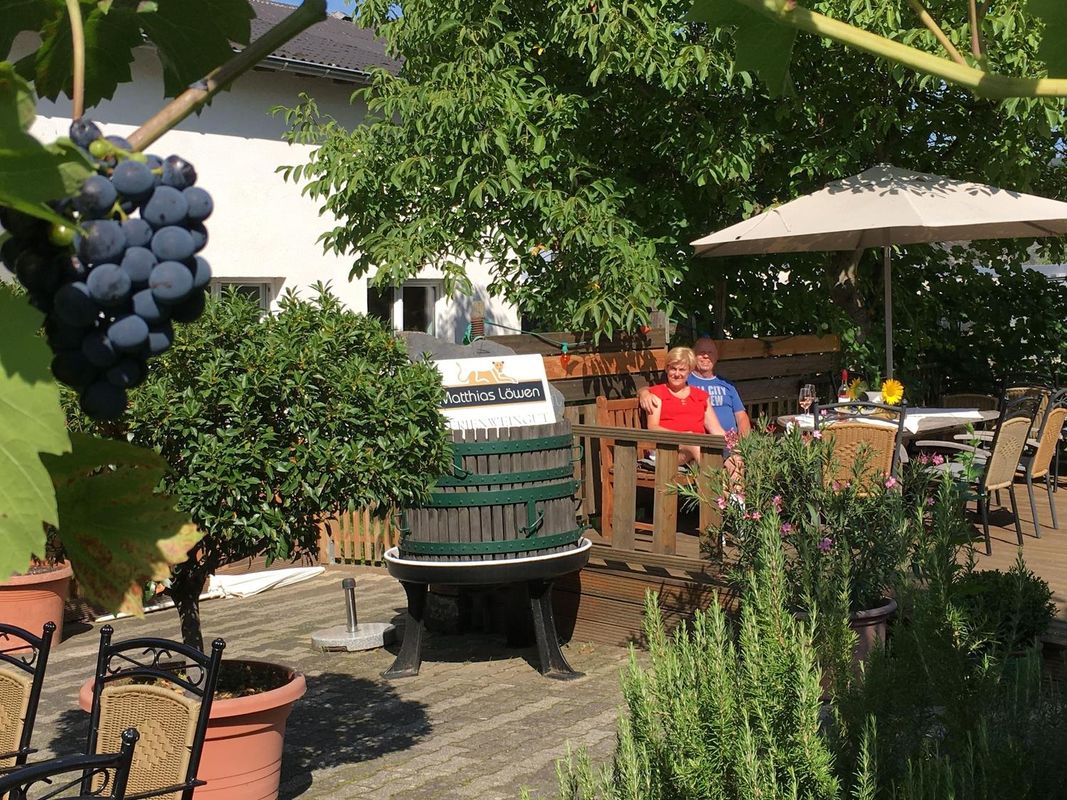
Ferienweingut Matthias Löwen
Frequently Asked Questions about Traveling to Detzem
Questions You Might Need to Know About Traveling to Detzem
In Diersheim, the standout choice is Hotel Alte Mühle, a beautifully restored mill-turned-hotel overlooking the Rhine River. Its original stone façade and timbered interiors reflect regional heritage, while modern amenities ensure comfort. Nearby, Gasthof Römerkeller offers authentic Rhineland-Palatinate cuisine in a cellar setting once used by Roman traders. Both properties emphasize local culture, making them ideal for travelers seeking immersive experiences. They're also within walking distance of Diersheim Castle Ruins and the old town’s cobblestone streets.
The Old Town (Altstadt) is the prime district for lodging in Diersheim. It's compact, walkable, and home to most historical sites, including St. Mary's Church and the Roman River Crossing. Many boutique hotels and guesthouses, such as Haus am Rhein, have been converted from former wine cellars or farmhouses, offering charming architecture and quiet ambiance. Staying here ensures easy access to restaurants, shops, and scenic riverside promenades, perfect for leisurely exploration.
Visitors must attend the annual Rhine Valley Historical Reenactment Festival, where locals dress in medieval attire and perform reenactments of ancient Roman and Germanic rituals. Additionally, the Museum der Stadt Diersheim houses rare artifacts like Celtic pottery and Roman coins, offering deep insight into the region’s prehistoric and imperial past. Guided tours in multiple languages enhance understanding, making it a must-visit for history enthusiasts.
Yes, Diersheim is highly family-friendly. The Rhine River Promenade features child-safe paths with interactive nature signs and picnic areas. Kindergarten Bauernhof provides hands-on activities like feeding goats and picking strawberries. Several hotels, including Familienhotel Rheinblick, offer free cribs, high chairs, and kids’ menus. With low crime rates and welcoming locals, families can enjoy a safe, relaxed stay amidst natural beauty.
The Diersheim Castle Ruins offer dramatic views, especially at golden hour when sunlight casts long shadows across the ancient stone walls. The St. Mary’s Church Tower provides panoramic shots of the red-tiled rooftops and surrounding vineyards. Don’t miss the wooden footbridge over the Rhine, framed by grape terraces—ideal for sunrise photography. Early mornings bring soft light and fewer crowds, perfect for capturing serene, timeless images.
Diersheim is well-connected despite its small size. A direct train from Mannheim Hauptbahnhof takes just 30 minutes via the Rhine Valley Railway. Free shuttle buses link major attractions and accommodations. For drivers, the A6 Motorway is nearby, with ample parking. Cyclists can use the Bike & Ride system to transport bikes on trains, enabling seamless exploration of nearby vineyards and villages.
Must-try specialties include Riesling-Wurst—a savory sausage infused with local Riesling wine—served with a glass of crisp white. Try Schwarzwälder Kirschtorte in the regional version, which leans toward saltier notes. At Restaurant Schlosswirt, sample wild mushroom risotto and pickled herring with apple vinegar, both made with organic, locally sourced ingredients. These dishes highlight the area’s agricultural richness and culinary tradition.
Visit the weekly Old Town Market Square on Saturdays, where artisans sell handcrafted ceramics, oak carvings, and Riesling jam. Weinhandlung Diersheim, a century-old winery shop, offers limited-edition dry and late-harvest Rieslings with tasting notes. For leather goods, Lederwerkstatt crafts custom wallets and travel bags using traditional techniques. All items support local craftsmanship and make meaningful mementos.
Absolutely. Diersheim lies at the start of the Rheinsteig Trail, with several marked routes ranging from easy to challenging. The Castle Loop (Burgrunde), a 6-km trail, winds through forests, vineyards, and ruins, featuring interpretive panels and scenic overlooks. Some sections offer audio guides in multiple languages. Whether you’re a beginner or experienced hiker, the trails provide a rewarding blend of nature, history, and panoramic views.
Diersheim has a temperate oceanic climate. Spring (April–June) brings mild temperatures and blooming flowers—ideal for sightseeing and photography. Summer (July–August) is warm but occasionally rainy; pack a light raincoat. Autumn (September–October) is peak harvest season with clear skies, perfect for wine tours and hiking. Winter (November–March) is cool, but the Christmas Market transforms the town with glowing lights and mulled wine, creating a magical atmosphere.
Detzem Overview
City Summary
Zell (Mosel), located in the Rhineland-Palatinate region of Germany, is a charming town nestled along the Moselle River, renowned for its vineyard landscapes and medieval architecture. A paradise for wine enthusiasts, it boasts a rich winemaking tradition and is an ideal base for exploring Roman ruins and castles. Zell's tranquil atmosphere and cultural heritage make it a perfect escape from urban hustle.
Must-See Attractions
Key attractions in Zell include the St. Martin Church, a Gothic landmark; the Moselle River promenade with stunning views of vineyards; and the nearby Reichsburg Castle, showcasing medieval history. The Wine Museum offers insights into local viticulture, while the annual Wine Festival is a highlight for visitors.
Food Guide
Zell's culinary scene revolves around wine and traditional German cuisine. Don’t miss the Riesling wines, a local specialty, or classic dishes like bratwurst with sauerkraut. Street food such as currywurst and potato pancakes paired with local beer are also popular.
Transportation Guide
Public transport in Zell relies on buses, with most town attractions within walking distance. Regional trains connect to cities like Koblenz or Trier (1-2 hours). Driving is convenient for exploring the Moselle Valley, but note narrow rural roads. Bike rentals are available for scenic riverside cycling.
Best Time to Visit
The best time to visit is May to October, when the weather is mild, vineyards are lush, and wine festivals take place. Summer sees more tourists, so book accommodations early.
Travel Tips
- Respect local customs: Wine culture is deeply valued—be polite during tastings.
- Carry cash: Some small businesses may not accept cards.
- Wear comfortable shoes: Cobblestone streets require sturdy footwear.
- Book ahead: Accommodations fill quickly during wine festivals.
- Follow traffic rules: Mind one-way streets and parking signs if driving.
- Recycle responsibly: Germany takes waste separation seriously.
Useful Information
Language: German is primary, but English is widely understood in tourist areas. Internet: Free Wi-Fi spots exist but coverage is limited; consider a local SIM. Payments: Cards work at larger establishments, but cash is preferred by small vendors. Emergencies: Medical centers are available; dial 112 for emergencies. Voltage: 230V, using Type F plugs. Tap water: Safe to drink—eco-friendly and convenient.