Hotels in Diepenheim
Discover your perfect stay in Diepenheim.
Diepenheim(Netherlands) Travel 2026: Cheap Flights, Hotels & Top Attractions
Popular Landmarks in Diepenheim
Discover the most iconic attractions in Diepenheim
Recommended Hotels in Diepenheim
Find the perfect place to stay in Diepenheim
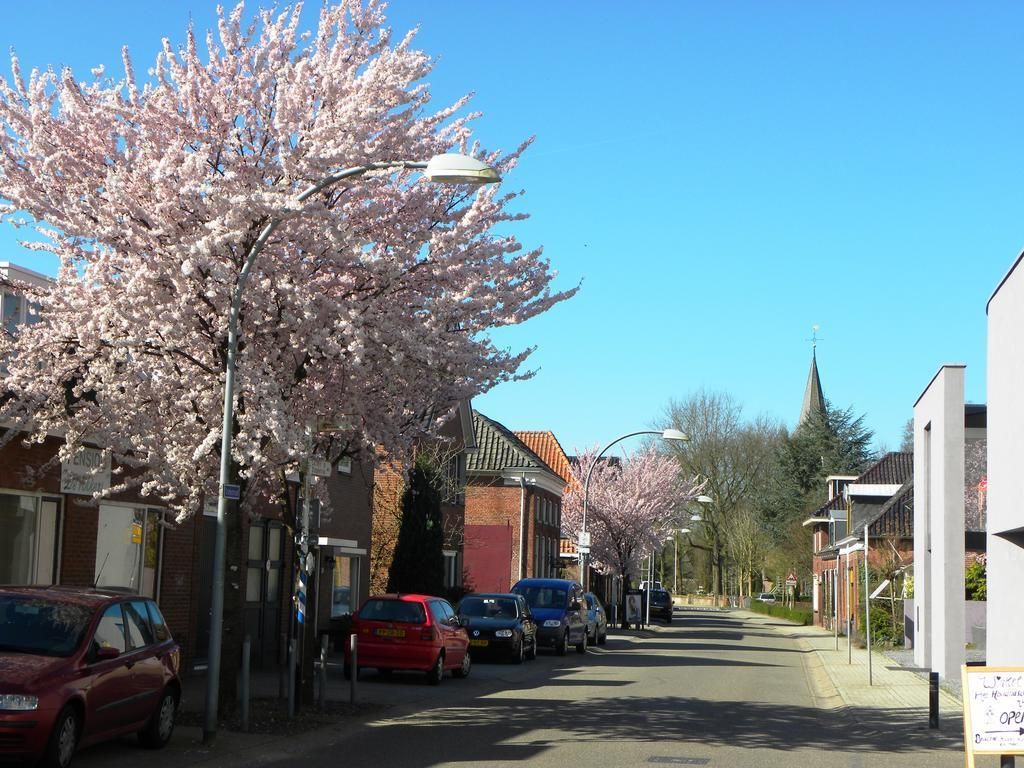
Bed & Breakfast Reggedal
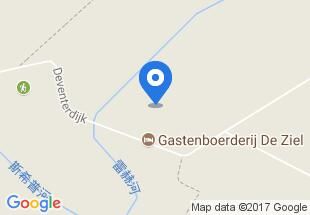
Gastenboerderij de Ziel
Frequently Asked Questions about Traveling to Diepenheim
Questions You Might Need to Know About Traveling to Diepenheim
In Dierenbos, the top choice for families is Hotel De Hoge Heide, a countryside boutique hotel nestled in the heart of Overijssel province. Surrounded by forests and lakes, it features spacious family suites with private balconies overlooking nature. The hotel offers free bicycle rentals, kids' activity packs, and an on-site playground. Guests can enjoy farm-to-table breakfasts made with local organic produce, including freshly baked bread and homemade jam. Nearby attractions include the Waal River Trail and Hoge Heide Nature Reserve, perfect for outdoor adventures. With its warm, rustic charm and welcoming staff, this hotel delivers a memorable, stress-free family getaway in authentic Dutch countryside.
The city center of Dierenbos is the ideal area for staying, offering easy access to key landmarks like Sint-Jacobskerk Church and the Town Hall Square. This historic district boasts cobbled streets and 17th-century Dutch architecture, creating a peaceful, charming atmosphere. Many guesthouses and small boutique hotels line the area, such as De Gouden Klok, known for its period-style interiors and cozy ambiance. Just a 5-minute walk leads to Dierenbos Lake Park, great for morning walks or picnics. Local restaurants nearby serve traditional Dutch stews and craft beer, making it perfect for travelers wanting to immerse themselves in authentic village life.
For an immersive cultural experience, stay at B&B Het Oude Raadhuis, a restored 1680s townhouse once used by local officials. The inn retains original oak floors, carved fireplaces, and antique furnishings. The hosts are local artists who host weekly art exhibitions and Dutch tea gatherings, inviting guests to mingle with residents. Located near the Dierenbouwmarkt, a monthly artisan market featuring pottery, textiles, and vintage clothing, this area pulses with creativity. Morning walks along the Atel River offer serene views, while weekend open-air concerts by the local choir provide a genuine taste of rural Dutch tradition.
Experience Hof van de Wijngaard, a centuries-old vineyard transformed into an eco-lodging retreat. Guests can participate in weekly wine-making workshops, learning how to press and ferment local white wines. Rooms are crafted from natural materials, with lavender-scented beds and panoramic forest views. Each evening includes a "Field Dinner" prepared by the estate’s chef using ingredients harvested that day—fresh vegetables, home-raised poultry, and regional craft beer. The property also features a star-gazing platform, offering crystal-clear night skies due to minimal light pollution—ideal for astronomy enthusiasts.
Absolutely. Hotel de Drie Steden offers convenient parking and 24/7 self-check-in, located just off the A32 highway for easy access. The hotel provides detailed travel maps and curated driving routes through scenic areas like the Overijssel Cycling Greenways, Rhine River Walk, and Nijmegen Old Town. Some hotels partner with car rental companies, offering bundled deals with vehicle hire and attraction tickets. Along the way, visitors can explore historic sites such as Oud-Oranje Castle Ruins and the Van Golderberg Farm Museum, all within a 90-minute drive. Perfect for spontaneous exploration.
Yes, Restaurant & B&B De Molen combines lodging with culinary immersion. Housed in a restored windmill, the hotel serves daily menus crafted from regional ingredients: think roasted venison with rutabaga mash, pan-seared herring with onion salad, and house-made bittergarnet candy. Guests can join a "Kitchen Tour" starting at the local market, learning to make classic Dutch stamppot and almond cookies. Private rooftop dinners are available upon request, paired with regional craft beer. Every Friday, the hotel hosts "Local Stories Night," where elders share tales of Dierenbos history and folklore—offering a rich sensory and narrative journey into Dutch rural life.
Definitely. Hotel De Vlinder is a favorite among couples seeking romance. Set in a secluded garden with private balconies and spa tubs, each suite exudes intimacy and elegance. Guests can book a "Moonlight Stroll" guided walk through the Ginkgo Path to the lakeside, where lanterns illuminate the trail. The hotel offers customized rose petal baths and couples’ meditation sessions. Dinner is served on the rooftop terrace with a menu designed by a Michelin advisor, featuring dishes like wild mushroom soup and black pork ribs. Morning wake-ups come with handwritten love notes, ensuring a truly unforgettable honeymoon or anniversary escape.
Creative souls will love Het Ploegje, a former grain barn converted into an artistic retreat. The walls are adorned with murals by local poets and painters, while common areas feature vintage typewriters, vinyl records, and rare books. Guests have free access to a shared studio equipped with art supplies, cameras, and writing desks. Weekly events include "Midnight Poetry Readings" and "Improv Music Nights" with resident artists. The nearby Dierenbouw Literair Café hosts literary salons and open mic nights. Start your day with hand-brewed coffee and a French poetry collection on the terrace—a sanctuary for inspiration and quiet reflection.
Yes, Eco-Hotel De Zonnewind is the first Green Key-certified hotel in Dierenbos. It runs entirely on solar energy and geothermal heating, uses biodegradable toiletries, and features reusable ceramic tableware. Guests receive complimentary electric bikes to explore the region’s greenways without emissions. The hotel contributes to reforestation projects through its "Carbon Offset Program"—each stay funds tree planting locally. All meals use ingredients sourced within 5 km, and the kitchen avoids single-use plastics. Guests can attend workshops on making natural cleaners and compost bins, turning their stay into a real-life sustainability education.
Yes. Hotel De Kring offers certified local heritage tours led by guides trained by the Dutch Heritage Association. Daily 9 AM departures include visits to Sint-Jacobskerk Church frescoes, the 18th-century mill ruins, and a working old carpentry workshop demonstrating traditional joinery techniques. Afterward, guests can take part in a hands-on hat-making class, crafting a signature Overijssel cap using wool and linen. The hotel provides a personalized guidebook with maps, timelines, and dialect glossaries, enriching the cultural journey. Tours are available in English and Dutch, making them accessible to international travelers seeking deep cultural insight.
Diepenheim Overview
City Summary
Diepenheim is a tranquil town in the Overijssel province of the Netherlands, renowned for its pastoral landscapes and traditional Dutch culture. Away from urban hustle, it features classic Dutch countryside scenery, including windmills, canals, and lush fields. Diepenheim is an ideal destination for experiencing Dutch rural life and slow-paced travel.
Must-See Attractions
In Diepenheim, must-see attractions include historic windmills and canal systems, iconic symbols of the Dutch countryside. Visitors can explore local farms to experience traditional Dutch agricultural life. The surrounding bike paths offer a fantastic way to enjoy the scenic rural views, passing through verdant fields and peaceful villages.
Food Guide
Diepenheim's culinary culture centers on simple yet delicious Dutch rural dishes. Try Dutch pancakes (Pannenkoeken) and stew (Stamppot), local staples. The town's cozy cafes and family-run restaurants provide a warm atmosphere to savor authentic Dutch flavors.
Transportation Guide
Transportation in Diepenheim primarily relies on bicycles and cars. The town's flat, well-marked roads are perfect for cycling. If arriving from other cities, take a train to a nearby town and transfer by bus or rent a car. Due to its small size, walking is also a convenient option.
Best Time to Visit
The best time to visit Diepenheim is during spring and summer, when the weather is mild and fields are lush, ideal for outdoor activities. Autumn also offers beautiful scenery, but winters can be cold, with some outdoor attractions closed.
Travel Tips
- Respect local culture: Diepenheim is a traditional Dutch town—maintain a low profile and be polite.
- Bike safety: Follow traffic rules and stay safe while cycling.
- Eco-friendly travel: The town is picturesque—avoid littering.
- Book ahead: Reserve visits to farms or restaurants in advance.
- Cash payments: Some small shops may not accept cards—carry cash.
- Weather prep: Dutch weather is unpredictable—bring rain gear and warm clothing.
Useful Information
Language: Dutch is the main language, but English is widely understood in tourist areas. Internet: Good mobile coverage; most cafes and restaurants offer free Wi-Fi. Payments: Cards are widely accepted, but small vendors may prefer cash. Emergency: The nearest hospital is in a nearby city—carry basic medications. Voltage: The Netherlands uses 230V with standard European two-pin plugs.