Hotels in Diest
Discover your perfect stay in Diest.
Diest(Belgium) Travel 2026: Cheap Flights, Hotels & Top Attractions
Popular Landmarks in Diest
Discover the most iconic attractions in Diest
Recommended Hotels in Diest
Find the perfect place to stay in Diest
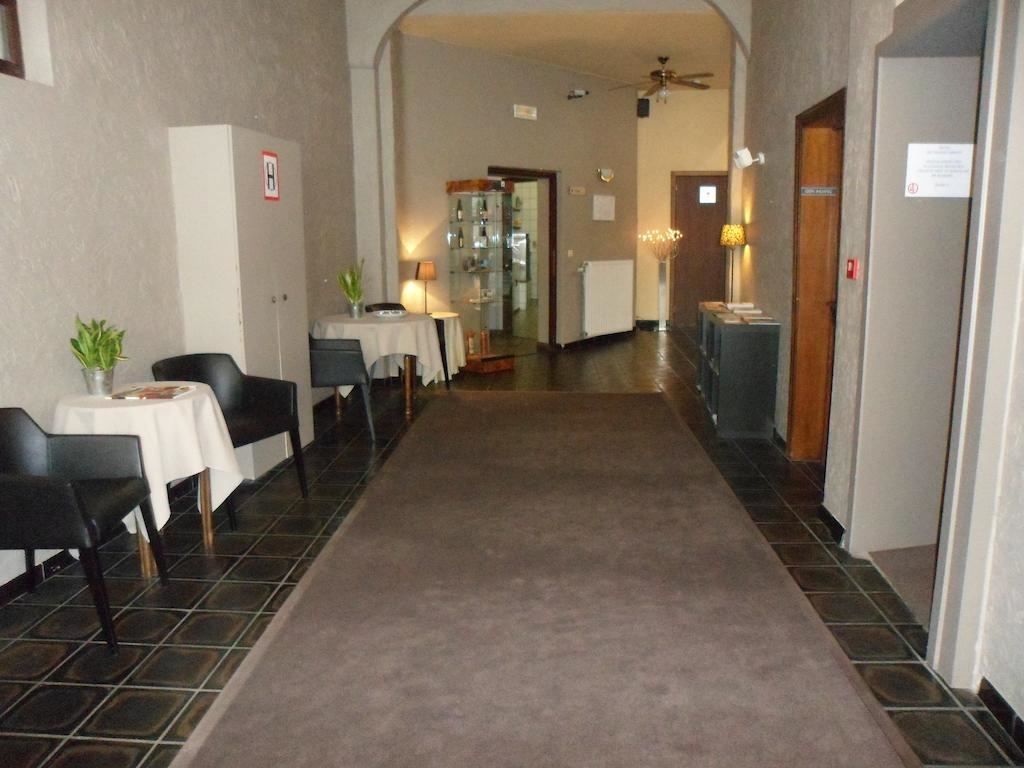
Hotel de Franse Kroon
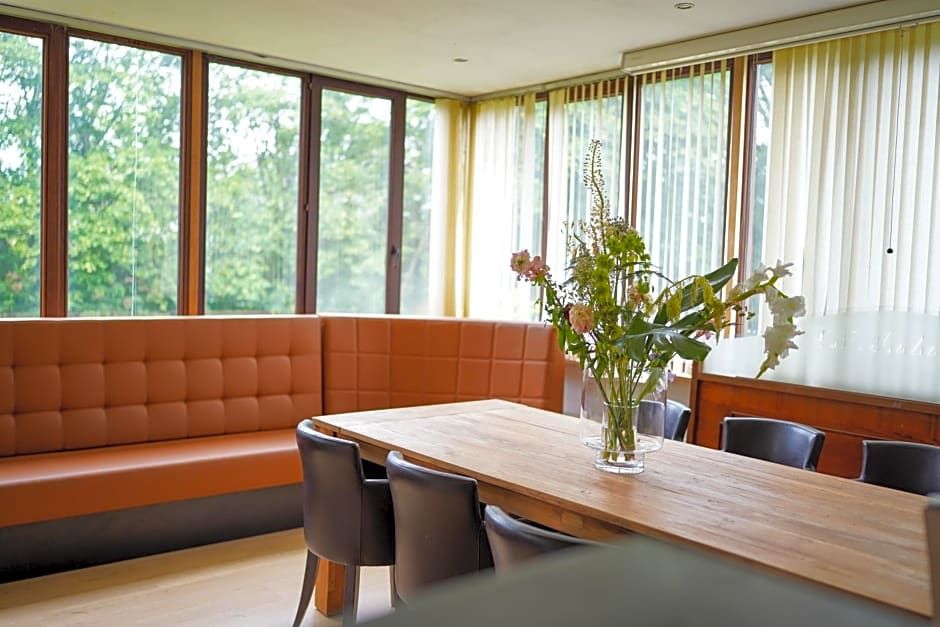
Hotel Prins Van Oranje
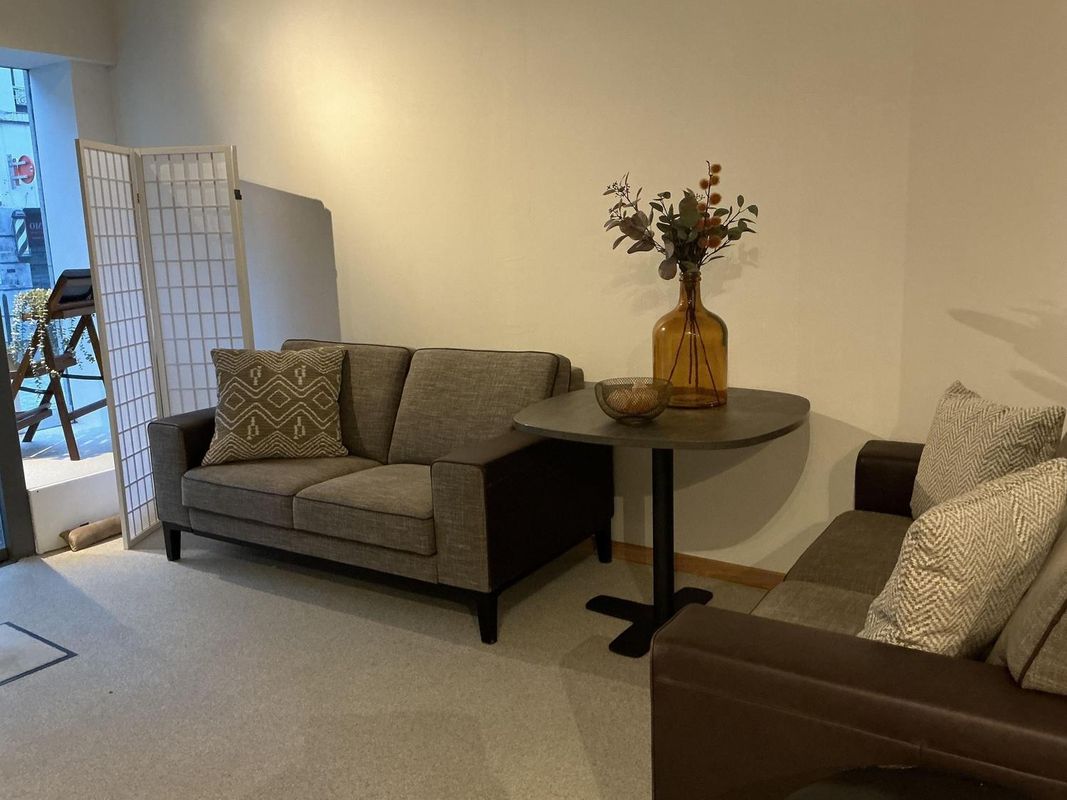
Holiday Home for 4 in Diest With Parking
Best Hotels in Diest
Discover curated hotel collections in Diest
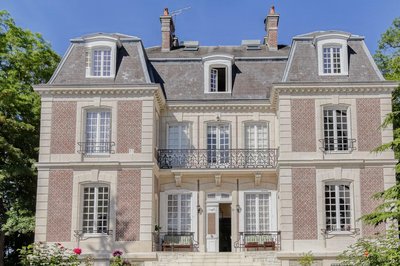
Château d'Avesnes - le Castelet
Grand Hotel Bellevue - Grand Place
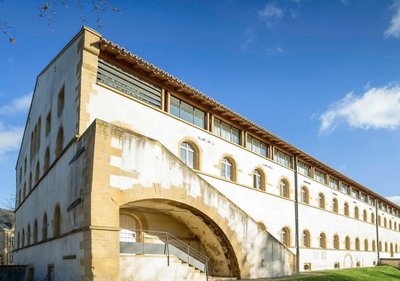
Hôtel la Citadelle Metz - MGallery Collection
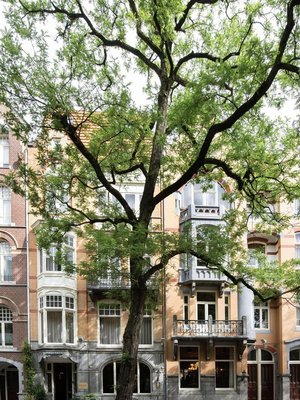
Jan Luyken Amsterdam
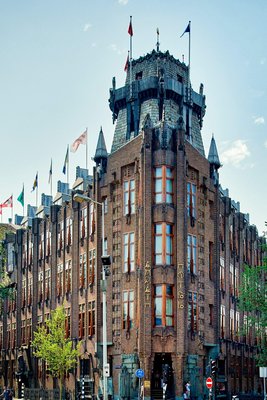
Grand Hotel Amrâth Amsterdam
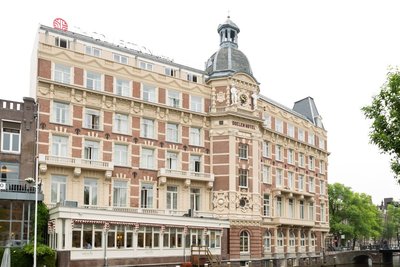
Tivoli Doelen Amsterdam Hotel
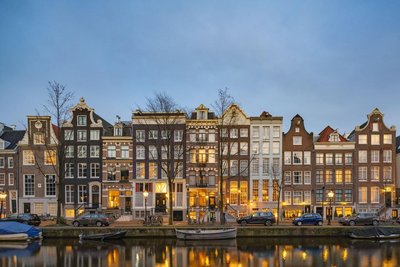
Ambassade Hotel
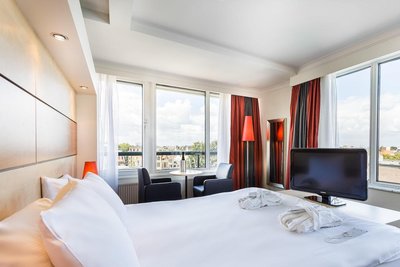
Hotel Die Port Van Cleve
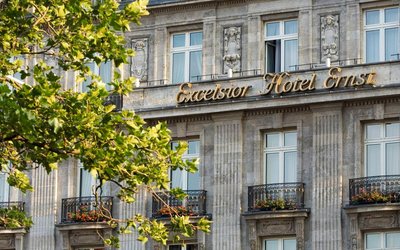
Excelsior Hotel Ernst am Dom
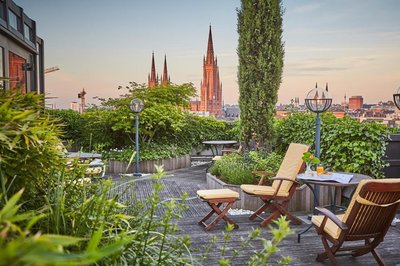
Hotel Nassauer Hof
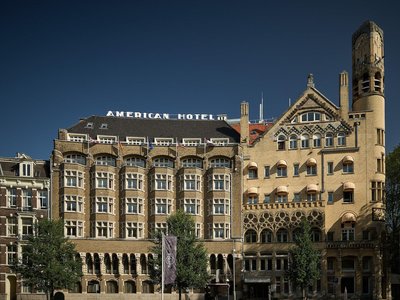
Clayton Hotel Amsterdam American
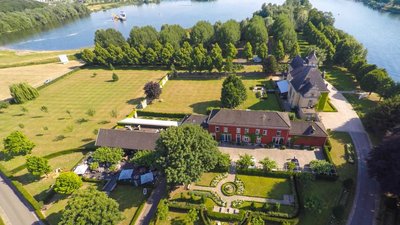
Landgoed Kasteel de Hoogenweerth
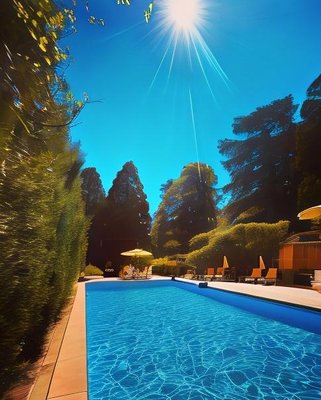
Manoir des Cavaliers - Bnb
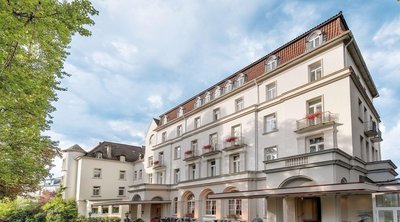
Rheinhotel Dreesen
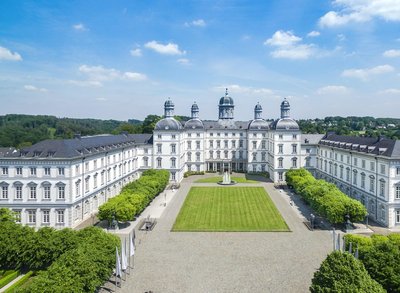
Althoff Grandhotel Schloss Bensberg
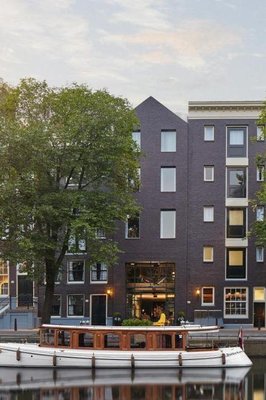
Pulitzer Amsterdam
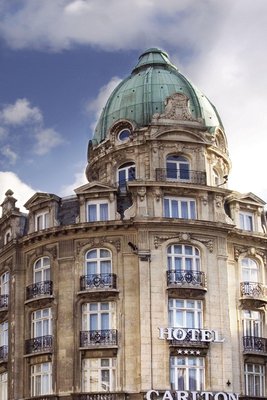
Hotel Carlton Lille
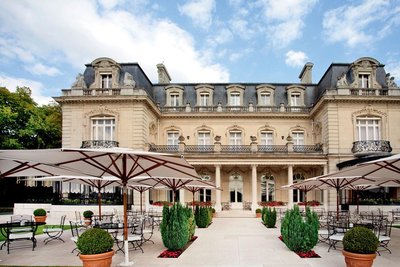
Domaine les Crayères
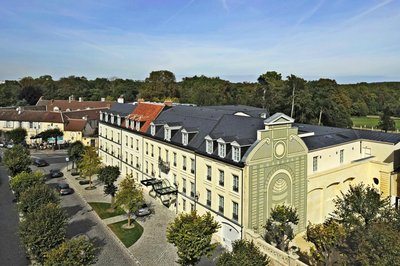
Auberge du Jeu de Paume
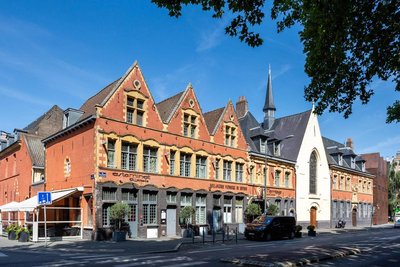
L'Hermitage Gantois, Autograph Collection
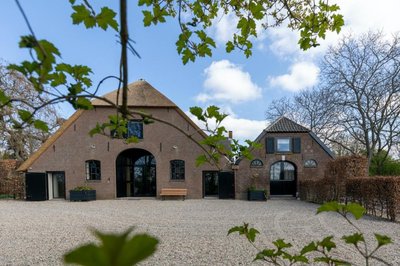
Het Rentmeestershuis
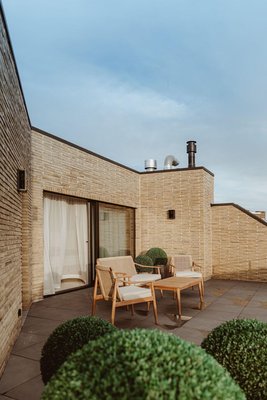
CH Longstay 2
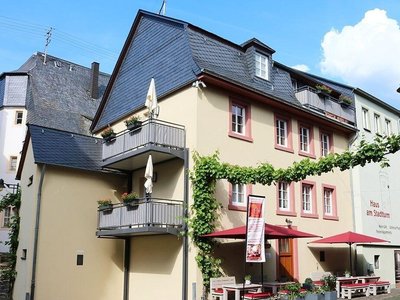
Haus am Stadtturm
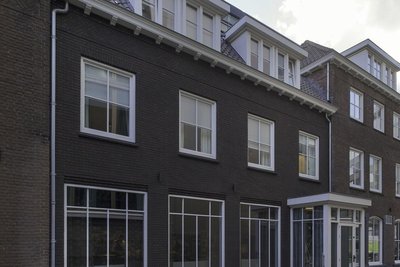
Little Grand
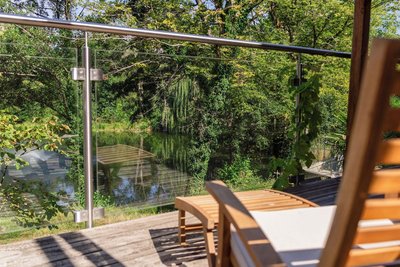
Domaine de la Résidence Hotel Spa & Restaurant
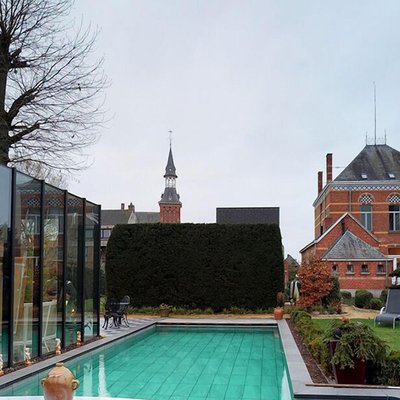
Art of Dreams Deluxe 4 Stars
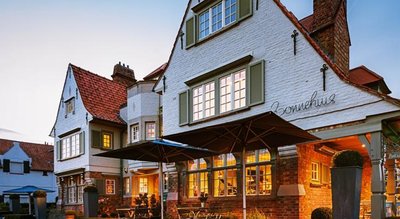
Romantik B&B Zonnehuis

Hotel Barrière Fouquet's New York

The Plaza - A Fairmont Managed Hotel

The Ritz-Carlton New York, Central Park

Four Seasons Hotel New York

The St. Regis New York

Park Hyatt New York

Mandarin Oriental New York
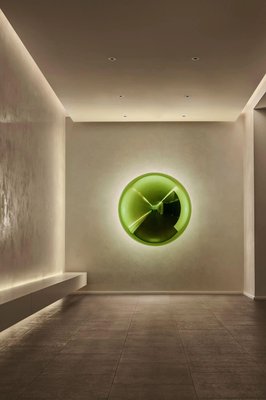
Times Square Edition New York
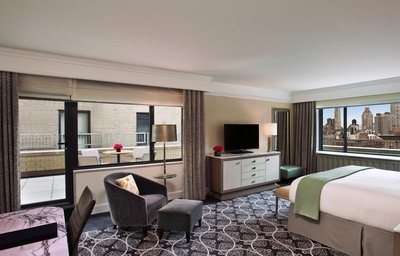
Loews Regency New York Hotel
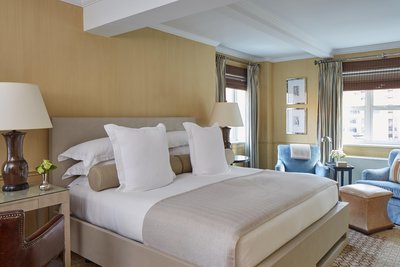
Lowell Hotel
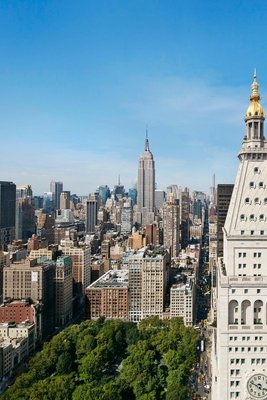
New York Edition
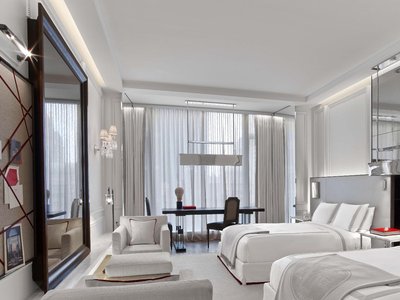
Baccarat Hotel New York
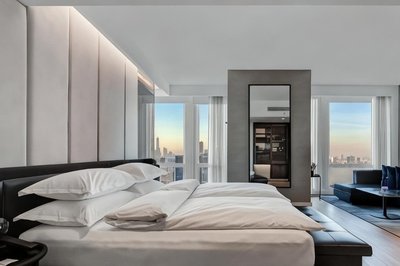
Equinox Hotel New York
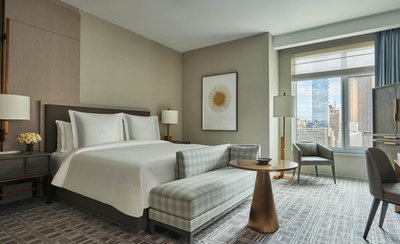
Four Seasons Hotel New York Downtown
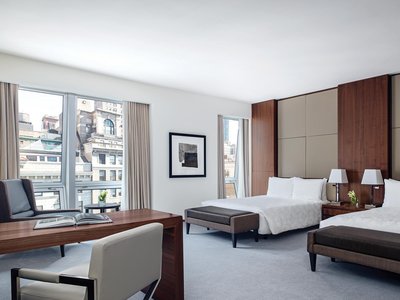
The Langham, New York, Fifth Avenue
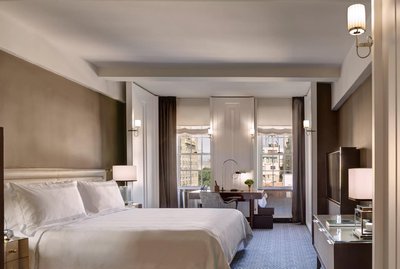
The Carlyle, A Rosewood Hotel

The Chatwal, in the Unbound Collection by Hyatt
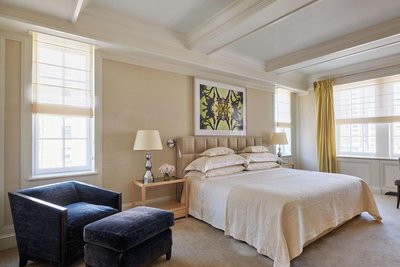
The Mark New York
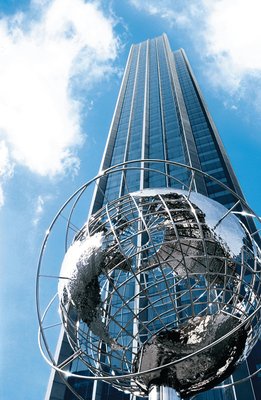
Trump International Hotel & Tower® New York
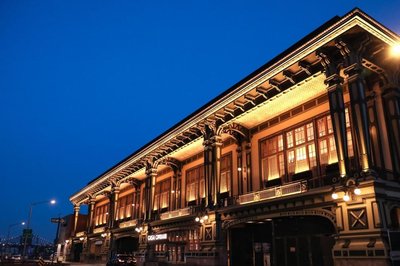
Casa Cipriani New York
Frequently Asked Questions about Traveling to Diest
Questions You Might Need to Know About Traveling to Diest
In Diest, the standout boutique option is Hotel de Vrede, a charming historic hotel blending 19th-century architecture with modern comforts. Located steps from the Onze-Lieve-Vrouwkerk and Town Hall Square, it offers elegant rooms, local breakfasts, and personalized service. Its central location makes it ideal for exploring the region’s cultural heritage and enjoying authentic Flemish hospitality.
The city center of Diest is the most convenient area for first-time visitors. It’s within walking distance of key landmarks like the Onze-Lieve-Vrouwkerk and Historical Museum. The area buzzes with cozy cafés, traditional Belgian restaurants, and lively squares. Plus, it’s well-connected to nearby cities such as Hasselt and Antwerp, making it a perfect base for day trips across Flanders.
Tourists should attend the annual Diestse Cultuurfeesten, a summer festival featuring live music, street theater, artisan markets, and traditional Flemish performances. The Diest Historical Museum also hosts rotating exhibitions on medieval life and regional art. Don’t miss the chance to taste local specialties like Stoverij (Flemish beef stew) and sample craft beers at neighborhood brew pubs.
Yes, Kinderpark Diest is a top-rated family attraction with play zones, a mini farm, and nature trails perfect for children. Interactive workshops like pottery and gardening are regularly offered. Nearby, the Diest Forest Trails provide safe, scenic paths for family hikes, where kids can spot birds and explore ancient oak trees—ideal for outdoor learning and bonding.
Travel from Brussels to Diest via NMBS trains—about 45 minutes with frequent departures. The train stops directly at Diest Station, just a 10-minute walk from the city center. Alternatively, drive along the E231 highway (~60 km), which winds through scenic countryside. Check schedules in advance for optimal timing.
The Onze-Lieve-Vrouwkerk (Church of Our Lady) is Diest’s iconic landmark, featuring Gothic architecture, stained glass from the 15th century, and a serene interior. Another highlight is the Diest Town Hall, built in the 16th century with Renaissance-style brickwork and a clock tower. Both sites offer insight into the town’s rich medieval past and architectural legacy.
Must-try dishes include Gegrilde Varkensvlees (grilled pork) served with mashed potatoes and sauerkraut, available at De Grote Tafel. Pair it with a local Belgian beer or visit Bij de Klok for handcrafted chocolates and small-batch brews. These culinary experiences reflect the hearty, flavorful essence of Flemish cuisine.
Absolutely—Diest is a cyclist’s paradise. Ride along the Diestse Heuvels route toward Hasselt, covering about 25 km through orchards, farmland, and ruins of old castles. Dedicated bike lanes ensure safety, and the rolling terrain offers both challenge and stunning views. Perfect for leisurely or active exploration of rural Flanders.
Capture the onion-domed spire of Onze-Lieve-Vrouwkerk reflected in the fountain at the main square. The flower-filled plaza around the Town Hall bursts with color in spring. For dramatic shots, visit the ruins of Diest Castle, where ivy-clad walls against a cloudy sky create a poetic, timeless scene—ideal for photography enthusiasts.
Diest has a temperate maritime climate: mild springs and autumns with average temperatures around 15–20°C, perfect for sightseeing. Summers are pleasant but can bring sudden rain—pack a light jacket. Winters are cool and damp, with temperatures below 5°C; ideal for indoor visits to museums and breweries. The best time to visit is April to October for stable weather and vibrant festivals.
Diest Overview
City Summary
Diest, located in the Flemish Brabant province of Belgium, is a historic city renowned for its medieval architecture and military heritage. Once a stronghold of the House of Nassau, Diest boasts a rich cultural legacy. The city's main attractions include its well-preserved old town, St. Sulpitius Church, and Diest Castle, which showcase its historical and artistic significance.
Must-See Attractions
Must-see attractions in Diest include the St. Sulpitius Church, a masterpiece of Gothic architecture with ornate interiors. Diest Castle is an iconic landmark, reflecting medieval military design. The Market Square is perfect for experiencing local life, surrounded by historic buildings and cafes. For military history enthusiasts, the Diest Military Museum offers extensive exhibits.
Food Guide
Diest's culinary scene is influenced by Flemish traditions. Don't miss Stoofvlees (Flemish beef stew) and Belgian fries. Street food like waffles and chocolate are also must-tries. The local beer culture is vibrant; try locally brewed beers from Diest.
Transportation Guide
Public transport in Diest primarily consists of buses, with several lines connecting major attractions. The train station offers services to cities like Brussels (about 1 hour away). Walking or biking is ideal for exploring the old town. Car rentals are available for regional travel.
Best Time to Visit
The best times to visit are spring (April-June) and autumn (September-October), when the weather is mild and crowds are smaller. Summer (July-August) is warm but busier. Winter (November-March) is colder but festive.
Travel Tips
- Safety: Diest is safe, but keep an eye on belongings.
- Etiquette: Dress modestly when entering churches.
- Language: Dutch is the main language; English is widely understood.
- Tipping: Service charge is usually included; extra tips are optional.
- Currency: Euros are used; credit cards are widely accepted.
- Festivals: Summer hosts many cultural events; check schedules in advance.
Useful Information
Language: Dutch is official; English and French are also spoken. Internet: Free Wi-Fi hotspots are available; cafes and hotels offer connections. Payment: Credit cards (Visa/MasterCard) are widely accepted; cash for small purchases. Emergency: Dial 112 for emergencies; hospitals and pharmacies are available. Voltage: 230V, with European standard two-pin plugs. Visa: Schengen visa applies; apply in advance.