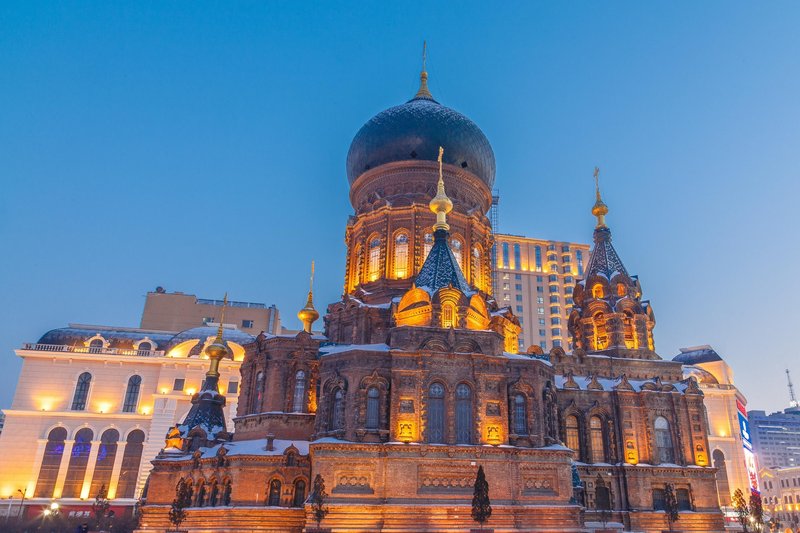
Hotels in Diksmuide
Discover your perfect stay in Diksmuide.
Diksmuide(Belgium) Travel 2026: Cheap Flights, Hotels & Top Attractions
Popular Landmarks in Diksmuide
Discover the most iconic attractions in Diksmuide
Recommended Hotels in Diksmuide
Find the perfect place to stay in Diksmuide
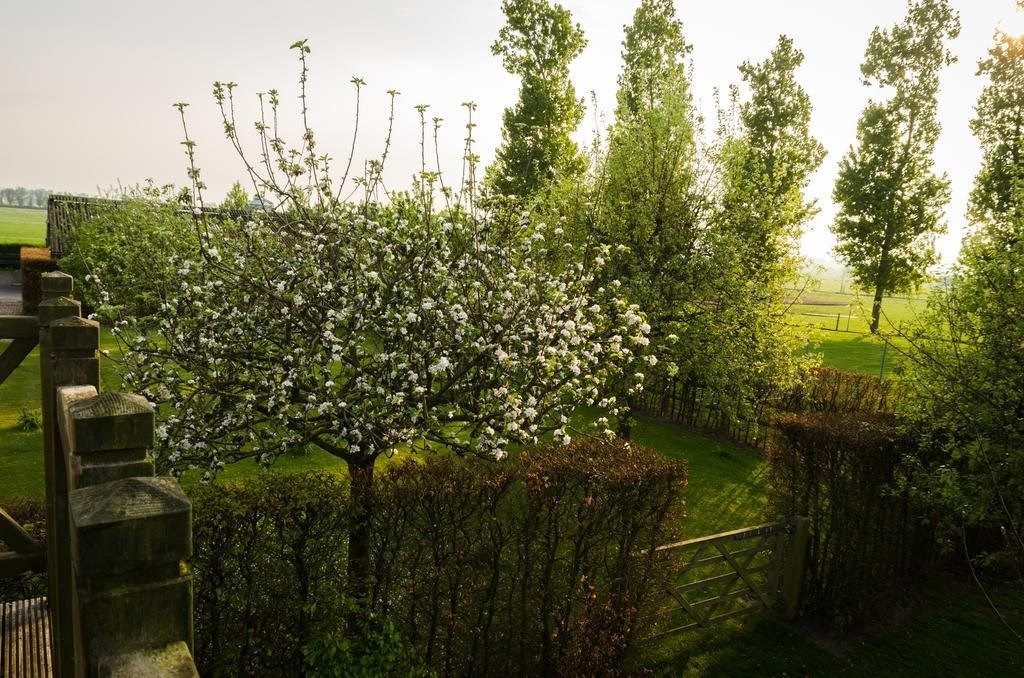
De Groote Waere
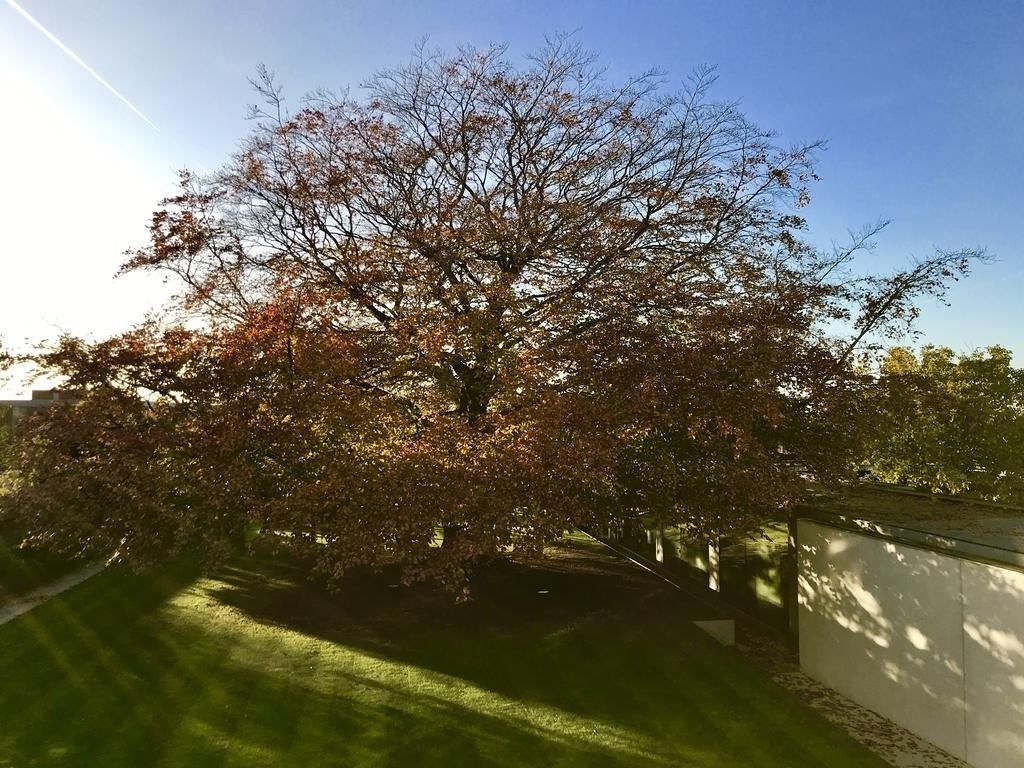
Notarishuys "Pure Hotel"
Best Hotels in Diksmuide
Discover curated hotel collections in Diksmuide
Le Royal Monceau - Raffles Paris
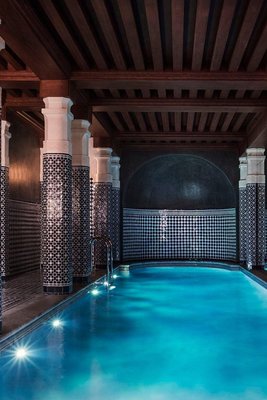
Maison Proust, Hotel & Spa la Mer
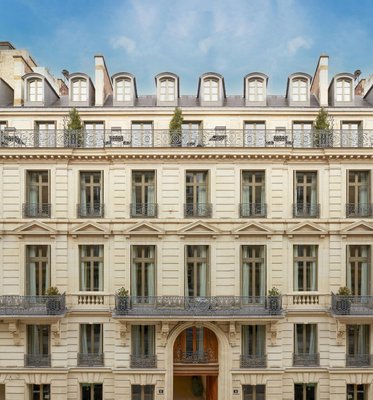
Maison Delano Paris
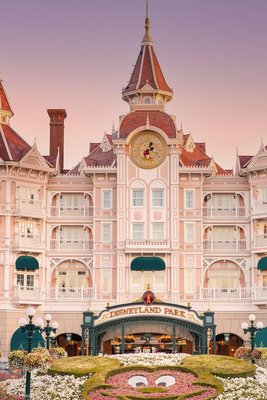
Disneyland Hotel
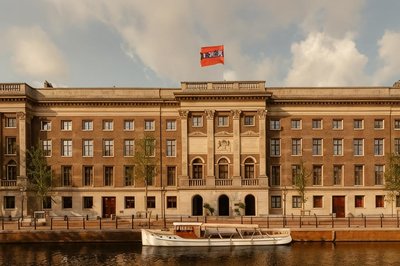
Rosewood Amsterdam
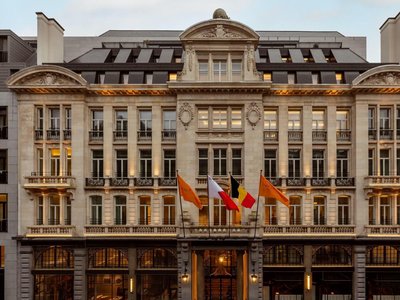
Corinthia Grand Hotel Astoria Brussels
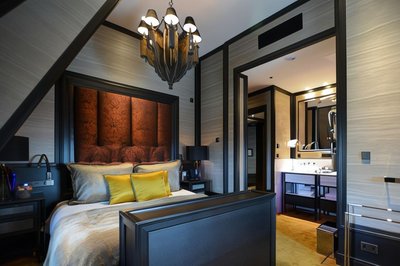
Hotel TwentySeven - Small Luxury Hotels of the World
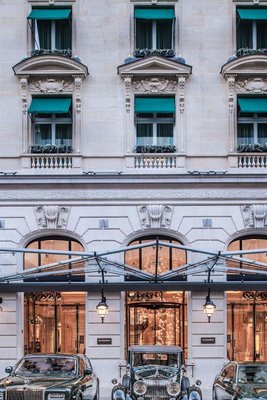
The Peninsula Paris
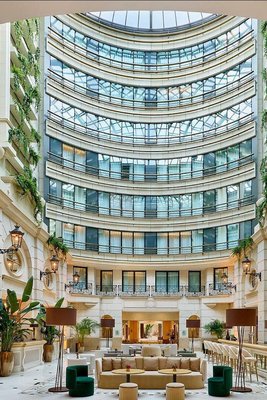
Paris Marriott Champs Elysees Hotel
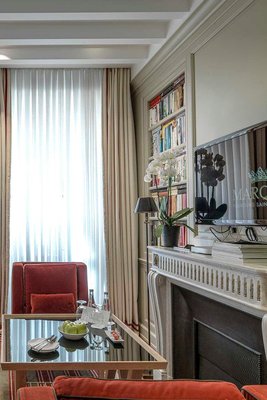
Hôtel Marquis Faubourg Saint-Honoré
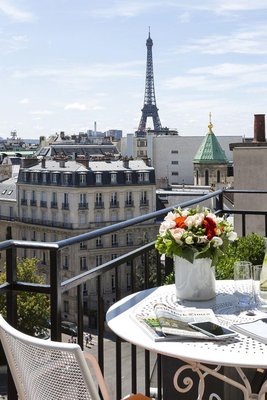
Hôtel San Régis
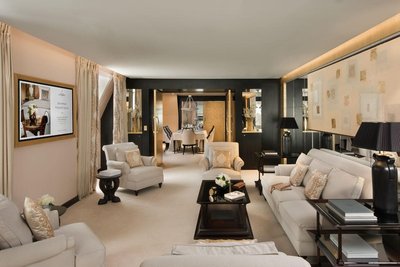
Hotel Barrière Fouquet's Paris
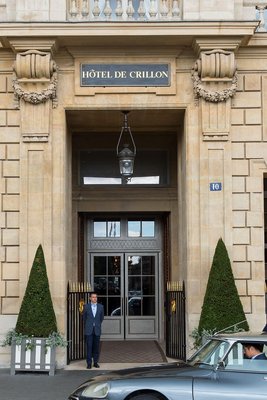
Hotel de Crillon A Rosewood Hotel
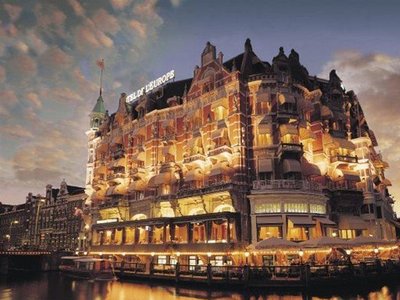
De L’Europe Amsterdam – the Leading Hotels of the World
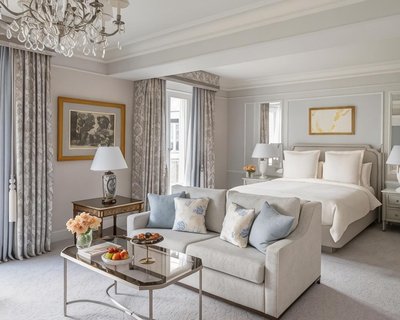
Four Seasons Hotel George V Paris
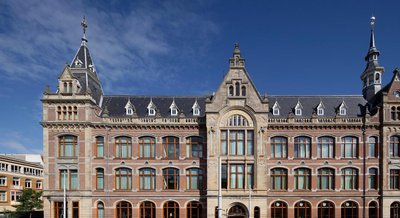
Conservatorium Hotel (Operated by Mandarin Oriental)
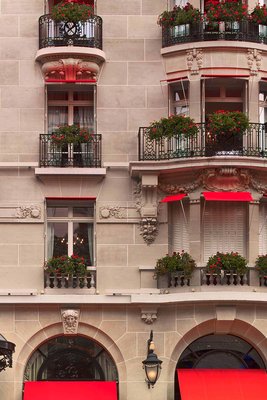
Plaza Athénée Paris & Dior Spa
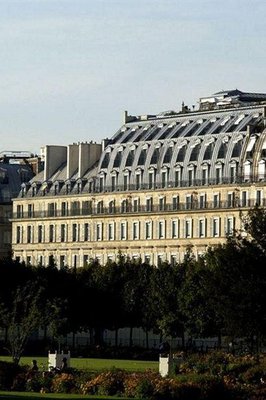
Le Meurice
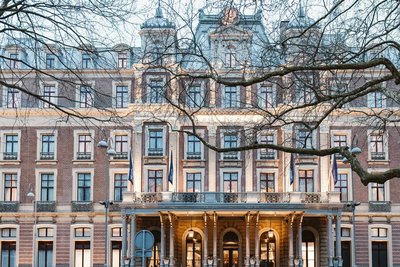
InterContinental Amstel Amsterdam
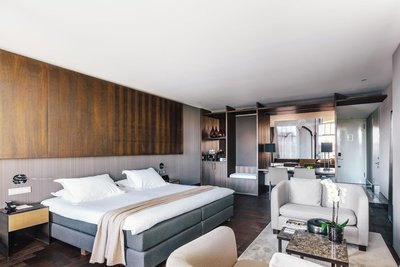
The Dylan Amsterdam
Maison Proust, Hotel & Spa la Mer
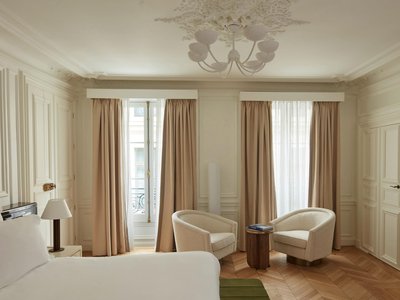
Maison Delano Paris
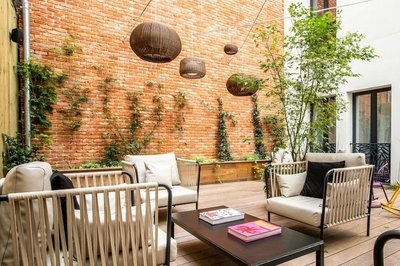
Laz' Hotel Spa Urbain Paris
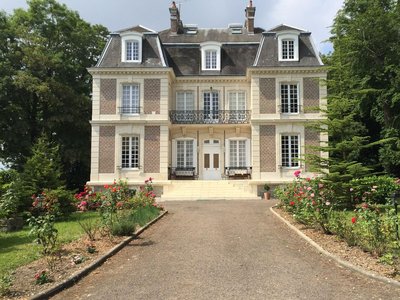
Château d'Avesnes - le Castelet
The Peninsula Paris
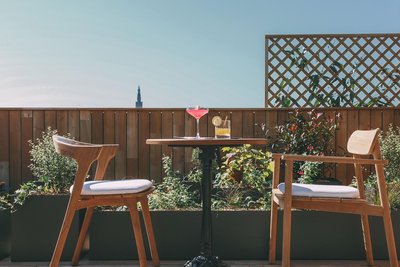
Grand Hotel Bellevue - Grand Place
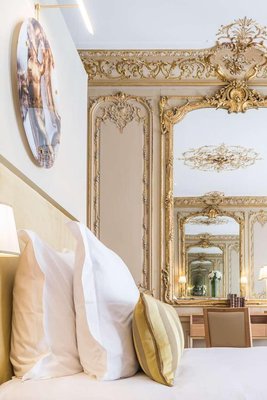
Hôtel Alfred Sommier
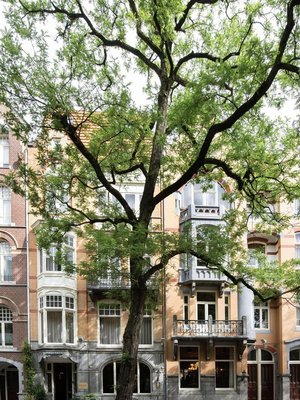
Jan Luyken Amsterdam
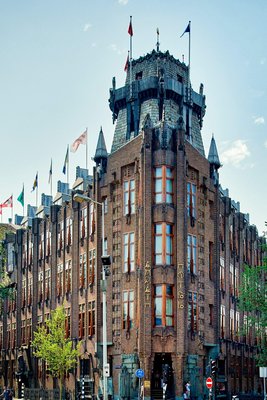
Grand Hotel Amrâth Amsterdam
Hotel de Crillon A Rosewood Hotel
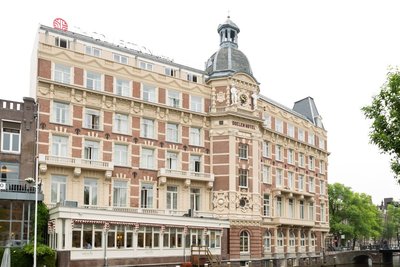
Tivoli Doelen Amsterdam Hotel
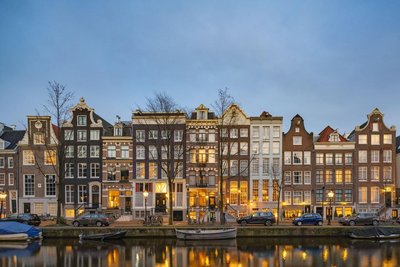
Ambassade Hotel
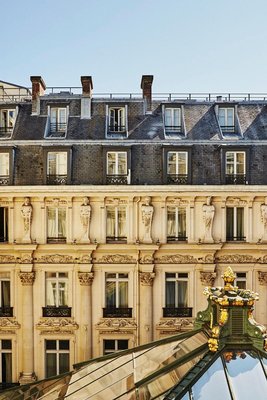
InterContinental Paris le Grand
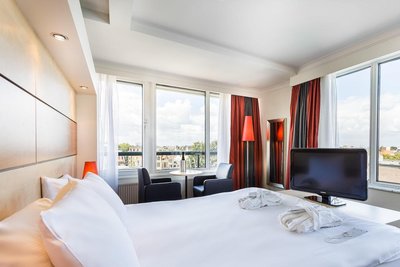
Hotel Die Port Van Cleve
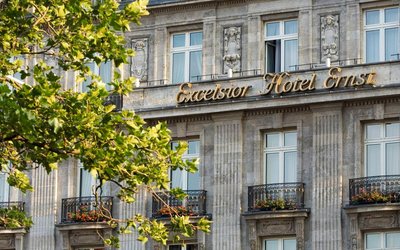
Excelsior Hotel Ernst am Dom
Four Seasons Hotel George V Paris
Plaza Athénée Paris & Dior Spa
Le Meurice
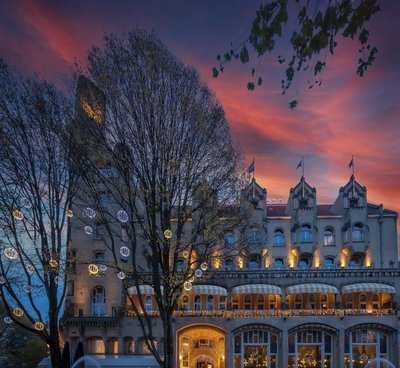
Clayton Hotel Amsterdam American
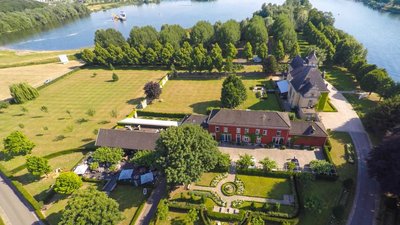
Landgoed Kasteel de Hoogenweerth
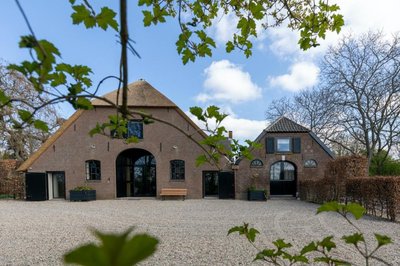
Het Rentmeestershuis
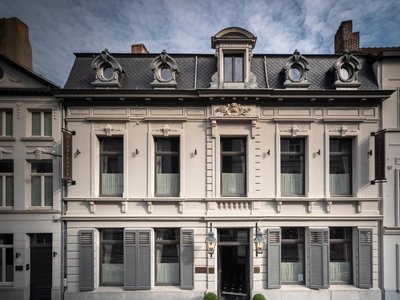
CH Longstay 2
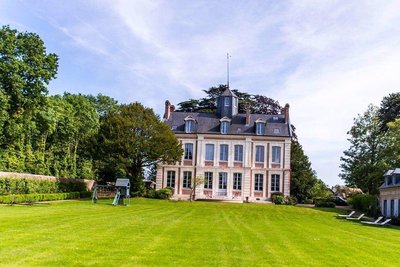
Le Clos de Grâce
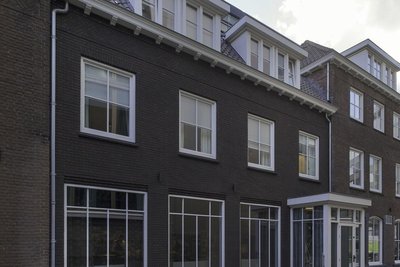
Little Grand
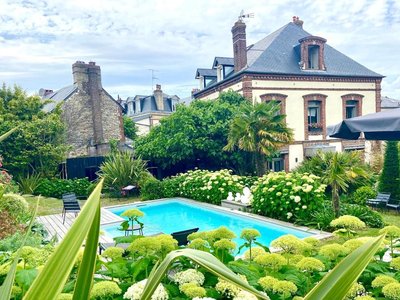
Villa du Cedre Honfleur
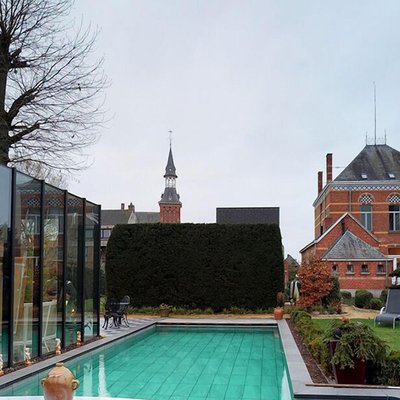
Art of Dreams Deluxe 4 Stars
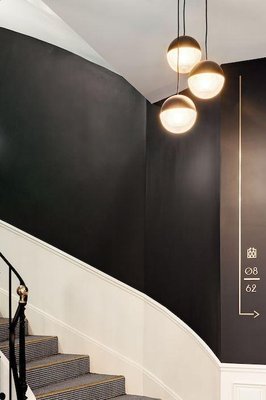
My Maison in Paris Invalides
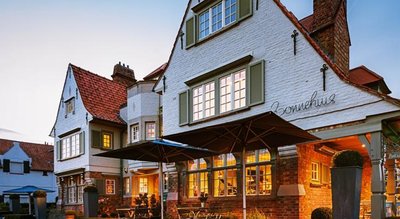
Romantik B&B Zonnehuis
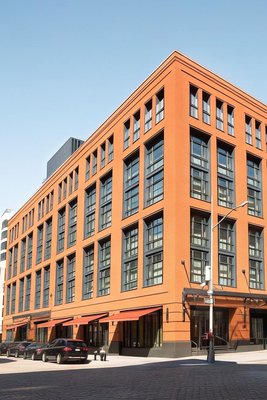
Hotel Barrière Fouquet's New York
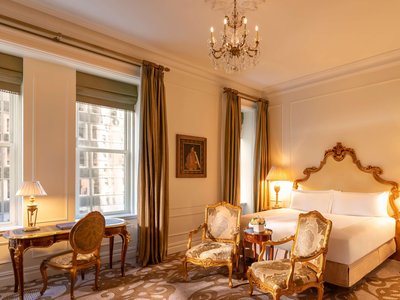
The Plaza - A Fairmont Managed Hotel
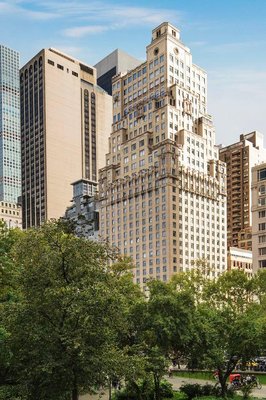
The Ritz-Carlton New York, Central Park
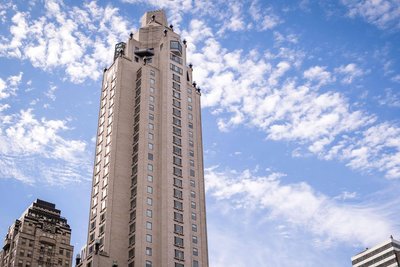
Four Seasons Hotel New York
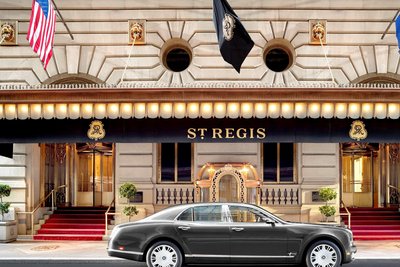
The St. Regis New York
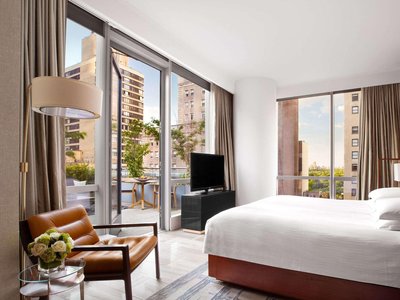
Park Hyatt New York
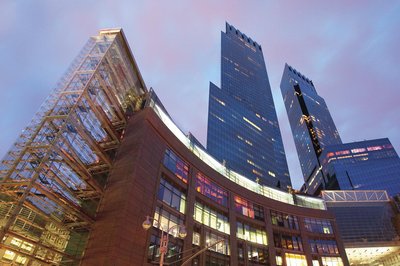
Mandarin Oriental New York
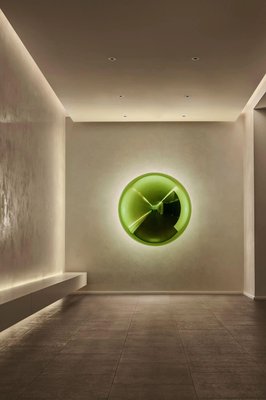
Times Square Edition New York
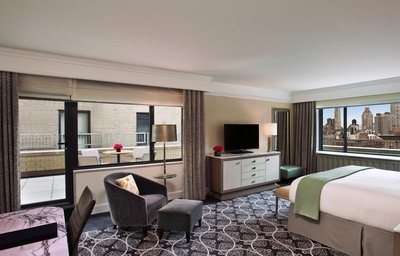
Loews Regency New York Hotel
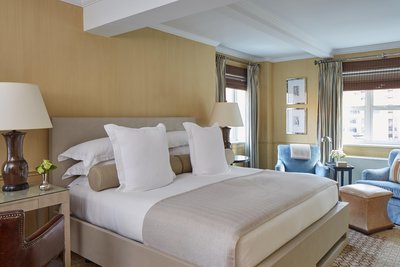
Lowell Hotel
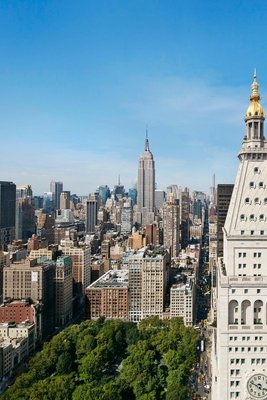
New York Edition
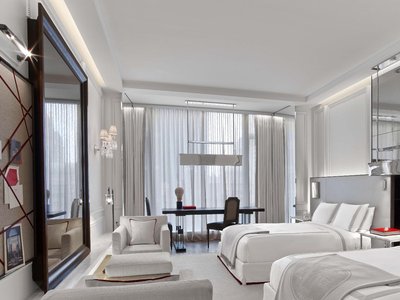
Baccarat Hotel New York
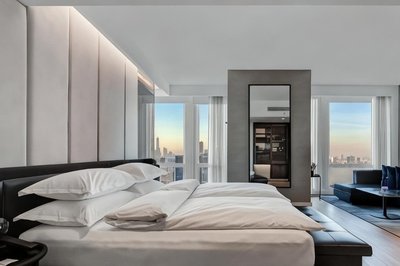
Equinox Hotel New York

Four Seasons Hotel New York Downtown
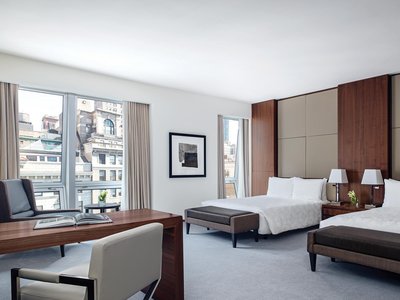
The Langham, New York, Fifth Avenue
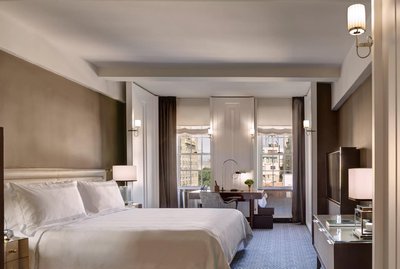
The Carlyle, A Rosewood Hotel

The Chatwal, in the Unbound Collection by Hyatt
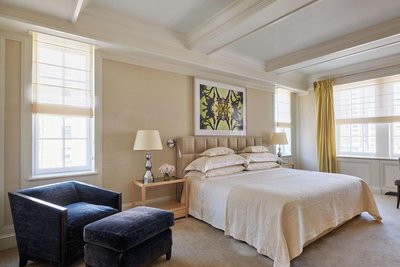
The Mark New York

Trump International Hotel & Tower® New York
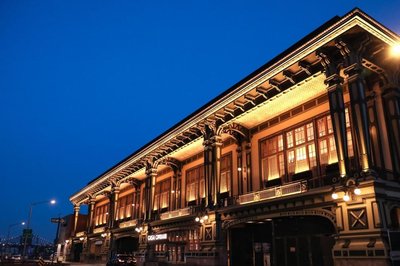
Casa Cipriani New York
Frequently Asked Questions about Traveling to Diksmuide
Questions You Might Need to Know About Traveling to Diksmuide
In Dixmude, the standout choice is Hôtel de la Croix d'Or, a charming boutique hotel housed in a 19th-century building with original timber beams and a cozy fireplace. Located just steps from the First World War Memorial Square, it offers quiet, historic ambiance with modern comforts. Some rooms feature views of the tranquil canal, perfect for a peaceful stay. The hotel serves authentic West Flanders breakfasts, including local specialties like Carbonnade Flamande—a rich beef stew with red wine and caramelized onions. Guests also appreciate its proximity to the War Museum and Notre-Dame Church, making it ideal for cultural travelers seeking authenticity.
The city center of Dixmude is the most convenient and scenic area for lodging, offering easy access to key landmarks such as the First World War Memorial Square and the War Museum. The pedestrian-friendly streets, cobbled pathways, and historic architecture create a serene atmosphere. Staying near Notre-Dame Church allows guests to enjoy morning church bells and evening light reflections on old stone walls. Public transport links are strong: trains from Brussels or Ypres arrive at Dixmude Station in about 30 minutes, making it an excellent base for exploring both history and countryside. Local cafés and bakeries add charm to daily routines.
One of the most moving experiences in Dixmude is visiting the Memorial de Dixmude, a poignant museum dedicated to the heroic defense of the town during World War I in 1914. Exhibits include personal letters, military artifacts, and immersive displays that bring the war’s emotional weight to life. An annual commemoration ceremony held each August draws locals and international visitors, creating a deeply respectful atmosphere. Additionally, the Notre-Dame Church's stained-glass windows are masterpieces of early 20th-century artistry, perfect for photography. These sites offer a profound connection to Belgium’s wartime heritage and collective memory.
When in Dixmude, be sure to sample Carbonnade Flamande, a traditional West Flemish beef stew simmered in red wine with caramelized onions, served with creamy mashed potatoes. It’s a staple at local restaurants and often paired with a glass of Belgian beer. Another must-try is Belgian fries (frites), freshly cut and fried on-site, usually enjoyed with homemade mayonnaise or mustard sauce. Don’t miss trying regional brews like Duvel or Chimay, which are widely available in cozy taverns. These culinary delights reflect the heart of Flemish cuisine—rich, hearty, and deeply rooted in tradition. Enjoy them at family-run eateries for the most authentic experience.
Yes, Dixmude is highly suitable for families with children, especially those interested in history and nature. The town is small, safe, and walkable, with the First World War Memorial Square featuring child-friendly audio guides and interactive panels explaining WWI history in an accessible way. Nearby green trails offer scenic paths for biking or strolling through farmland and riverside woods—ideal for outdoor exploration. Many hotels provide family rooms and some even have small play areas. Seasonal events like summer concerts and craft markets add fun for kids. With low tourist density outside peak times, it’s a peaceful retreat for quality family time.
The best time to visit Dixmude is during spring (April–June) and autumn (September–October). Temperatures range between 12–20°C with mild rainfall, ideal for walking and sightseeing. Spring brings blooming flowers around Notre-Dame Church, while autumn offers stunning foliage along the canals. Winter is cold and damp, though festive Christmas markets add charm. Summer (July–August) sees more visitors, but weekdays remain peaceful. For photography enthusiasts, early mornings and golden hours provide soft lighting and fewer crowds, enhancing the town’s historic beauty. Plan ahead to enjoy the full seasonal rhythm of this quiet West Flanders gem.
The most photogenic spots in Dixmude include the First World War Memorial Square, where a bronze statue stands beneath the Gothic silhouette of Notre-Dame Church; the stained-glass windows of the church, glowing with vibrant colors when lit by sunlight; and the canal-side streets lined with white-walled houses and red-tiled roofs, perfectly mirrored in still waters. The war memorial’s sculpted façade offers intricate details perfect for close-up shots. For panoramic views, head to the village outskirts near the greenways. Visit during dawn or dusk for soft natural light and minimal crowds—ideal for capturing the timeless elegance of this preserved wartime town.
The easiest way to travel from Brussels to Dixmude is by taking a NMBS/SNCB regional train from Brussels South (Brussel-Zuid) or Brussels Central (Brussel Centraal). Trains run frequently, with a journey time of about 30 minutes to Dixmude Station. Tickets cost €10–15 and are valid with an Eurail Pass or Belgian Rail Pass. From the station, it’s a 10-minute walk to the city center. Alternatively, drive via the E17 highway, taking approximately 1 hour. Along the route, consider stopping in Ypres to explore its world-renowned WWI battlefields. Both options offer scenic views and flexibility for day trips.
Dixmude offers a quiet, reflective nightlife centered around intimacy and tradition. There are only a few local pubs and cafés, such as Le Bistro du Mémorial, which serve regional beers like Duvel and Chimay, alongside hearty meals. Evening entertainment often includes live folk music or poetry readings at small venues. The town’s dim lighting and rural setting make it perfect for stargazing and peaceful walks after dark. While not a party destination, its calm ambiance appeals to travelers seeking solitude and historical reflection. Check event calendars for occasional commemorative gatherings or craft fairs that enhance the cultural rhythm. It’s a place to unwind, not revel.
Many hotels in Dixmude, including Hôtel de la Croix d'Or, now provide basic accessibility features such as ramps, wider doorways, and accessible bathrooms. Some rooms include grab bars and non-slip flooring for safety. However, due to the town’s size and historic buildings, upgrades are gradual. It’s recommended to contact hotels directly before HopeGoo to confirm specific needs. Facilities at major sites like the War Museum and Notre-Dame Church are also partially accessible. Travelers with mobility challenges should plan routes carefully and prioritize centrally located accommodations near the train station for easier access. Overall, Dixmude remains welcoming with thoughtful planning.
Diksmuide Overview
City Summary
Diksmuide, located in West Flanders, Belgium, is a small town rich in history. It is renowned as a World War I memorial site, particularly for its connection to the Battle of Yser. The town also attracts visitors with its traditional Flemish architecture and tranquil countryside, making it an ideal destination to explore Belgium's wartime history and culture.
Must-See Attractions
The Yser Tower in Diksmuide is a must-visit, housing extensive wartime artifacts and archives. The St. Nicholas Church stands out for its Gothic architecture. Additionally, the Flemish countryside and canal views are perfect for leisurely walks, blending the town's serenity with its historical significance.
Food Guide
Diksmuide's cuisine reflects Flemish traditions. Try Stoofvlees (Flemish beef stew) and Frites with Mayo. Local craft beers, especially themed ones like "Peace Beer," are highly recommended.
Transportation Guide
Buses are the primary public transport, linking to cities like Bruges or Ghent. Biking is eco-friendly for exploring rural areas. Drivers can access the town via the E40 highway. The town center is walkable, but some war sites require short bus or taxi rides.
Best Time to Visit
Spring and autumn (April-June, September-October) offer mild weather and fewer crowds. Summer (July-August) has memorial events but higher tourist density. Winter is cold with limited site hours.
Travel Tips
- Respect memorials: Maintain solemnity at war sites like the Yser Tower.
- Cash & cards: Small vendors may only accept cash; carry euros.
- Language: Dutch is official, but English works in tourist areas.
- Attire: Wear sturdy shoes for countryside walks; pack rain gear.
- Bike safety: Check route markers; some rural paths are narrow.
- Events: Verify WWII memorial dates to avoid traffic disruptions.
Useful Information
Language: Dutch is official; English is moderately spoken. Internet: Free Wi-Fi in the center; weaker signals in rural areas. Payment: Cards accepted at hotels/restaurants; cash-only at markets. Emergency: Dial 112; medical centers are downtown. Voltage: 230V, Type E/F plugs. Travel insurance is advised for rural activities.