Hotels in Doerentrup
Discover your perfect stay in Doerentrup.
Doerentrup(Germany) Travel 2026: Cheap Flights, Hotels & Top Attractions
Popular Landmarks in Doerentrup
Discover the most iconic attractions in Doerentrup
Recommended Hotels in Doerentrup
Find the perfect place to stay in Doerentrup
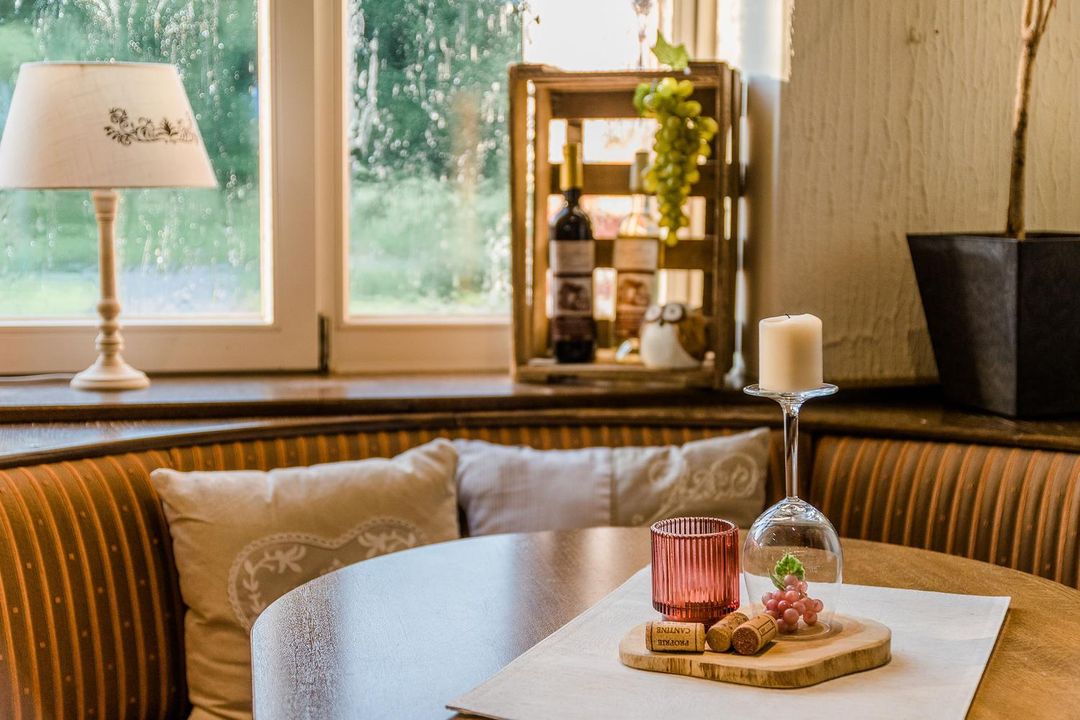
Landhaus Begatal
Frequently Asked Questions about Traveling to Doerentrup
Questions You Might Need to Know About Traveling to Doerentrup
In Drenthe, the standout choice is Hotel am See, a lakeside boutique hotel blending traditional Westphalian architecture with modern comfort. Its panoramic windows offer sweeping views of Drenter See, while the on-site bicycle rental allows easy access to the Westphalian Forest trails. The restaurant features locally sourced ingredients, including house-made rye bread and artisanal cheeses, paired with regional craft beer—a true taste of authentic German countryside life.
The historic town center of Drenthe is ideal for lodging, offering walkable access to landmarks like St. Mary's Church and Town Hall Square. This quiet, well-connected district hosts family-run guesthouses and cozy boutique hotels. Enjoy a morning German coffee at the square, then stroll through cobblestone streets, soaking in the authentic North Rhine-Westphalia atmosphere. It’s also close to Drenter See, perfect for travelers seeking serene lake views and nature immersion.
Don’t miss the annual Agrarfest (Agricultural Festival) in summer, where locals wear 19th-century Westphalian costumes, showcasing traditional pottery, weaving, and ancient grain mills. Participate in a handmade bread workshop using local rye flour, or visit the folklore museum, which houses over 200 historical farming tools and heirloom artifacts—key insights into the region’s rural heritage.
Absolutely. Drenthe offers excellent family attractions, such as the Drenter Lake Children’s Nature Park, featuring wildlife observation points, insect mazes, and picnic areas. The town also runs a heritage train tour through forests and farmland, teaching kids about local ecology. Many hotels provide family rooms and free cribs. Weekly events like treasure hunts and folk story circles at Town Hall Square engage children and adults alike in interactive cultural fun.
Drenthe’s cuisine centers on organic regional ingredients. Must-try dishes include Drenter Rindfleischstew, slow-cooked beef with wild mushrooms and carrots, rich in flavor. Another highlight is Black Rye Pudding, a dense dessert served with homemade raspberry sauce. Street food favorites include grilled potatoes with sausage, freshly prepared daily by local farmers. All restaurants emphasize farm-to-table sourcing, supporting sustainable, community-based dining.
Surrounded by the Westphalian Forest, Drenthe boasts lush natural landscapes. At its heart lies Drenter See, a pristine lake perfect for boating and fishing. Scenic birdwatching platforms and hiking trails wind through the forest, home to foxes, squirrels, and migratory birds. Autumn brings stunning foliage, ideal for photography. Winter offers snowshoeing and bonfire gatherings. The entire area is designated a Nature Reserve in North Rhine-Westphalia, with clean air and tranquil beauty—ideal for urban escape seekers.
Drenthe is highly accessible. Located in central North Rhine-Westphalia, it’s just 35 km from Münster, reachable via Regionalbahn trains in under 30 minutes. While no subway exists, multiple bus lines connect major sights and hotels. Visitors can use free parking lots around Drenter See. Additionally, the town center has bike-sharing stations, making it easy to explore forest paths or lakeside trails in under 10 minutes—eco-friendly and convenient.
Spring (April–June) and autumn (September–October) are optimal. Temperatures range from 15–22°C, ideal for hiking and photography. Spring brings blooming wildflowers; autumn showcases vibrant foliage. Summer can be warm with occasional rain; winter is cold and foggy, with some outdoor facilities closed. Avoid July–August crowds. Don’t miss the Autumn Agrarfest and Spring Cherry Blossom Festival for peak cultural charm.
Capture magic at the Drenter See sunset promenade, where the lake mirrors golden skies beneath an old wooden bridge and windmill sculpture. The Gothic spire and stained-glass windows of St. Mary’s Church create dramatic visuals, especially at dawn. The old mill ruins surrounded by green fields offer timeless rustic backdrops. Also photograph the fountain statue at Town Hall Square, inspired by local legends. Bring a wide-angle lens for expansive, atmospheric shots.
Drenthe shines in artisan crafts and organic goods. The weekly Handwerkermarkt (Craft Market) features local potters, woodcarvers, and weavers selling handmade ceramic jars, wool scarves, and natural candles. Local supermarkets stock Drenter honey, wild blueberry jam, and rye cookies. Some hotels carry exclusive Westphalian pattern silk scarves—perfect souvenirs. Every item emphasizes sustainability and regional authenticity, reflecting deep cultural roots.
Doerentrup Overview
City Summary
Drenthrup is a tranquil town in North Rhine-Westphalia, Germany, known for its pastoral landscapes and historic architecture. With vast forests and lakes, it is an ideal getaway from urban hustle. The town boasts a rich cultural heritage, with friendly locals preserving traditional German rural lifestyles.
Must-See Attractions
Key attractions in Drenthrup include St. Peter's Church, a historic Gothic-style church. Drenthrup Lake is a popular spot for boating and picnics. The old town area features traditional German buildings, offering a glimpse into its historical charm.
Food Guide
In Drenthrup, visitors can savor authentic German rural cuisine. Must-tries include German sausages and rye bread, staples in local diets. Pair them with German beer and sauerkraut stew at cozy taverns.
Transportation Guide
Public transport in Drenthrup is limited, primarily relying on buses. Renting a bike or car is recommended for exploring surrounding nature. Walking is also convenient due to the compact town layout.
Best Time to Visit
The best time to visit is spring and summer, with mild weather perfect for outdoor activities. Autumn is equally charming with colorful foliage. Winters are cold but festive.
Travel Tips
- Respect local customs: Seek permission before photographing residents.
- Eco-friendly travel: Reusable bags are encouraged.
- Language: English works in tourist areas, but basic German greetings are appreciated.
- Safety: Watch for poorly lit paths at night.
- Dining: Free water isn't typically provided; order drinks or bring your own.
- Cash payments: Small shops may not accept cards; carry sufficient cash.
Useful Information
Language: German is primary, but English is understood in tourist spots. Internet: Free Wi-Fi hotspots exist but are limited; consider a local SIM. Payments: Cards work in larger establishments; cash is preferred in small businesses. Emergency: A small clinic is available; major hospitals are in nearby cities. Voltage: 220V, with standard European two-pin round plugs.