Hotels in Doi Lo
Discover your perfect stay in Doi Lo.
Doi Lo(Thailand) Travel 2026: Cheap Flights, Hotels & Top Attractions
Popular Landmarks in Doi Lo
Discover the most iconic attractions in Doi Lo
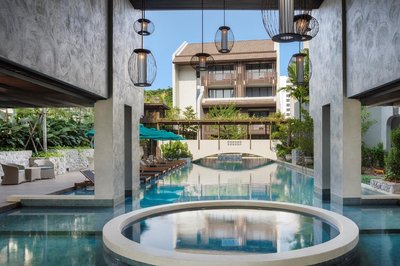
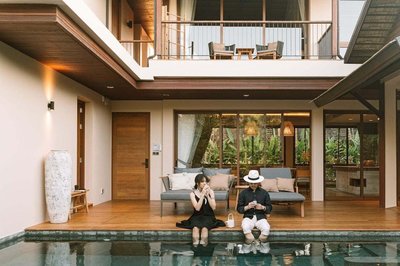
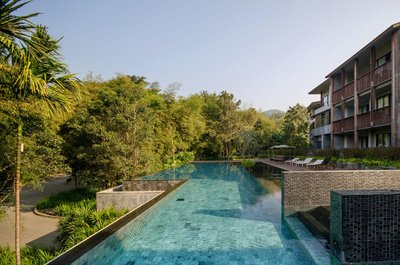
Recommended Hotels in Doi Lo
Find the perfect place to stay in Doi Lo
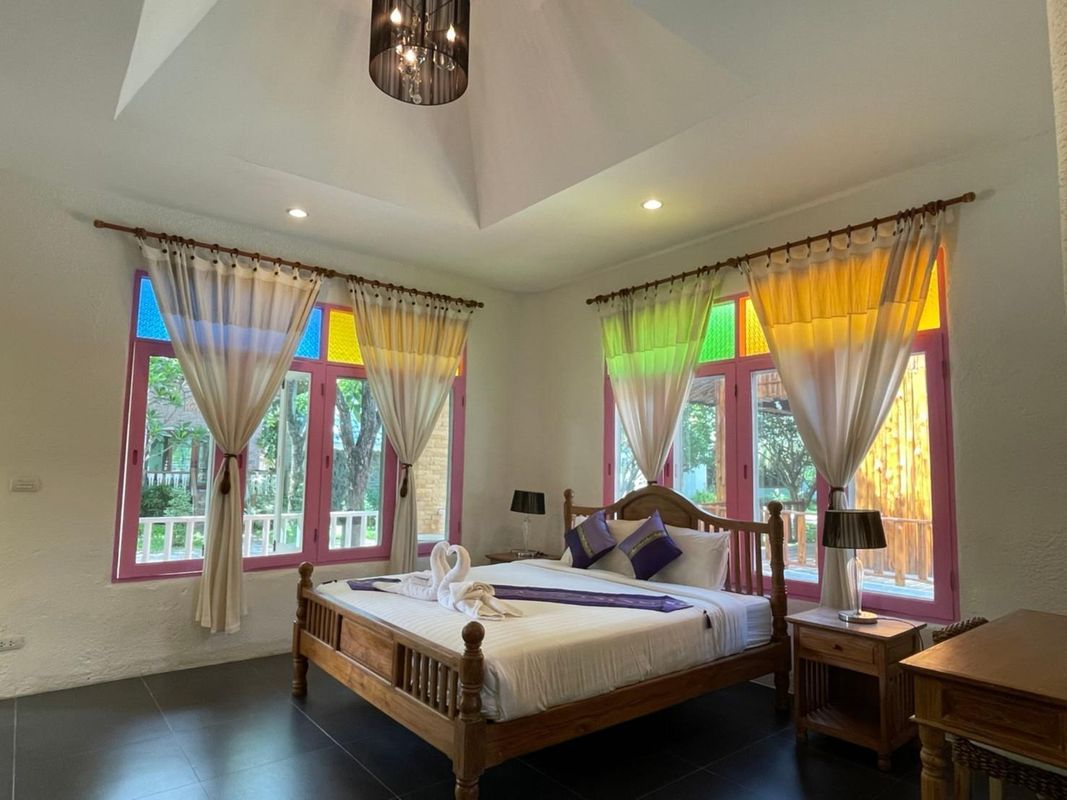
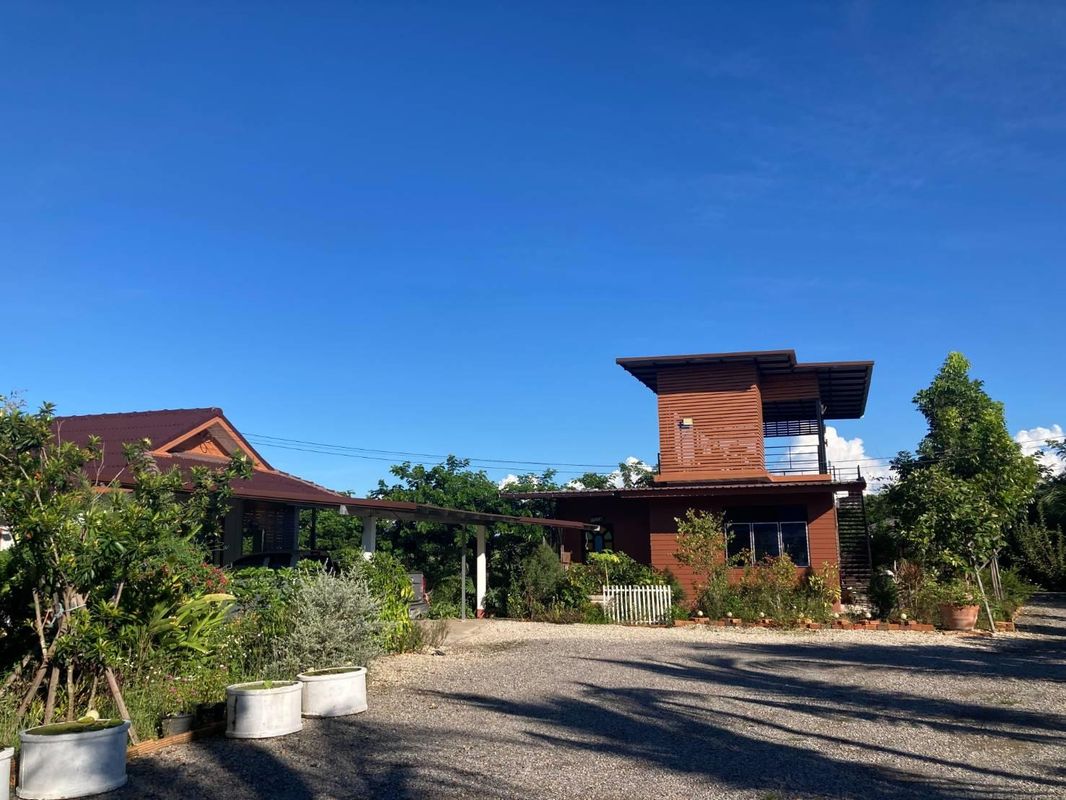
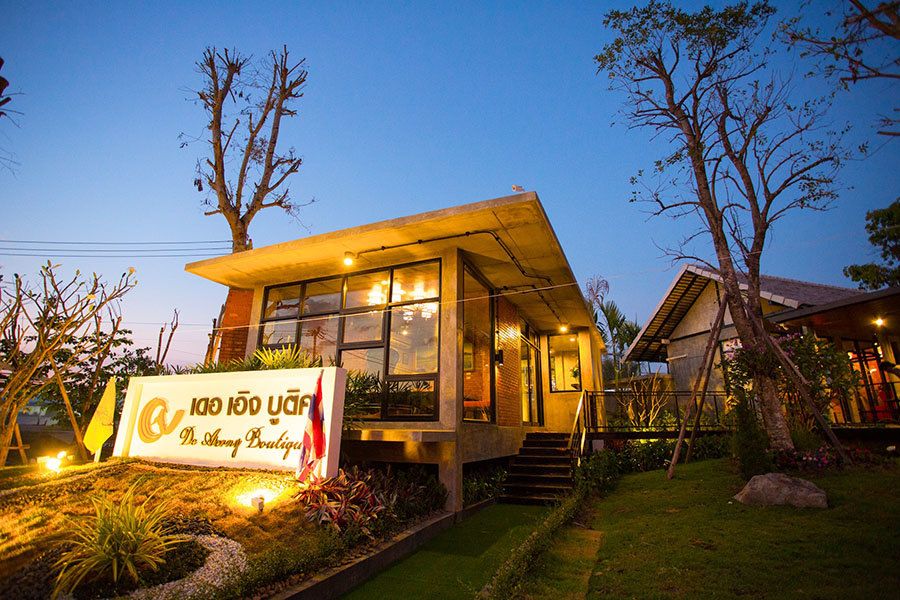
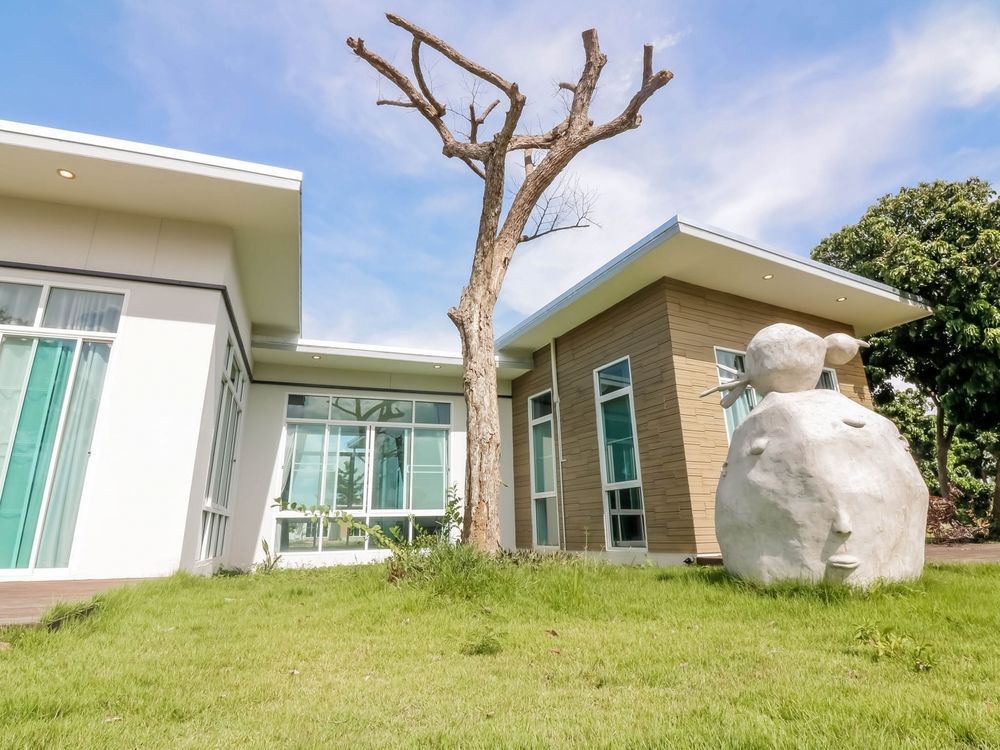
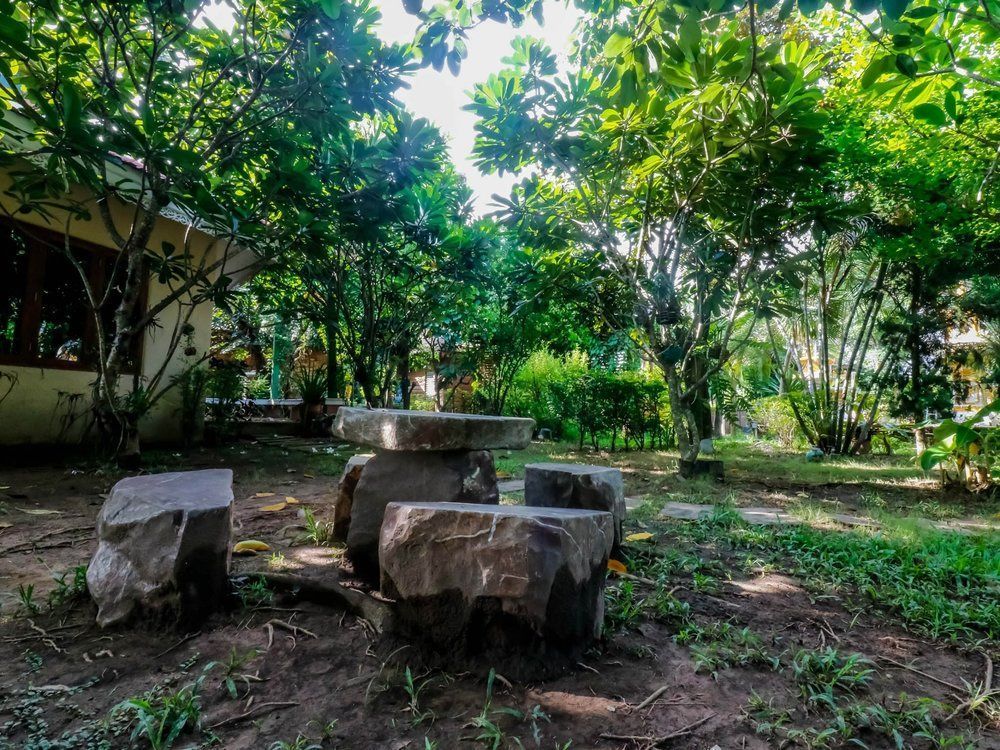
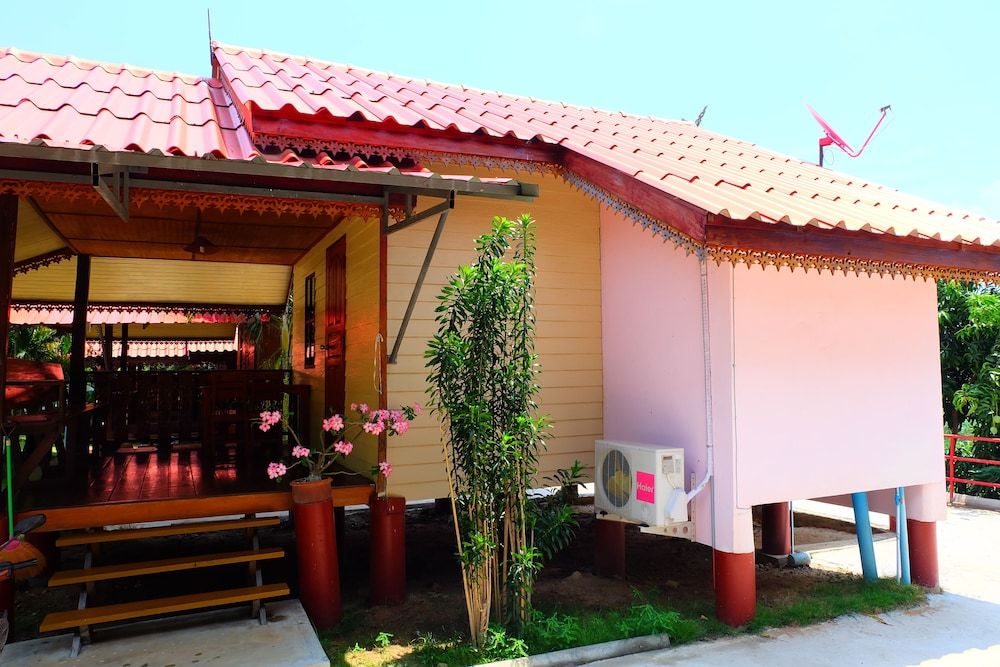

Best Hotels in Doi Lo
Discover curated hotel collections in Doi Lo






























Frequently Asked Questions about Traveling to Doi Lo
Questions You Might Need to Know About Traveling to Doi Lo
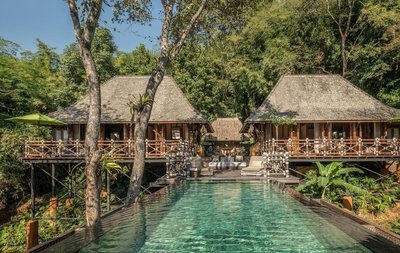
In Li Lo, the top choice for cultural immersion is Baan Siam Chiang Mai, a boutique bamboo retreat nestled beside Wat Li Lo Temple. This eco-lodge blends traditional Lanna architecture with modern sustainability, featuring handwoven bamboo walls, open-air courtyards, and daily meditation sessions led by local monks. Guests can participate in authentic Thai northern cooking classes, learn traditional embroidery techniques, and join evening storytelling circles under the stars. Located just a 5-minute walk from the ancient city, it offers quiet authenticity without sacrificing convenience—perfect for travelers seeking deep connection with local heritage and spiritual tranquility.
The ideal area for staying in Li Lo is the serene district surrounding Wat Li Lo Temple, offering peaceful streets away from tourist crowds yet within walking distance of Chiang Mai’s Old City and night markets. This area features charming old Thai wooden houses converted into guesthouses, like Chiang Mai Nature Stay, which provides private gardens, rooftop terraces, and morning coffee views of misty hills. The quiet, tree-lined lanes make it perfect for those who value calm and authenticity. Easily accessible via taxi (25 minutes from airport) or motorbike rental, this neighborhood balances privacy with proximity to cultural and natural attractions.
Visitors to Li Lo must experience the Morning Alms Ceremony at Wat Li Lo, where locals offer food to monks at dawn—a profound moment of faith and community. In the afternoon, join a traditional Lanna embroidery workshop taught by elder artisans, mastering intricate patterns passed down through generations. On full moon nights, attend the Bonfire Poetry Gathering, a soulful celebration featuring folk songs, drumming, and oral storytelling that preserves the village’s collective memory. These authentic events go beyond sightseeing—they foster meaningful cultural exchange and personal reflection.
Near Li Lo, must-visit natural spots include Mae Sa Waterfalls, a scenic cascade about 15 minutes away, perfect for hiking and swimming in crystal-clear pools. For a more secluded adventure, explore the Suthep Forest Trail, a shaded path winding through lush jungle teeming with monkeys and birdsong. For panoramic views, head to the Li Lo High Point Viewpoint, where sunrise reveals sweeping vistas of Chiang Mai’s valley blanketed in morning mist. These sites offer refreshing escapes from urban life and are ideal for nature lovers, photographers, and hikers seeking serenity and beauty.
Must-try dishes in Li Lo include Li Lo Curry Noodles, a rich coconut-based red curry broth served with handmade rice noodles and fresh vegetables; Northern Thai Chicken Khao Soi, crispy on the outside, juicy inside, paired with tangy peanut sauce; and Tod Mun, sweet sticky rice dumplings dipped in roasted peanut paste, sold at early-morning street stalls. Many are served at family-run eateries like Mama's Kitchen, where recipes have been passed down for decades. These meals aren’t just delicious—they reflect the region’s history, ingredients, and communal spirit.
Li Lo Night Market stands out for its authentic, community-driven vibe. Held every Friday to Sunday at Wat Li Lo Square, it’s a haven for handmade crafts: pottery, embroidered bags, natural soaps, and indigo-dyed fabrics from local artisans. Food focuses on healthy, non-fried options—grilled banana pancakes, pumpkin porridge, and fresh fruit desserts. The heart of the market is the community stage, where local musicians perform traditional Lanna instruments like the sarang flute and rhythmic drums each evening. Unlike commercialized night markets, this one feels intimate and alive—a true celebration of rural creativity and connection.
Li Lo’s religious and architectural identity centers on Wat Li Lo Temple, a masterpiece of Lanna design. Its golden domed stupa, intricately painted murals depicting Buddhist Jataka tales, and hand-carved wooden doors showcase centuries-old craftsmanship. The temple’s elevated wooden structure uses traditional raised timber framing for flood resistance, while hanging copper bells chime softly in the breeze. During the annual Alms Festival (March), thousands of lanterns float down the Mae Sa River, symbolizing enlightenment and collective prayer—an unforgettable spiritual event deeply rooted in local belief and tradition.
Yes, Li Lo is ideal for families seeking authentic, low-key experiences. Many guesthouses, like Chiang Mai Nature Stay, offer kid-friendly spaces such as mini farms, pottery corners, and animal feeding zones. Safe walking paths around Wat Li Lo allow children to explore nature safely. Monthly family craft fairs encourage parents and kids to co-create woven baskets or painted ceramics. Meals are adapted for young palates—think mild coconut rice and fruit bowls. With minimal crowds and strong community values, it’s a nurturing environment where children learn respect for culture, nature, and simplicity—making it a truly enriching family getaway.
From Chiang Mai city, the easiest way to reach Li Lo is by taxi or pre-booked car, taking about 25–30 minutes (300–400 THB). Renting a motorbike along Route 117 offers scenic views of rice fields and hills, covering the distance in roughly 20 minutes. For public transport, take a bus heading toward Chiang Rai from Chiang Mai Central Bus Station, alight at the Li Lo Junction, then take a songthaew or tuk-tuk into town. Travelers should avoid peak rain season (June–October) due to potential road flooding, and always check weather conditions before departure.
Li Lo has a tropical monsoon climate divided into three seasons: Dry Season (November–February) brings pleasant temperatures (20–30°C) and clear skies—ideal for outdoor activities. Hot Season (March–May) sees highs above 35°C with high humidity; midday heat should be avoided. Rainy Season (June–October) features frequent short showers, but lush greenery and cooler air prevail, perfect for waterfall visits and forest hikes. For temple festivals and cultural events, plan your trip during the dry season for comfort and optimal visibility. Be prepared with rain gear and non-slip shoes during wet months, as some mountain roads may become impassable.