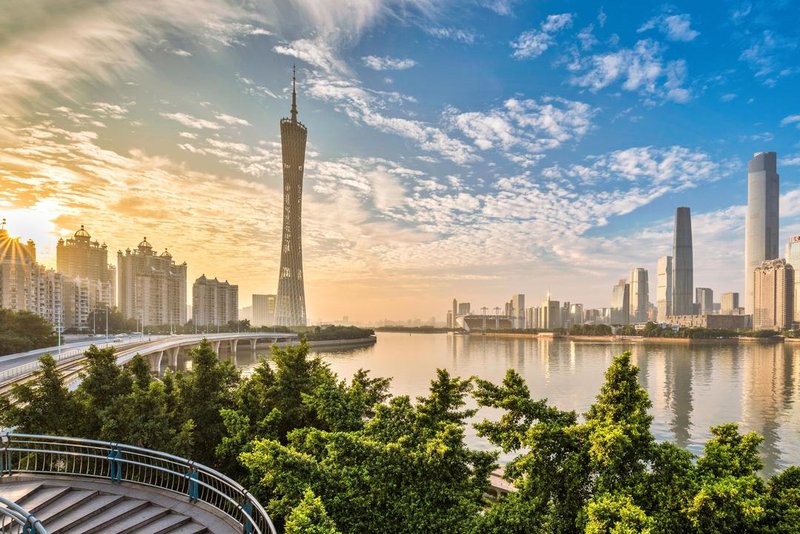
Hotels in Dunkerque
Discover your perfect stay in Dunkerque.
Dunkerque(France) Travel 2026: Cheap Flights, Hotels & Top Attractions
Popular Landmarks in Dunkerque
Discover the most iconic attractions in Dunkerque
Recommended Hotels in Dunkerque
Find the perfect place to stay in Dunkerque
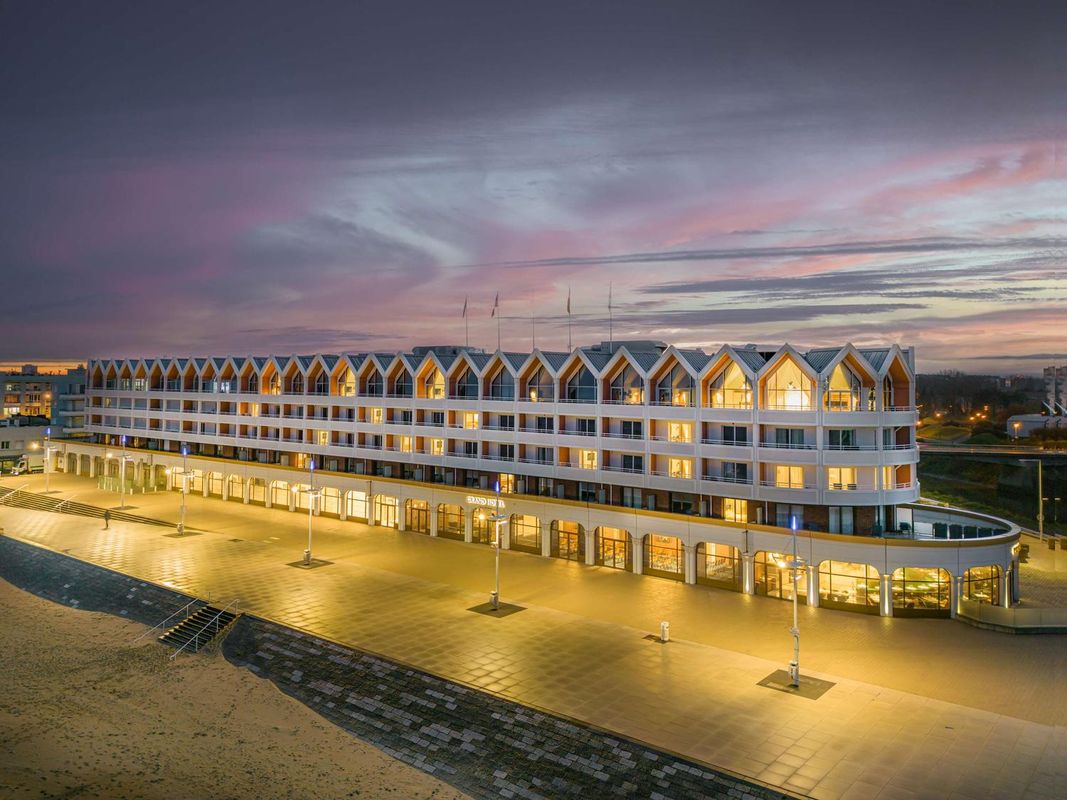
Radisson Blu Grand Hotel & Spa, Malo-les-Bains
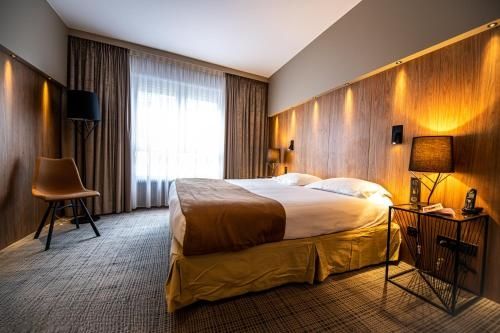
Logis Hôtel Borel
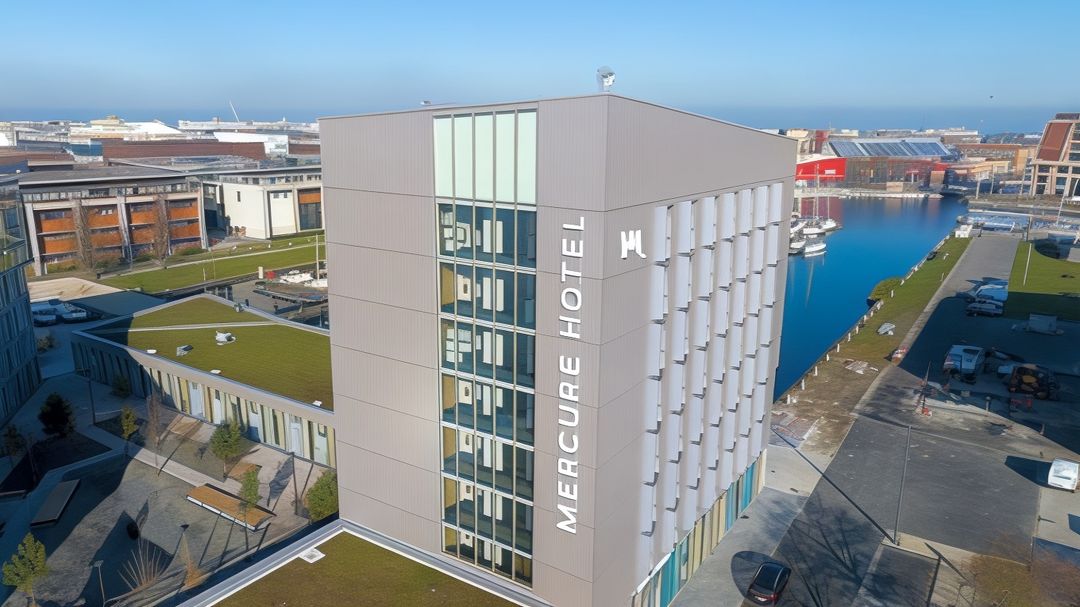
Mercure Dunkerque Centre Gare
Hôtel Merveilleux Côté Mer
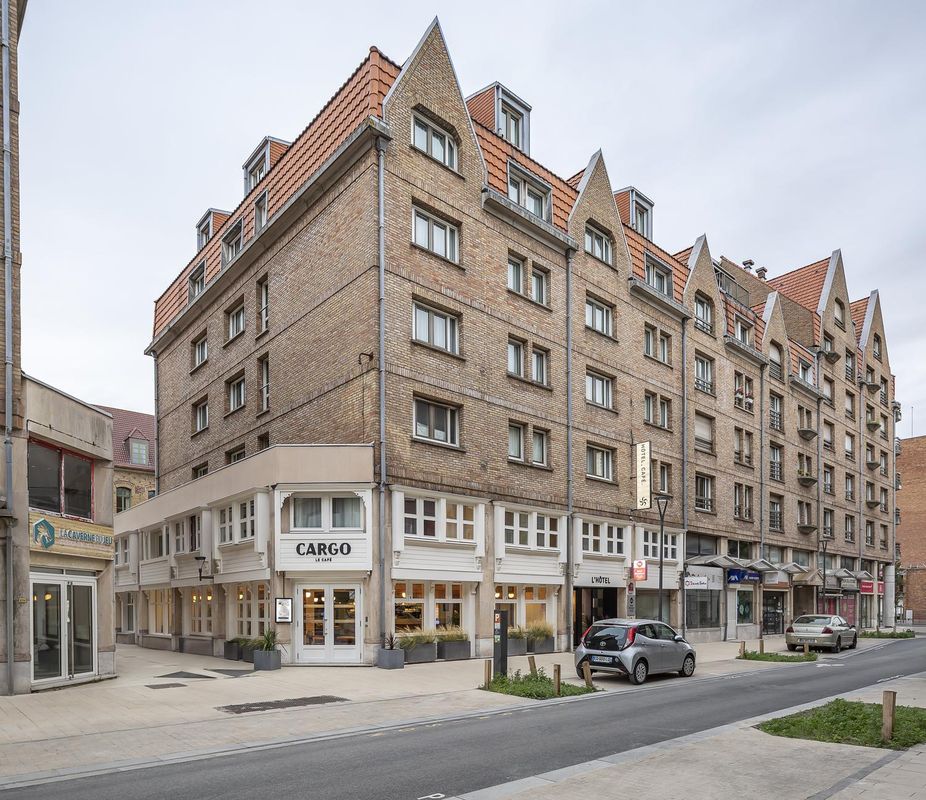
Best Western Plus Hotel Cargo
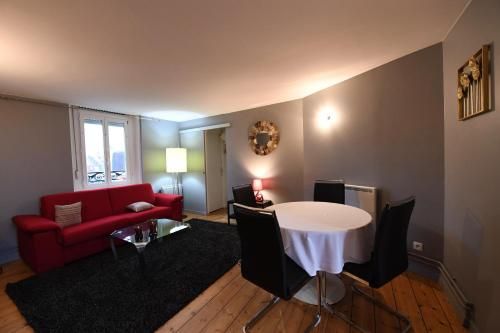
Appartement Week-End
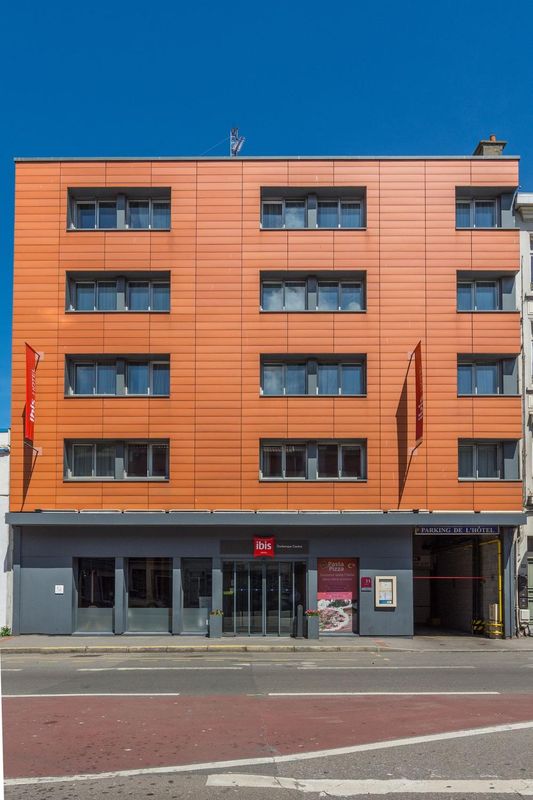
Ibis Dunkerque Centre
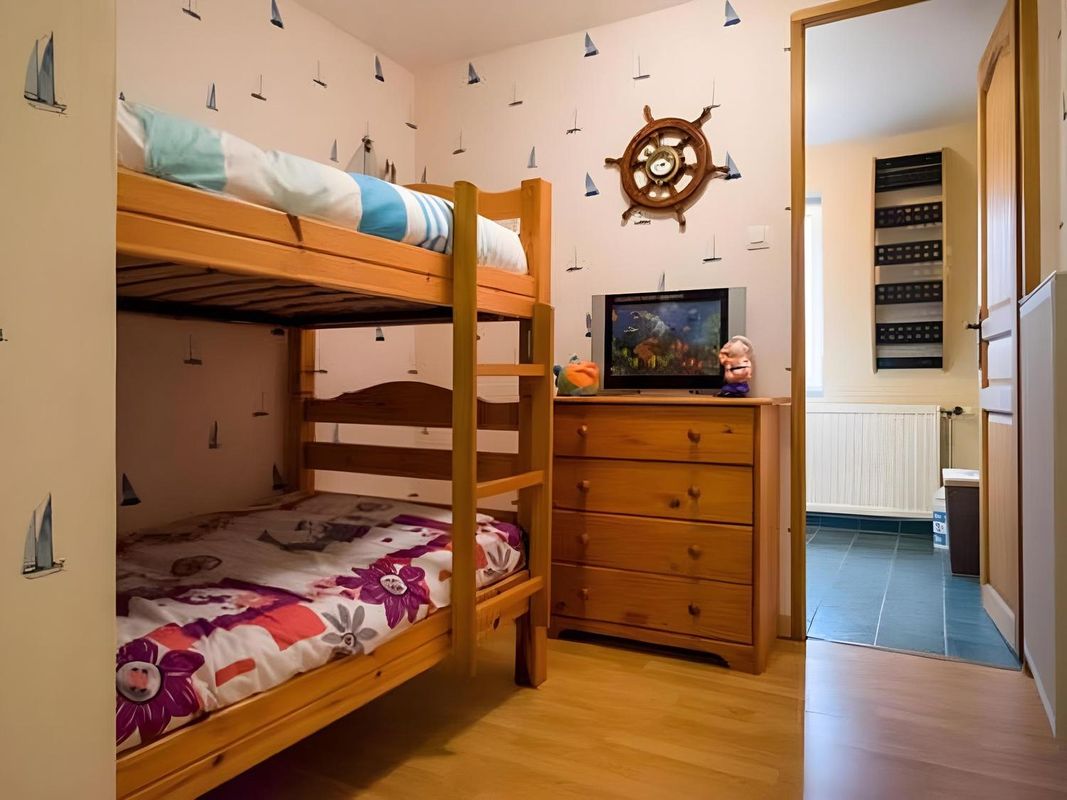
Royal Navy
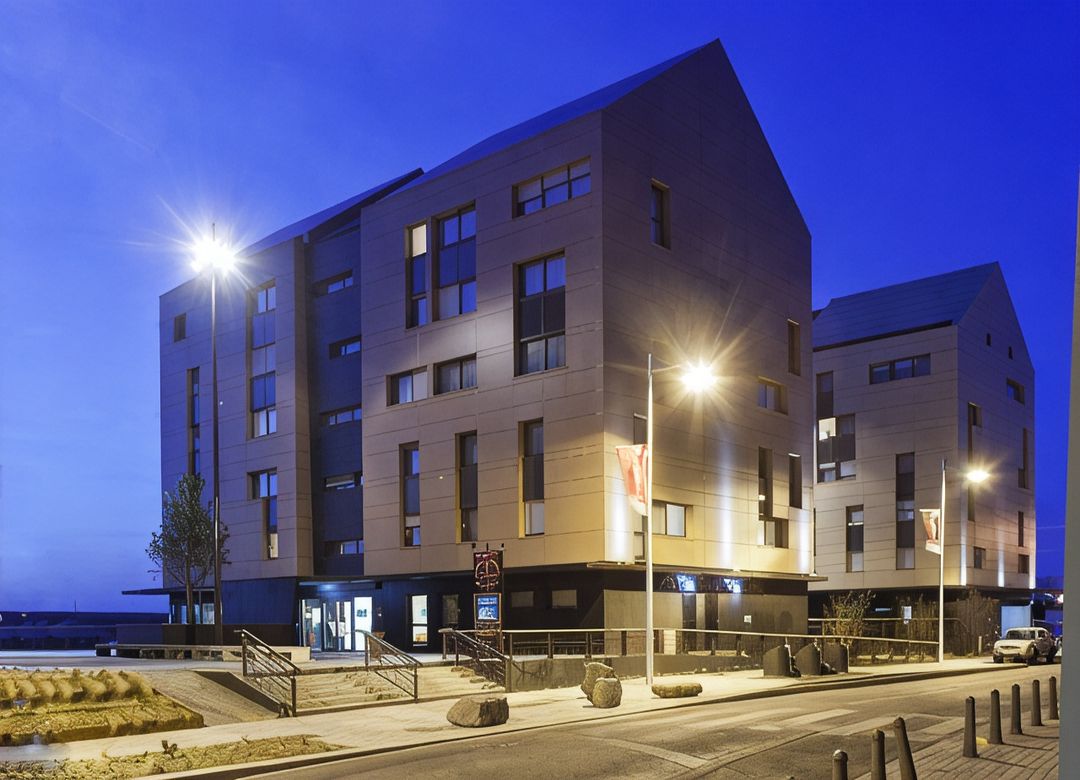
All Suites Appart Hôtel | Dunkerque Centre
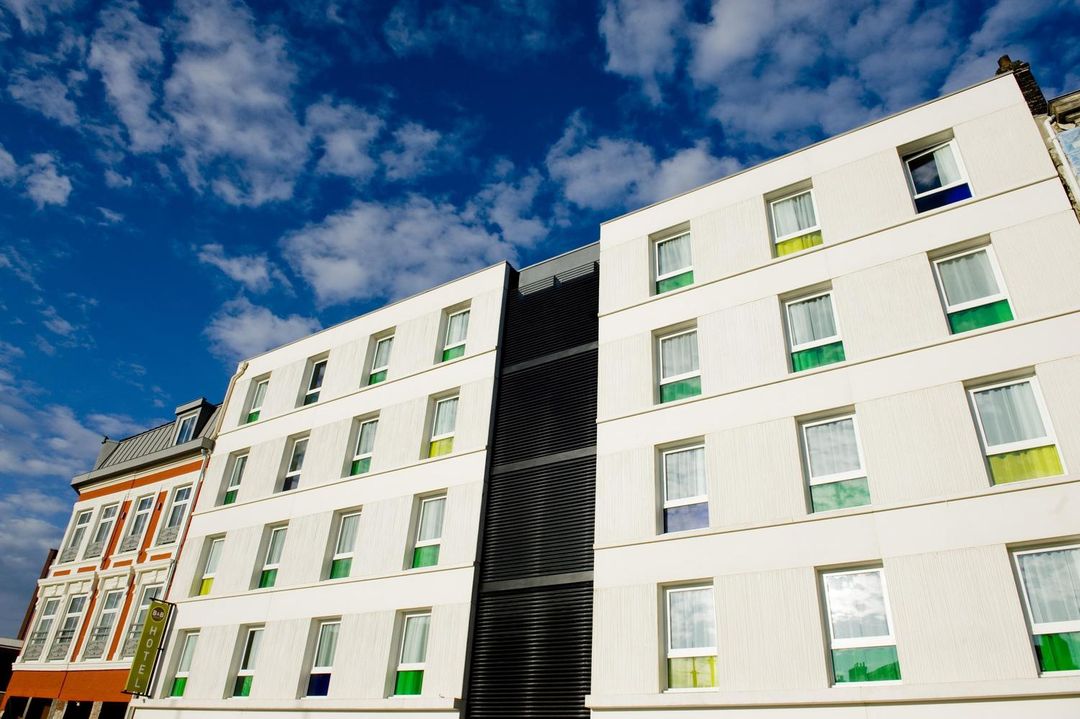
B&B Hotel Dunkerque Centre Gare
Best Hotels in Dunkerque
Discover curated hotel collections in Dunkerque
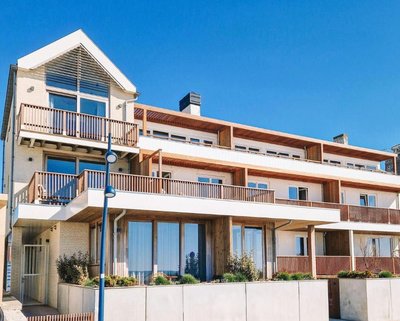
Boulevard 5
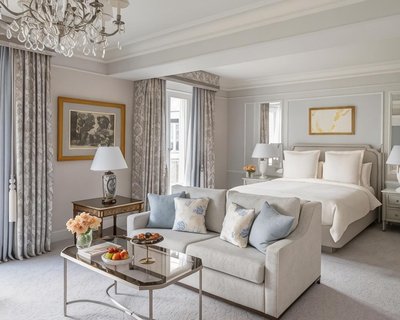
Four Seasons Hotel George V Paris
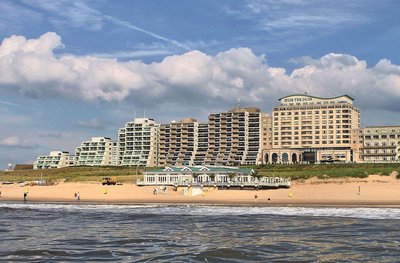
The Historic Huis Ter Duin
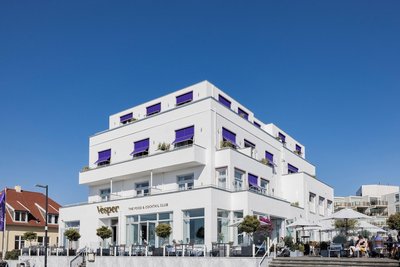
Vesper Hotel
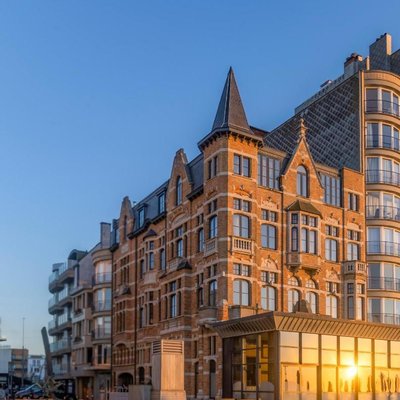
Hotel Villa Select
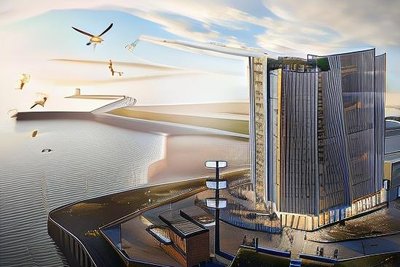
Inntel Hotels Den Haag Marina Beach
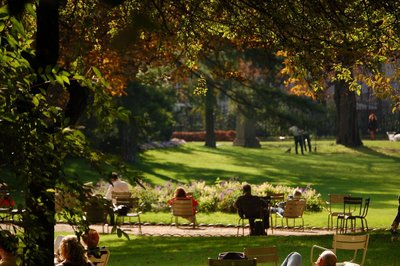
Hotel Les Rives de Notre-Dame
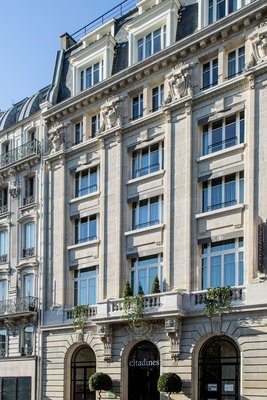
Citadines Saint-Germain-Des-Prés Paris
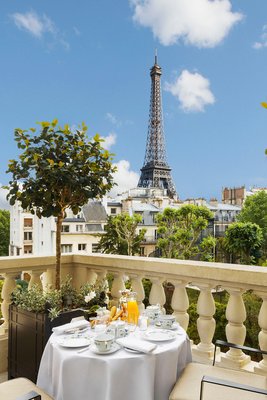
Shangri-La Paris

Cheval Blanc Paris & Dior Spa Cheval Blanc Paris
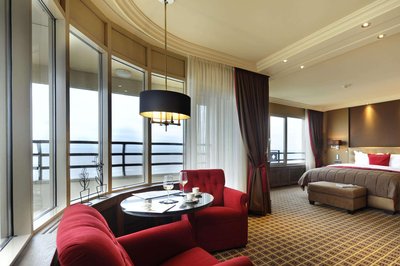
Grand Hotel Huis Ter Duin
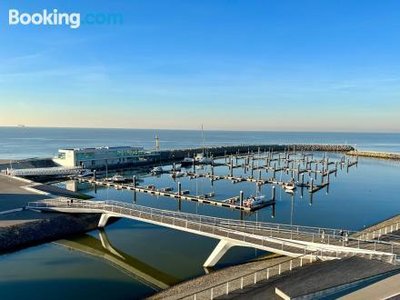
Hotel de Schelde
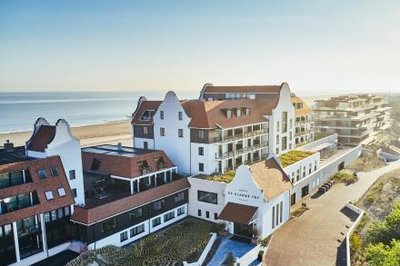
Hotel de Blanke Top
Hotel de Milliano

Too Hotel Paris -MGallery
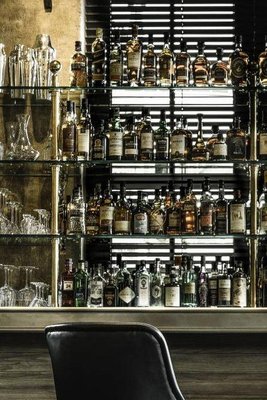
1898 the Post
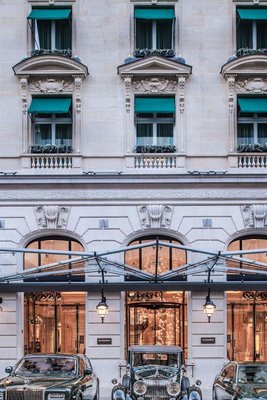
The Peninsula Paris
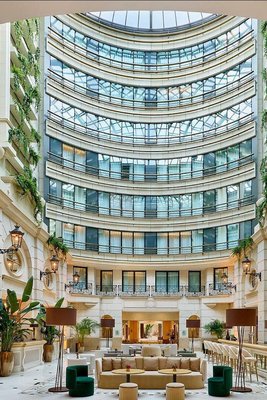
Paris Marriott Champs Elysees Hotel
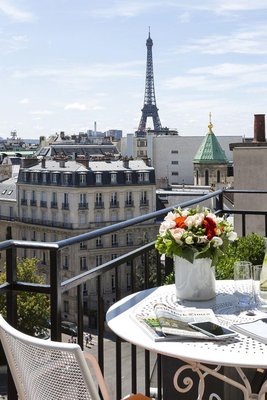
Hôtel San Régis
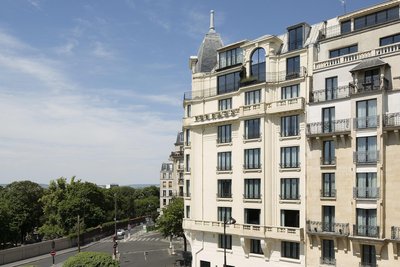
Terrass Hotel Paris
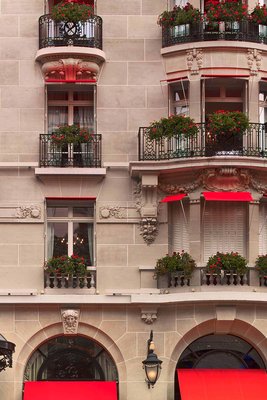
Plaza Athénée Paris & Dior Spa
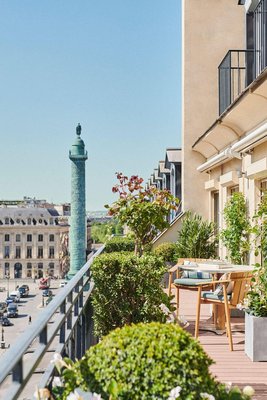
Park Hyatt Paris Vendome
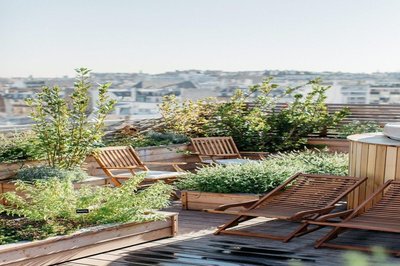
Brach Paris - Evok Collection
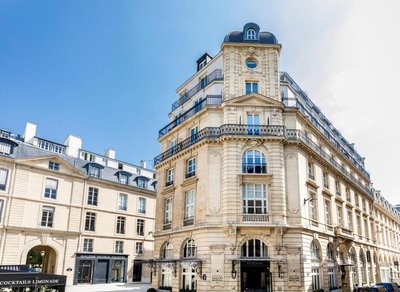
Grand Hôtel du Palais Royal
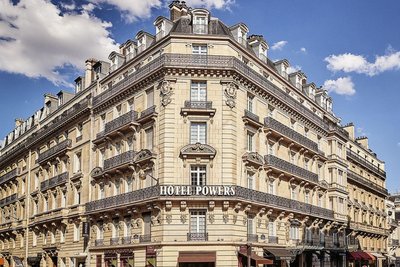
Grand Powers Hotel
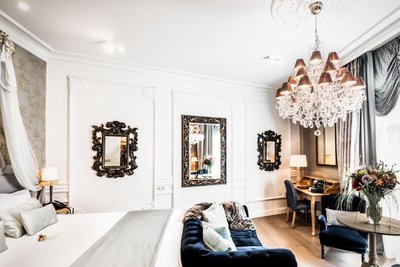
Luxury Boutique Hotel de Castillion
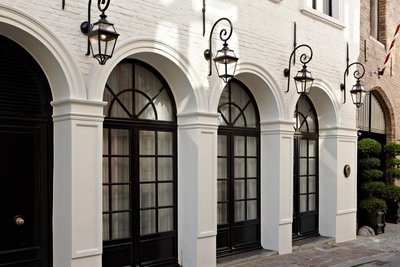
Hotel de Orangerie by CW Hotel Collection

Hotel Eiffel Blomet
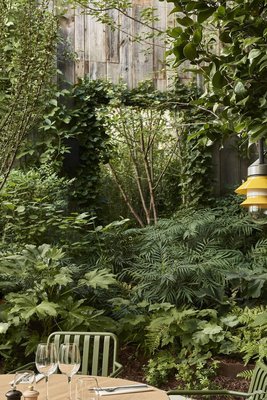
Hôtel le Ballu
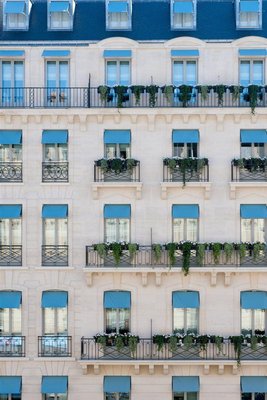
Nolinski Paris - Evok Collection
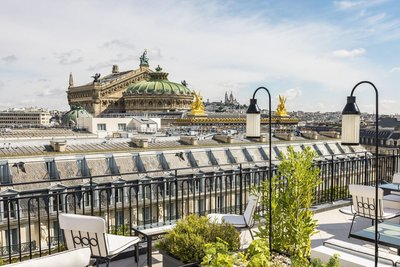
Kimpton - St Honoré Paris
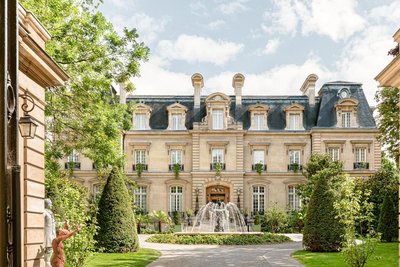
Saint James Paris
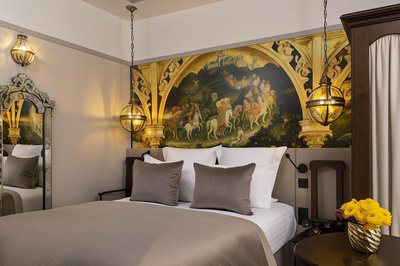
Hôtel Vinci Due & Spa
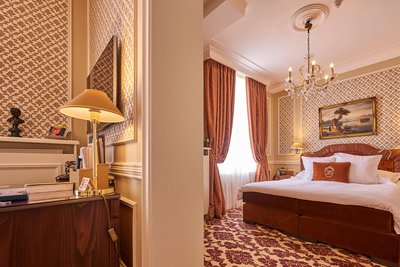
Relais & Châteaux Hotel Heritage
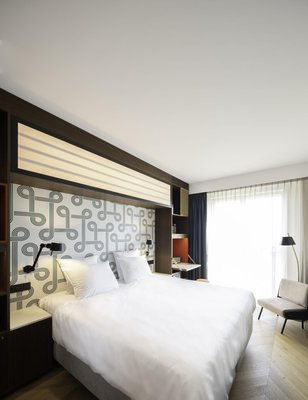
Yalo Urban Boutique Hotel Gent
Le Royal Monceau - Raffles Paris
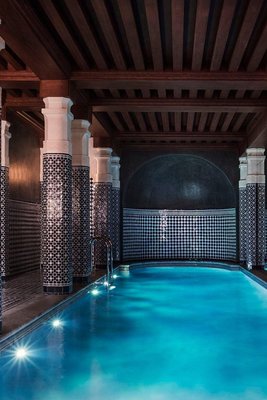
Maison Proust, Hotel & Spa la Mer
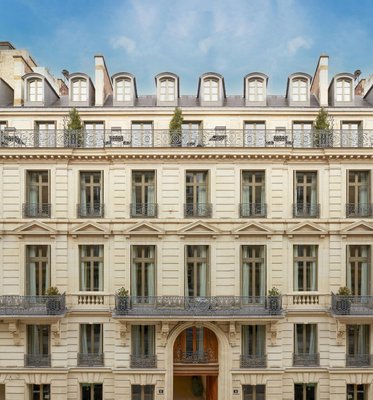
Maison Delano Paris
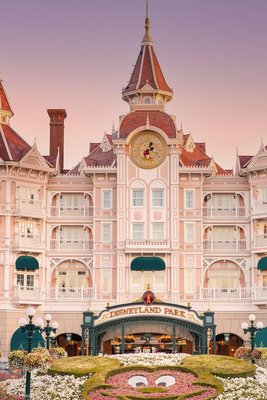
Disneyland Hotel
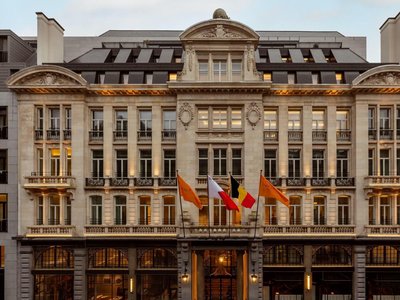
Corinthia Grand Hotel Astoria Brussels
The Peninsula Paris
Paris Marriott Champs Elysees Hotel
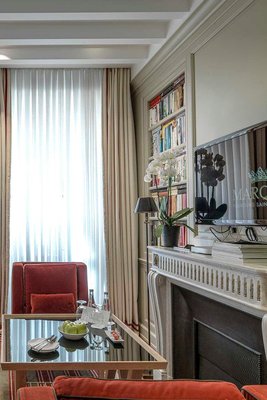
Hôtel Marquis Faubourg Saint-Honoré
Hôtel San Régis
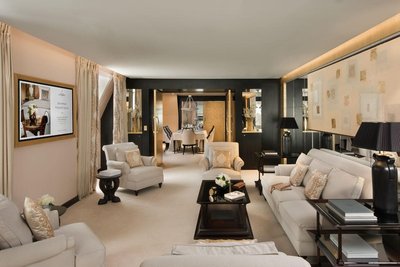
Hotel Barrière Fouquet's Paris
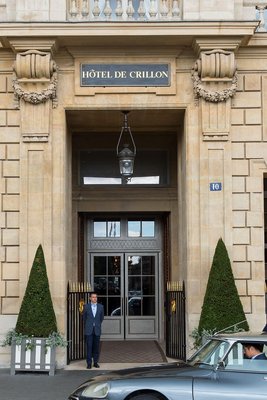
Hotel de Crillon A Rosewood Hotel
Four Seasons Hotel George V Paris
Plaza Athénée Paris & Dior Spa
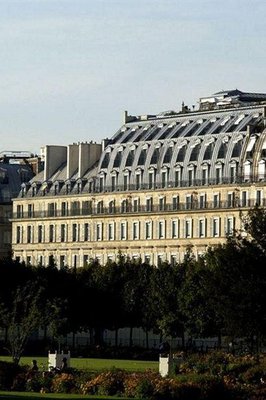
Le Meurice
Park Hyatt Paris Vendome
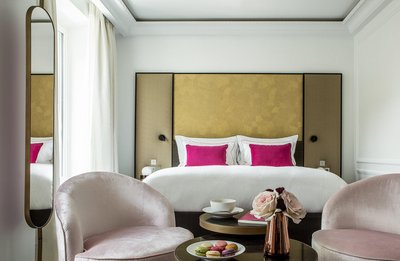
Fauchon l'Hotel Paris
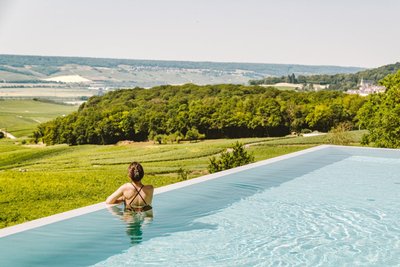
Royal Champagne Hotel & Spa
Brach Paris - Evok Collection
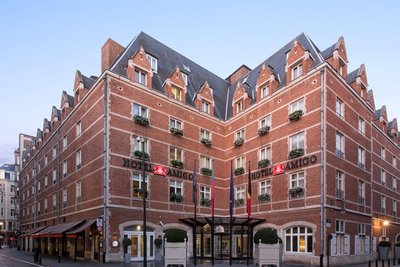
Rocco Forte Hotel Amigo
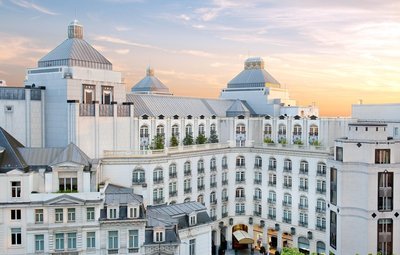
Steigenberger Icon Wiltcher's
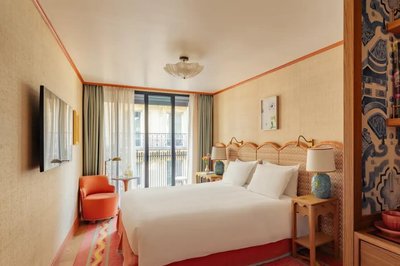
La Fantaisie
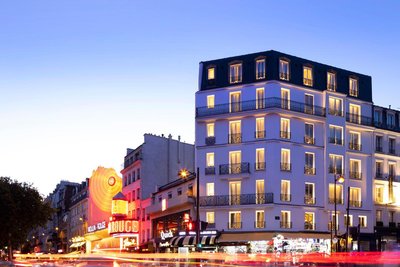
Manolita Paris
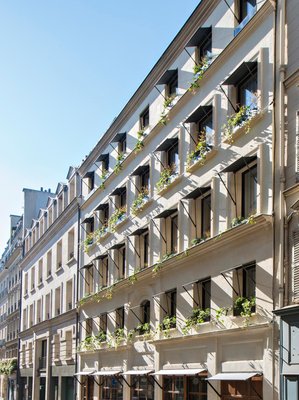
Hotel Parister & Spa
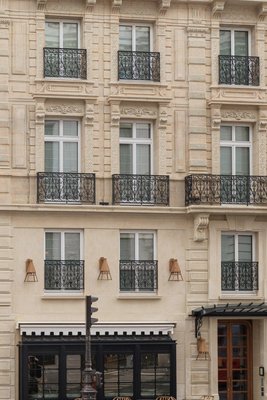
Hotel Hana
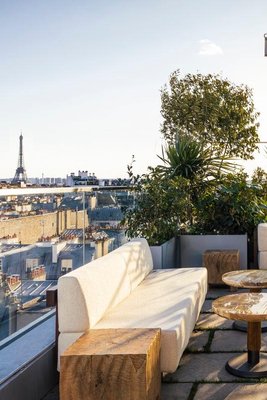
Hotel La Fondation Paris
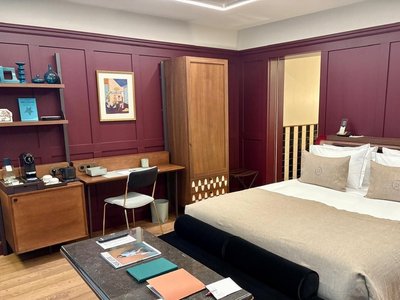
Faubourg 21
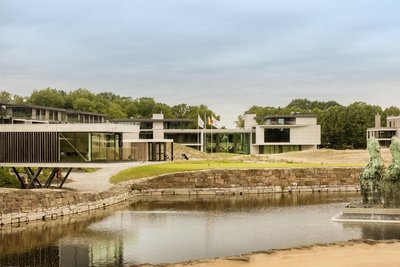
Radisson Collection Hotel, The National Brussels
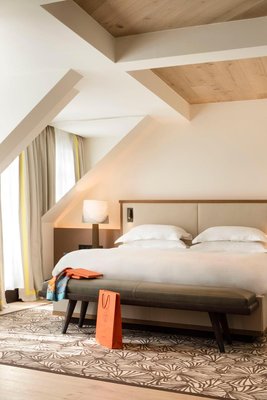
Hyatt Paris Madeleine
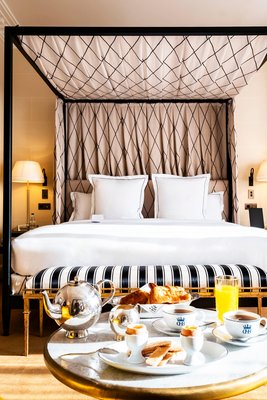
Hôtel de Berri Champs-Élysées, a Luxury Collection Hotel, Paris
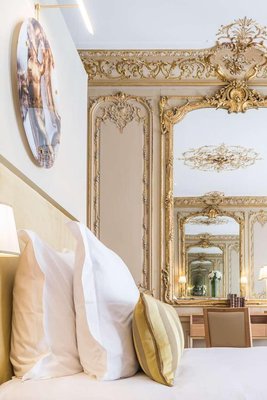
Hôtel Alfred Sommier
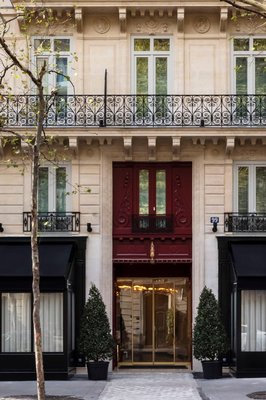
Hotel Bowmann
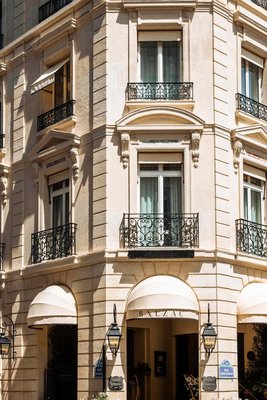
Hôtel Balzac Paris & Spa Ikoï
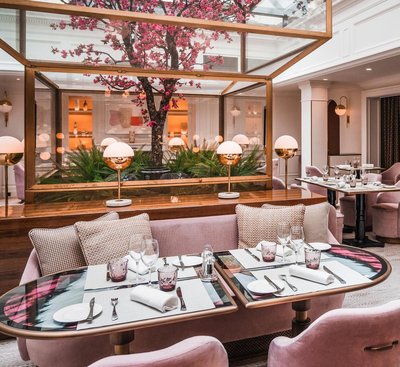
Sofitel le Scribe Paris Opera
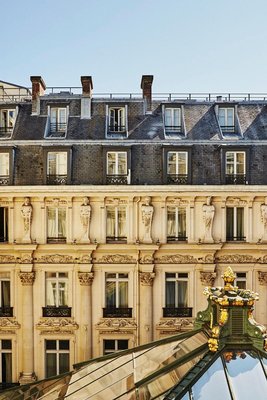
InterContinental Paris le Grand
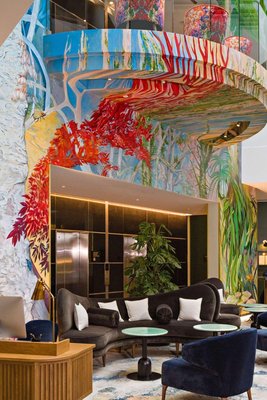
Sofitel Brussels Europe
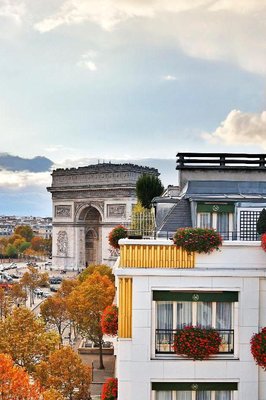
Hôtel Napoleon Paris
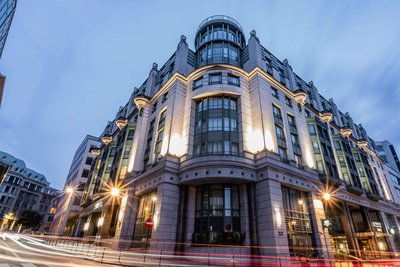
Radisson Collection Grand Place Brussels
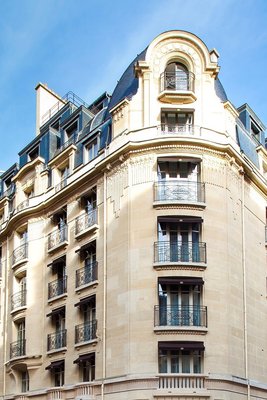
Sofitel Paris Arc de Triomphe
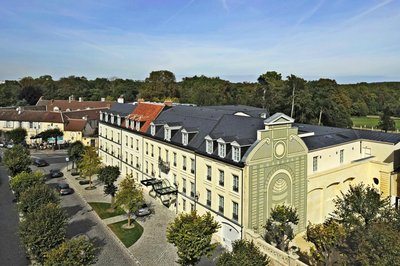
Auberge du Jeu de Paume
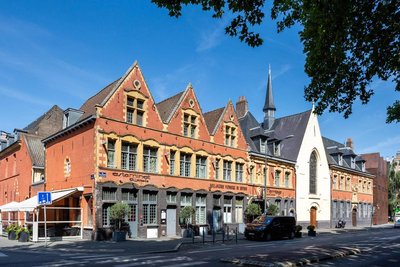
L'Hermitage Gantois, Autograph Collection
Maison Proust, Hotel & Spa la Mer
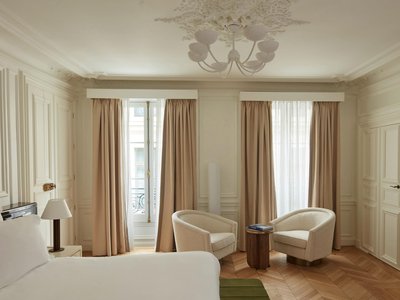
Maison Delano Paris
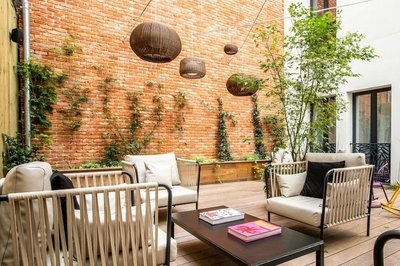
Laz' Hotel Spa Urbain Paris
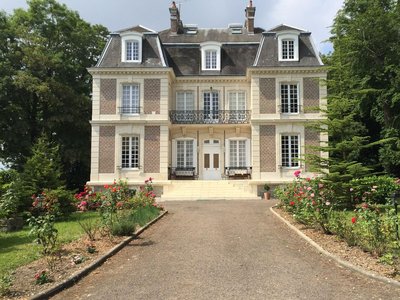
Château d'Avesnes - le Castelet
The Peninsula Paris
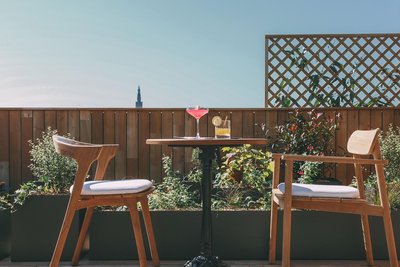
Grand Hotel Bellevue - Grand Place
Hôtel Alfred Sommier
Hotel de Crillon A Rosewood Hotel
InterContinental Paris le Grand
Four Seasons Hotel George V Paris
Plaza Athénée Paris & Dior Spa
Le Meurice
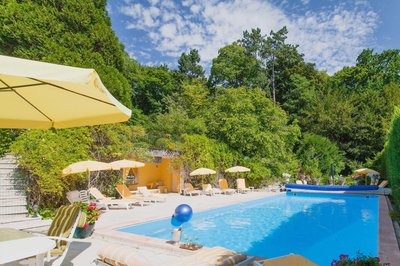
Manoir des Cavaliers - Bnb
Brach Paris - Evok Collection
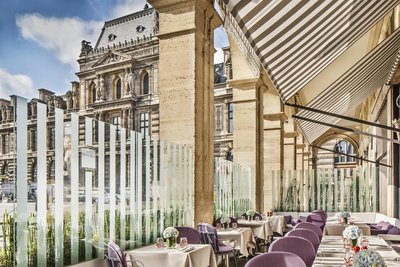
Hôtel du Louvre, in The Unbound Collection by Hyatt
Sofitel Paris Arc de Triomphe
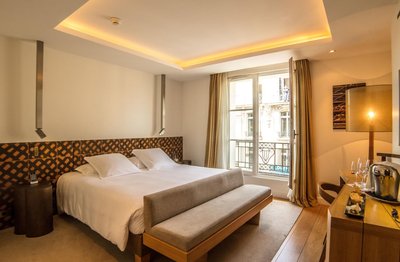
Hotel Marignan Champs-Elysées
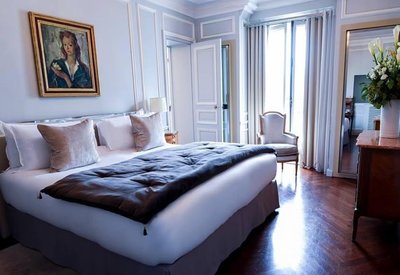
Hôtel Lancaster Paris Champs-Elysées
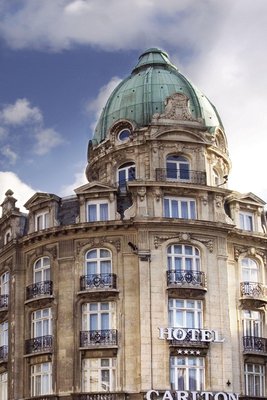
Hotel Carlton Lille
Auberge du Jeu de Paume
The Peninsula Paris
Hotel de Crillon A Rosewood Hotel
Four Seasons Hotel George V Paris
Le Meurice
Park Hyatt Paris Vendome
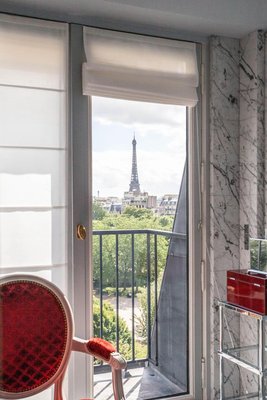
La Reserve Paris Hotel and Spa
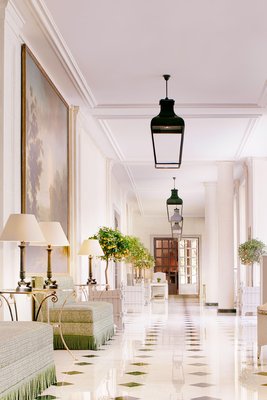
Le Bristol Paris - an Oetker Collection Hotel
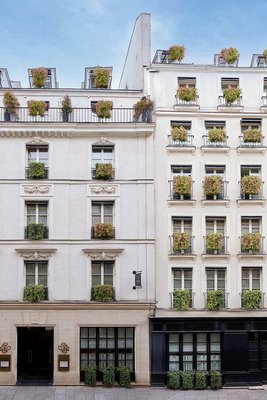
Le Burgundy Paris
Shangri-La Paris
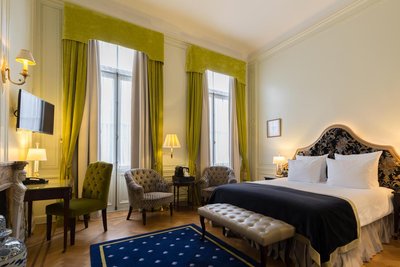
Stanhope Hotel Brussels by Thon Hotels
Cheval Blanc Paris & Dior Spa Cheval Blanc Paris
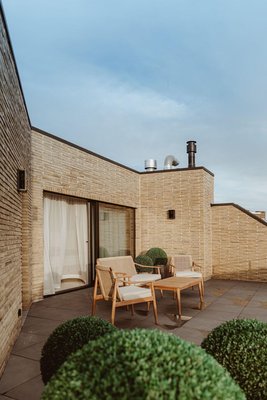
CH Longstay 2
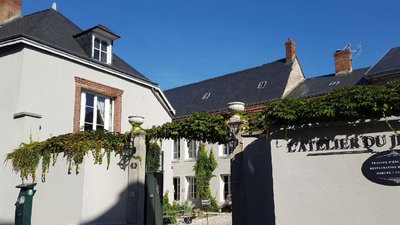
Au Jeu de Paume
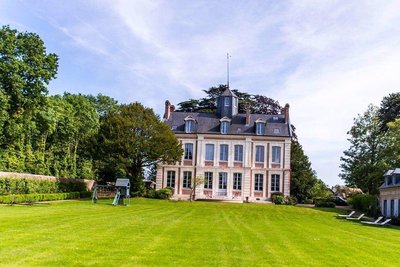
Le Clos de Grâce
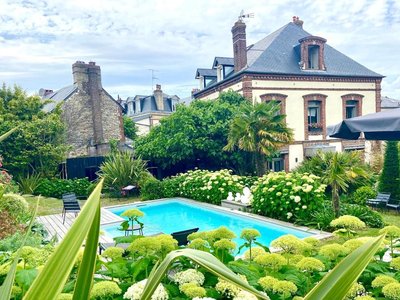
Villa du Cedre Honfleur
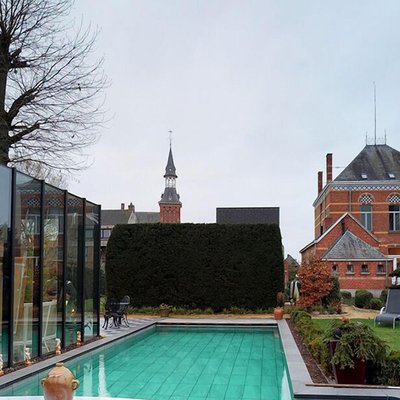
Art of Dreams Deluxe 4 Stars
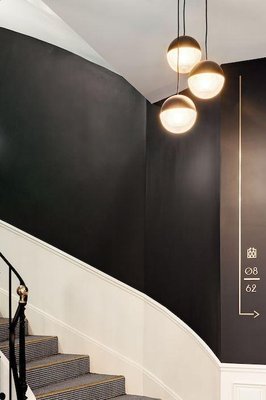
My Maison in Paris Invalides
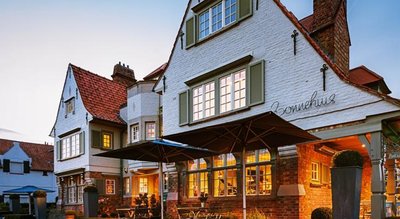
Romantik B&B Zonnehuis
Frequently Asked Questions about Traveling to Dunkerque
Questions You Might Need to Know About Traveling to Dunkerque
In Dunkerque, the best hotel with a wartime theme is Hotel de la Plage, located just steps from the Mémorial de Dunkerque. This boutique hotel features curated exhibits on the 1940 "Operation Dynamo" evacuation, including original documents, military uniforms, and vintage photographs. Guests can experience immersive history through themed rooms and guided storytelling sessions. Its proximity to the Old Port and Notre-Dame Church makes it an ideal base for exploring the city’s profound WWII legacy.
The city center of Dunkerque offers the best accommodation options, combining convenience, charm, and accessibility. Located near the Notre-Dame Church and Vieux Port, it’s within walking distance of major attractions, restaurants, and cafes. The area maintains a traditional French ambiance with cobbled streets and vibrant nightlife. From here, guests can easily reach the beach promenade in under 10 minutes, making it perfect for travelers seeking a blend of culture, cuisine, and seaside relaxation.
Dunkerque’s Promenade des Dunes stands out with its pristine stretch of sandy coastline backed by natural dunes. It’s one of the few places in northern France where you can enjoy untouched seashore scenery. Walk at sunrise to spot migratory birds or watch the sunset over the North Sea. The scenic wooden boardwalks offer panoramic views of the Phare de Dunkerque lighthouse. Summer activities like paddleboarding and beach volleyball make it ideal for outdoor enthusiasts seeking both tranquility and adventure.
Must-see landmarks include the Mémorial de Dunkerque, a powerful tribute to the 1940 Allied evacuation; the Église Notre-Dame, a stunning example of Gothic architecture with intricate stained glass; and the Musée de la Libération, which houses rare artifacts, letters, and films from the WWII era. Together, these sites form a compelling narrative of resilience and freedom, offering deep insight into Dunkerque’s pivotal role in European history.
Try moules de Dunkerque—fresh mussels steamed in white wine and herbs, often served with fries at Le Bistrot du Port. Another must is friture de poisson, a classic fish and chips dish available at harbor-side stalls. For a local specialty, sample Fromage de Dunkerque, a creamy regional cheese paired with dark bread. These flavors reflect the city’s maritime heritage and are best enjoyed in cozy, family-run bistros near the Old Port.
Yes, Dunkerque is highly family-friendly. The family-safe beaches have shallow waters and soft sand, perfect for children. The Parc Naturel Régional des Caps et Marais d'Ypres offers guided nature trails and interactive learning stations ideal for kids. The Mini Train Touristique runs along the port, providing fun, educational rides. With numerous playgrounds, kid-friendly restaurants, and low-key events, the city ensures a relaxed, engaging experience for families.
Public transport in Dunkerque is efficient and tourist-friendly. Multiple bus lines cover key areas, including the Old Port, Mémorial, and train station. The TER regional trains connect Dunkerque to Lille, Paris, and Liège in under 2 hours. Additionally, electric bike rentals are widely available, allowing easy access to the coast and historic sites in just 15 minutes. A day pass offers unlimited travel, making exploration seamless and stress-free.
Each summer, Dunkerque hosts the "Semaine du Débarquement", a week-long commemoration featuring reenactments of the 1940 evacuation, military parades, and dramatic light shows. The Festival du Cinéma de Dunkerque also draws international attention, showcasing independent European films at the Théâtre du Vieux Port. These events celebrate the city’s heritage while fostering community spirit and artistic expression.
Dunkerque’s nightlife is relaxed yet vibrant. Along the Old Port, bars like Le Bar du Phare and La Péniche serve craft beer and French tapas in a laid-back setting. Live jazz and folk music performances are common on weekends. For a cultural twist, visit Café de la Paix, where poetry readings and art exhibitions attract locals and visitors alike. The atmosphere is intimate and welcoming, ideal for those who prefer quiet evenings with character.
Dunkerque has a temperate oceanic climate: mild winters (avg. 5°C) and cool summers (max 20°C), with frequent rain due to Atlantic influence. Pack a waterproof jacket and windproof layers. Best visiting months are April to June and September to October, when weather is stable, crowds are smaller, and the beaches are most enjoyable. Summer offers more sunshine and active coastal events, though humidity can be high—ideal for sun-seekers and history buffs alike.
Dunkerque Overview
City Summary
Dunkirk, located in the Nord department of northern France along the North Sea, is steeped in maritime history and wartime legacy. The city gained global recognition for the WWII "Dunkirk Evacuation," with its beaches bearing witness to this pivotal event. Today, Dunkirk blends industrial port vitality with Flemish cultural charm, featuring distinctive architecture and vibrant carnivals.
Must-See Attractions
Key attractions include Dunkirk Beach—the historic evacuation site—and the modern port area with ship views. The Musée Portuaire details nautical heritage, while Saint-Éloi Church showcases Gothic architecture. The annual January-March Carnival, among Europe's largest, features giant puppet parades and music.
Food Guide
Flemish-influenced cuisine shines with moules-frites (mussels with fries) and carbonade flamande (beer-beef stew). Seafood stalls offer fresh North Sea catches—try smoked herring. For dessert, sample syrup-drenched gaufres (waffles) or local amber beers from microbreweries.
Transportation Guide
Public transport relies on DK'Bus Marine buses. The Gare de Dunkerque train station connects to Lille, Paris, and Belgian cities. Downtown is walkable; rent bikes for coastal exploration. Driving requires navigating narrow streets—port areas have ample parking.
Best Time to Visit
Visit May-September for mild weather and festivals. Beaches thrive in summer (crowded July-August). Carnival season (Jan-Mar) demands early hotel bookings.
Travel Tips
- Maintain solemnity at WWII memorials
- Secure valuables during crowded carnival events
- Service charges are usually included in bills
- Heed tide warnings when beach swimming
- Basic Flemish greetings (e.g., "goeiedag") are appreciated
- Most shops close Sundays; supermarkets have limited hours
Useful Information
French is official; English works in tourist zones. Strong mobile coverage with café Wi-Fi. Cards widely accepted, but carry cash for markets. Emergency: 112 (EU standard). Pharmacies have green crosses; main hospital is Centre Hospitalier de Dunkerque. Voltage: 230V, Type E plugs.