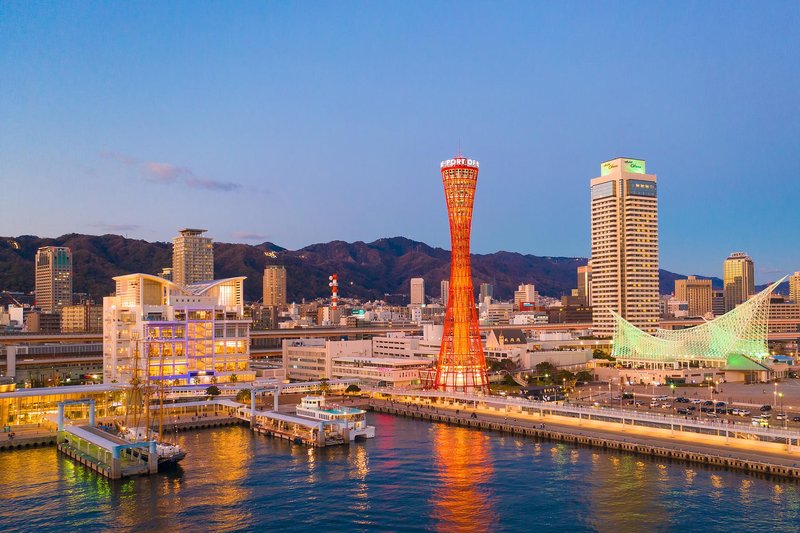
Hotels in Eiheiji
Discover your perfect stay in Eiheiji.
Eiheiji(Japan) Travel 2026: Cheap Flights, Hotels & Top Attractions
Popular Landmarks in Eiheiji
Discover the most iconic attractions in Eiheiji
Recommended Hotels in Eiheiji
Find the perfect place to stay in Eiheiji
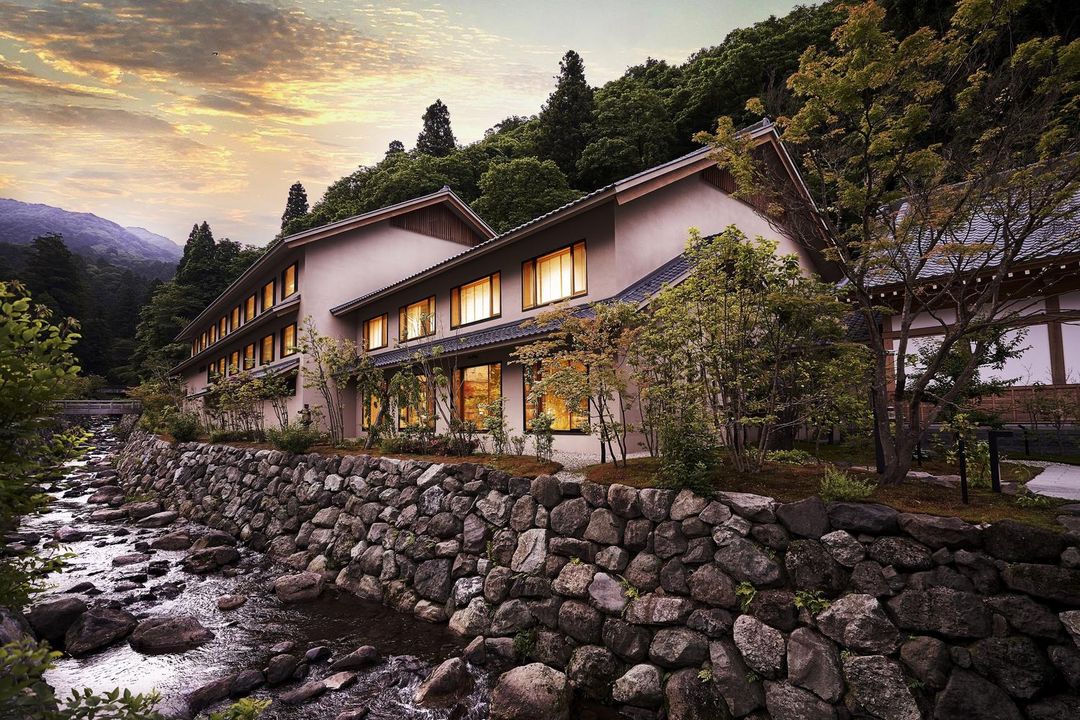
Hakujukan
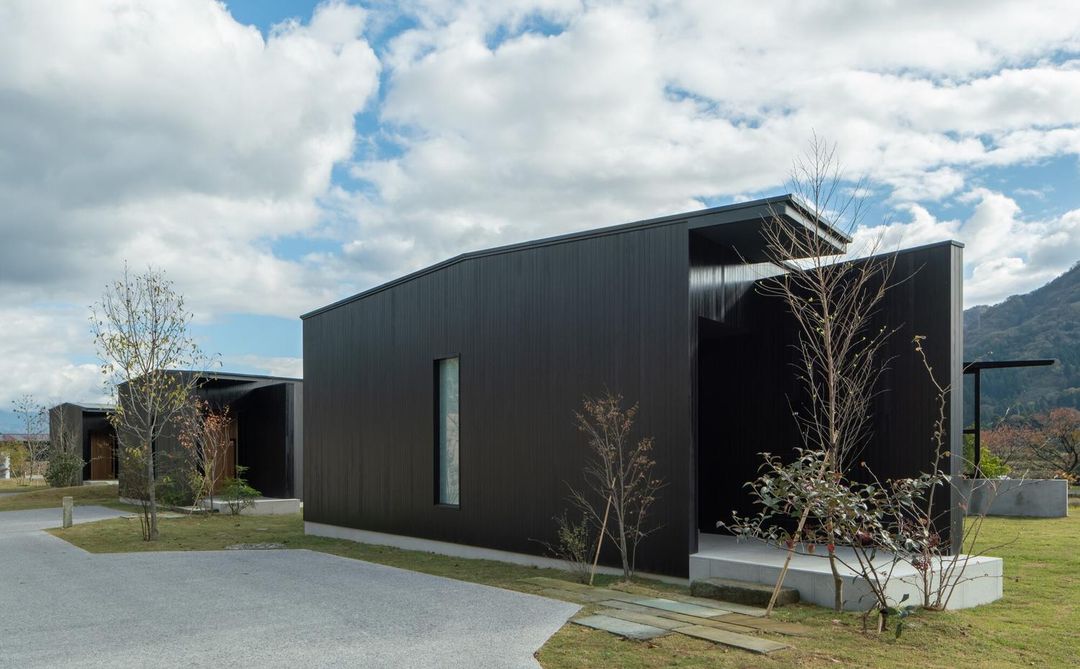
KANSHUKUEN ESHIKOTO
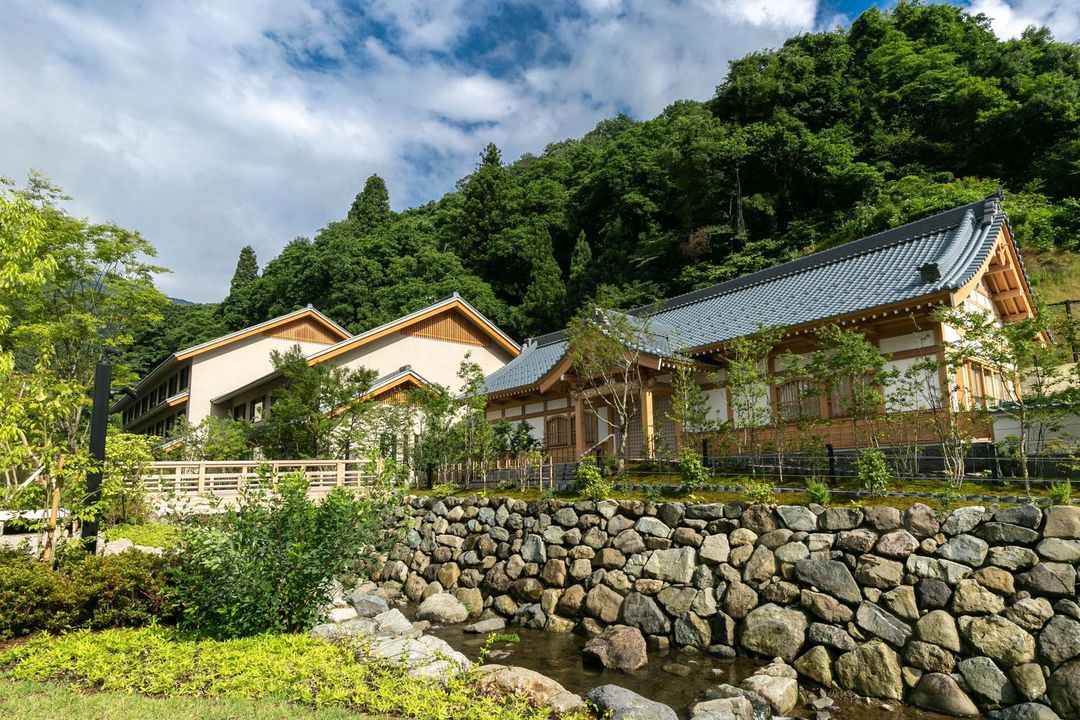
Hakujyukan
Best Hotels in Eiheiji
Discover curated hotel collections in Eiheiji
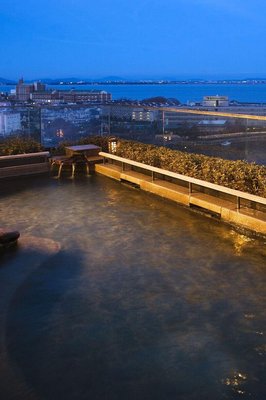
Yumotokan
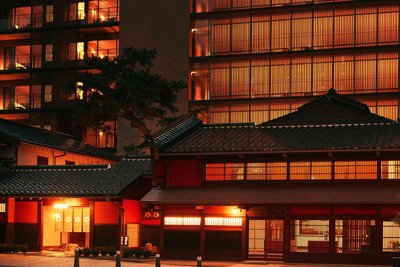
Hoshino Resorts Kai Kaga

Taikyourou
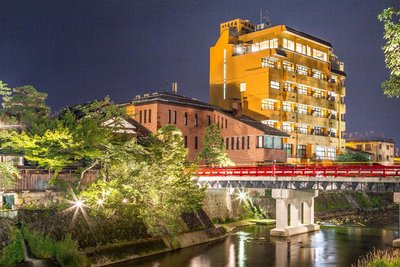
HONJIN HIRANOYA BEKKAN
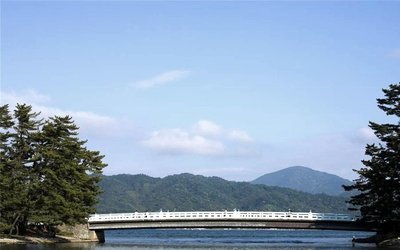
Monjusou Shourotei
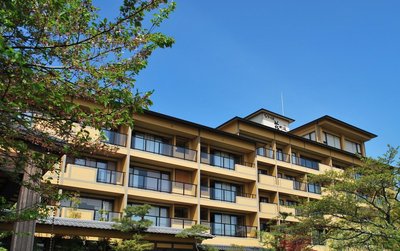
BIWAKO HANAKAIDO
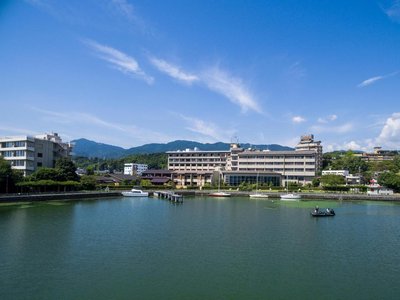
Biwako Ryokusuitei
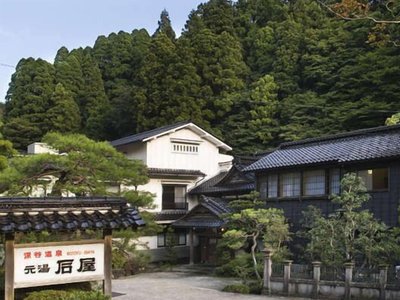
Motoyu Ishiya

Yunokuni Tensyo
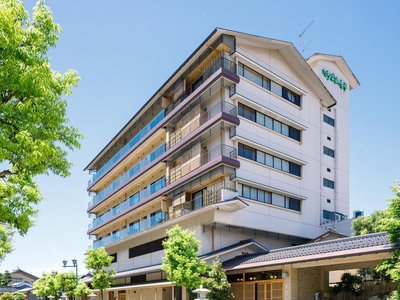
Tachibana Shikitei
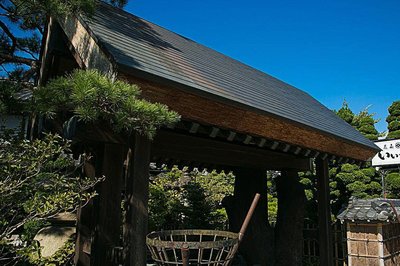
Hanaougi Bettei Iiyama

Hidatei Hanaougi
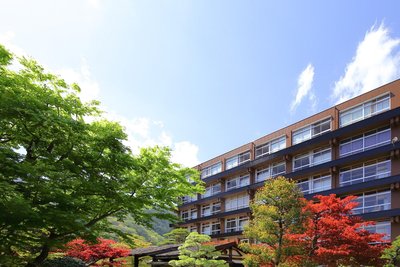
Bosenkan
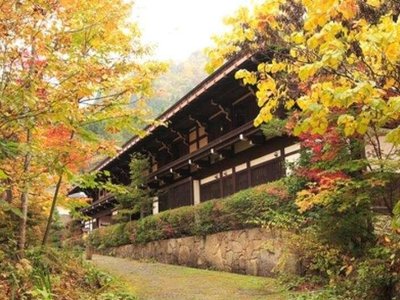
Yumoto Choza
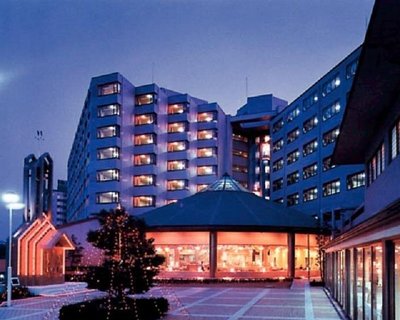
Aenokaze
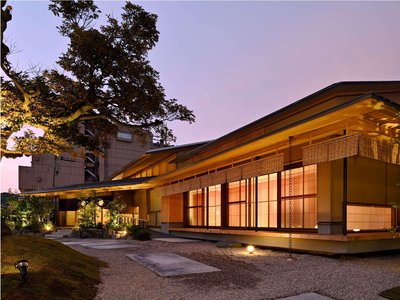
Beniya
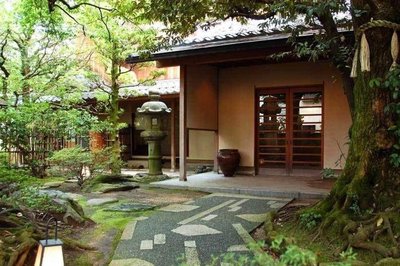
Kocho
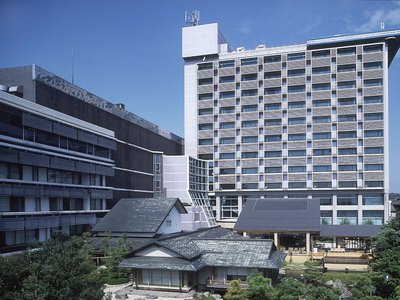
Grandia Housen
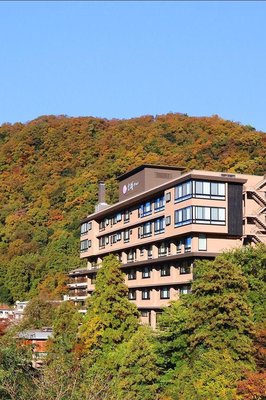
Yamanaka Onsen Kissho Yamanaka
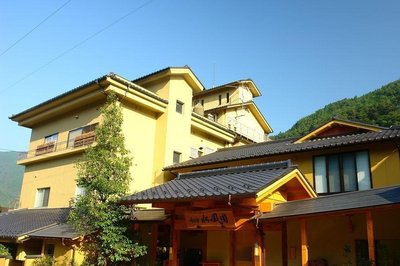
Suihoen
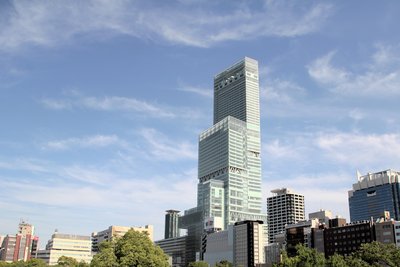
Osaka Marriott Miyako Hotel

The Ritz-Carlton, Osaka
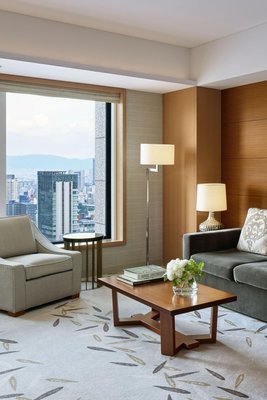
InterContinental Hotel Osaka
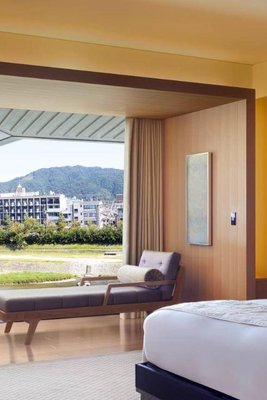
The Ritz-Carlton, Kyoto
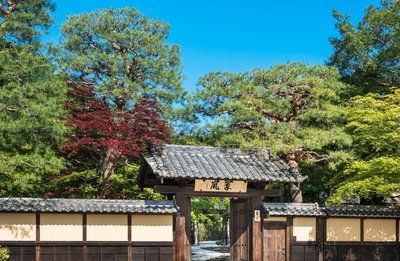
Suiran, a Luxury Collection Hotel, Kyoto
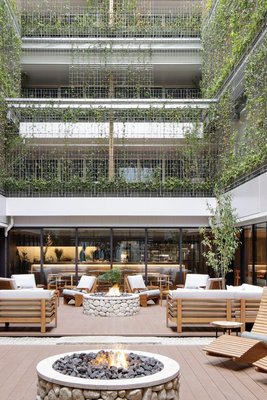
GOOD NATURE HOTEL KYOTO
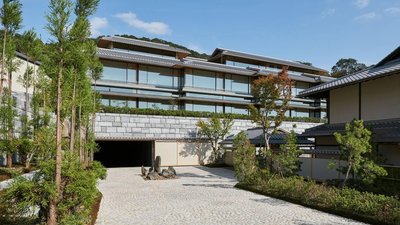
Park Hyatt Kyoto

Hyatt Centric Kanazawa
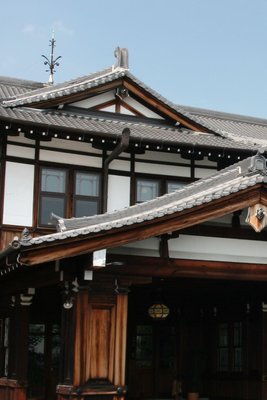
Nara Hotel
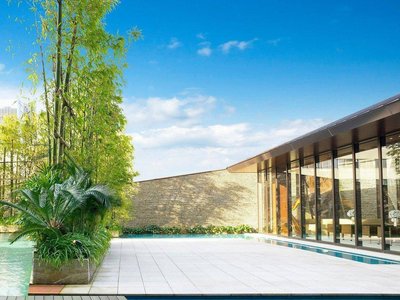
ORIENTAL HOTEL
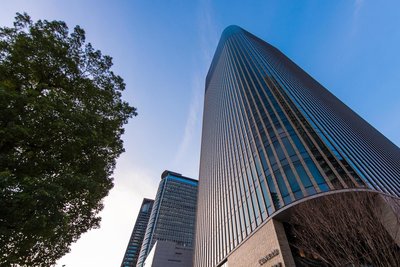
Conrad Osaka
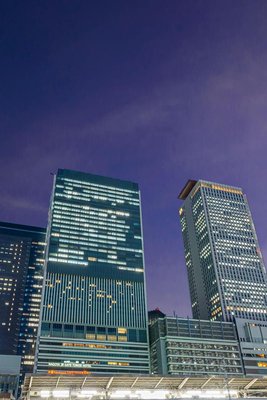
Nagoya JR Gate Tower Hotel (JR-Central Hotels)
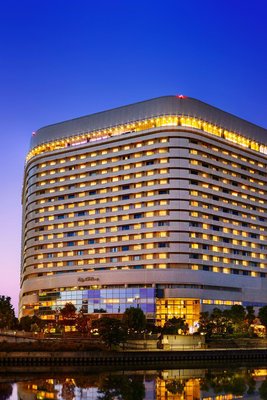
Hotel New Otani Osaka
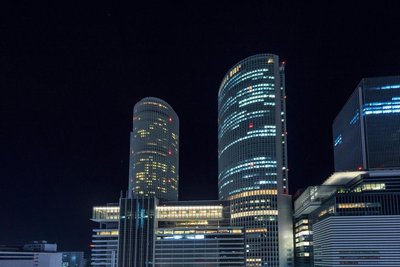
Nagoya Marriott Associa Hotel
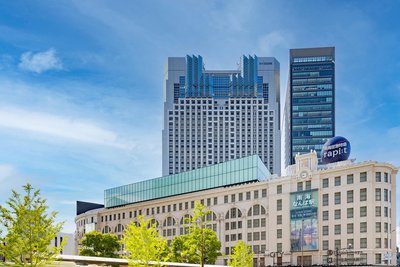
Swissotel Nankai Osaka
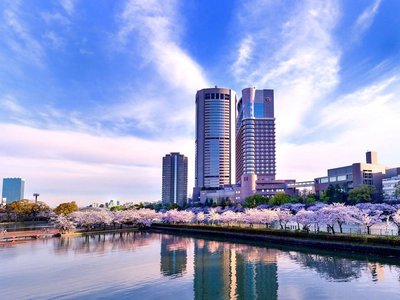
Imperial Hotel Osaka
The St. Regis Osaka
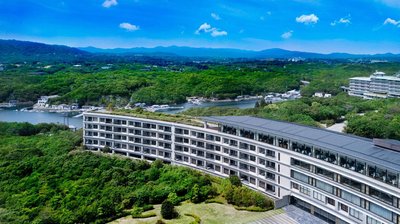
Shima Kanko Hotel the Bay Suites
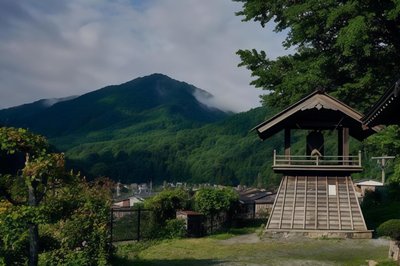
Byaku Narai
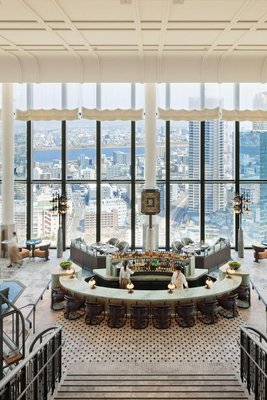
Waldorf Astoria Osaka
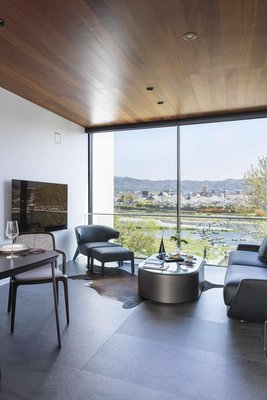
Kamo Residences by Reflections
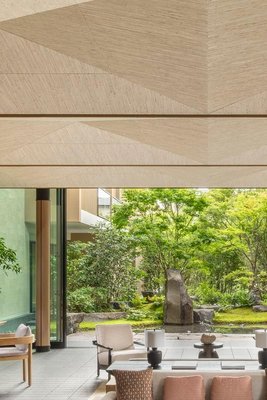
Six Senses Kyoto
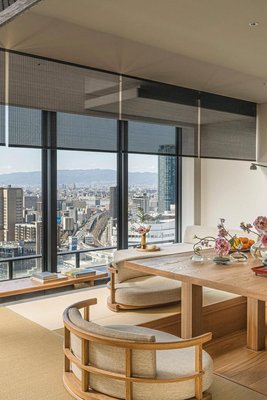
Four Seasons Hotel Osaka

Patina Osaka
The Ritz-Carlton, Osaka
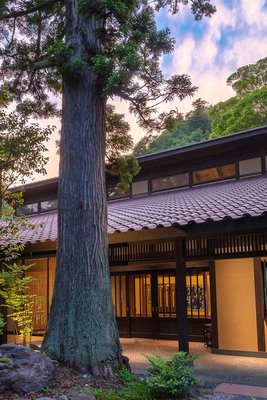
Arimasansoh Goshobessho
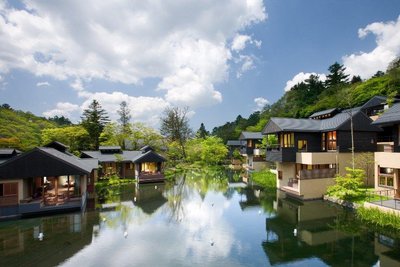
Hoshinoya Karuizawa

The Hiramatsu Hotels & Resorts Kashikojima
The Ritz-Carlton, Kyoto
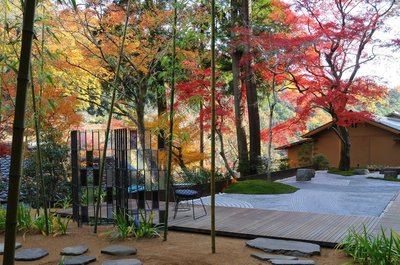
HOSHINOYA Kyoto
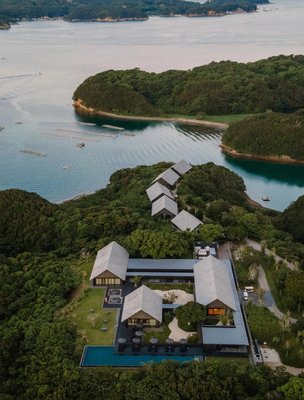
Amanemu
Suiran, a Luxury Collection Hotel, Kyoto
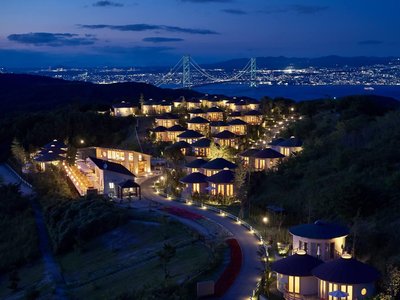
Grand Chariot Hokutoshichisei 135°
Park Hyatt Kyoto
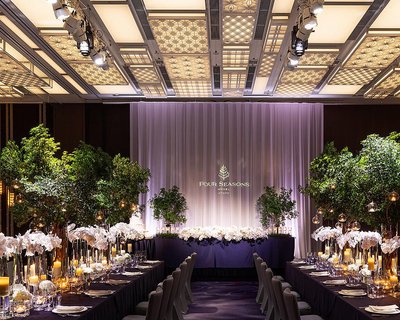
Four Seasons Hotel Kyoto
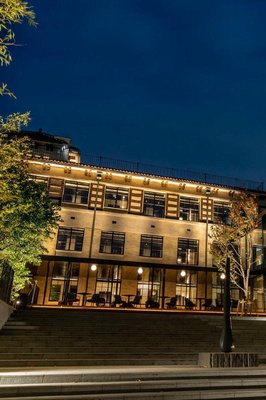
The Hotel Seiryu Kyoto Kiyomizu - a Member of the Leading Hotels of the World-
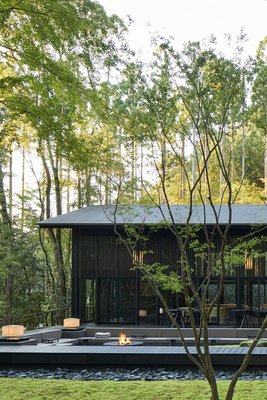
Aman Kyoto
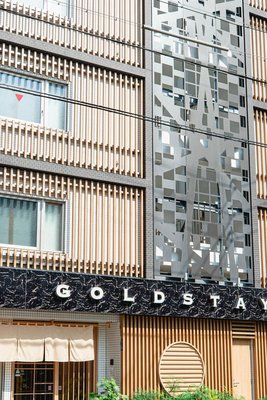
Gold Stay Nagoya OSU

Korinkyo

GOLD STAY Nagoya Sakae
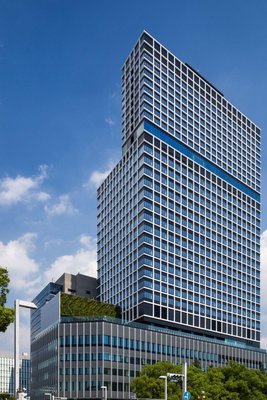
The Royal Park Hotel Iconic Nagoya
Yumotokan
Hoshino Resorts Kai Kaga
BIWAKO HANAKAIDO
Biwako Ryokusuitei
Motoyu Ishiya
Yunokuni Tensyo
Tachibana Shikitei
Hidatei Hanaougi
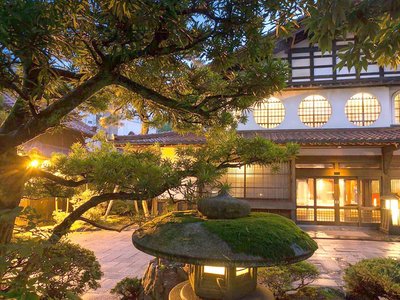
Hoshi

Hotel Ryu Resort and Spa
Grandia Housen
Yamanaka Onsen Kissho Yamanaka
Suihoen
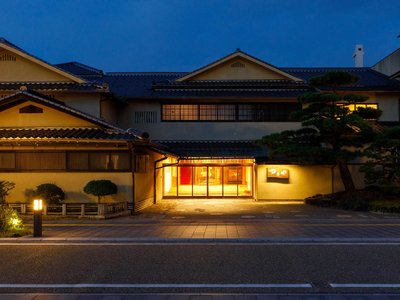
Awara Onsen Tsuruya
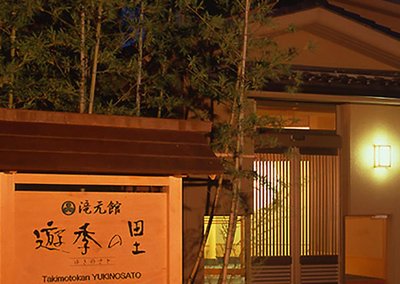
Takimotokan Yuki No Sato
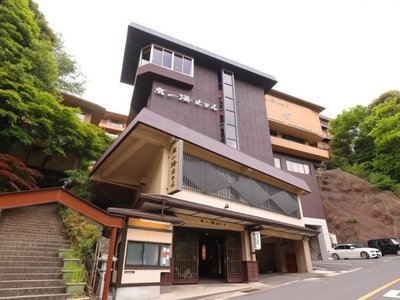
Shikanoyu Hotel
Osaka Marriott Miyako Hotel
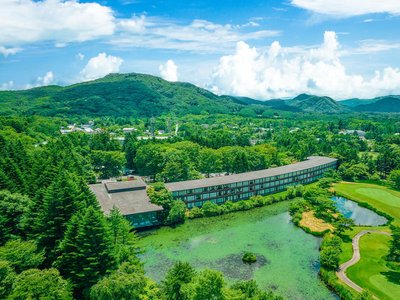
The Prince Karuizawa
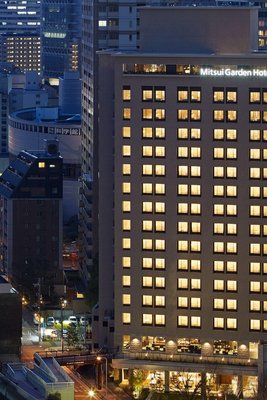
Mitsui Garden Hotel Osaka Premier

Izumigo Hotel Altia Toba
BIWAKO HANAKAIDO
Biwako Ryokusuitei
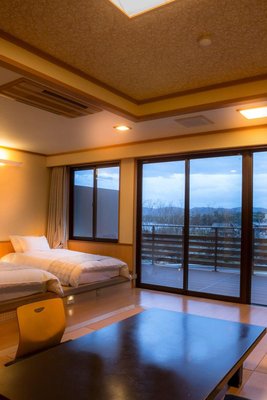
Hotel Kitanoya
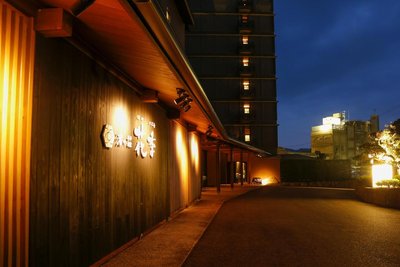
Hanagoyomi
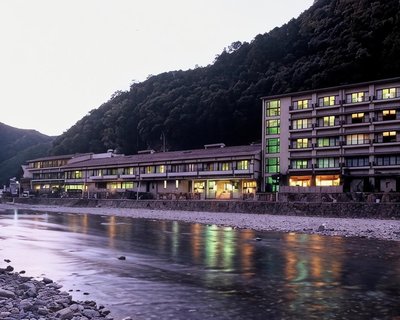
Kawayu Onsen Fujiya
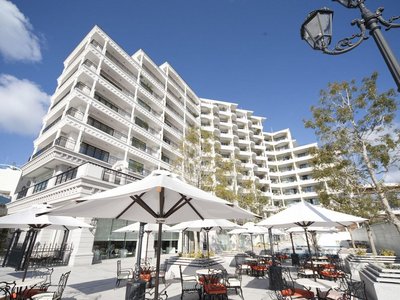
Hotel La Suite Kobe Harborland
Hoshinoya Karuizawa
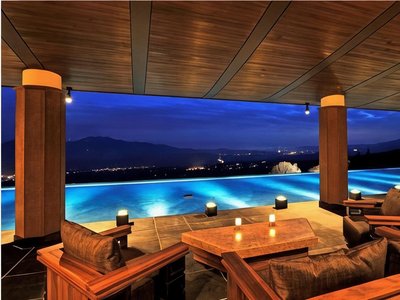
Akakura Kanko Hotel

AoAwo Naruto Resort
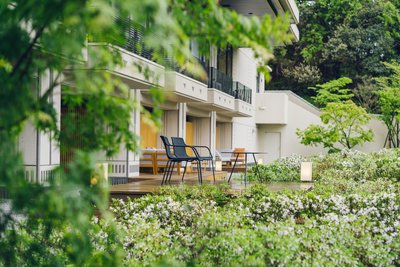
Hoshino Resorts Kai Enshu
Takimotokan Yuki No Sato
The Ritz-Carlton, Kyoto

Juhachiro

Toba International Hotel
Suiran, a Luxury Collection Hotel, Kyoto

Yuzanso

Legoland Japan Hotel

HOTEL UNIVERSAL PORT VITA

The Park Front Hotel at Universal Studios Japan

HOTEL UNIVERSAL PORT

THE SINGULARI HOTEL & SKYSPA at UNIVERSAL STUDIOS JAPAN
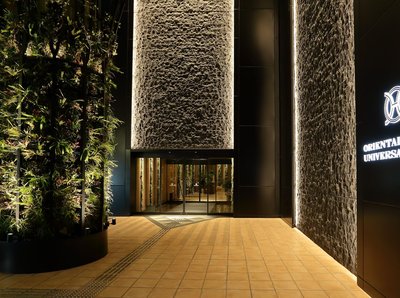
Oriental Hotel Universal City

Hotel Keihan Universal Tower
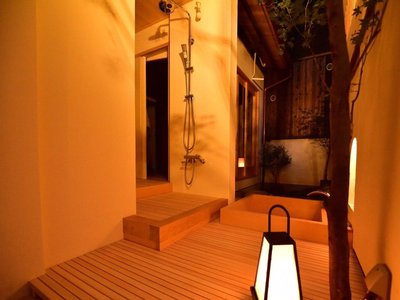
Yado Kiramachi
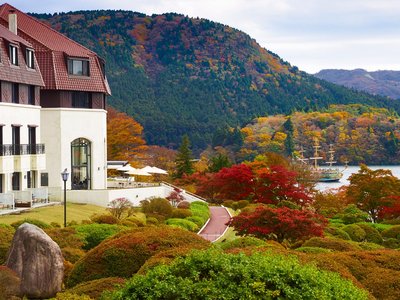
Hotakajyo
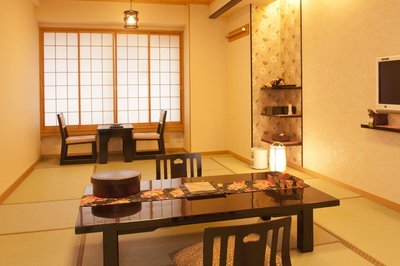
Matsui-Bekkan Hanakanzashi
Taikyourou
Monjusou Shourotei
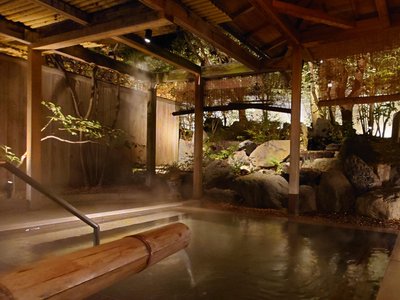
Kasuga Hotel
Kocho
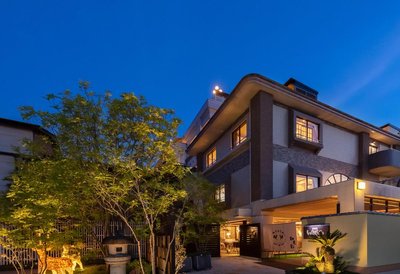
Hotel New Wakasa
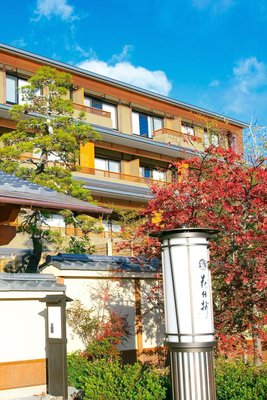
Kyoto Arashiyama Onsen Kadensho (Kyoritsu Resort)
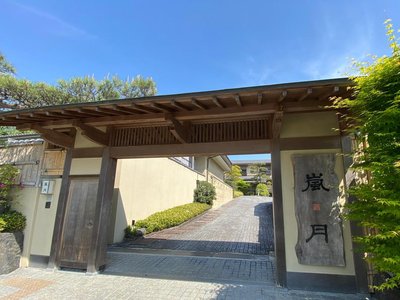
Rangetsu
The Ritz-Carlton, Kyoto
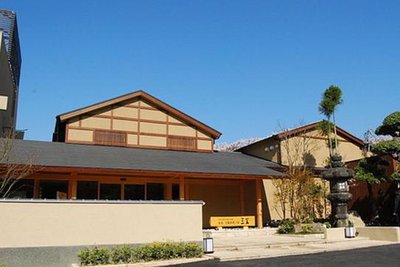
Mikasa
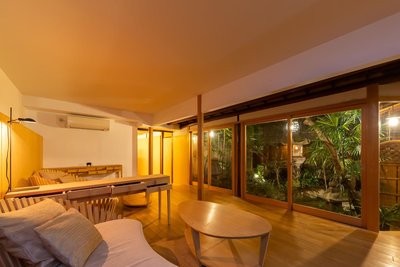
Izuyasu Traditional Kyoto Inn Serving Kyoto Cuisine
HOSHINOYA Kyoto
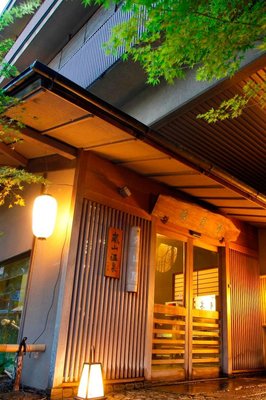
Togetsutei
Juhachiro
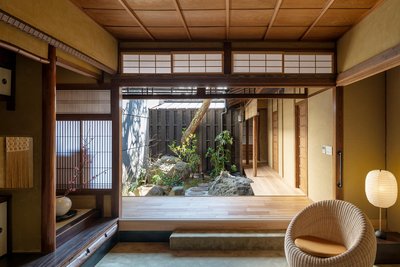
Nazuna Kyoto Gosho
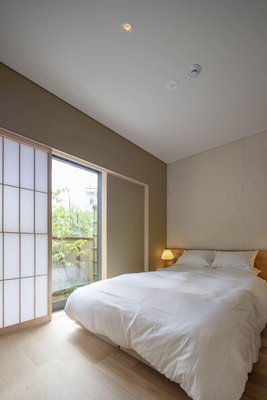
CAMPTON KIYOMIZU
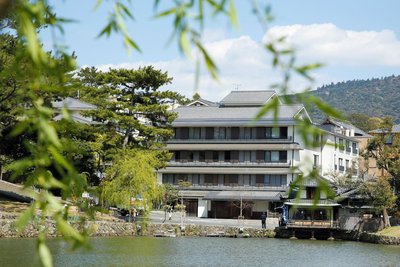
Sarusawaike Yoshidaya
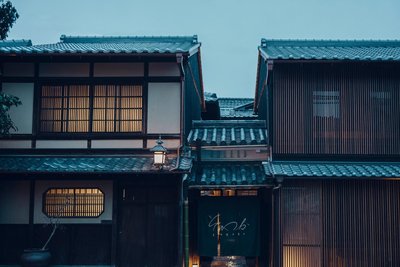
Sowaka
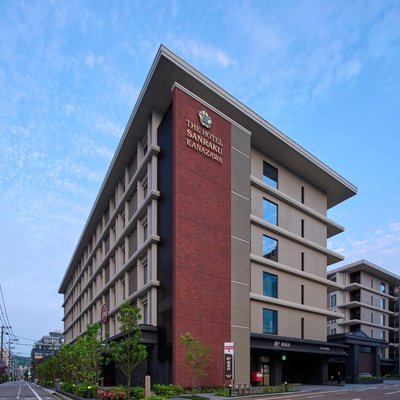
The Hotel Sanraku Kanazawa 21th December 2022 Open

22 PIECES
The Ritz-Carlton, Osaka

The Thousand Kyoto
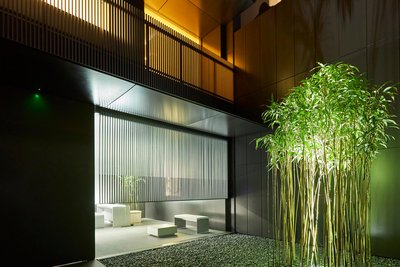
Mogana
GOOD NATURE HOTEL KYOTO
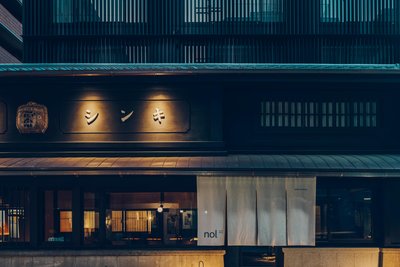
Nol Kyoto Sanjo

Zentis Osaka

Garrya Nijo Castle Kyoto
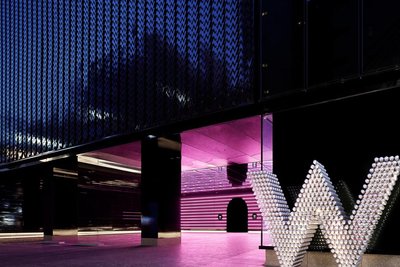
W Osaka

Hotel Kanra Kyoto

Aloft Osaka Dojima

The Address Akakura
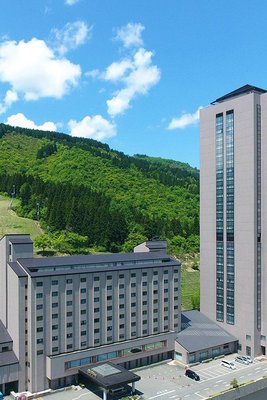
Naspa New Otani
The Prince Karuizawa
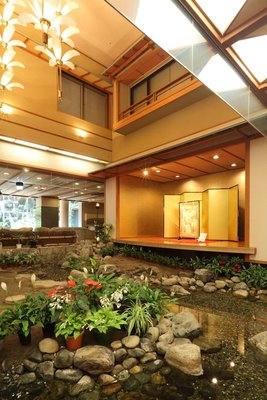
Hotel Futaba
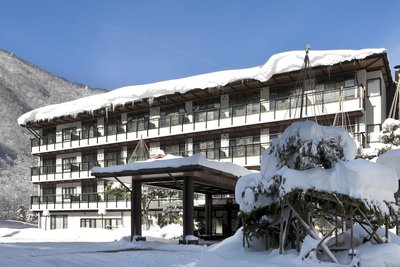
Okada Ryokan Warakutei
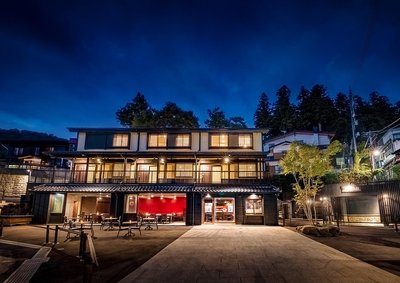
Ryokan Sakaya
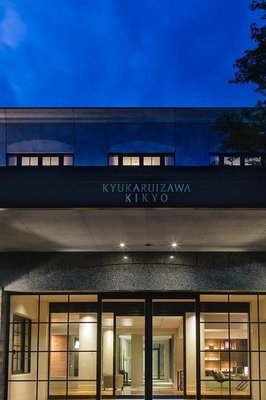
Kyukaruizawa Kikyo, Curio Collection by Hilton
Akakura Kanko Hotel
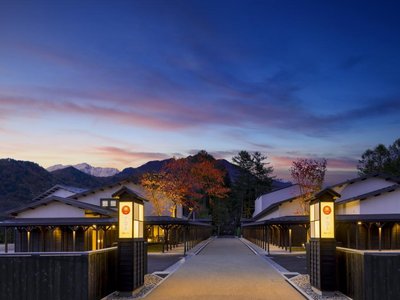
Hoshino Resorts KAI Alps
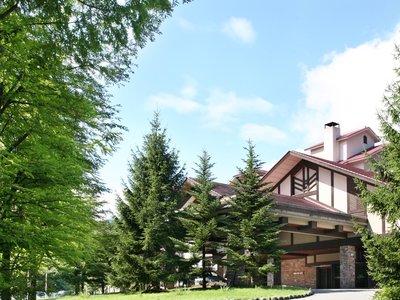
Hakuba Tokyu Hotel
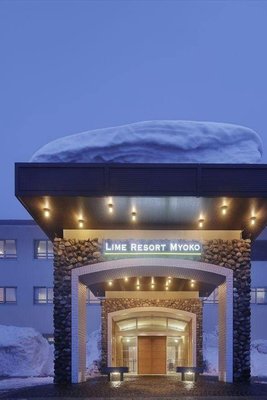
Lime Resort Myoko
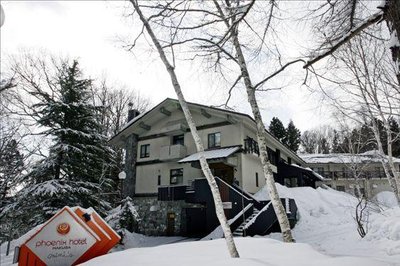
Phoenix Hotel by Hhg

Four Seasons Yuzawa Quattro

Courtyard by Marriott Hakuba
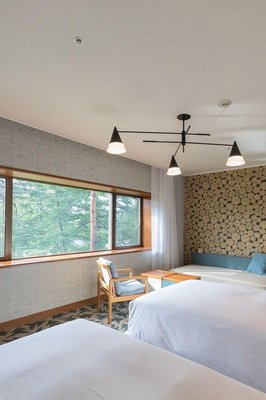
Karuizawa Prince Hotel East
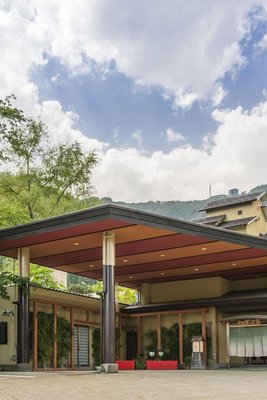
Shosenkaku Kagetsu
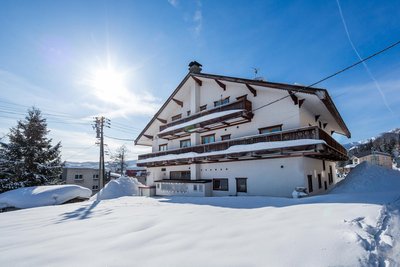
Marillen Hotel by Hhg
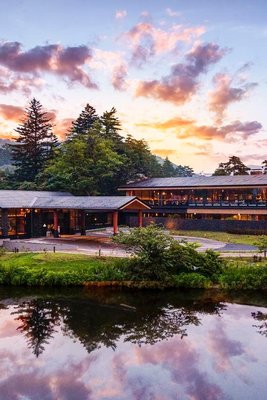
Karuizawa Prince Hotel West
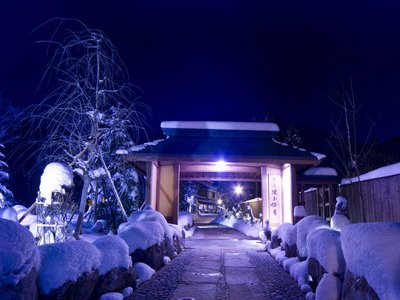
Miyama Ouan

Yuzawa Grand Hotel
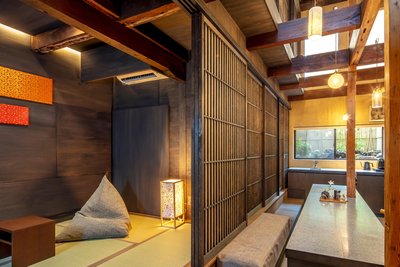
Kyo No Oozora Kihana
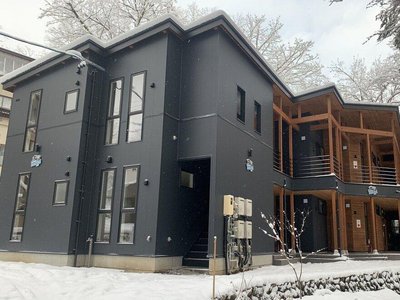
Hakuba Gondola Apartments
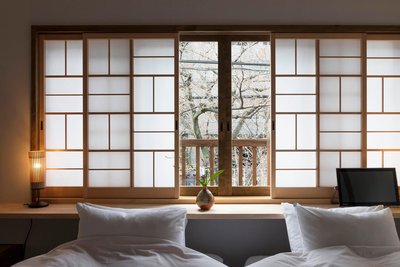
Hanagoromo Machiya House
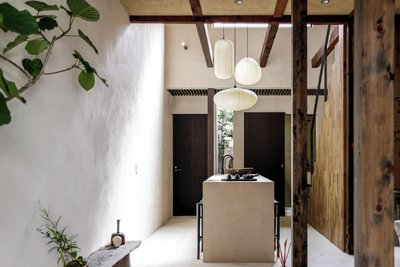
Maana Kiyomizu
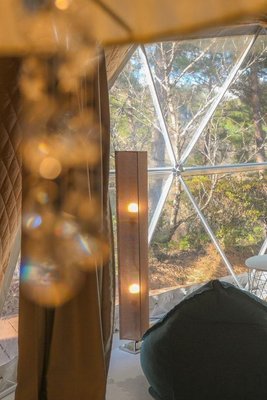
glampark Gekkabijin Nagano

Phoenix Chalets by Hhg

Apartment Hotel 11 Shinsaibashi
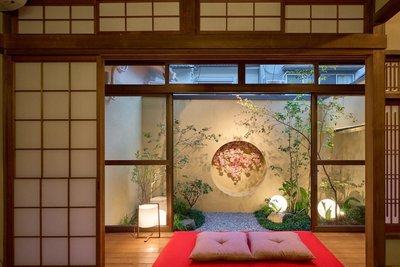
KONJAKUSO Osaka Tengachaya "NIHONCHA" Tea & Relax
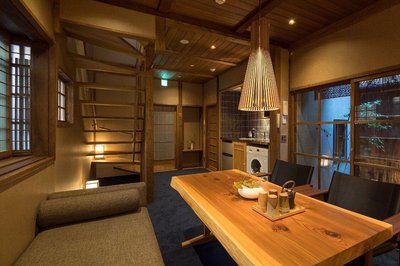
Bonbori an Machiya House

Glamping&Resort Wood Design Park Noma
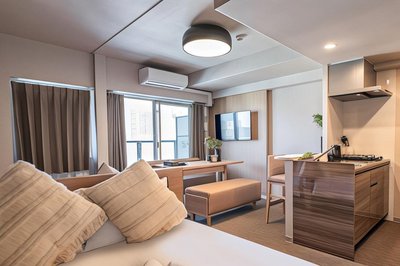
Apartment Hotel 11 Shinsaibashi III

Solavilla Umi Terrace Minamiawaji
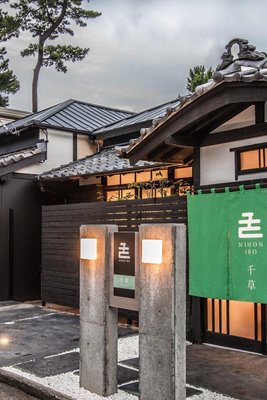
Nihon Iro
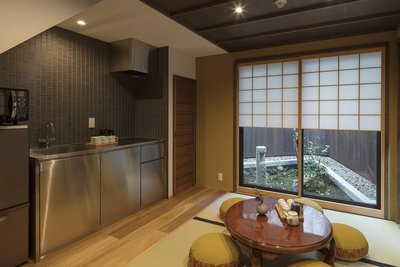
The Machiya Villa Sanjo Shirakawa Koji
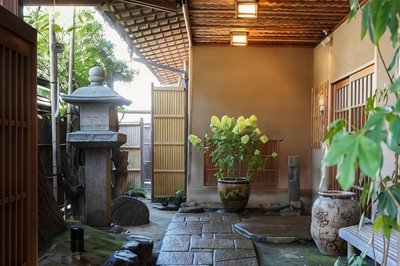
Ryokan Asadaya
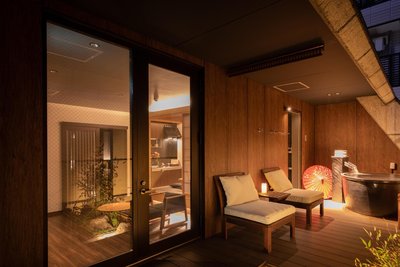
Konjaku-So Dotonbori
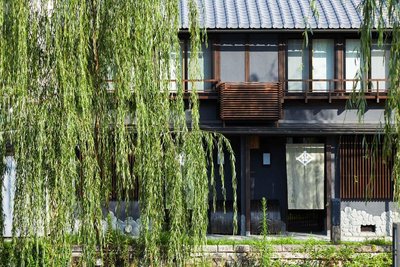
Gion Shirakawa No Yado

Kitashirakawa Natural Radium Onsen
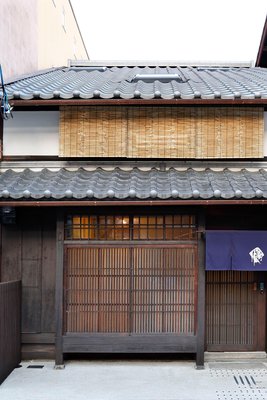
Kyo No Ondokoro Kamanza Nijo #2
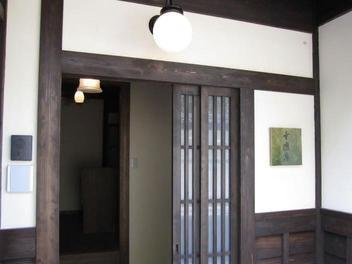
Gion Koyu an Machiya House
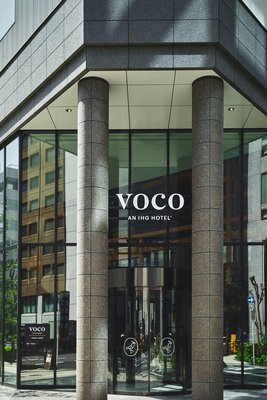
voco Osaka Central

TIAD, AUTOGRAPH COLLECTION
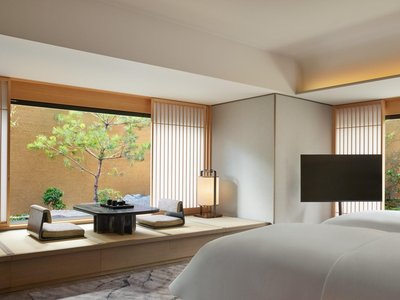
Dusit Thani Kyoto
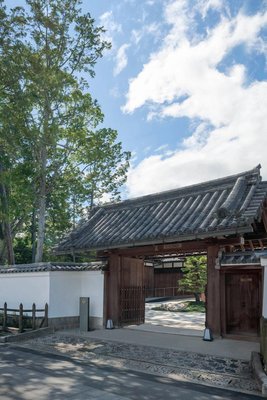
Shisui, a Luxury Collection Hotel, Nara

Hilton Kyoto
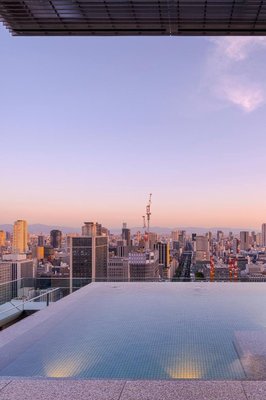
Candeo Hotels Osaka The Tower
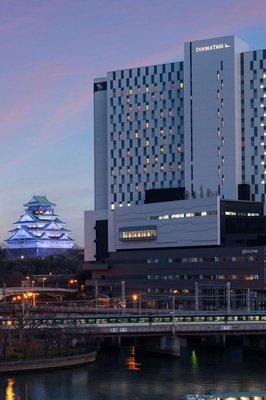
DoubleTree by Hilton Osaka Castle
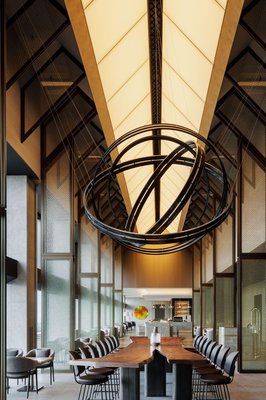
The Osaka Station Hotel, Autograph Collection
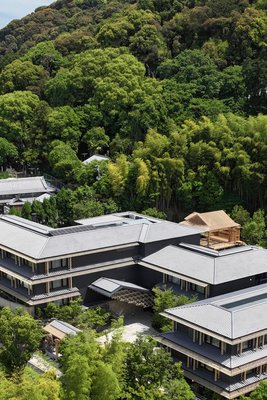
Banyan Tree Higashiyama Kyoto

Canopy by Hilton Osaka Umeda
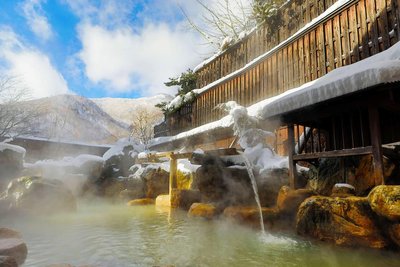
Miyamaouanbekkan yumegurinoyado hirayukan
HONJIN HIRANOYA BEKKAN

Hilton Osaka Hotel
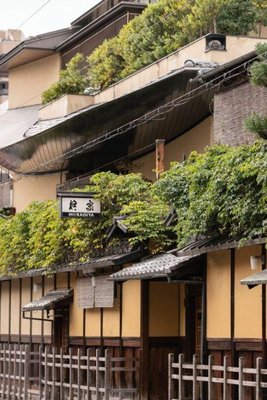
Hiiragiya Ryokan
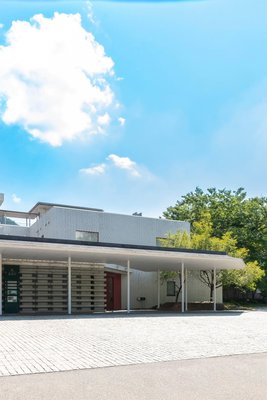
RIVER RETREAT GARAKU
Kyoto Arashiyama Onsen Kadensho (Kyoritsu Resort)
InterContinental Hotel Osaka
The Thousand Kyoto
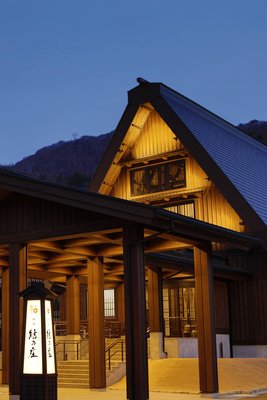
Onyado Yuinosho
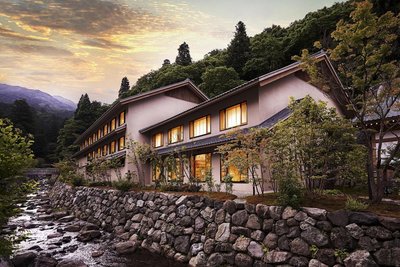
Hakujukan
Frequently Asked Questions about Traveling to Eiheiji
Questions You Might Need to Know About Traveling to Eiheiji
In Eiheiji Town, the best Zen-friendly stay is Eiheiji Shukubo, a temple lodging offering authentic Sōtō Zen experiences. Guests can participate in morning zazen meditation, sutra copying, and plant-based kaiseki meals. Located just steps from Daihō-ji Temple, it provides traditional tatami rooms, serene gardens, and quiet halls perfect for introspection. The site also hosts seasonal retreats, including spring cherry blossom meditation and autumn leaf-watching sessions. For those seeking deep cultural immersion, this is the ultimate spiritual base in the heart of Japan’s Zen heritage.
Additionally, Daihō-ji Temple itself is a must-visit landmark, housing the revered Kannon statue and ancient cedar groves. Visiting during spring or fall enhances the experience with breathtaking natural beauty—ideal for mindful walking and photography.
The best time to visit Eiheiji Town is during spring (March to May) and autumn (September to November). Spring brings blooming cherry blossoms around Daihō-ji Temple, creating ethereal scenes among misty mountain slopes. Autumn transforms the area into a fiery tapestry of maple and ginkgo trees, especially along the main approach path. These seasons offer mild weather and fewer crowds, ideal for hiking, meditation, and capturing stunning photos. Additionally, the annual Great Dharma Festival in October features grand ceremonies, chanting, and traditional rituals—perfect for experiencing authentic Sōtō Zen culture at its peak.
In Eiheiji Town, the most profound experience is the one-day Zen practice program at Eiheiji Shukubo. Participants join early morning zazen, chant sutras, copy Buddhist texts, and enjoy a full day of mindfulness. The temple also offers the Thousand-Armed Kannon Pilgrimage, where visitors walk through forested paths lined with stone statues, each representing compassion. Don’t miss the Great Dharma Festival in October—a major religious event featuring elaborate ceremonies, drumming, and chanting. For tea lovers, there’s also a Zen tea ceremony held in a secluded garden, embodying the principles of harmony, respect, purity, and tranquility.
Yes, Eiheiji Town is family-friendly despite its spiritual focus. At Eiheiji Shukubo, some family rooms include child-sized tatami mats and simple games. Nearby, Eiheiji Nature Park offers gentle trails perfect for kids, with nature guides explaining local flora and Zen-inspired landscaping. Special programs like the Little Monk Trail Map turn exploration into a fun scavenger hunt, teaching children about Buddhist traditions through play. The town also hosts seasonal events such as lantern-making workshops and seasonal festivals. Avoid visiting during major ceremonies to ensure a peaceful, child-centered atmosphere.
From Fukui City, take the Fukui Railway Line to Eiheiji-mae Station, a 40-minute ride. Alternatively, rent a car or take a taxi via National Route 8, about 30 km and 45 minutes. From Kyoto or Osaka, board a JR West Limited Express to Fukui Station, then transfer to a local bus. The town has limited parking, so consider using Eiheiji Shukubo's shuttle service or parking at the Eiheiji Town Hall lot. To minimize disruption, walking or renting a bicycle is recommended for exploring temples and forest paths.
Beyond Daihō-ji Temple, discover lesser-known treasures: Matsu-no-tani Stone Statues, a cluster of hundreds of small carved Buddha figures nestled in a quiet valley—believed to be hand-sculpted by monks over centuries. The Three-Storied Pagoda Ruins feature ancient architectural remnants reflecting early Japanese Buddhist design. Also, the Bamboo Grove Path, hidden behind the temple complex, offers a meditative walk surrounded by rustling bamboo, perfect for photography and quiet reflection. These off-the-beaten-path sites are rarely crowded, offering deeper access to the region’s spiritual essence and natural serenity.
In Eiheiji Town, savor Shojin Ryori—a traditional plant-based meal emphasizing purity and seasonality. At Eiheiji Shukubo, enjoy a full kaiseki-style menu featuring tofu hot pot, wild mountain vegetable tempura, chestnut rice, and matcha dessert. All ingredients are sourced locally and organically. Another must-try is Eiheiji Mochi, a soft, sweet rice cake filled with red bean or matcha paste—ideal as a souvenir. For a lighter option, sample Echizen soba noodles served cold with dipping sauce and pickled vegetables. Every dish reflects Zen values: simplicity, gratitude, and harmony with nature.
The best area for accommodation is around Eiheiji-mae Station, near the main entrance to Daihō-ji Temple. This zone hosts several traditional ryokan and Zen lodges like Eiheiji Shukubo and Echizenya Inn, all within walking distance of key attractions. The station area is well-connected, safe, and quiet, perfect for early morning meditation and evening strolls. For a more secluded experience, consider staying in Matsu-no-tani or Takegawa Village, slightly farther but surrounded by lush forests and silence—ideal for deep relaxation. HopeGoo in advance is essential, especially during festival season and autumn foliage month.
Nighttime in Eiheiji Town offers rare Zen experiences: Midnight Zazen Sessions at Eiheiji Shukubo, where participants meditate under moonlight in the temple hall, listening to distant bell chimes. During full moons, the Lantern Path lights up along the main approach, casting warm glows through the forest—known as the "Path of Light." Visitors may carry their own paper lanterns, creating a peaceful procession. The surrounding woods are silent, occasionally interrupted by deer or night birds. Wear warm clothing and comfortable shoes. These tranquil moments provide a profound connection to stillness and inner peace—unforgettable for spiritual travelers.
The highlight is the Great Dharma Festival in October, a three-day event celebrating the founding of Daihō-ji Temple. It includes grand chanting, ceremonial processions, drumming, and the lighting of thousands of lanterns. The final day features the Thousand-Armed Kannon Pilgrimage, drawing thousands of devotees. Other events include the Kaiyō Festival on March 15, commemorating the death of founder Dōgen Zenji. For maximum cultural immersion, visit in October—the festival period brings extra food stalls, craft markets, and special meditation retreats. It’s the most authentic time to witness Sōtō Zen traditions in action.
Eiheiji Overview
City Summary
Eiheiji Town in Fukui Prefecture is famed for Eiheiji Temple, the head temple of Soto Zen Buddhism. Nestled in lush mountains, this 750-year-old sanctuary offers profound spiritual retreats with zazen meditation and shojin ryori cuisine. The town embodies serene harmony between sacred tradition and natural beauty.
Must-See Attractions
Must-visit Eiheiji Temple for dawn chanting sessions. Nearby attractions include autumn foliage at Kuzuryu River Gorge and the guardian deity at Shibata Shrine. Visit temples early to avoid crowds, then explore preserved Edo-period streets in the afternoon.
Food Guide
Try Zen vegetarian shojin ryori showcasing seasonal produce. Local specialty Echizen soba pairs perfectly with grated radish dip. In winter, savor salt-grilled sweetfish from Kuzuryu River.
Transportation Guide
Take Keifuku Bus from Fukui Station (30min, 1-2 departures hourly). The town is walkable with free shuttle buses around temple grounds. Taxis require advance HopeGoo (¥5,000 from Fukui city). Winter drivers note mountainous road conditions.
Best Time to Visit
October-November offers stunning maple foliage. Fewer crowds in spring-summer suit meditation retreats. Snowscapes in winter (Dec-Feb avg 34°F) demand thermal gear.
Travel Tips
- Remove shoes in temple no-photography zones\n2. Book shojin ryori 3 days ahead\n3. 10°C daily temperature swings require layers\n4. Last bus departs at 18:30\n5. Carry cash (only 20% shops accept cards)\n6. Observe silence during meditation hours (5-7AM)
Useful Information
Language: Basic English understood (temple pamphlets available)\nInternet: Free Wi-Fi at major sites (SSID:Eiheiji-Free)\nPayment: Int'l cards at post office ATMs (7AM-7PM)\nEmergencies: Clinic handles minor injuries (9AM-5PM), major cases go to Fukui University Hospital\nEtiquette: Purify hands/mouth at temizuya before entering temples