Hotels in Engis
Discover your perfect stay in Engis.
Engis(Belgium) Travel 2026: Cheap Flights, Hotels & Top Attractions
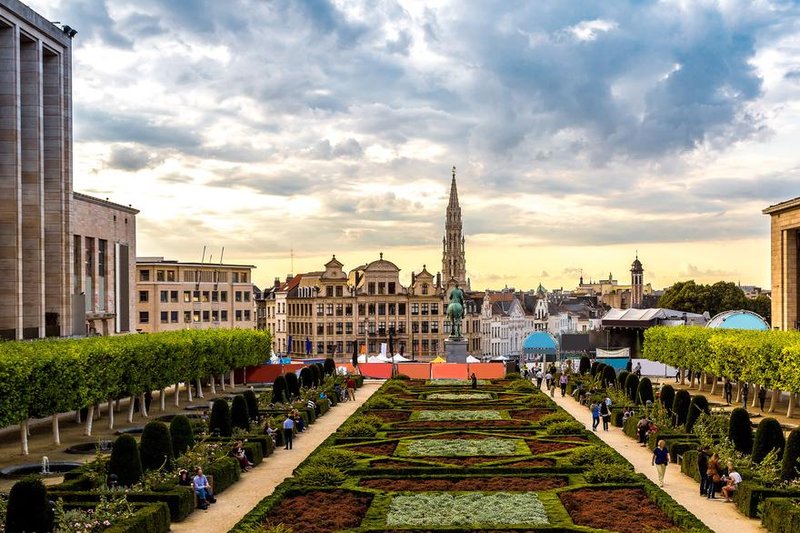
Popular Landmarks in Engis
Discover the most iconic attractions in Engis
Recommended Hotels in Engis
Find the perfect place to stay in Engis
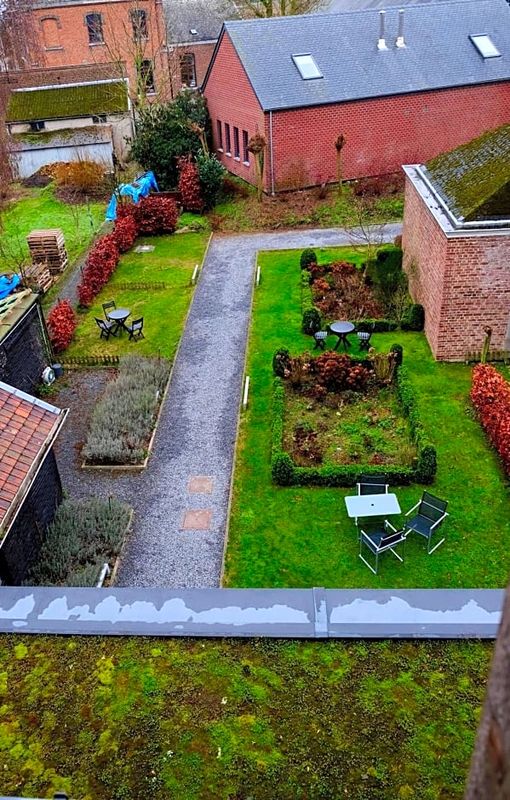
Le Presbytère
Best Hotels in Engis
Discover curated hotel collections in Engis
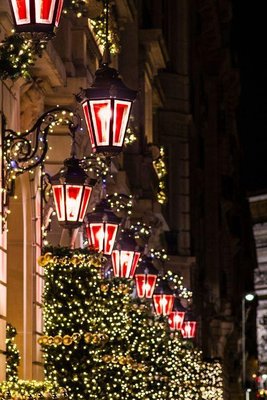
Le Royal Monceau - Raffles Paris
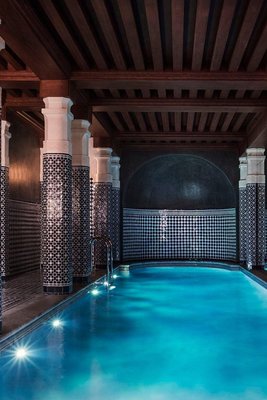
Maison Proust, Hotel & Spa la Mer
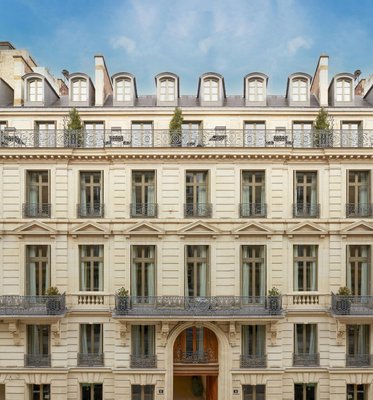
Maison Delano Paris
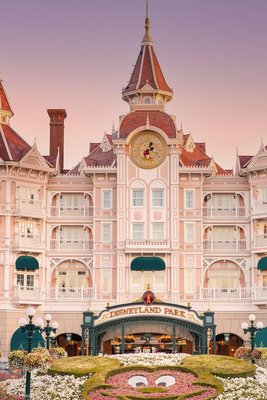
Disneyland Hotel
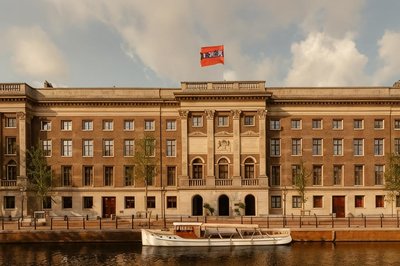
Rosewood Amsterdam
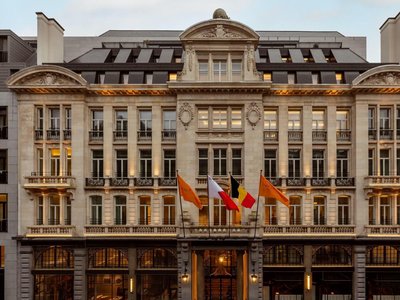
Corinthia Grand Hotel Astoria Brussels
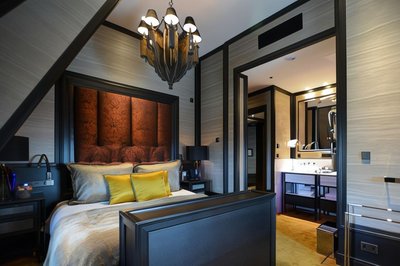
Hotel TwentySeven - Small Luxury Hotels of the World
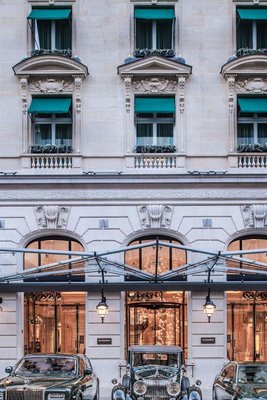
The Peninsula Paris
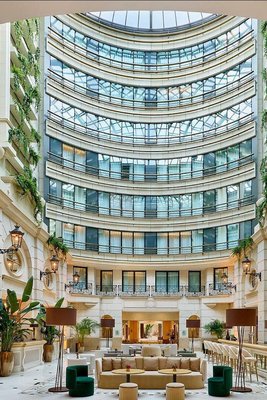
Paris Marriott Champs Elysees Hotel
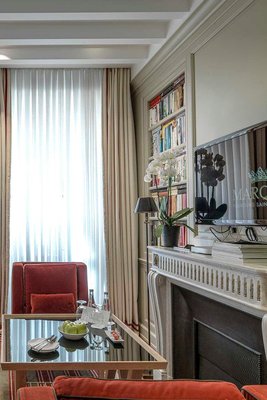
Hôtel Marquis Faubourg Saint-Honoré
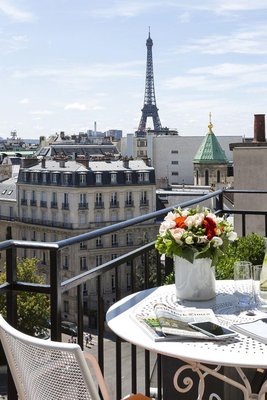
Hôtel San Régis
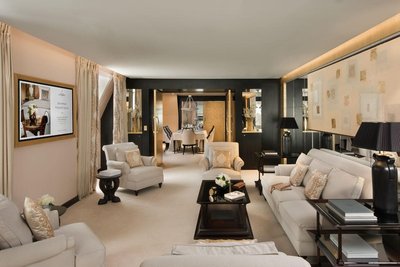
Hotel Barrière Fouquet's Paris
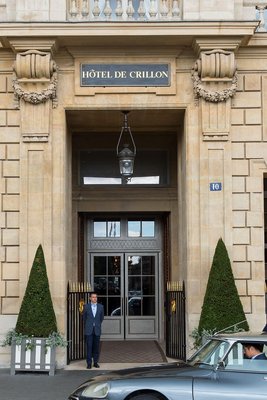
Hotel de Crillon A Rosewood Hotel
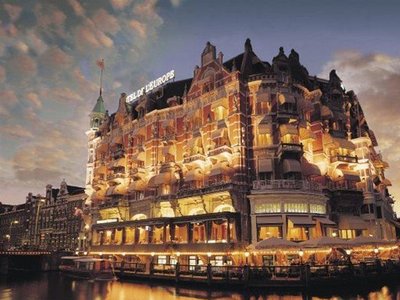
De L’Europe Amsterdam – the Leading Hotels of the World
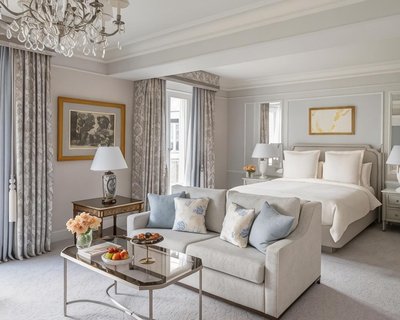
Four Seasons Hotel George V Paris
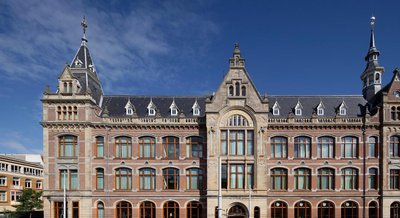
Conservatorium Hotel (Operated by Mandarin Oriental)
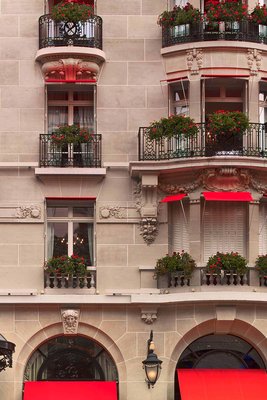
Plaza Athénée Paris & Dior Spa
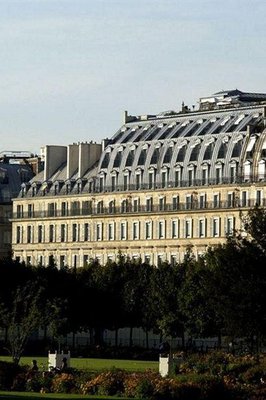
Le Meurice
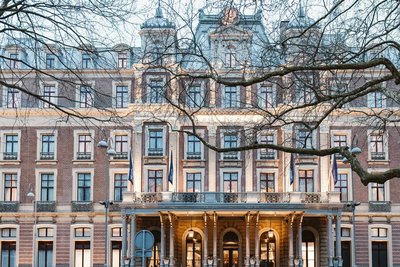
InterContinental Amstel Amsterdam
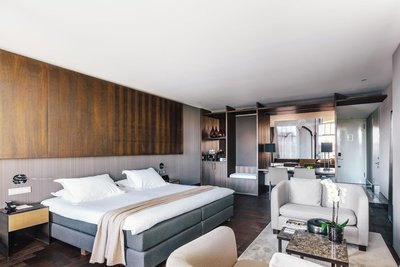
The Dylan Amsterdam
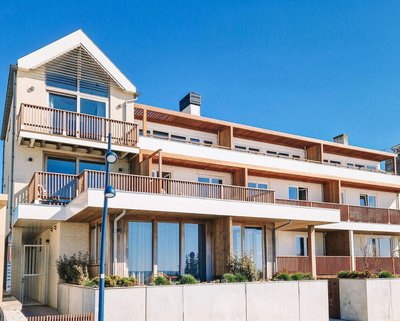
Boulevard 5
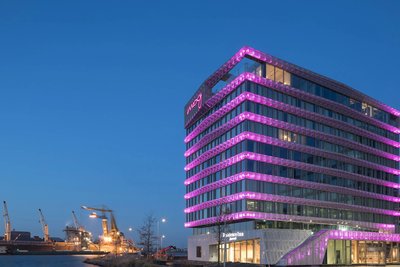
Residence Inn by Marriott Amsterdam Houthavens
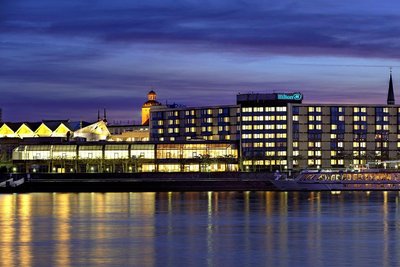
Hilton Mainz
De L’Europe Amsterdam – the Leading Hotels of the World
Four Seasons Hotel George V Paris
InterContinental Amstel Amsterdam
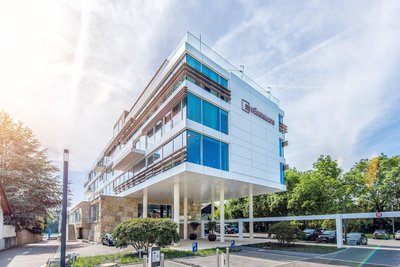
Fährhaus
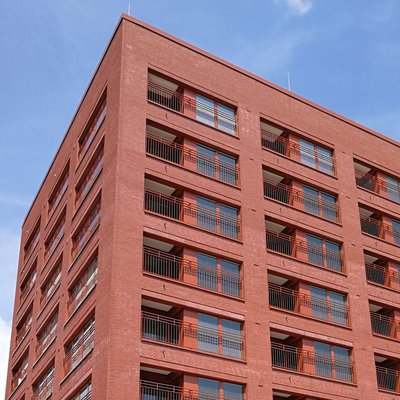
The Flag Oskar M.
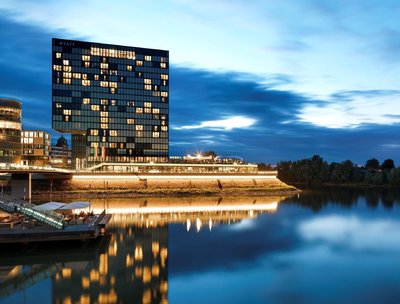
Hyatt Regency Dusseldorf
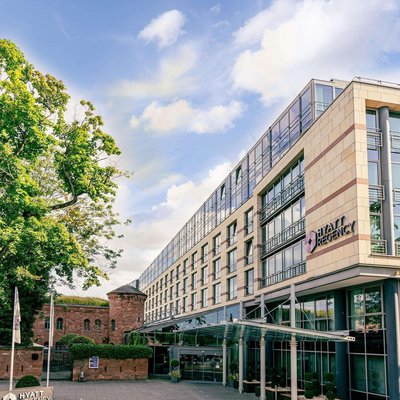
Hyatt Regency Mainz
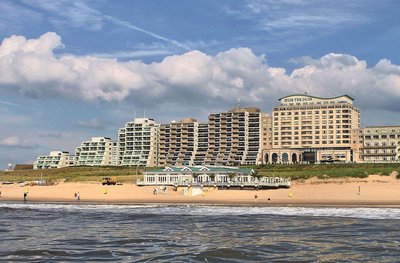
The Historic Huis Ter Duin
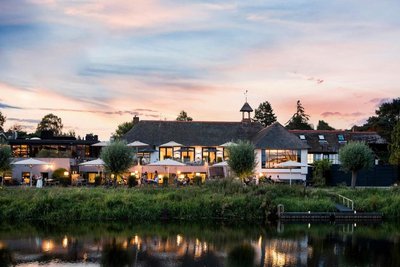
Mooirivier
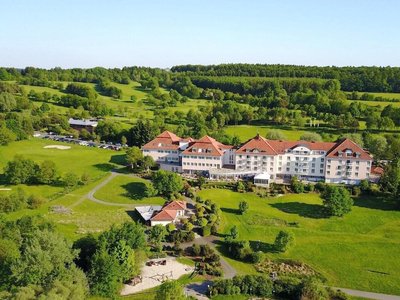
Golf- Und Sporthotel Wiesensee
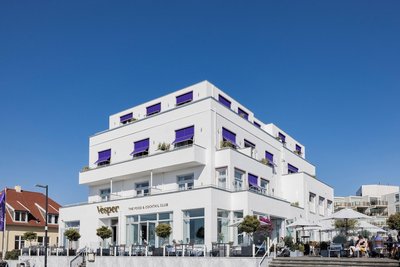
Vesper Hotel
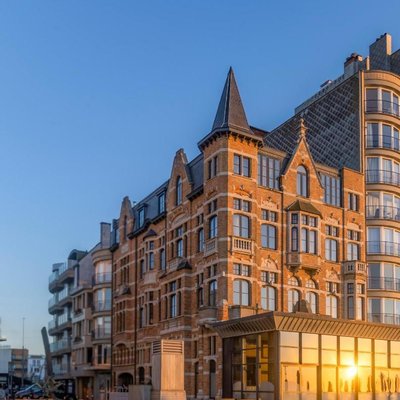
Hotel Villa Select
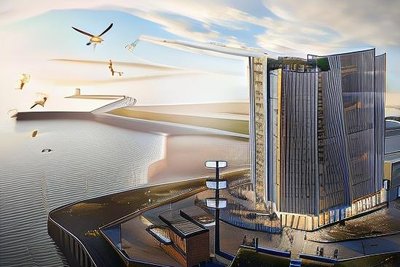
Inntel Hotels Den Haag Marina Beach
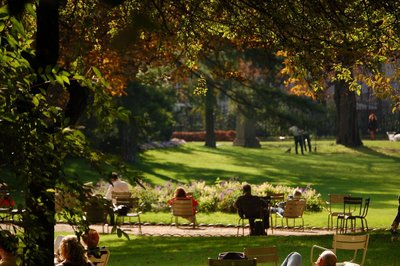
Hotel Les Rives de Notre-Dame
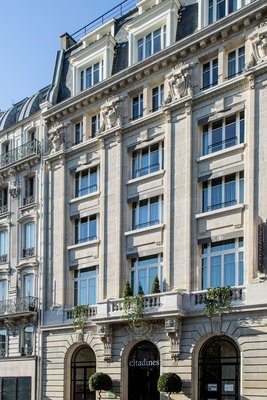
Citadines Saint-Germain-Des-Prés Paris
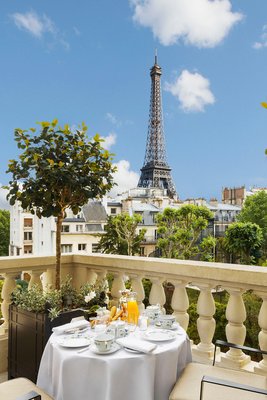
Shangri-La Paris

Cheval Blanc Paris & Dior Spa Cheval Blanc Paris
Maison Proust, Hotel & Spa la Mer
Maison Delano Paris
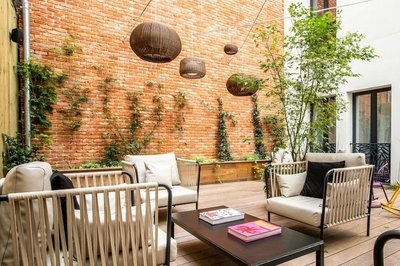
Laz' Hotel Spa Urbain Paris
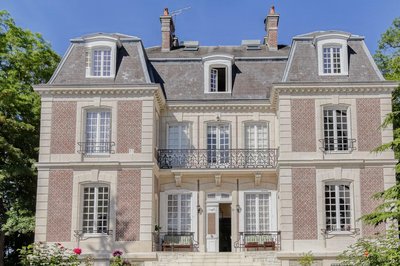
Château d'Avesnes - le Castelet
The Peninsula Paris
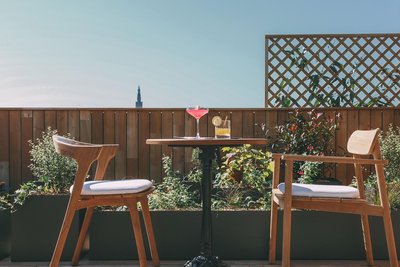
Grand Hotel Bellevue - Grand Place
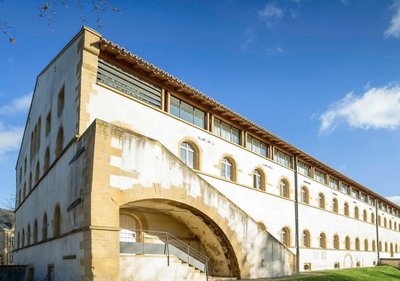
Hôtel la Citadelle Metz - MGallery Collection
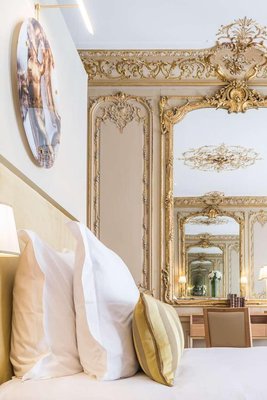
Hôtel Alfred Sommier
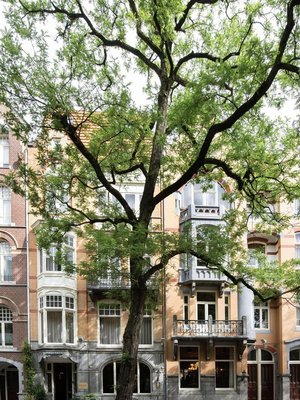
Jan Luyken Amsterdam
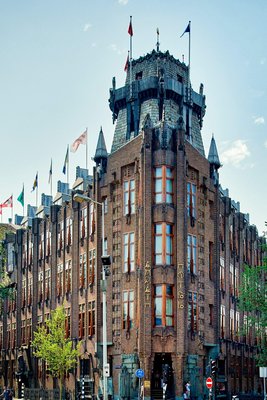
Grand Hotel Amrâth Amsterdam
Hotel de Crillon A Rosewood Hotel
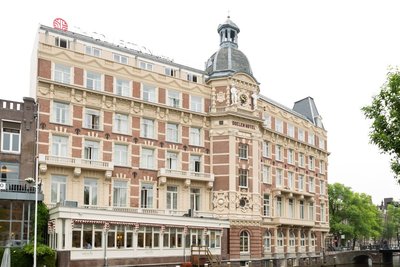
Tivoli Doelen Amsterdam Hotel
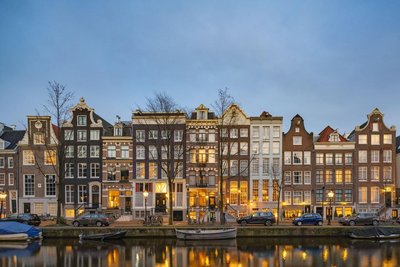
Ambassade Hotel
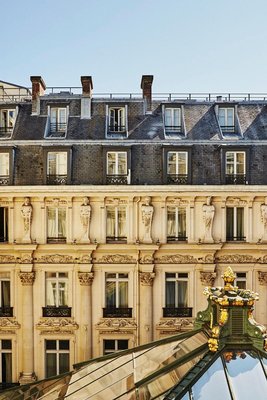
InterContinental Paris le Grand
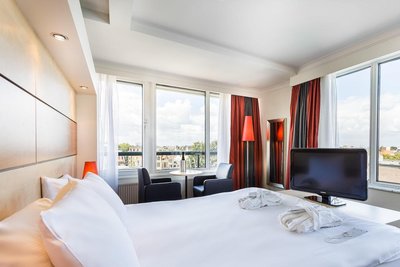
Hotel Die Port Van Cleve
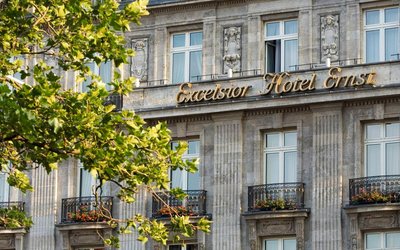
Excelsior Hotel Ernst am Dom
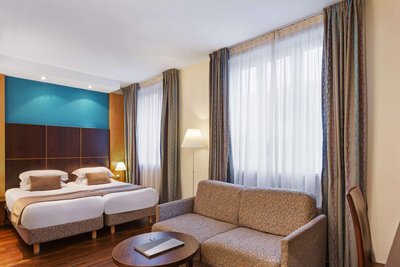
Best Western Plus Monopole Metropole
Four Seasons Hotel George V Paris
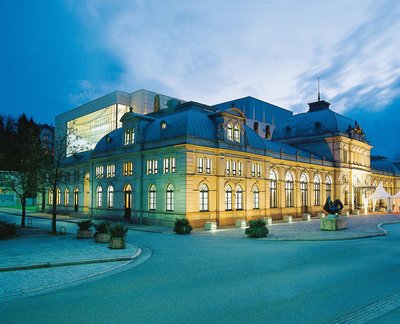
Hotel der Kleine Prinz
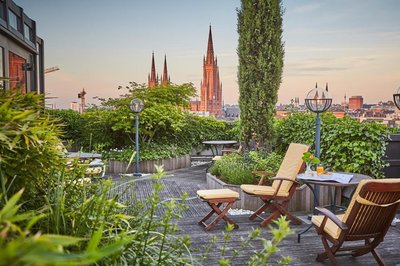
Hotel Nassauer Hof
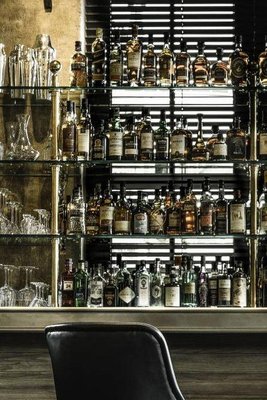
1898 the Post
The Peninsula Paris
Paris Marriott Champs Elysees Hotel
Hôtel San Régis
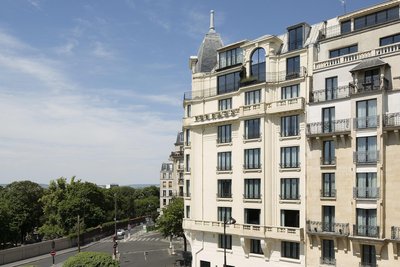
Terrass Hotel Paris
Plaza Athénée Paris & Dior Spa

Andaz Amsterdam Prinsengracht, by Hyatt
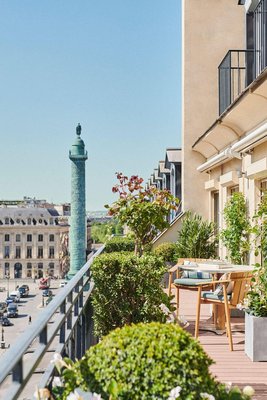
Park Hyatt Paris Vendome
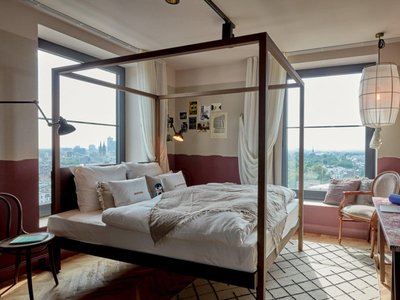
25Hours Hotel Duesseldorf Das Tour
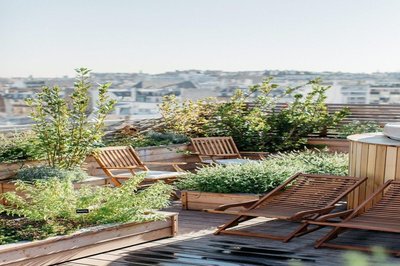
Brach Paris - Evok Collection
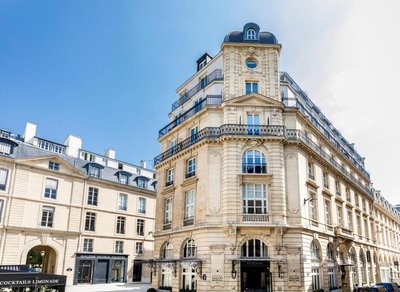
Grand Hôtel du Palais Royal
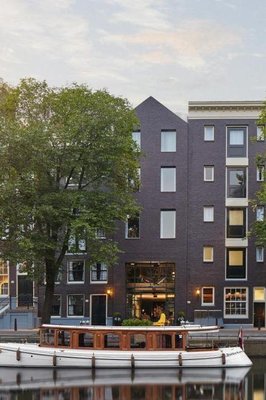
Pulitzer Amsterdam
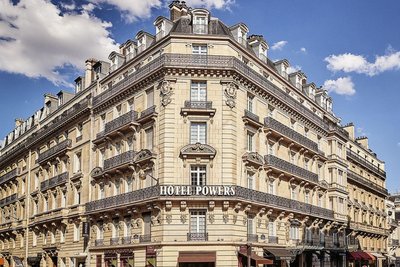
Grand Powers Hotel
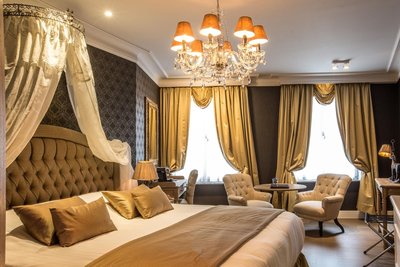
Luxury Boutique Hotel de Castillion
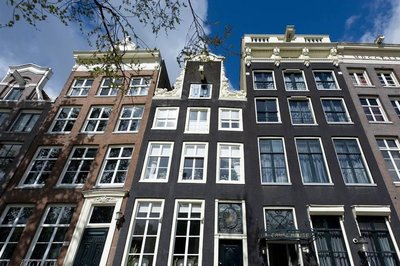
Small Luxury Hotels of the World - Canal House
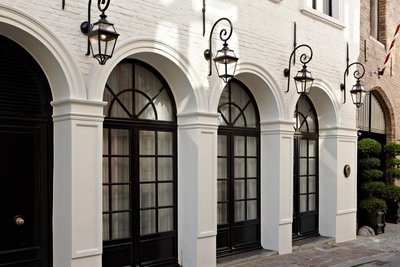
Hotel de Orangerie by CW Hotel Collection

Hotel Eiffel Blomet
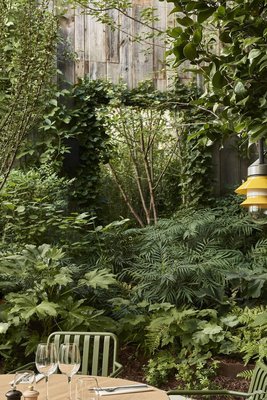
Hôtel le Ballu
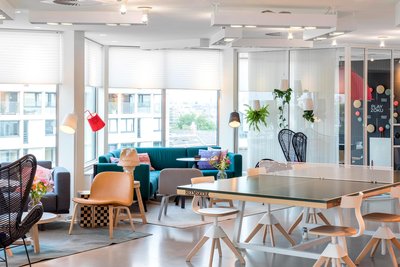
Zoku Amsterdam
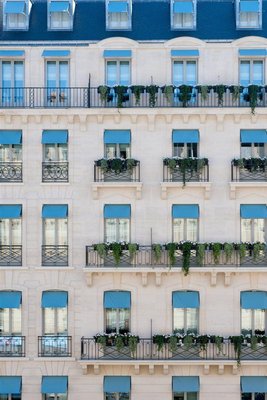
Nolinski Paris - Evok Collection
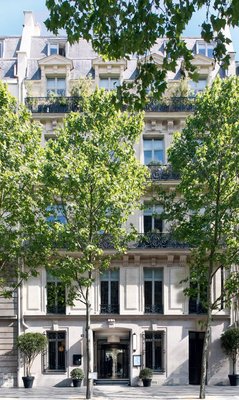
Le Narcisse Blanc Hôtel & Spa
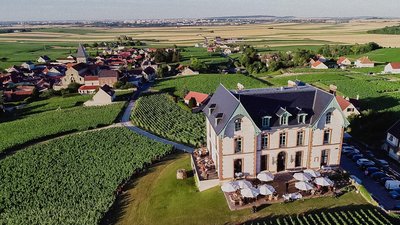
Chateau de Sacy
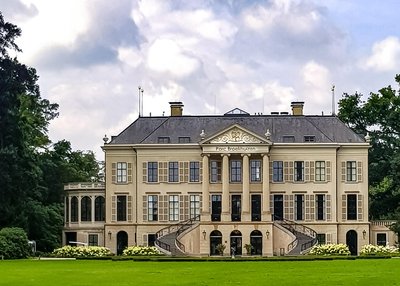
Parc Broekhuizen l Culinair Landgoed
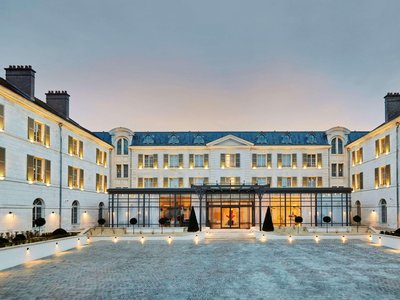
Licorne Hotel & Spa Troyes MGallery
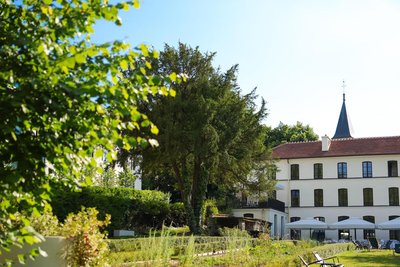
Domaine Reine Margot Paris Issy MGallery Collection
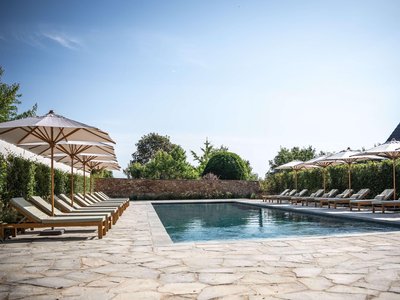
5 Terres Hôtel & Spa - MGallery
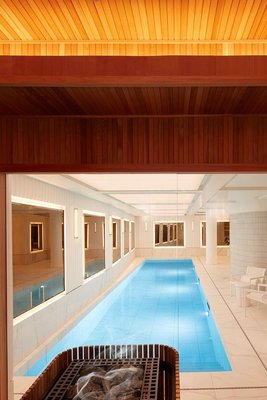
Villa-des-Prés
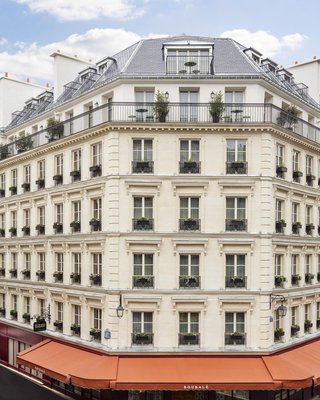
Le Grand Mazarin
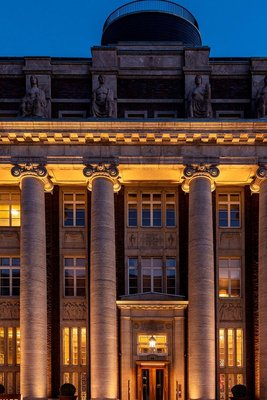
The Wellem Dusseldorf, Part of Hyatt
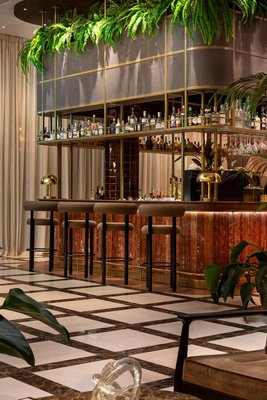
Brunfels Hotel, in the Unbound Collection by Hyatt
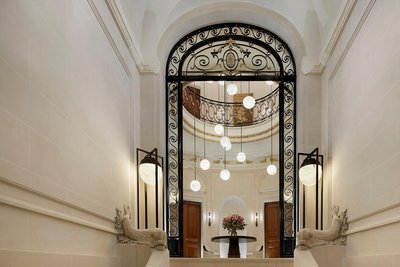
Maison Villeroy
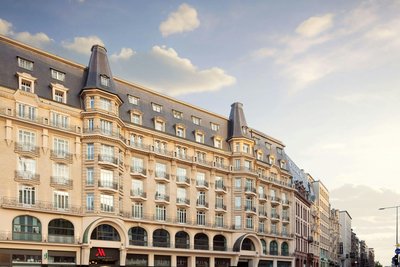
Luxembourg Marriott Hotel Alfa
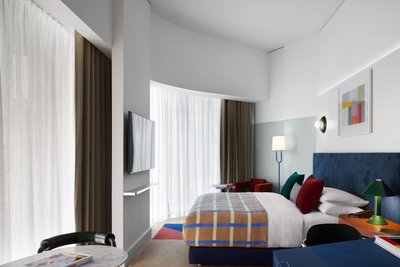
Kimpton Main Frankfurt
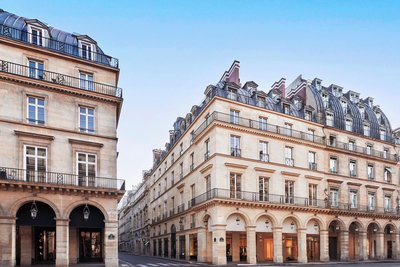
Maison Barrière Vendôme
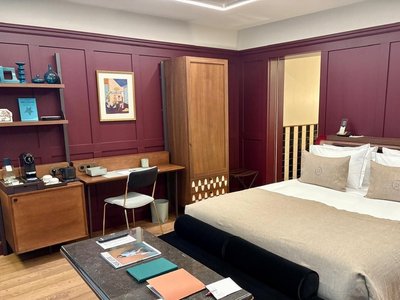
Faubourg 21
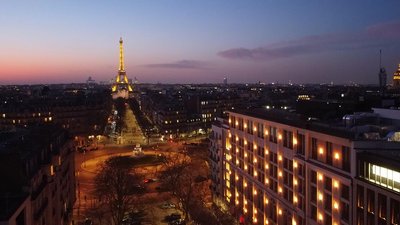
SAX Paris, LXR Hotels & Resorts
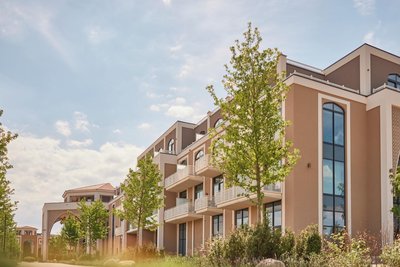
Hotel Thermen Berendonck
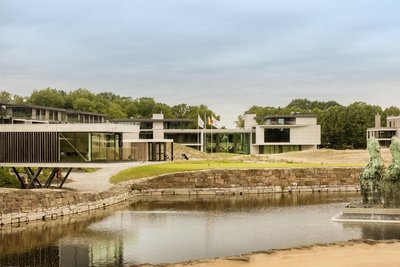
Radisson Collection Hotel, The National Brussels
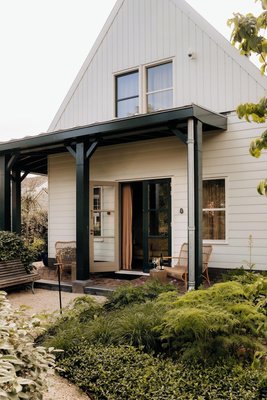
De Durgerdam, Amsterdam
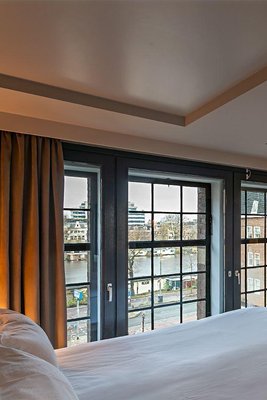
Pestana Amsterdam Riverside
Hotel TwentySeven - Small Luxury Hotels of the World
The Peninsula Paris
Hotel de Crillon A Rosewood Hotel
De L’Europe Amsterdam – the Leading Hotels of the World
Four Seasons Hotel George V Paris
Le Meurice
The Dylan Amsterdam
Park Hyatt Paris Vendome
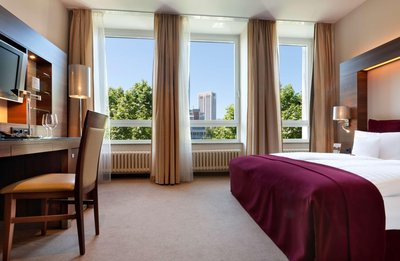
Flemings Selection Hotel Frankfurt-City
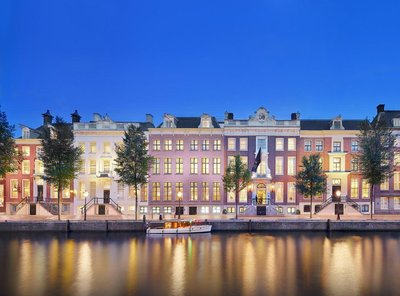
Waldorf Astoria Amsterdam
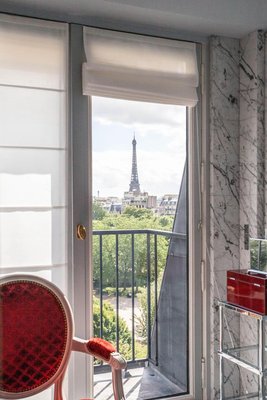
La Reserve Paris Hotel and Spa
Hyatt Regency Dusseldorf
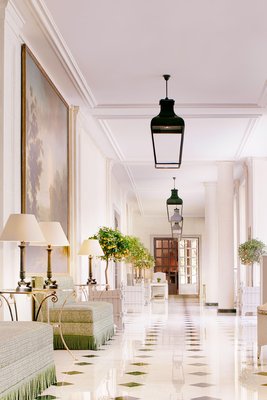
Le Bristol Paris - an Oetker Collection Hotel
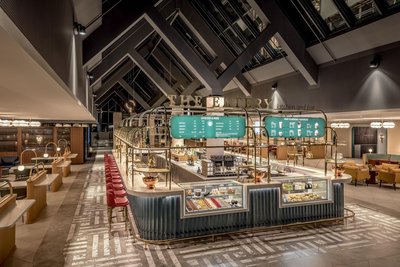
Frankfurt Airport Marriott Hotel
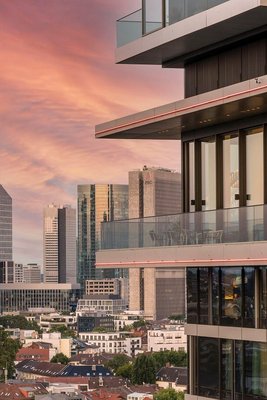
Melia Frankfurt City
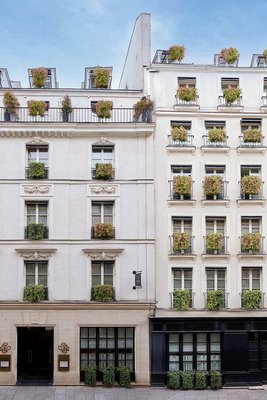
Le Burgundy Paris
Shangri-La Paris
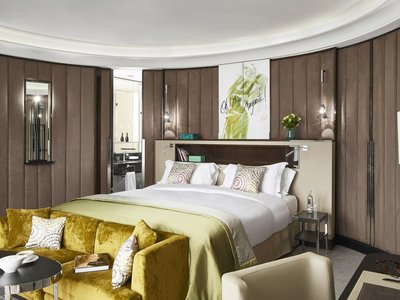
Sofitel Frankfurt Opera
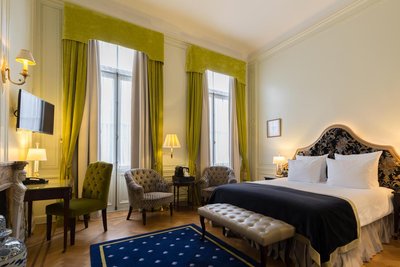
Stanhope Hotel Brussels by Thon Hotels
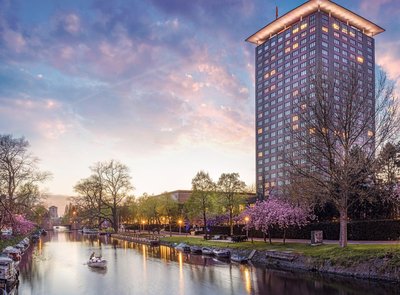
Hotel Okura Amsterdam – the Leading Hotels of the World
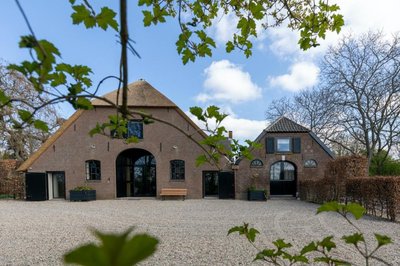
Het Rentmeestershuis
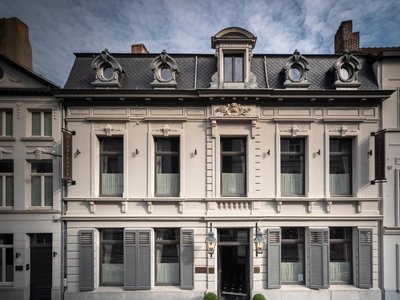
CH Longstay 2
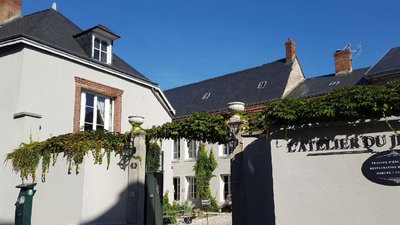
Au Jeu de Paume
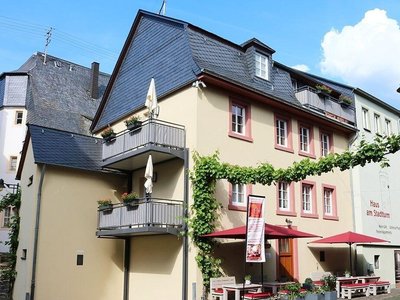
Haus am Stadtturm
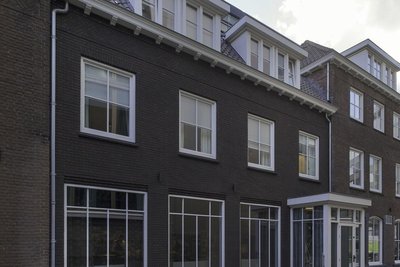
Little Grand
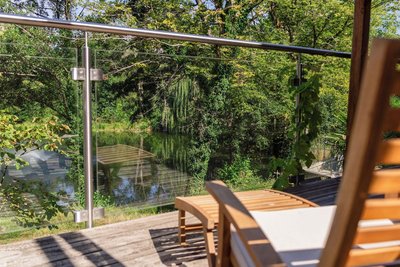
Domaine de la Résidence Hotel Spa & Restaurant
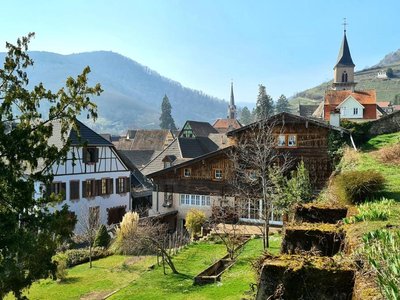
La Grange du Couvent B&B
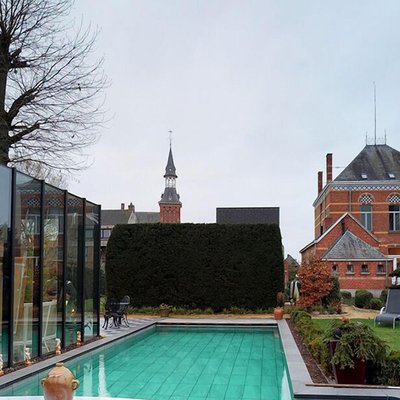
Art of Dreams Deluxe 4 Stars
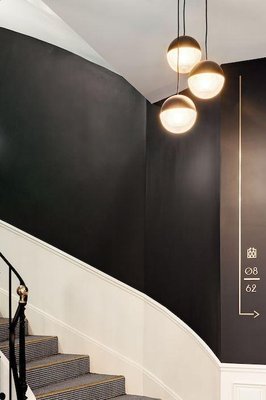
My Maison in Paris Invalides
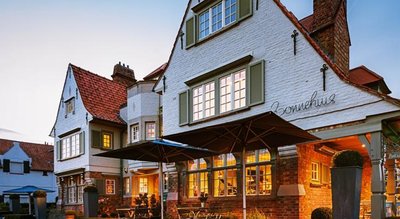
Romantik B&B Zonnehuis
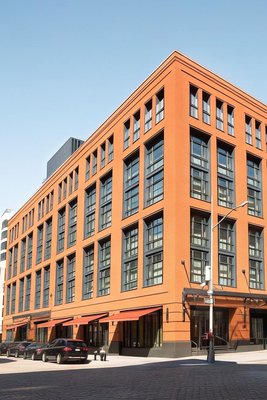
Hotel Barrière Fouquet's New York
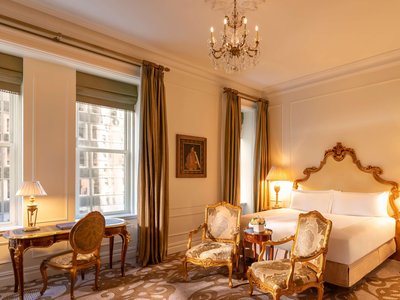
The Plaza - A Fairmont Managed Hotel
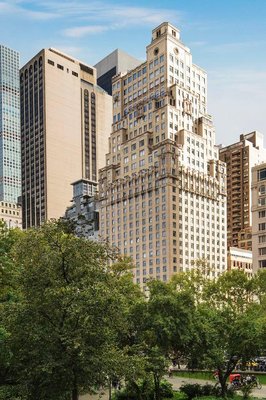
The Ritz-Carlton New York, Central Park
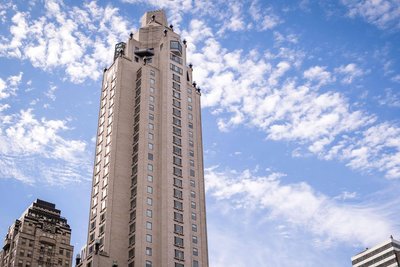
Four Seasons Hotel New York
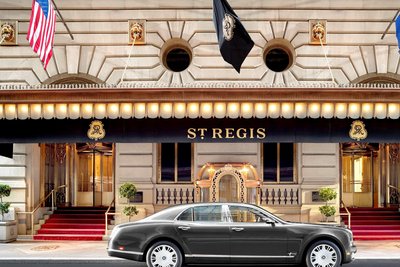
The St. Regis New York
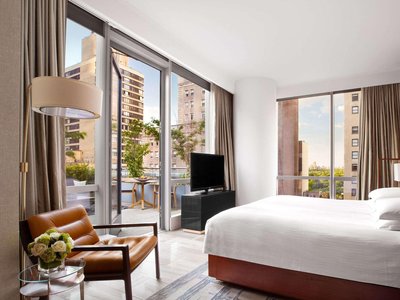
Park Hyatt New York
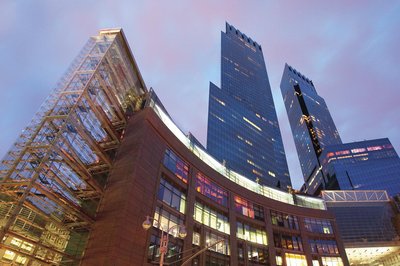
Mandarin Oriental New York
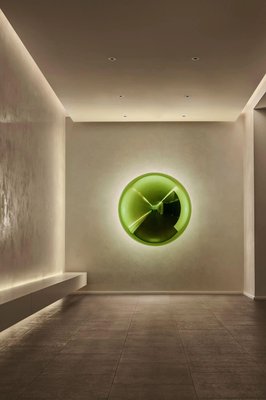
Times Square Edition New York
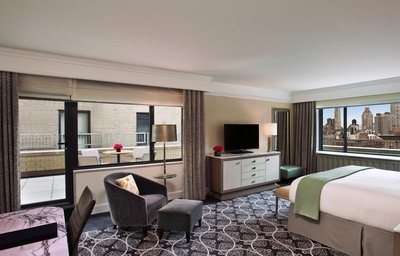
Loews Regency New York Hotel
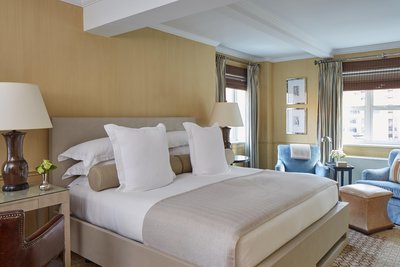
Lowell Hotel
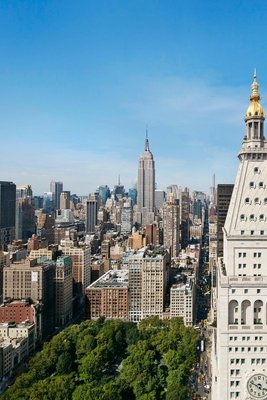
New York Edition
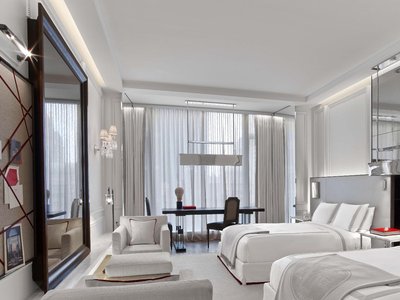
Baccarat Hotel New York
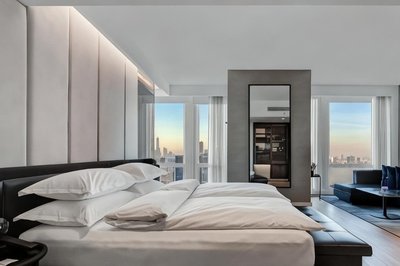
Equinox Hotel New York
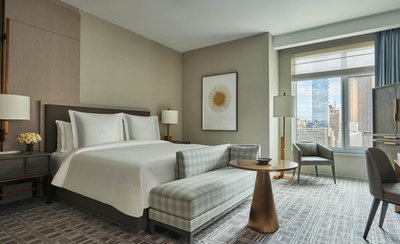
Four Seasons Hotel New York Downtown
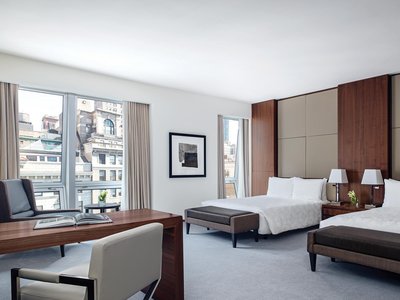
The Langham, New York, Fifth Avenue
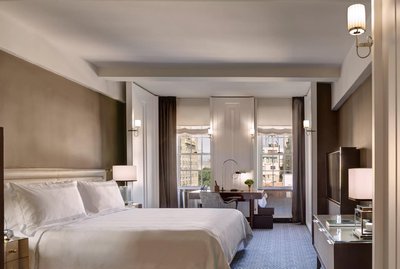
The Carlyle, A Rosewood Hotel

The Chatwal, in the Unbound Collection by Hyatt
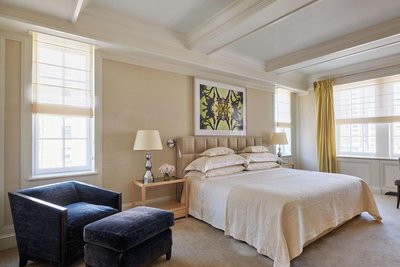
The Mark New York
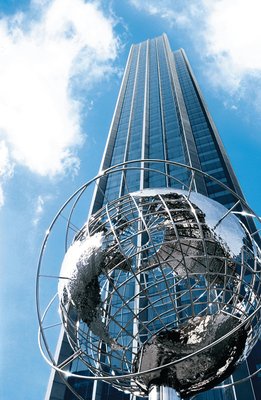
Trump International Hotel & Tower® New York
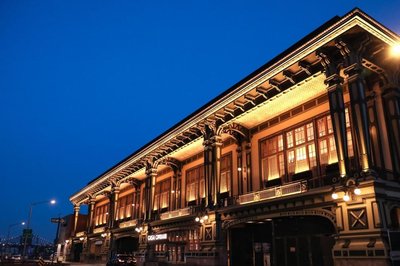
Casa Cipriani New York
Frequently Asked Questions about Traveling to Engis
Questions You Might Need to Know About Traveling to Engis
For boutique stays with historic character, Hôtel Le Clos de la Roche stands out—it’s housed in a 18th-century castle remnant, preserving original stone walls and arched windows. The rooms blend modern comfort with antique decor, featuring smart climate control and local artwork. Located just a 5-minute walk from Anvers Castle Ruins and the Rhine River Promenade, it’s ideal for travelers who love history and nature. The hotel also offers free bike rentals to explore nearby countryside trails.
Another gem is Hotel de la Paix, nestled in a quiet residential district, renowned for its French-style courtyard and rooftop garden. Its restaurant specializes in Belgian classics like Flemish beef stew and mint chocolate cake, offering authentic regional flavors. Both properties provide personalized service and a deep connection to local culture.
The Old Town (Vieux-Anvers) is the ideal area for first-time visitors, offering easy access to major attractions. From the Church of Our Lady to the Town Hall Square, everything is within walking distance. The district features car-free streets and soft evening lighting, creating a charming medieval atmosphere. Staying near the Rhine Riverwalk provides scenic views of morning mist and the opposite hills. Many family-run guesthouses and boutique hotels here—like La Maison des Rêves—offer warm hospitality and host cultural talks by local historians, giving guests an immersive experience into Flemish heritage.
One must-try experience is the annual ‘Fête du Rhin’, held every summer along the Rhine River, featuring open-air concerts, craft markets, and traditional folk dances. Visitors can join parades wearing Flemish traditional costumes—white shirts and blue aprons—for an authentic taste of local customs. The Anvers Art Center regularly hosts exhibitions by local painters specializing in realistic depictions of the Rhine’s seasonal landscapes. Don’t miss the traditional bakery workshop at Boulangerie L'Épi d'Or, where you’ll learn to make Belgium’s famous croissants and almond rolls under guidance from third-generation bakers—take your creations home as souvenirs.
Must-try dishes include Anversch Stew, a rich beef, potato, and carrot stew simmered slowly and served with pickled cabbage—a true regional staple. Another highlight is Rhine trout with white wine sauce, made with fresh fish caught upstream, pan-seared with herbs and local white wine—delicate and refreshing. For sweets, while not a dessert, Moules à la Crème (cream mussels) is a beloved street food snack, often enjoyed at night markets. And don’t leave without trying Chocolatier Van den Bergh’s handmade chocolates, crafted with dark chocolate infused with orange zest and rose petals—meltingly smooth and perfect as gifts. All ingredients come from nearby farms and fisheries, ensuring freshness and sustainability.
The Rhine River corridor is the heart of outdoor life in Anvers. In spring, rent an electric bicycle and ride along the 12-kilometer riverside trail, surrounded by wildflowers and birds. Summer brings kayaking on the castle ruins’ lake, where calm waters reflect ancient stone walls like a living painting. Autumn sees hiking through the Oudenaarde Forest, where trees blaze in golden hues—perfect for photography and forest walks with scenic overlooks. Even in winter, ice fishing and snowshoeing are popular; some hotels offer sleigh rental services, letting visitors glide through silent snow-covered meadows, capturing the region’s Nordic-inspired tranquility.
Family Lodge Anvers is the top choice for families, offering spacious family suites, a children’s playroom, and an indoor pool. Outside, a mini-farm lets kids feed sheep, milk cows, and participate in cheese-making workshops. Daily family treasure hunts use clues hidden in murals and sculptures across the old town—fun and educational. The hotel also provides baby-sitting services and kid-friendly meals, allowing parents to relax at the spa or enjoy coffee. Nearby, the Nature Education Center features insect observation boxes and plant specimen exhibits, ideal for young explorers.
To live like a local, visit the Central Market (Marché Central) early—open at 7 a.m.—where farmers bring fresh vegetables, dairy, and sausages. Locals grab breakfast sandwiches of hot baguette with ham and eat them on the go. In the afternoon, settle at Les Trois Cloches café, sip Belgian black coffee, and watch elders play chess or teens read novels. Join a community choir rehearsal on weekends—many residents volunteer, singing traditional Flemish ballads in a warm, communal setting. On weekends, participate in the Neighborhood Gardening Day, tending flower beds and pruning shrubs with neighbors—deeply rooted in the city’s slow-living ethos.
The best shopping lies along Rue des Étangs and the Rhine River Market. Rue des Étangs hosts independent boutiques like L'Atelier du Bois, selling handcrafted wooden furniture and scented candles, and Tissus & Tresses, offering traditional Flemish embroidery fabrics. Every Wednesday and Saturday, the Rhine River Market opens with vendors from surrounding villages selling organic honey, homemade jam, and Belgian cheese platters. Special mention goes to Le Petit Marché, a century-old general store tucked in a side alley, offering vintage glass bottles of soda and handmade soaps in rustic packaging. Also worth visiting: Librairie Ancienne, a secondhand bookstore filled with 19th-century French literature and antique maps—ideal for literary travelers.
Don’t miss the Anvers Museum of Art, home to 16th–18th century Flemish paintings, including Rubens’ masterpiece ‘Madonna and Child’. Interactive projections let visitors virtually step into the paintings and explore their historical context. Another highlight is Cité des Arts, a former church transformed into a contemporary art space showcasing multimedia installations and rotating themes—such as the recent ‘Memory of the River’ exhibit using soundscapes of flowing water. The Anvers Ceramics Workshop is also open to visitors, where artisans demonstrate pottery-making live; guests can book a session to create their own ceramic mug, shipped home after the trip.
Public transport in Anvers is excellent. The city center is pedestrian-only, making walking and cycling the preferred modes. Free e-bike sharing (Velo'Anvers) covers key sites and stations. For longer trips, Anvers Train Station connects directly to Liège, Brussels, and Strasbourg via high-speed rail—just 30 minutes to the capital. Use Eurail Passes or Belgian National Rail Cards for unlimited regional travel. Drivers can park cheaply at the Castle Park Underground Garage, close to the main shopping district. Additionally, the Anvers City Tour Bus runs hourly with multilingual guides, covering the Church of Our Lady, Town Hall, and Riverwalk—perfect for first-time visitors seeking a quick overview.
Engis Overview
City Summary
Angleur is a charming small town in the Liège Province of Belgium, located along the Meuse River, known for its tranquil atmosphere and historical heritage. Once an industrial hub, it now attracts visitors with its green environment and riverside views. Angleur retains the typical charm of a European town, blending Belgian traditions with a modern pace of life.
Must-See Attractions
Key attractions in Angleur include the Saint-Martin Church, a Romanesque building with a rich history and beautiful interior. Stroll along the Meuse River to enjoy natural scenery and local life. The nearby Liège city center, just a few kilometers away, offers cultural and shopping experiences.
Food Guide
Don't miss trying Belgian waffles and handmade chocolates in Angleur. Local restaurants serve traditional dishes like Carbonade (beef stew) and fries, best paired with local beers. Riverside cafés are perfect for a relaxing afternoon.
Transportation Guide
Angleur has convenient public transport, with Liège's metro and buses connecting to the city center and other attractions. Walking and cycling are great ways to explore the town. Renting a car is ideal for visiting nearby countryside areas. Be aware of Belgium's traffic rules, especially one-way systems.
Best Time to Visit
The best times to visit Angleur are spring (April to June) and early autumn (September to October), when the weather is pleasant and crowds are smaller. Summers can be warm but busier.
Travel Tips
- Respect locals' privacy and avoid loud noises in residential areas.
- Most Belgians speak French and Dutch; a simple French greeting is appreciated.
- Service charges are usually included, but an extra 5-10% shows appreciation.
- Avoid drinking alcohol in public places outside designated areas.
- Ask about tax refunds when shopping; non-EU residents may qualify.
- Note the voltage is 220V with two-pin round European plugs.
Useful Information
The primary language in Angleur is French, but English is widely understood in tourist areas. Credit cards are accepted in most places, but small vendors may only take cash. The emergency number is 112. Free Wi-Fi is common in cafés and hotels. Pharmacies display a green cross and are usually open from 9:00 AM to 6:00 PM. Travel insurance is recommended for medical services.