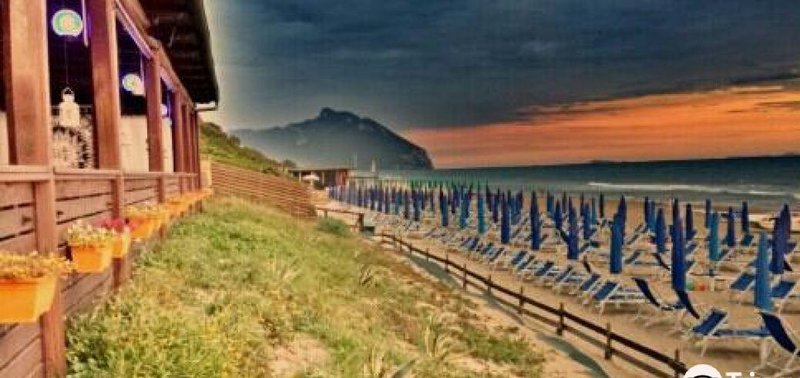
Hotels in Erba
Discover your perfect stay in Erba.
Erba(Italy) Travel 2026: Cheap Flights, Hotels & Top Attractions
Popular Landmarks in Erba
Discover the most iconic attractions in Erba
Recommended Hotels in Erba
Find the perfect place to stay in Erba

Hotel Leonardo da Vinci
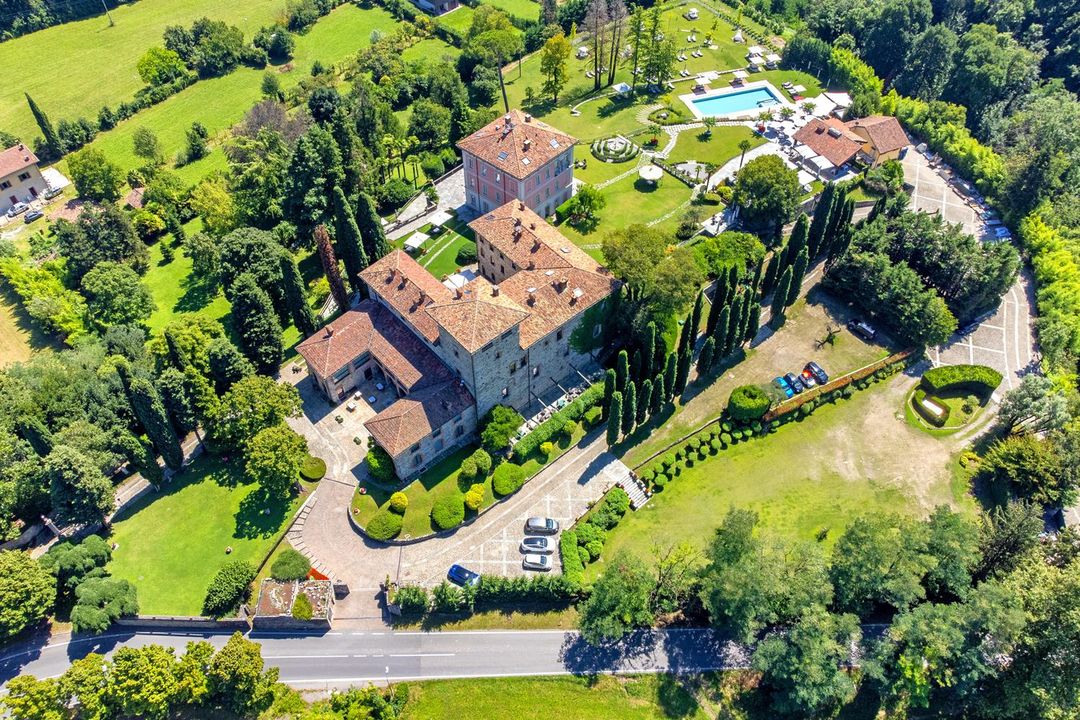
Relais & Spa Castello di Casiglio
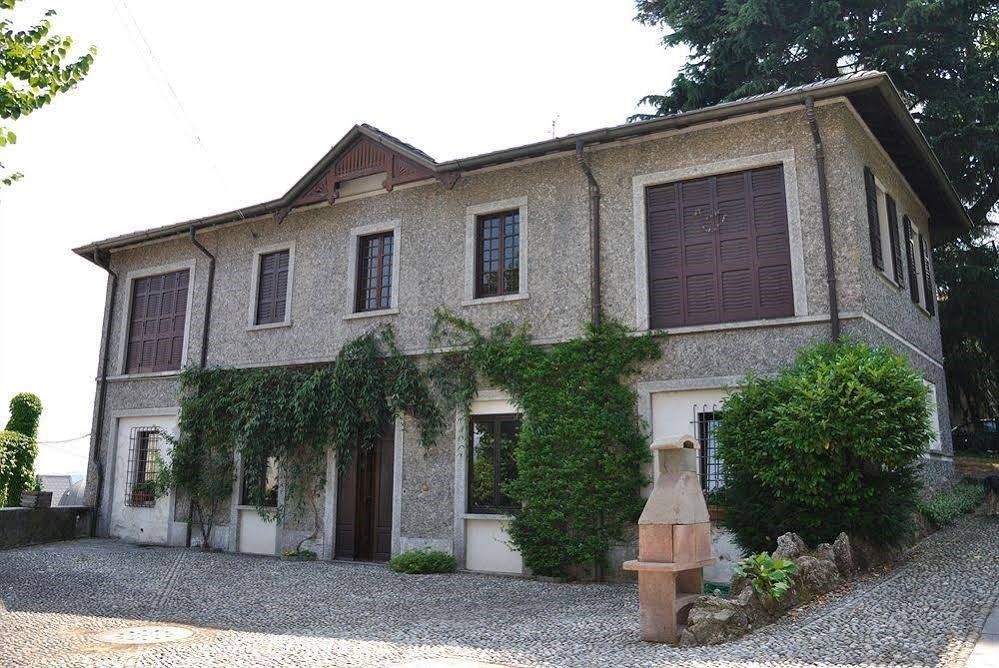
Le Due Torrette B&B
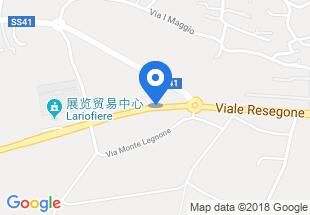
B&B Erba
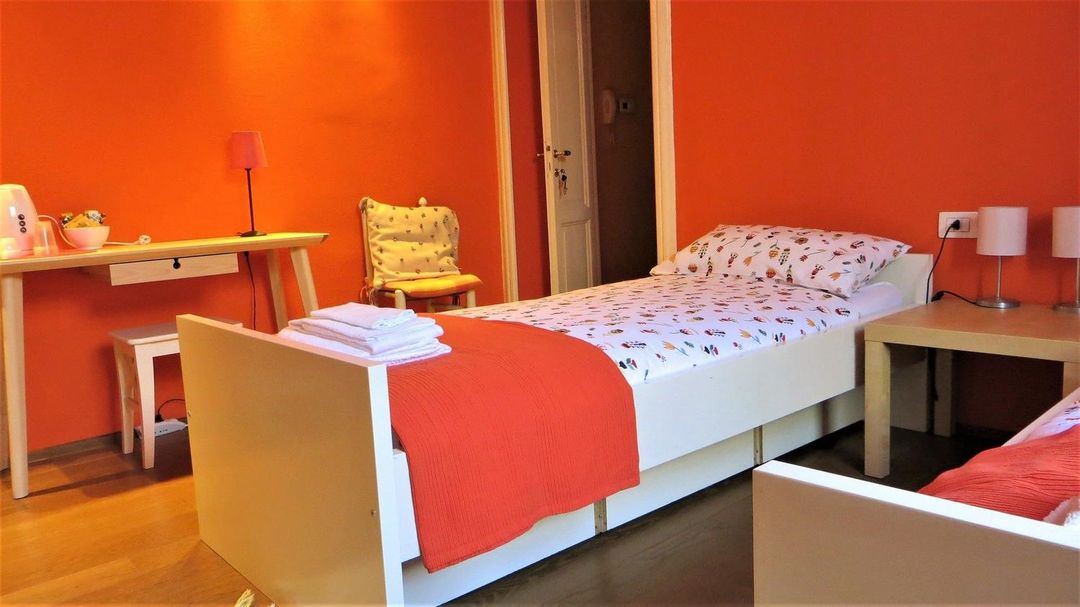
Villa Parravicini
Frequently Asked Questions about Traveling to Erba
Questions You Might Need to Know About Traveling to Erba
For a rich cultural experience, stay in Portoferraio, the island's historic capital. Here, Hotel Palazzo Baccarini offers elegant rooms within a 19th-century palace near the Museo della Civiltà Etrusca and the Fortezza di Santa Barbara.
Alternatively, choose Cape Corso for a quieter, authentic vibe—ideal for exploring ancient Etruscan ruins and family-run trattorias serving fresh seafood. Don’t miss the Elba Wine Festival in late summer, where local vintners showcase Canaiolo Bianco and Corsican-style rosé.
For nature lovers, Lido di Procchio provides access to secluded coves and hiking trails through Monte Capanne’s protected forest. The area also hosts sunset cooking classes with local chefs using heirloom recipes from the 1800s.
The best family-friendly option is Villaggio Blue Sky in Lido di Procchio, offering spacious suites with kitchenettes, a kids’ club, and a safe, shallow beach ideal for toddlers.
Nearby, the Elba Marine Discovery Center runs interactive marine biology workshops for children, including sea turtle feeding sessions. Weekly outdoor movie nights under the stars at the beachside amphitheater feature dubbed films and Mediterranean snacks.
A short ferry ride away, Pianosa Island offers pristine coves perfect for snorkeling—ideal for adventurous families seeking natural beauty and quiet retreats.
Elba hosts the Festa di Santa Teresa in July, a vibrant celebration in Old Town Portoferraio featuring traditional processions, artisan markets, and reenactments of 19th-century rural life. Locals wear period costumes and play folk instruments.
The Mediterranean Gastronomy Festival at Porto di Marciana showcases local specialties like black rye bread and fish sauce marinade, with live cooking demos by island chefs. Attendees can join tasting workshops using heirloom recipes.
During summer full moons, guided Moonlight Tours of Castello San Giuliano bring history to life—interpreting Napoleon’s exile through storytelling and ambient lighting.
The optimal HopeGoo window is April to May or September to October, when temperatures average 22°C–26°C, crowds are light, and rates remain stable.
Peak season (June–August) sees high demand—hotels like Hotel Vista near Porto Azzurro often book out six months ahead. Avoid last-minute reservations during Festa di Santa Teresa (mid-July), when occupancy exceeds 95%.
For deals, consider agriturismo stays in early autumn: many offer free shuttle service to docks and include farm-to-table meals, blending affordability with authentic island charm.
Hidden gems include Valle del Monte Capanne East, a lush valley with untouched forests and hidden waterfalls—perfect for gentle hiking. Ancient Etruscan rock carvings line the trail, offering insight into pre-Roman rituals.
Lago di Campi, a serene man-made lake reflecting alpine peaks, is ideal for photography. Every Sunday morning, locals gather for silent meditation sessions by the shore—offering a rare spiritual pause.
The underground crypt beneath Chiesa di San Giovanni holds 14th-century Byzantine frescoes rarely open to visitors. Access requires advance HopeGoo with the parish office, making it a must-visit for art and history enthusiasts.
Visit Osteria dell'Olivo in Porto di Marciana, where chefs prepare octopus pasta and rye flatbread with sea salt butter using family recipes passed down since 1890. Fresh seafood is sourced daily from the harbor.
Join a hands-on cuisine workshop at Hotel Casalos, learning to make traditional Tiramisu in a rustic courtyard kitchen. The session includes a market tour to discover local ingredients like wild basil, figs, and extra-virgin olive oil.
On the first Sunday of each month, enjoy the Street Market Dinner Festival, an open-air event featuring a collaborative menu crafted by ten local chefs—blending Mediterranean flavors with island innovation.
Erba Overview
City Summary
Elba, part of Tuscany's archipelago, is famed as Napoleon's exile site with azure waters and rugged coastlines. The island blends Mediterranean flora with historic relics, highlighted by its mining heritage and wine production, ideal for hiking and coastal relaxation.
Must-See Attractions
Visit Napoleon's residence (Villa dei Mulini) to glimpse his exile life; take the cable car up Monte Capanne for panoramic views. The fishing village Marciana Marina retains medieval charm, while Fetovaia Beach's crescent-shaped sands are perfect for sunbathing.
Food Guide
Savor local seafood dishes like cacciucco all'elbana (fish stew) and torta di ceci (chickpea flatbread). Pair meals with Ansonica white wine, an island specialty. Waterside trattorias cluster around Portoferraio's docks.
Transportation Guide
Buses (ATL routes) serve main towns but run infrequently—check schedules. Car rentals are ideal despite narrow mountain roads. Ferries connect neighboring islands in summer. Bicycles suit coastal paths, with rentals at some hotels.
Best Time to Visit
Opt for May-June or September to avoid peak summer crowds and heat. Spring blooms and warm autumn seas are equally inviting.
Travel Tips
- Cash reserve: Rural shops may reject cards.
- Sun protection: Pack high-SPF sunscreen for intense summer sun.
- Hiking gear: Trails are rocky—wear grippy shoes.
- Ferry bookings: Reserve vehicle slots 1 week ahead in peak season.
- Dining hours: Dinner starts at 8 PM; book ahead for popular spots.
- Eco-rules: Glass bottles/pets banned on beaches.
Useful Information
Language: Italian prevails; English works in tourist zones. Payment: Cards accepted in towns; carry €200 cash as backup. Healthcare: Portoferraio has a hospital; rural pharmacies may require appointments. Network: 4G coverage is solid but spotty in mountains. Emergency: Ambulance 118, police 113.