Hotels in Escorca
Discover your perfect stay in Escorca.
Escorca(Spain) Travel 2026: Cheap Flights, Hotels & Top Attractions
Popular Landmarks in Escorca
Discover the most iconic attractions in Escorca
Recommended Hotels in Escorca
Find the perfect place to stay in Escorca
Frequently Asked Questions about Traveling to Escorca
Questions You Might Need to Know About Traveling to Escorca
Escorca Overview
City Summary
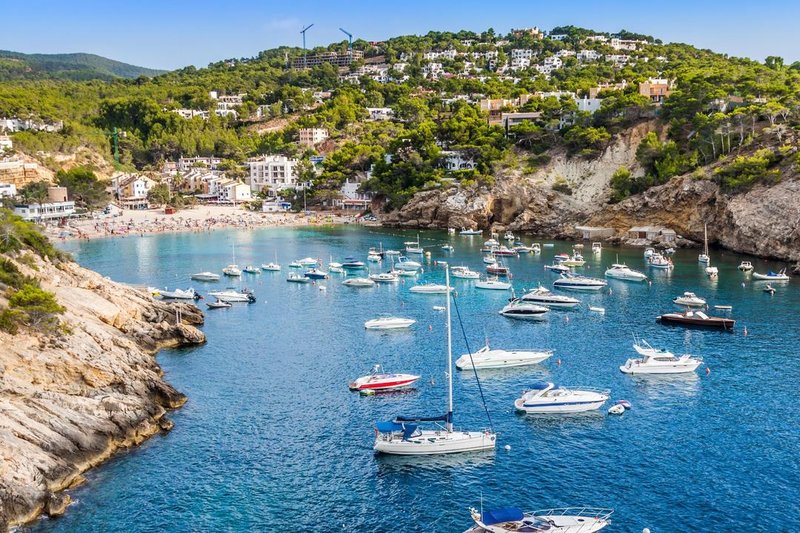
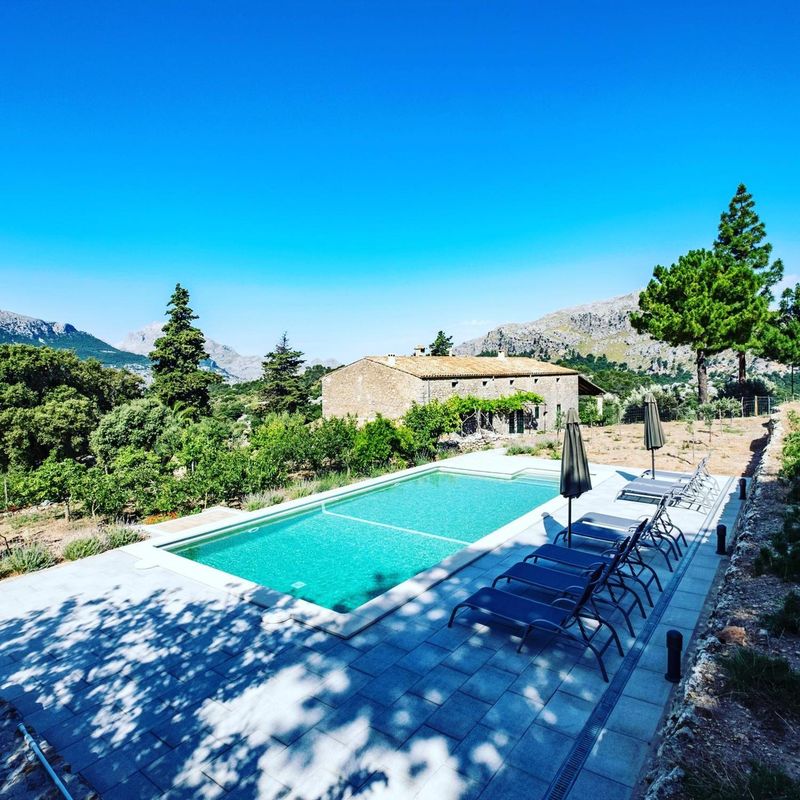
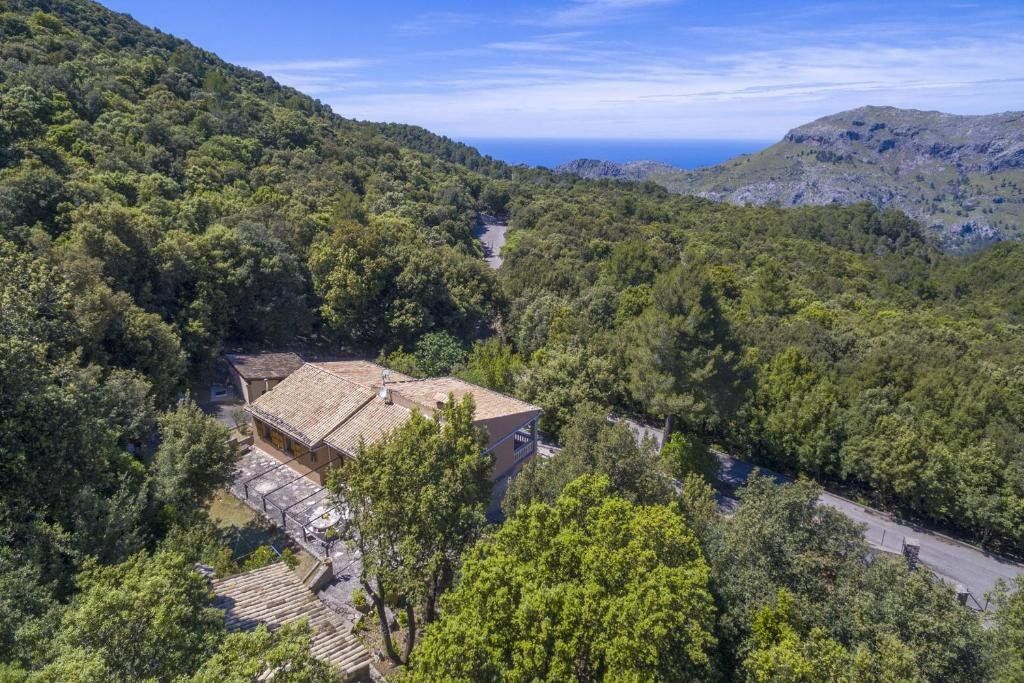
Escorca is a charming small town in the northwest of Mallorca, part of Spain's Balearic Islands, renowned for its stunning natural landscapes and tranquil mountain atmosphere. It serves as a perfect base for exploring the Serra de Tramuntana, a UNESCO World Heritage Site. Surrounded by olive groves and steep cliffs, the town offers pristine rural scenery and a rich agricultural tradition, making it an ideal escape from urban hustle.
Must-See Attractions
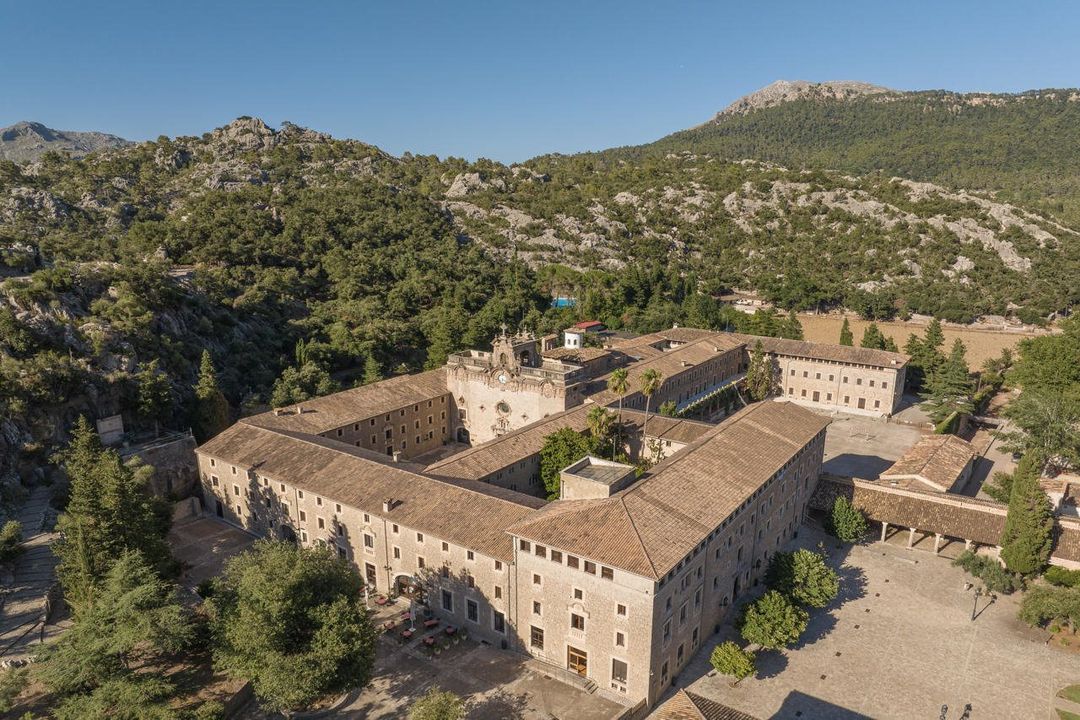
Key attractions in Escorca include the Lluc Monastery, a significant religious and cultural site with beautiful architecture and serene surroundings. Nearby, the Torrent de Pareis Natural Park offers breathtaking canyon hiking trails for adventure enthusiasts. Additionally, the Sa Calobra cove is famous for its winding mountain roads and crystal-clear waters, perfect for photography and relaxation.
Food Guide
Escorca's cuisine is deeply influenced by Mediterranean traditions. Must-try dishes include sobrassada (local sausage) and ensaïmada (sweet pastry). Local restaurants serve fresh seafood and olive oil-based dishes like arros brut (mixed rice). For street food, don't miss pa amb oli (bread with olive oil and tomato).
Transportation Guide
Public transport in Escorca is limited, so renting a car is recommended for flexible exploration. Car rentals are available in Palma, the main city of Mallorca, about an hour's drive away. There are also a few bus routes connecting nearby villages, but services are infrequent. Mountain roads are narrow and winding, requiring careful driving.
Best Time to Visit
The best times to visit are spring (April to June) and autumn (September to October), when the weather is mild and ideal for outdoor activities. Summers (July to August) can be hot and crowded, while some attractions may close in winter (November to March).
Travel Tips
- Wear comfortable shoes: Hiking in the mountains requires sturdy footwear.
- Carry cash: ATMs are scarce in the town.
- Respect local customs: Dress modestly when entering churches.
- Plan routes in advance: Mountain areas may have poor signal coverage.
- Use sunscreen: UV radiation is strong at high altitudes.
- Protect the environment: Avoid littering.
Useful Information
The local languages are Catalan and Spanish, with English spoken in tourist areas. Network coverage is decent but may be unstable in the mountains. The euro is the official currency; credit cards are accepted in restaurants and hotels, but small shops may only take cash. The emergency number is 112, with the nearest hospital in Palma. Travel insurance is recommended for unexpected situations.