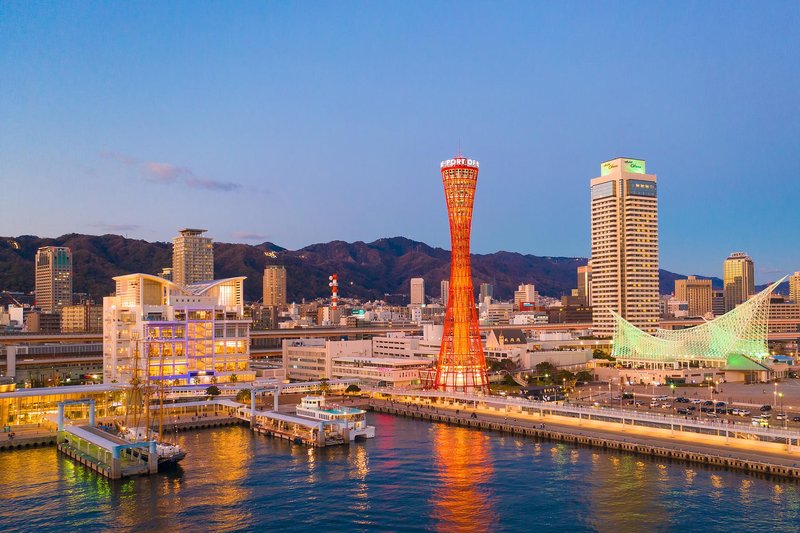
Hotels in Etajima
Discover your perfect stay in Etajima.
Etajima(Japan) Travel 2026: Cheap Flights, Hotels & Top Attractions
Popular Landmarks in Etajima
Discover the most iconic attractions in Etajima
Recommended Hotels in Etajima
Find the perfect place to stay in Etajima
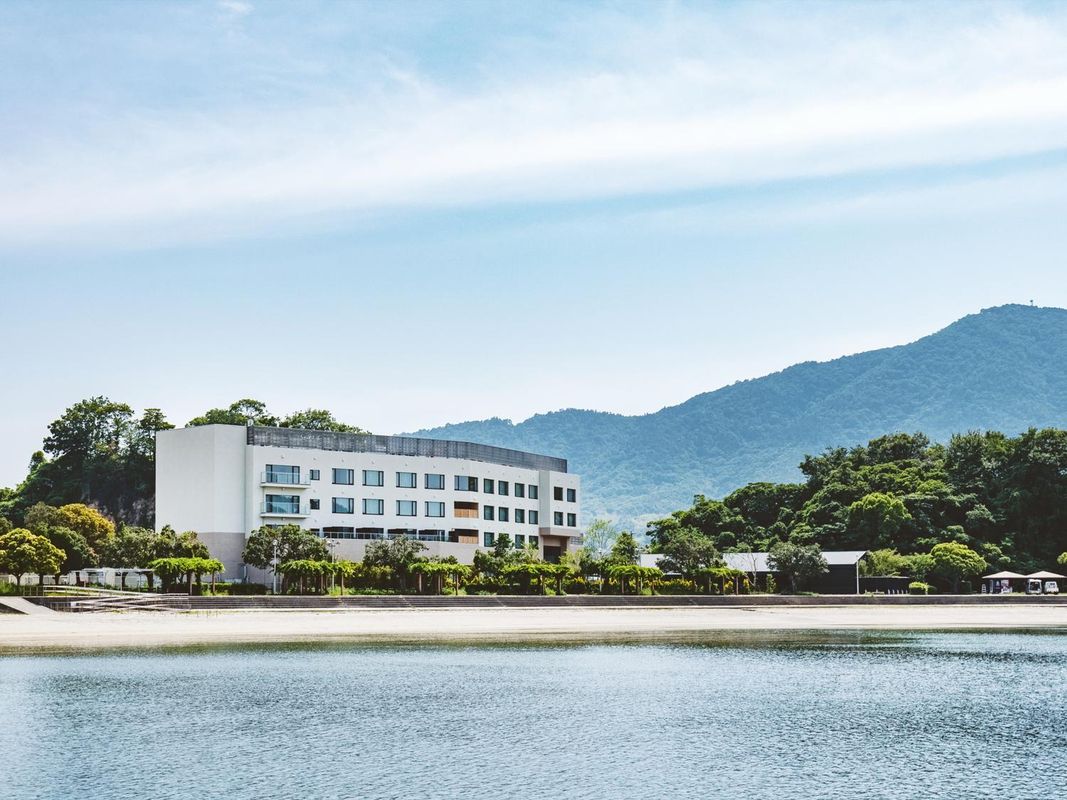
Etajimasou Hotel & Spa Hiroshima
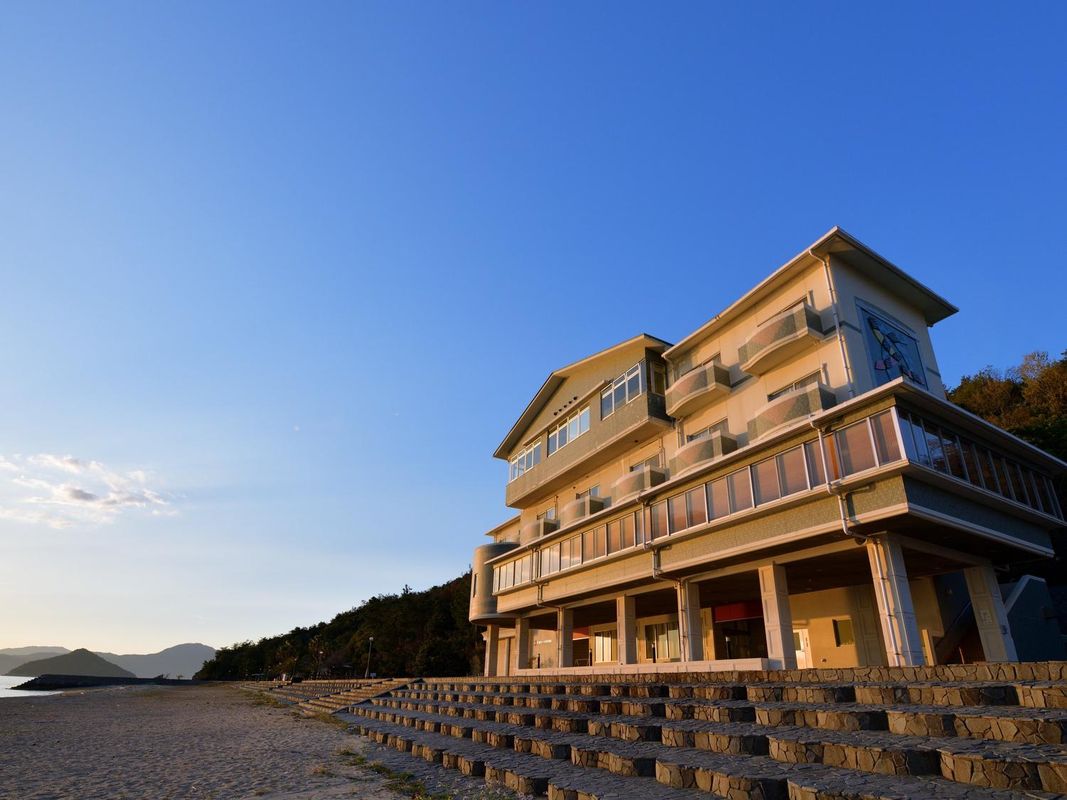
Uminos Spa & Resort
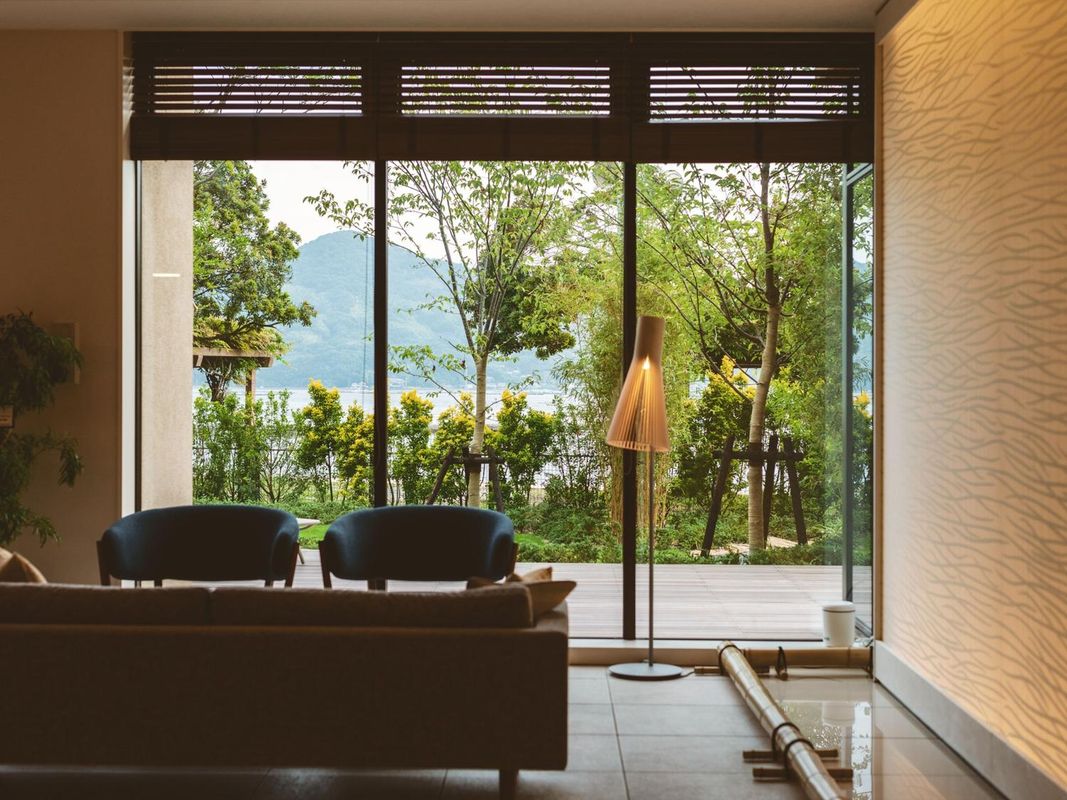
Etajimasou
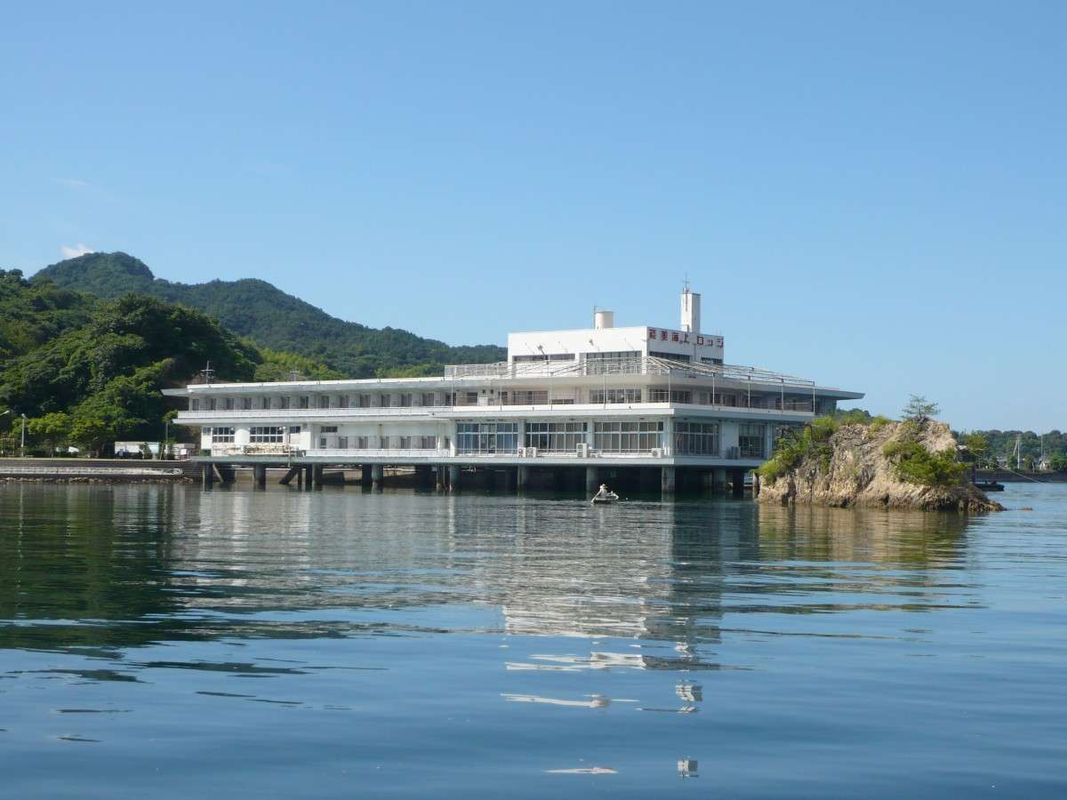
Noumii Kaijo Lodge
Best Hotels in Etajima
Discover curated hotel collections in Etajima
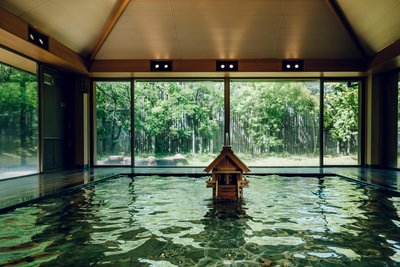
Hoshino Resorts KAI Tamatsukuri
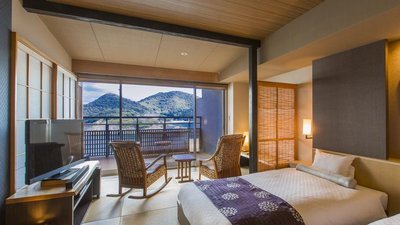
Migiwatei Ochi Kochi
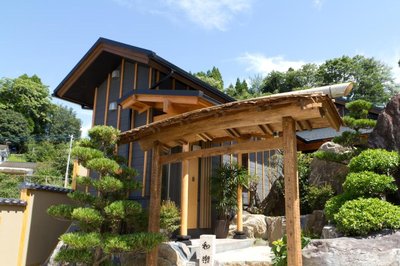
Ryokan Shinsen
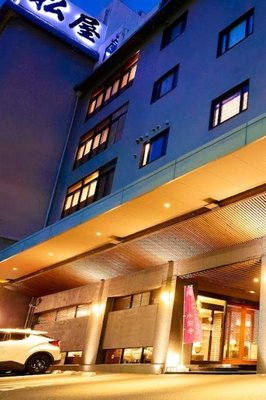
Ryotei Matsuya Honkan Suizenji
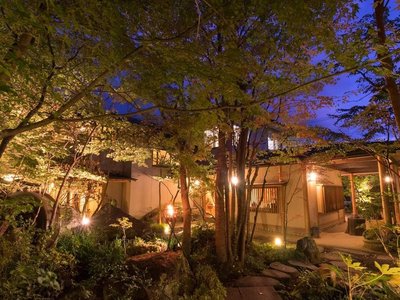
Ryoso Yufuin Yamadaya
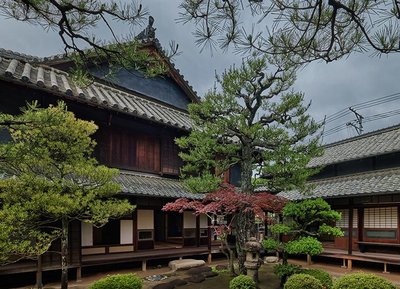
NIPPONIA HOTEL Takehara Saltworks Town
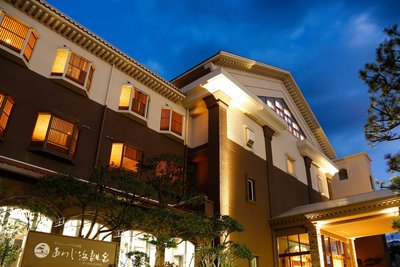
Awaji Hamarikyu
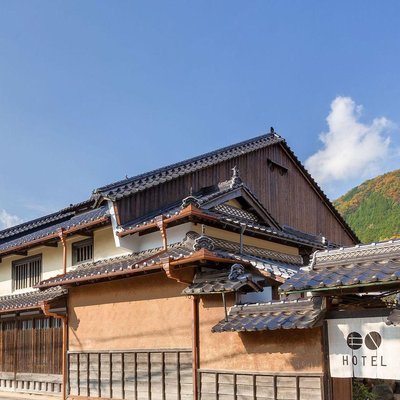
EN Takeda Castle Town Hotel
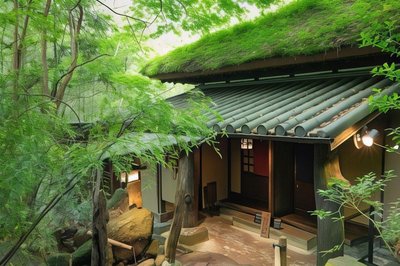
Sanso Tensui
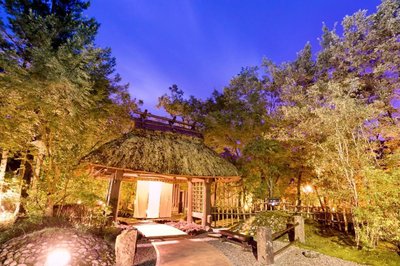
Satonoyu Waraku
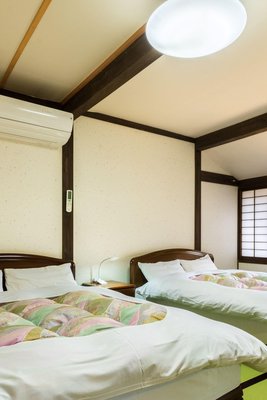
Tobise Onsen Tenga Sanso
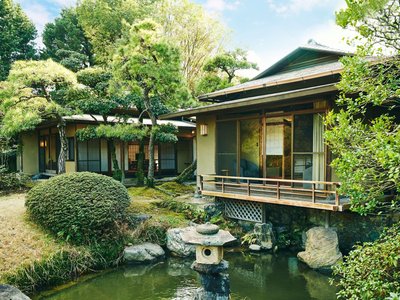
Suisui Garden Ryokan (in the Art Hotel Kokura New Tagawa)
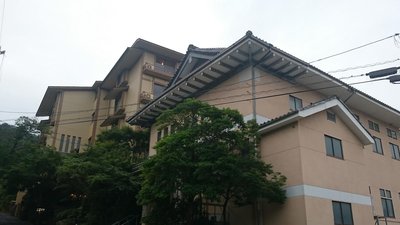
Miyajima Hotel Makoto
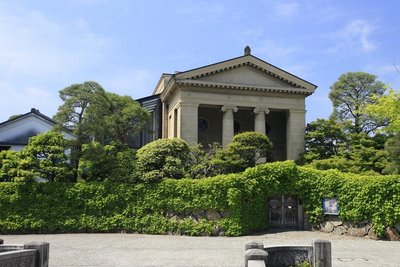
Ryori Ryokan Tsurugata
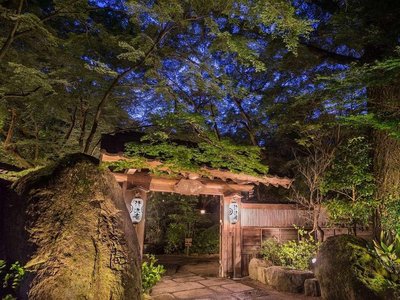
Akizuki Spa Ryokan Seiryuan
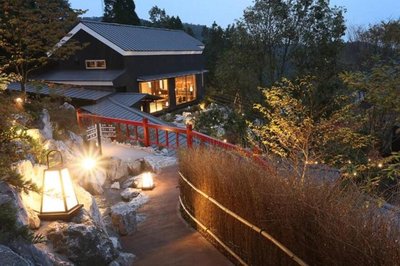
Gekkoju Kurokawa
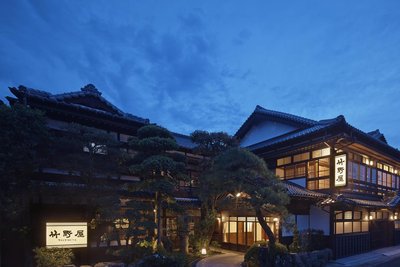
Takenoya
Frequently Asked Questions about Traveling to Etajima
Questions You Might Need to Know About Traveling to Etajima
In Hashima City, the best choice is Enoshima Seaside Resort, offering panoramic views of Seto Inland Sea and Okunoshima Island. Located near the Naval Academy Historical Site and Peace Memorial Park, this hotel blends traditional Japanese design with modern amenities. Guests enjoy private balconies, seasonal seafood dining, and easy access to local cultural experiences like boat tours to Okunoshima’s rabbit island. Its peaceful coastal setting makes it ideal for history lovers and nature seekers alike.
The central district of Hashima City offers the most convenient base for travelers. It’s close to key attractions including Hashima Port, Hiroshima Prefectural Marine Information Center, and Naval Academy Old Site. The area features family-run restaurants serving fresh Seto Inland Sea seafood, and many guesthouses provide access to free shuttle buses connecting major sites. Staying near the harbor allows guests to enjoy sunrise over the sea and evening views of the Hashima Lighthouse.
Visitors should explore the Naval Academy Historical Site, Japan’s only preserved naval training facility from the Meiji era. Guided tours reveal wartime military education, ship designs, and historical archives. Additionally, the annual Hashima Maritime Festival features traditional boat processions, fireworks, and folk performances. Local artisans also host workshops on nautical knotting and traditional fishing net weaving, offering hands-on engagement with regional heritage.
Must-try dishes include fresh scallop sashimi and sea urchin rice bowls, available at Hashima Port Market. Try Okunoshima seaweed tea, a regional health tonic made from local algae. Don’t miss Hashima grilled fish, prepared over charcoal for a crispy exterior and tender interior, best paired with locally brewed Hiroshima sake. Some guesthouses offer "Sea Flavor Cooking Workshops", where visitors learn to prepare authentic coastal meals using fresh catch.
Yes, Hashima City is highly family-friendly. The Marine Information Center features interactive exhibits on marine ecosystems, including virtual submarine adventures perfect for kids. Peace Memorial Park has safe, shaded walking paths and nature observation points ideal for young explorers. The Rabbit Island (Okunoshima) attraction is a favorite—children can feed wild rabbits along designated trails. Family-guided tours and child-safe routes make it easy for parents to enjoy a stress-free outing.
Travel from Hiroshima Station via JR Sanyo Main Line, taking a direct train to Hashima Station—a 40-minute journey with frequent departures. Once in town, free shuttle buses connect major sites like the Naval Academy Old Site, Peace Memorial Park, and Hashima Port. For those driving, use the Hiroshima Expressway and exit at Hashima Interchange. A PASMO card works across all public transit options, simplifying travel throughout the region.
Spring (March–May) brings cherry blossoms along Peace Memorial Park and scenic coastal paths, perfect for picnics and photography. Summer features kayaking tours, Okunoshima Rabbit Island rides, and beachside fireworks festivals. Autumn sees vibrant foliage around the Naval Academy site, ideal for walking tours. Winter offers serene coastal views, fewer crowds, and occasional migratory birds—ideal for quiet reflection and photography.
Key photo locations include the Hashima Lighthouse, its iconic white tower standing proudly against the sea. The Naval Academy Old Site’s red-brick buildings and iron gates create striking vintage backdrops. Okunoshima Rabbit Island provides whimsical shots of fluffy rabbits among green grass. At night, Hashima Port glows with fishing lights reflecting on calm waters, blending with distant city lights—perfect for long-exposure photography.
Hashima City lacks natural hot springs, but several hotels feature Japanese-style bathing facilities. Enoshima Seaside Resort offers indoor wellness pools with aromatherapy systems and hydrotherapy jets. Some guesthouses include steam saunas or contrast showers, simulating spa benefits. For real onsen experiences, visit nearby Yamaguchi Onsen or Miyajima Onsen, both within a 1-hour drive, combining relaxation with historic charm.
The best times to visit are spring (March–May) and autumn (September–November). Mild weather, fewer crowds, and stunning seasonal scenery—cherry blossoms in spring and autumn foliage near the Naval Academy—create ideal conditions for sightseeing. Summer is lively but humid with rain; winter is quiet and cool, perfect for tranquil exploration of historical sites and coastal walks.
Etajima Overview
City Summary
Etajima City, located in Hiroshima Prefecture, Japan, is an island renowned for its naval history and natural beauty. Once a vital base for the Imperial Japanese Navy, it boasts profound military heritage. Sites like Kure Port and Etajima Naval Academy reflect Meiji-era naval development. Crystal-clear waters and rich marine ecosystems make it a prime spot for diving and water activities.
Must-See Attractions
Top attractions include the Etajima Naval Academy旧址 with its red-brick European-style buildings, now partially open to visitors. Don't miss the fishing village charm of Okishicho and the scenic Hitonose Waterfall. Spring brings cherry blossom festivals, while autumn offers oyster harvesting experiences.
Food Guide
Etajima is famous nationwide for its oysters, best enjoyed grilled or in hot pots from winter to early spring. Try street-side oyster rice bowls and gunkan-maki, paired with Hiroshima-style lemon seasoning. Fresh sashimi and mackerel sushi from local ports are also highlights.
Transportation Guide
Ferries from Hiroshima take about 40 minutes to Etajima. On-island transport relies on buses and taxis—consider renting bikes or a car due to scattered attractions. Check bus schedules in advance as services are limited. Narrow mountain roads require cautious driving, and EV charging stations are sparse.
Best Time to Visit
Visit during March-May (cherry blossoms) or October-November (pleasant autumn weather), avoiding summer typhoons. Winter offers fewer crowds and the peak oyster season despite colder temperatures.
Travel Tips
- Photography restrictions apply in military areas—observe all signs.
- Haggling at fish markets may be considered impolite.
- Some eateries accept cash only; carry sufficient yen.
- Buses depart precisely on time—arrive 5 minutes early.
- Check tides/weather before diving; beginners require guides.
- Respect private fishing zone markings.
Useful Information
Language: Japanese predominates; tourist centers offer basic English. Internet: Convenience stores sell prepaid SIMs; free WiFi is available downtown. Payment: Credit cards work at major shops; cash is king in small eateries. Emergency: Etajima Hospital provides 24/7 care (0823-43-3111). Boats carry basic medical kits. Contacts: Dial 118 for maritime emergencies; police station adjoins City Hall. Religion: Follow Shinto shrine purification rituals when visiting.