Hotels in Ettal
Discover your perfect stay in Ettal.
Ettal(Germany) Travel 2026: Cheap Flights, Hotels & Top Attractions
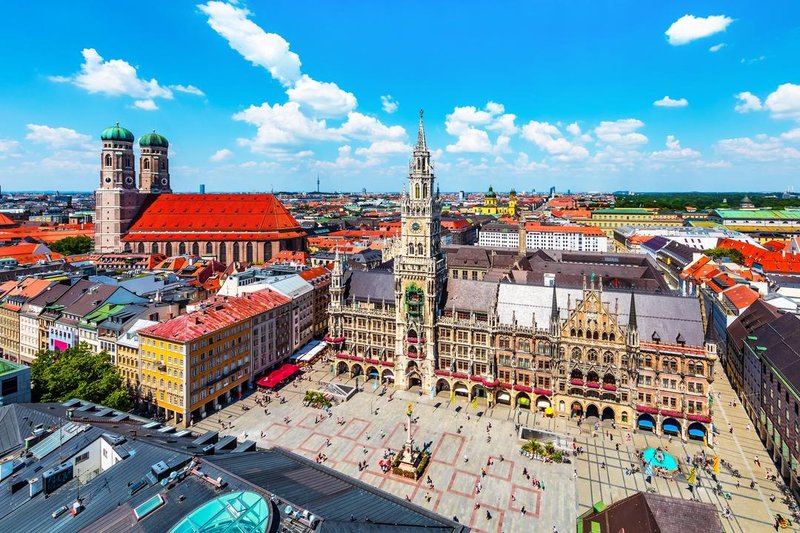
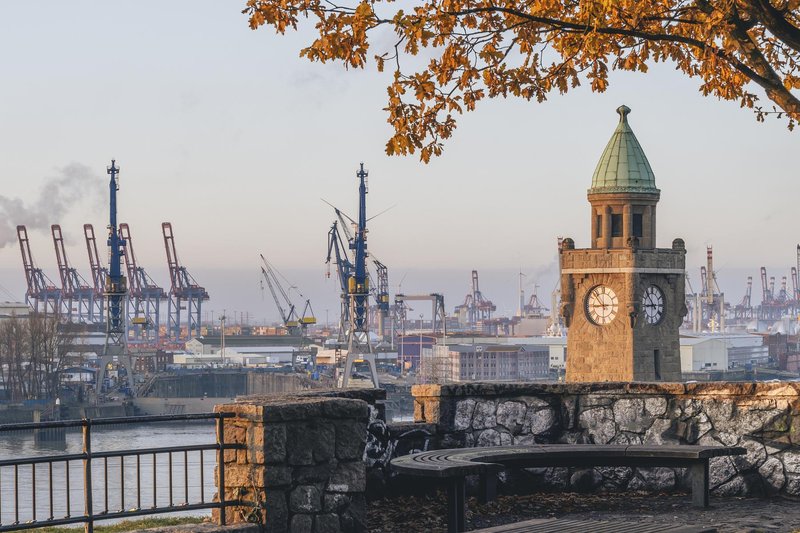
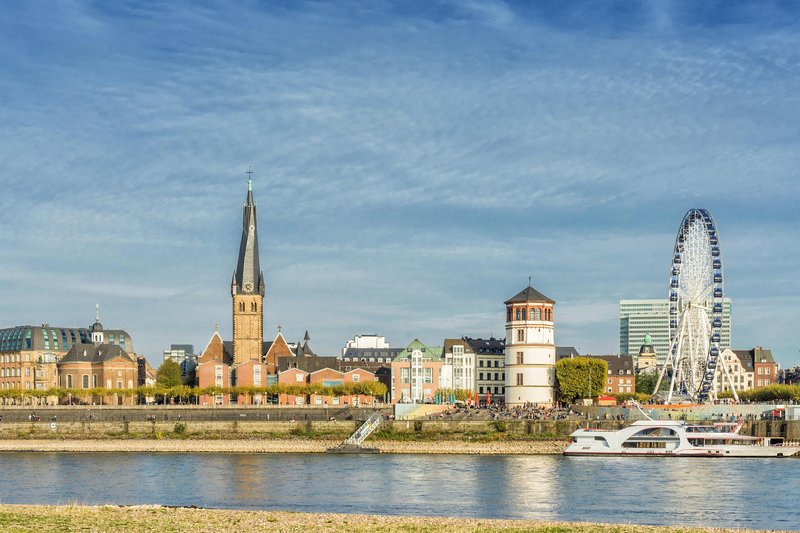
Popular Landmarks in Ettal
Discover the most iconic attractions in Ettal
Recommended Hotels in Ettal
Find the perfect place to stay in Ettal
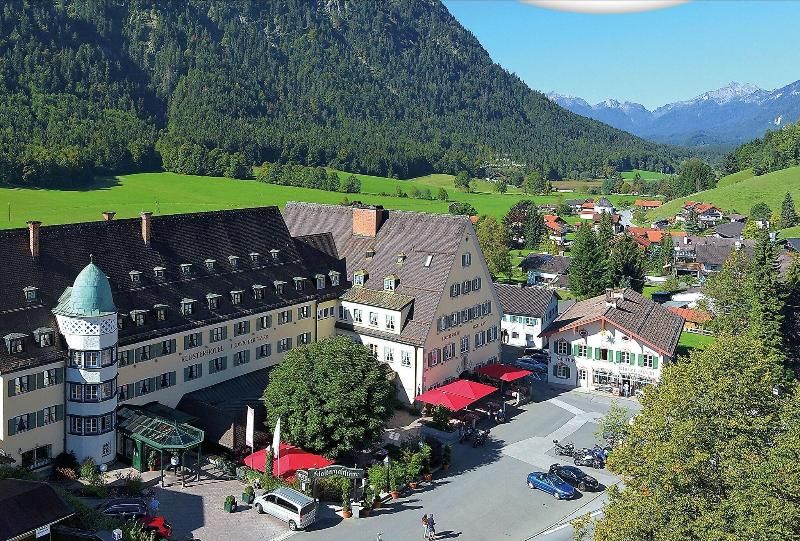
Hotel Klosterhotel Ludwig der Bayer
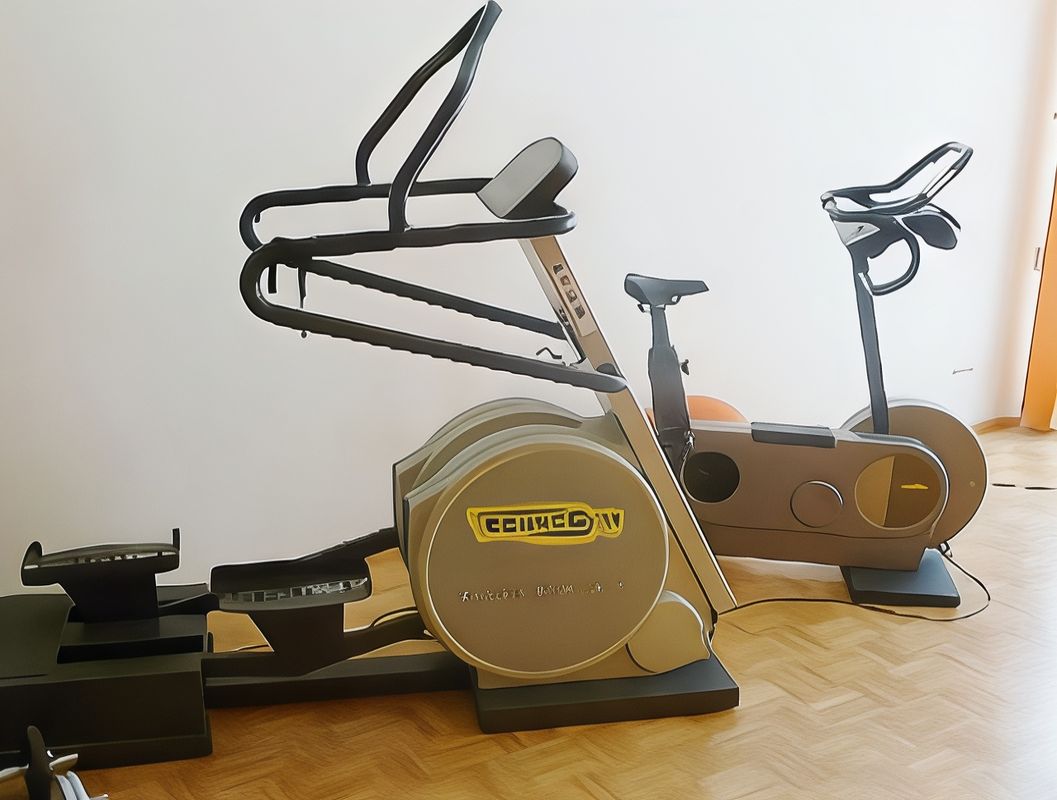
Alphotel Ettal
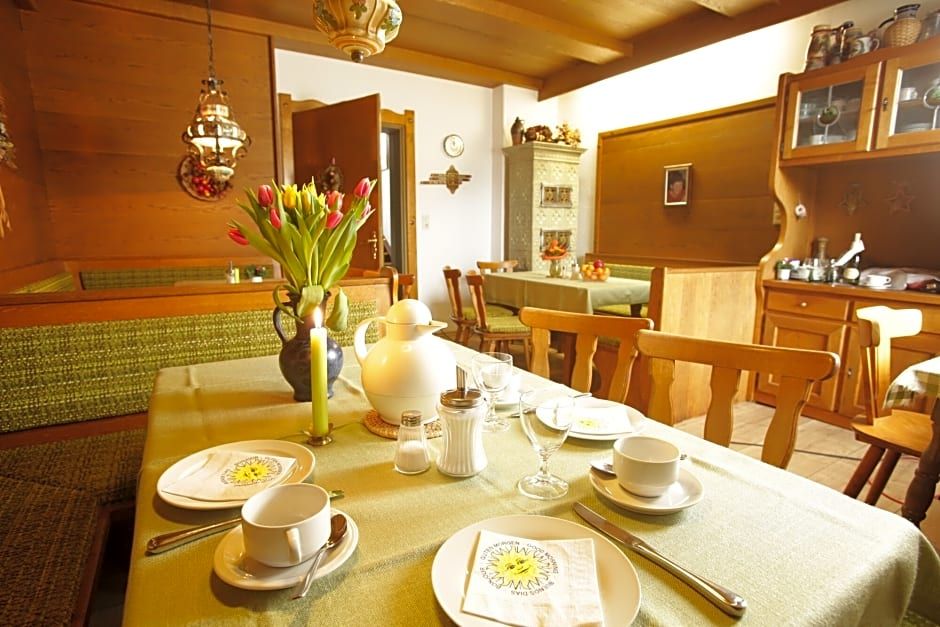
Gästehaus Ethiko
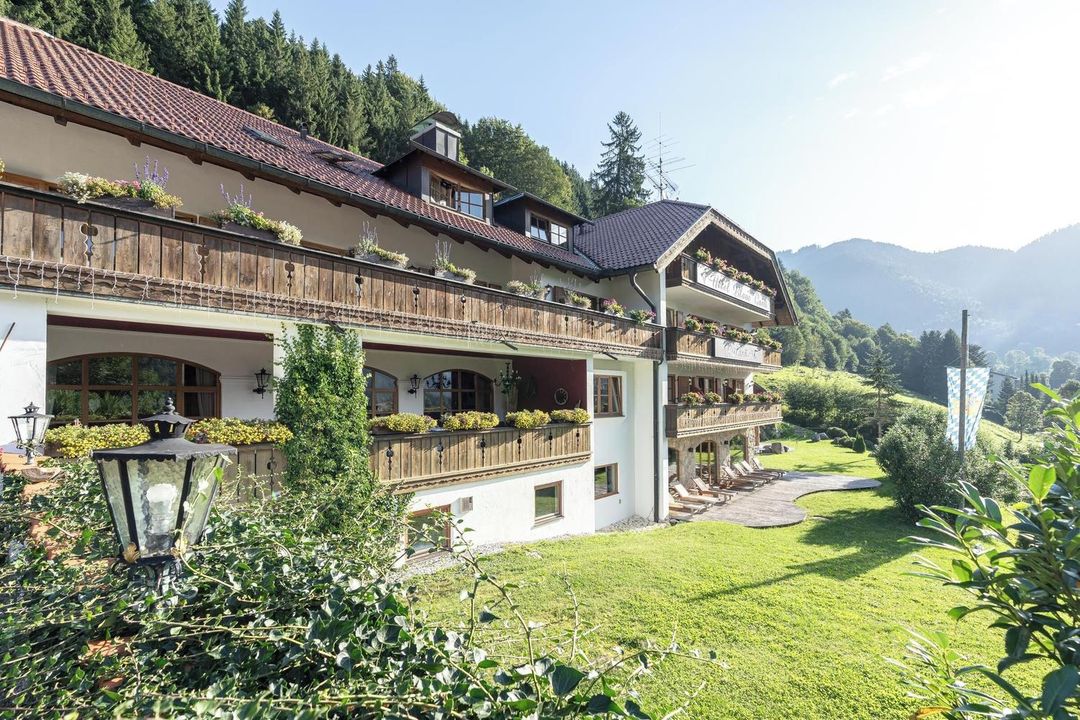
Gasthof Blaue Gams
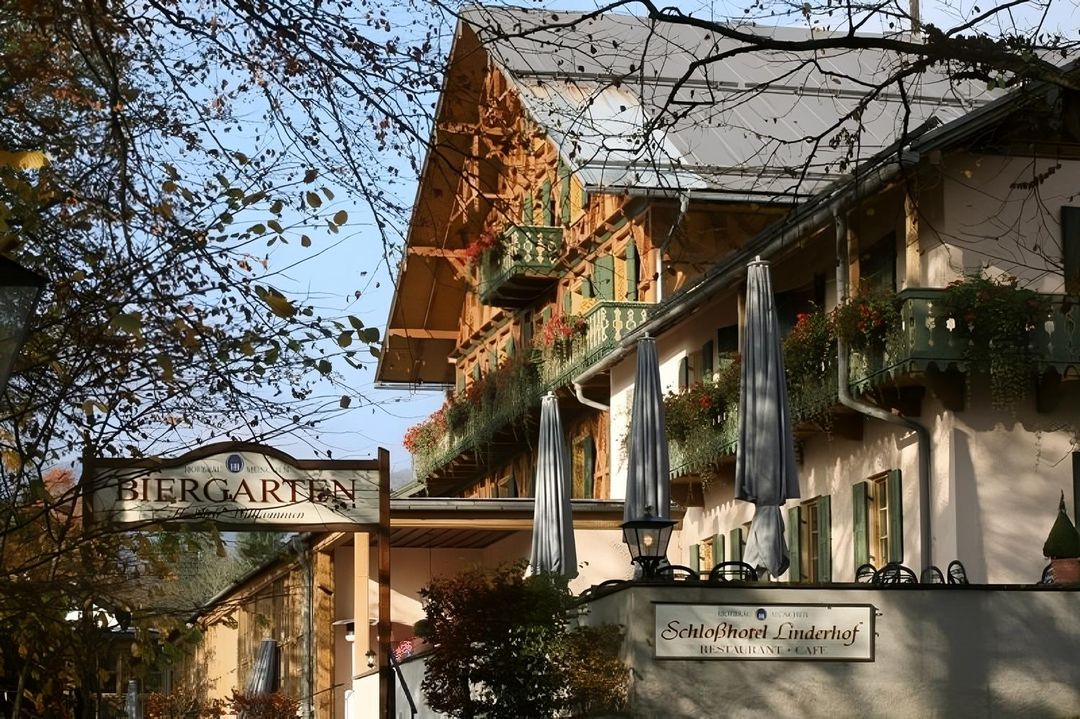
Schloßhotel Linderhof
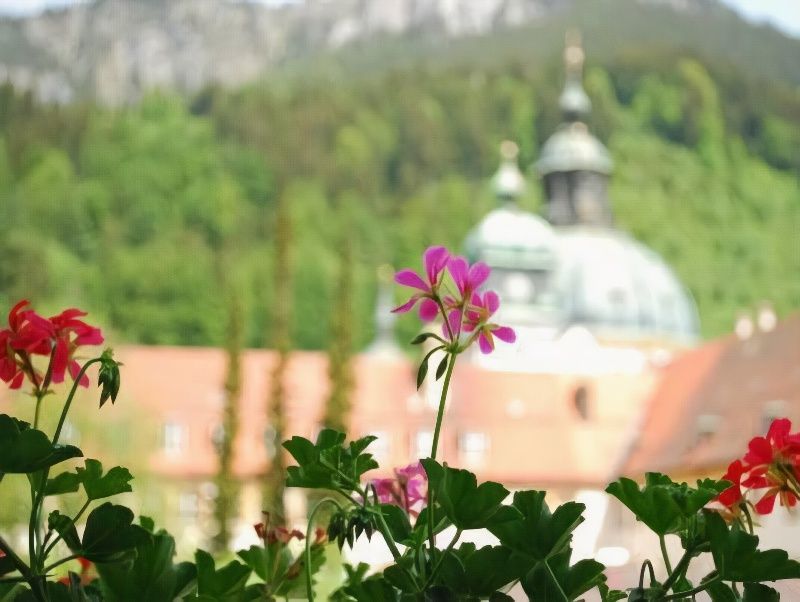
Posthotel Ettal
Frequently Asked Questions about Traveling to Ettal
Questions You Might Need to Know About Traveling to Ettal
For a truly spiritual stay in Ettal, the top choice is Hotel Kloster Ettal, housed within the historic Benedictine monastery complex. This former cloister has been transformed into a serene boutique hotel, blending medieval architecture with modern comfort. Guests can enjoy quiet mornings by the chapel, attend optional morning prayers, and savor organic meals prepared by the monks' kitchen. The surrounding alpine landscape enhances the sense of peace, making it ideal for reflection, retreats, or wellness-focused travel. The hotel also hosts cultural events and exhibitions tied to monastic traditions, offering deeper insight into Bavarian religious heritage.
The village center of Ettal, nestled in the heart of the Bavarian Alps, offers the perfect blend of tranquility and nature. Surrounded by ancient forests, crystal-clear streams, and panoramic mountain views, this area is ideal for those seeking peace away from crowds. Stroll along cobblestone lanes past timber-framed houses, visit the Ettal Monastery Church, or take a short hike to Ettaler See lake. The quiet streets and fresh alpine air create a meditative ambiance, while nearby trails like the Bergweg zur Bäckerei offer scenic walks with views of snow-capped peaks. It’s a haven for hikers, photographers, and seekers of authentic Alpine serenity.
To experience genuine Bavarian culture in Ettal, join the annual Bavarian Folk Festival held in summer, where locals wear traditional costumes like Lederhosen and Dirndls, perform folk dances, and sing regional songs. Visit the Ettal Monastery Museum to explore medieval manuscripts, religious art, and historical artifacts. Don’t miss tasting monastery-brewed dark beer and honey bread (Honigbrot)—both crafted on-site using age-old recipes. Participating in a craft workshop or attending a live music performance at the monastery church deepens your connection to local customs and heritage.
Must-visit natural attractions in Ettal include Ettaler See (Ettal Lake), a pristine alpine body of water surrounded by dense pine forests and snow-capped peaks. Take a peaceful walk around its shores or enjoy a lakeside picnic. For hikers, the Bergweg zur Bäckerei trail offers a moderate climb with sweeping views of the valley and distant mountains. In winter, the nearby Ettal Ski Resort provides excellent slopes for skiing and snowboarding. The region’s untouched meadows, wildflower fields in spring, and cascading streams make Ettal one of Germany’s most picturesque natural retreats.
Travelers visiting Ettal should sample monastery-brewed dark beer, known for its rich, malty flavor and centuries-old recipe. Pair it with Honey Bread (Honigbrot)—a soft, sweet loaf made with locally sourced honey and baked in traditional ovens. Other must-try dishes include Potato Goulash and Sauerkraut with smoked ham, both prepared using ingredients from regional farms. Meals are often served in the monastery’s guesthouse or nearby family-run restaurants, emphasizing freshness, tradition, and sustainability—true taste of Bavarian countryside cuisine.
The Ettal Monastery, founded in 1330, is one of Germany’s most significant Benedictine abbeys. Its Gothic-style church features stunning stained-glass windows, intricate wood carvings, and a vaulted ceiling that evokes awe. The monastery’s library holds over 50,000 rare manuscripts, including medieval illuminated texts and early printed books. Historically, it served as a retreat for Bavarian royalty and remains an active religious site today. Visitors can tour the museum, view sacred relics, and attend guided tours that reveal the monastery’s role in German religious and cultural history—offering a profound glimpse into monastic life through the ages.
Yes, Ettal is highly suitable for families with children. The village offers child-friendly activities such as guided monastery tours for kids, nature scavenger hunts near Ettaler See, and interactive workshops at local craft studios. Many hotels, including Hotel Kloster Ettal, provide family rooms and kid-friendly amenities. During summer, the Family Folk Festival includes games, storytelling, and hands-on crafts. With safe walking paths, clean air, and abundant outdoor spaces, Ettal provides a nurturing environment for children to learn about nature, history, and culture in a relaxed, scenic setting.
Ettal is accessible via train from Munich Airport (MUC) to Ettal Station, a journey of about 1 hour, followed by a short bus ride or 15-minute walk to the village center. Alternatively, drive via the A9 highway and exit at "Ettal," with ample parking available near the town entrance. Public transport links are reliable, especially during peak seasons. For international travelers, the area is well-signed in English, and many accommodations offer multilingual staff. While remote, Ettal’s charm lies in its peaceful isolation—perfect for those seeking an authentic, low-impact Alpine experience.
The best time to visit Ettal for pleasant weather and fewer crowds is late April to mid-June and September to early October. These shoulder seasons offer mild temperatures, blooming alpine flowers, and golden autumn foliage without the summer rush. Hiking trails are less crowded, and the alpine lakes reflect clear skies beautifully. Winter months (December–February) bring snow and ski tourism, while July–August see higher visitor numbers. For optimal comfort and solitude, avoid public holidays and choose weekdays for a more peaceful experience amidst Bavaria’s majestic mountains.
Unique souvenirs in Ettal include monastery-brewed dark beer, sold in limited-edition bottles with religious motifs; Honey Bread (Honigbrot) gift boxes made with local honey; and hand-carved wooden items like Alpine angels and forest spirit masks crafted by local artisans. Each piece reflects the region’s spiritual and natural heritage. These items are not only beautiful but meaningful—ideal for sharing a piece of Bavarian alpine tradition. Purchasing directly from the monastery shop or village boutiques supports local craftsmanship and sustainable practices.
Ettal Overview
City Summary
Ettal is a picturesque town in Bavaria, Germany, renowned for its historic abbey and Alpine scenery. Nestled in the foothills of the Alps, it blends medieval religious culture with natural beauty, with Ettal Abbey as its centerpiece, attracting pilgrims and tourists alike. The abbey is not only a sacred site but also features stunning Baroque architecture and a famous beer-brewing tradition.
Must-See Attractions
The main attraction in Ettal is the Ettal Abbey, a 14th-century monastery with a magnificent Baroque church adorned with lavish interiors. Visitors can also tour the abbey's brewery to sample its renowned monastic beer. The surrounding Alpine region offers outdoor activities like hiking, skiing, and cycling. Nearby, Linderhof Palace, one of King Ludwig II's palaces, is also worth a visit.
Food Guide
Ettal's cuisine is deeply influenced by Bavarian traditions, and the abbey beer (Ettaler Klosterbier) is a must-try, known for its rich flavor. Local restaurants serve classic German dishes like roasted pork knuckle (Schweinshaxe) and white sausage (Weißwurst), often paired with sauerkraut and mashed potatoes. For dessert, apple strudel (Apfelstrudel) and Kaiserschmarrn (a shredded pancake) are popular choices.
Transportation Guide
Public transport in Ettal primarily relies on buses, with regular services from Garmisch-Partenkirchen (about 20 minutes away). Driving is another convenient option, accessible via the B23 road with scenic views. Most attractions within the town are within walking distance. For visits to nearby sites like Linderhof Palace, renting a car or joining a local tour is recommended.
Best Time to Visit
The best time to visit Ettal is during spring and summer (May to September), when the weather is pleasant for outdoor activities. Winter (December to March) is ideal for skiing, but be prepared for cold temperatures. During holidays like Christmas and Easter, the town can be crowded, so book accommodations in advance.
Travel Tips
- Respect the abbey's religious atmosphere by dressing modestly and keeping quiet inside the church.
- Locals are generally friendly, but English proficiency is limited; learning basic German phrases is helpful.
- Enjoy beer responsibly, as public drinking laws in Germany are stricter than in some other countries.
- Mountain weather can change rapidly; always carry appropriate gear for hiking or skiing.
- Tipping is not mandatory, but service charges are often included in restaurant bills.
- The abbey shop offers unique souvenirs like beer and handmade crafts.
Useful Information
German is the primary language, though English is understood in tourist areas. Mobile coverage is good, and most hotels and restaurants offer free Wi-Fi. Cash is preferred, but credit cards are accepted at larger establishments. For medical needs, clinics in town handle minor issues, while serious cases require travel to Garmisch-Partenkirchen's hospital. The emergency number is 112. Travel insurance is advised for Alpine activities. The voltage is 230V with European-style plugs.