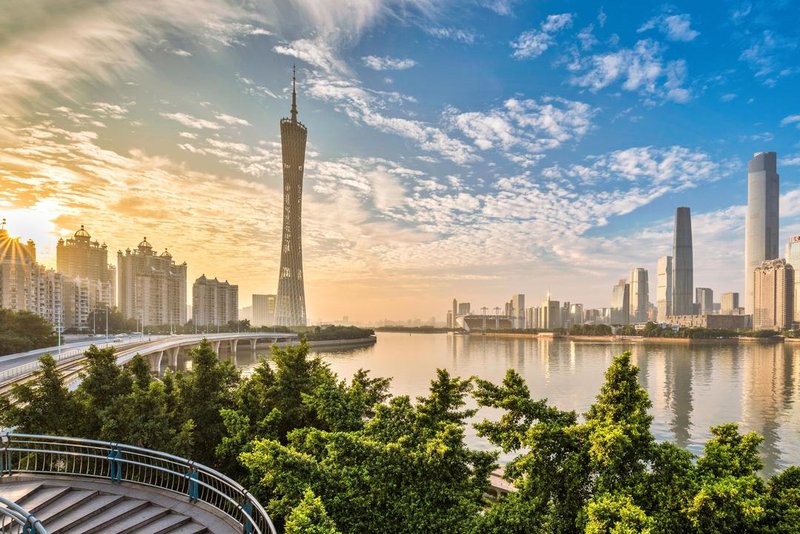
Hotels in Fürstenau
Discover your perfect stay in Fürstenau.
Fürstenau(Germany) Travel 2026: Cheap Flights, Hotels & Top Attractions
Popular Landmarks in Fürstenau
Discover the most iconic attractions in Fürstenau
Recommended Hotels in Fürstenau
Find the perfect place to stay in Fürstenau
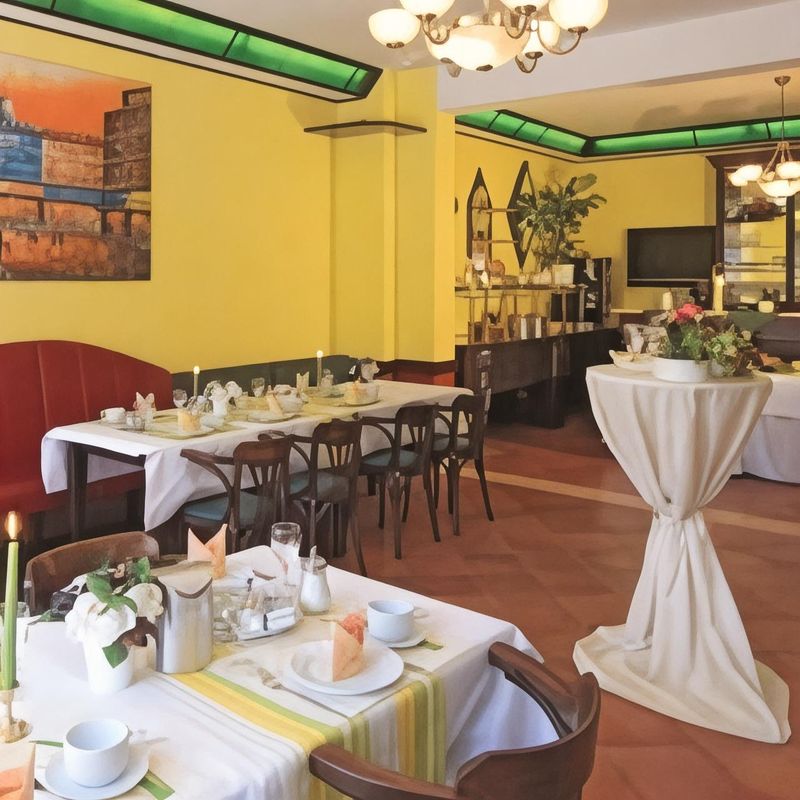
Hotel Wilken
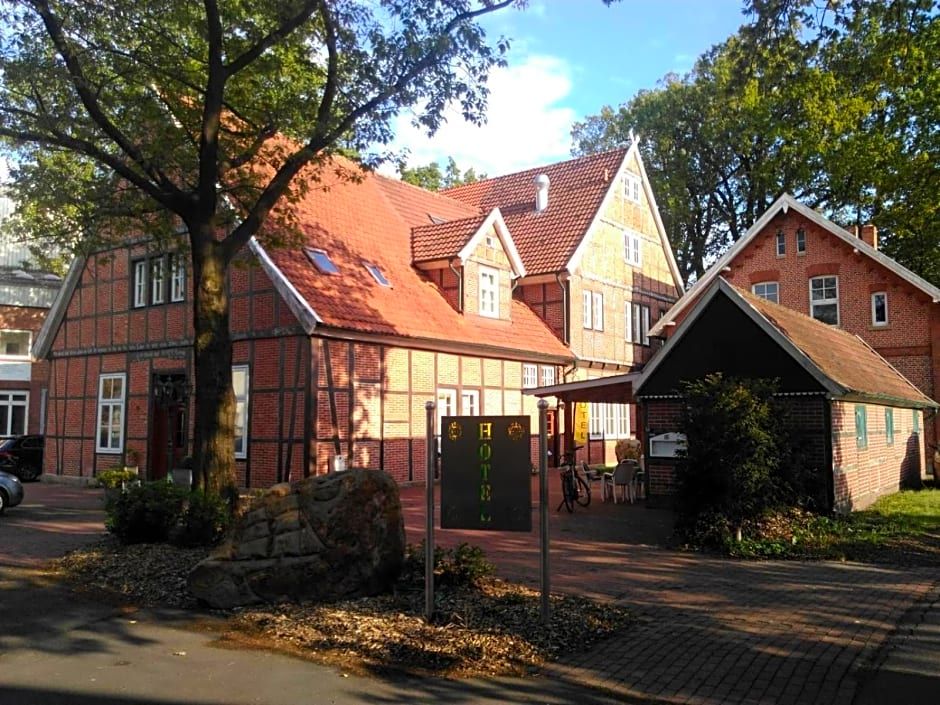
Alte Kornbrennerei Gbr
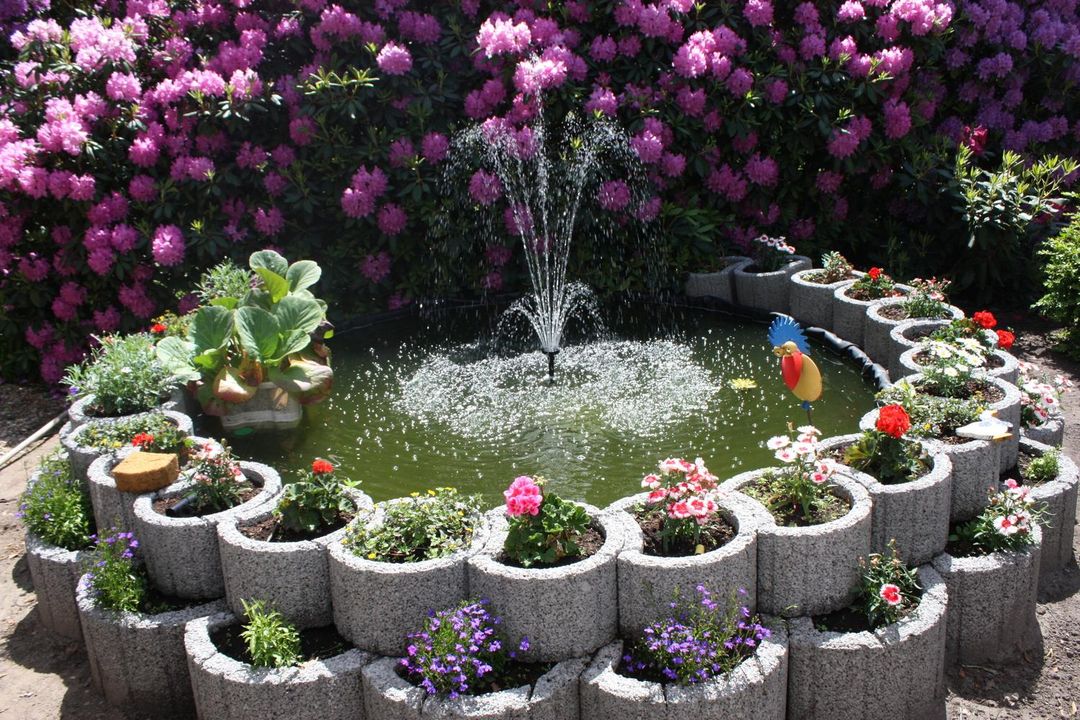
Gasthof am Sellberg
Frequently Asked Questions about Traveling to Fürstenau
Questions You Might Need to Know About Traveling to Fürstenau
For a peaceful countryside escape in Fehmarn, consider staying at Hotel Alte Mühle, a charming boutique hotel nestled in the heart of the Harz Mountains. This restored mill house offers cozy, rustic-chic rooms with panoramic views of the surrounding forests and hills. Guests can enjoy organic breakfasts and easy access to the historic Fehmarn Castle Ruins. Alternatively, Gasthof Roter Hahn provides authentic Saxon cuisine in a traditional timber-framed building, perfect for immersing in local culture.
First-time visitors should stay in the central district of Fehmarn, where the Town Hall Square and St. Mary's Church are within walking distance. This historic neighborhood features cobbled streets and 18th-century half-timbered houses, offering both charm and accessibility. For a quieter option with scenic views, the northern hillside cottages provide peaceful retreats surrounded by forest, ideal for sunrise hikes in the Harz Mountains.
In Fehmarn, visitors can join the annual Harz Folk Festival, featuring traditional Saxon folk bands, craft markets, and live demonstrations of historic beer brewing. The Fehmarn Museum hosts immersive exhibitions on 19th-century rural life, including period costumes and pottery workshops. During winter, don’t miss the Christmas Light Parade on the Town Hall Square, which captures the authentic German holiday spirit with lanterns, carols, and festive stalls.
Near Fehmarn, the Brocken Peak—Germany’s highest mountain—is a top destination. Take the Brocken Railway for breathtaking views of misty forests and alpine meadows. For hikers, Alteberg Gorge offers dramatic limestone trails with waterfalls and wild rhododendrons. In spring, the Fehmarn Valley bursts into bloom, making it a prime spot for photography and plein air painting amid lush greenery.
Fehmarn is famed for its Saxon Ragout, a hearty stew made with wild mushrooms and locally raised pork, often served at Gasthof Roter Hahn. Try the dark rye bread with smoked sausage and pair it with honey wine (Honigwein), crafted by regional beekeepers. During autumn, the annual Chestnut Festival offers roasted chestnuts and chestnut pastries, celebrating authentic Lower Saxony culinary traditions.
From Berlin, take a Deutsche Bahn ICE train to Höllental Station in the Harz Mountains, a journey of about 2 hours, then transfer to a local bus or taxi for the 30-minute ride to Fehmarn. Alternatively, drive via the A7 highway to the B49 exit, following the scenic Harz Road for approximately 120 km. Stop at Harz National Park viewpoints along the way. Avoid weekends for smoother travel.
Winter in Fehmarn shines with snow-covered landscapes and frozen waterfalls at Brocken Mountain, accessible by cable car for stunning panoramic views. Guided snowshoe treks and sleigh rides through pristine forests offer adventure and serenity. The Christmas Market at Town Hall Square features handcrafted gifts, mulled wine, and gingerbread. Many hotels also offer fireplace suites and hot springs baths, perfect for cozy winter relaxation.
Fehmarn is highly suitable for families. The Harz National Park features child-friendly trails and wildlife observation points where kids can see European roe deer and red squirrels. The Fehmarn Castle Ruins offer interactive archaeology digs for children. Most hotels provide family rooms and kids’ meals, while some guesthouses include game rooms and outdoor swings. Year-round family events—like Easter egg hunts and autumn pumpkin festivals—ensure fun for all ages.
The most photogenic spots in Fehmarn include the Gothic spire of St. Mary's Church, with its weathered stone and ivy-covered walls, perfect for atmospheric shots. The ruins of Fehmarn Castle, silhouetted against dawn light, create striking compositions. The Brocken Viewing Platform frames endless sea-of-clouds and pine forests, ideal for long-exposure photography. Spring wildflower valleys and winter snow-dusted cottages also make for stunning social media moments.
Transportation in Fehmarn is fairly convenient. The Harz Mountain Railway Station connects regularly with Berlin and Hanover via Deutsche Bahn (DB) trains. Local buses serve major sights and hotels. For drivers, Route B49 runs through town, though mountain roads have sharp curves—navigation apps are recommended. Bike rental services are widely available, allowing eco-friendly exploration of the Harz Greenway trails.
The best time to visit Fehmarn is during late spring to early summer (May–July), when temperatures range from 12–20°C and wildflowers bloom across the hills, ideal for hiking. Autumn (September–October) offers crisp air and vibrant foliage, perfect for photography and forest walks. Winter (December–February) brings snowscapes and cozy indoor experiences, though temperatures drop to -5°C to 2°C. Summer showers are occasional—pack rain gear. Overall, spring and autumn offer the optimal blend of nature and cultural exploration in the Harz Mountains.
Fürstenau Overview
City Summary
Fissenau is a charming small town in Lower Saxony, Germany, known for its tranquil rural landscapes and rich historical heritage. With well-preserved medieval architecture, picturesque forests, and lakes, it is an ideal destination for those seeking to escape urban hustle. The town's core appeal lies in its traditional German culture and laid-back lifestyle, perfect for travelers who love nature and history.
Must-See Attractions
Key attractions in Fissenau include the historic Town Hall and St. Michael's Church, showcasing classic German Gothic architecture. The Fissenau Castle is a must-visit, with its stunning exterior and surrounding gardens. Nature enthusiasts will enjoy Fissenau Lake for boating and hiking, while the local farmers' market offers a taste of authentic German rural life.
Food Guide
Fissenau's culinary scene revolves around traditional German cuisine. Must-try dishes include sausage platters and sauerkraut stew. Local taverns serve freshly brewed beer, best paired with rye bread and regional cheeses. Street food favorites like currywurst and fries are also popular. Don't miss the local apple strudel, a signature dessert of Fissenau.
Transportation Guide
Public transport in Fissenau primarily relies on buses, covering the town and nearby areas. A regional travel pass is recommended for cost savings. Given the town's compact size, walking or cycling is the best way to explore. For trips to neighboring cities, regional trains are available, with a 30-minute ride to major transport hubs in Lower Saxony.
Best Time to Visit
The best times to visit are spring (April-June) and autumn (September-October), when the weather is mild and the scenery stunning. Summer (July-August) sees more tourists but offers vibrant festivals. Winter (December-February) is colder, but the Christmas markets are magical.
Travel Tips
- Respect local customs: Fissenau residents value politeness; greet staff when entering shops or restaurants.
- Cash payments: Many small businesses don't accept cards; carry sufficient cash.
- Eco-consciousness: Strict recycling rules apply; follow local waste separation practices.
- Quiet hours: Avoid loud noises after 10 PM to respect residents' peace.
- Biking etiquette: Use designated bike lanes and prioritize pedestrians.
- Festival participation: Join local festivals for authentic cultural experiences.
Useful Information
The official language is German, but English is widely understood in tourist areas. Network coverage is good, with free Wi-Fi in most cafés. Cash is the primary payment method, though some shops accept EC cards (German bank cards). Dial 112 for emergencies. Pharmacies display a red "A" sign and are mostly closed on Sundays. Tap water is safe to drink, eco-friendly and convenient.