Hotels in Fano
Discover your perfect stay in Fano.
Fano(Italy) Travel 2026: Cheap Flights, Hotels & Top Attractions
Popular Landmarks in Fano
Discover the most iconic attractions in Fano
Recommended Hotels in Fano
Find the perfect place to stay in Fano
Frequently Asked Questions about Traveling to Fano
Questions You Might Need to Know About Traveling to Fano
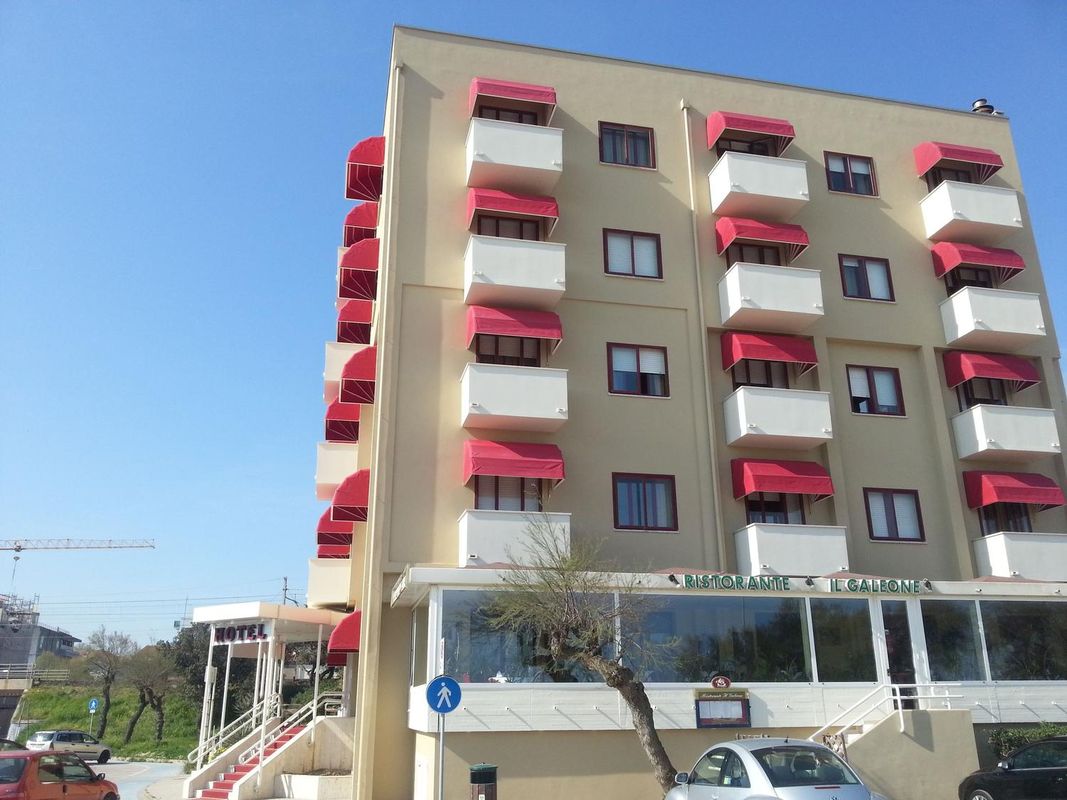
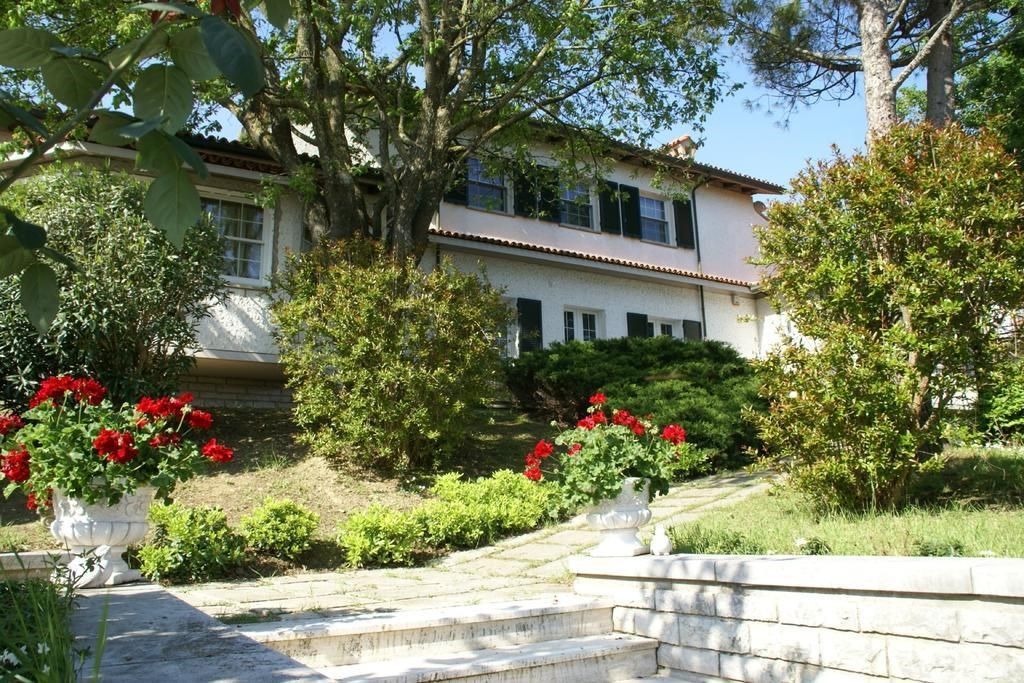
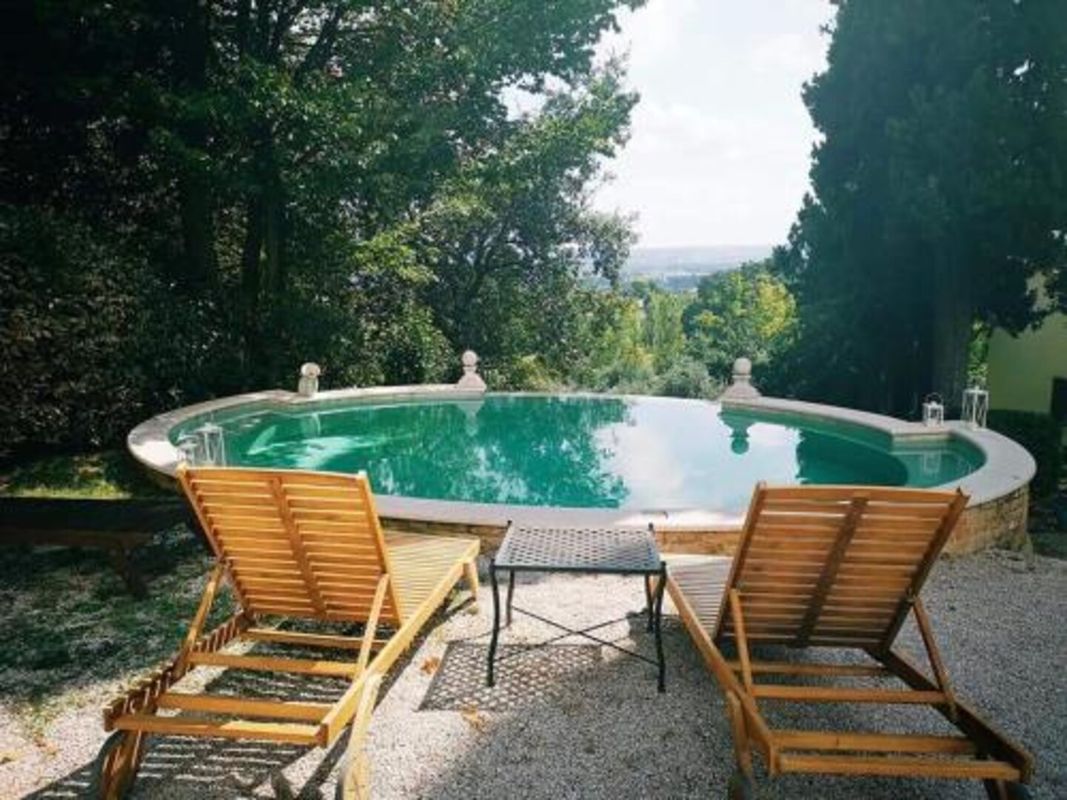
In Fano, the top family-friendly seaside hotel is Hotel Mare Nostrum, located steps from the Fano Harbor and the Lido di Fano beach. This modern, spacious hotel offers family rooms with sea views, a dedicated children’s play area, and direct access to a private sandy cove. Guests enjoy daily Mediterranean breakfasts featuring fresh local bread, cured meats, and seafood. Nearby, the historic Church of Santa Maria dell’Ascensione and the charming Old Town are within walking distance. Another excellent option is Hotel Villa Aurelia, a beautifully restored 19th-century villa with a lush garden, private pool, and tranquil atmosphere—perfect for families seeking a peaceful retreat amidst nature. Both hotels offer exceptional value and proximity to beaches, restaurants, and cultural sites.
The region's strong emphasis on sustainability ensures clean, safe environments for kids, with eco-friendly amenities and outdoor activities like guided coastal walks and snorkeling tours offered seasonally.
The Historic Center (Centro Storico) is the ideal area for staying in Fano. Nestled between the Fano Harbor and the Lido di Fano beach, this district offers easy access to all major attractions, including the Church of Santa Maria dell’Ascensione, the Roman Forum ruins, and the vibrant Mercato Coperto di Fano market. The narrow, cobblestone streets are lined with Renaissance architecture, boutique shops, and cozy trattorias serving authentic Marche cuisine. Staying here allows guests to experience the authentic rhythm of life in Fano—from morning fishermen returning with their catch to evening street musicians playing under ancient arches. Accommodations range from elegant B&Bs like B&B Il Giardino to boutique hotels such as Hotel La Corte, all offering charm, convenience, and a deep connection to local culture. Safety, walkability, and proximity to dining make it the most recommended zone for travelers.
Visitors to Fano should not miss several distinctive cultural experiences. First, explore the Fano Archaeological Museum (Museo Archeologico di Fano), which houses an impressive collection of Roman artifacts, including sculptures, inscriptions, and ceramics from the ancient city of Fanum Fortunae. Second, attend the annual Festa del Mare (Sea Festival) held in summer, a vibrant celebration combining music, fireworks over the Adriatic Sea, and traditional boat processions symbolizing gratitude to the sea. Third, join a guided walking tour of the Old Town, led by local historians who reveal hidden chapels, medieval fountains, and underground passages. These experiences highlight Fano’s legacy as a Roman religious center and its enduring maritime identity. Additionally, workshops in traditional Marche pottery-making and handmade pasta crafting are available through local cultural associations, offering hands-on engagement with regional heritage.
For couples seeking romance, Hotel Villa Aurora stands out as a premier choice. This 19th-century villa nestled on a hillside overlooks the Adriatic Sea, offering private terraces, a rooftop hot tub with panoramic views, and elegantly furnished suites adorned with handmade linens and ambient lighting. The hotel specializes in intimate experiences: couples can enjoy a candlelit dinner on the terrace with a menu crafted by a Michelin-trained chef, featuring fresh seafood and local Verdicchio wine. A complimentary sunset cruise aboard a small sailboat provides a magical way to witness the golden glow over the coast. Located just minutes from the Old Town and Fano Harbor, the hotel blends privacy, luxury, and accessibility. Additional touches include rose petal turndown service, personalized welcome notes, and spa packages using organic local ingredients—making it ideal for honeymoons or romantic getaways.
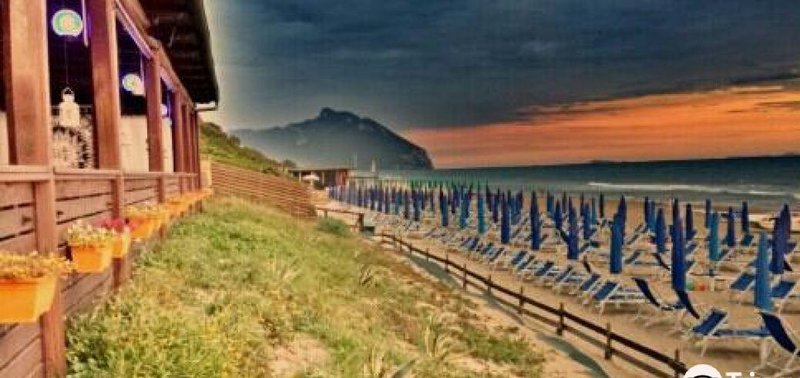
Fano’s beaches stand out for their fine, soft sand, crystal-clear waters, and eco-conscious management. The main beach, Lido di Fano, stretches nearly 2 kilometers with gentle slopes into the sea—ideal for families and beginner swimmers. It features shaded sunbeds, water sports rentals (kayaks, paddleboards, windsurfing), and lifeguard stations. For a quieter escape, Punta di S. Maria offers secluded coves surrounded by native flora and birdlife, perfect for photography and solitude. What truly sets these beaches apart is their commitment to sustainability: single-use plastics are banned, and waste bins are color-coded for recycling. During summer, the Sand Sculpture Festival transforms the shoreline into an open-air art gallery, attracting international artists. With consistent sunshine and low pollution levels, Fano’s coastline ranks among the most pristine along Italy’s Adriatic coast.
In Fano, must-try local dishes include Brodetto di Pesce, a rich fish stew made with fresh catches, tomatoes, herbs, and white wine—often served with grilled bread. Another highlight is Fritto Misto di Mare, a crispy mixed seafood platter featuring squid, shrimp, and mussels, perfectly seasoned and fried. Don’t miss Crescia Fano, a savory flatbread stuffed with prosciutto and cheese, traditionally sold at the Mercato Coperto di Fano market. Pair your meal with Verdicchio dei Castelli di Jesi, a crisp, mineral-driven white wine from the nearby hills. For dessert, sample Sfogliatella Fano, a flaky pastry filled with ricotta and candied fruit. Dining recommendations include Trattoria da Paolo, a centuries-old family-run restaurant known for its authenticity, or Osteria del Porto, where you can dine right by the harbor with a view of fishing boats returning at dusk. These culinary delights capture the soul of Marche’s coastal gastronomy.
Key historical sites in Fano include the Roman Forum Ruins (Foro Romano), located beneath the city center, with well-preserved columns, paving stones, and remnants of ancient public buildings. The Church of Santa Maria dell’Ascensione features stunning 15th-century frescoes and a marble altar blending Gothic and Renaissance styles. The City Walls (Mura della Città Vecchia) still encircle parts of the old town, offering scenic walking paths with sweeping views of the Adriatic Sea and surrounding hills. For deeper insight, visit the Fano Archaeological Museum, which displays artifacts from Fanum Fortunae, the ancient Roman sanctuary believed to have been a major religious hub. Guided tours often include underground tunnels and hidden crypts, revealing layers of history from pre-Roman, Roman, and medieval periods. These sites collectively underscore Fano’s significance as a crossroads of civilizations across two millennia.
Yes, Fano is highly accessible. It lies on the main Ancona–Rome railway line, with frequent trains connecting to Ancona (40 minutes) and Rome (under 2 hours). The Fano Train Station is just a 5-minute walk from the Old Town, making transfers effortless. Local buses link major attractions, beaches, and the airport shuttle service. For drivers, the A14 Highway has a nearby exit leading directly into the city. The Fano Port also offers ferry connections to Rimini and Venice, ideal for exploring the Adriatic coast. Within the city, most sights are within walking distance, and ample parking is available, including seasonal zones and electric shuttle services during peak months. Public transit is reliable, eco-friendly, and well-integrated, ensuring smooth travel for tourists regardless of arrival method.
The best time to visit Fano is from May to September, when temperatures range from 20°C to 28°C and the sea is warm enough for swimming. May and June offer pleasant weather with fewer crowds, perfect for leisurely exploration of the Old Town and archaeological sites. July and August bring lively festivals like the Festa del Mare and open-air concerts along the seafront promenade, creating a vibrant atmosphere. September is ideal for avoiding peak tourism while enjoying sunny days and lower hotel rates—many hotels offer early-bird discounts. Winter months (November–March) are cooler and wetter but great for cultural immersion: museums stay open, local artisans host workshops, and the city feels more authentic and unhurried. Travelers seeking tranquility and history will appreciate the off-season charm.
Fano’s nightlife is relaxed and atmospheric, perfect for those who prefer quiet evenings with charm. The Seafront Promenade (Passeggiata del Mare) becomes a focal point after dark, with cafés, bars, and gelaterias glowing softly under string lights. Caffè Roma remains a favorite haunt, hosting live jazz and folk music nights. Around Piazza della Libertà, restaurants extend their hours into the late evening, serving seafood platters and fine wines. During summer, the city hosts the Night Light Art Festival, where projections and soundscapes transform the harbor and ancient walls into a dynamic multimedia stage. There are no loud clubs or late-night parties—instead, the vibe is intimate, cultural, and deeply rooted in local tradition. Whether sipping vermouth on a terrace or strolling past illuminated churches, Fano offers a serene, artistic night experience that complements its daytime beauty.