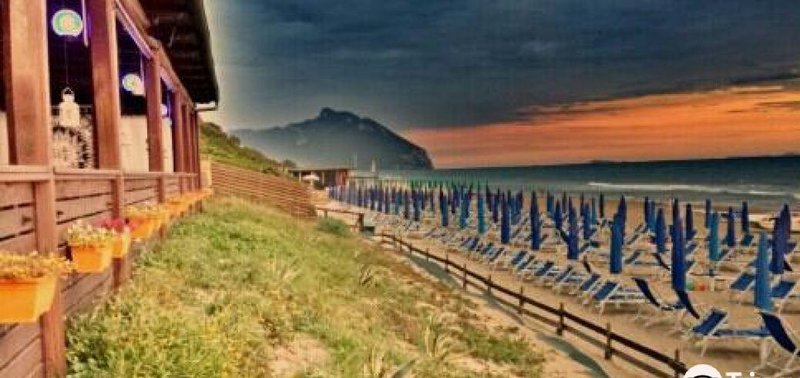
Hotels in Fauglia
Discover your perfect stay in Fauglia.
Fauglia(Italy) Travel 2026: Cheap Flights, Hotels & Top Attractions
Popular Landmarks in Fauglia
Discover the most iconic attractions in Fauglia
Recommended Hotels in Fauglia
Find the perfect place to stay in Fauglia
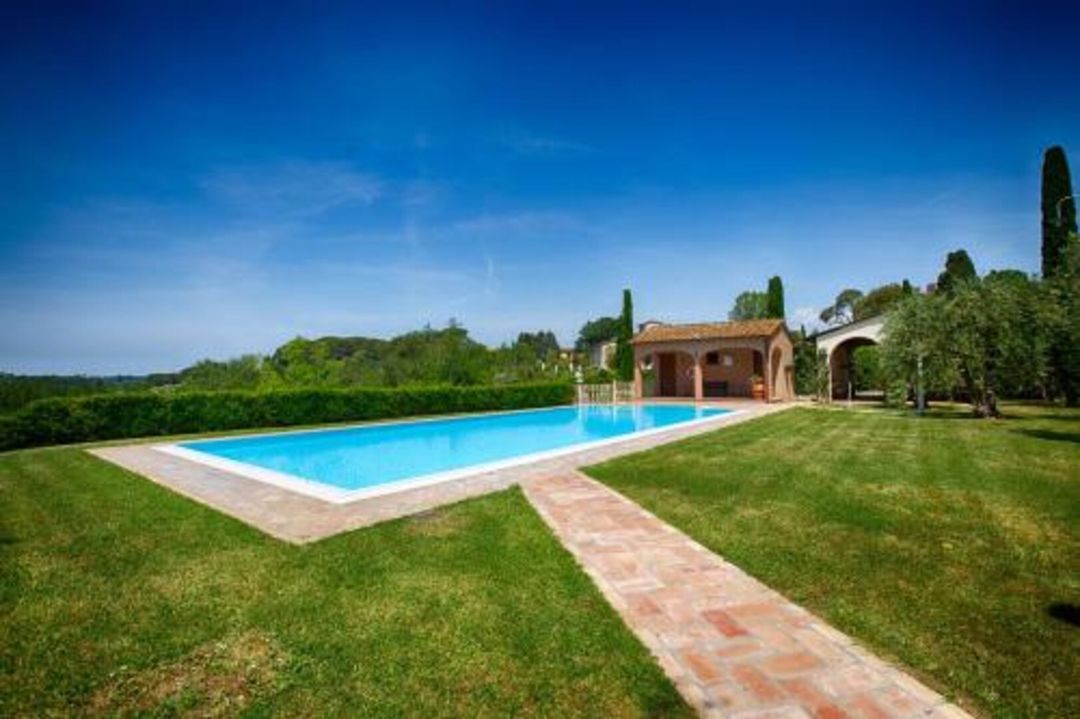
Podere Sant'Antonio
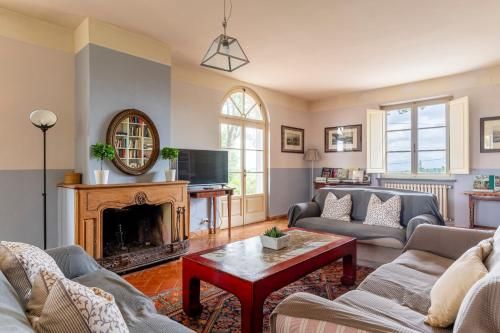
Fattoria Laviosa
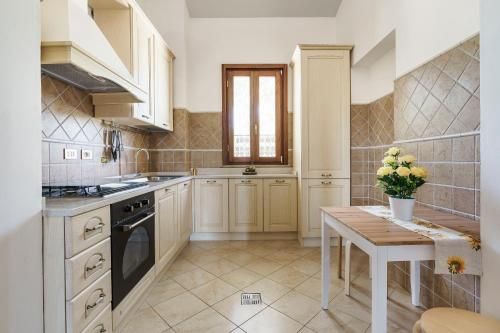
Masseria le Querciole
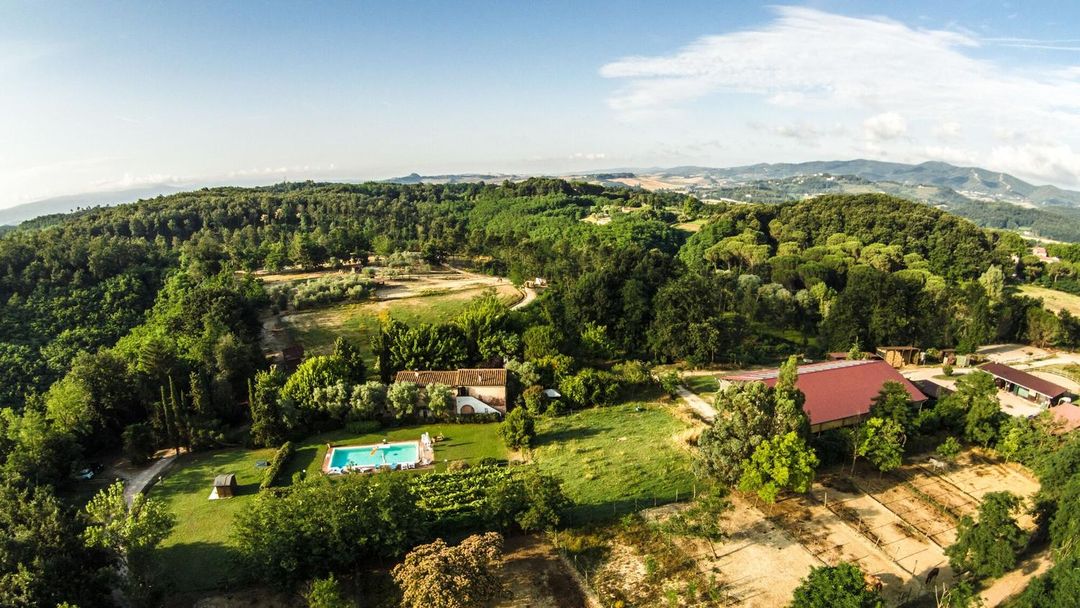
Fioralice
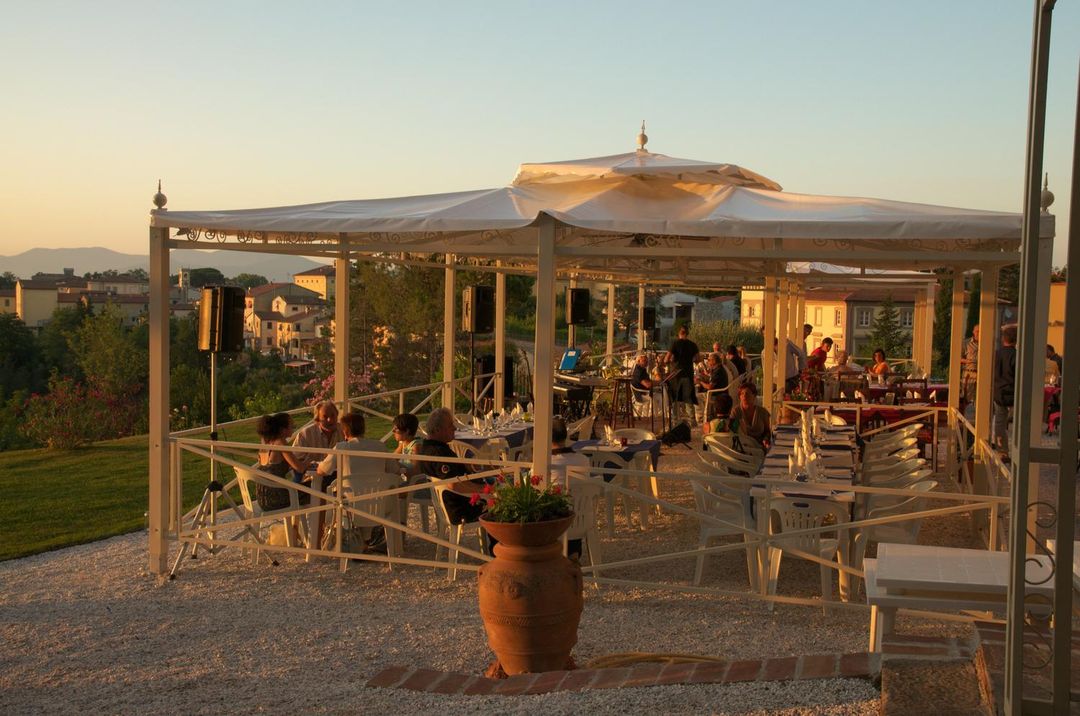
Villa Conti
Frequently Asked Questions about Traveling to Fauglia
Questions You Might Need to Know About Traveling to Fauglia
In Florence, the standout boutique hotel is Hotel La Palomba, a restored 15th-century farmhouse nestled in the hills of Foligno. It blends rustic Tuscan stone architecture with modern elegance, featuring olive groves, lavender gardens, and panoramic views of the Apennine Mountains. Guests enjoy farm-to-table breakfasts using organic ingredients from on-site gardens. The hotel also hosts authentic Tuscan cooking classes and offers private wine tastings with local vintners, creating a deeply immersive cultural experience.
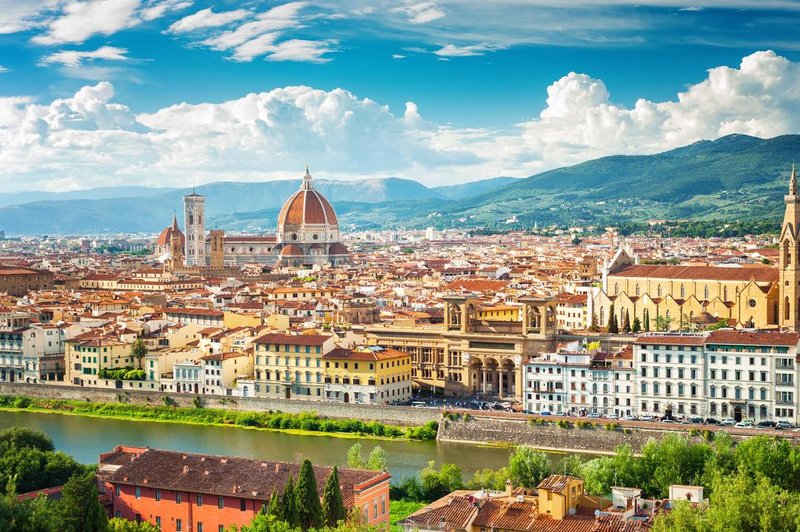
The historic center of Florence is ideal for first-time visitors, offering walkable access to landmarks like the Duomo, Uffizi Gallery, and Piazza della Signoria. Staying here puts you within steps of artisan shops, traditional trattorias, and gelaterias. For a quieter alternative, consider Oltrarno district, known for its charming streets, hidden art studios, and riverside views along the Arno River, providing a more intimate Florentine vibe without sacrificing accessibility.
Beyond museums, Florence offers unforgettable experiences such as a hands-on pasta-making workshop at Antica Trattoria da Tito, where you’ll learn to craft pici and ribollita using traditional methods. Many hotels, including Hotel La Palomba, organize wine harvest tours and local cheese tastings in nearby vineyards. Additionally, the weekly Mercato di San Lorenzo market features handmade leather goods, regional cheeses, and fresh olive oil—perfect for engaging with local artisans and savoring authentic Tuscan flavors.
Yes, Borgo di Follina and Hotel La Palomba are both excellent family-friendly options in Florence. They offer spacious family suites, kids’ play areas, and activities like farm animal feeding, nature scavenger hunts, and evening storytelling sessions. The surrounding countryside provides safe outdoor spaces for exploration, while nearby attractions such as the Florence Zoo and horseback riding in Chianti offer fun and educational experiences tailored for younger travelers.
While Florence lacks natural hot springs, nearby Terme di Brescian (30 km away) offers luxurious thermal baths with sulfur-rich waters and holistic treatments. Hotels like Hotel La Palomba feature in-room saunas, meditation corners, and aromatherapy services. For a tranquil retreat, book a forest bathing session or yoga sunrise class in the rolling hills of Chianti, combining nature immersion with wellness practices inspired by Italian tradition.
Florence’s nightlife is relaxed and sophisticated. Most locals dine early and head home by 10 PM, but the Oltrarno district buzzes with cozy wine bars like Cantina del Sole, where live folk music often accompanies local wines. For something livelier, take a short train ride to Arezzo, where weekend open-air concerts and street markets draw crowds. The city’s charm lies in its quiet evenings—perfect for strolling under candlelit alleys or enjoying a glass of Chianti at a riverside terrace.
Must-try dishes include bistecca alla Fiorentina (a thick-cut T-bone steak grilled over wood fire), ribollita soup, and cantucci almond biscuits served with Vin Santo wine. At Hotel La Palomba, guests can join a farm-to-table dinner where chefs prepare meals using ingredients grown on-site. Don’t miss the chance to participate in a vineyard harvest tour and bottle your own small batch of Chianti Classico—unique and memorable.
Many top hotels in Florence, including Hotel La Palomba and Borgo di Follina, offer complimentary airport or train station transfers upon request. For those traveling by car, hotels provide secure parking and bike rentals. Public transport options like Bus Line 217 connect Florence to nearby towns affordably. Some hotels also partner with private drivers for full-day excursions across Tuscany, ideal for exploring vineyards and hilltop villages.
Absolutely. Florence offers stunning photography opportunities: the golden-hour light over the Duomo, misty mornings in the Arno River valley, and vibrant scenes during the San Lorenzo Market. Hotel La Palomba features dedicated photo zones with vintage props and professional lighting. Each September, the Tuscan Light Festival draws international photographers to capture dramatic urban and natural contrasts—ideal for capturing the soul of Tuscany through the lens.
Florence has a Mediterranean climate—hot, dry summers (up to 35°C) and mild, rainy winters. During summer, choose hotels with air conditioning, shaded terraces, and pool access. In winter, opt for accommodations with fireplaces and insulated rooms. The best seasons for travel are spring (April–June) and autumn (September–October), when temperatures are pleasant and crowds are thinner. Stay at a hillside villa for breathtaking sunsets and panoramic views of the Chianti landscape.
Fauglia Overview
City Summary
Foligno, a charming medieval town in Italy's Tuscany region, is renowned for its Renaissance architecture and traditional craftsmanship. With rich historical heritage like the Cathedral of San Feliciano and Palazzo Trinci, it's also an ideal base for exploring the Tuscan countryside.
Must-See Attractions
Must-see sites include the Cathedral of San Feliciano (Duomo di San Feliciano), a Romanesque church with exquisite frescoes; Palazzo Trinci showcasing Renaissance art collections; and the medieval cobblestone streets of Foligno's historic center. The annual Quintana Jousting Festival in June offers authentic cultural immersion.
Food Guide
Foligno specializes in truffle dishes and handmade pasta—don't miss Strangozzi al Tartufo (truffle pasta) and Porchetta (herb-roasted pork). Local olive oil and Sagrantino wine are exceptional, while Pecorino cheese from markets makes perfect souvenirs.
Transportation Guide
Foligno's compact center is walkable. The train station connects to Perugia and Assisi, though suburban buses have limited schedules. Drivers must avoid ZTL (traffic-limited zones)—use free parking outside walls. Renting a car is recommended for Tuscan countryside exploration.
Best Time to Visit
Best visited April-June and September-October for mild weather and fewer crowds. Summer (July-August) hosts festivals despite heat, while winter sees reduced attraction hours.
Travel Tips
- Dress modestly for churches—no sleeveless tops or shorts.
- Most shops close 1:30-4:00pm for siesta—plan accordingly.
- Dinner typically starts after 8pm; reservations are advised.
- ZTL zone violations incur heavy fines—watch for signage.
- Look for "Tartufo" certification when buying truffle products.
- Dial 112 for emergencies; pharmacy rotations are posted outside.
Useful Information
Italian is the official language, with basic English in tourist areas. 4G coverage is citywide, and free Wi-Fi available at major venues. Cash remains common, though cards are accepted at hotels/restaurants. For medical needs, visit Ospedale San Giovanni Battista—pharmacies display green crosses. The train station has a tourist office with maps and event info.