Hotels in Fiuminata
Discover your perfect stay in Fiuminata.
Fiuminata(Italy) Travel 2026: Cheap Flights, Hotels & Top Attractions
Popular Landmarks in Fiuminata
Discover the most iconic attractions in Fiuminata
Frequently Asked Questions about Traveling to Fiuminata
Questions You Might Need to Know About Traveling to Fiuminata
For a tranquil coastal escape in Fiuminata, the Riviera delle Palme district is ideal, offering quiet beaches and seafront villas. Stay at Hotel Villa dei Pini, a boutique retreat with private access to a cove and panoramic views of the Adriatic Sea. Its organic restaurant and thermal spa reflect the region’s emphasis on wellness and sustainability.
Alternatively, choose B&B La Torre, located in the historic center near the 14th-century church and artisan markets. This charming family-run guesthouse provides authentic local charm and easy access to hiking trails and seaside villages. For nature lovers, Casa Vacanze Il Giardino offers a rustic villa surrounded by olive groves, featuring hand-painted murals and Mediterranean gardens—perfect for those seeking artistic inspiration and peaceful solitude.
In Fiuminata, Hotel Mare Blu stands out as a top family-friendly option, located steps from Spiaggia di Santa Maria, a safe, shallow beach perfect for children. The hotel offers spacious family suites, kids’ menus, and daily supervised activities such as sandcastle building, stargazing sessions, and pottery workshops.
It also provides complimentary shuttle service to nearby towns, making it easy for families to explore local markets and museums. With its proximity to nature trails and a small animal park, parents can enjoy peace of mind while kids play safely. The warm, welcoming staff prioritize child comfort, ensuring a stress-free holiday experience for all ages.
Visitors to Fiuminata should not miss the Festa dell'Olio, an annual autumn celebration held in the old town square where locals press fresh olives using traditional stone mills. Guests can sample extra virgin olive oil straight from the press and learn to make regional condiments like sugo di pomodoro.
The Chiesa di San Francesco houses 15th-century frescoes, and guided tours every Saturday afternoon reveal the evolution of religious art in the Marche region. Additionally, the Bottega del Mastro artisan workshop offers hands-on sessions in ceramics, weaving, and woodcraft—where travelers can create their own souvenir under expert guidance. These immersive experiences offer deep insight into the intangible heritage of Fiuminata and its surrounding communities.
Must-try dishes in Fiuminata include Risotto ai Frutti di Mare, a rich seafood risotto made with freshly caught shrimp, mussels, and squid, simmered in local white wine. Dine at Trattoria da Nino, a century-old family-run restaurant known for its authentic recipes and organic ingredients.
Don’t miss Pane con Miele e Olive, a traditional breakfast bread drizzled with honey and served with local cheese and jam. For a deeper culinary experience, join the Fiuminata Food Experience, a hands-on cooking class held in a seaside kitchen where guests learn to prepare classic Italian dishes like lasagna and lemon tart under the guidance of a master chef.
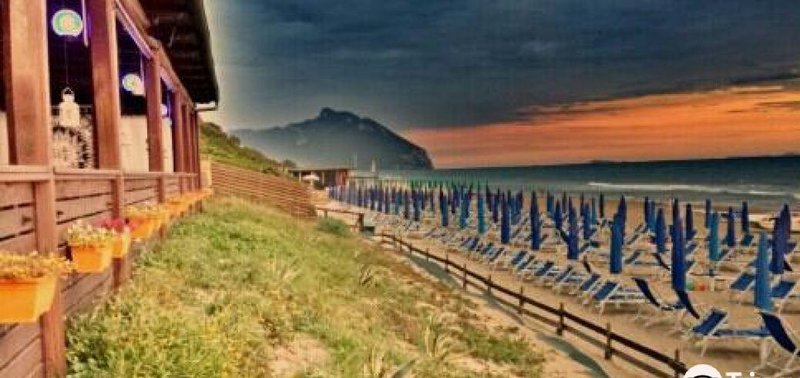
Yes, the beaches in Fiuminata are safe for swimming. Spiaggia di Santa Maria features clear, calm waters and lifeguard patrols, making it ideal for swimmers of all ages. The beach has marked swimming zones and safety buoys.
Spiaggia di Caprio, a secluded cove surrounded by pine trees, offers warm, sheltered waters perfect for families and snorkeling. Most beaches provide rental umbrellas, sunbeds, and water sports equipment. Several hotels offer free shuttle services to the coast. For a quieter experience, visit early morning or late afternoon to avoid peak crowds and intense sun.
Yes, Fiuminata is ideal for a road trip. The area boasts well-maintained roads connecting to nearby towns like Pescara and Ancona, with scenic routes offering stunning views of the Adriatic Sea and Marche hills. A compact car is recommended for navigating narrow country lanes and historic town centers.
Along the way, stop at Caprio Cliffs Viewpoint for panoramic ocean vistas or visit the Santa Maria Abbey for a moment of serenity. Many hotels provide free parking, and clear signage guides drivers through rural routes. It’s advisable to download offline maps beforehand, especially in mountainous areas with spotty cell coverage.
Fiuminata Overview
City Summary
Fiuminata is a picturesque hilltop town in the Marche region of Italy, renowned for its medieval architecture and tranquil rural charm. Perched on a ridge of the Apennine Mountains, it offers breathtaking panoramic views, making it ideal for photography. The historic center is well-preserved, with stone houses, narrow alleys, and ancient churches showcasing classic Italian hilltown allure. It is a perfect destination for those seeking to escape urban chaos and embrace slow living.
Must-See Attractions
Key attractions in Fiuminata include the Church of Santa Maria Assunta, a medieval church housing exquisite frescoes and historic architectural details. The town walls and gates remain intact, offering insights into its defensive history. Stroll along the cobblestone streets to admire the local architecture and rustic lifestyle. Nearby natural landscapes are another highlight, with surrounding hiking trails perfect for outdoor adventures.
Food Guide
Fiuminata's cuisine is deeply rooted in local traditions and mountain ingredients. Handmade pasta (like ravioli and pappardelle) is a regional specialty. Truffles and wild mushrooms are highly prized in autumn, often used to flavor pasta or risotto. Local cheeses (e.g., Pecorino) and preserves are must-tries. Wines from Marche, especially red varieties, pair well with the dishes.
Transportation Guide
Fiuminata is nestled in the mountains, with limited public transport. Driving is recommended; it takes ~1.5 hours from Pesaro or Urbino, with scenic routes. Inside the town, streets are narrow and mostly pedestrian-only—park outside the center. Buses are infrequent; check schedules in advance. Taxis are rare, but locals are generally helpful.
Best Time to Visit
The best times to visit are spring (April-June) and autumn (September-October), with mild weather ideal for hiking. Summer (July-August) is warm but busier. Winter (November-March) is colder, with occasional snow—perfect for Christmas markets and winter scenery.
Travel Tips
- Wear comfortable shoes—Fiuminata's steep, cobbled streets demand it.
- The town is traditional; respect local customs (e.g., dress modestly in churches).
- Carry cash—many small shops and eateries don’t accept cards.
- Bring a camera—the panoramic views are photogenic.
- Learn basic Italian phrases to connect with locals.
Useful Information
Italian is the primary language; English is not widely spoken. Mobile coverage can be spotty in some areas. Most transactions use cash (EUR); credit cards are rarely accepted. Medical facilities are in nearby cities like Pesaro; contact your accommodation for urgent care. The voltage is 220V, with Type C/F plugs.