Hotels in Formentera Del Segura
Discover your perfect stay in Formentera Del Segura.
Formentera Del Segura(Spain) Travel 2026: Cheap Flights, Hotels & Top Attractions
Popular Landmarks in Formentera Del Segura
Discover the most iconic attractions in Formentera Del Segura
Frequently Asked Questions about Traveling to Formentera Del Segura
Questions You Might Need to Know About Traveling to Formentera Del Segura
Formentera Del Segura Overview
City Summary
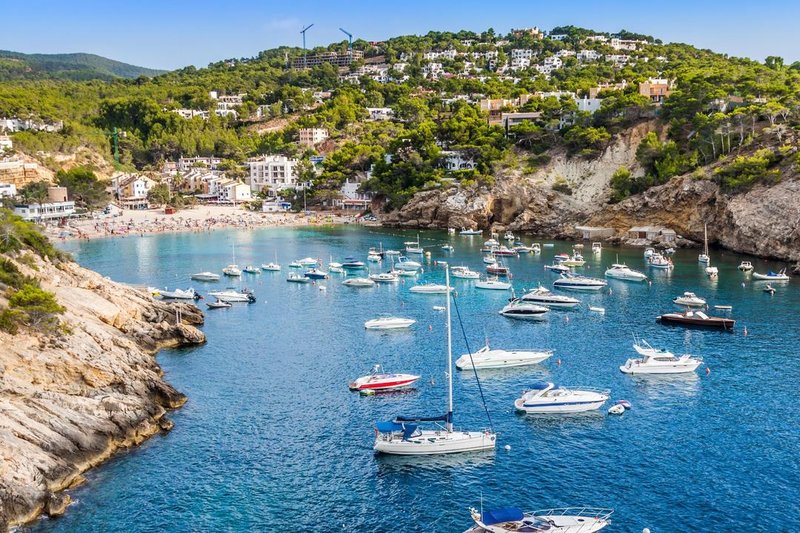
Fomentera del Segura, located in the Valencian Community of Spain, is a hidden gem on the Mediterranean coast, renowned for its pristine beaches, crystal-clear waters, and tranquil atmosphere. This secluded destination is ideal for travelers seeking nature and relaxation. The island's whitewashed houses and traditional fishing village charm showcase the unique allure of the Mediterranean, while local ecological conservation policies ensure the purity and beauty of the natural environment.
Must-See Attractions
The beaches of Fomentera del Segura are its main attraction, with Playa de Segura standing out for its fine sand and turquoise waters. The island's nature reserves are perfect for birdwatching and hiking. Visitors can also explore the local fishing villages to experience traditional Spanish coastal life or enjoy fresh seafood at seaside taverns. The night sky here is exceptionally clear, making it an ideal spot for stargazing.
Food Guide
The seafood here is a must-try, especially the local paella and grilled fish, freshly caught and full of flavor. Street food like fried fish balls and garlic shrimp in olive oil are also popular. Pair these dishes with local wine or sangria for a complete experience. The culinary culture blends Mediterranean and Spanish traditions, offering simple yet flavorful dishes.
Transportation Guide
Getting around Fomentera del Segura is best done on foot or by bicycle, thanks to the island's flat terrain. Public transport is limited, but you can rent small electric cars or scooters to explore. Ferries from Valencia or Alicante take about 2-3 hours to reach the island. There is no airport on the island; the nearest one is in Alicante, requiring additional transport. Plan ahead, especially during peak season.
Best Time to Visit
The best time to visit is May to October, when the weather is warm and the sea is perfect for swimming. July-August is peak season, but the beaches remain peaceful. Spring and autumn offer pleasant weather for hiking and sightseeing.
Travel Tips
- Sun protection is essential due to the strong sunlight; bring high-SPF sunscreen.
- Respect local conservation policies—do not remove sand or disturb the natural environment.
- Cash is preferred in small shops, so carry enough for your needs.
- Wear lightweight, comfortable clothing and shoes for exploring beaches and nature reserves.
- Learn basic Spanish phrases, like greetings and ordering food, to enhance your experience.
- The island has a quiet nightlife, ideal for those seeking tranquility.
Useful Information
The primary language is Spanish, though English is understood in tourist areas. Network coverage is good, but some nature reserves have weak signals. Cash is the main payment method, though some restaurants and hotels accept cards. Emergency services are available at the local medical center, but serious cases may require transfer to Alicante. Travel insurance is recommended. Tap water is safe to drink.