Hotels in Forst an der Weinstraße
Discover your perfect stay in Forst an der Weinstraße.
Forst an der Weinstraße(Germany) Travel 2026: Cheap Flights, Hotels & Top Attractions
Popular Landmarks in Forst an der Weinstraße
Discover the most iconic attractions in Forst an der Weinstraße
Recommended Hotels in Forst an der Weinstraße
Find the perfect place to stay in Forst an der Weinstraße
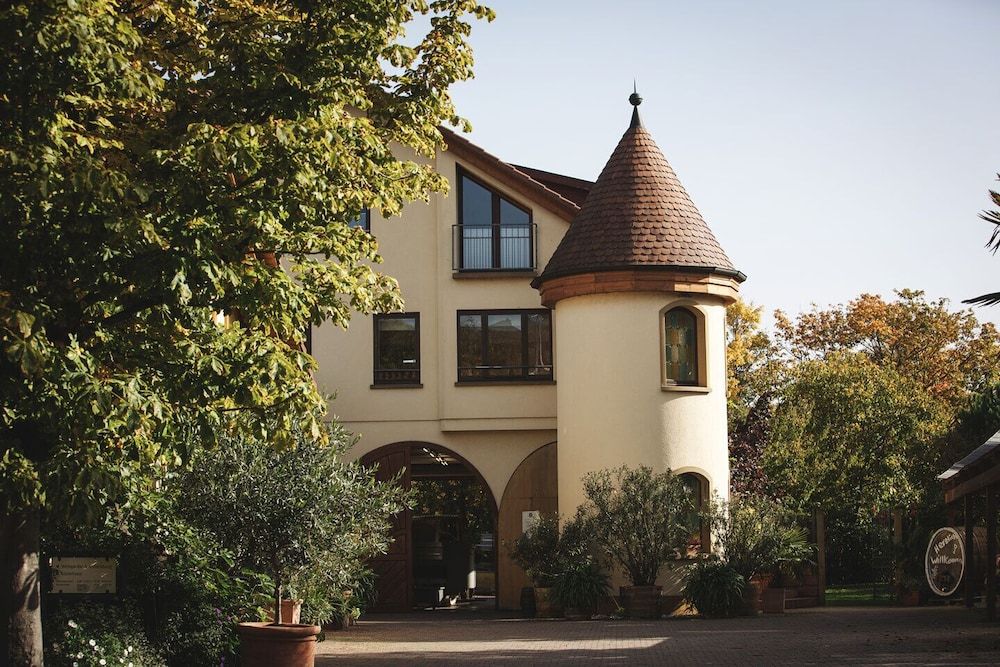
Weingut & Landhotel Lucashof
Frequently Asked Questions about Traveling to Forst an der Weinstraße
Questions You Might Need to Know About Traveling to Forst an der Weinstraße
In Weinsberg, the top choice is Hotel Alte Schlosswirtschaft, a charming boutique hotel housed in a 16th-century former wine estate. Located steps from the historic town center and Weinsberger Burg ruins, it blends medieval architecture with modern comforts. Guests enjoy regional wines from on-site vineyards and seasonal dishes featuring local ingredients like Riesling-spiced trout and Black Forest ham. The hotel also offers guided walking tours through the Wine Route and nearby hiking trails along the Neckar River valley, perfect for cultural and nature lovers.
The most authentic experience lies in the Old Town (Altstadt) and vineyard neighborhoods of Weinsberg, where cobbled streets wind past half-timbered houses and centuries-old wineries. Stay at Pension Weinbauer, a family-run guesthouse offering homemade Riesling and traditional Franconian cuisine. Here, you’ll witness daily life during the wine harvest festival, participate in local craft workshops, and enjoy intimate evening concerts at the St. Martin’s Church. This area preserves the spirit of rural Germany with deep-rooted traditions and warm hospitality.
Visitors to Weinsberg can take part in the annual Wine Harvest Festival, where locals celebrate with barrel dances, live folk music, and tastings of freshly pressed Riesling. Join a medieval castle tour at the Weinsberger Burg ruins, learning about its role in the 14th-century Holy Roman Empire. For a hands-on experience, try a family-run winemaking workshop using traditional methods. During winter, don’t miss the Christmas Market, featuring handcrafted wooden ornaments, mulled wine, and regional delicacies. These events reflect the village’s deep connection to agriculture, history, and community spirit.
Yes, several hotels in Weinsberg provide immersive farm-to-table dining experiences. At Hotel Alte Schlosswirtschaft, guests can book a vineyard dinner under the stars, featuring locally sourced ingredients like organic vegetables, free-range poultry, and house-cured sausages. The menu changes seasonally, highlighting regional specialties such as Spätzle with wild mushrooms and Riesling-glazed pork. Some establishments even host cooking classes led by local chefs, teaching how to prepare traditional Franconian dishes using produce from their own gardens—offering a true taste of sustainable German hospitality.
Absolutely. Weinsberg offers family-friendly attractions like the Mosel River Family Trail, a safe, shaded path with interactive nature stations and playful sculptures perfect for kids. Hotels such as Gasthof Zür Krone provide spacious family suites and organized activities including mini winemaking sessions, pottery workshops, and forest scavenger hunts. Weekly kids’ wine tasting introductions (non-alcoholic) let children explore flavors safely. With low traffic, clean air, and welcoming locals, this quiet village provides a peaceful, enriching environment for intergenerational travel.
Weinsberg is well-connected by public transit. Take a Regional Express (RE) train from Mannheim or Freiburg to Weinsberg Station, just a 35-minute ride. While no local buses operate, many hotels offer free shuttle services to major sights like the Burg Ruins and vineyards. For independent exploration, rent an electric bike from local shops—the Mosel Greenway offers scenic, flat routes ideal for all ages. Cycling lets you enjoy the countryside at your pace while avoiding parking hassles, making Weinsberg a practical destination even without a car.
Forst an der Weinstraße Overview
City Summary
Forst an der Weinstraße is a charming town in Rhineland-Palatinate, Germany, renowned for its vineyard landscapes and wine culture. As one of the oldest wine-growing regions in Germany, it boasts a rich winemaking history. Surrounded by rolling vineyards, the town offers a picturesque escape from urban life. Its medieval architecture and tranquil rural atmosphere provide a unique experience for visitors.
Must-See Attractions
Must-see attractions include the historic St. Martin's Church and the local wine museum, which showcases the region's winemaking heritage. Stroll through the town's cobblestone streets to admire well-preserved half-timbered houses. Nearby vineyards offer wine-tasting tours, featuring the iconic Riesling wines. In summer, the town hosts lively wine festivals.
Food Guide
Food Guide: Forst is famous for its wines and local cuisine. Don't miss tasting Riesling wine paired with traditional German dishes like pork knuckle or sausage platters. Local restaurants also serve creative dishes cooked with wine, such as beef braised in wine. Fresh grapes from the vineyards are a must-try for their unique flavor.
Transportation Guide
Transportation: Public transport in Forst relies on regional trains and buses, connecting to cities like Koblenz and Mainz. Driving is convenient for exploring the area, with scenic vineyard routes. The town is walkable, so comfortable shoes are recommended. Biking is also popular for vineyard tours.
Best Time to Visit
The best time to visit is May to October, when the weather is mild, vineyards are lush, and wine festivals are in full swing. The autumn harvest season is especially enchanting, but book accommodations early.
Travel Tips
- Respect local culture: Maintain silence in churches.
- Wine-tasting etiquette: Swirl the glass to smell the aroma but avoid overindulging.
- Footwear: Wear sturdy shoes for uneven vineyard terrain.
- Language: Basic German greetings are appreciated.
- Eco-friendly: Do not litter in vineyards.
- Bookings: Reserve restaurants and lodgings in advance during peak season.
Useful Information
Useful info: The local language is German, but English is understood in tourist areas. The currency is the euro; credit cards are widely accepted, but small shops may prefer cash. Network coverage is good, with free Wi-Fi in most hotels and restaurants. The emergency number is 112. Medical facilities are adequate, but travel insurance is recommended. During wine festivals, be mindful of your belongings in crowds.