Hotels in Fujikawa
Discover your perfect stay in Fujikawa.
Fujikawa(Japan) Travel 2026: Cheap Flights, Hotels & Top Attractions
Popular Landmarks in Fujikawa
Discover the most iconic attractions in Fujikawa
Recommended Hotels in Fujikawa
Find the perfect place to stay in Fujikawa
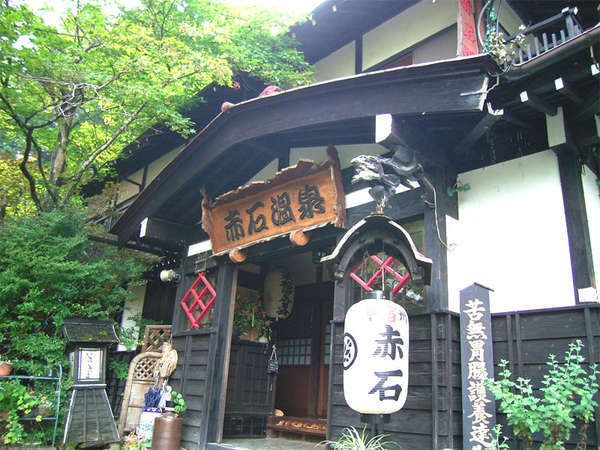
Akaishi Onsen
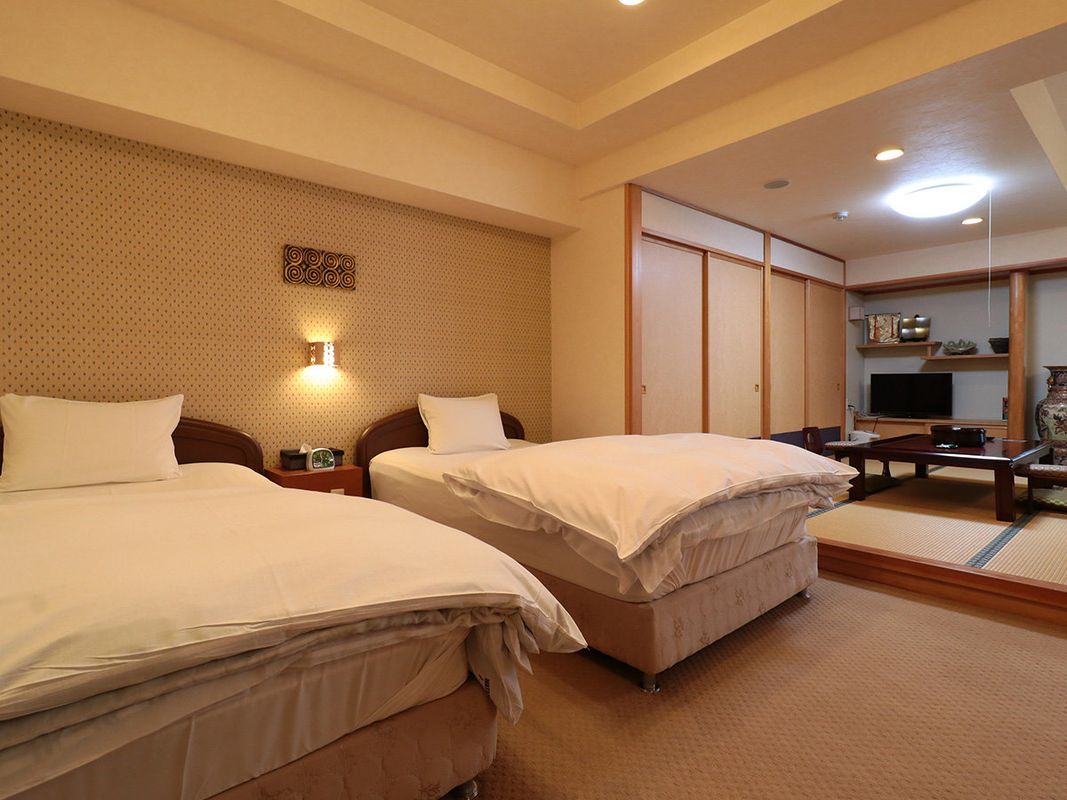
Ichiyanagi Hotel
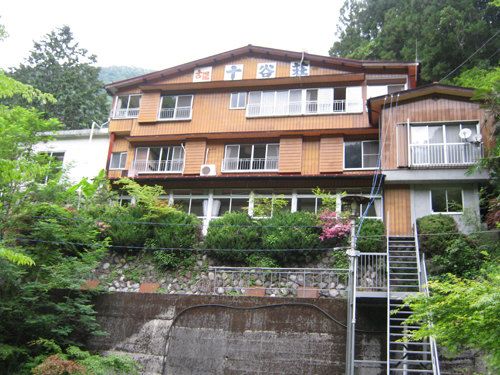
Jukkoku Onsen Tengu No Yu Jukkokuso
Best Hotels in Fujikawa
Discover curated hotel collections in Fujikawa
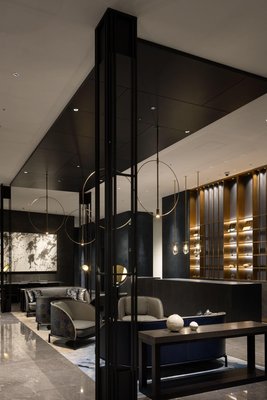
Bellustar Tokyo, A Pan Pacific Hotel
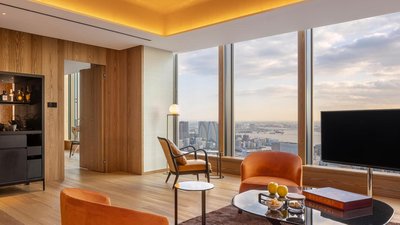
Bvlgari Hotel Tokyo
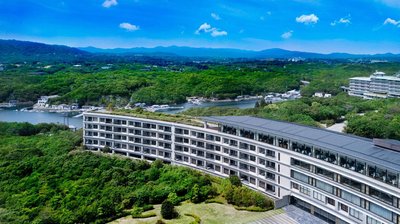
Shima Kanko Hotel the Bay Suites
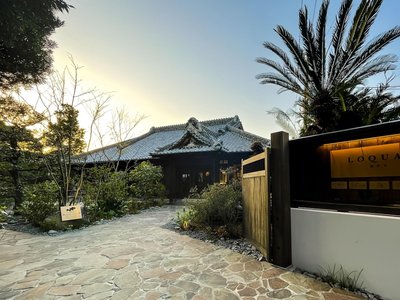
Loquat Nishiizu
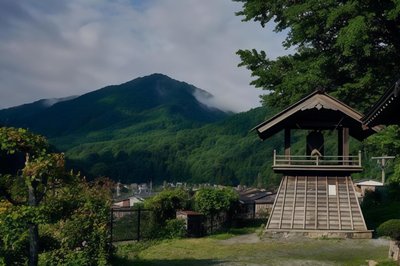
Byaku Narai
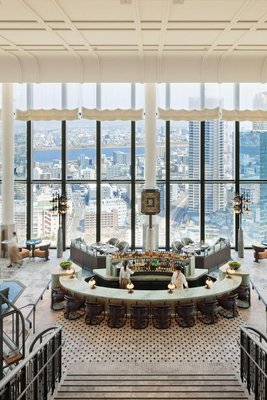
Waldorf Astoria Osaka
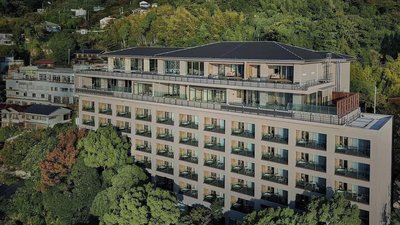
Atami Izusan Karaku
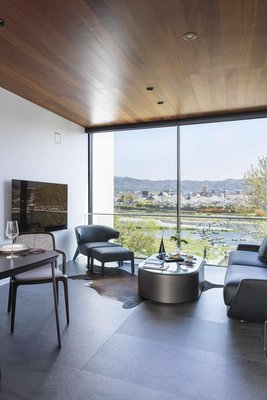
Kamo Residences by Reflections
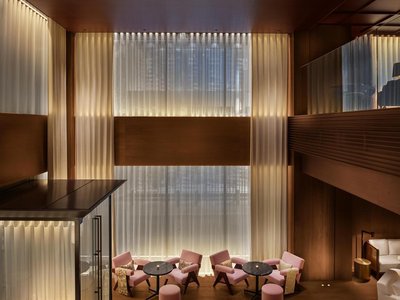
The Tokyo Edition, Ginza
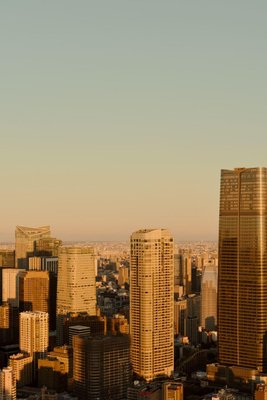
Janu Tokyo
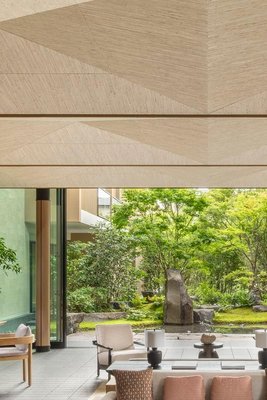
Six Senses Kyoto
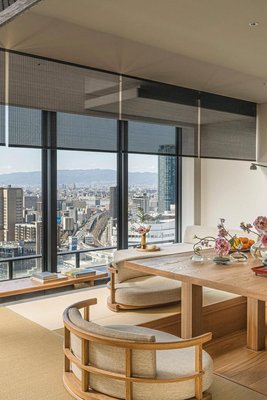
Four Seasons Hotel Osaka
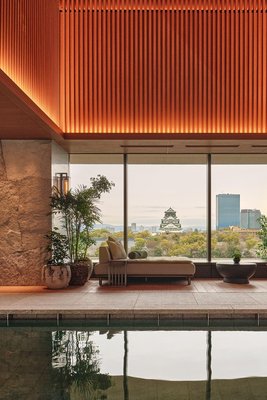
Patina Osaka

The Ritz-Carlton, Osaka
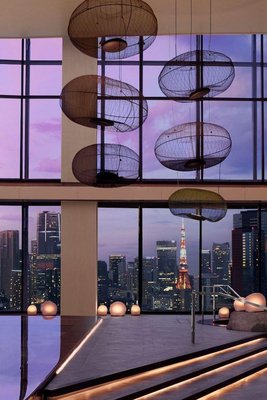
JW Marriott Hotel Tokyo
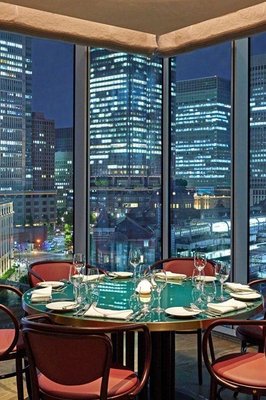
Four Seasons Hotel Tokyo at Marunouchi

Mandarin Oriental, Tokyo
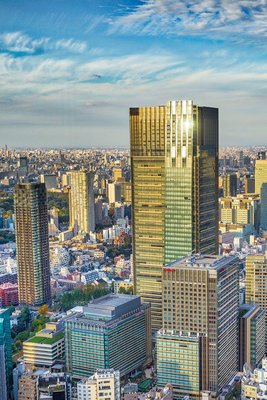
The Ritz-Carlton, Tokyo
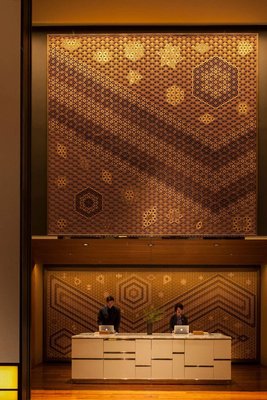
Andaz Tokyo Toranomon Hills- A Concept by Hyatt
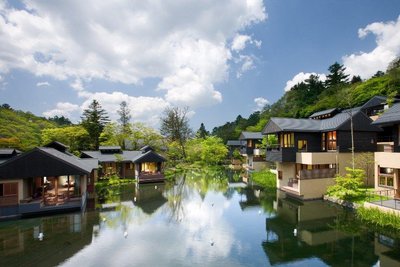
Hoshinoya Karuizawa
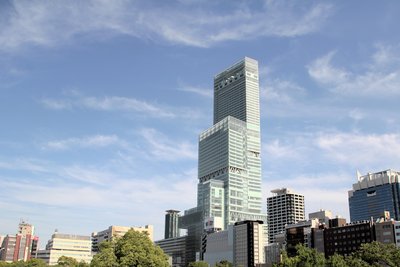
Osaka Marriott Miyako Hotel
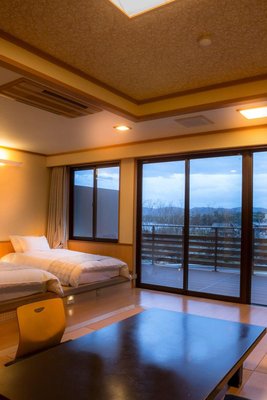
Hotel Kitanoya

The Park Front Hotel at Universal Studios Japan
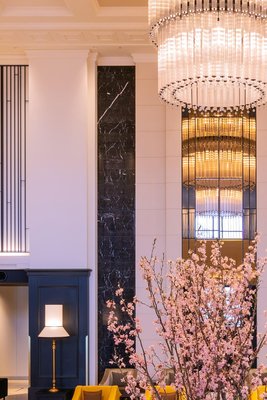
LIBER HOTEL OSAKA
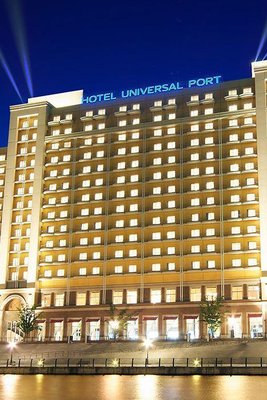
HOTEL UNIVERSAL PORT
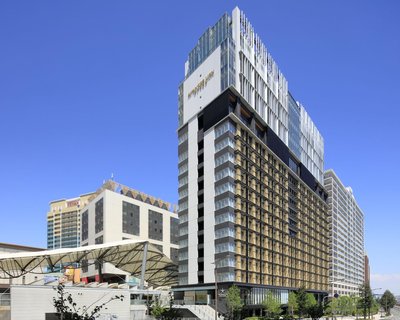
THE SINGULARI HOTEL & SKYSPA at UNIVERSAL STUDIOS JAPAN
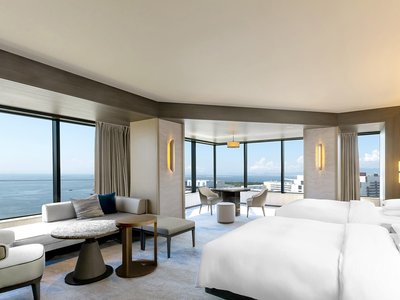
Grand Prince Hotel Osaka Bay

Hotel Keihan Universal Tower
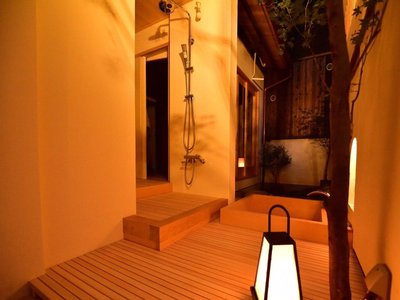
Yado Kiramachi
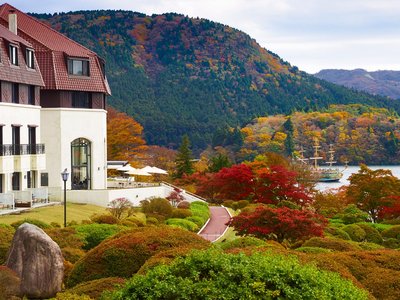
Hotakajyo
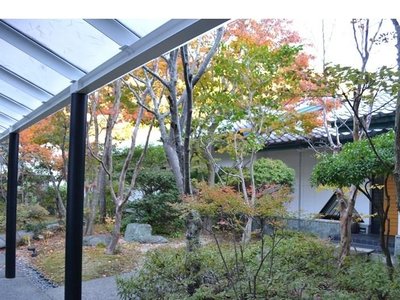
Auberge Suzukane

Onyado Nono Asakusa Bettei Hot Spring
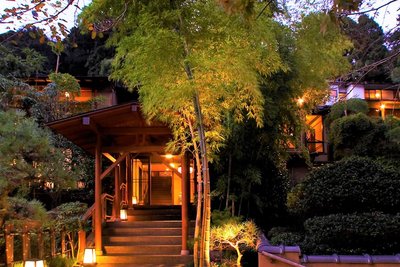
Shiki wo Ajiwau Yado Yamano Chaya
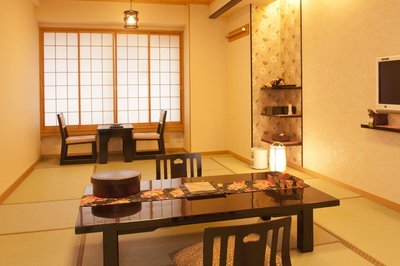
Matsui-Bekkan Hanakanzashi
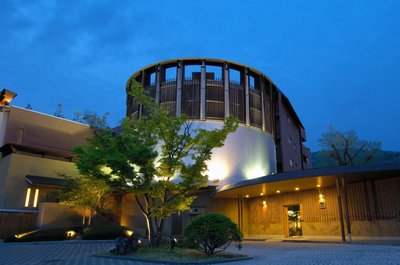
Hoshino Resorts Kai Matsumoto

Taikyourou
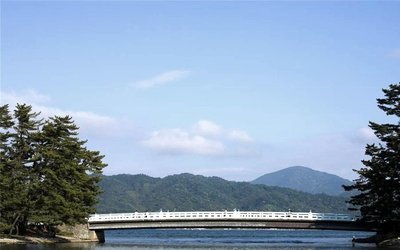
Monjusou Shourotei
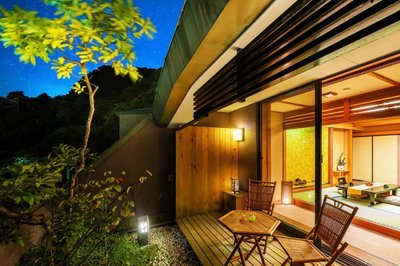
Konjakutei
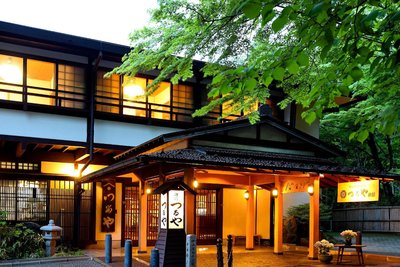
Tsuruya Ryokan
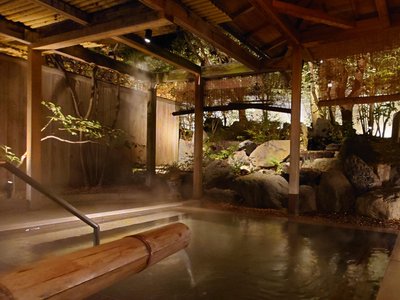
Kasuga Hotel
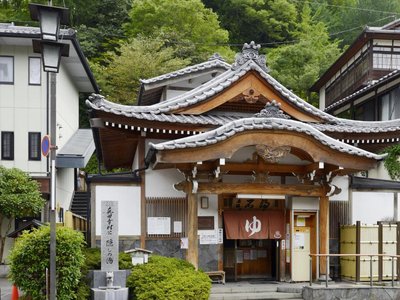
Nakamatsuya Ryokan
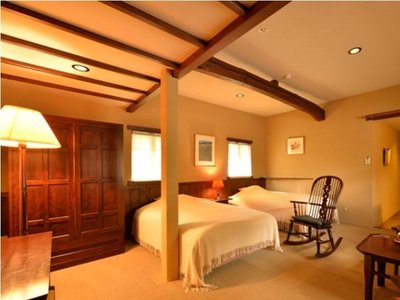
Ryokan Sugimoto
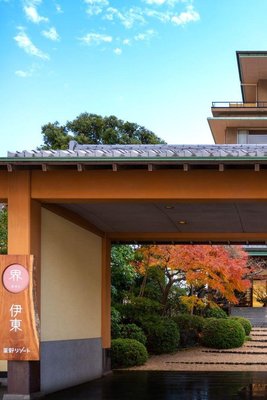
Hoshino Resorts Kai Ito
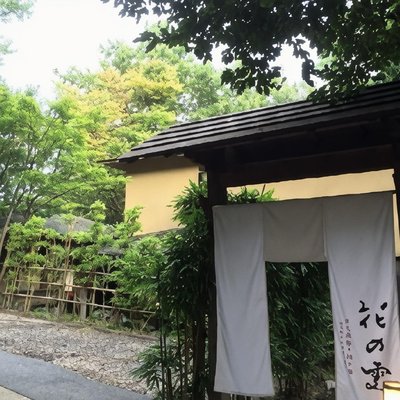
Hana No Kumo
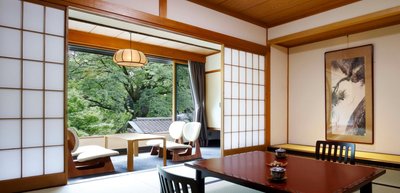
Yoshiike Ryokan
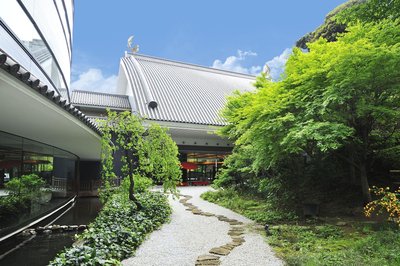
Hotel Gajoen Tokyo
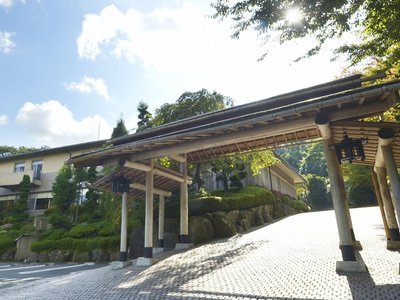
Gora Hanaougi
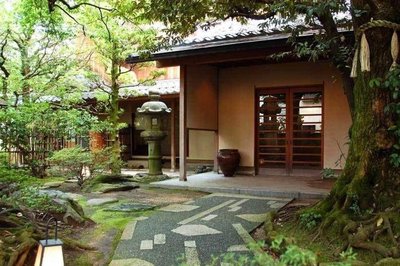
Kocho
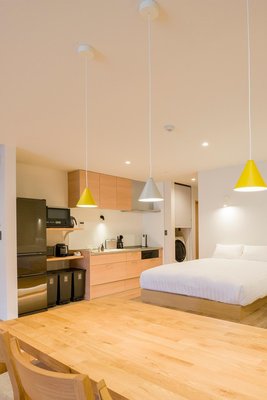
Rakuten STAY VILLA Nasu
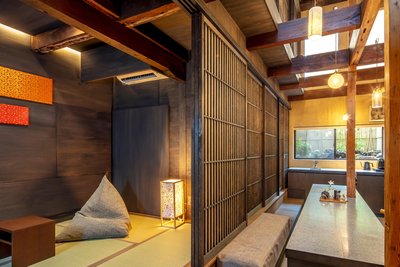
Kyo No Oozora Kihana
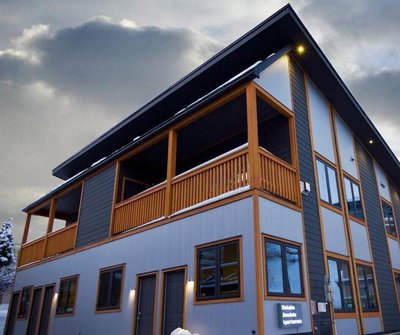
Hakuba Gondola Apartments
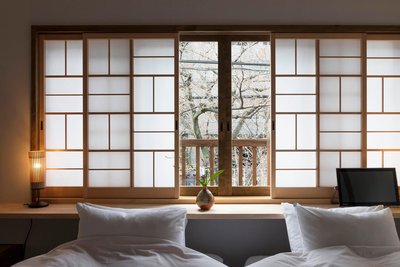
Hanagoromo Machiya House
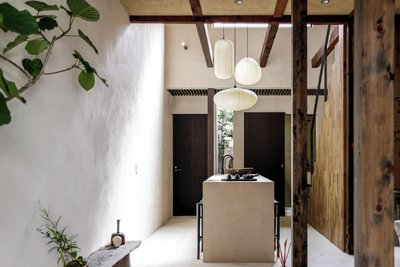
Maana Kiyomizu
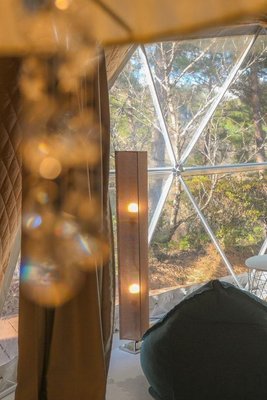
glampark Gekkabijin Nagano
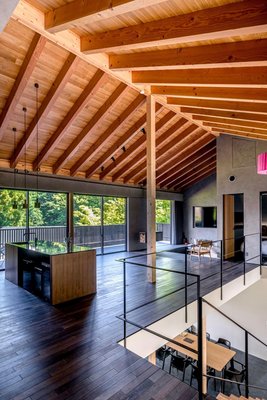
MONS GORA
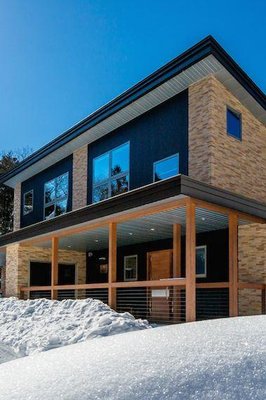
Phoenix Chalets by Hhg
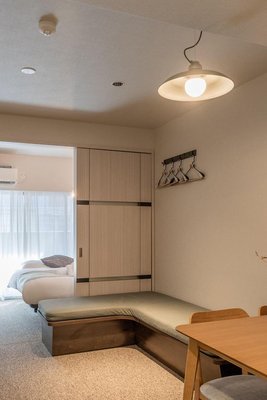
Apartment Hotel 11 Shinsaibashi
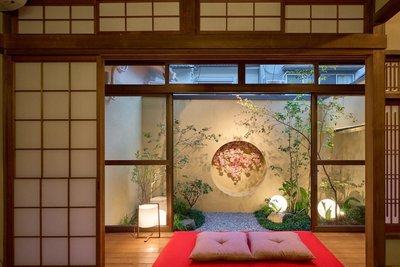
KONJAKUSO Osaka Tengachaya "NIHONCHA" Tea & Relax
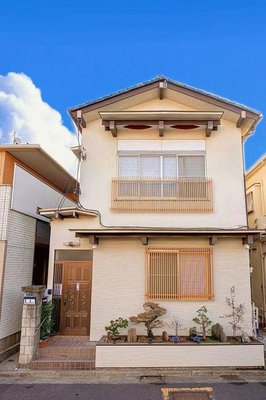
Tokyo Star House-Shinkoiwa
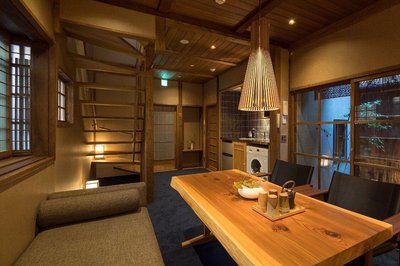
Bonbori an Machiya House
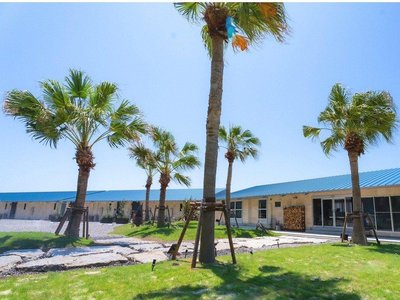
Glamping&Resort Wood Design Park Noma
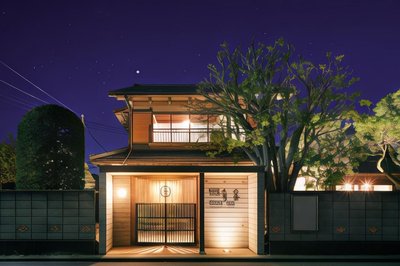
Machi-Jyu
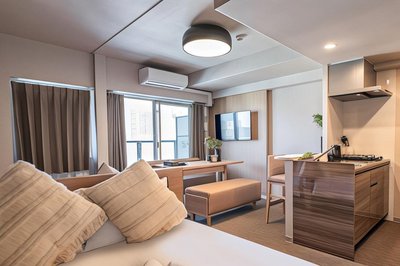
Apartment Hotel 11 Shinsaibashi III
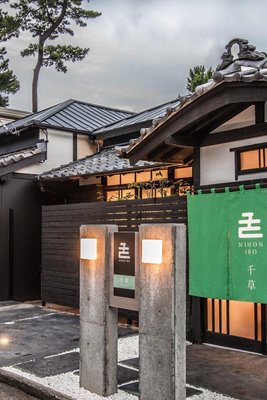
Nihon Iro
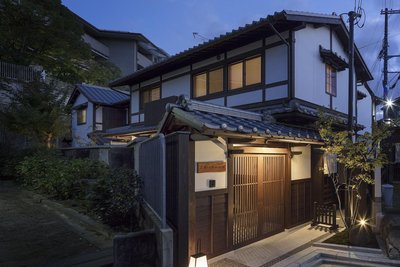
The Machiya Villa Sanjo Shirakawa Koji
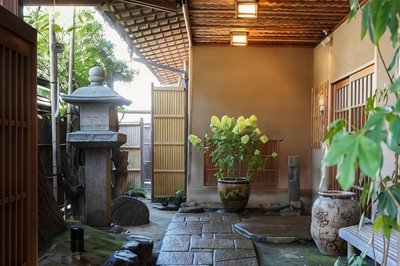
Ryokan Asadaya
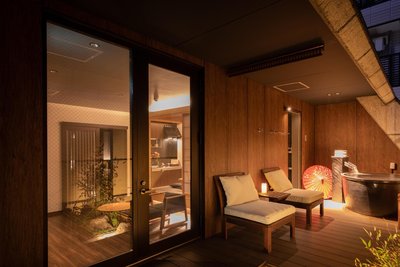
Konjaku-So Dotonbori
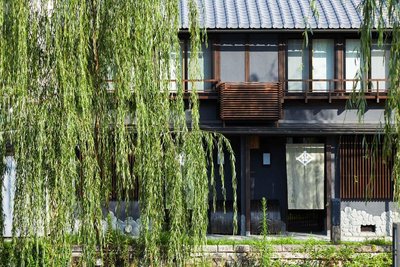
Gion Shirakawa No Yado
Frequently Asked Questions about Traveling to Fujikawa
Questions You Might Need to Know About Traveling to Fujikawa
In Fujikawa Town, recommend staying at Fujikawa Riverside Resort, a nature-integrated hotel blending traditional Japanese design with modern comfort. Located right by the Fujikawa River, it offers family-friendly activities like riverside camping, night-time firefly watching, and private onsen baths. Rooms feature tatami flooring and private hot springs, perfect for multi-generational stays. Nearby attractions include Fujikawa Nature Park and Yamanashi Prefectural Agricultural Museum, ideal for introducing kids to local farming culture and outdoor exploration.
The best area for accommodation in Fujikawa Town is the riverfront district, known for its serene environment and proximity to the Fujikawa River. This zone hosts several nature-themed inns and boutique lodges, such as Kawakaze House, featuring open-plan kitchens and scenic balconies. Easy access to Kofu Station (30 minutes by car) makes it an ideal base for exploring central Yamanashi Prefecture. The quiet streets and lush greenery create a peaceful retreat perfect for travelers seeking tranquility.
Visitors to Fujikawa Town can participate in the annual Yamanashi Sake Festival (held in autumn), where they can witness traditional sake brewing firsthand and taste premium local varieties like Shirokagi Sake. The Fujikawa Local Culture Center displays historical farming tools and textile crafts from the Edo period. During spring, the Cherry Blossom Festival at Fujikawa Park features tea ceremonies, kimono try-ons, and handmade craft markets—offering an immersive glimpse into the region’s quiet, refined rural heritage.
For couples seeking romance, stay at Yoru Hikari Villa, a secluded ryokan nestled in bamboo groves. Each room features a private rotenburo (outdoor hot spring bath) facing the river at night, offering breathtaking views of the stars and flowing waters. Enjoy a shared morning matcha ceremony in the garden, then savor a candlelit kaiseki dinner under the sky. Some rooms even offer seasonal packages, including firefly-viewing excursions during summer nights—perfect for creating unforgettable memories together.
Near Fujikawa Town, the highlight is Fujikawa Nature Park, with hiking trails, birdwatching platforms, and picnic areas ideal for nature lovers. In summer, explore the Asama Waterfalls, while winter brings stunning ice formations along the river. The Ogusa Mountain Overlook offers panoramic views of snow-capped Mount Fuji—ideal for photographing the mountain’s reflection on calm waters. Additionally, terraced rice fields remain largely untouched, perfect for cycling through pastoral landscapes and experiencing rural Japan at its most peaceful.
Hot springs in Fujikawa Town are sourced from natural hot mineral water rich in silicate and bicarbonate, known for their skin-soothing properties. At Kawa no Yu Onsen Inn, the baths are built with hinoki wood, releasing a calming aroma. What sets them apart is the open-air rotenburo overlooking the river—where guests can soak while listening to flowing water and gazing at distant peaks. For a more intimate experience, book during weekdays to enjoy quieter, more private moments in this serene sanctuary.
Yes, Fujikawa Town is ideal for road trips. Begin from Kofu City via National Route 20, passing the Fujikawa Bridge for scenic views of the river winding through valleys. Stop at the Fujikawa River Viewpoint for panoramic shots of the landscape. Continue south to the town center, then take Yamanashi Prefectural Road 57 into rural lanes to discover hidden villages and orchards. Bring a map or offline navigation—some roads have weak signal—but the journey rewards with breathtaking countryside vistas and authentic local charm.
Must-try dishes in Fujikawa Town include Fujikawa River Fish Cuisine, especially grilled or miso-stewed Fujikawa Crucian Carp, raised in pristine local waters. Another highlight is Yamanashi’s dried fig jam with fresh bread, available at Kawabe Dining Hall. Don’t miss Kofu grapes in wine or dried form—excellent souvenirs. During festivals, sample rice balls with umeboshi and steamed taro, all sourced from nearby farms. These dishes reflect the local philosophy of "one mile, one flavor"—fresh, simple, and deeply rooted in regional identity.
The best times to visit Fujikawa Town are spring (March to May) and autumn (September to November). Spring brings cherry blossoms at Fujikawa Park, making it a top spot for hanami (flower viewing). Autumn offers crisp weather, vibrant maple foliage, and events like the Sake Festival and Harvest Festival. Summer sees occasional rain but offers cool river activities and firefly walks; winter is quiet, ideal for onsen relaxation and solitude. Avoid Golden Week and Obon Festival for fewer crowds and smoother travel.
Photographers love Fujikawa Town for its dramatic light and natural beauty. Key spots include Fujikawa Morning Mist Wetlands, where fog hovers over the river, creating mirror-like reflections of Mount Fuji. The River Viewpoint offers sweeping panoramas of meandering streams and distant mountains. The Terraced Rice Field Corridor glows golden at sunset, perfect for long-exposure shots. Even Kawakaze House’s wooden veranda with paper lanterns adds poetic composition. Bring a tripod and wide-angle lens, and shoot during the golden hour for the most striking, ethereal images.
Fujikawa Overview
City Summary
Fujikawa Town in Yamanashi Prefecture is a serene retreat nestled between Mt.Fuji and Fuji River. Renowned for its stunning natural scenery during cherry blossoms and autumn foliage seasons, the town preserves traditional washi paper crafts and Edo-period post town charm, ideal for cultural and nature-focused travelers.
Must-See Attractions
Top attraction is the Taiyaki Hometown Museum showcasing century-old washi papermaking. Fujikawa Rakuten market features local handicrafts, while summer brings firefly viewing spots along the river. Don’t miss the dazzling Fujikawa Fireworks Festival or winter views of snow-capped Mt.Fuji.
Food Guide
Savor Fujikawa river fish cuisine like ayu salt-grilling and trout sushi. Regional must-tries include houtou noodles in miso broth and chewy Yoshida udon. For desserts, try volcanic ash-infused black soft serve and mochi-like Shingen mochi.
Transportation Guide
From Tokyo, take JR Chuo Line to Kofu Station then a 40-minute bus. Driving via Chuo Expressway is more flexible. Town access relies on loop buses and rentals – taxis require advance HopeGoo. Note some mountain roads close in winter.
Best Time to Visit
April-May for cherry blossoms and October-November for autumn colors are optimal. Avoid July-August typhoons and January-February extreme cold. Weekends attract more visitors.
Travel Tips
- Observe no-photography rules in craft workshops
- Book onsens in advance and follow bath etiquette
- Pack layers for unpredictable mountain weather
- Strict recycling compliance required
- Cash preferred – credit cards limited to major venues
- Limited night lighting – travel in groups after dark
Useful Information
Japanese is primary language; tourist centers offer basic English. Docomo/SoftBank provide 4G coverage – SIM cards available at convenience stores. Currency exchange at post offices/large hotels. Dial 110 for police or 119 for ambulance – serious cases require transfer to Kofu City hospitals.









